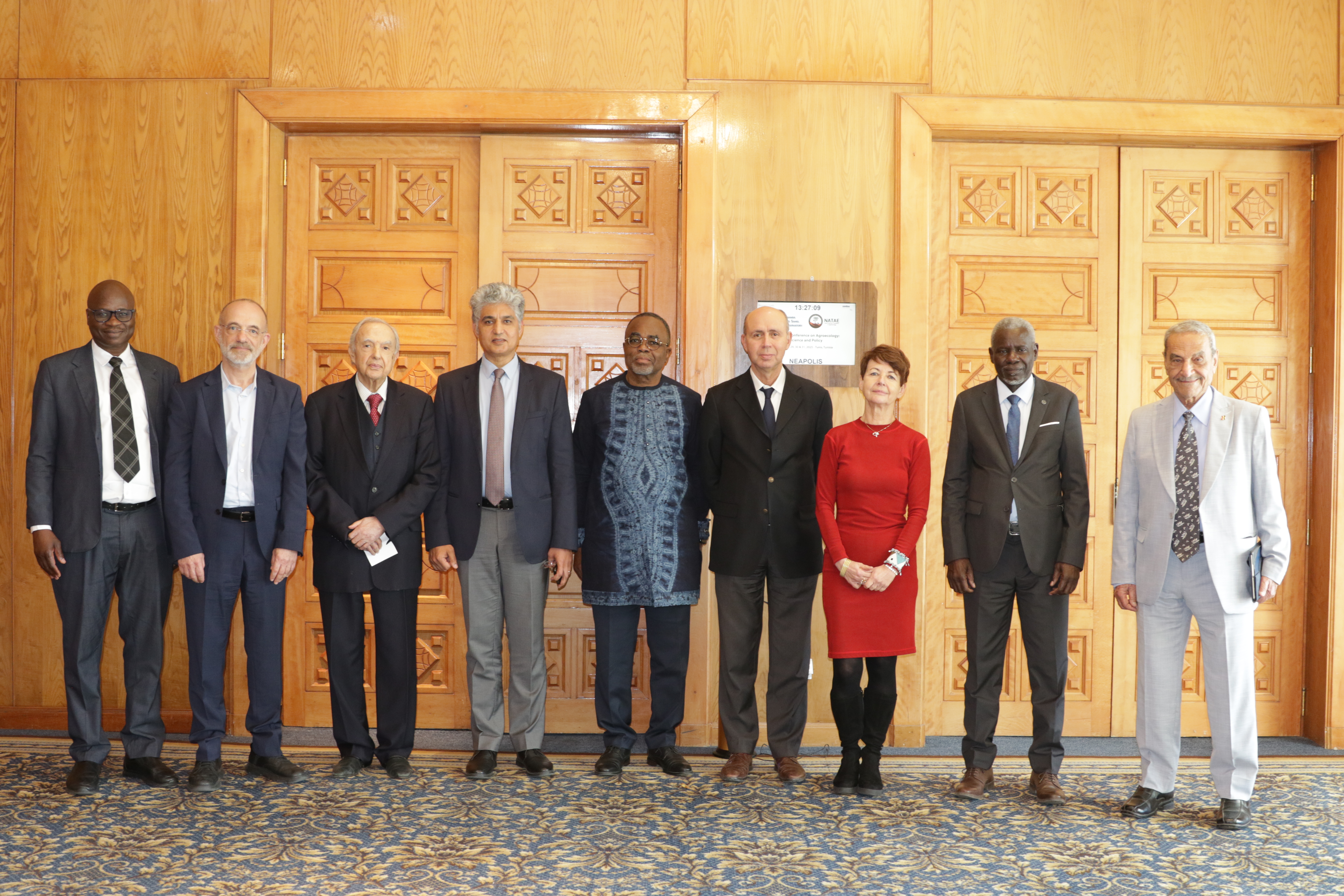
27th Session of the OSS Strategic Orientation Committee, Tunis, January 28, 2025
Held on January 28, 2025 in Tunis, the 27th session of the Strategic Orientation…
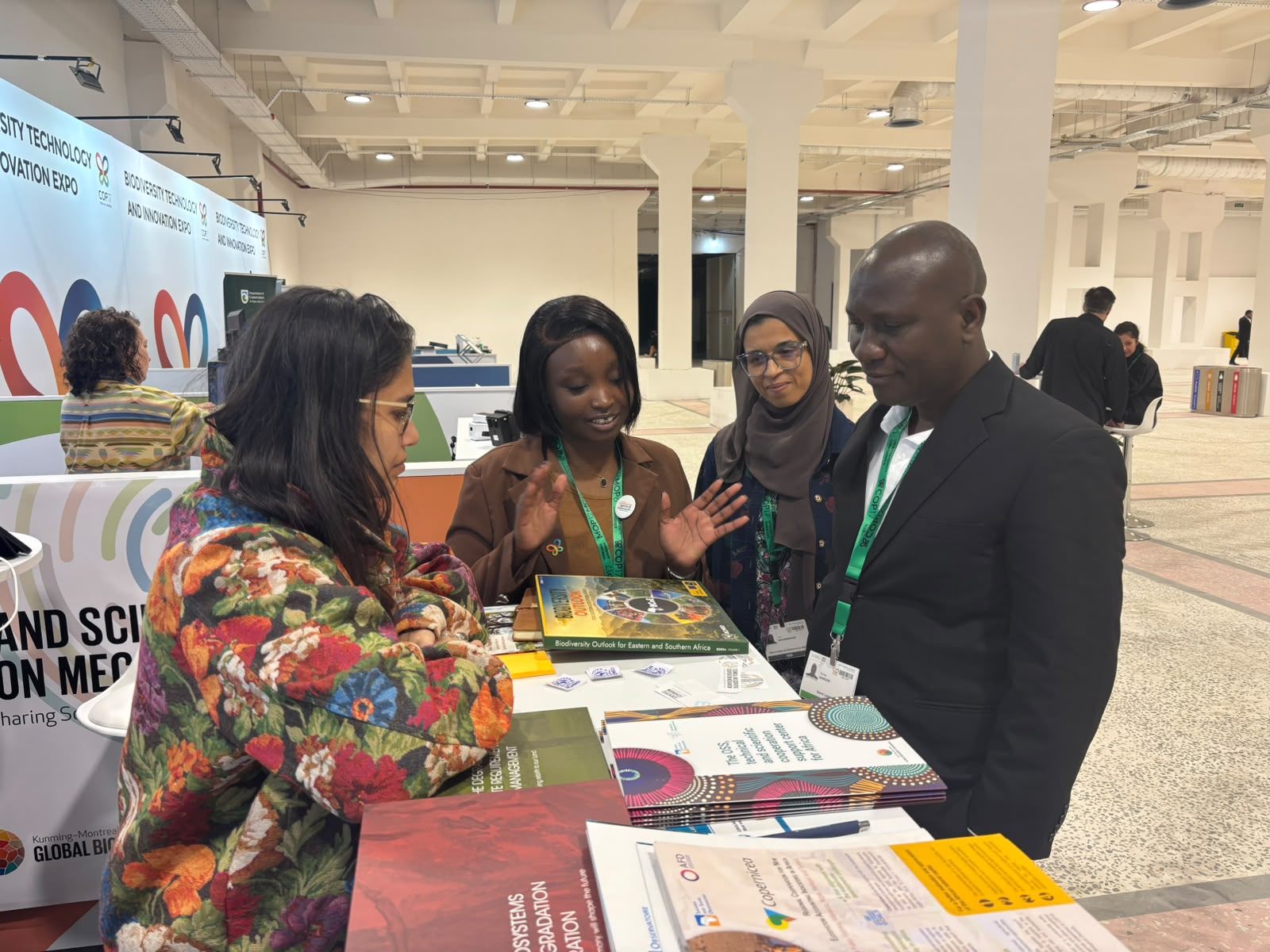
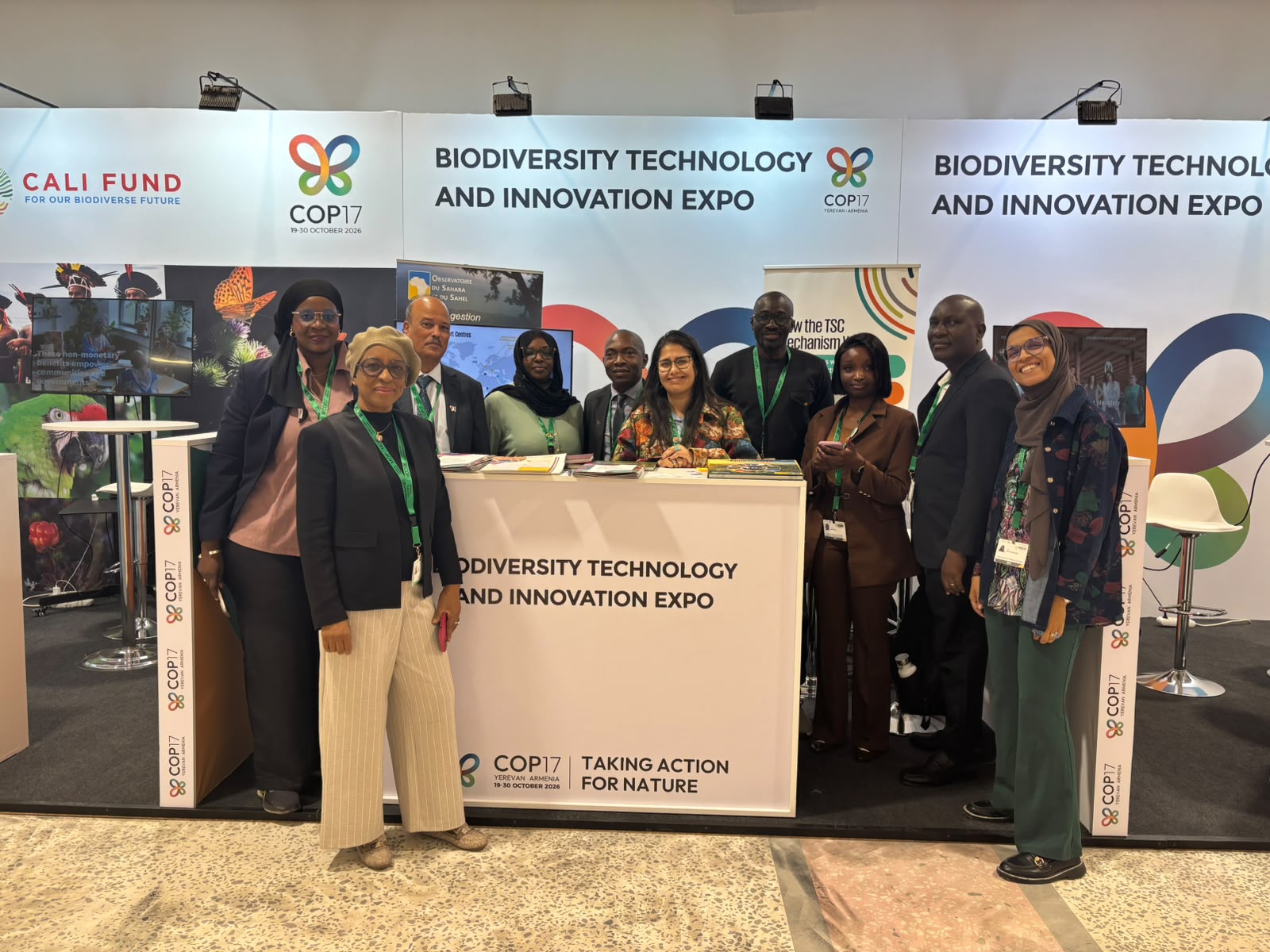
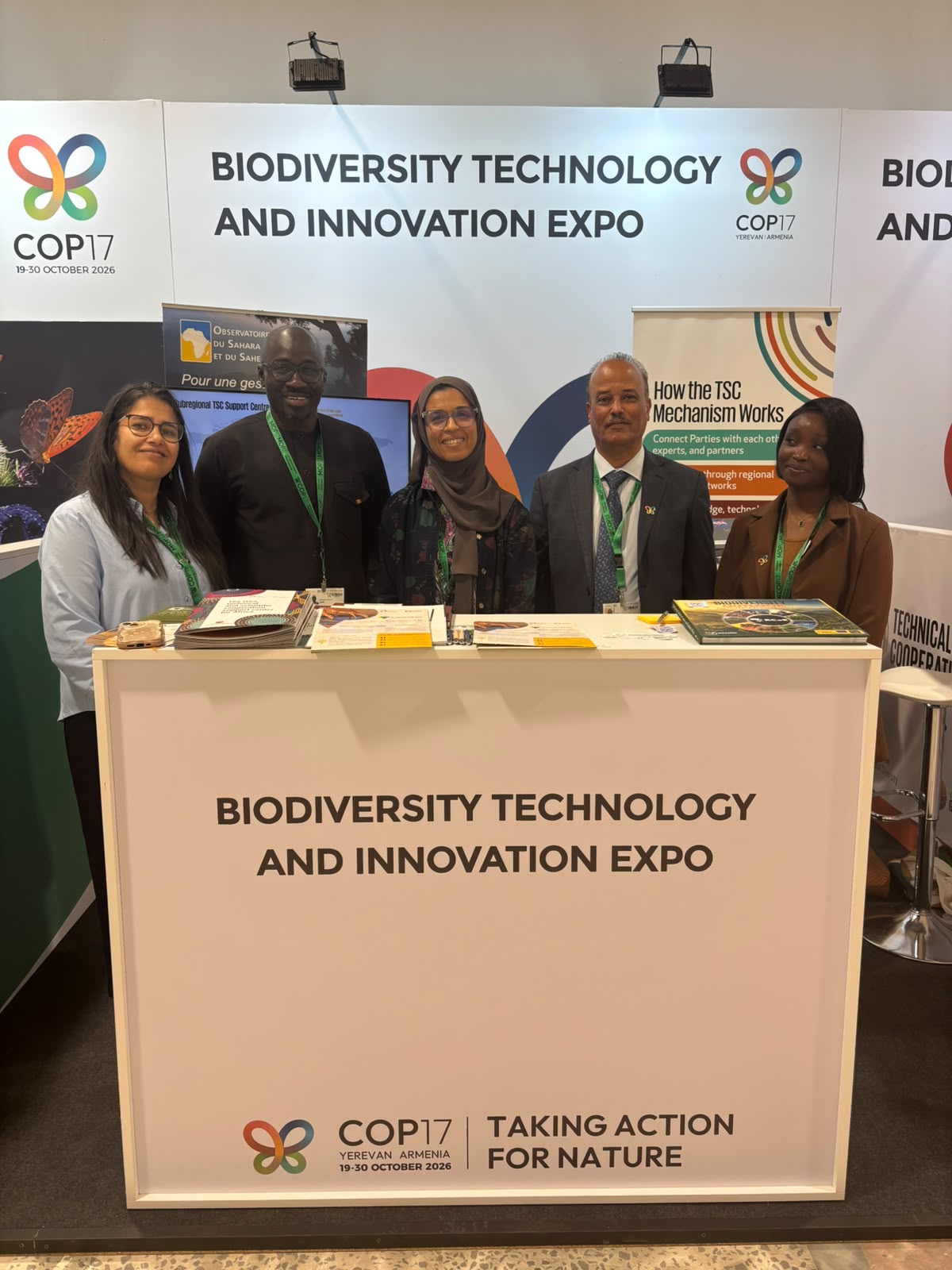

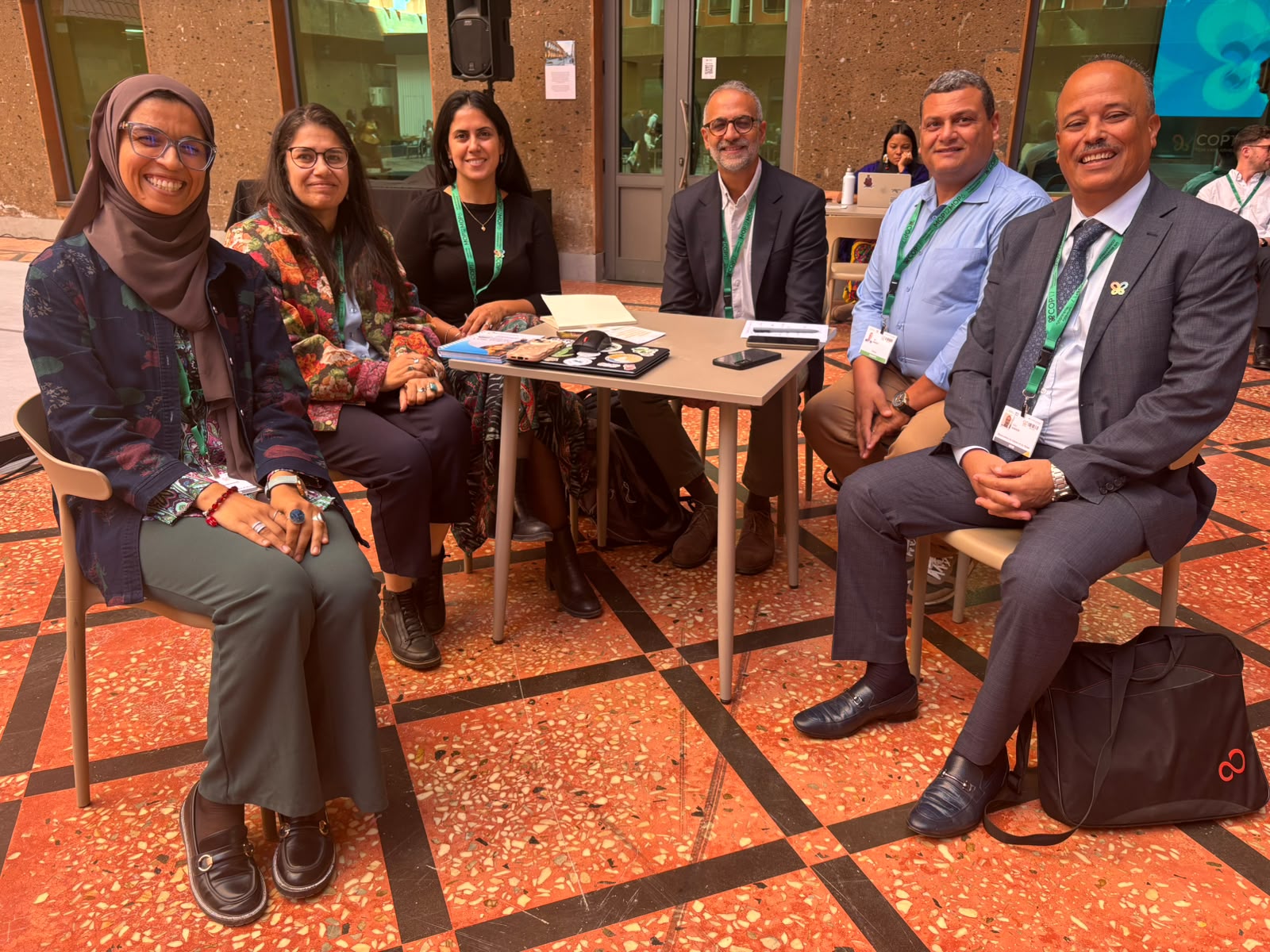
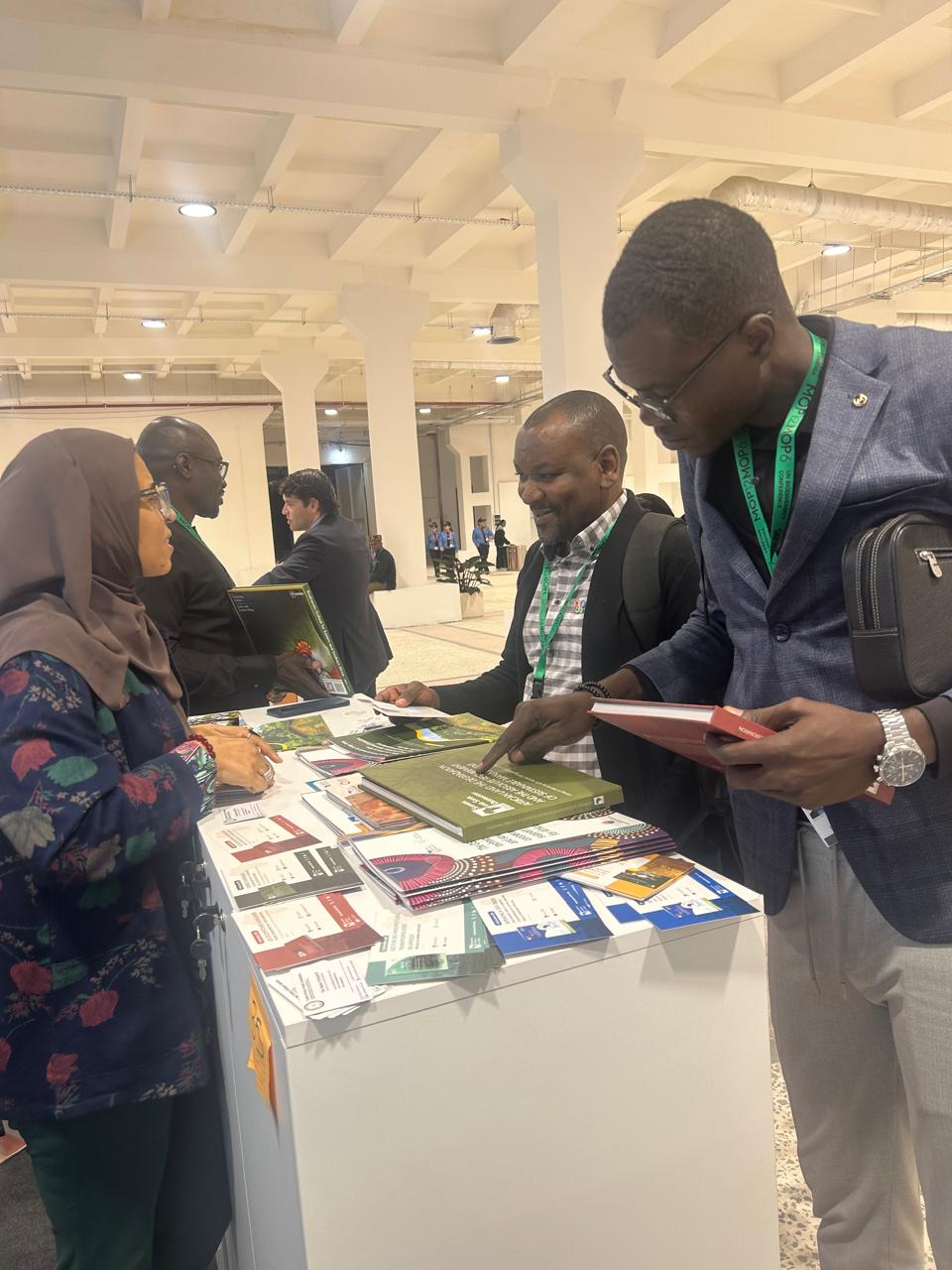
Yerevan, Armenia. 19–30 October 2026
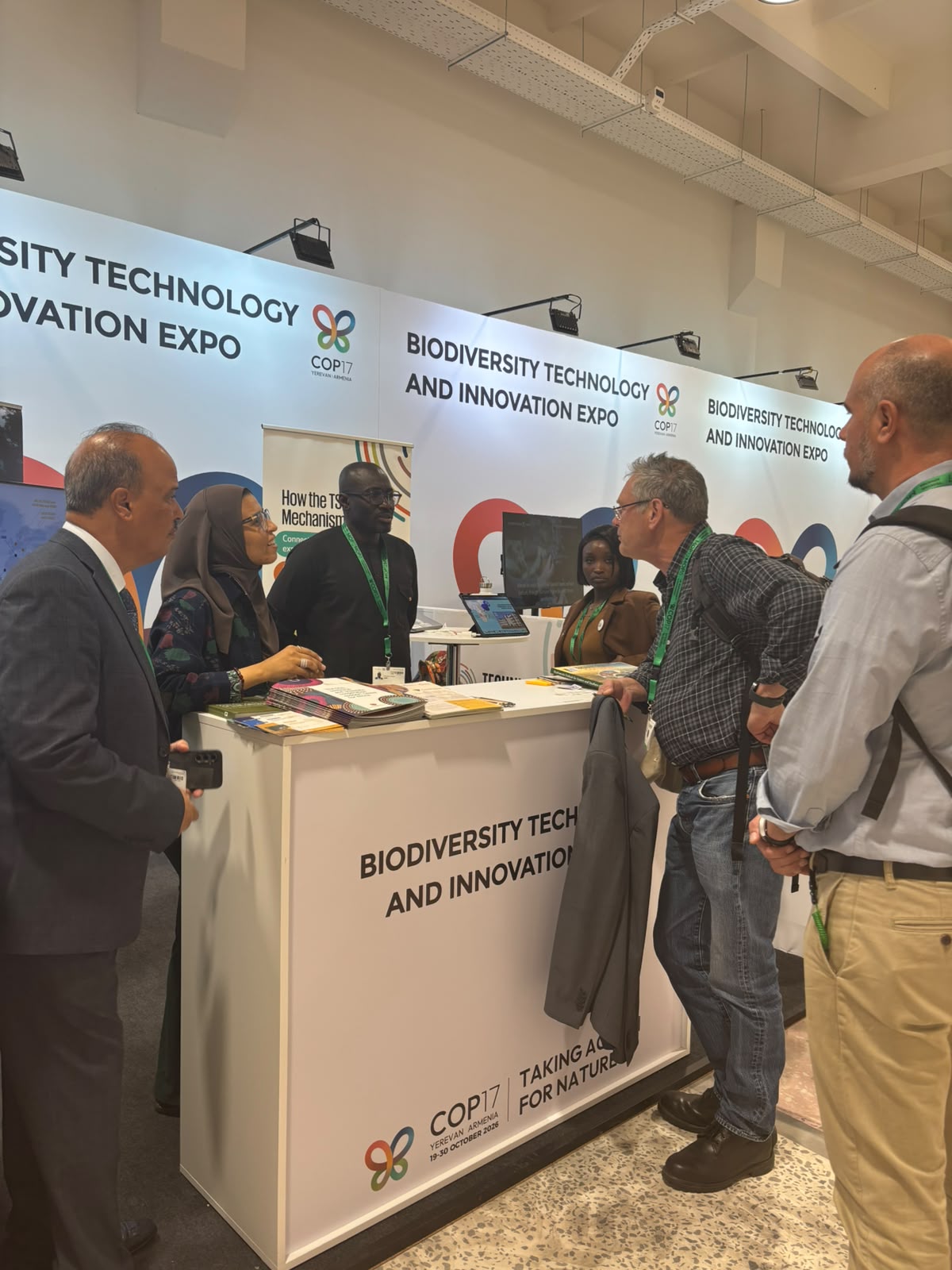
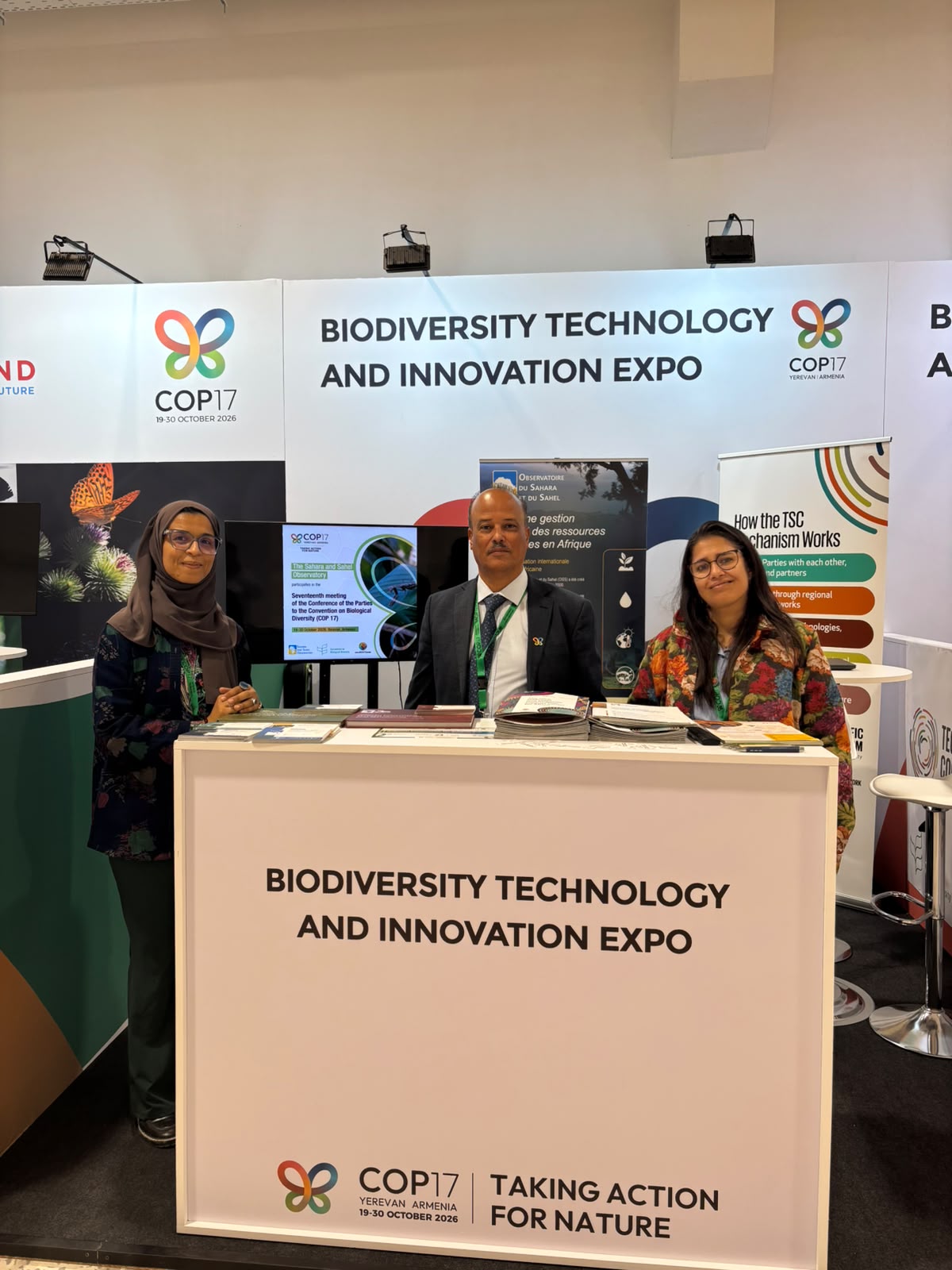
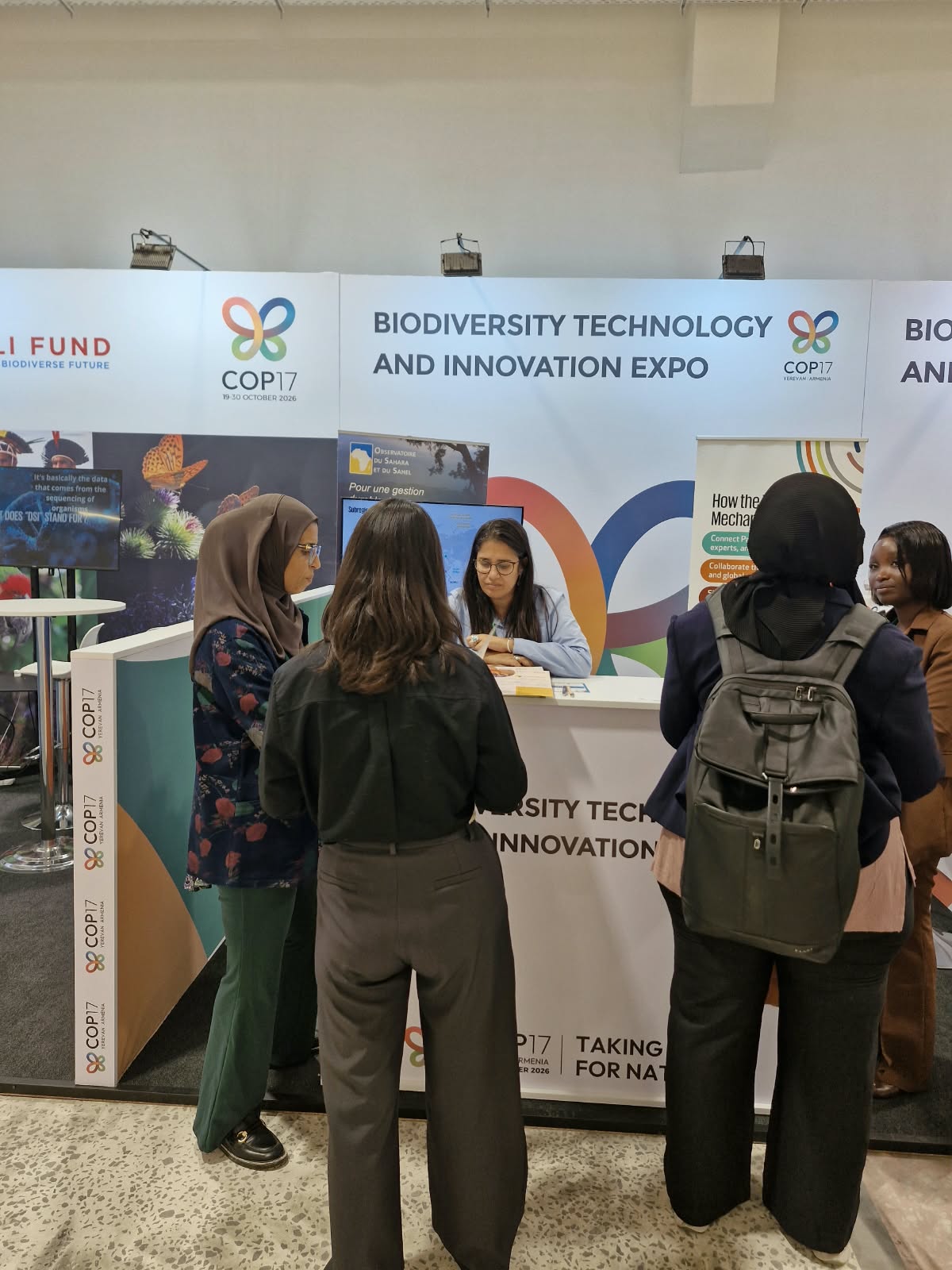
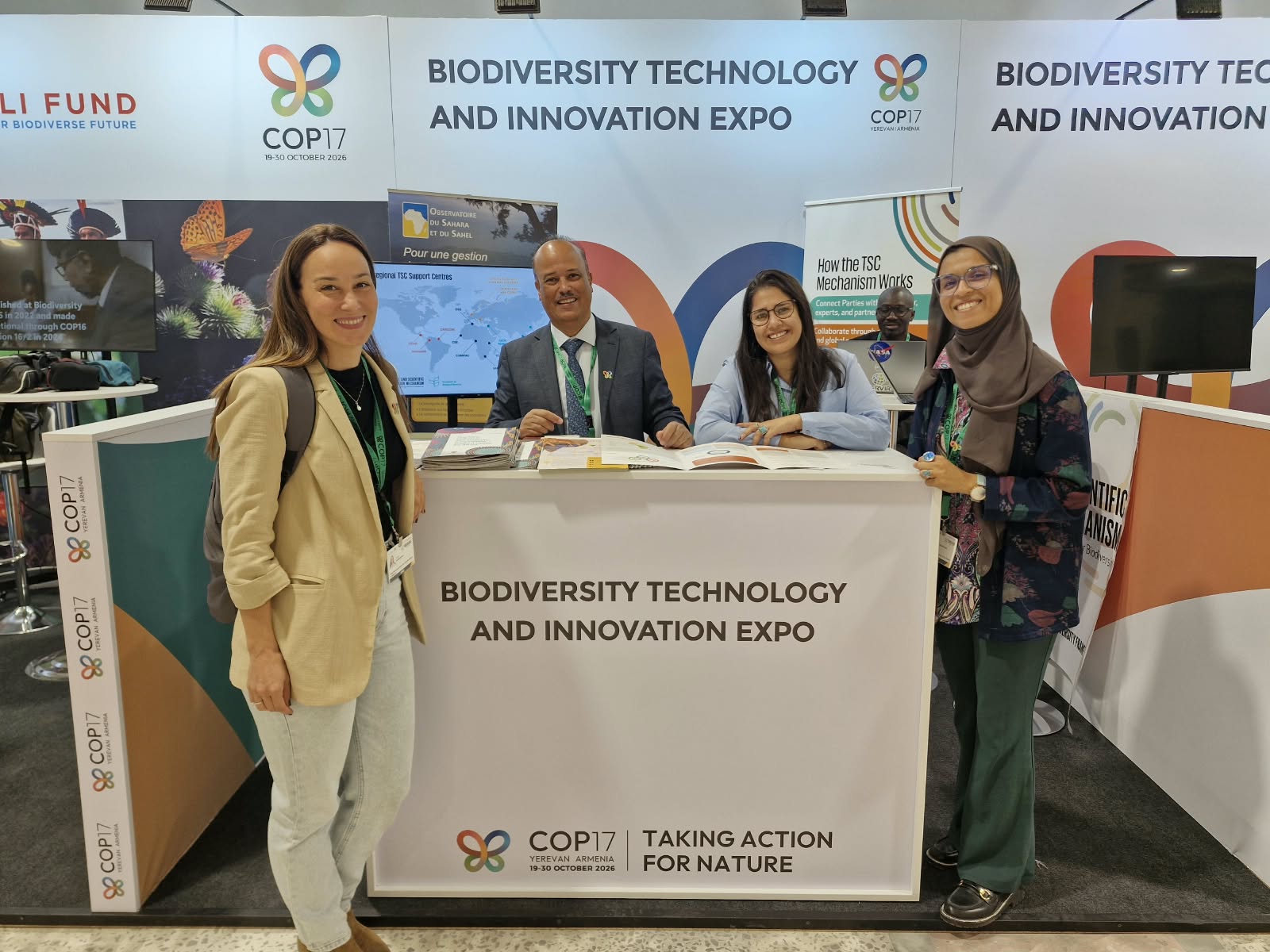
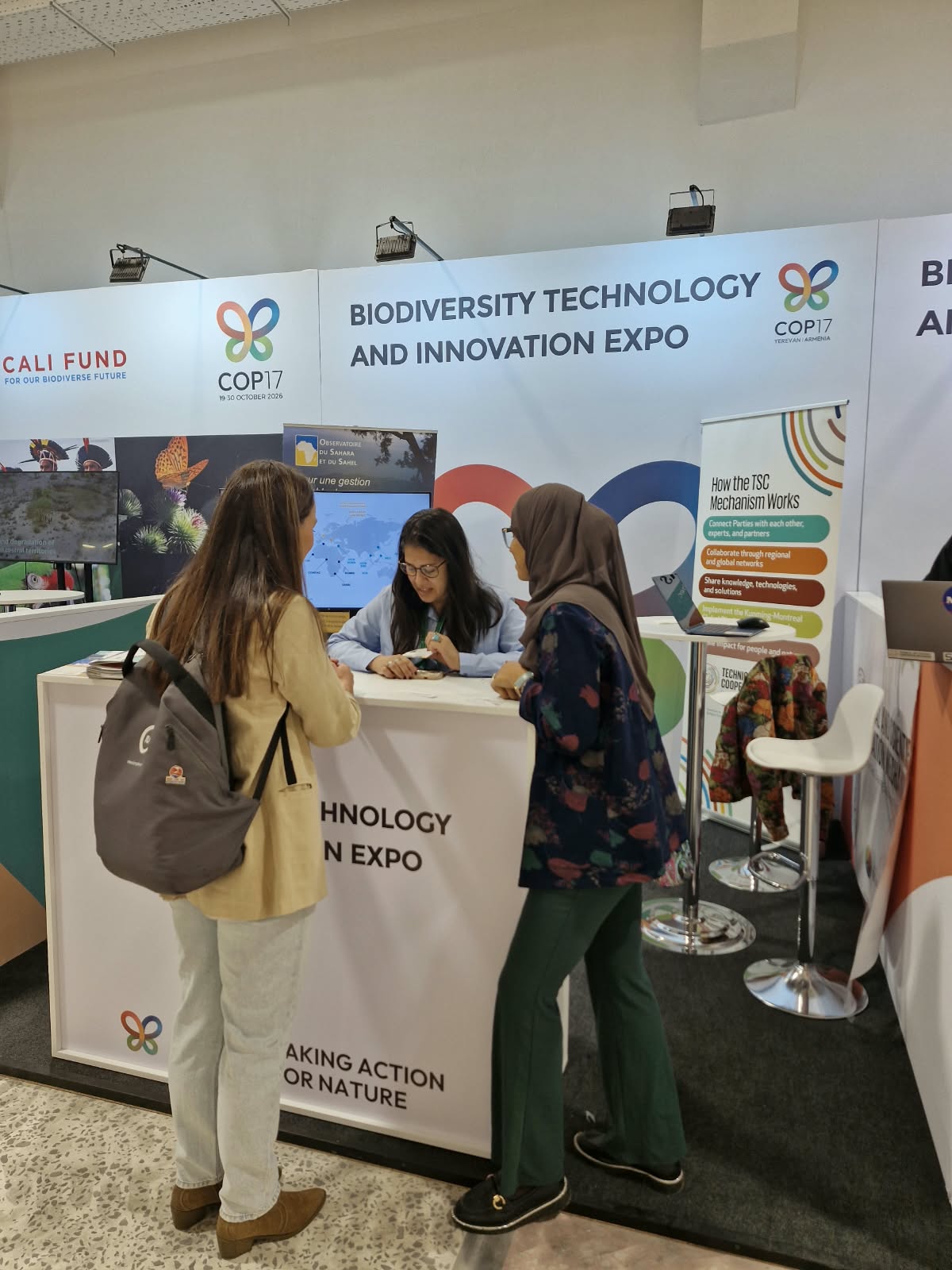
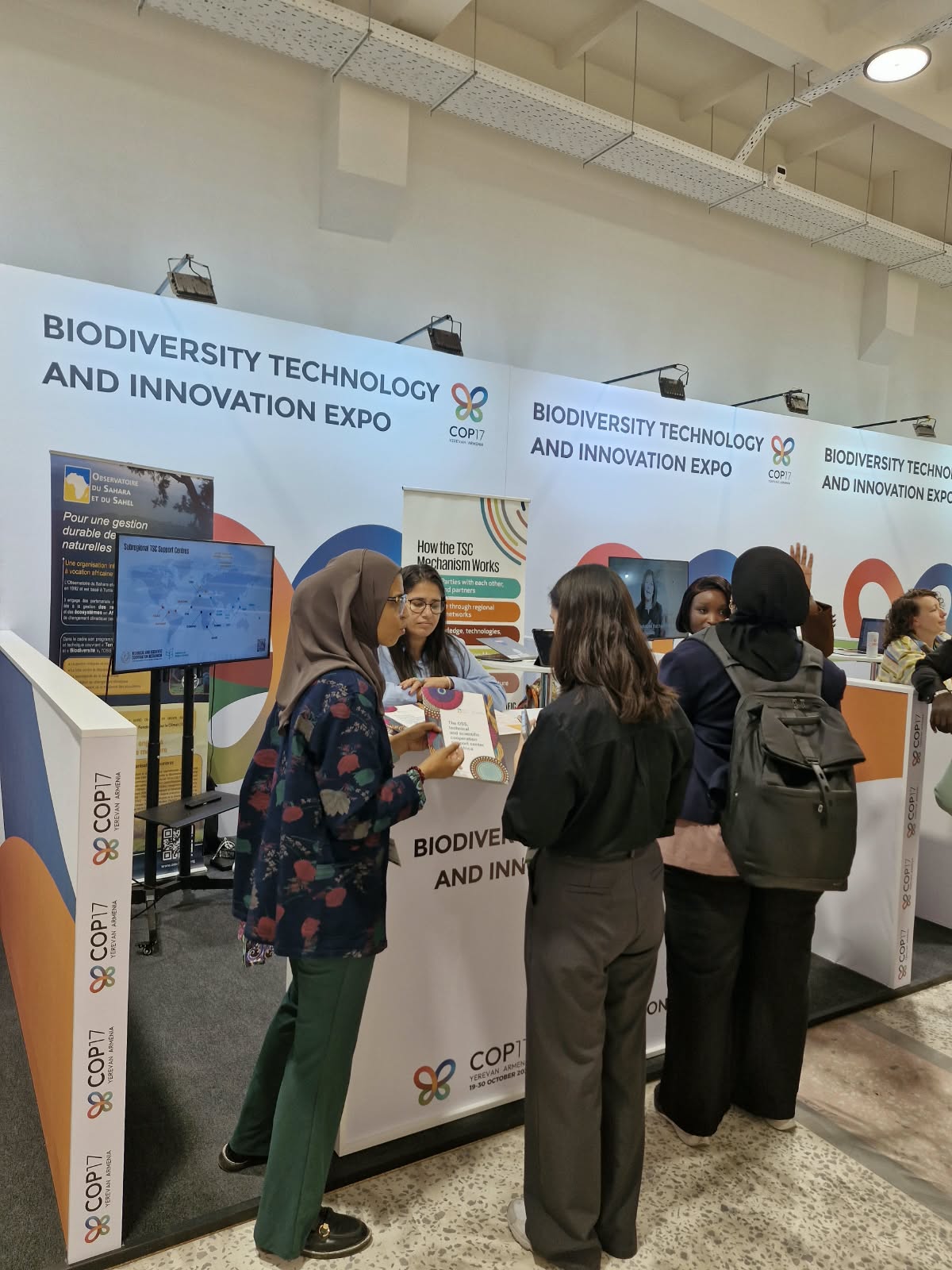
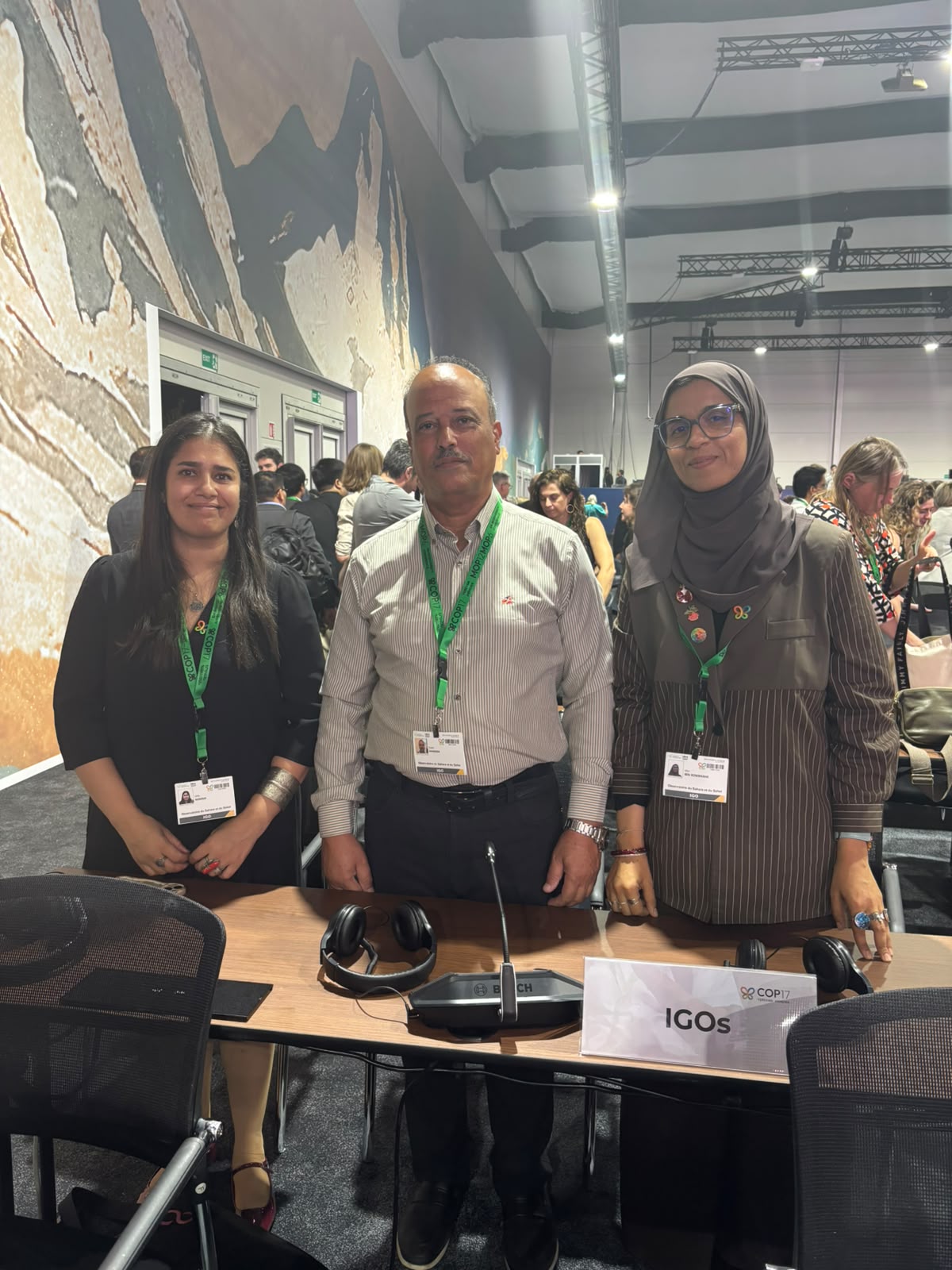
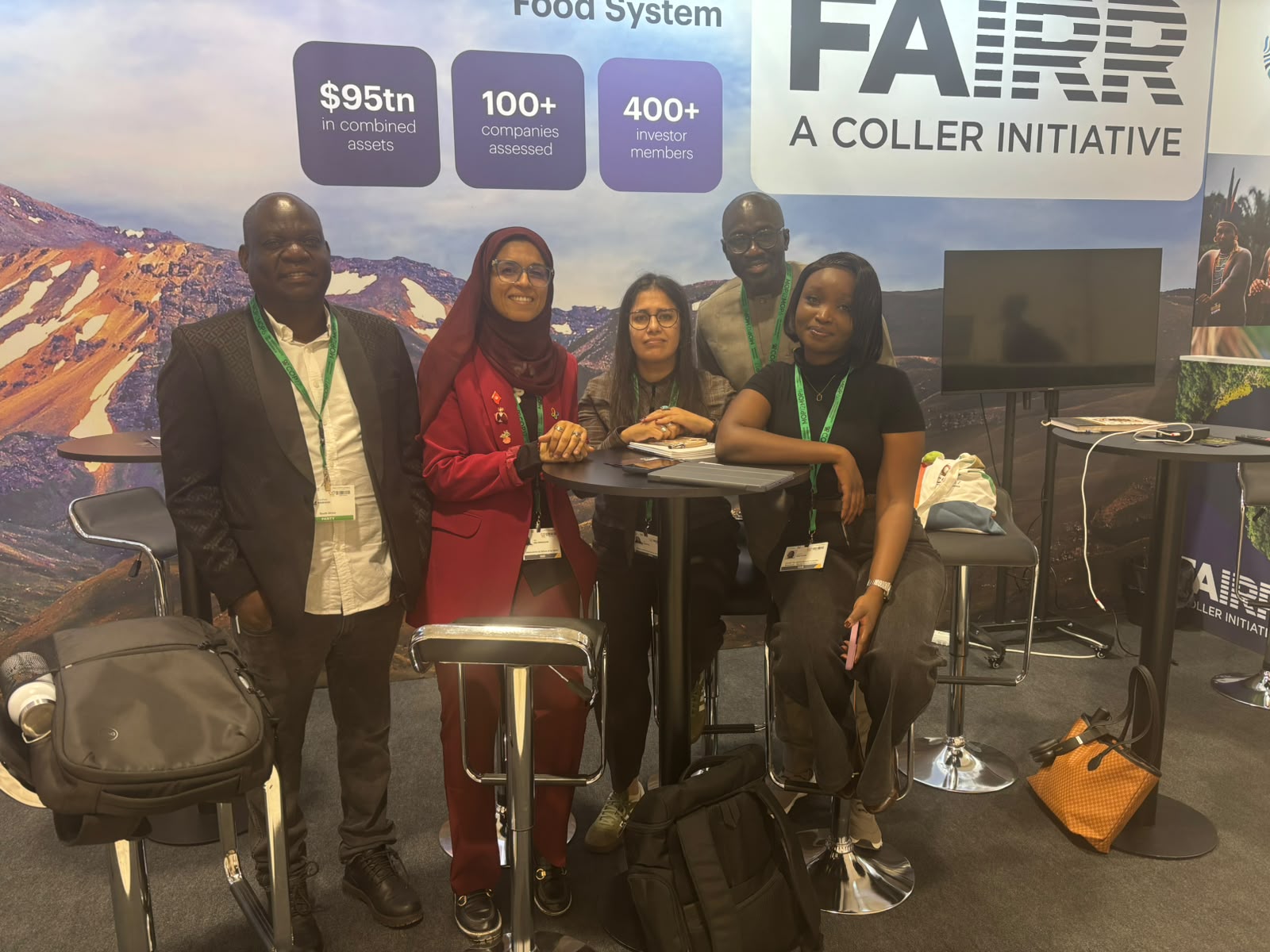
On the occasion of the 17th meeting of the Conference of the Parties to the Convention on Biological Diversity (CBD COP17), the Sahara and Sahel Observatory (OSS) reaffirms its commitment to the African network of Technical and Scientific Cooperation Support Centres (TSCCs), alongside four other regional institutions. Together, these centres support the 54 African countries that are Parties to the Convention in strengthening their capacities and implementing the Kunming-Montreal Global Biodiversity Framework.
The mobilisation of the TSCCs responds to an urgent need for countries to strengthen their information systems, improve biodiversity monitoring and translate their international commitments into concrete action.
Across Africa, this cooperation is built on the complementary roles of the five centres: the OSS for North Africa and the Sahel; the Centre for Ecological Monitoring (CSE) for West Africa; the Central African Forests Commission (COMIFAC) for Central Africa; the Regional Centre for Mapping of Resources for Development (RCMRD) for East Africa; and the South African National Biodiversity Institute (SANBI) for Southern Africa.
Their areas of intervention include biodiversity data, ecosystem monitoring, spatial planning, ecological restoration, national reporting, governance, scientific partnerships, biosafety, and access to genetic resources and benefit-sharing.
The OSS: A Scientific Cooperation Partner for North Africa and the Sahel
The OSS places its expertise in geospatial tools and natural capital accounting at the service of countries in its region. It also works to bring together the reporting processes under the Convention on Biological Diversity (CBD) and the United Nations Convention to Combat Desertification (UNCCD), with a view to better connecting biodiversity, land degradation and the sustainable management of natural resources.
This work improves the consistency of the data used by countries, strengthens their national monitoring systems and promotes greater consideration of the interactions between ecosystems, natural resources and environmental policies. It forms part of a regional cooperation approach aimed at bridging scientific knowledge and countries’ needs, enabling them to make better use of this knowledge in planning, monitoring and implementing their international commitments.
Concrete Progress Across Other African Subregions
The African technical and scientific cooperation mechanism has reached several milestones. Agreements have been concluded with host countries and institutions, work plans have been developed, and coordination arrangements have gradually been established. Regional needs have been assessed based on priorities identified by the Parties themselves, helping guide initial technical support and mobilise partners.
In West Africa, the CSE, particularly through the West African Observatory for Biodiversity and Protected Areas (OBAPAO), collects and harmonises data, supports the preparation of the seventh national reports and strengthens capacities in geographic information systems and remote sensing.
In Central Africa, COMIFAC integrates the monitoring framework into the systems of the Central African Forest Observatory (OFAC). It supports the revision of National Biodiversity Strategies and Action Plans (NBSAPs), improves national reporting, aligns its Convergence Plan with the targets of the Global Biodiversity Framework and facilitates dialogue on national strategies.
In East Africa, the RCMRD mobilises Earth observation tools, geographic information systems and spatial data to support monitoring, planning and reporting. Its work focuses particularly on Targets 2 and 3 of the Global Biodiversity Framework, which address ecosystem restoration and the conservation of natural areas.
In Southern Africa, SANBI translates the findings of regional needs assessments into capacity-building actions tailored to national priorities. These interventions notably cover biodiversity spatial planning, the expansion of conservation areas, ecosystem restoration, Other Effective Area-based Conservation Measures (OECMs), sustainable financing and the integration of biodiversity into sectoral policies.
These complementary contributions enable expertise to be pooled at the regional level while taking national realities into account. They strengthen information and monitoring systems and help advance global biodiversity targets for 2030.
Growing Needs Amid Limited Resources
Despite this progress, the five centres face the same constraints: insufficient funding, limited technical capacities, fragmented data systems and difficulties in institutional coordination.
The results achieved so far rely largely on modest resources, including short-term grants, existing staff within the institutions and the mobilisation of their partners. While these achievements demonstrate that the technical and scientific cooperation mechanism is operational, they do not mean that the centres have the resources needed to meet countries’ expectations sustainably.
Expectations now extend beyond one-off training sessions. Countries are seeking ongoing technical support to map and make better use of their existing data, establish integrated national information systems, develop common methodologies and improve monitoring. The centres can facilitate technical exchanges, pool expertise and promote peer-to-peer learning while ensuring national ownership of the activities undertaken.
This need was highlighted in particular during the Global Dialogue held in Kunming in September 2026. Discussions confirmed the importance of a regional architecture capable of supporting countries in strengthening their national information and monitoring systems.
The September 2026 Kunming Global Dialogue underscored the need for a regional architecture to help countries consolidate their national systems. The recent conclusions of the Subsidiary Body on Scientific, Technical and Technological Advice (SBSTTA) and the Subsidiary Body on Implementation (SBI) point in the same direction, containing approximately 64 requests for technical and scientific cooperation.
As countries move towards permanent biodiversity monitoring systems, the institutions supporting them must be able to sustain their work over the long term, beyond individual project cycles.
Predictable Funding to Strengthen the African Mechanism
Access to funding remains one of the main obstacles to expanding the centres’ activities. No clear arrangements are yet in place to enable them to access resources from the Global Environment Facility (GEF), while access to the Global Biodiversity Framework Fund remains challenging.
At COP16, the Parties encouraged support for the centres and invited the GEF and the Council of the Global Biodiversity Framework Fund to explore ways to facilitate their access to funding. The five institutions are now calling for these decisions to be translated into action through predictable, accessible funding mechanisms tailored to their mandates.
They call on the Parties, donors and financial partners to strengthen their collaboration around several priorities: ensuring sustained technical support to countries, strengthening data and monitoring systems, facilitating the development of bankable projects, and developing a joint initiative led by the five centres in consultation with the Parties and the Global Coordination Entity.
The objective is to enable this regional mechanism to respond to growing demand, make better use of the expertise available across the continent and strengthen the effectiveness of scientific cooperation in support of national priorities.
The OSS: Committed to Stronger African Scientific Cooperation
For the OSS, strengthening the TSCC mechanism is part of an integrated approach to environmental challenges in North Africa and the Sahel. Bringing scientific knowledge, monitoring tools and decision-making processes closer together is essential to better connect biodiversity conservation, the fight against land degradation and the sustainable management of natural resources.
At COP17, the mobilisation of the five centres demonstrates the potential of regional cooperation based on complementary expertise and sustained support. The structures are in place, needs have been identified and initial activities have been launched. The challenge now is to strengthen the technical, institutional and financial resources needed to scale up these results.
Through its commitment to this network, the OSS reaffirms its contribution to stronger African scientific cooperation in support of biodiversity, sustainable land management, and the resilience of ecosystems and populations.
Held on January 28, 2025 in Tunis, the 27th session of the Strategic Orientation…
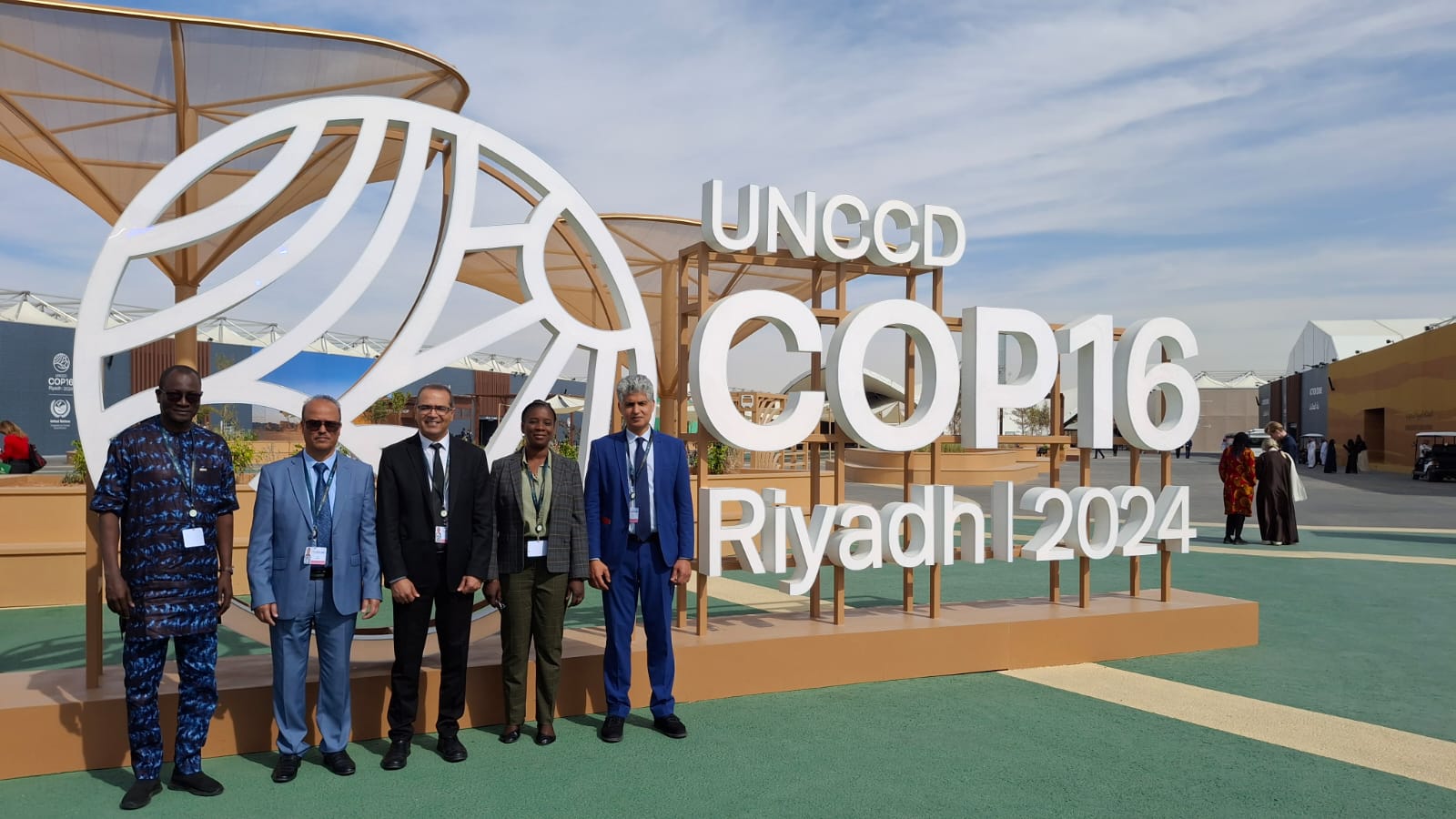
The participation of the Sahara and Sahel…
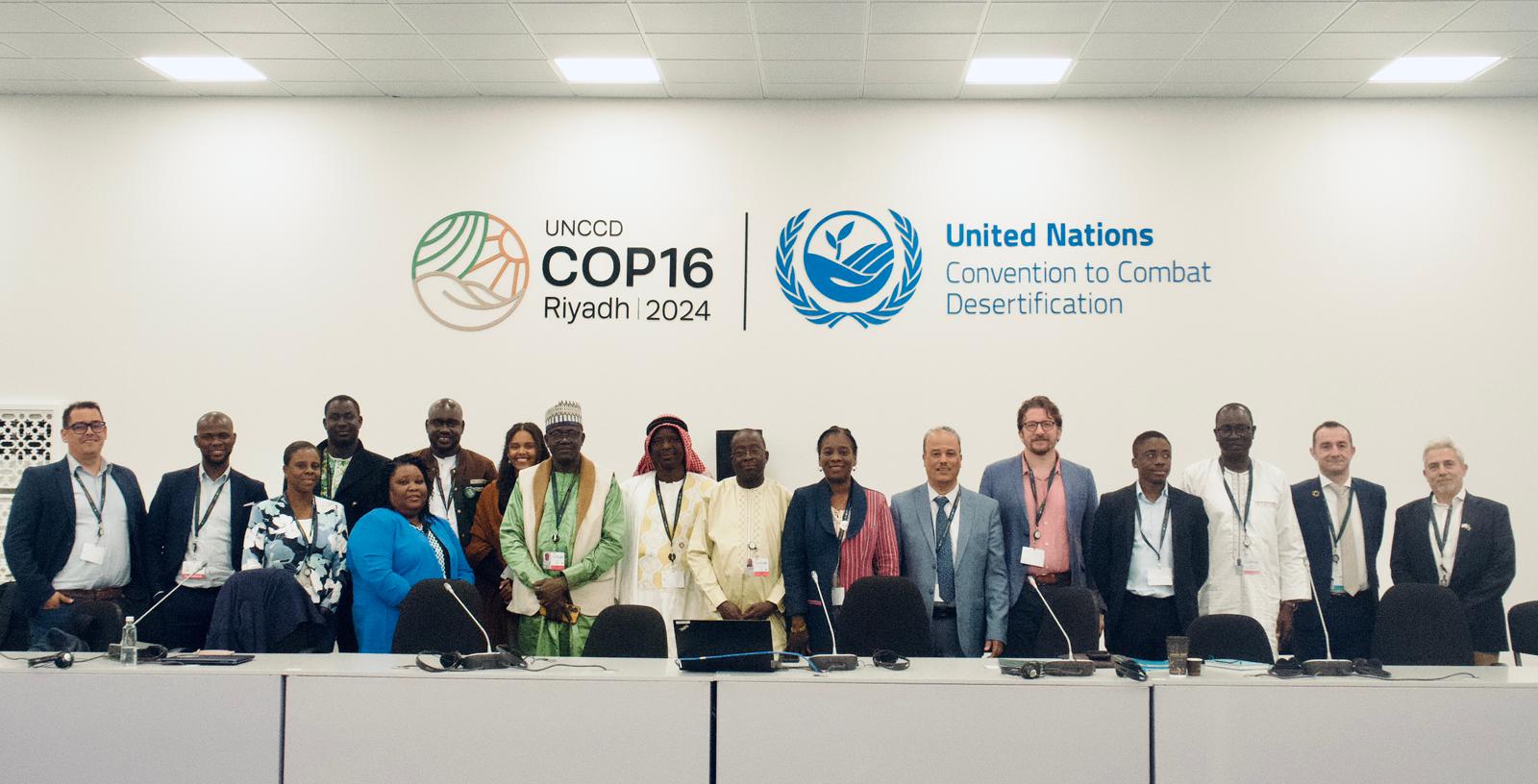
OSS Side Event at COP16: Strengthening Resilience in the Sahel through Multi-…