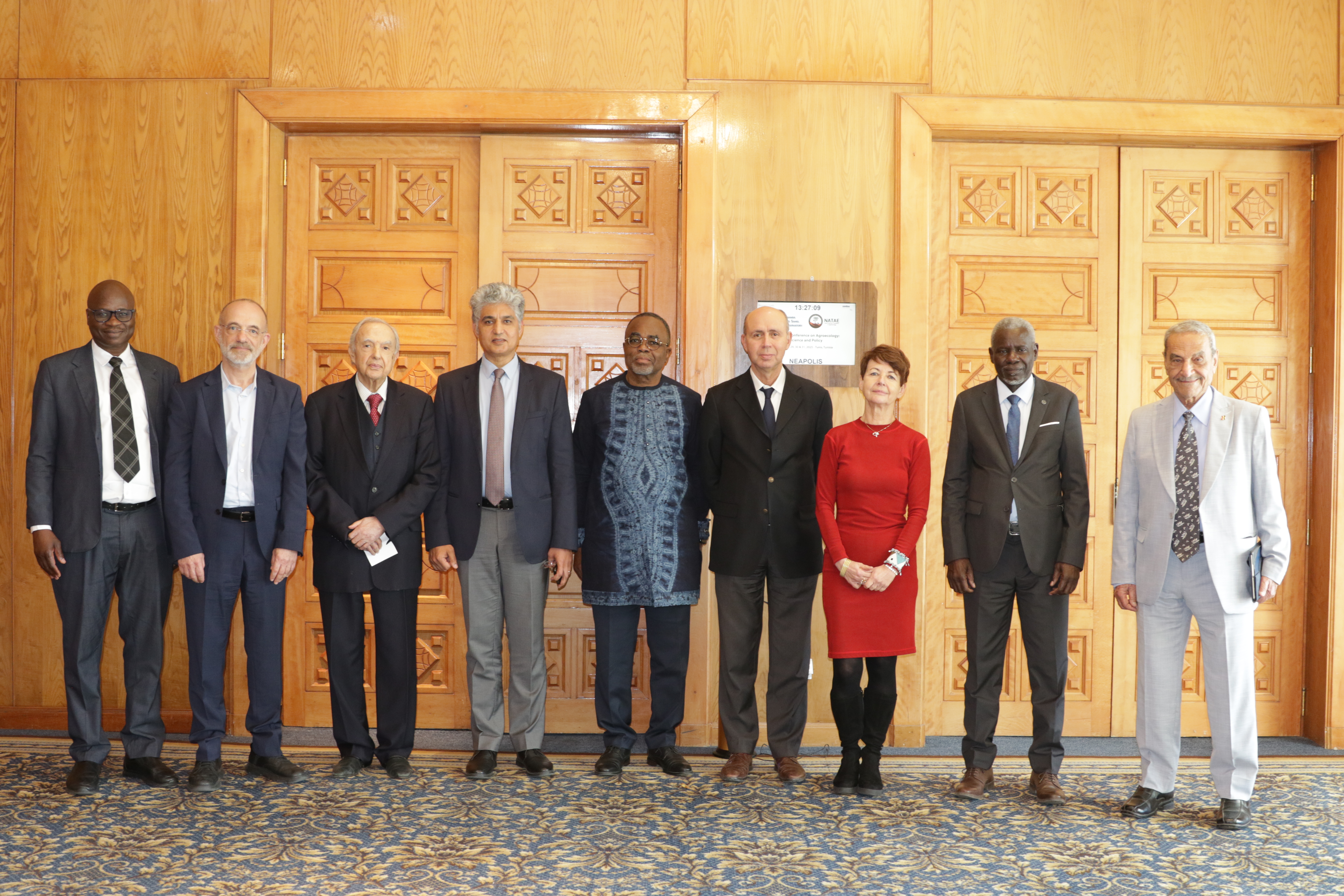
27th Session of the OSS Strategic Orientation Committee, Tunis, January 28, 2025
Held on January 28, 2025 in Tunis, the 27th session of the Strategic Orientation…
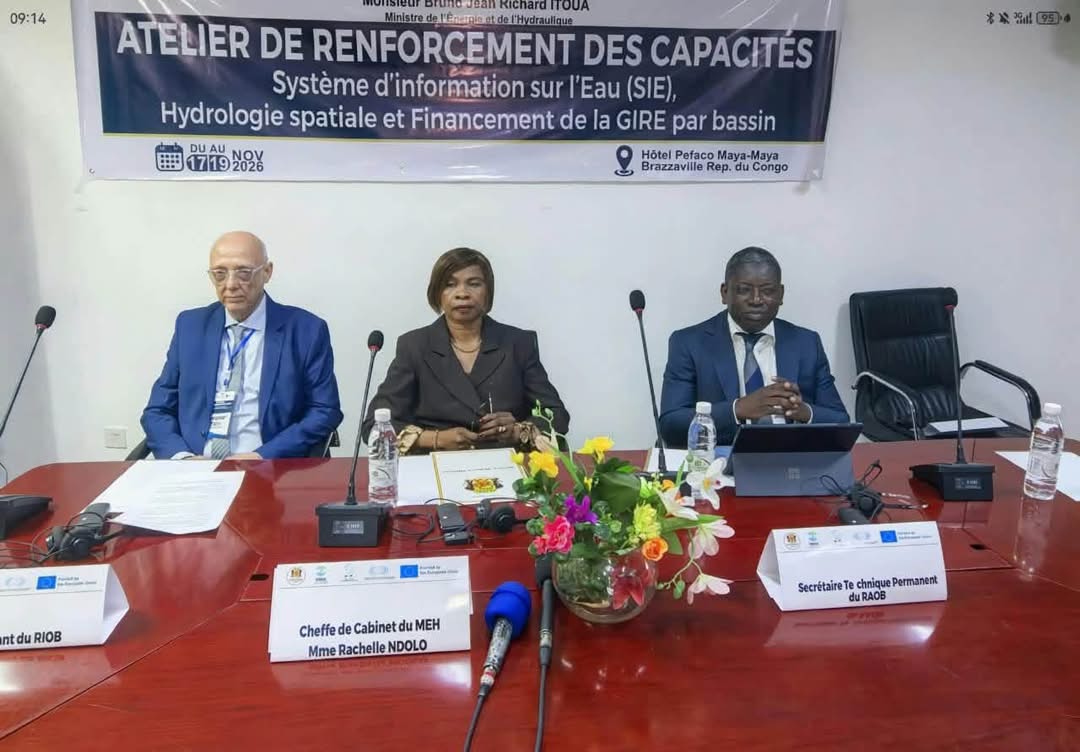
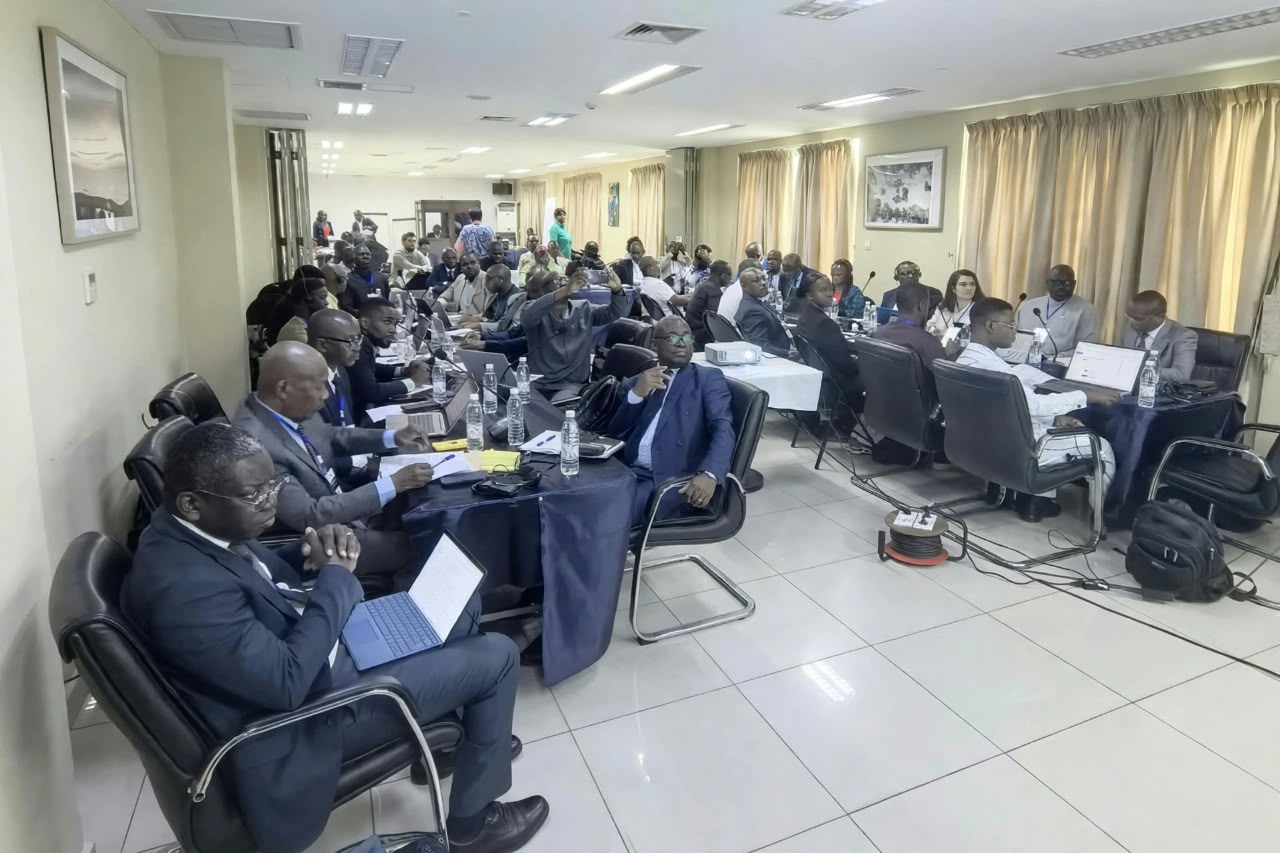
Brazzaville, Republic of the Congo | 17–19 November 2026
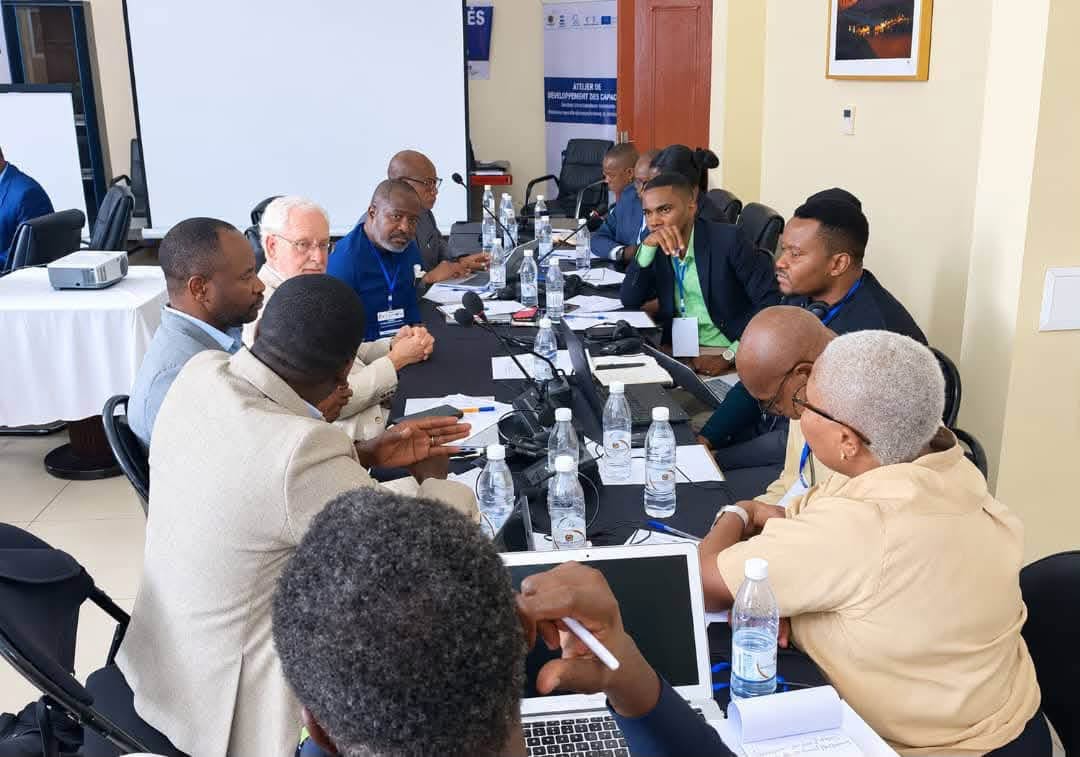
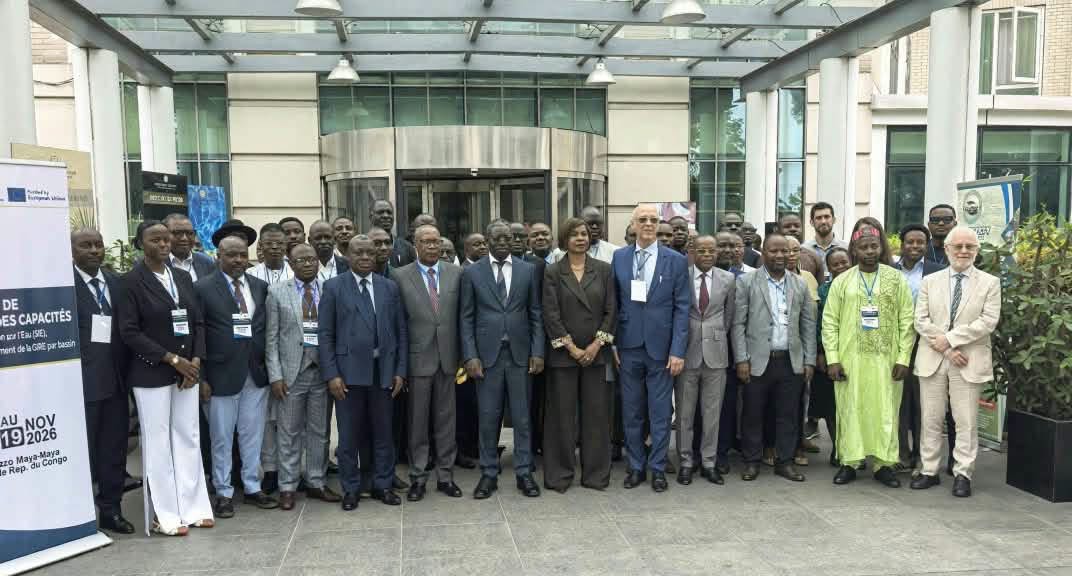
The Sahara and Sahel Observatory participated in the regional capacity-building workshop of the Peer-to-Peer (P2P) project, held from 17 to 19 November 2026 in Brazzaville, Republic of the Congo. The workshop was organized as part of an initiative funded by the European Union and implemented by the International Network of Basin Organizations (INBO) and the African Network of Basin Organizations (ANBO).
The event brought together around 60 representatives from approximately 20 African basin organizations and countries to address three major challenges for sustainable water resources management: financing Integrated Water Resources Management (IWRM), Water Information Systems (WIS), and space-based hydrology.
Built around cooperation and peer-to-peer learning, the P2P project aims to strengthen the capacities of basin organizations and promote the exchange of experiences and solutions tailored to water management challenges. The initiative includes 21 partnerships between participating institutions, supported by workshops, webinars, and a structured learning programme designed to facilitate the practical application of acquired knowledge.
The Brazzaville workshop marked the launch of the operational phase of this learning programme in Africa, focusing on the tools, financing mechanisms, and approaches needed to promote coordinated and climate-resilient basin governance.
Discussions on IWRM financing highlighted the need for sustainable financial resources to support the functioning of basin organizations, implement management programmes, and develop infrastructure of shared interest. Drawing on experiences from several African basins, participants examined resource mobilization mechanisms, user contribution principles, and opportunities for innovative financing solutions.
Particular attention was also given to Water Information Systems, which play a critical role in improving knowledge of water resources, facilitating data sharing, and supporting informed decision-making. The sessions addressed data quality, organization, and security, as well as the technical and institutional requirements for establishing shared information systems.
In transboundary basins, these systems are essential for enhancing transparency, building trust among institutions, and supporting coordinated management of shared water resources.
Sessions on space-based hydrology explored the potential of satellite technologies for monitoring water resources. Through practical exercises focusing on satellite altimetry, the SWOT mission, and hydrological modelling, participants strengthened their understanding of observation and analytical tools. Discussions also emphasized the importance of combining satellite-based information with ground measurements to ensure the reliability of the data produced.
These topics closely align with OSS expertise in environmental monitoring, transboundary water resources management, and the development of information systems supporting regional cooperation.
On the sidelines of the workshop, a dedicated meeting on the partnership between OSS, Chad, and Somalia was held with the P2P project coordination team and representatives of the relevant national institutions. The meeting provided an opportunity to clarify the arrangements for launching joint activities and identify the next steps in this cooperation.
Discussions focused on mobilizing the resources allocated to the partnership, establishing the necessary financial management arrangements, and preparing a study visit for the Somali delegation, envisaged for early 2027. This cooperation is expected to facilitate the exchange of expertise and experience among partner institutions, taking into account their respective needs and national contexts.
Through its participation in this initiative, OSS reaffirms its commitment to strengthening the capacities of African institutions and promoting water governance based on knowledge, cooperation, and the exchange of expertise.
This approach also contributes to the broader efforts of ANBO, currently chaired by OSS, to consolidate partnerships among basin organizations and support the development of coordinated responses to the continent's growing water and climate challenges.
The opportunities emerging from the Brazzaville workshop, particularly through the partnership with Chad and Somalia, offer new prospects for technical cooperation and the exchange of African expertise, contributing to more integrated, sustainable, and climate-resilient water resources management.
Held on January 28, 2025 in Tunis, the 27th session of the Strategic Orientation…
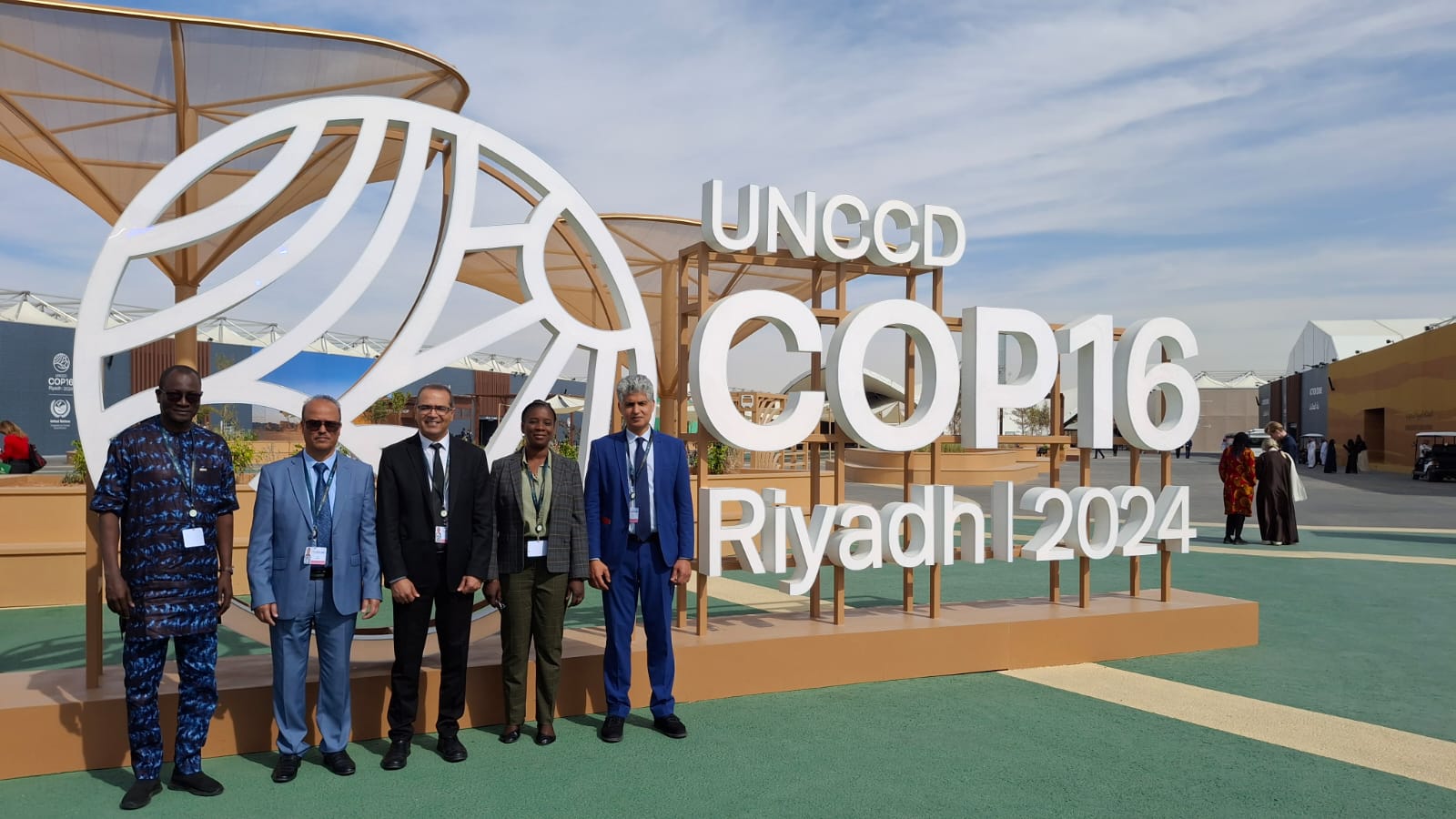
The participation of the Sahara and Sahel…
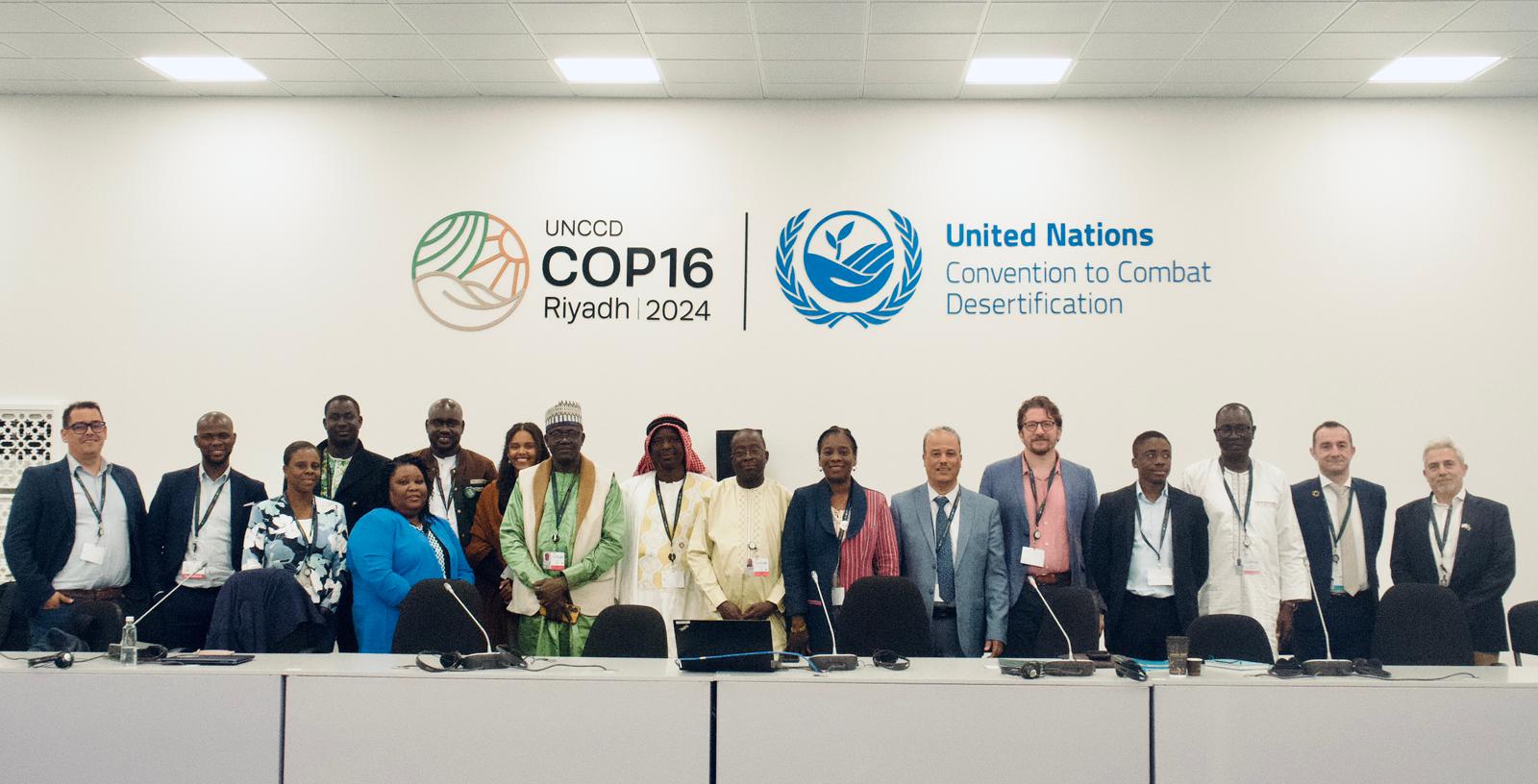
OSS Side Event at COP16: Strengthening Resilience in the Sahel through Multi-…