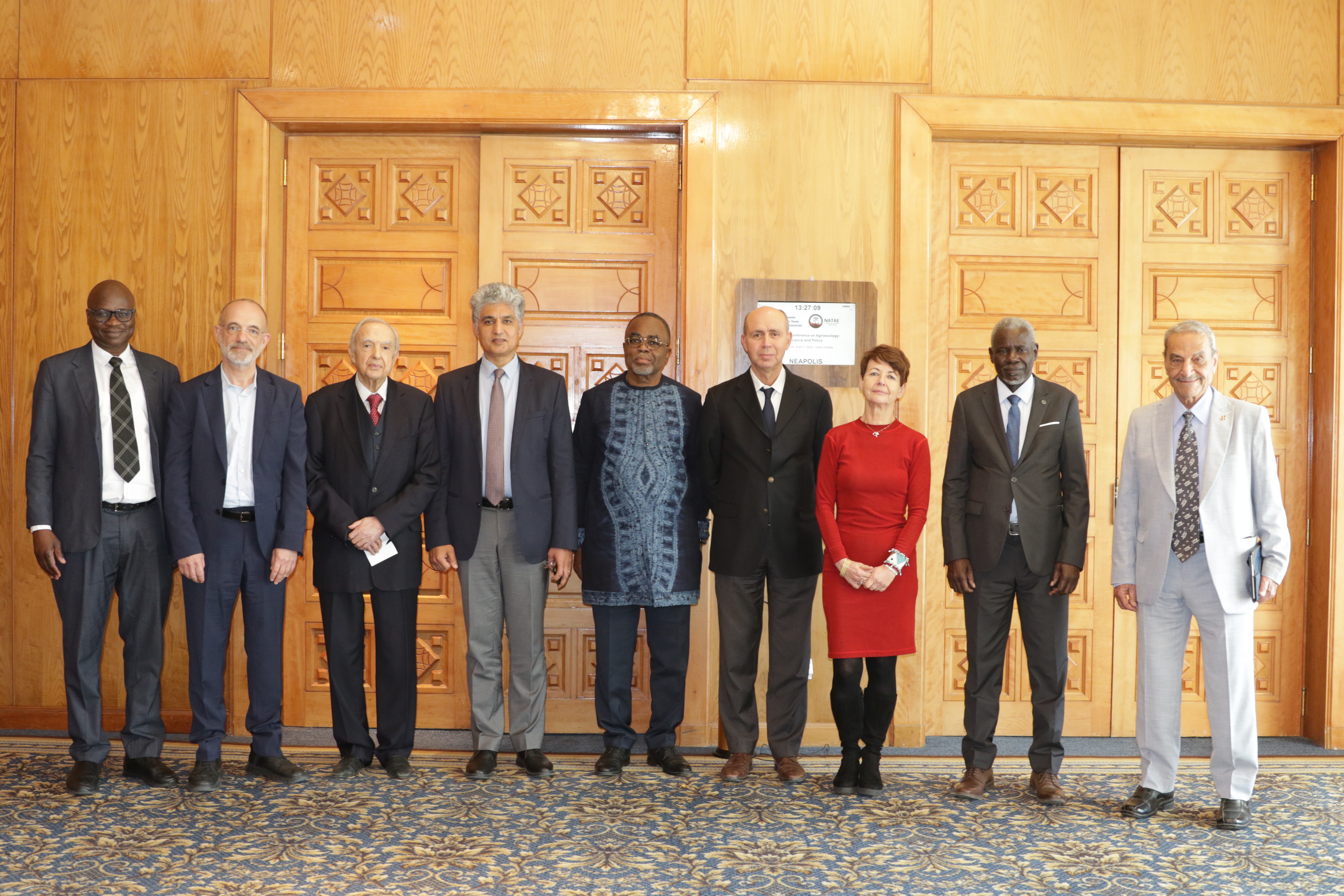
27th Session of the OSS Strategic Orientation Committee, Tunis, January 28, 2025
Held on January 28, 2025 in Tunis, the 27th session of the Strategic Orientation…
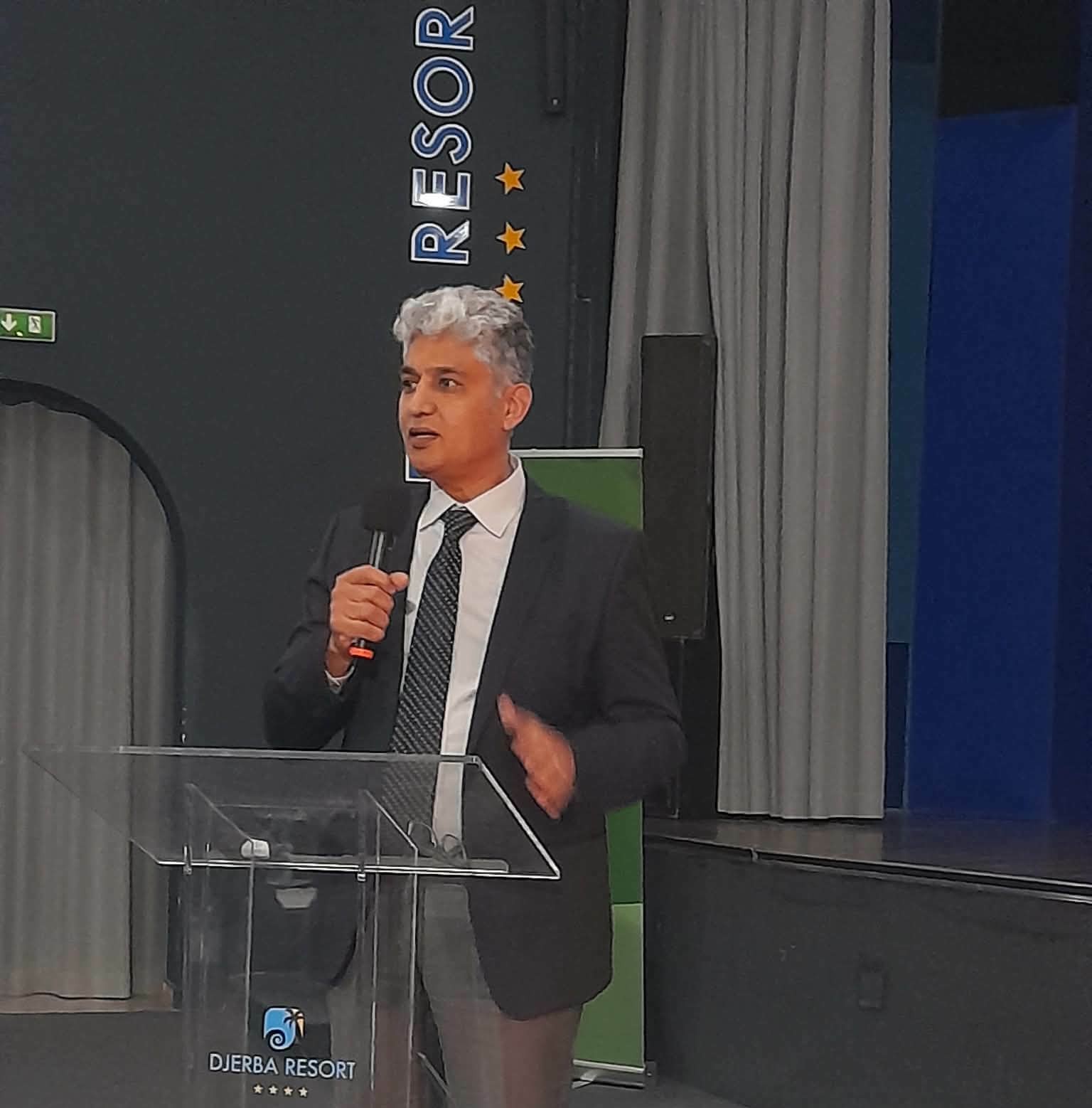

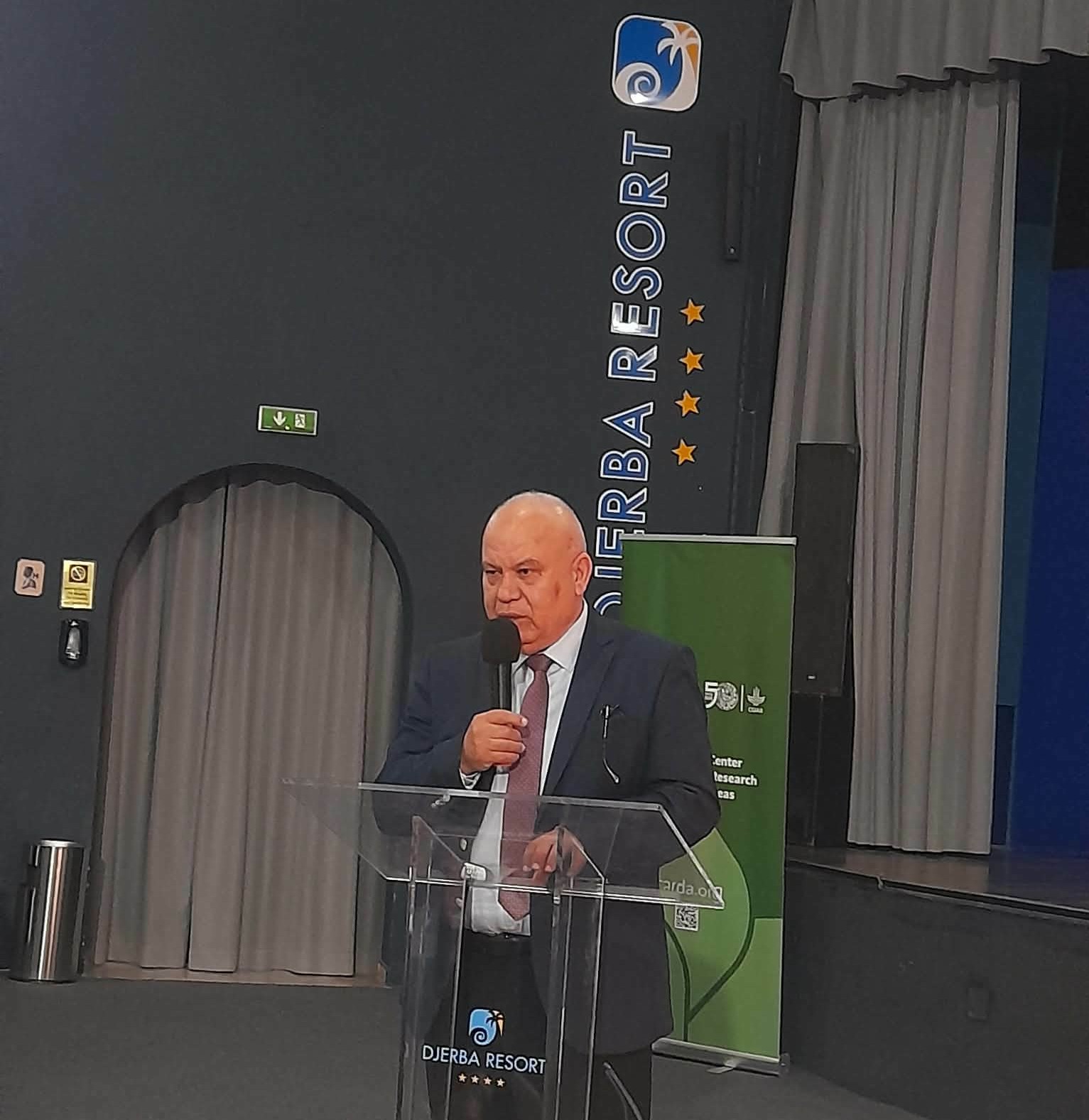
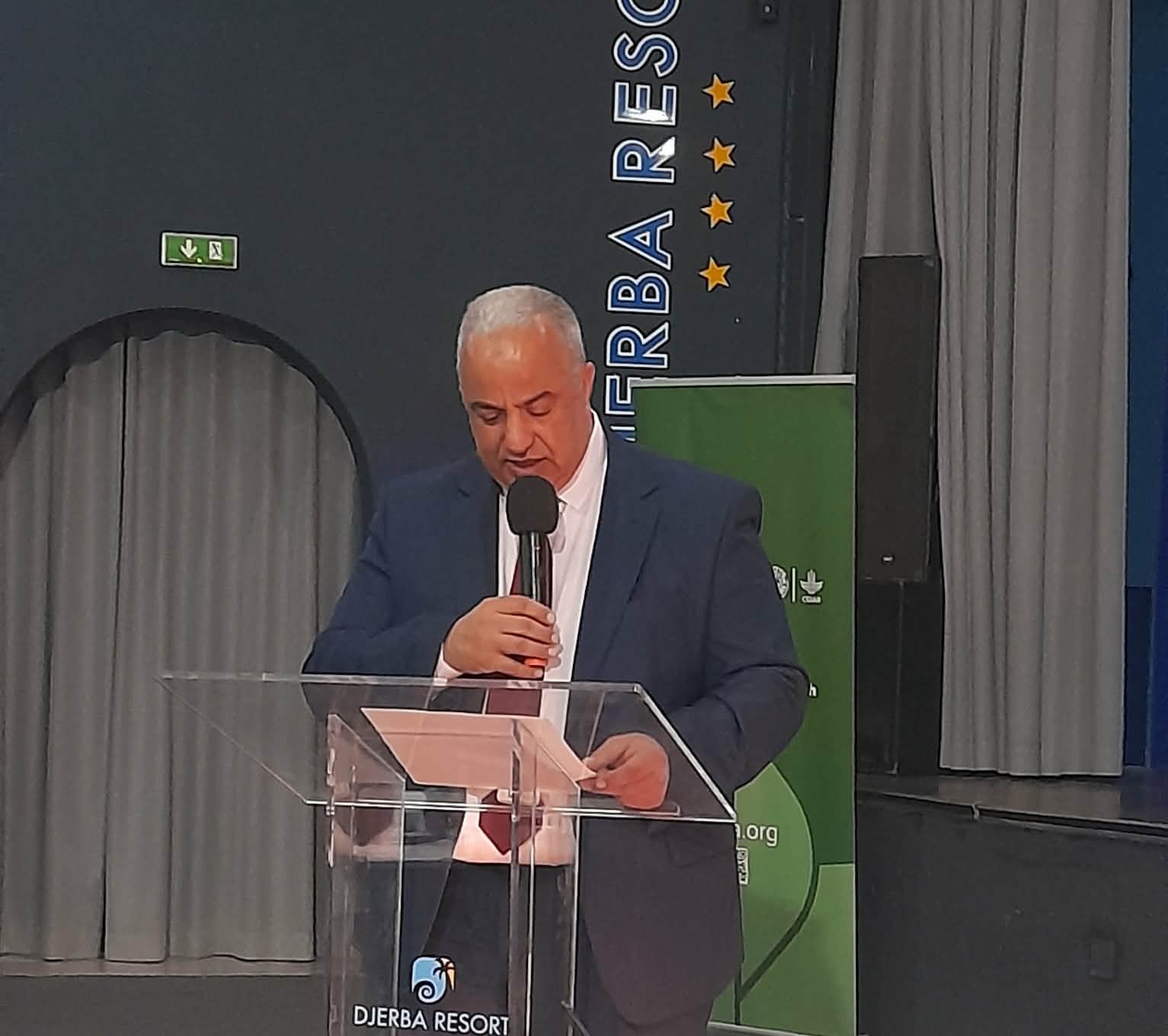
Djerba, January 9-10, 2026
Restoring and sustainably managing pastoral systems represent a strategic priority for strengthening ecosystem resilience to climate change, conserving biodiversity, and sustainably supporting rural livelihoods, particularly in arid and semi-arid areas.
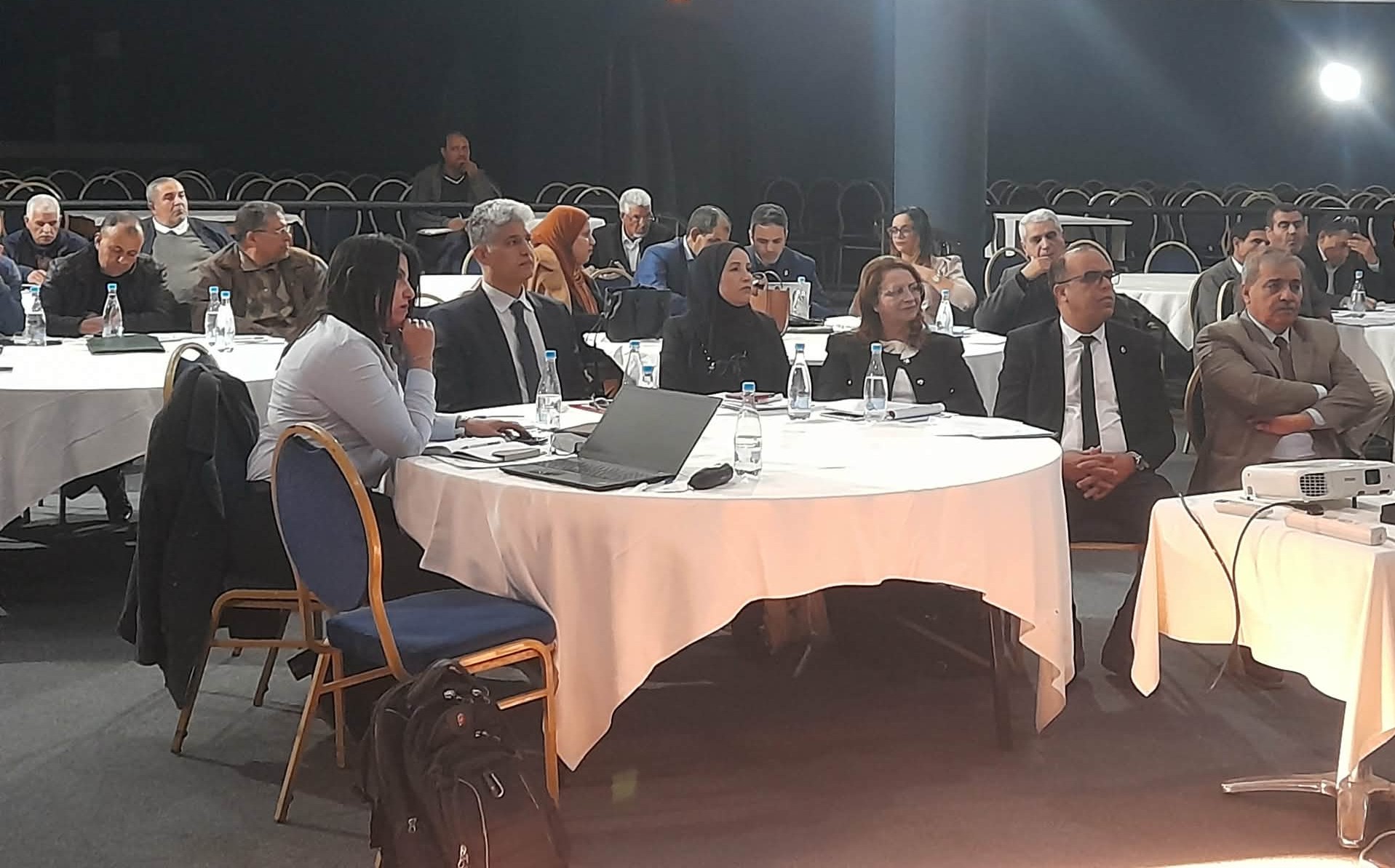
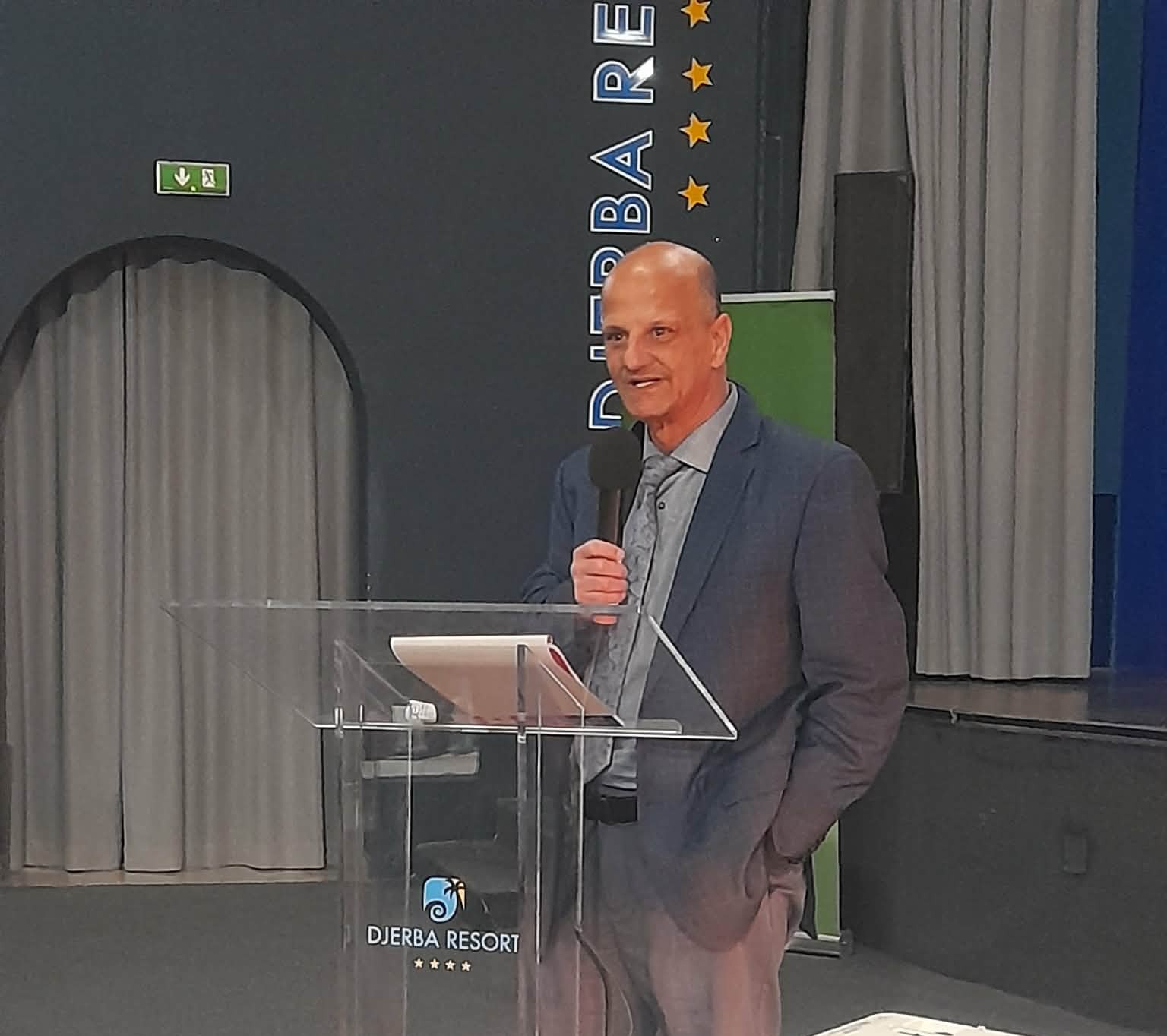
It is within this context that the General Directorate of Forests (DGF), in collaboration with the Food and Agriculture Organization of the United Nations (FAO), the Sahara and Sahel Observatory (OSS), the International Center for Agricultural Research in the Dry Areas (ICARDA), and the Office of Livestock and Rangelands, convened a regional workshop on the restoration and sustainable management of pastoral systems in Djerba, Tunisia, on January 9-10, 2026, as part of the International Year of Rangelands and Pastoralists celebration.
The workshop brought together institutional stakeholders, regional and international Organizations, and national experts to discuss the major challenges facing pastoral systems, including rangeland degradation, increasing pressure on natural resources, heightened climate variability, and socio-economic impacts on rural territories. Discussions highlighted the central role of pastoral and forest ecosystems in ensuring food security, social cohesion, territorial stability, and adaptation to climate change.
In his opening speech, Mr. Nabil Ben Khatra, OSS Executive Secretary, emphasized the need to move beyond conventional approaches and rethink the management of pastoral rangelands. He underlined the importance of innovating the “business as usual” concept by developing rational yet innovative approaches that take into account legal and institutional, economic, social, cultural, and environmental dimensions.
He further stressed the necessity of placing pastoralists and local communities at the heart of reflection and decision-making processes, re-evaluating and valuing local knowledge and practices, and recognizing pastoral rangelands as living spaces imbued with cultural value and sources of inspiration. These orientations should be embedded in a new development model based on sustainability, inclusiveness, and the valorization of territorial resources, he said. This call for a participatory, multi-stakeholder approach reflects the core principles upheld by the OSS, whose mission is to empower and strengthen community actors.
Discussions also underscored the importance of integrated approaches that link sustainable land, water and rangeland management in coherence with legal frameworks and public policies. In Tunisia, pastoral rangelands are legally integrated into the Forest Code alongside forests and alfa grasslands, while water resources are governed by a separate legal framework. This institutional configuration highlights the need to strengthen intersectoral coordination in order to enhance the effectiveness of restoration actions, rangeland valorization, and sustainable natural resource governance.
Finally, the OSS reaffirmed its readiness, in close collaboration with its partners, to support initiatives emerging from this regional dynamic, including the development of pilot projects, capacity-building for local stakeholders, and the mobilization of appropriate financing. These efforts aim to consolidate achievements and further strengthen regional cooperation around sustainable pastoral systems.
Held on January 28, 2025 in Tunis, the 27th session of the Strategic Orientation…
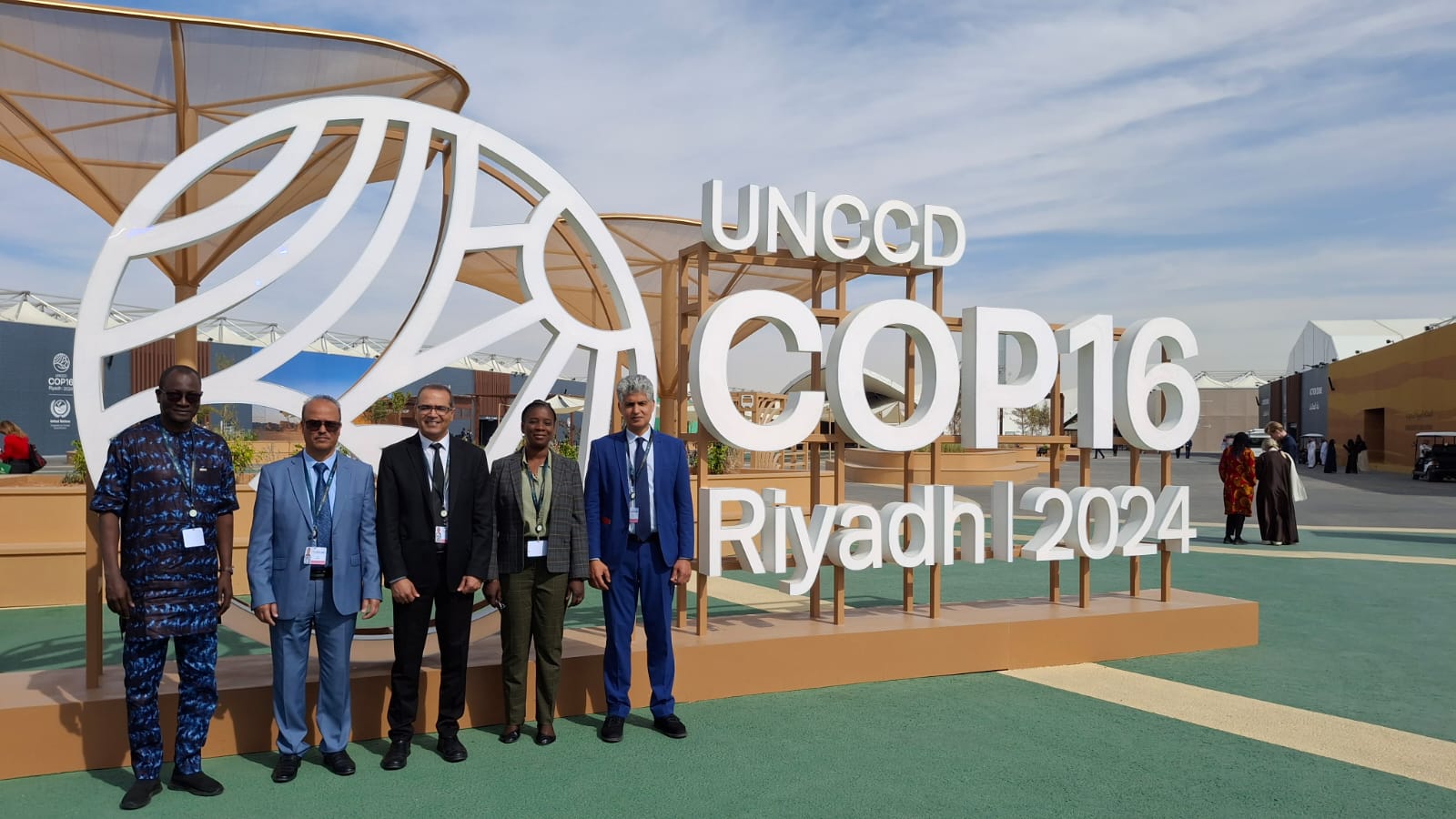
The participation of the Sahara and Sahel…
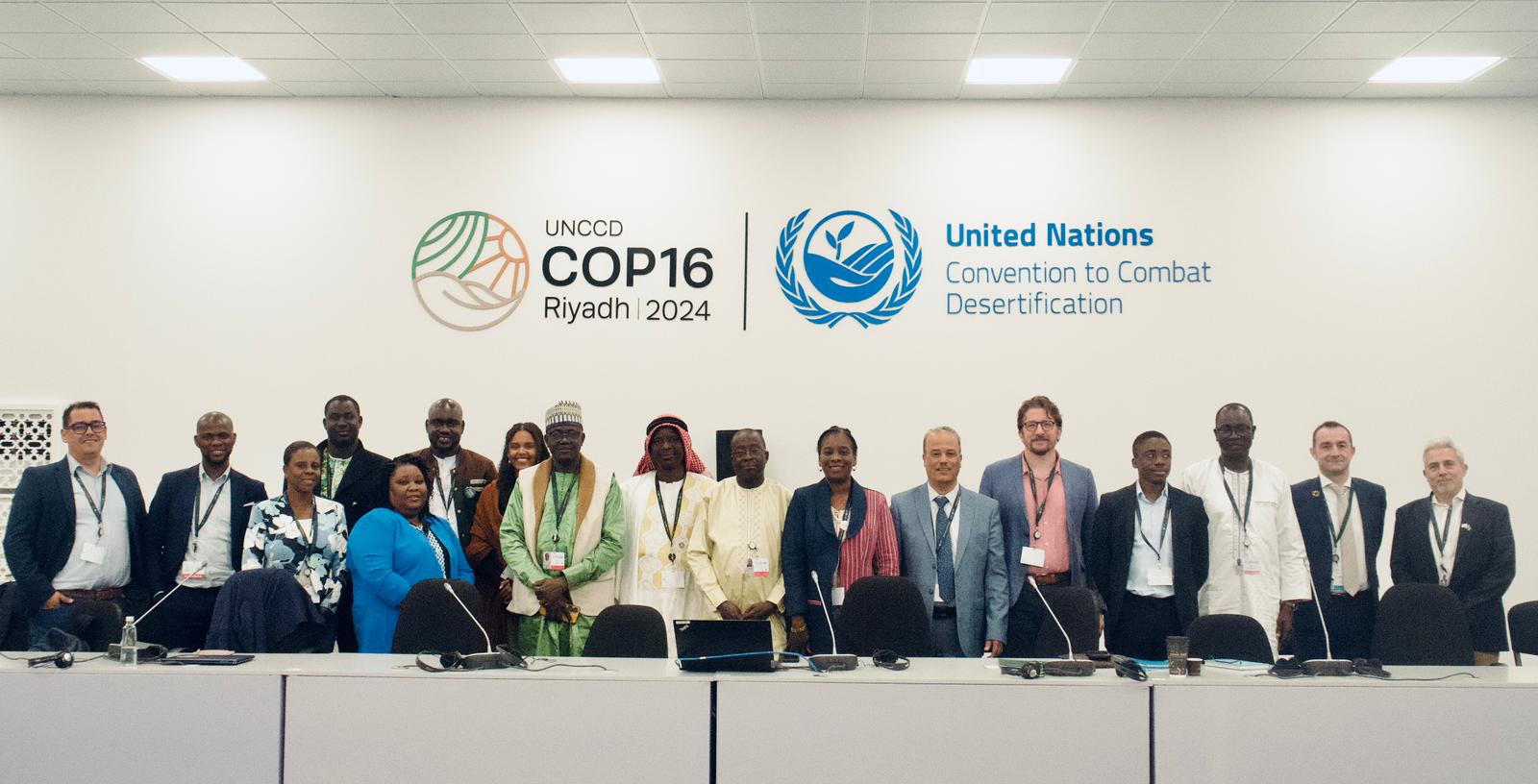
OSS Side Event at COP16: Strengthening Resilience in the Sahel through Multi-…