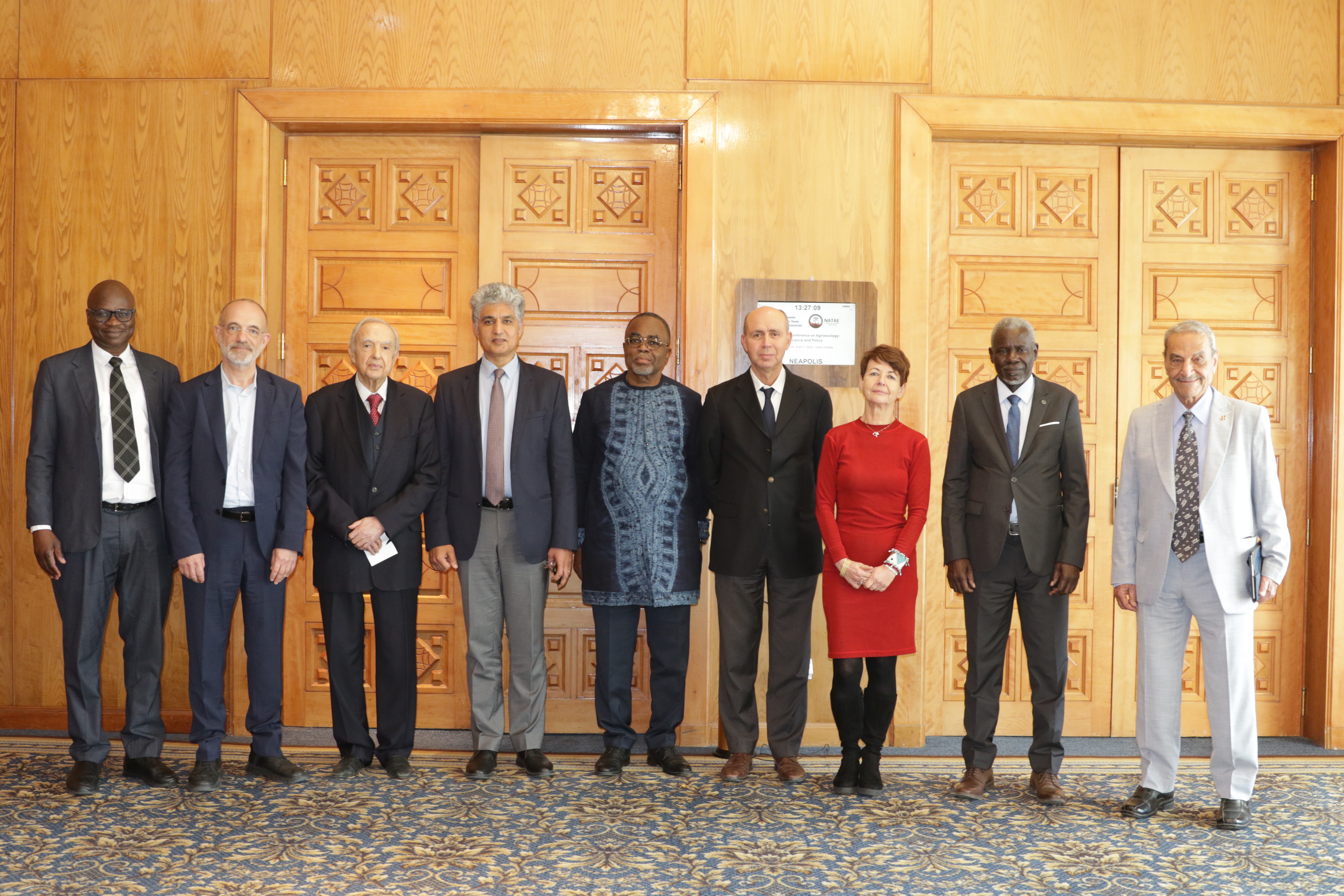
27th Session of the OSS Strategic Orientation Committee, Tunis, January 28, 2025
Held on January 28, 2025 in Tunis, the 27th session of the Strategic Orientation…
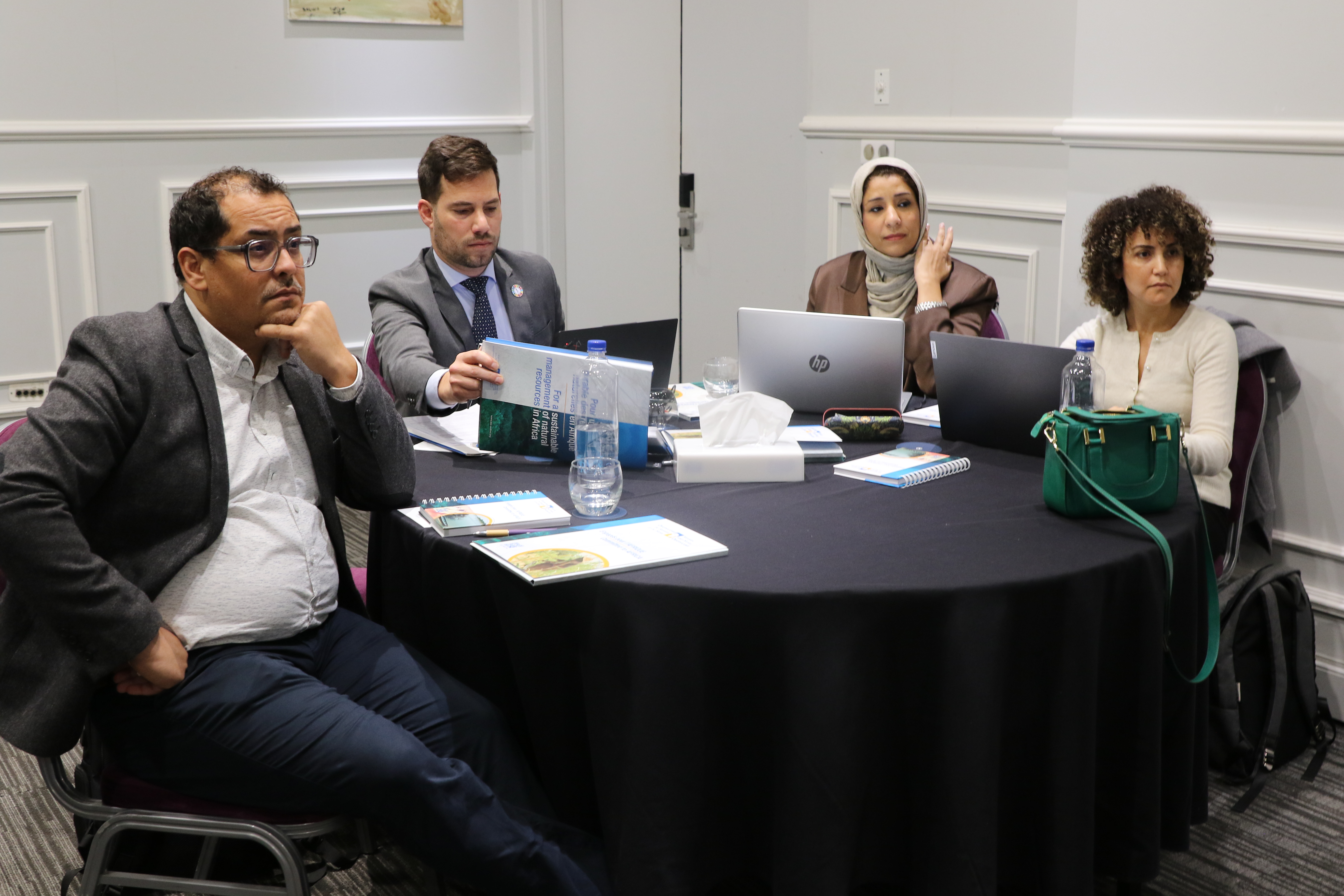
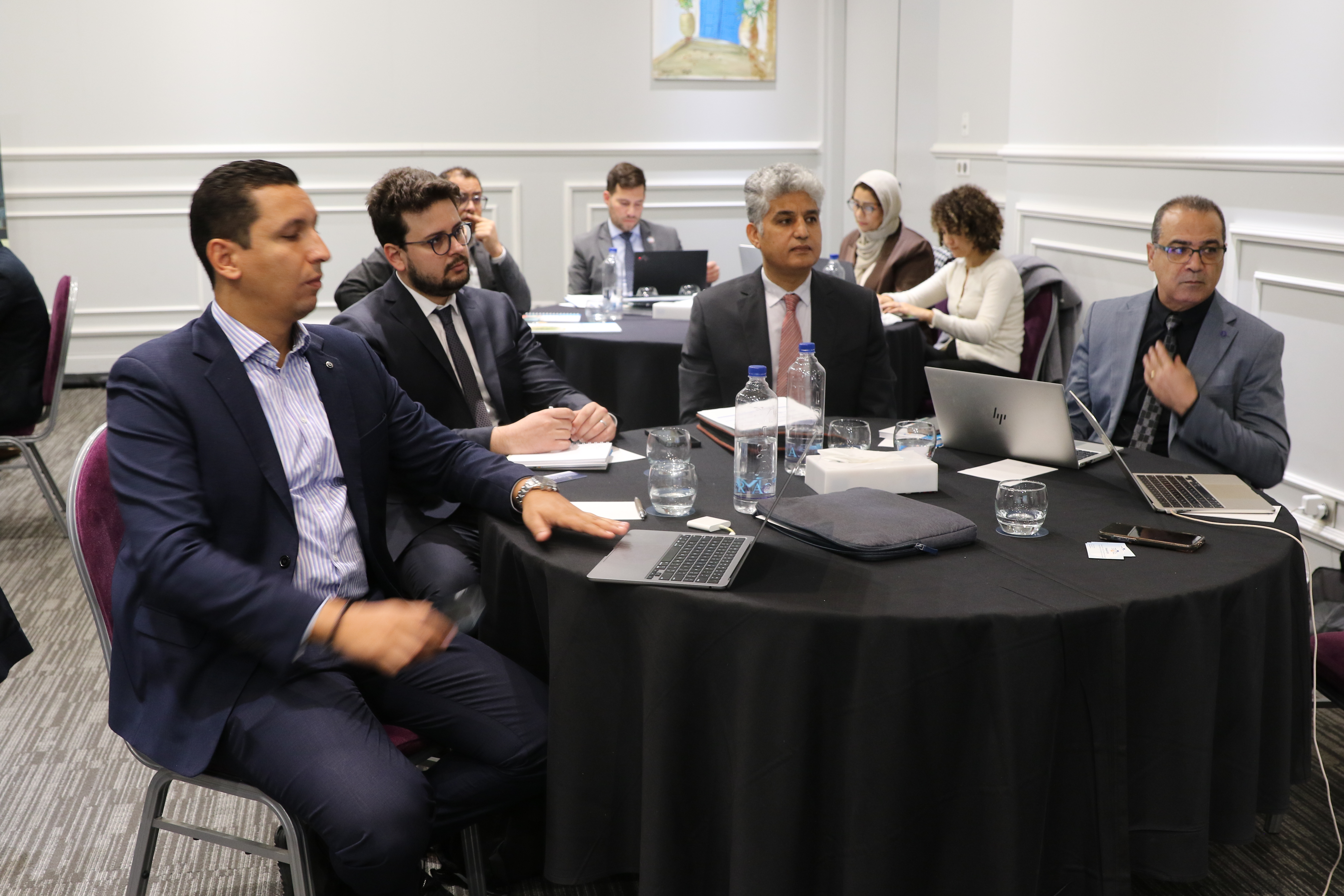
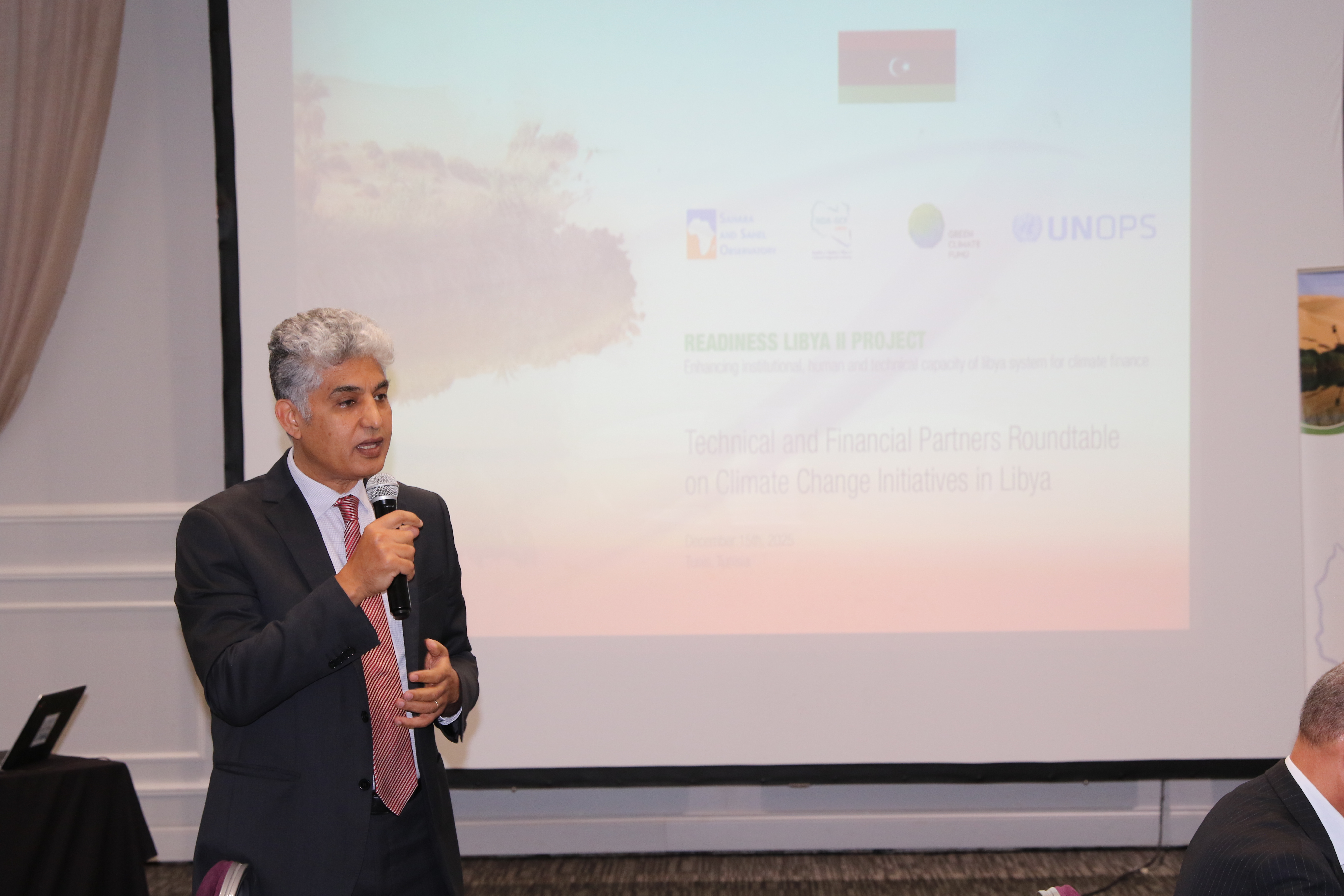
Tunis, December 15, 2025
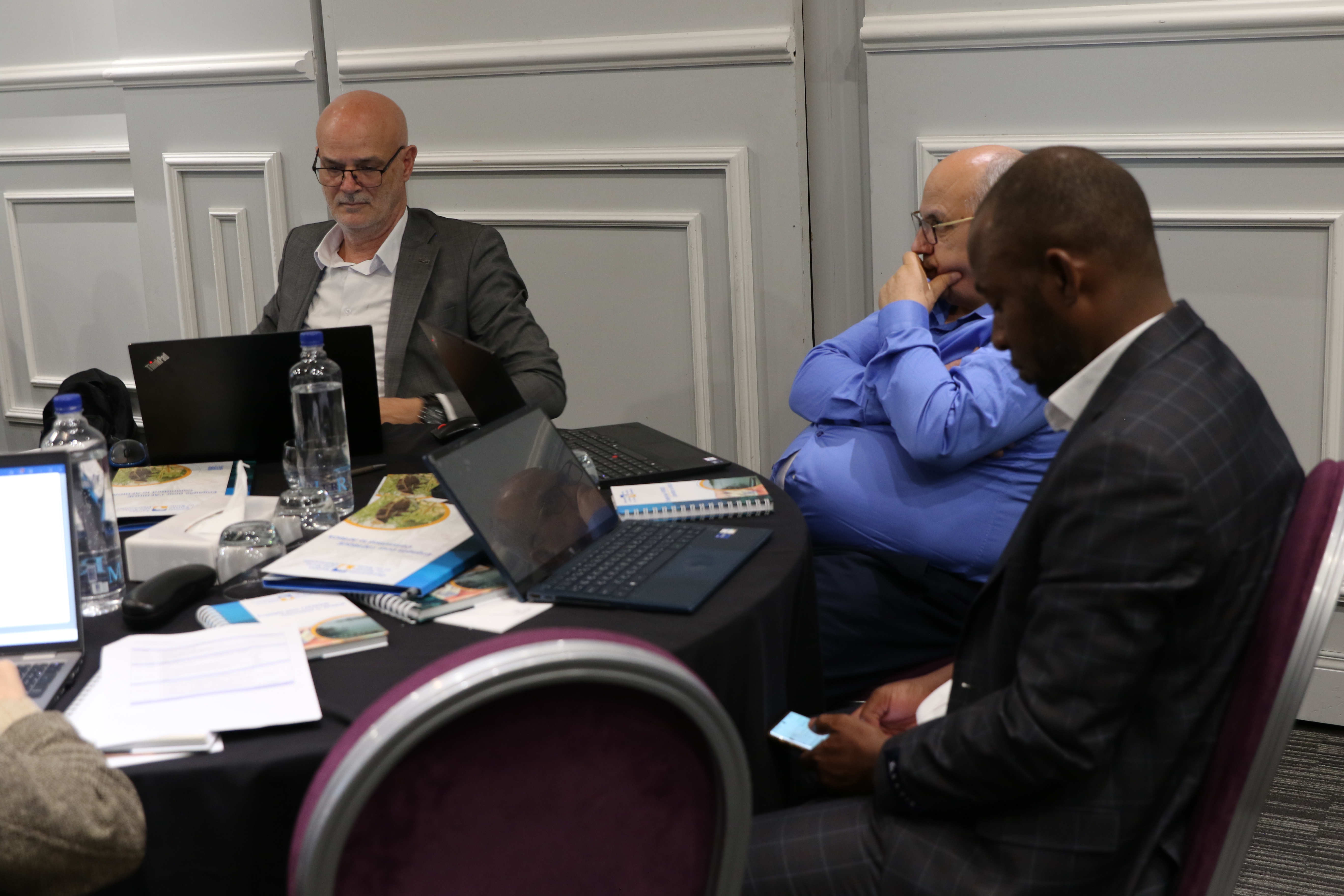
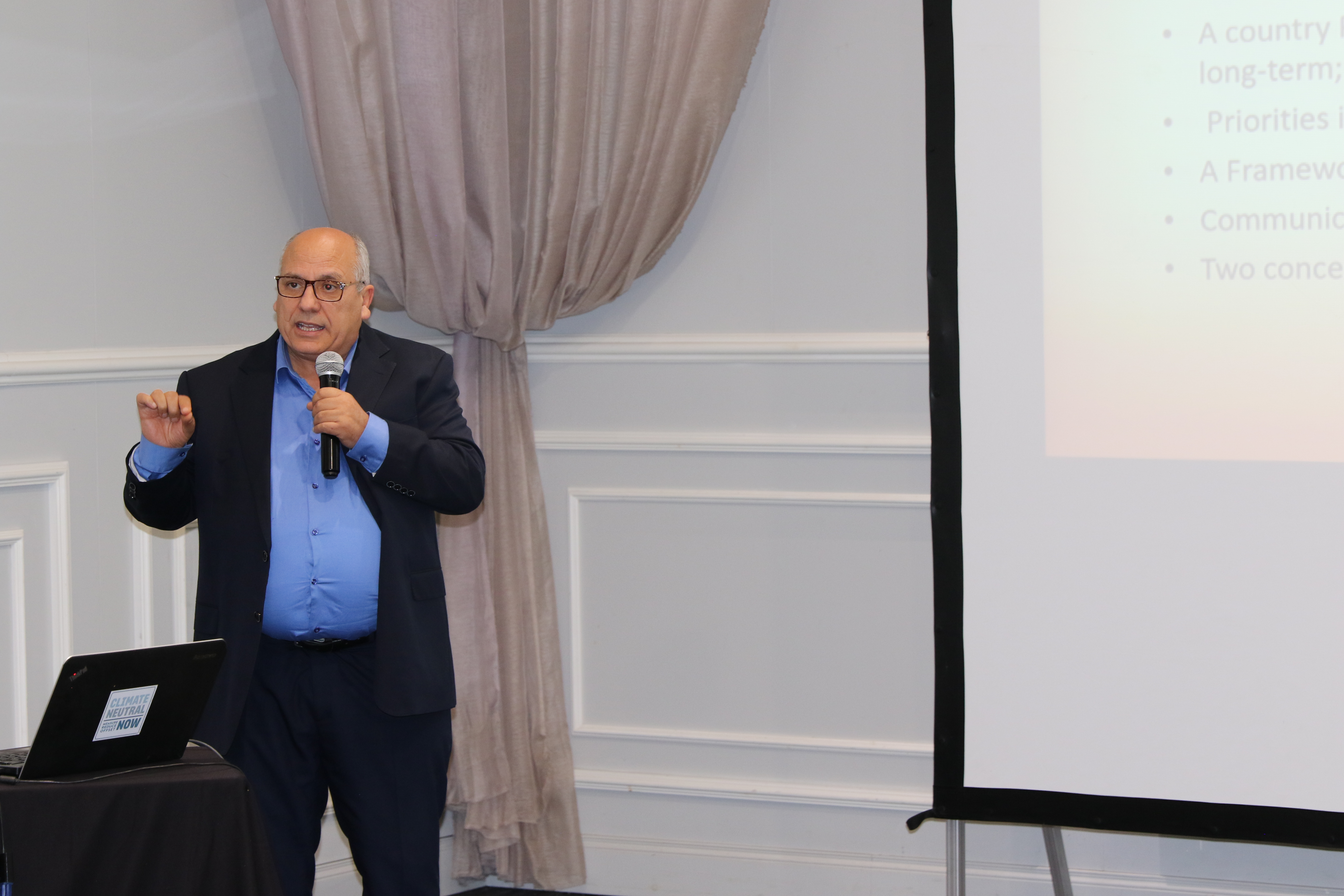
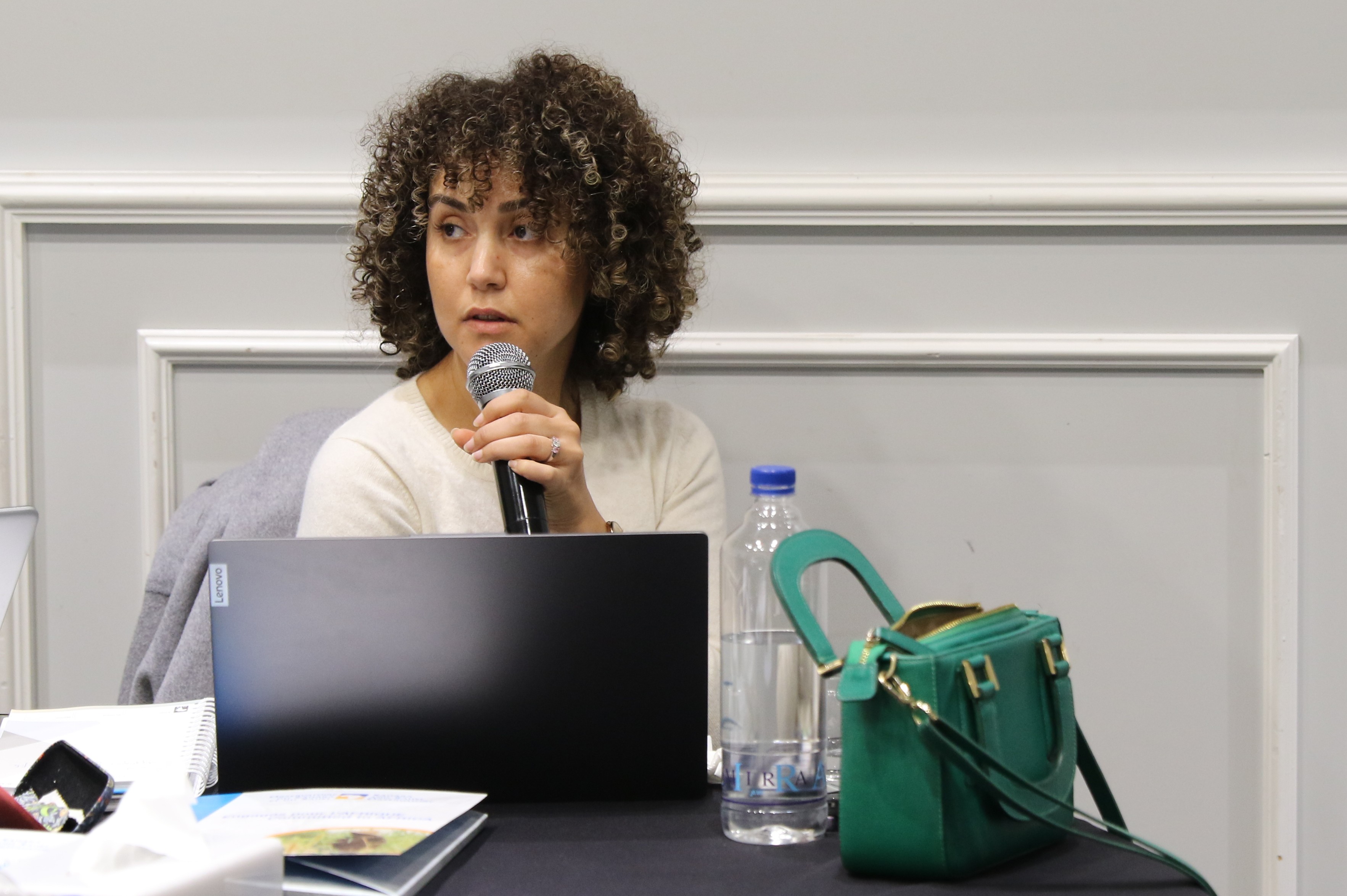
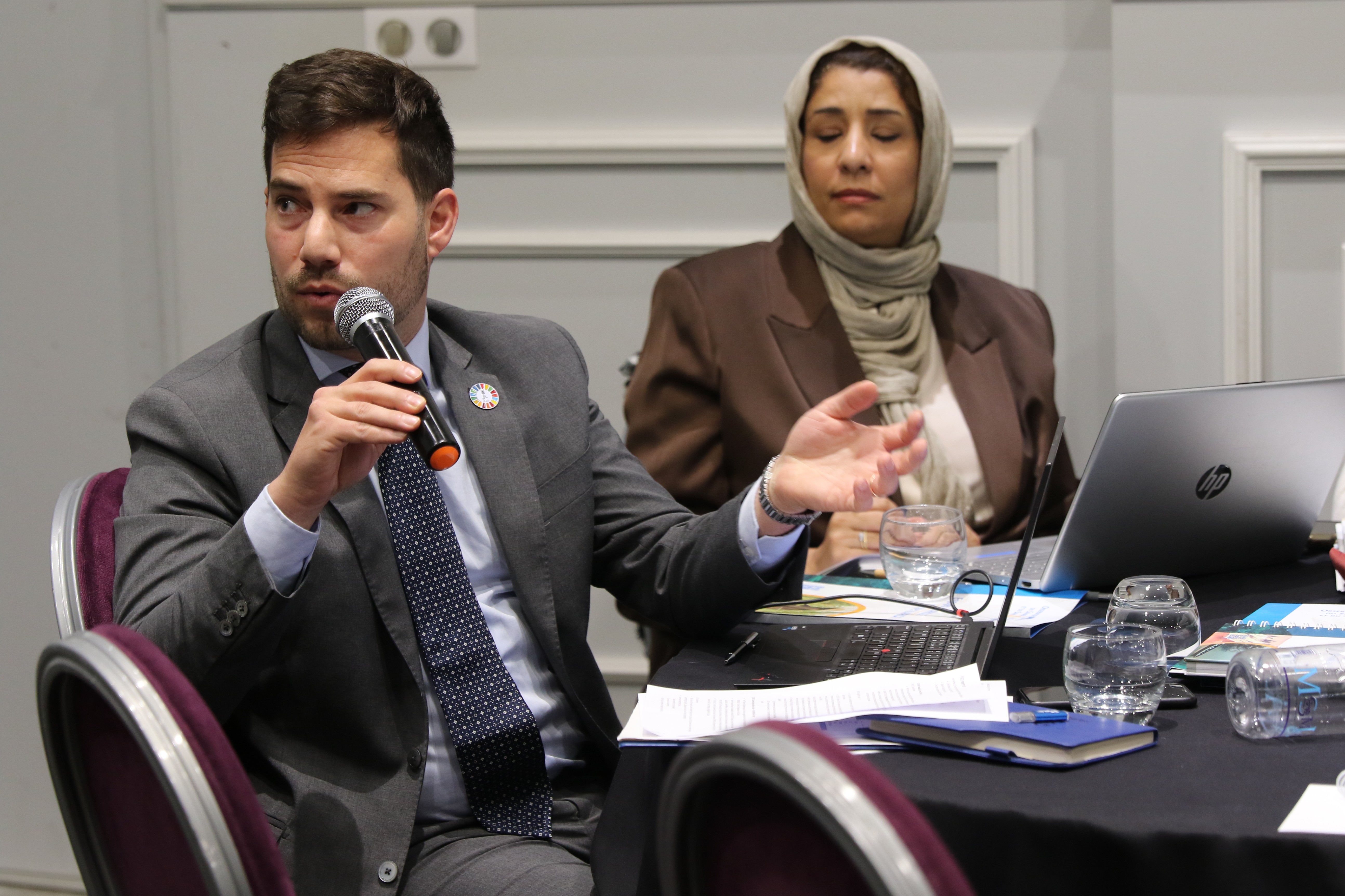
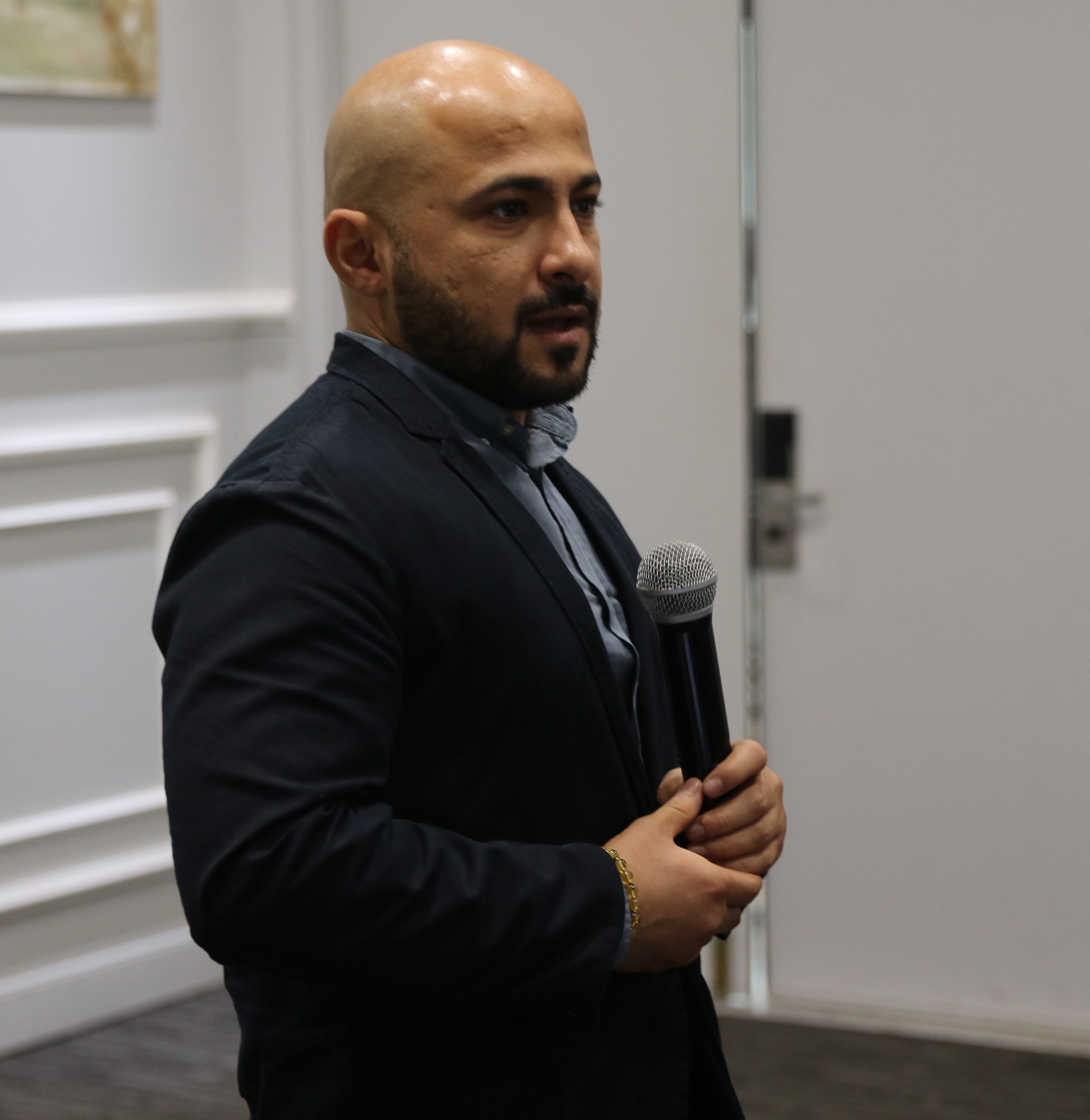
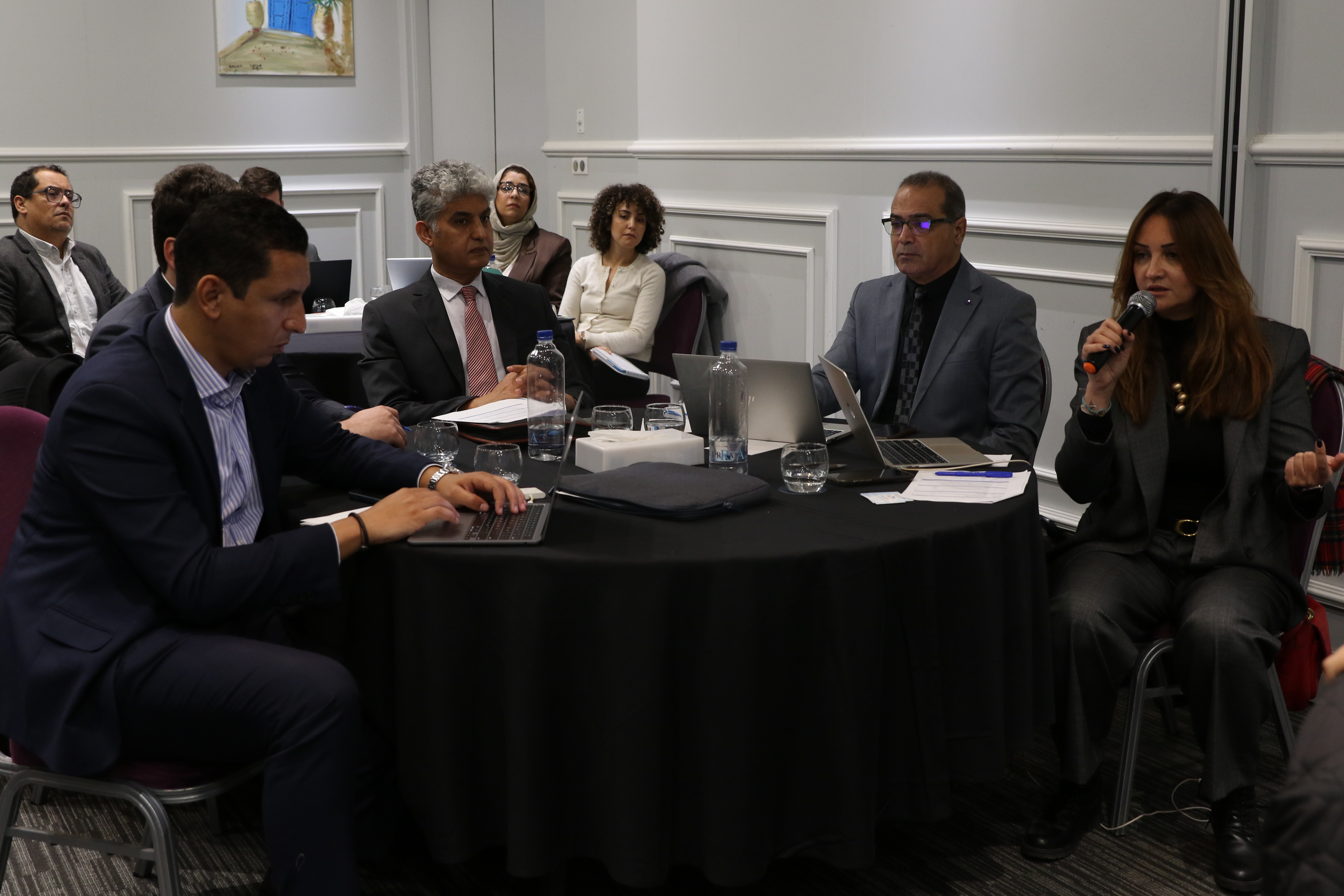
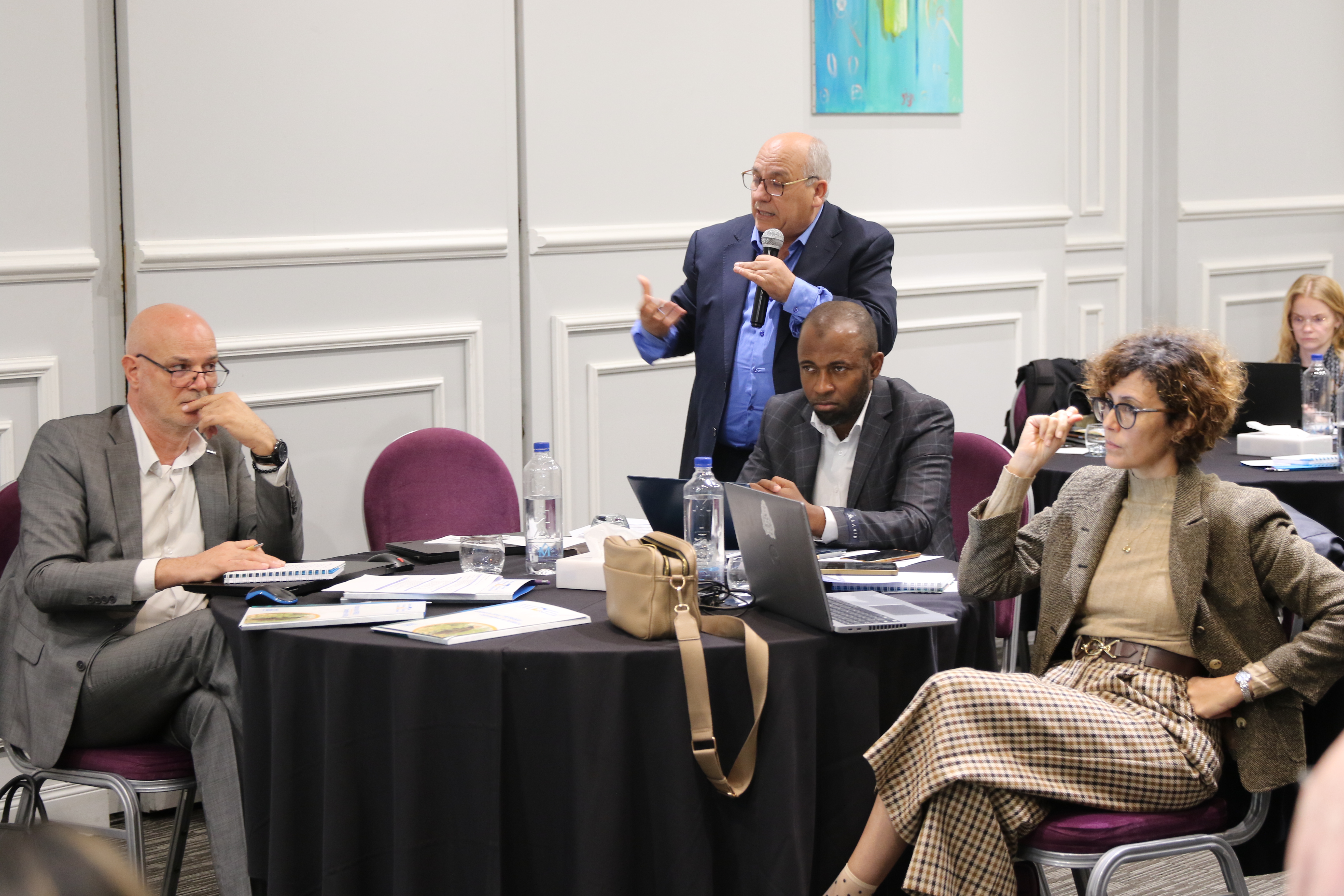
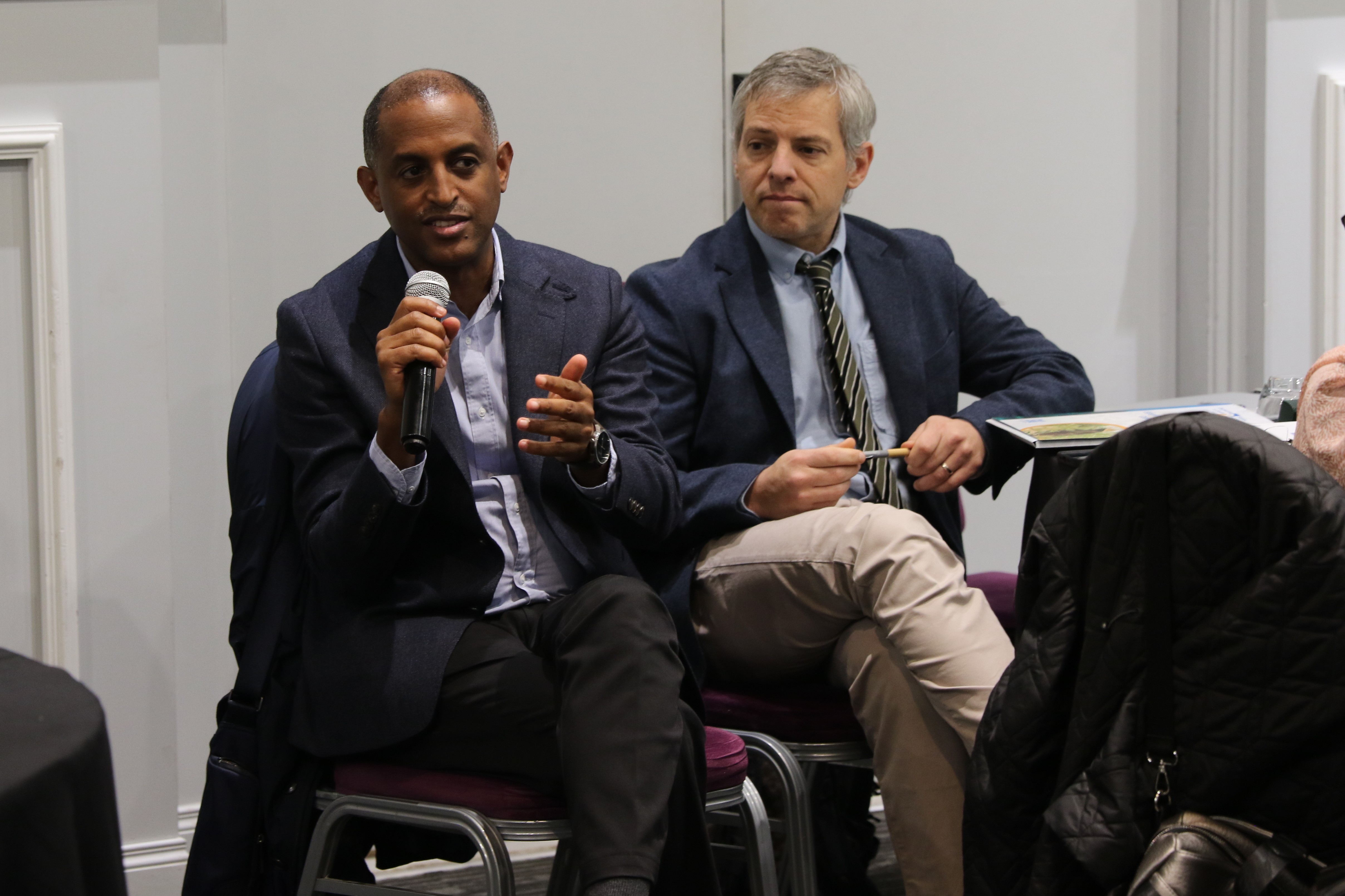
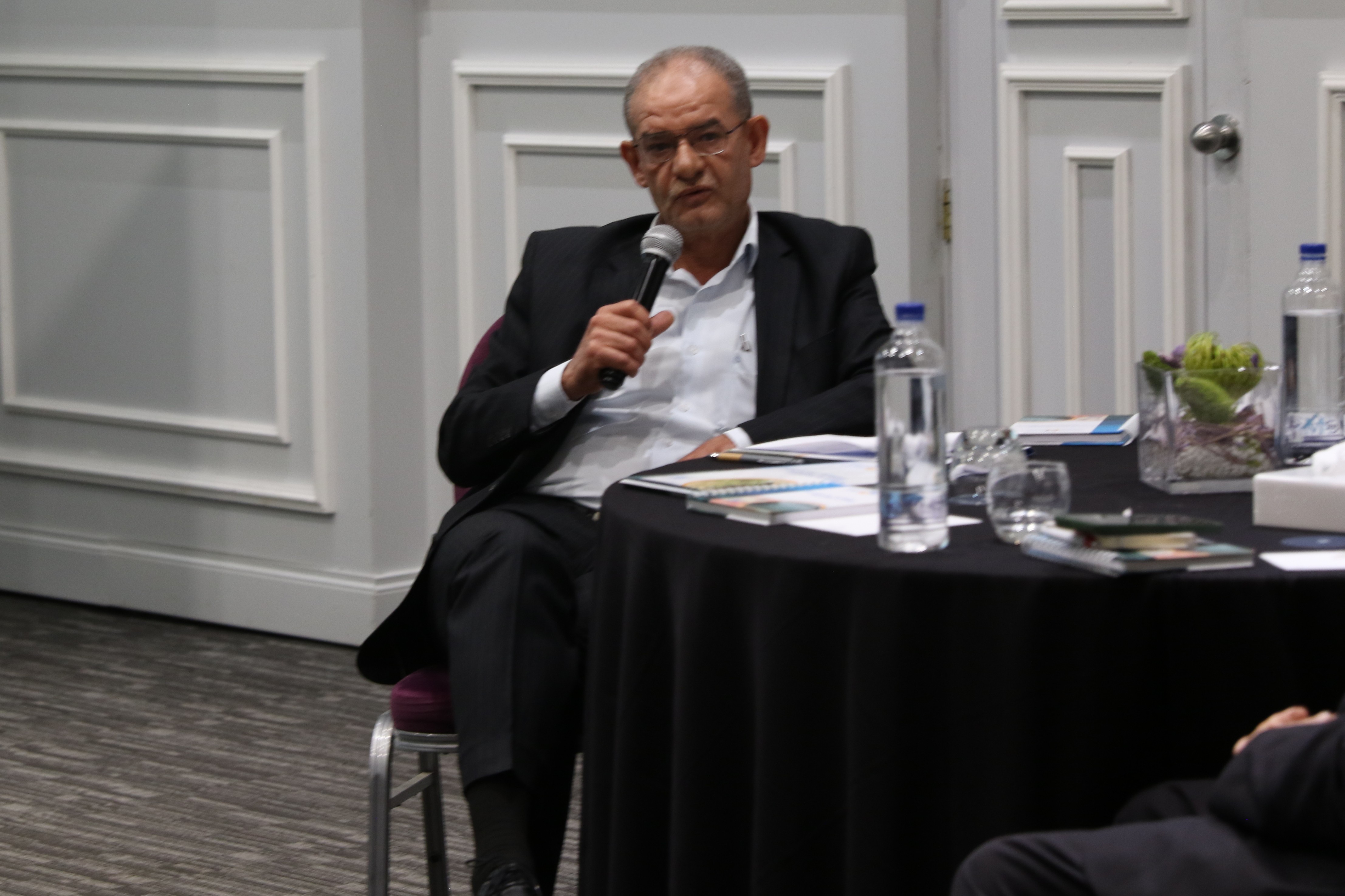
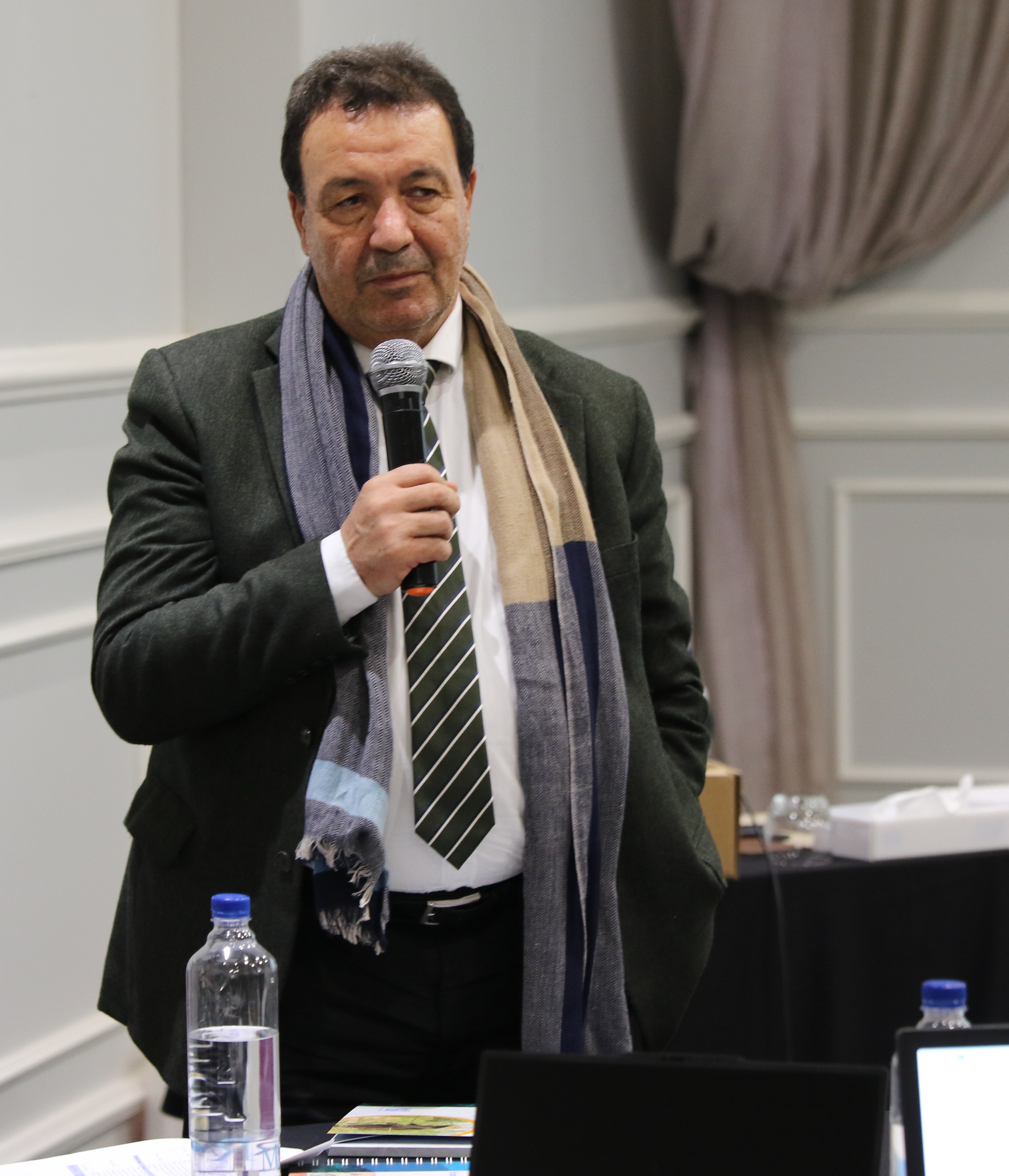
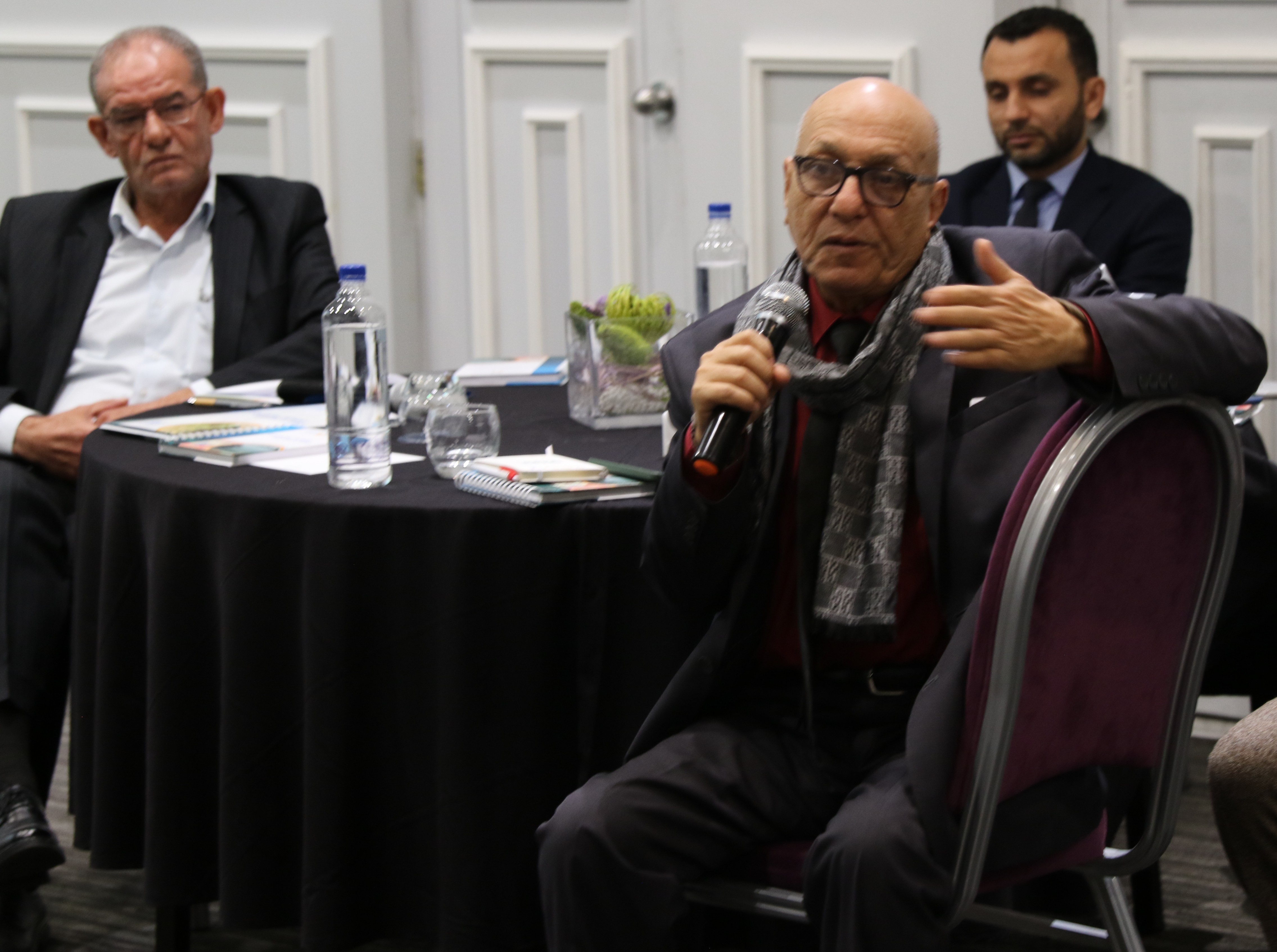
Faced with escalating climate impacts, strengthening coordination and strategic alignment has become essential for effective climate action in Libya. Against this backdrop, the Sahara and Sahel Observatory (OSS) convened a high-level roundtable in Tunis on December 15, 2025, bringing together national authorities and technical and financial partners to enhance consistency, identify synergies and support collective engagement around Libya’s climate priorities.
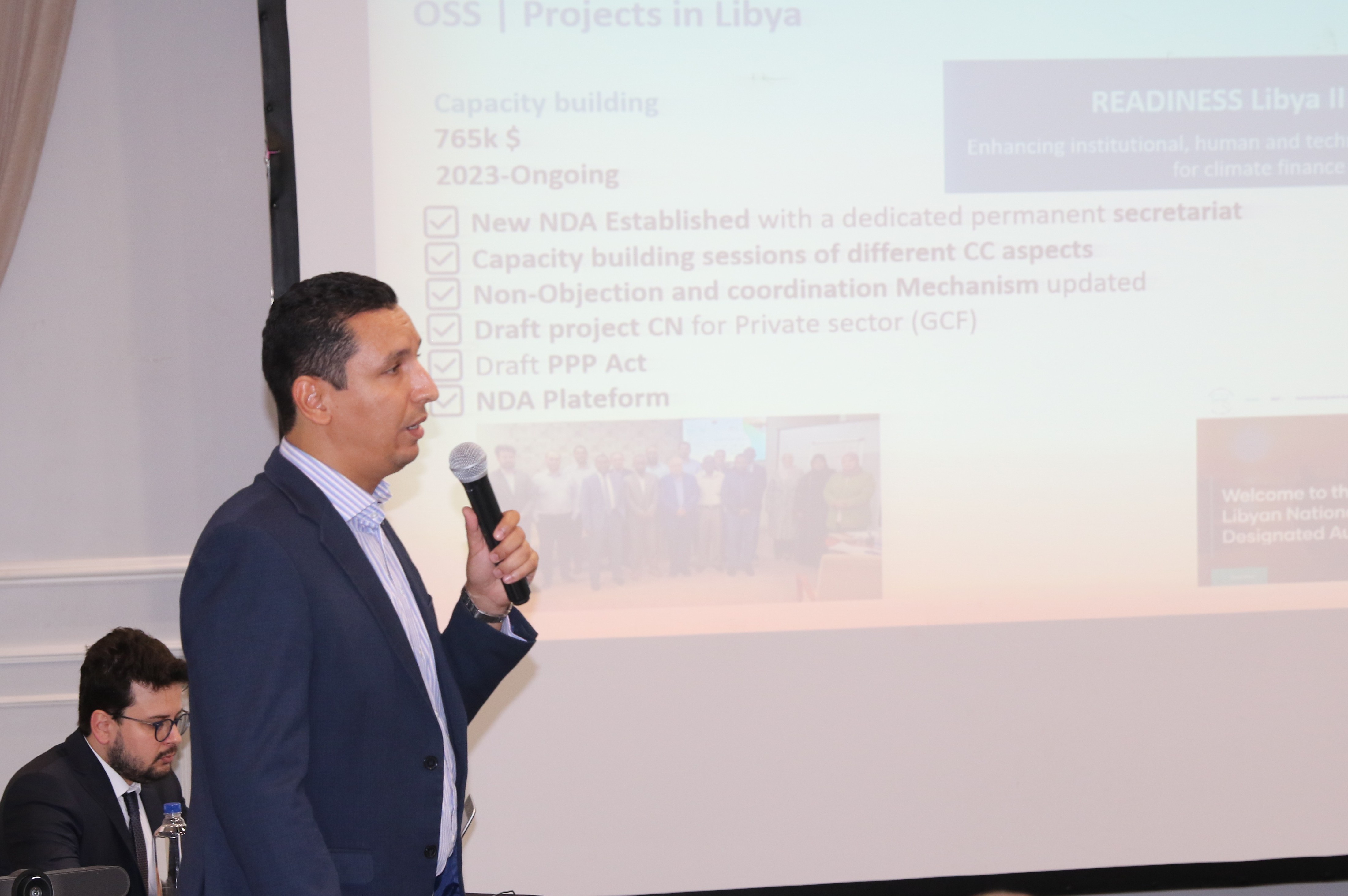
Organized under the Readiness II Project, funded by the Green Climate Fund (GCF), the roundtable aimed to reinforce Libya’s institutional, technical and coordination capacities, improve access to climate finance and support the development of well-structured climate policies and projects. The initiative also responded to a request from the Libyan Ministry of Environment, seeking to reduce duplication, optimize time and financial resources, and establish a coherent and efficient framework for partner interventions aligned with national priorities, including the National Adaptation Plan (NAP), the Nationally Determined Contributions (NDCs) and international climate commitments.
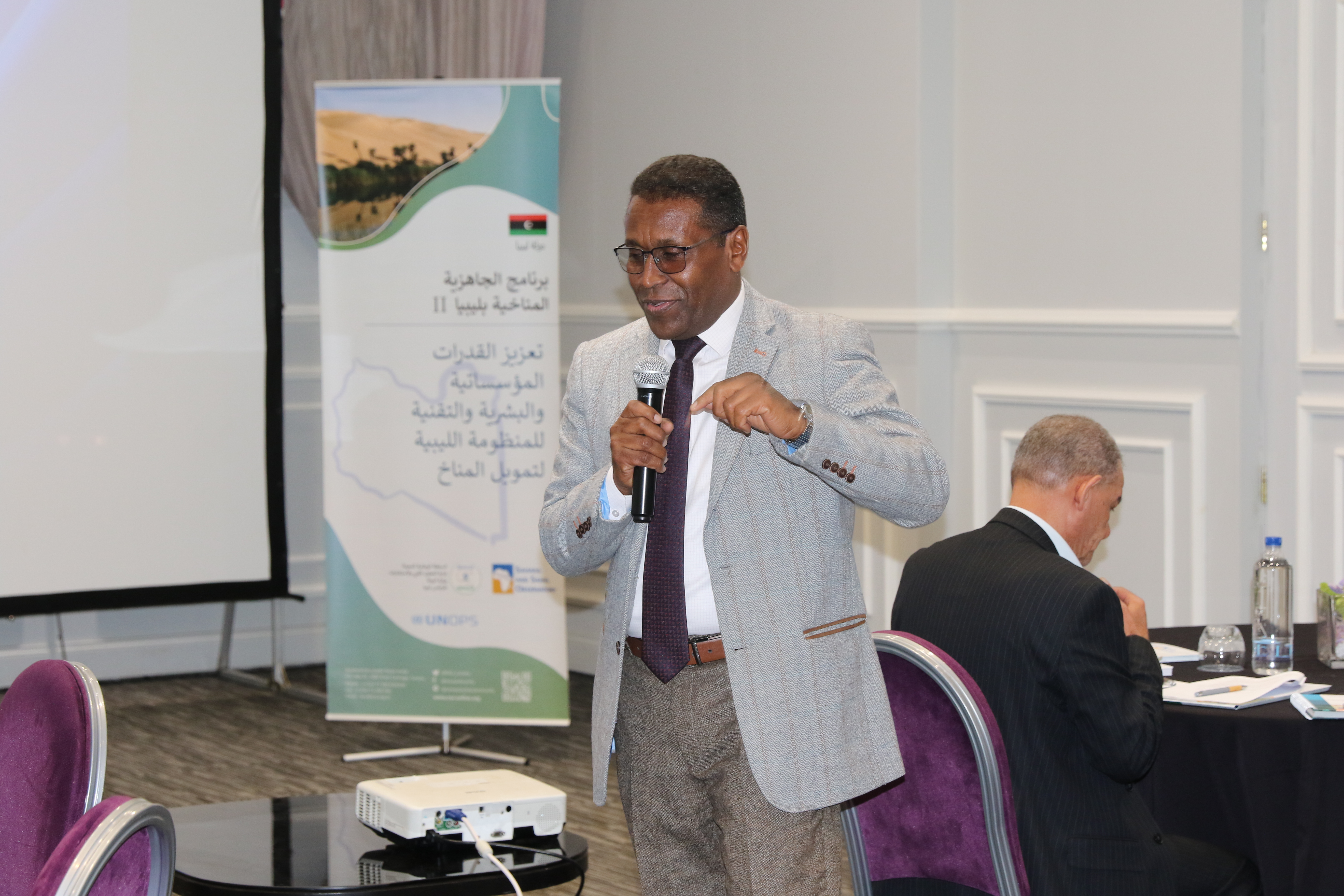
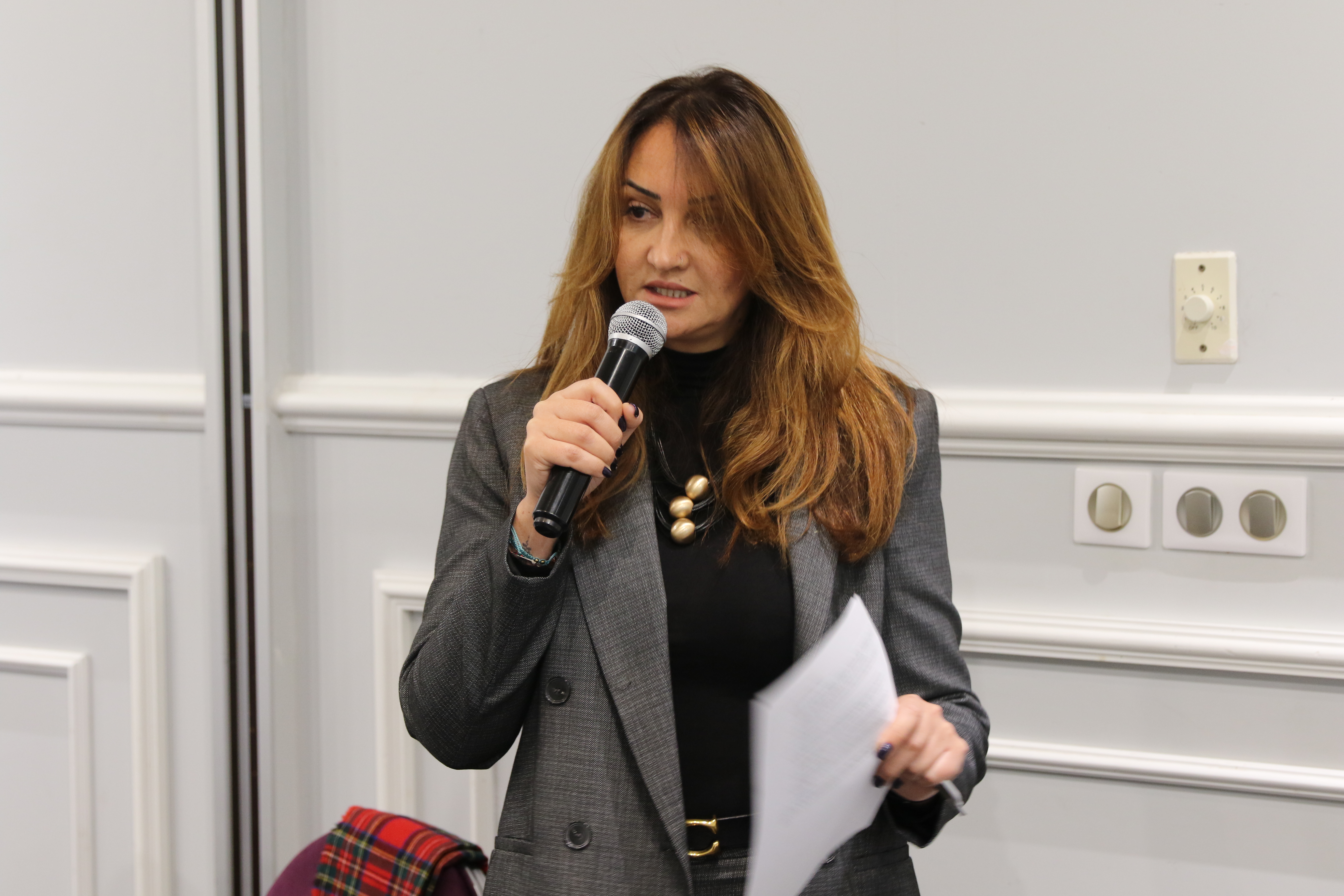
The opening session featured interventions by Mr. Nabil Ben Khatra, OSS Executive Secretary, and Dr. Mustafa Abdulhadi, Libya’s National Designated Authority (NDA), who emphasized the urgency of collective action, the importance of transparency and complementarity, and the need for sustained coordination. They underlined that Libya’s climate transition depends on a shared vision, robust institutional cooperation and effective multilateral engagement.
Discussions brought together experts from the Libyan Ministry of the Environment, NDA members, alongside partners such as GIZ, UNDP, FAO, UNOPS, IFAD, Expertise France and ACTED. Exchanges focused on mapping ongoing climate initiatives, identifying opportunities for synergy, aligning interventions with national and sectoral priorities, and exploring options for integrating these efforts into Libya’s future GCF Country Program.
Serving as a first structured milestone in a longer, phased process, the roundtable laid the foundations for the development of a national strategic roadmap that will support the prioritization of climate actions, clarify short-, medium- and long-term project pipelines, and establish sustainable coordination mechanisms between national institutions and international partners.
By fostering a coordinated and partnership-driven approach, the roundtable marks an important step toward more coherent, effective and targeted climate action in Libya, strengthening the country’s resilience and enhancing the impact of investments in the face of climate change.
Held on January 28, 2025 in Tunis, the 27th session of the Strategic Orientation…
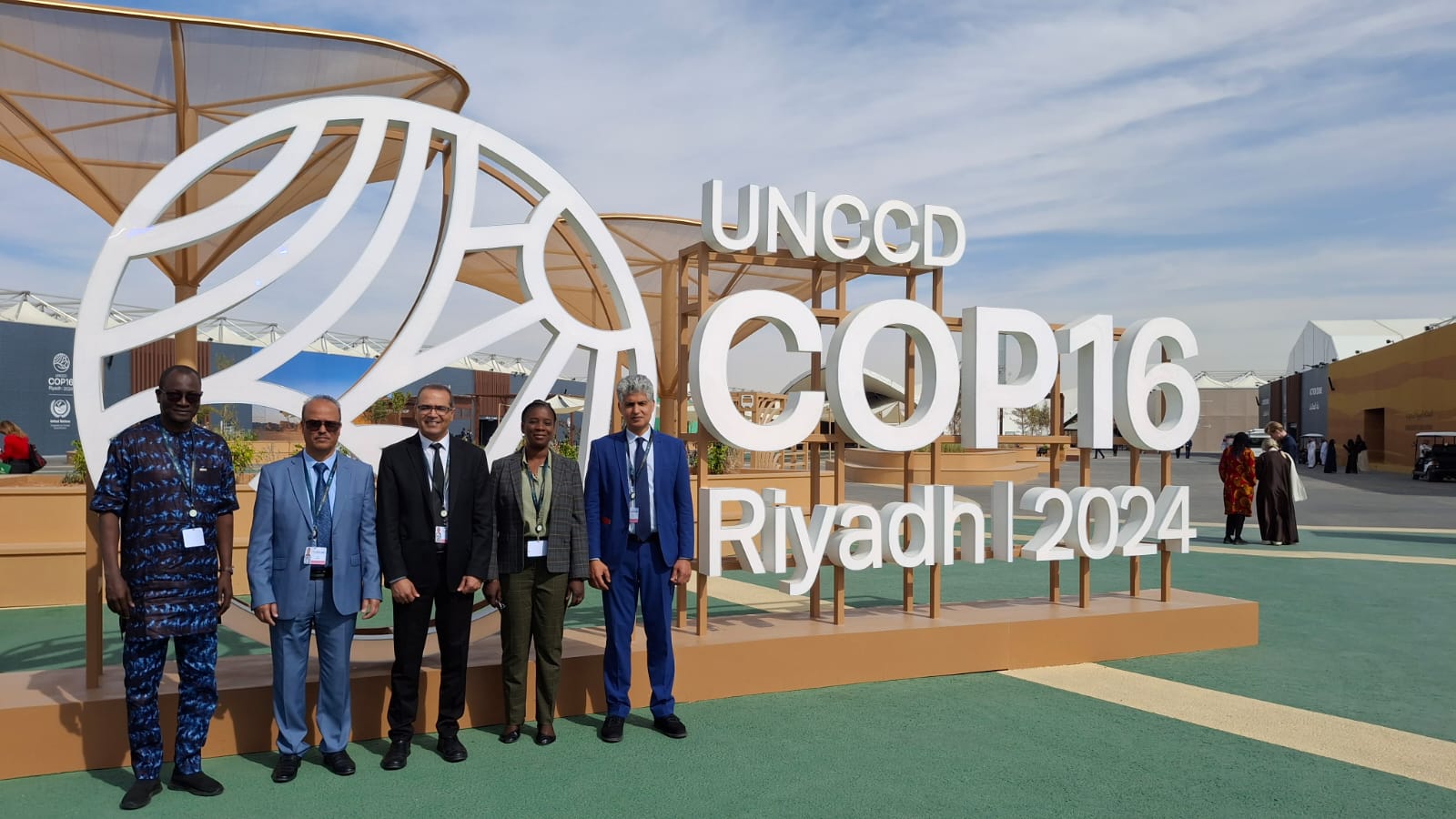
The participation of the Sahara and Sahel…
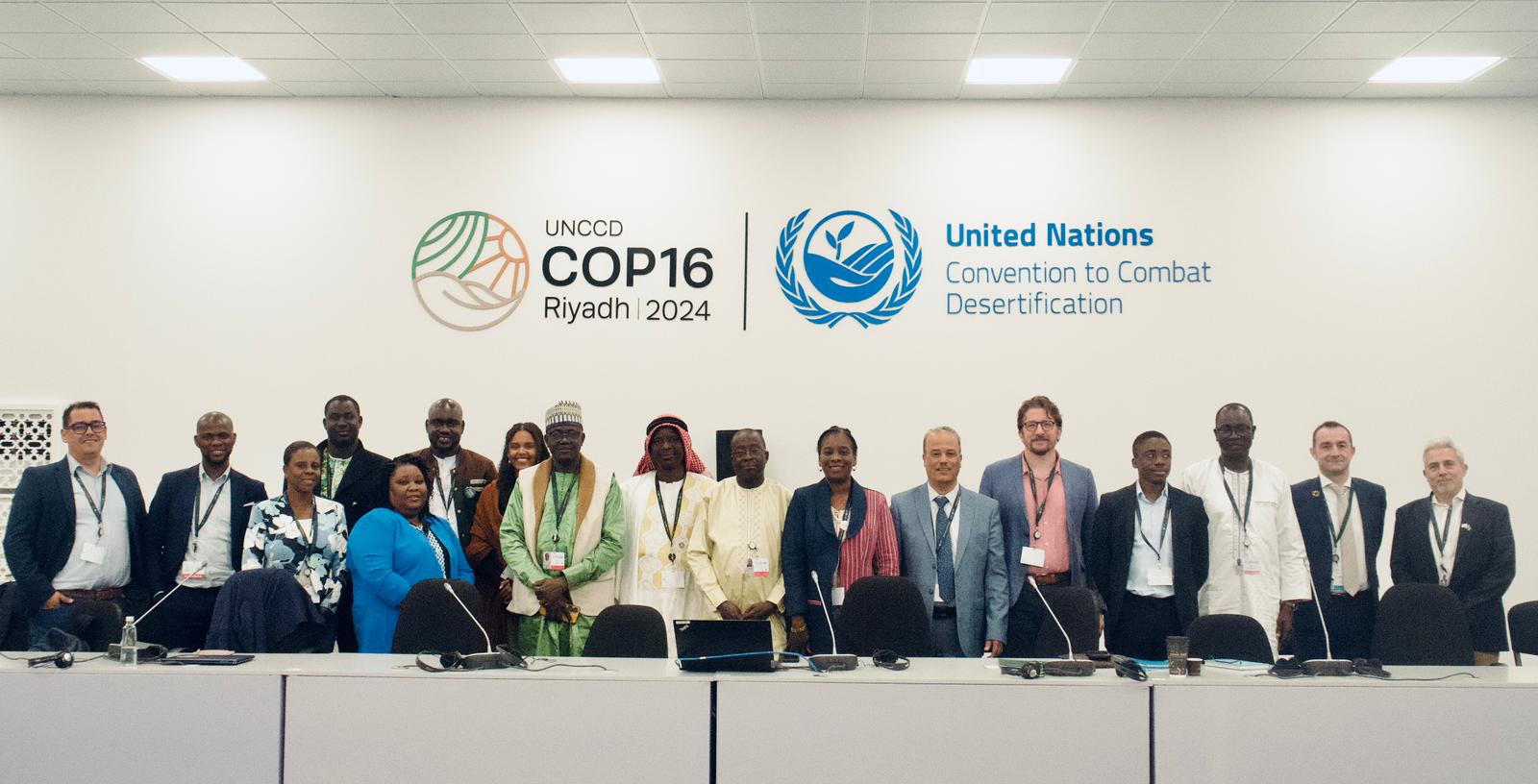
OSS Side Event at COP16: Strengthening Resilience in the Sahel through Multi-…