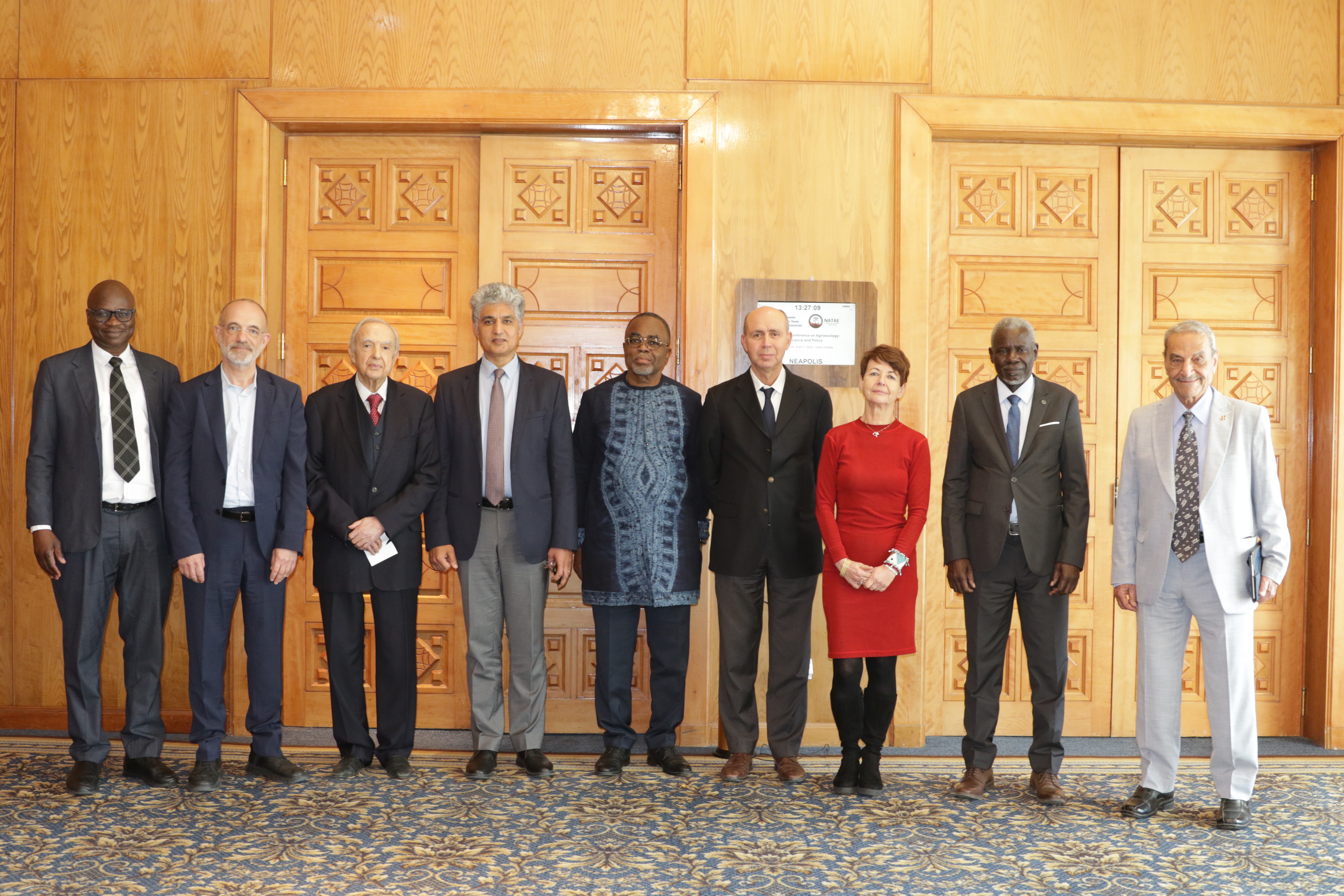
27th Session of the OSS Strategic Orientation Committee, Tunis, January 28, 2025
Held on January 28, 2025 in Tunis, the 27th session of the Strategic Orientation…
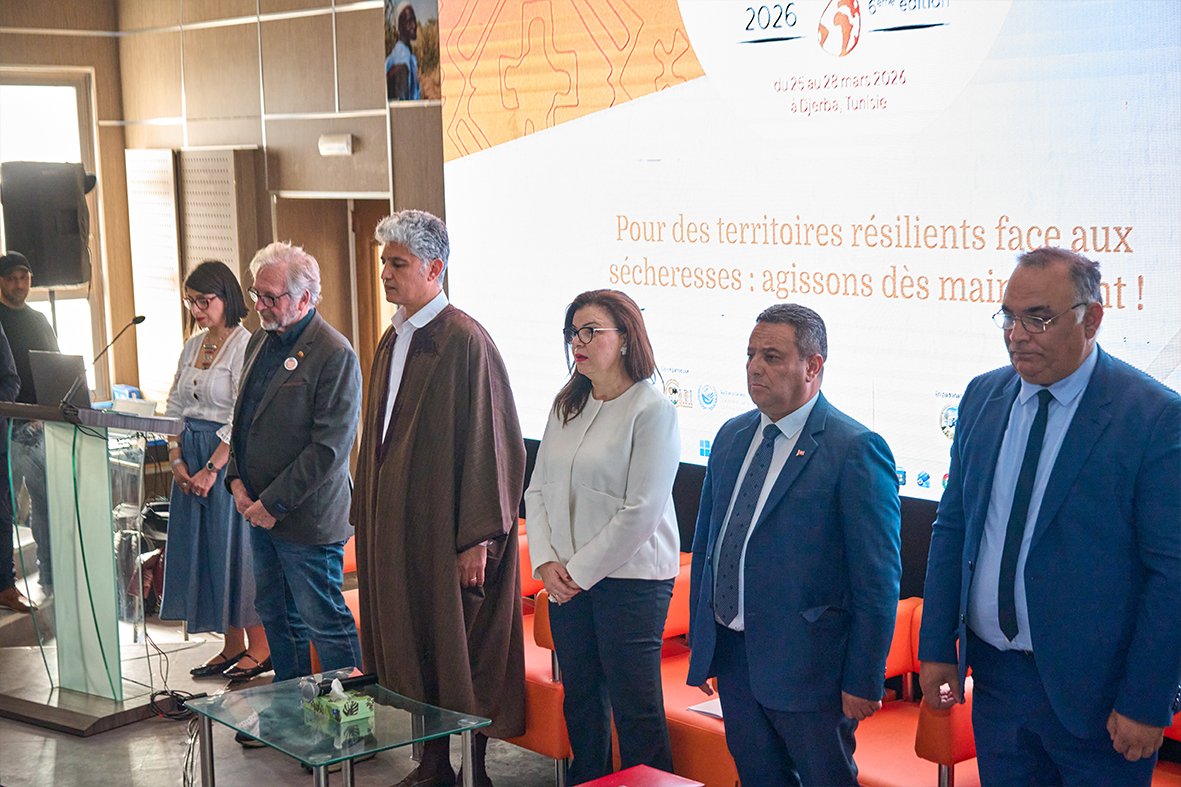
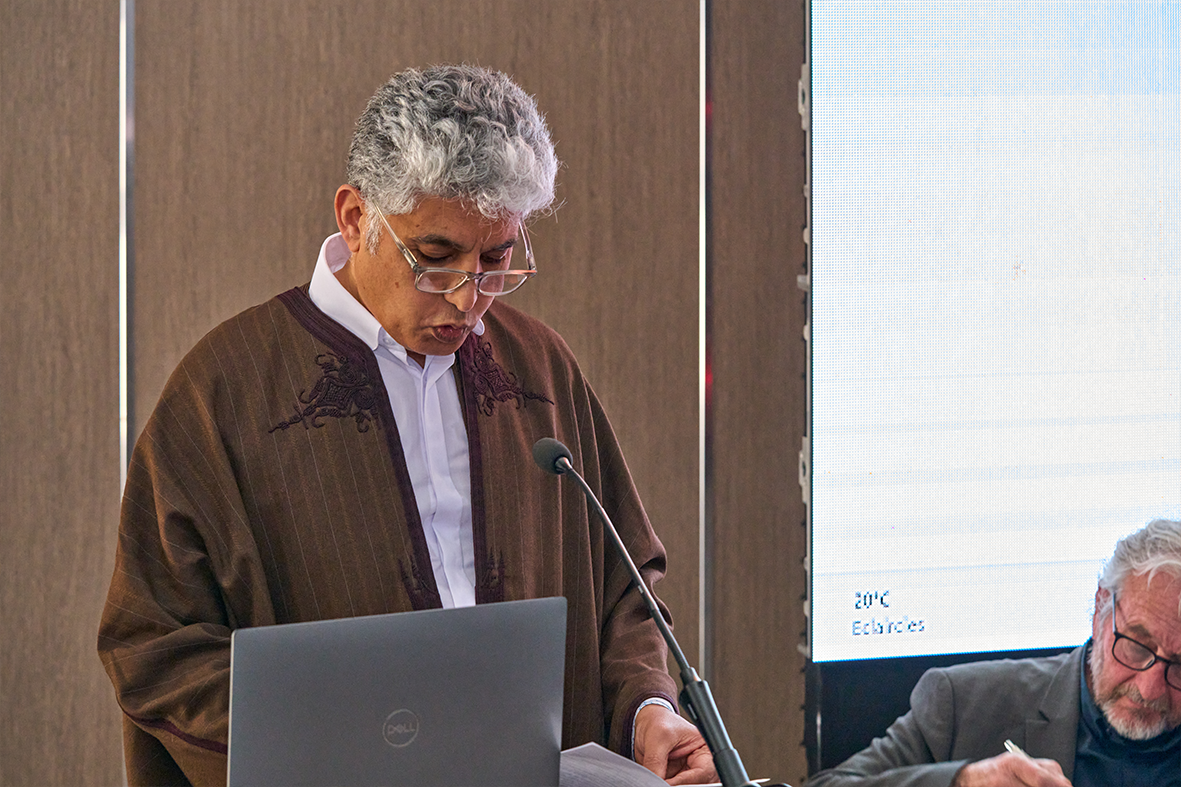
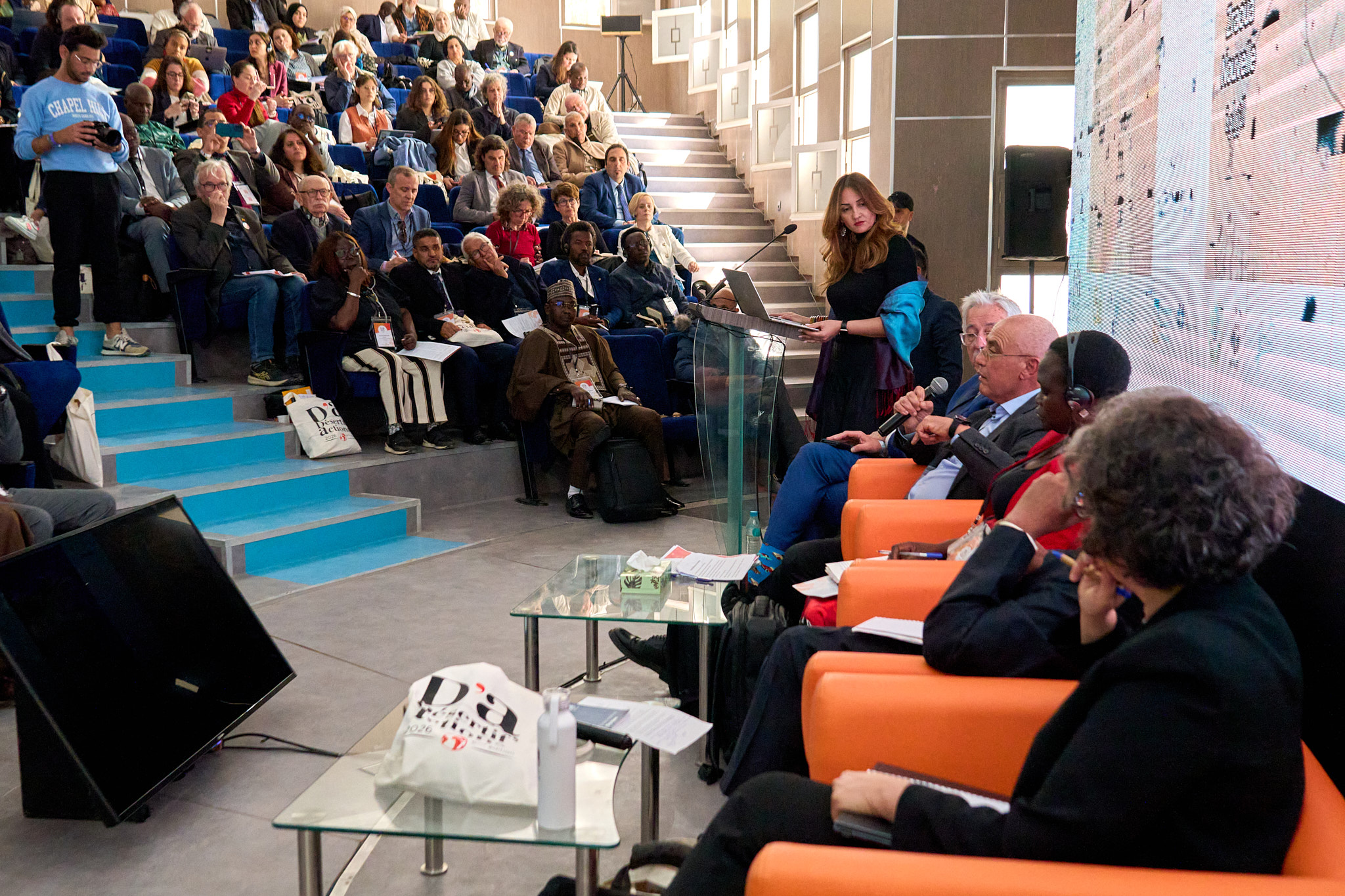

Djerba, March 25-28, 2026
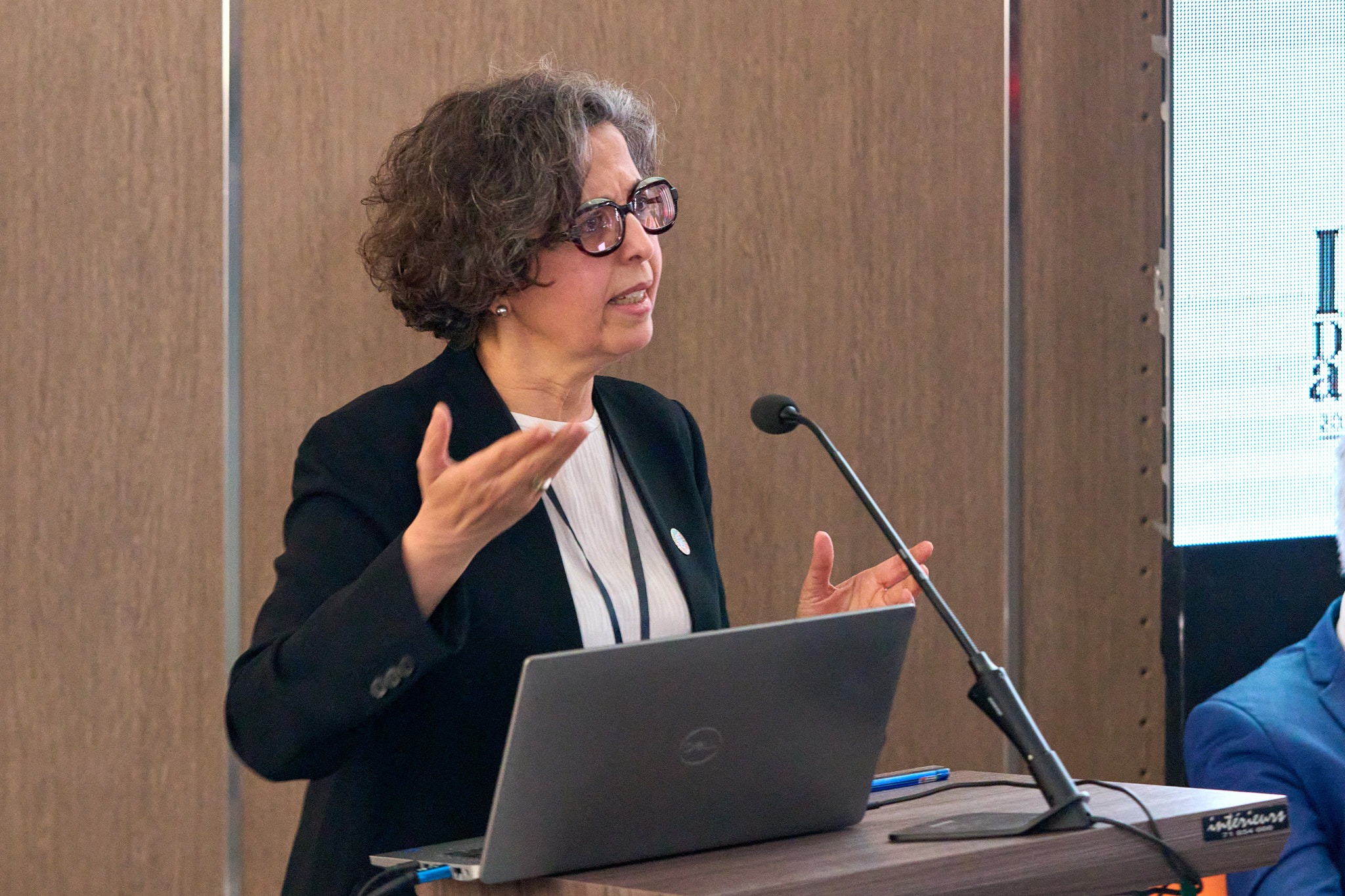
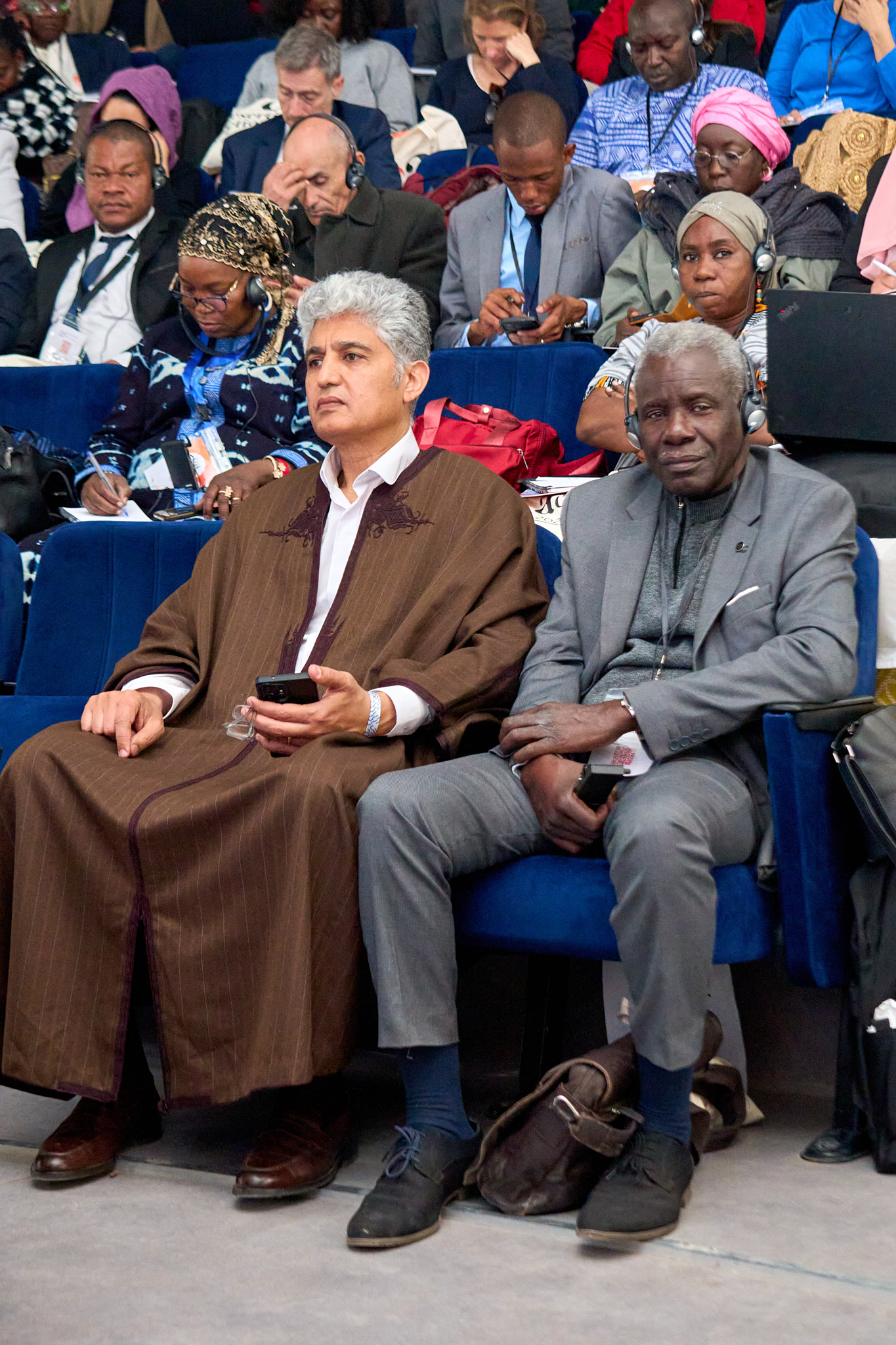
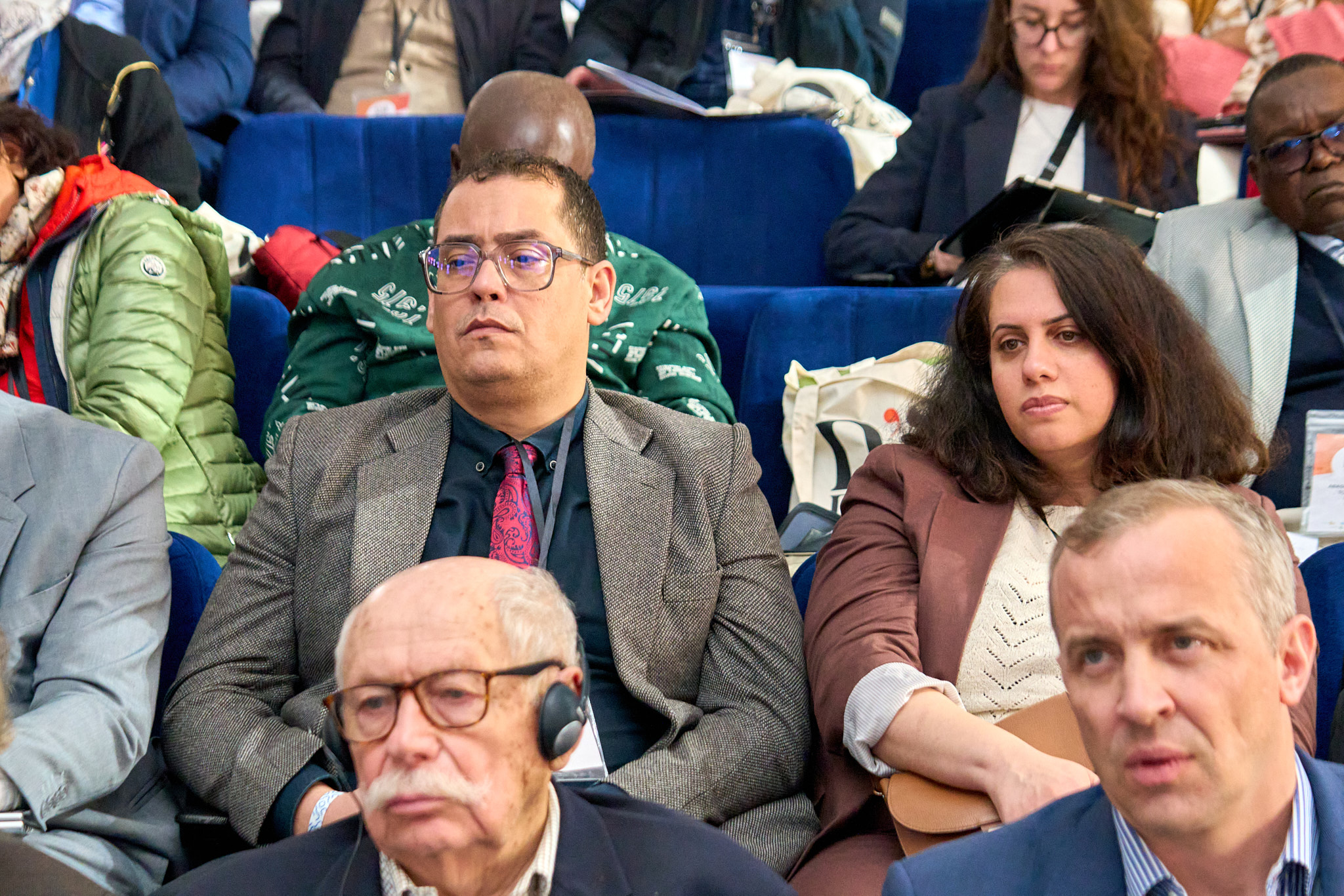
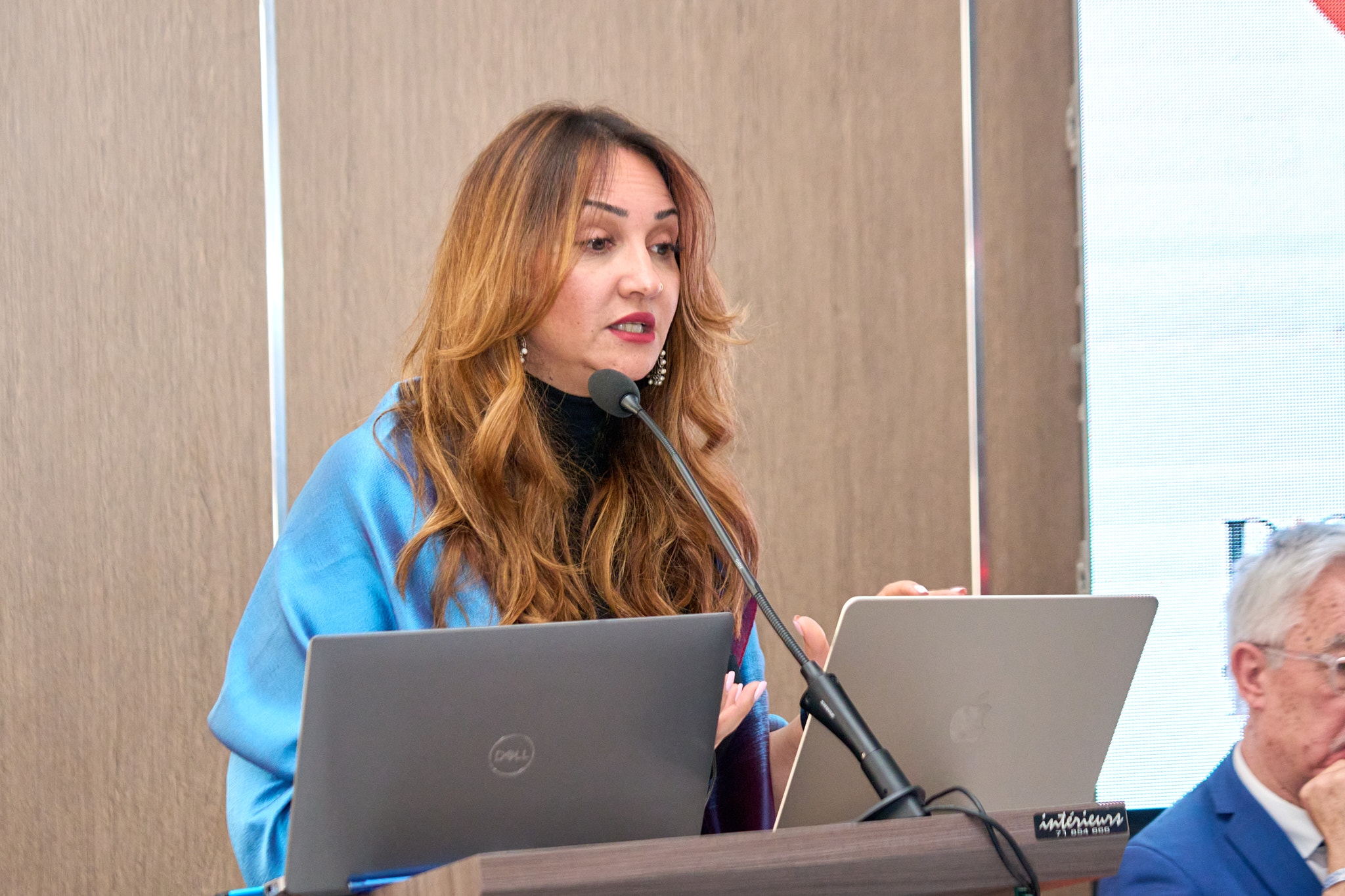
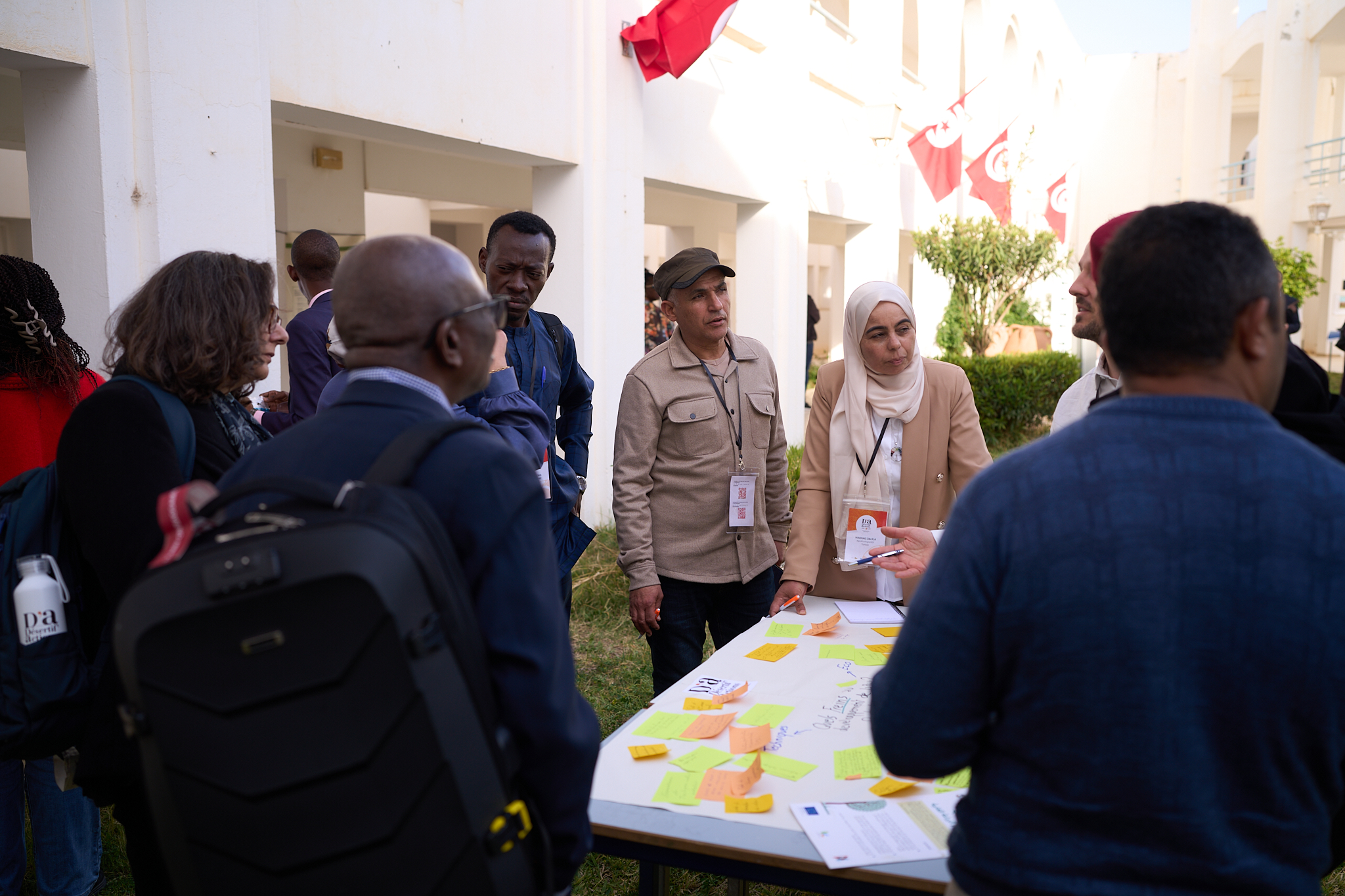
The 6th edition of the Désertif’actions Summit 2026 was held in Djerba under the theme “Territorial resilience in the face of crises,” with a focus on combating desertification, drought and land degradation. The main objective of the event was to co-develop concrete solutions capable of informing public policies and influencing international negotiations, particularly in the lead-up to the UNCCD CoP17.
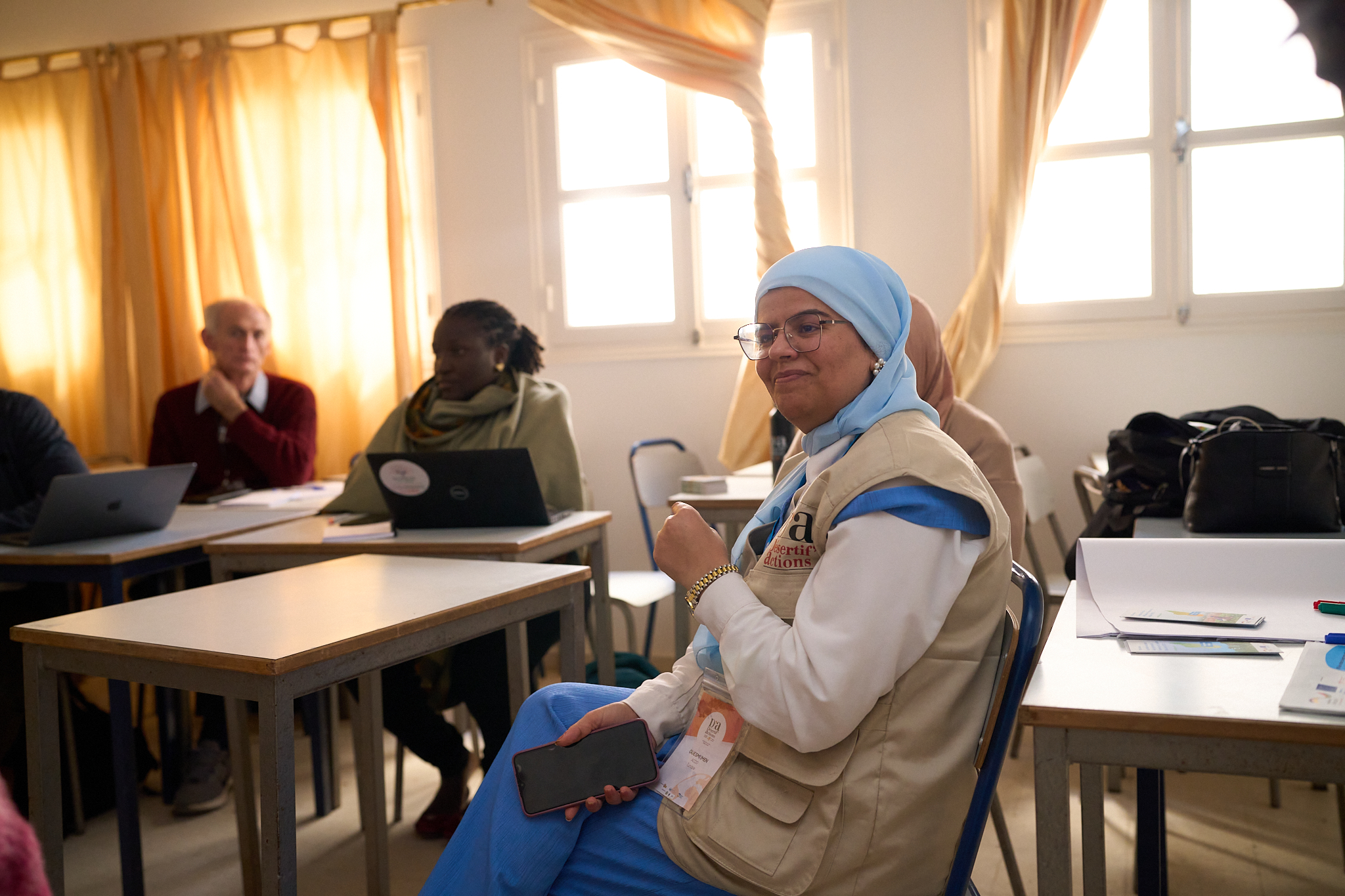
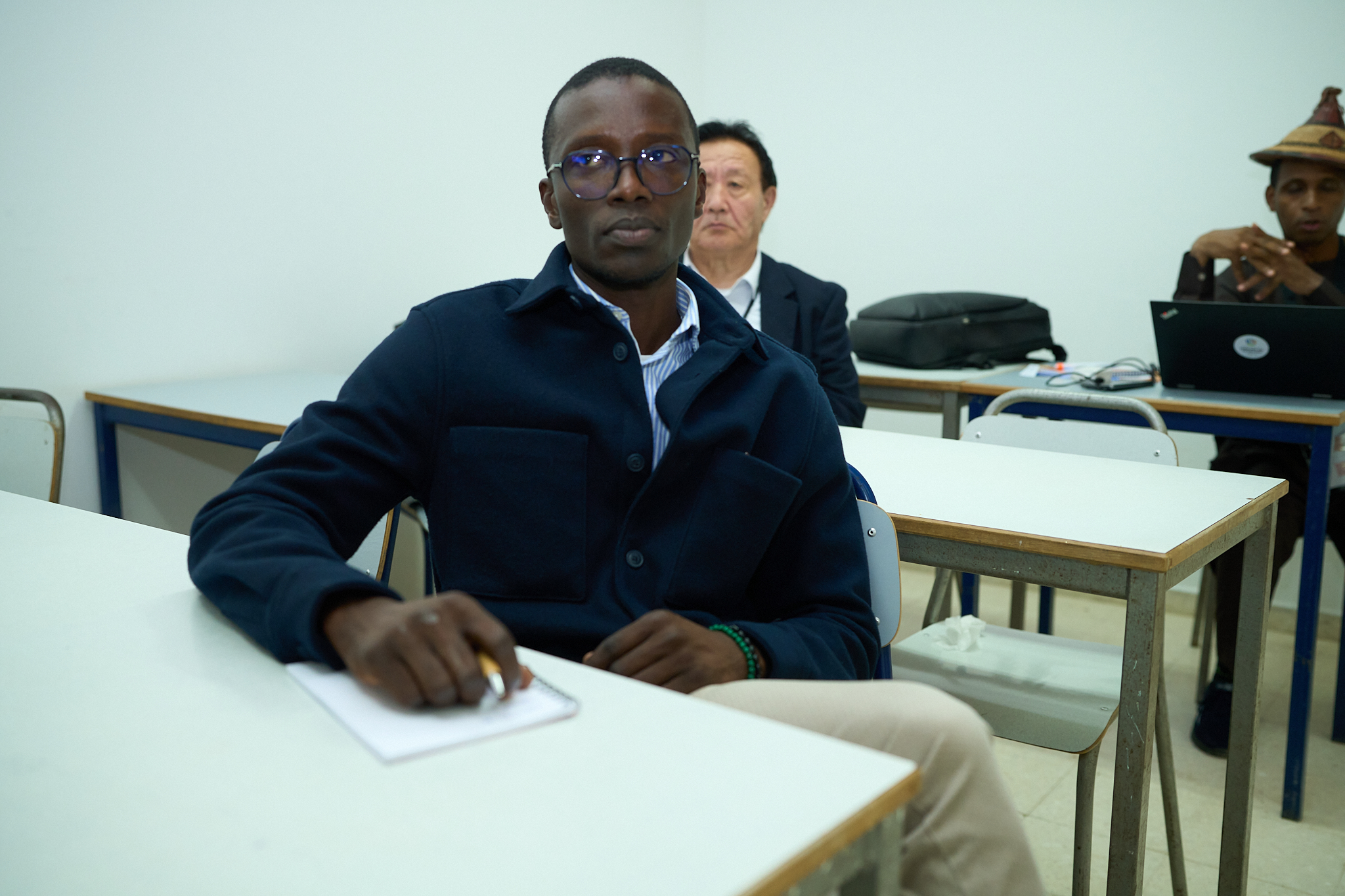
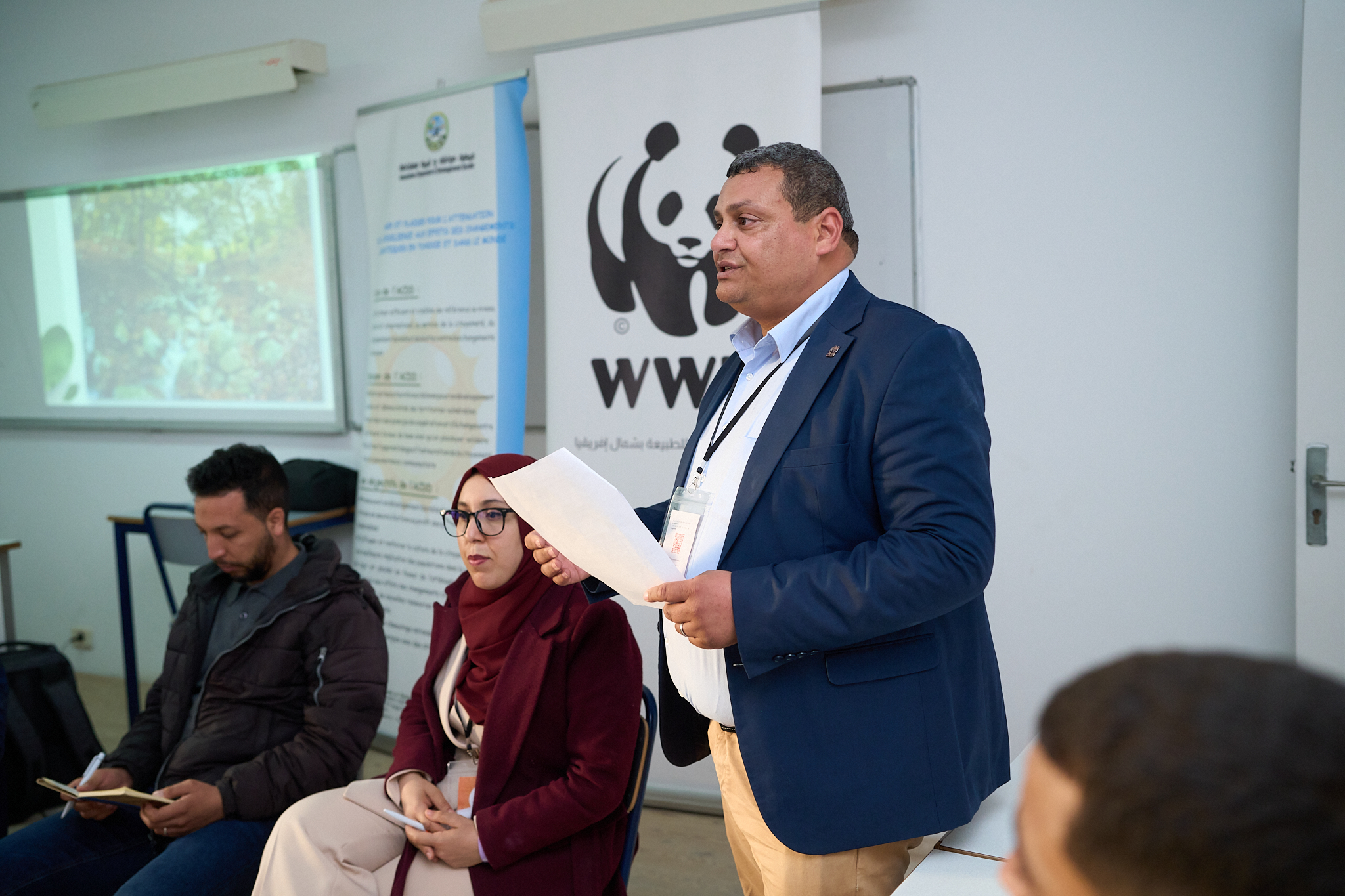
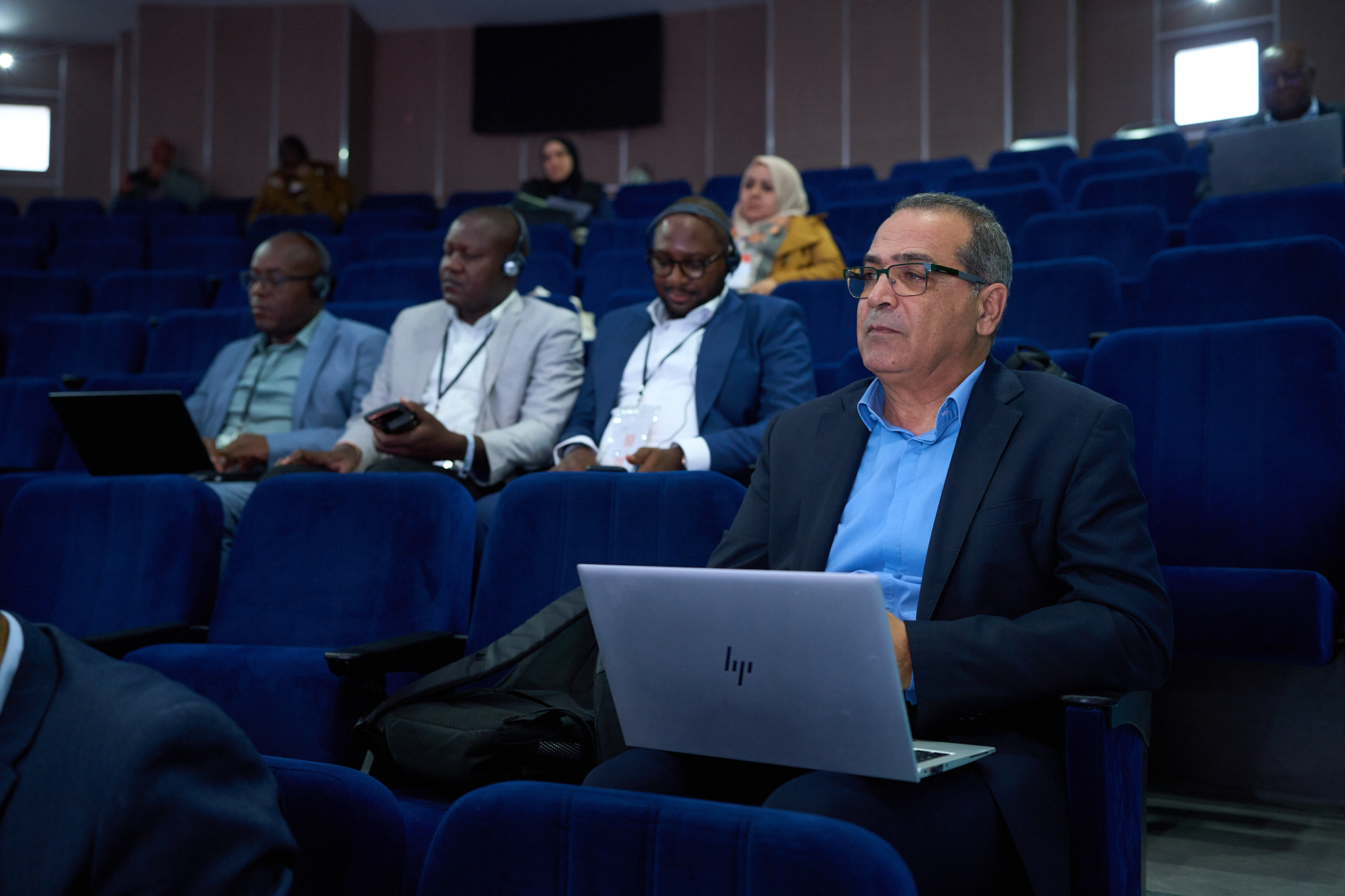
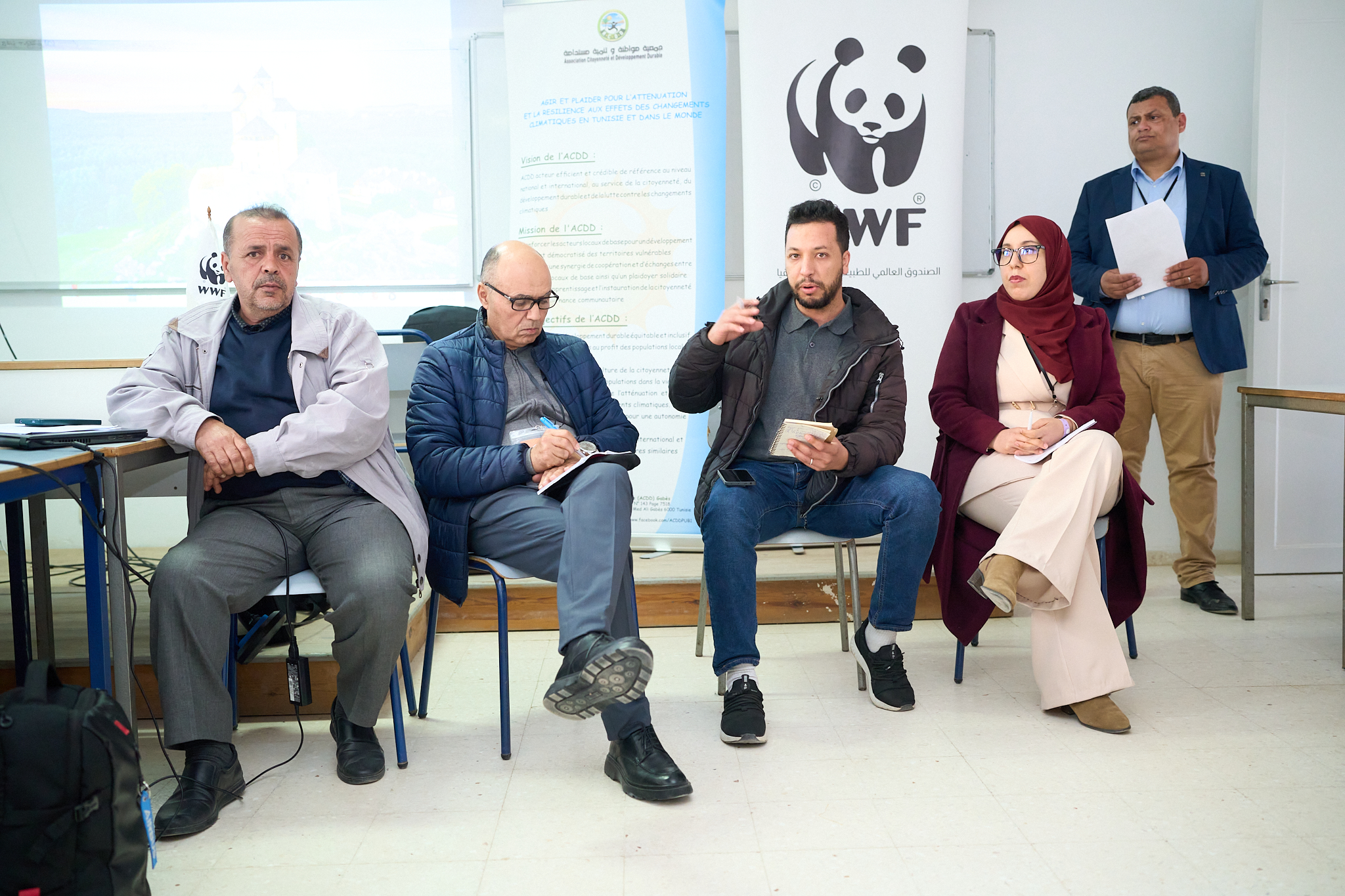
Co-organized by the Sahara and Sahel Observatory (OSS), the Centre for International Cooperation in Agricultural Research for Development (CARI), and the United Nations Convention to Combat Desertification (UNCCD), with the support of the World Wide Fund for Nature North Africa (WWF-NA), the Association for Citizenship and Sustainable Development (ACDD), and the Higher Institute of Technological Studies of Djerba (ISET Djerba), the summit brought together more than 350 participants from over 50 countries, including researchers and scientific experts, civil society representatives, NGOs, public and private institutions, as well as local authorities and policymakers.
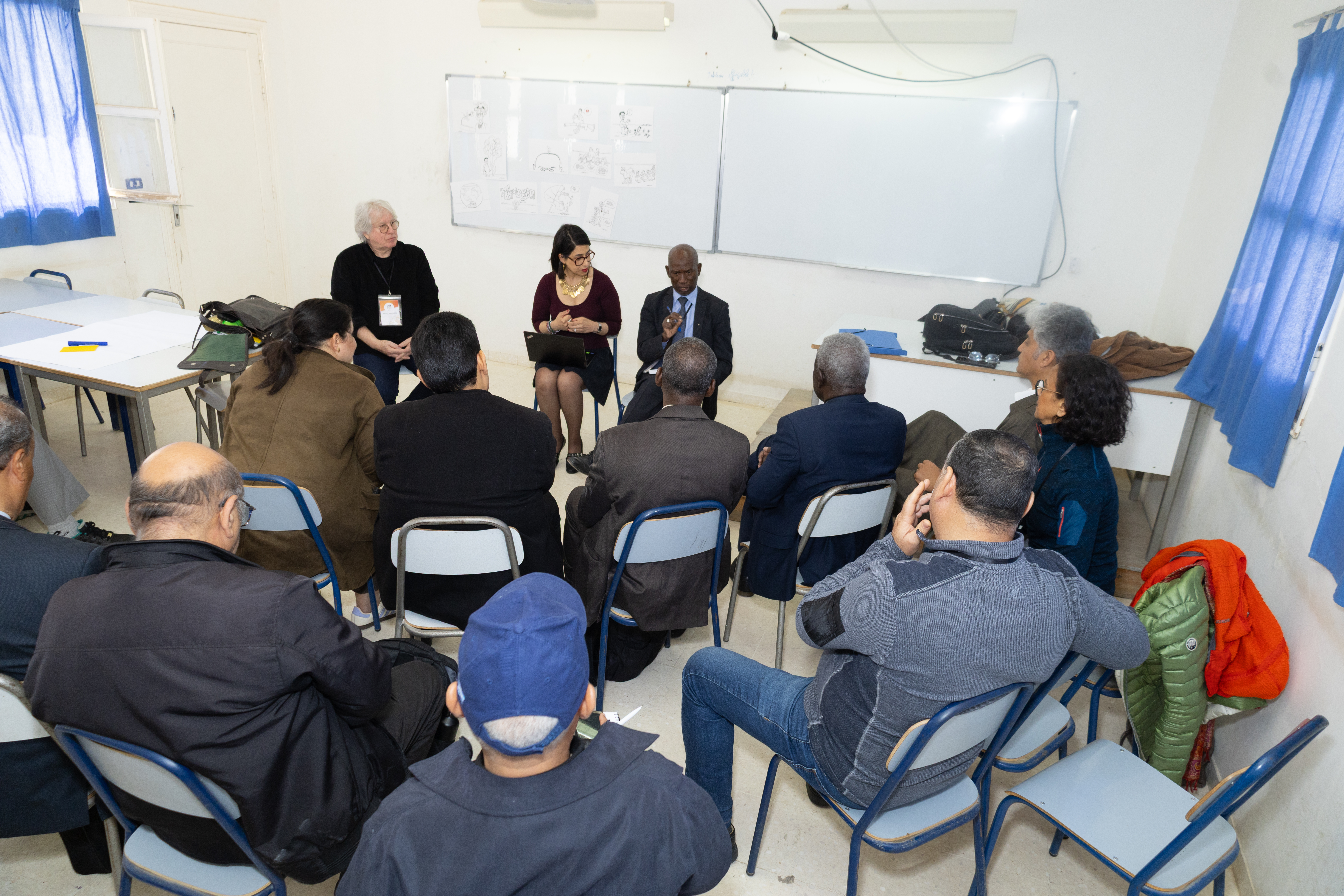
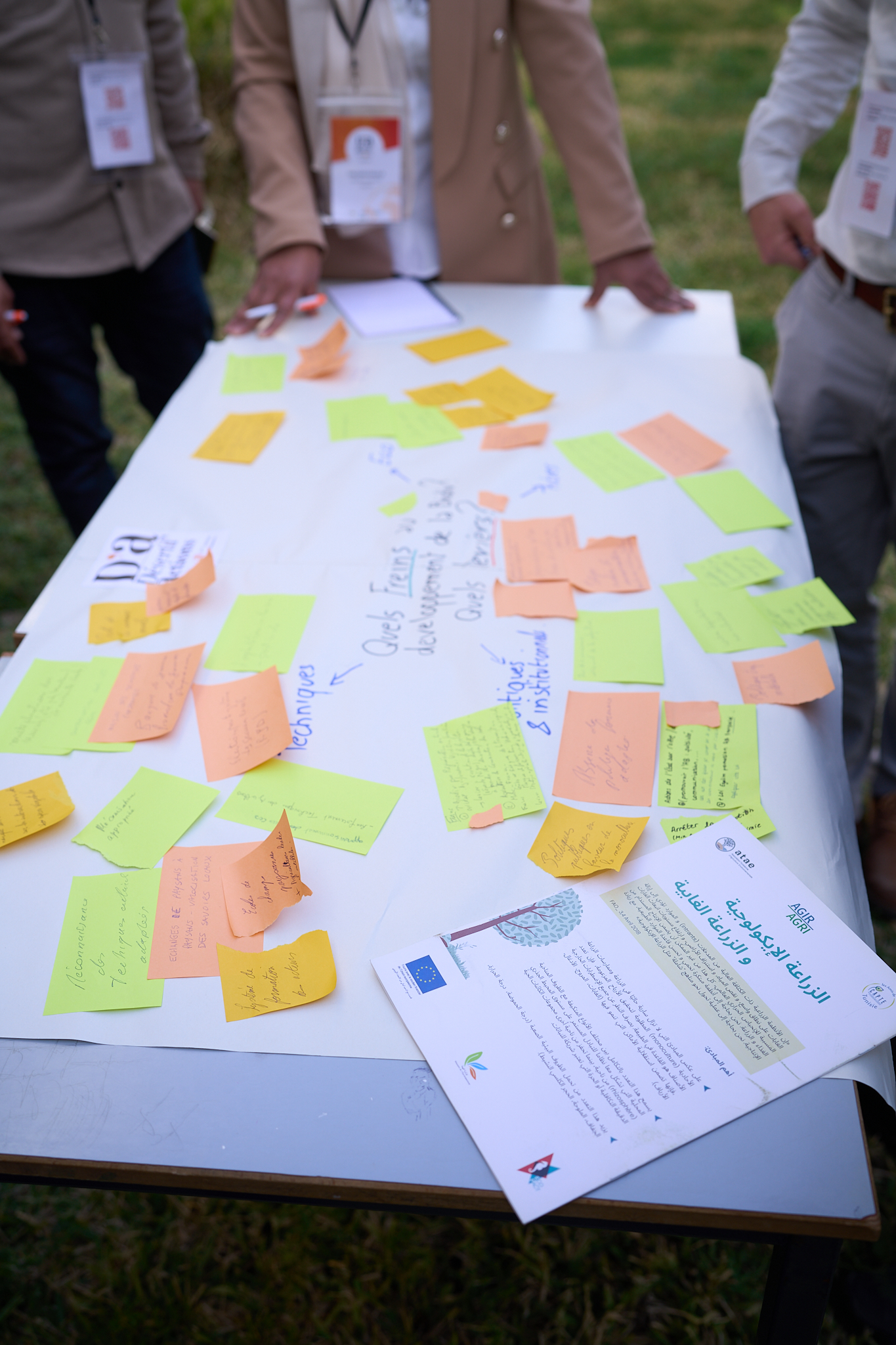
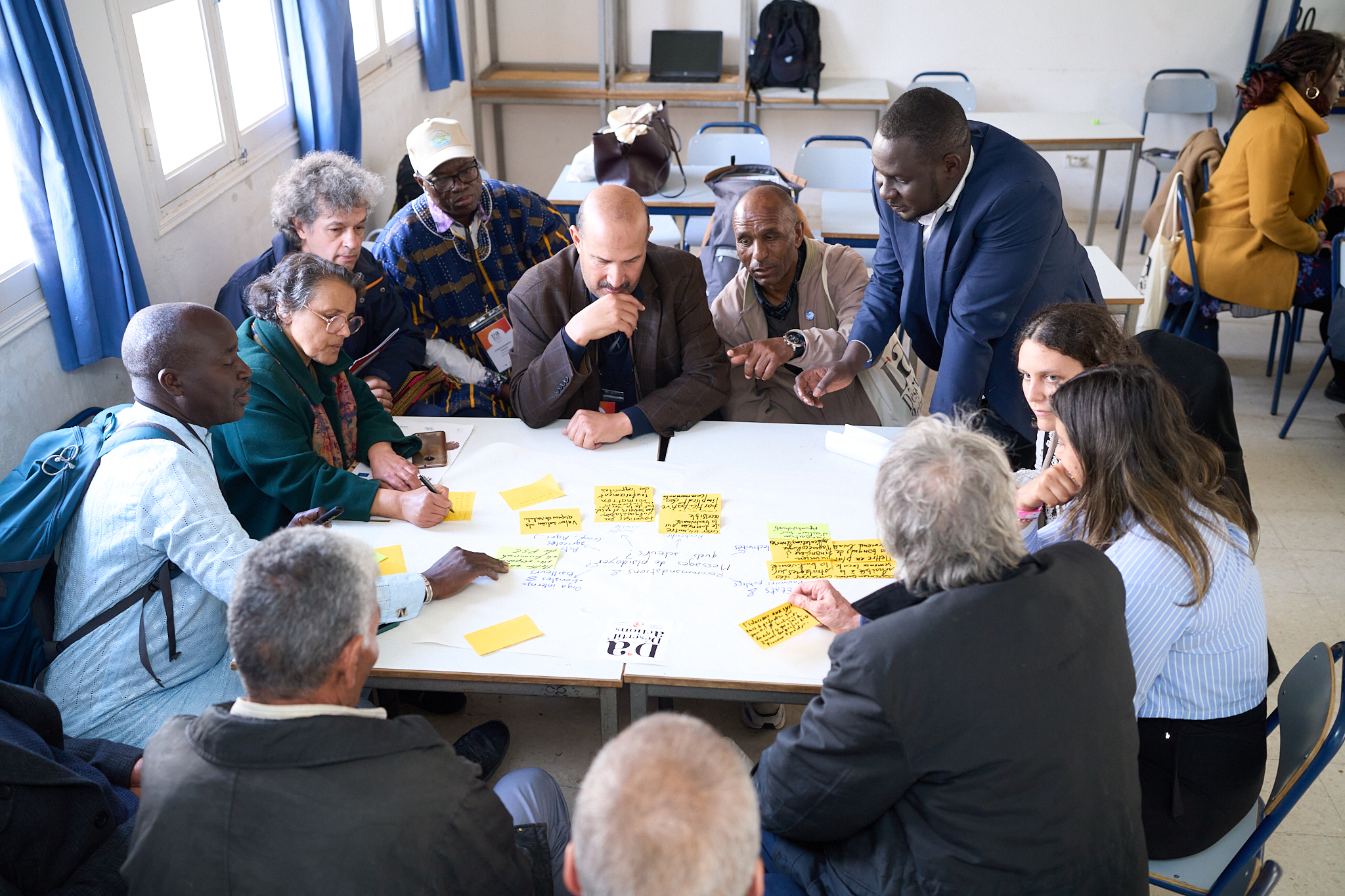
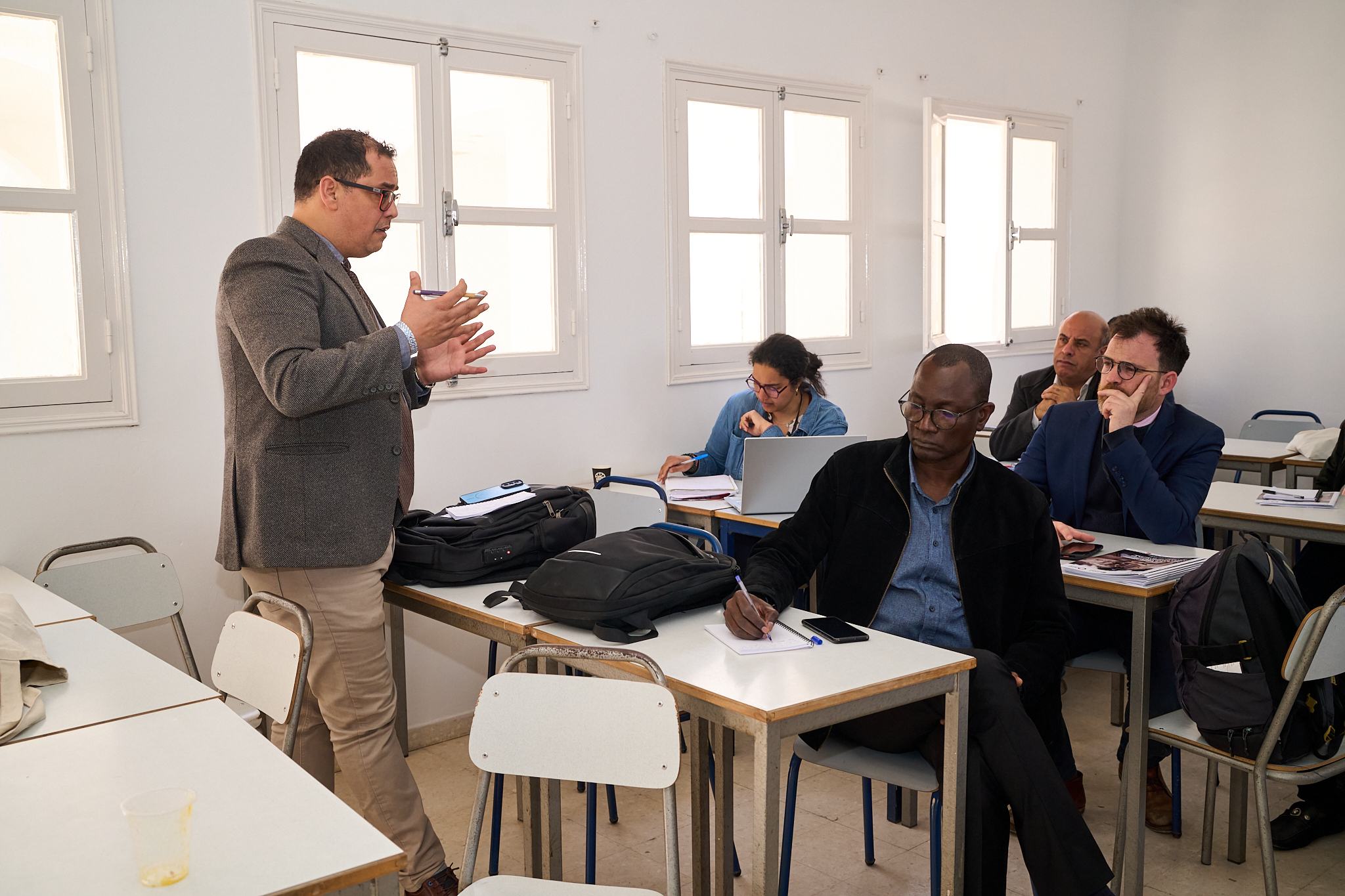
Over three days, plenary sessions and thematic workshops addressed key issues such as the transformation of fixed-location agriculture and livestock systems, support to mobile production systems - particularly pastoralism - territorial water resource management, and governance of territorial policies in response to climate crises. Interactive sessions and working groups made it possible to share experiences, best practices, and decision-support tools to strengthen the resilience of vulnerable territories.
Key messages from the summit emphasized the need to strengthen international cooperation by bringing together countries, public actors, and civil society to address drought and land degradation. Participants also highlighted the importance of innovation, research, and education in developing context-specific strategies. In the lead-up to CoP17, the summit came up with concrete recommendations aimed at influencing international decisions and guiding public policies.
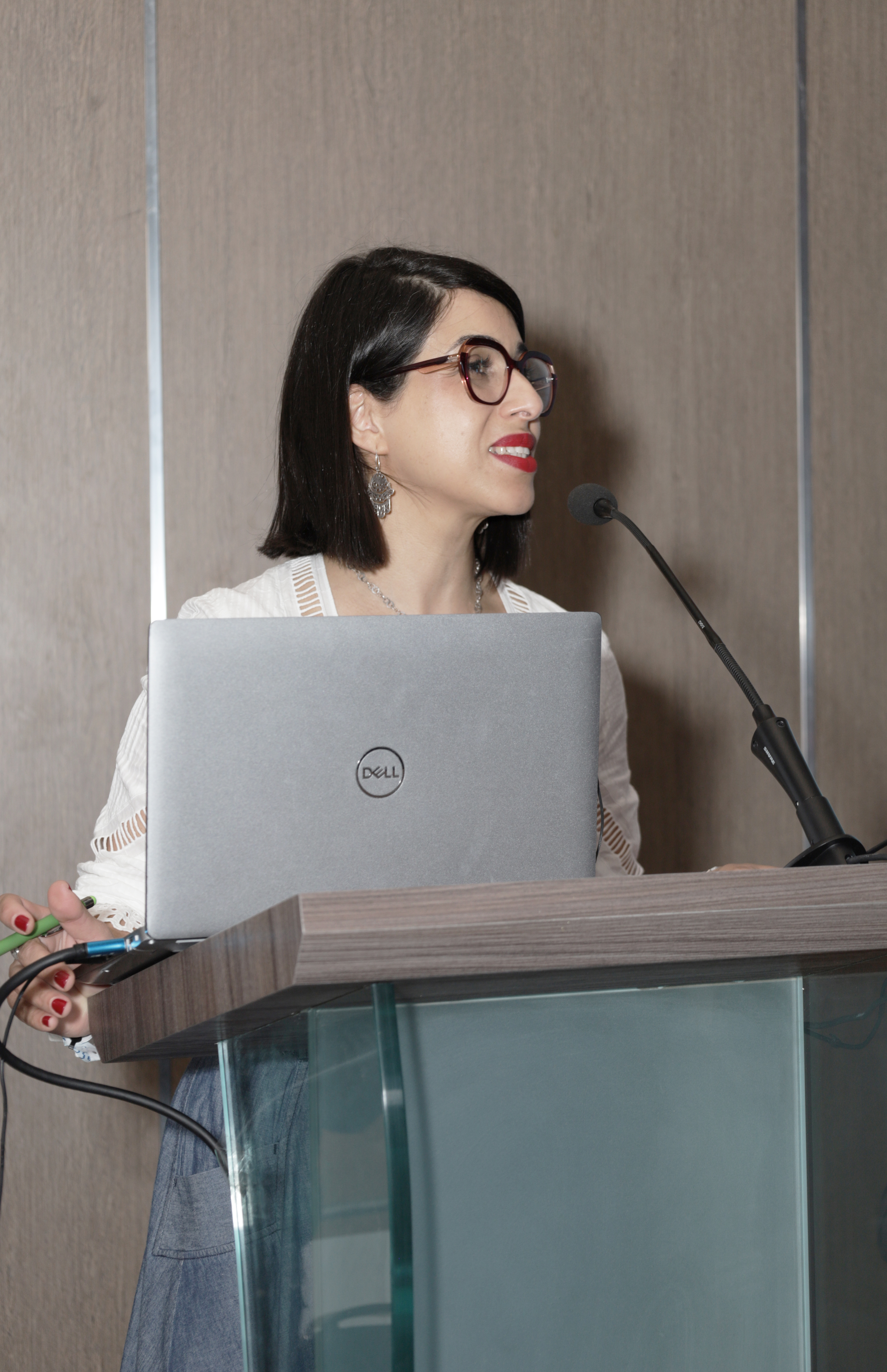
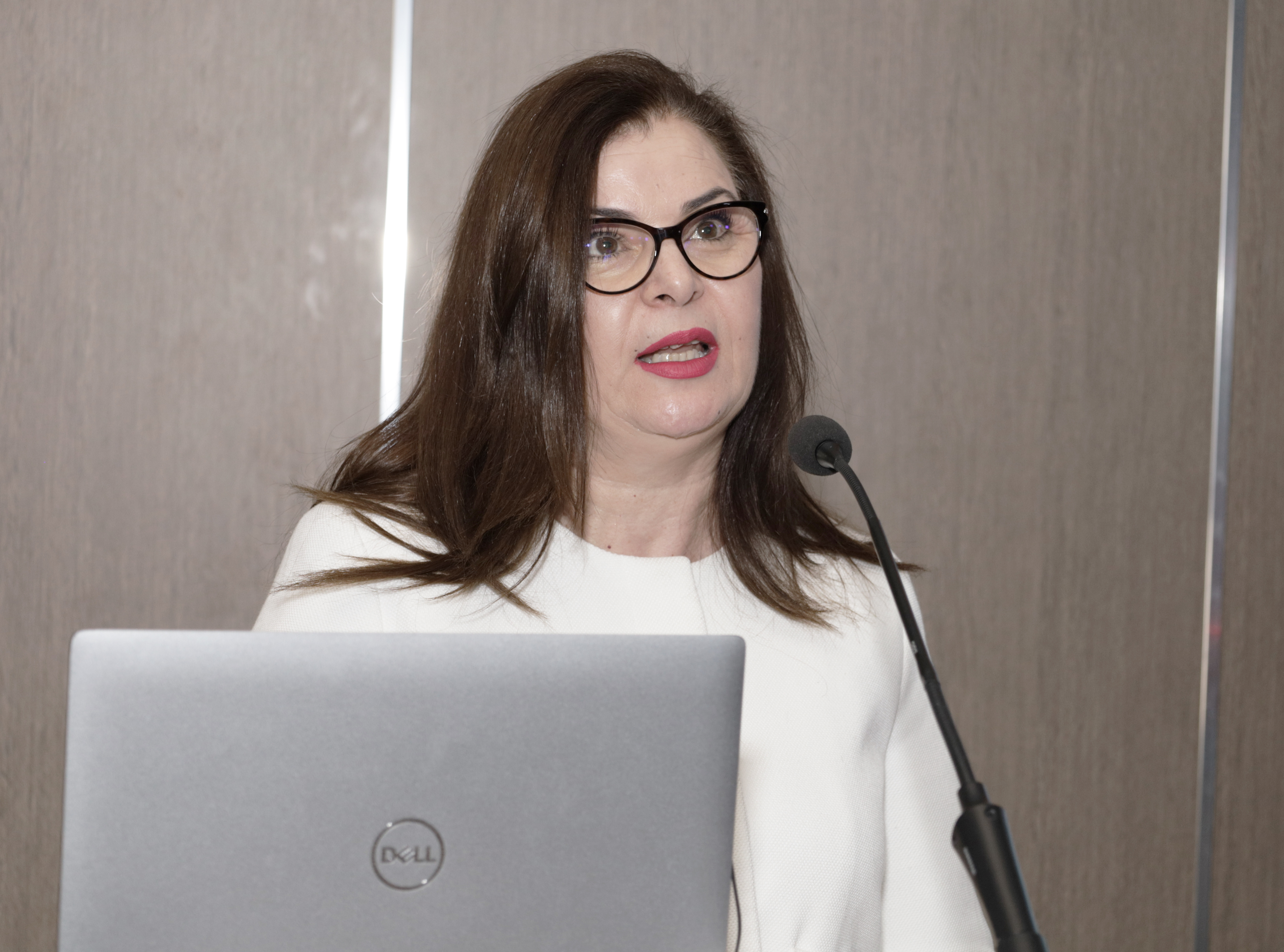
The opening ceremony, moderated by Ms. Nadia Khammari, OSS Communication Analyst, brought together high-level personalities who shared their vision and gave support for this major event. Speakers included Mr. Walid Tabboubi, Governor of Médenine; Mr. Habib Abid, Tunisia’s Minister of Environment (represented by Ms. Awatef Messai, Acting Director General for Environment and Quality of Life); Mr. Chedli Abdelli, Director General of the National Agency for the Promotion of Scientific Research; and Mr. Mohamed Mehdi Haloui, Director General of the Tunisian National Tourism Office. Mr. Patrice Burger, President of CARI, also delivered remarks.
The ceremony was further marked by video interventions from Ms. Yasmine Fouad, Executive Secretary of the UNCCD; Ms. Monique Barbut, former French Minister of Environment; Dr. Osama Fqeeha, Advisor to the CoP17 Presidency; Mr. Kalifa Traoré, Director of Mali’s Institute of Rural Economy; and Mr. Claude Gascon, Acting CEO of the GEF, who all called for strengthened international cooperation, greater recognition of local solutions, and the translation of commitments into concrete field-actions.
Mr. Nabil Ben Khatra, OSS Executive Secretary, stressed the central role of knowledge, field experience, and decision-support tools, while highlighting the need for solutions to be co-developed with local stakeholders and tailored to territorial realities.
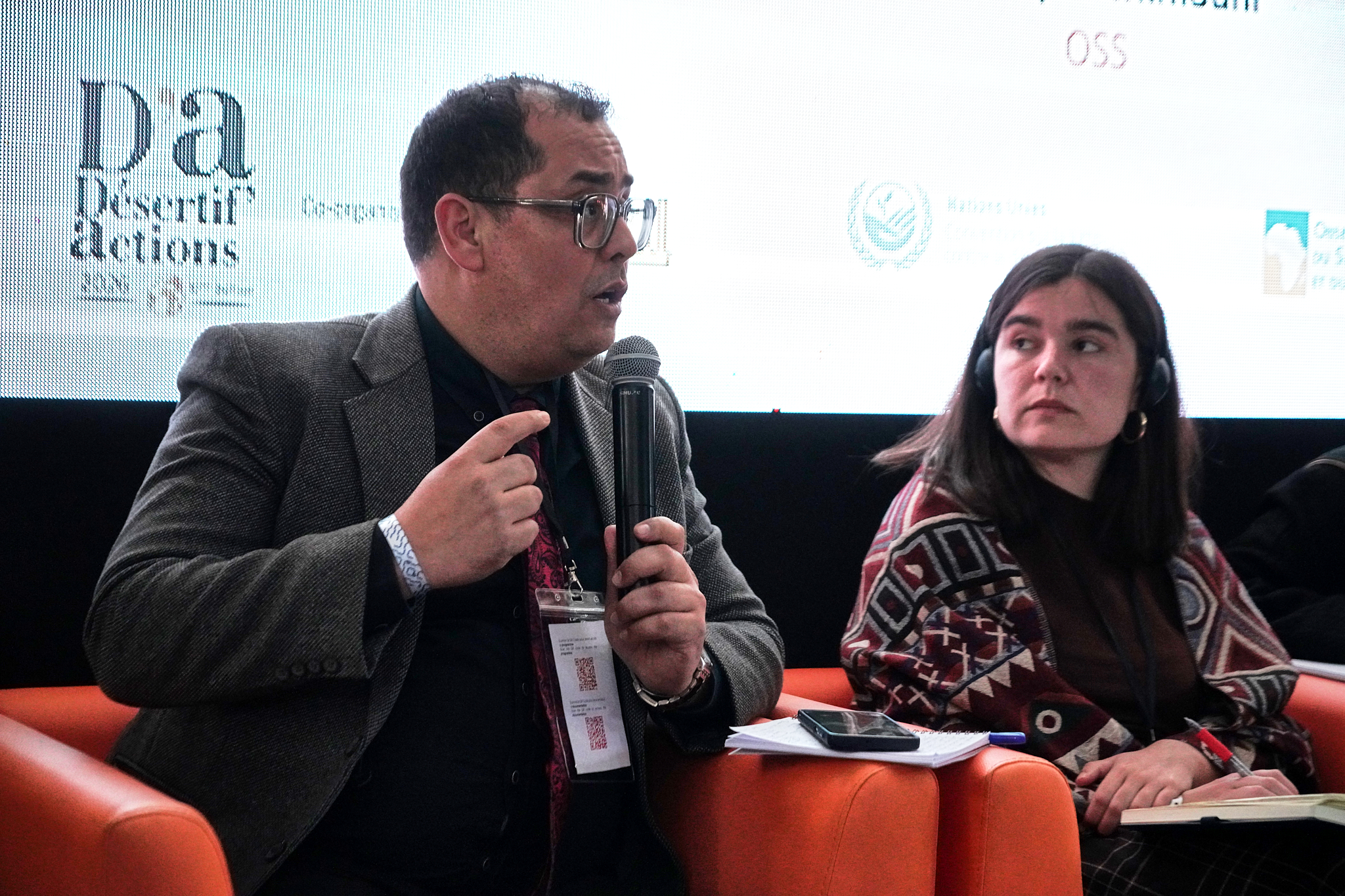
The Summit’s introductory session, moderated by Ms. Khaoula Jaoui, OSS Climate Department Director, established a clear and compelling assessment: drought has become a global phenomenon, with major economic impacts, particularly on the agricultural sector.
Discussions underscored the need for a paradigm shift - from reactive crisis management to a proactive approach based on anticipation and vulnerability reduction. Concrete field-based solutions were highlighted, including pastoral mobility in Niger and deficit irrigation in Tunisia, which enables significant water savings.
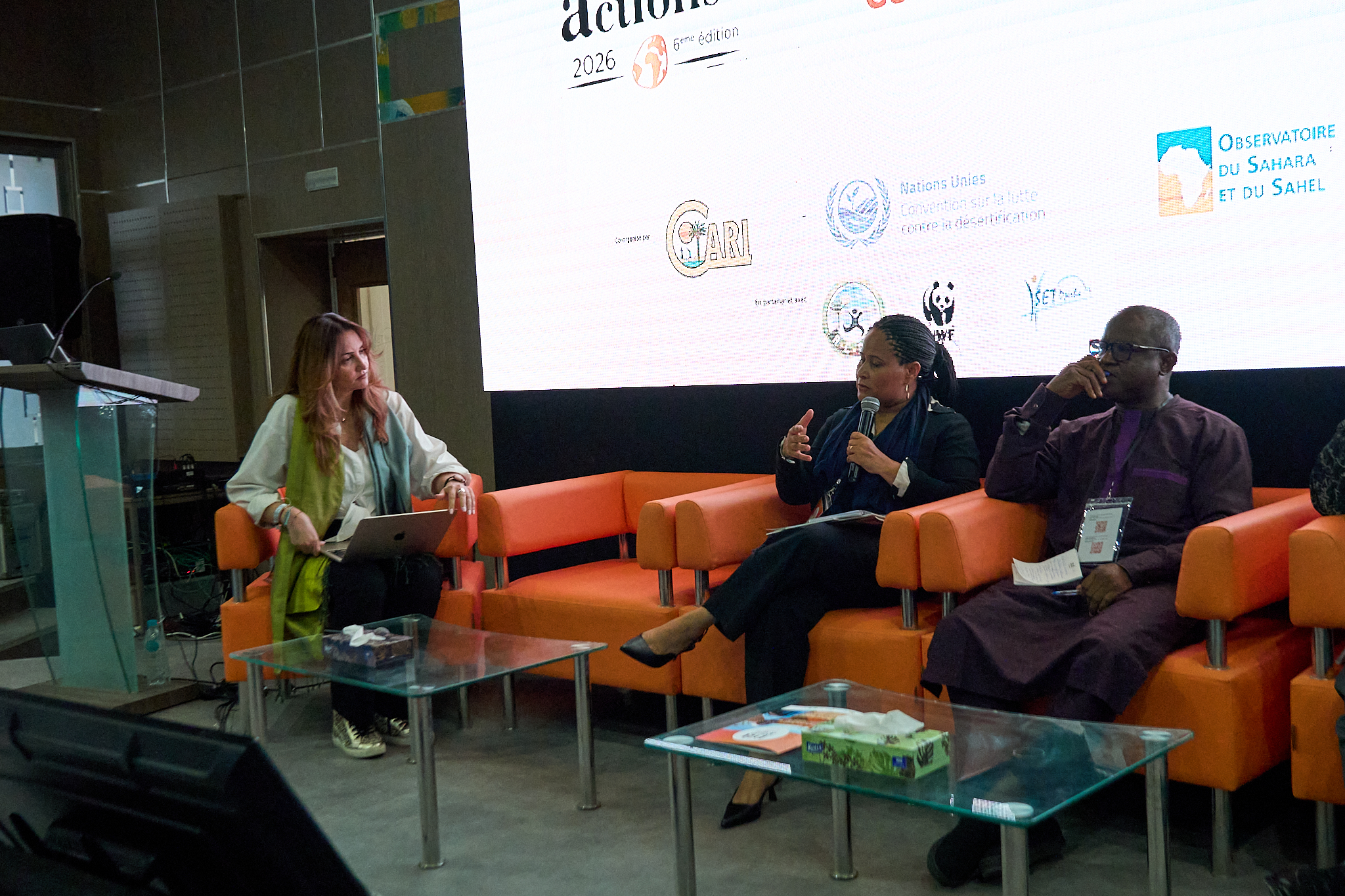
Moderated by Mr. Lamine Baba Sy, OSS Water Department Director, the session on innovative irrigation techniques focused on optimizing water use and addressing responses to water scarcity and provided an opportunity to share concrete experiences, identify solutions adapted to arid areas, and draw key insights for a future advocacy brief on territorial resilience to drought. Discussions, enriched by experiences from Ethiopia and Tanzania and exchanges on nature-based solutions, highlighted the importance of water harvesting and storage, agroecology, and drip irrigation.
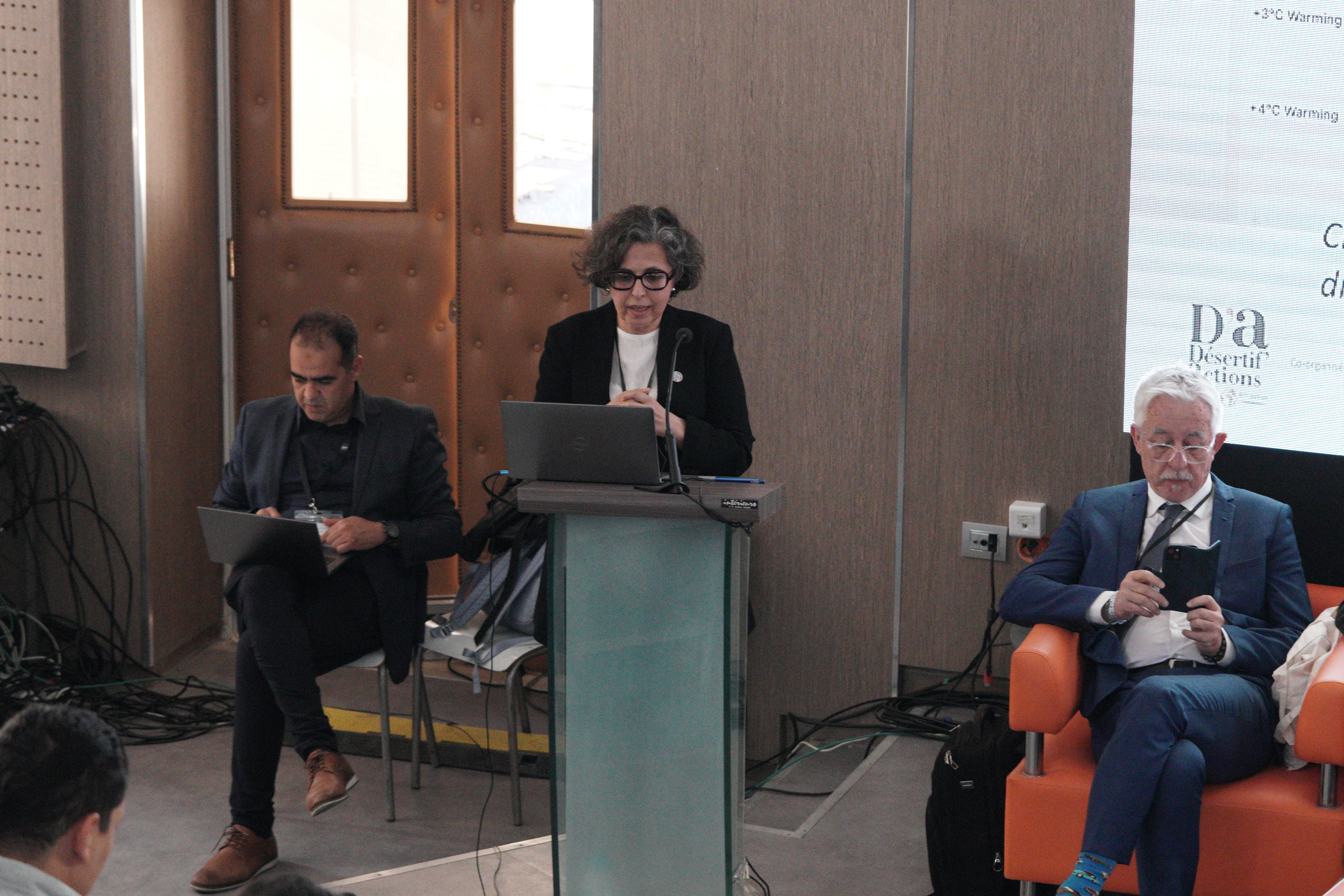
In line with the operationalization of knowledge, Mr. Mustapha Mimouni, Head of the OSS Technology, Information and Remote Sensing Department, presented advances in multi-risk early warning systems covering droughts, floods, and wildfires. He took the example of the transboundary W-Arly-Pendjari (WAP) region and the AdaptWAP project to emphasize a key issue: Beyond data production, local ownership and integration into operational decision-making processes determine the effectiveness of these systems, as close as possible to the communities.
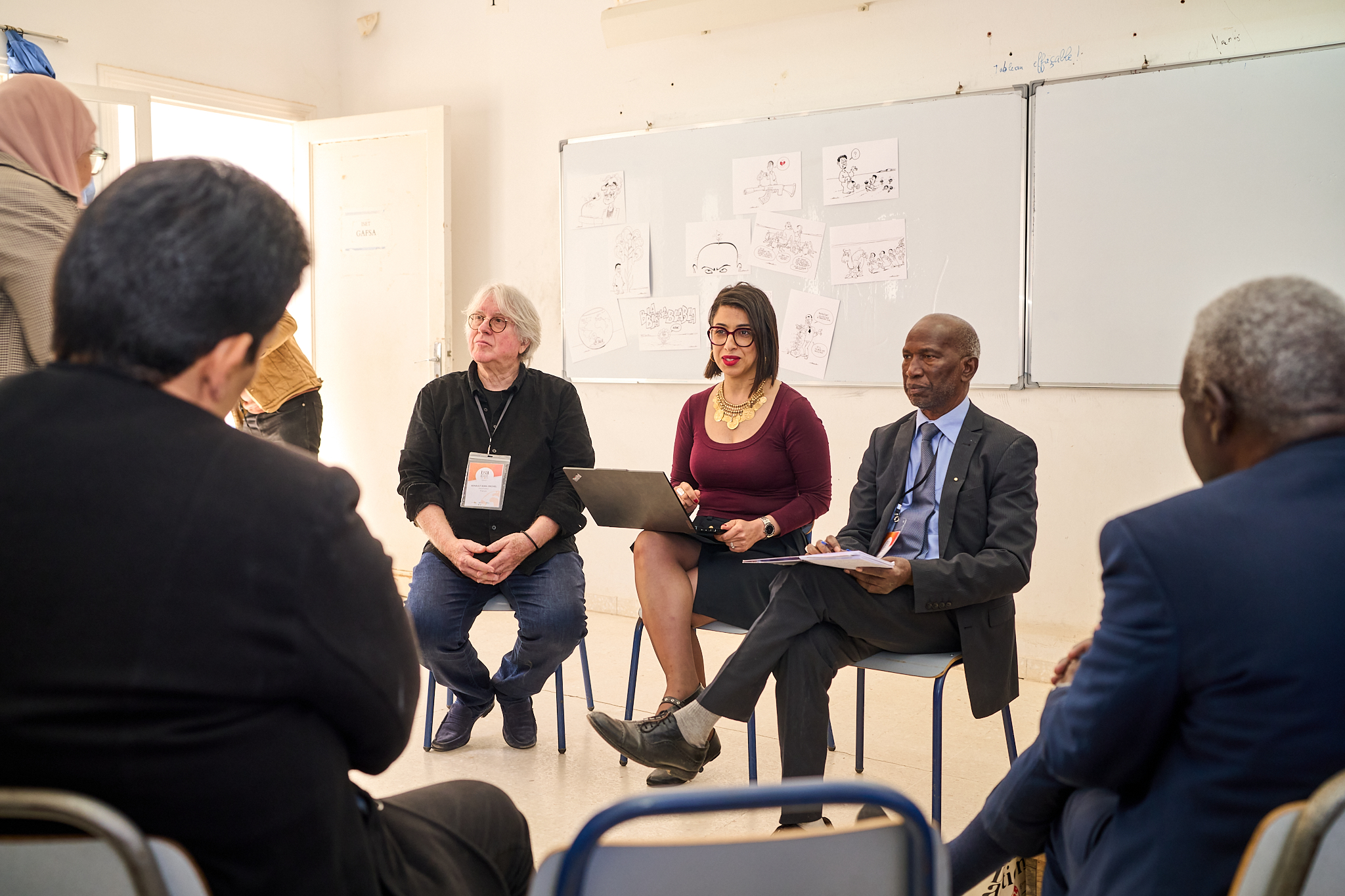
The dissemination of the Summit’s recommendations was addressed in a session led by Ms. Nadia Khammari. Bringing together journalists, content creators, and communication experts, it outlined a media strategy structured around three priorities: positioning desertification as a key issue, capturing attention in an increasingly competitive information environment, and strengthening long-term networks of engaged journalists.
The Summit provided an opportunity to present the upcoming OSS publication “Africa Facing the Climate Challenge: From Injustice to Resilience.” On this occasion, Mr. Mourad Briki, OSS Watch & Prospective, Capacity Building and Communication Department Director, outlined its objectives and ambitions as a structuring tool for knowledge and advocacy. This editorial project reflects a commitment to promoting a strong and unified African voice in international negotiations, by highlighting the continent’s environmental realities, challenges, and solutions.
Through its wide range of contributions - including organized sessions, technical interventions, and different moderations - the OSS reaffirmed its role as a reference institution serving African countries. By placing knowledge, innovation, cooperation, and communication at the core of its action, it pursues a clear mission: supporting States and communities in building more resilient territories, capable of anticipating, adapting to, and effectively responding to climate and environmental challenges.
Désertif’actions 2026 fully illustrated the OSS commitment to collective action grounded in knowledge, innovation, and regional cooperation. Combining scientific expertise, operational tools, and strategic advocacy, the Organization contributes to the development of concrete responses to the challenges of desertification and drought.
In the lead-up to CoP17, the OSS aims to sustain this momentum by promoting a strong and structured African voice, capable of influencing international agendas and advancing solutions tailored to on-the-ground realities.
Held on January 28, 2025 in Tunis, the 27th session of the Strategic Orientation…
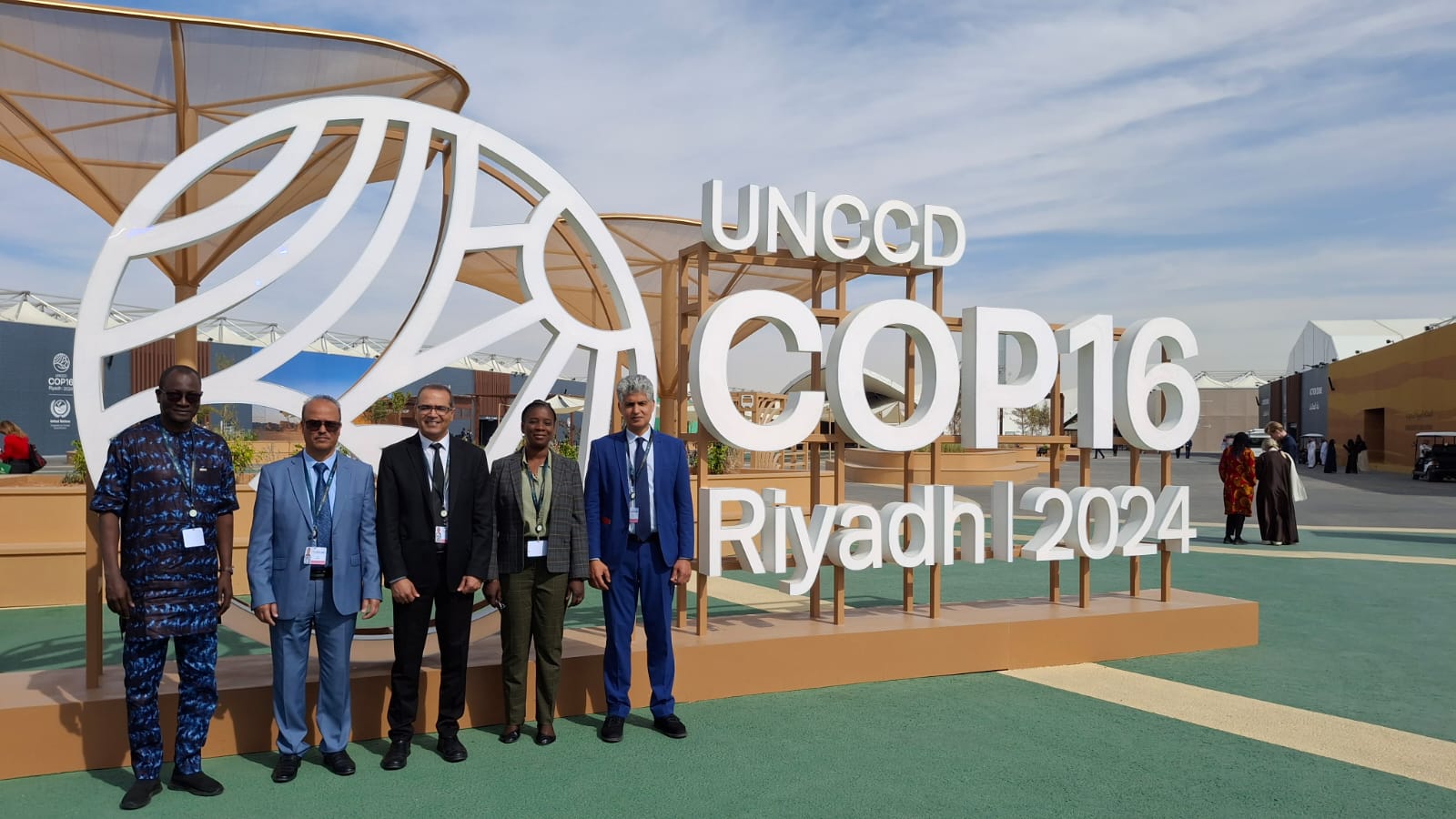
The participation of the Sahara and Sahel…
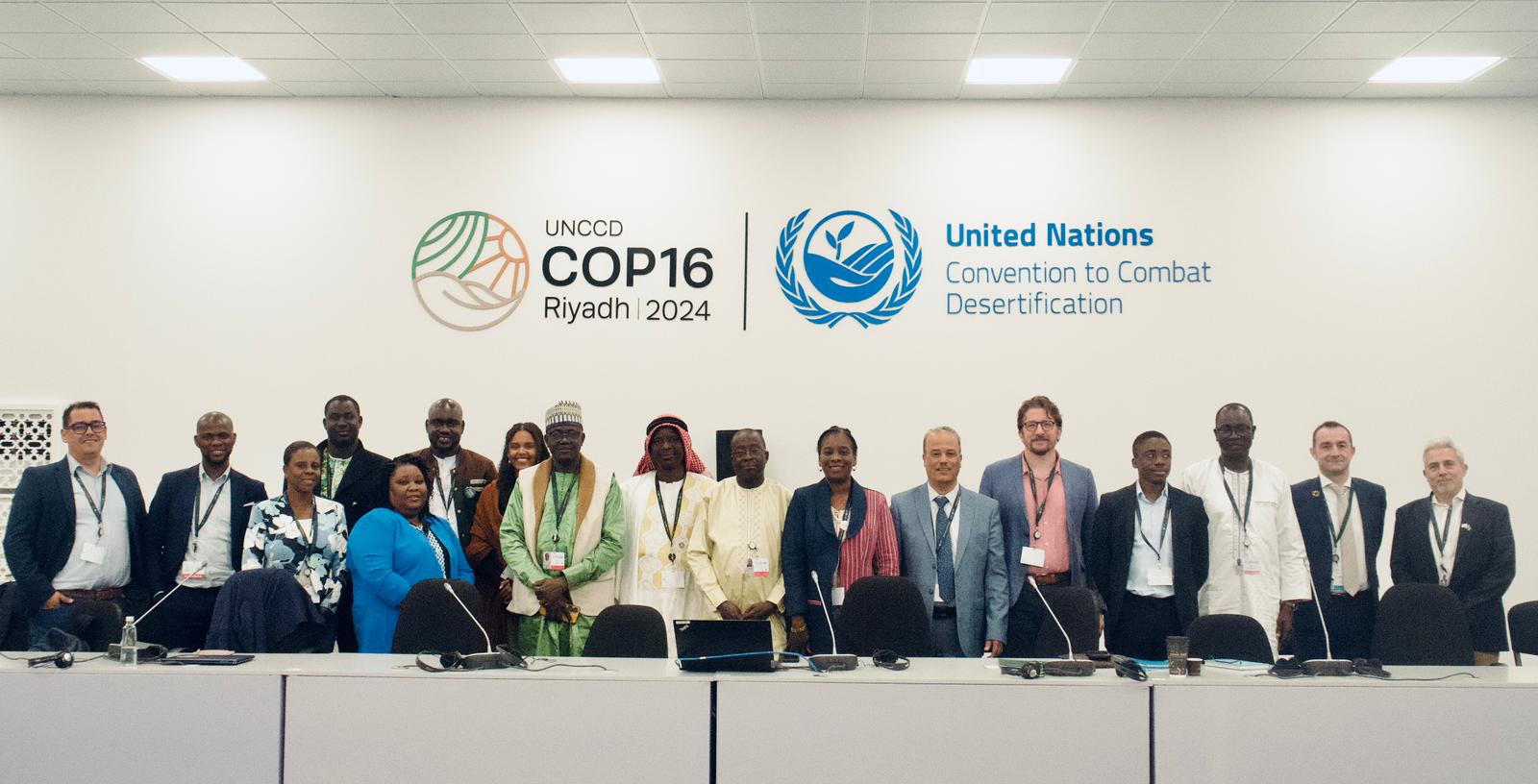
OSS Side Event at COP16: Strengthening Resilience in the Sahel through Multi-…