
27th Session of the OSS Strategic Orientation Committee, Tunis, January 28, 2025
Held on January 28, 2025 in Tunis, the 27th session of the Strategic Orientation…
Tripoli, 30 September 2026
In the face of floods, droughts, heatwaves, sandstorms, wildfires and other climate-related hazards, anticipation is becoming essential to better protect people, infrastructure and territories. Under Readiness Libya II, the OSS is supporting Libya in the development of an integrated, people-centred national multi-hazard early warning system. A new consultation held in Tripoli helped consolidate national priorities and advance the preparation of the Concept Note for submission to the Green Climate Fund (GCF).
From national priorities to an integrated system
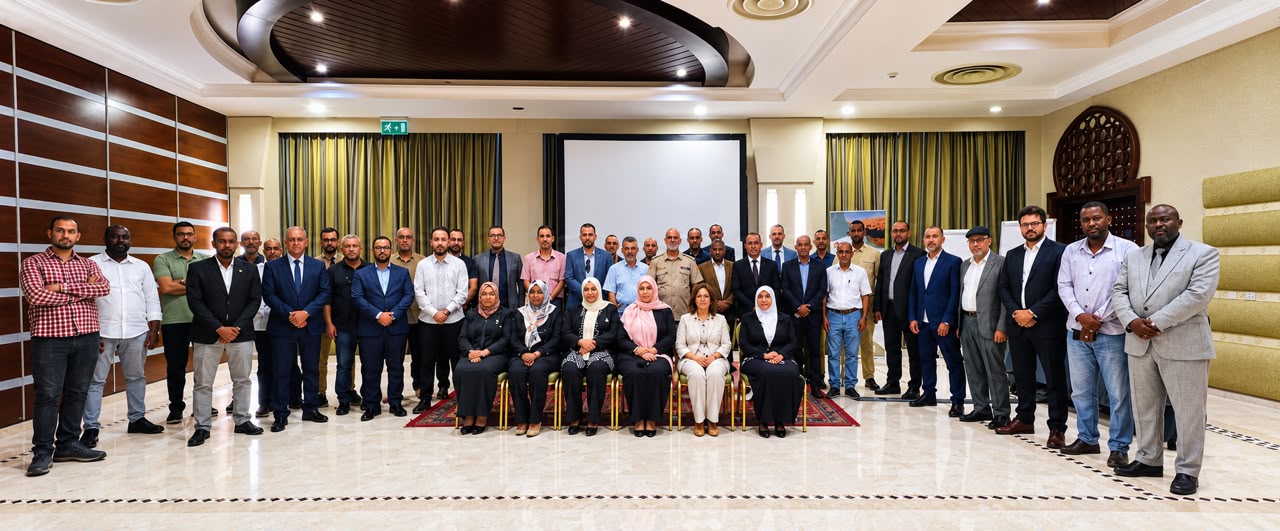
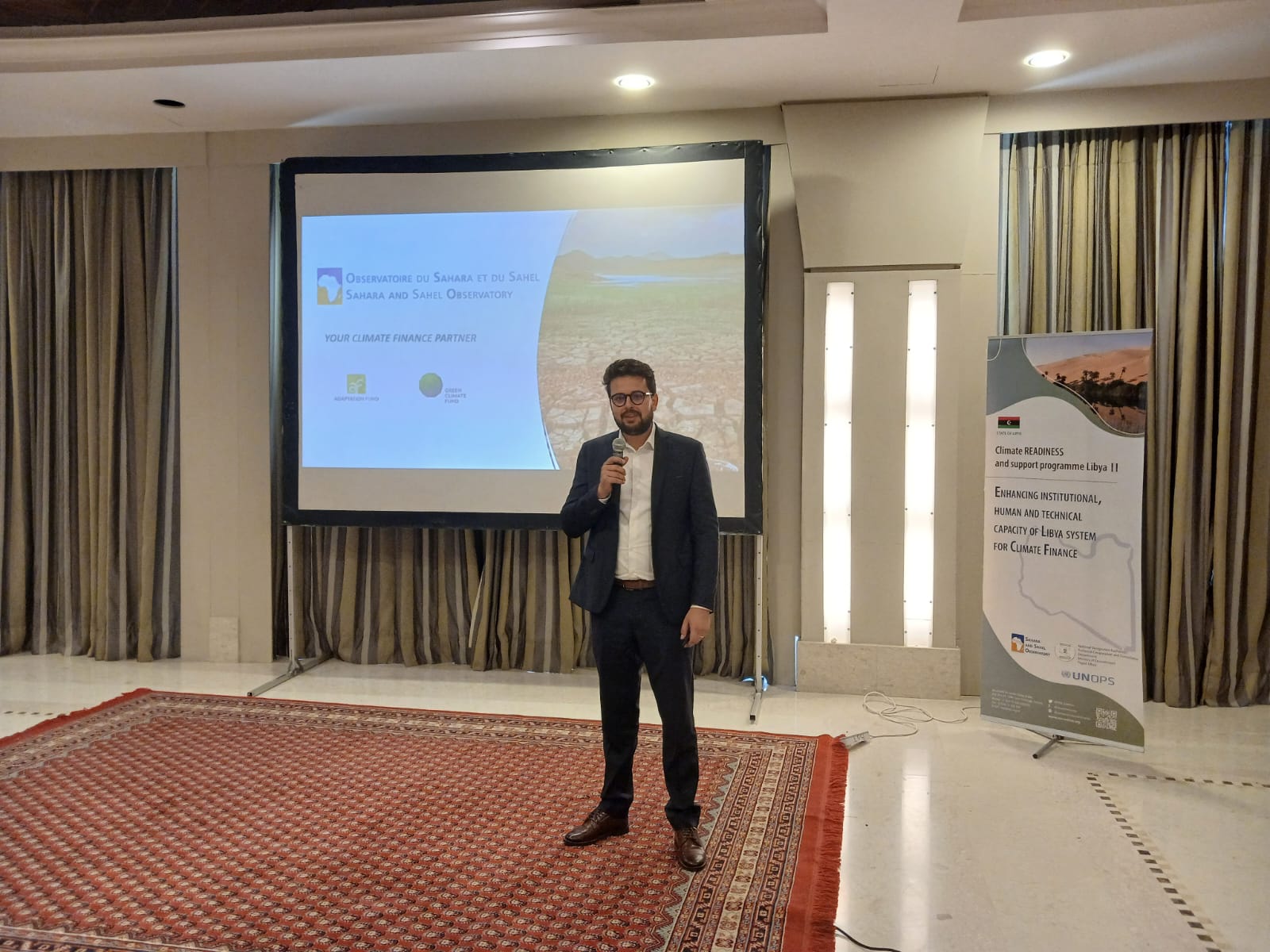
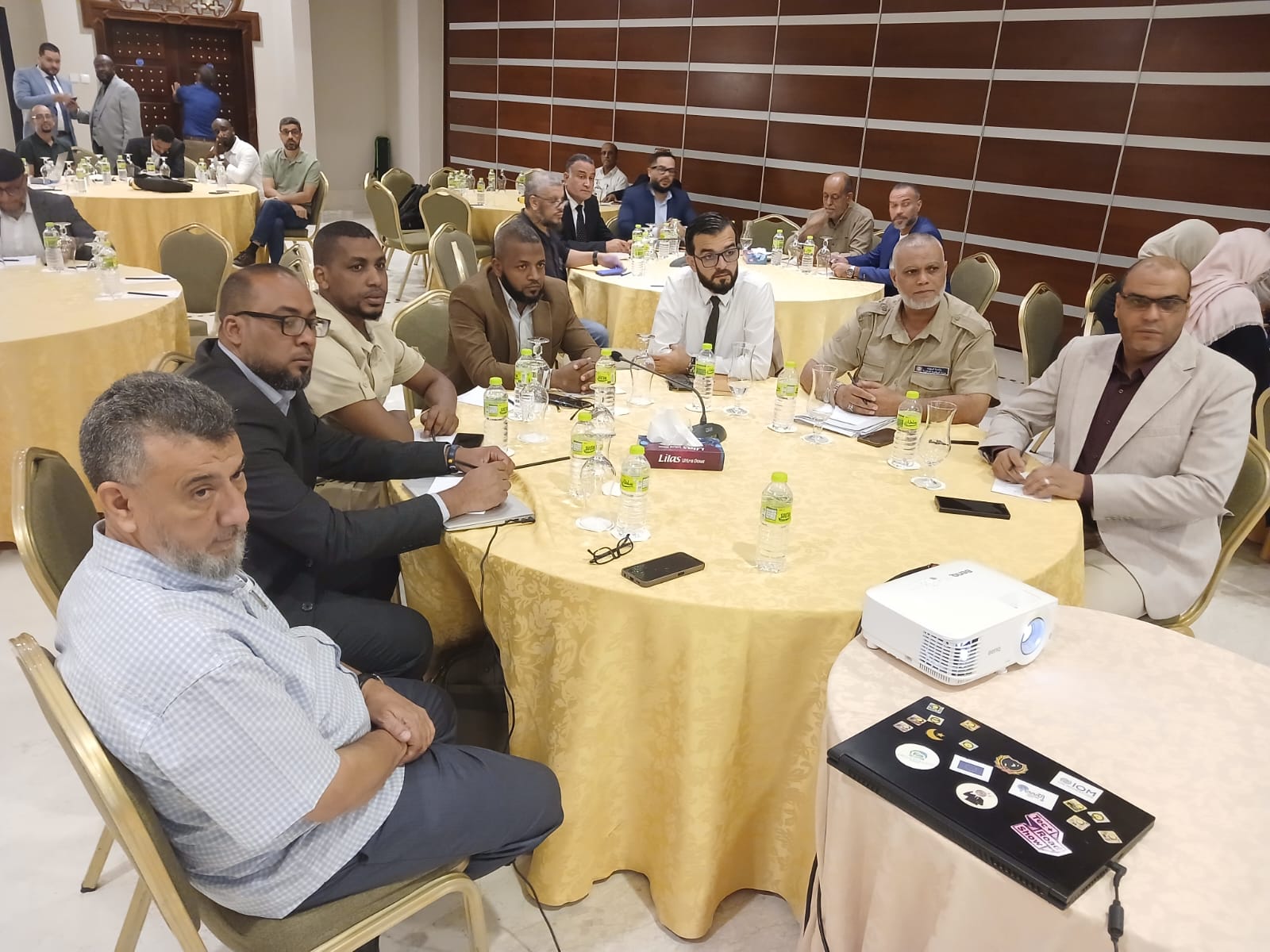
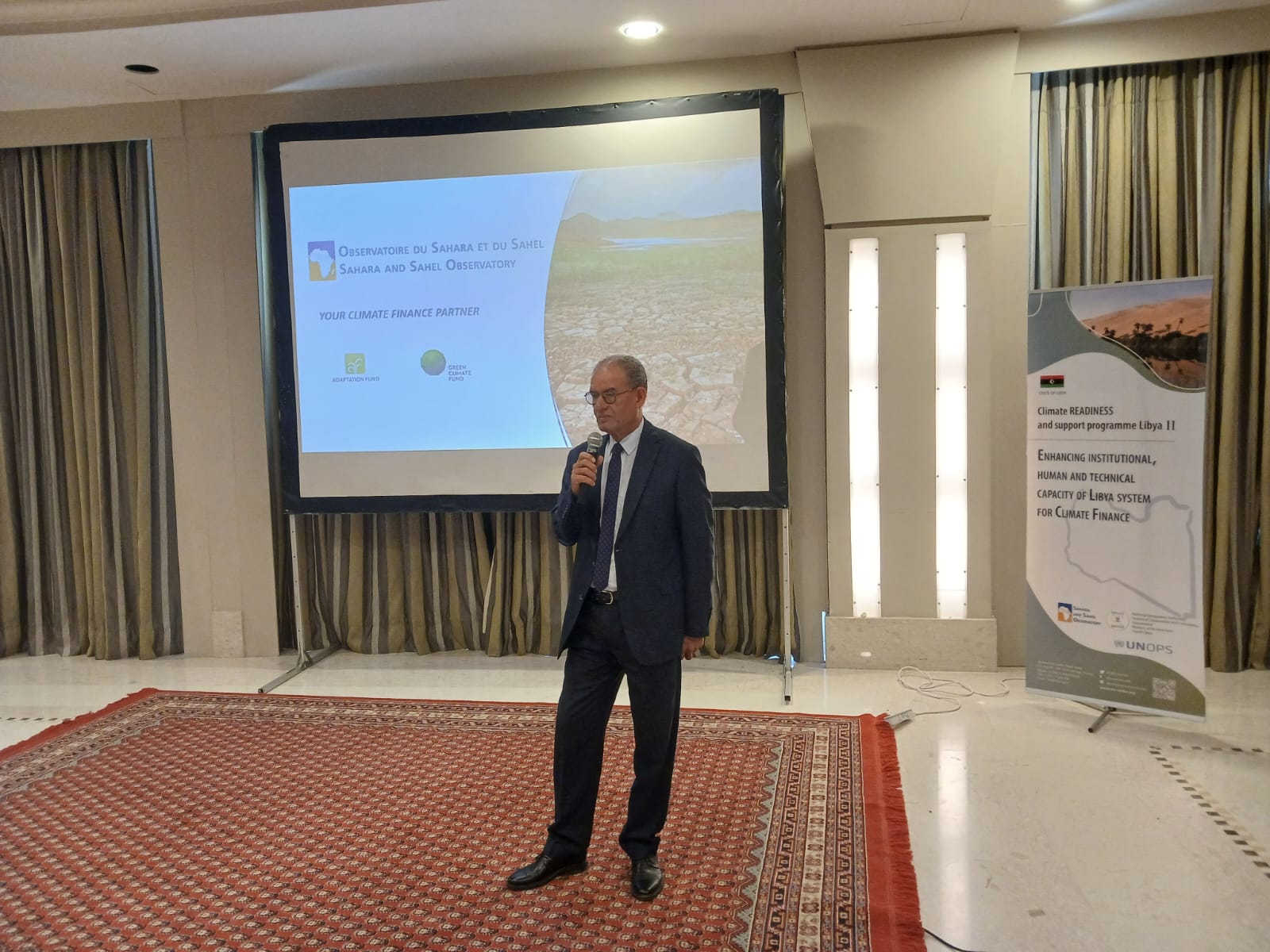
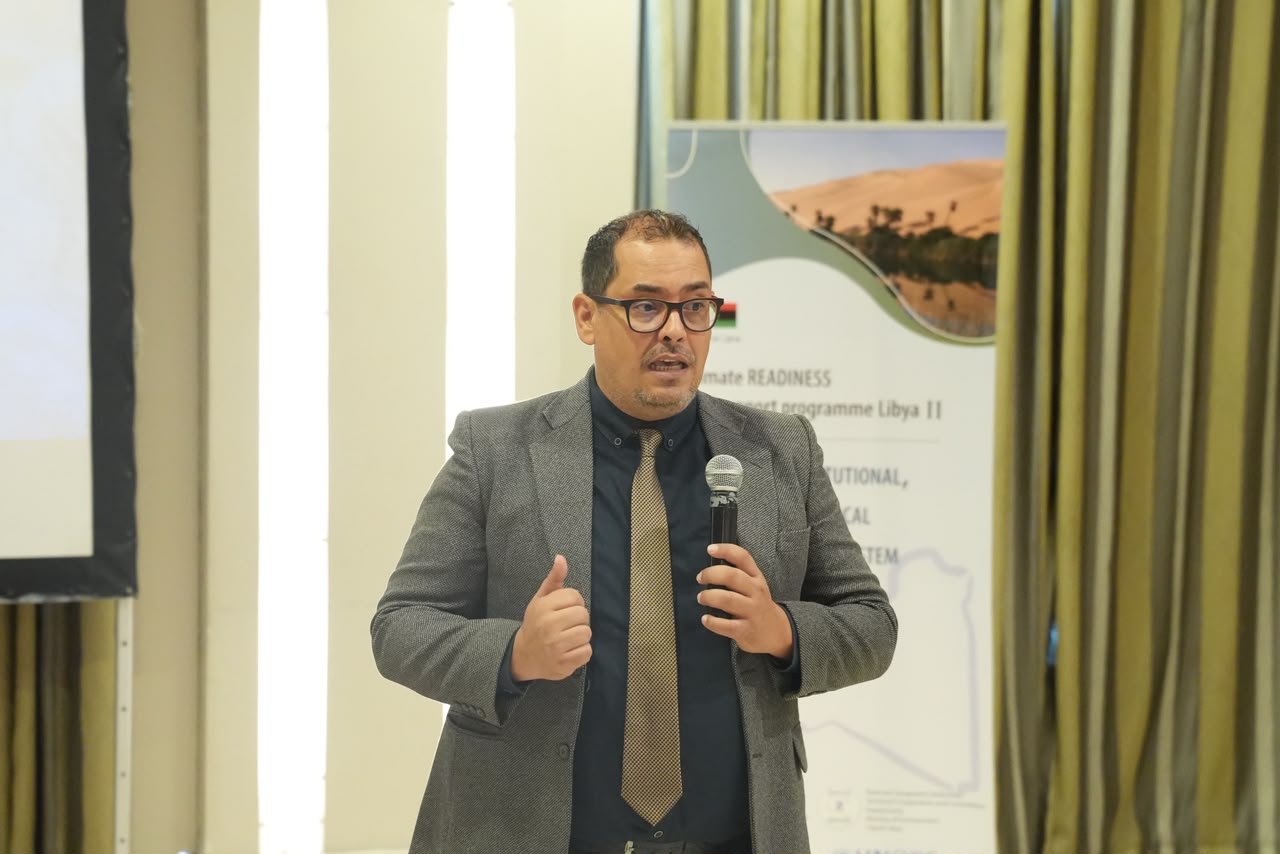
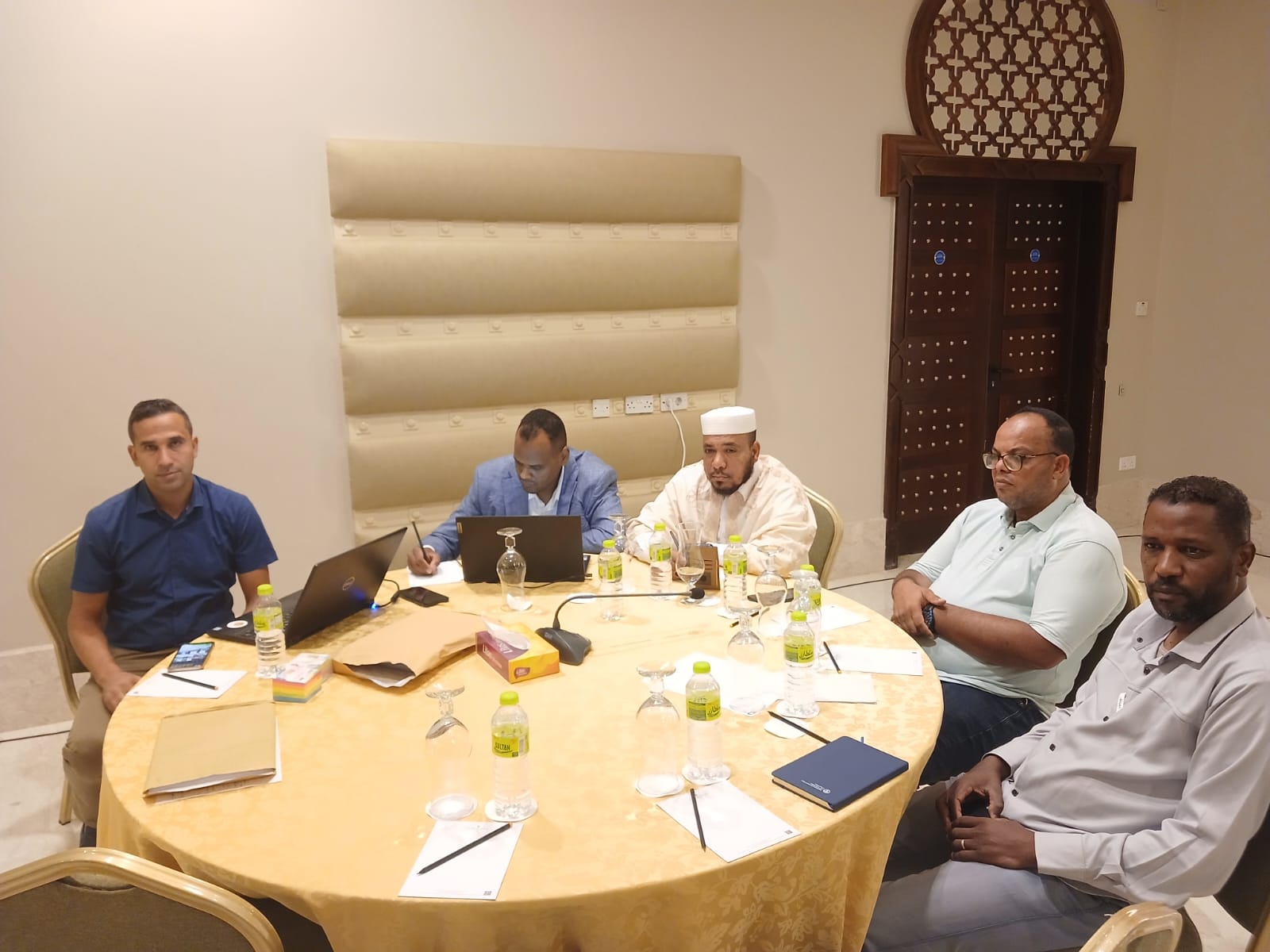
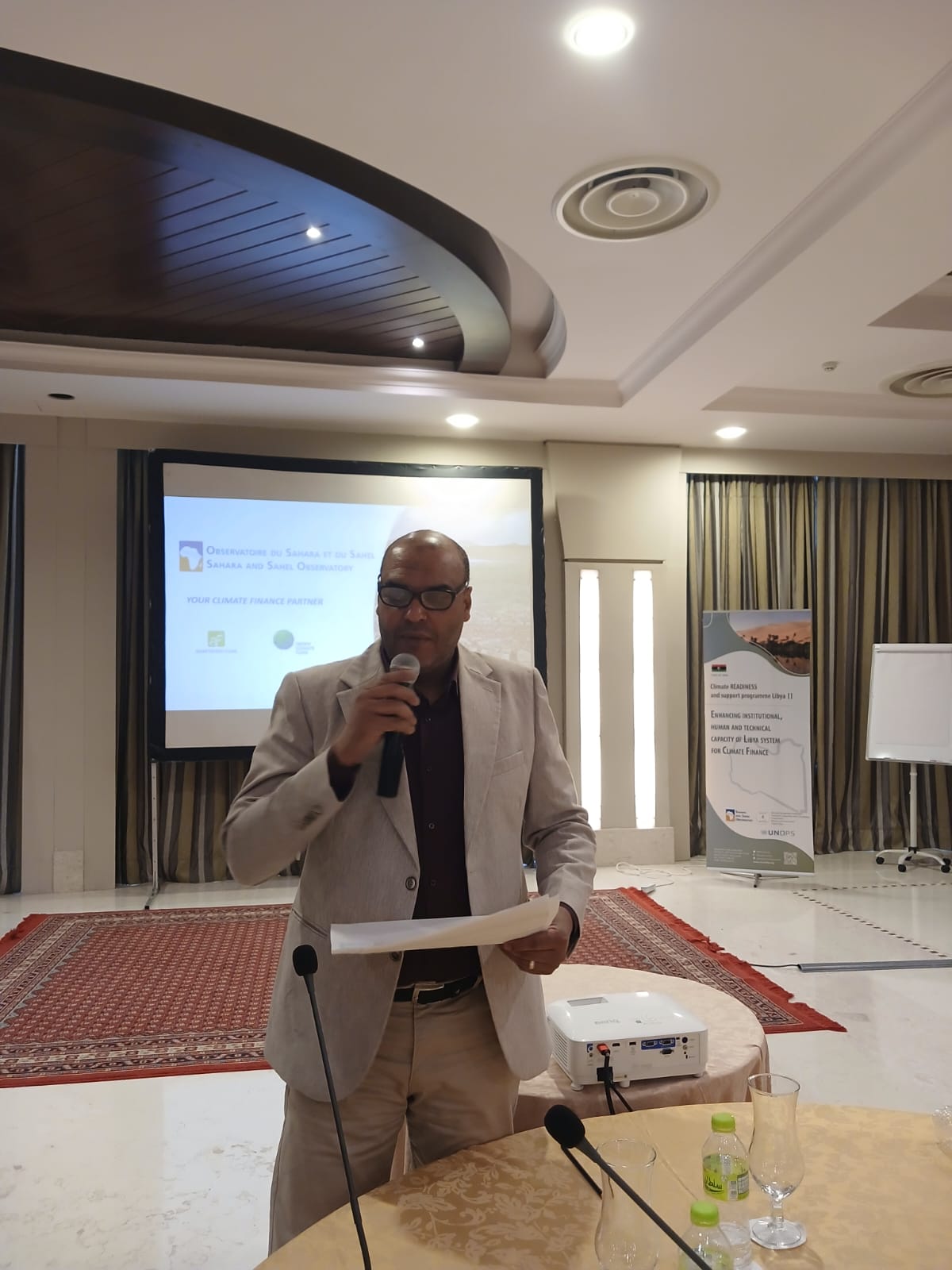
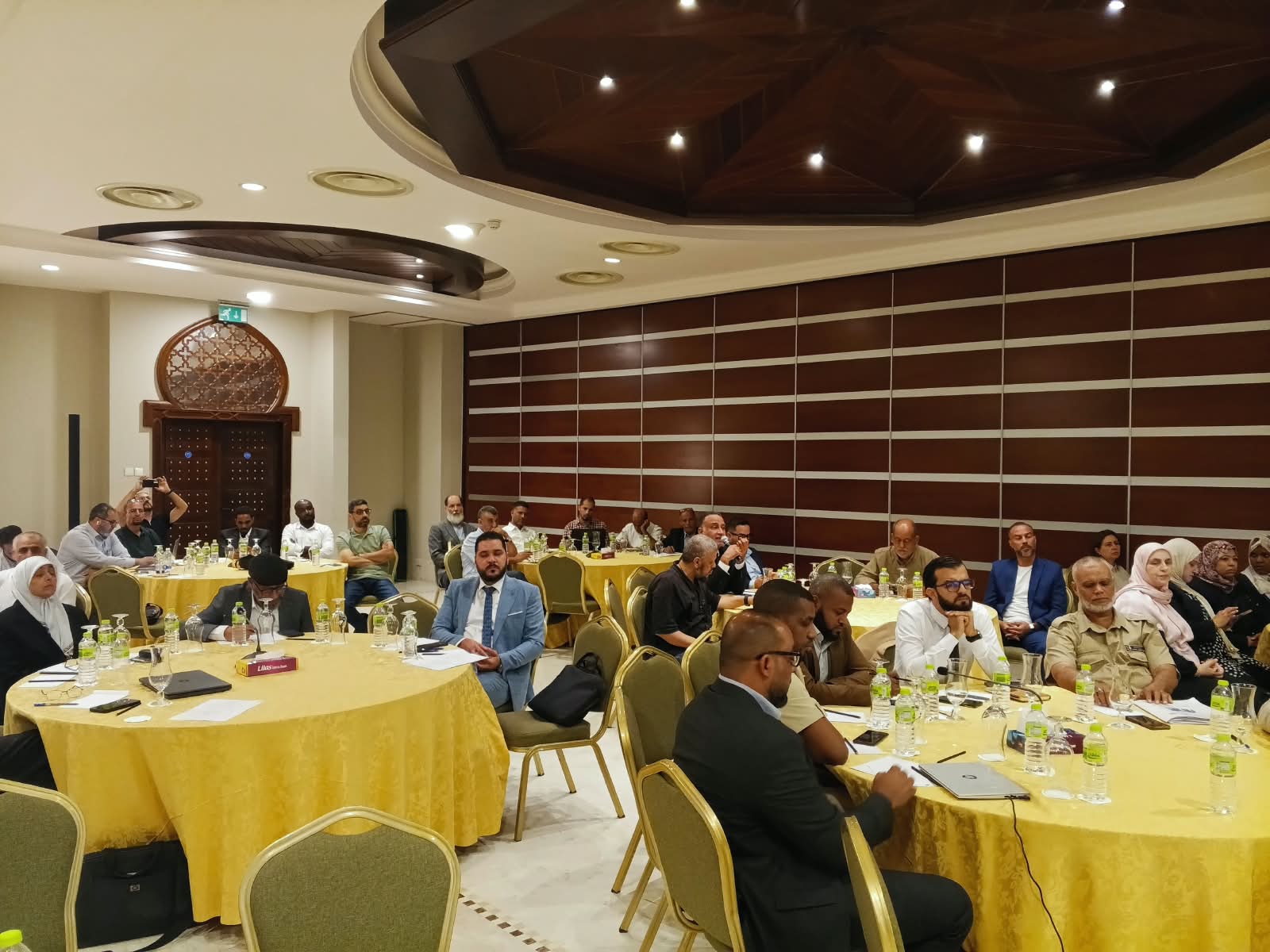
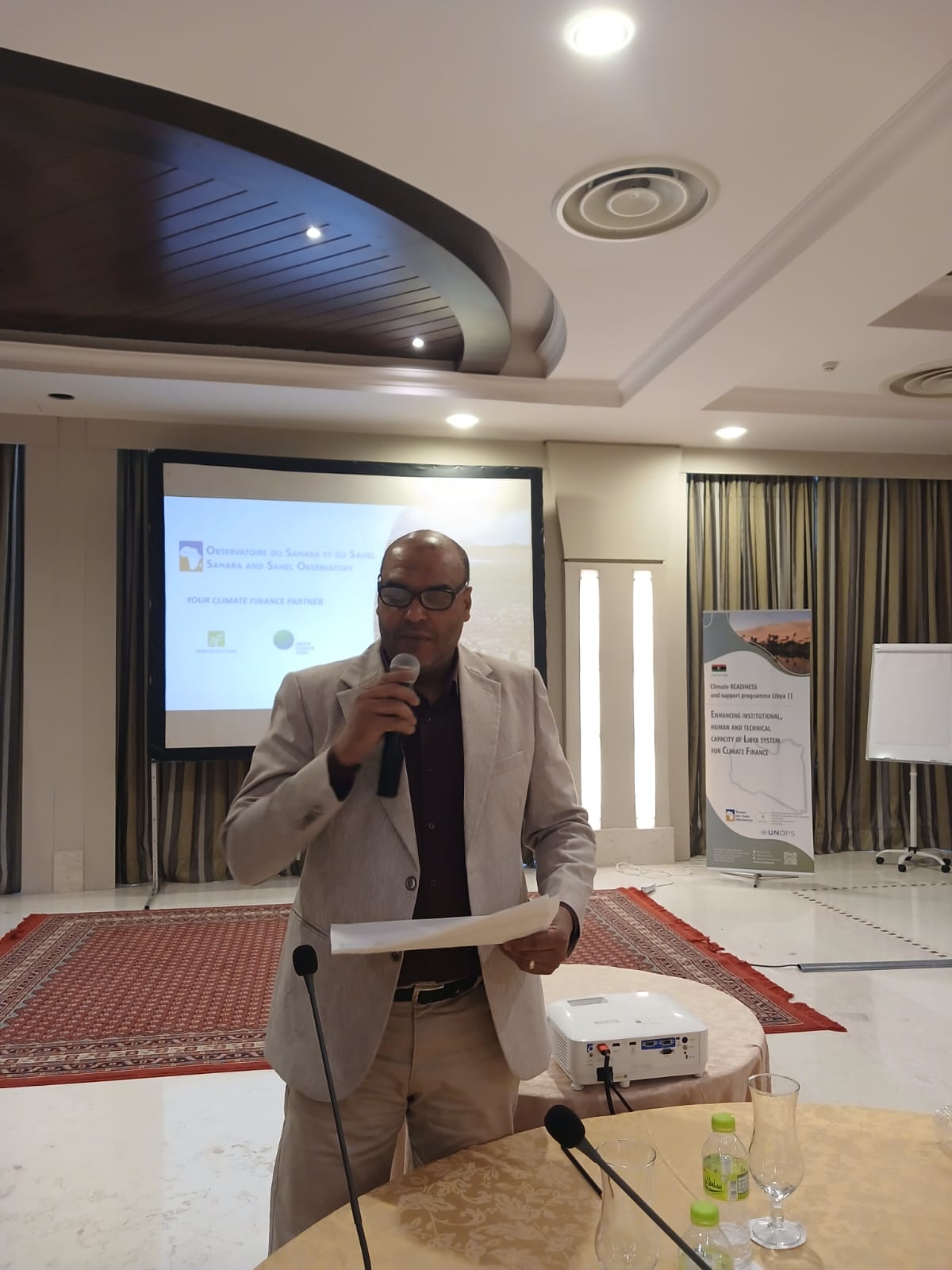
Meeting in Tripoli on 30 September 2026 at the initiative of the Sahara and Sahel Observatory (OSS) and the National Designated Authority (NDA), relevant stakeholders continued the work initiated a few weeks earlier to lay the foundations for Libya’s future National Multi-Hazard Early Warning System.
The meeting followed the technical consultations held from 13 to 15 September with national institutions involved in meteorology, risk and disaster management, remote sensing and community-based early warning. These initial discussions helped identify existing capacities, coordination mechanisms and the main gaps that still need to be addressed.
The priority now is to better connect these existing capacities rather than create parallel mechanisms. Libya already has institutions, technical expertise and observation systems on which it can build. The future system will need to integrate them into a coherent chain, from risk knowledge and forecasting to warning, decision-making and action.
Six hazards at the heart of the discussions
To translate this ambition into concrete priorities, participants focused on six major hazards: floods and flash floods, droughts, heatwaves, sand and dust storms, wildfires, and desert locusts.
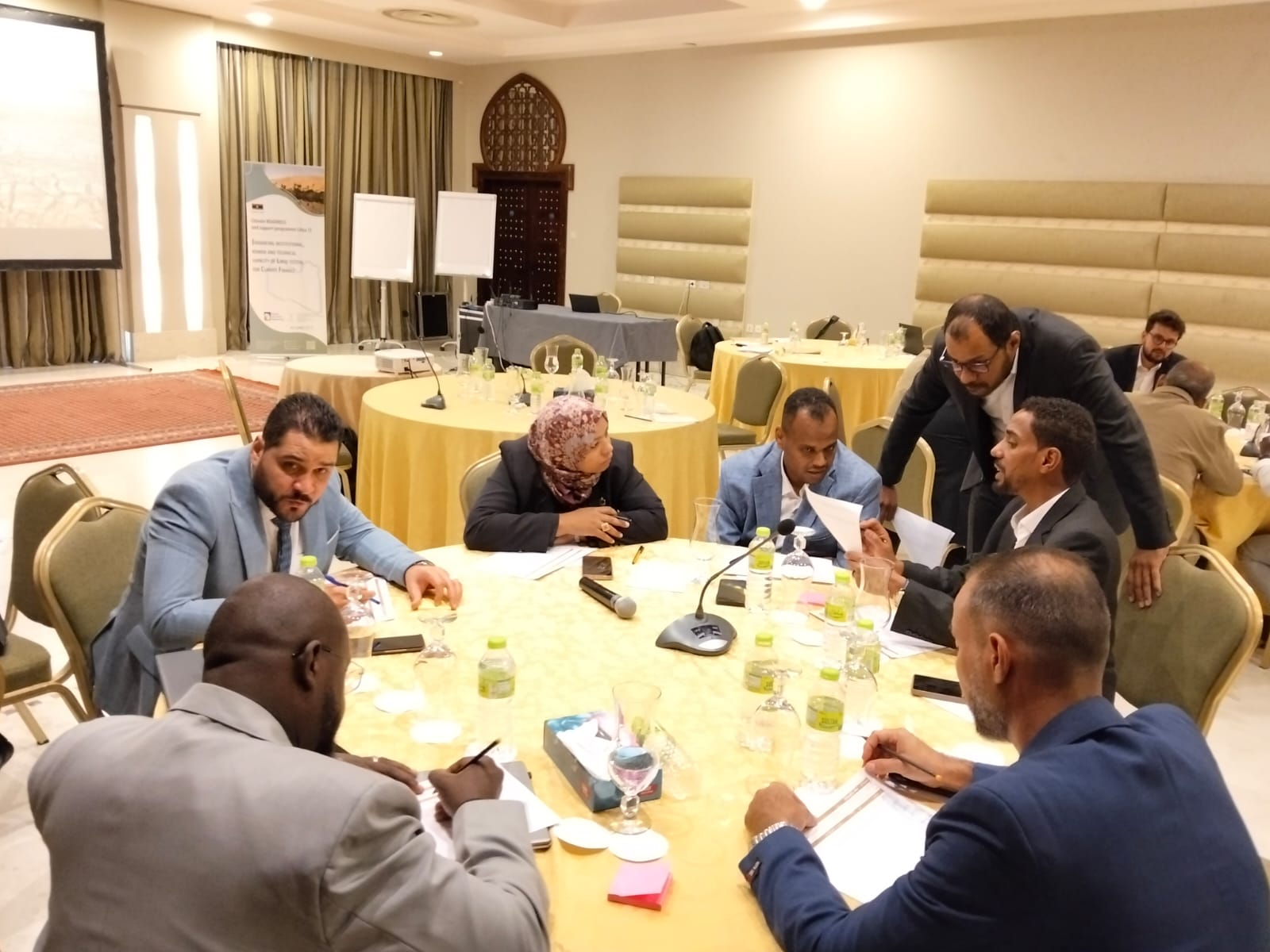
For each hazard, the working groups reviewed existing mechanisms, priority geographical areas, impacts on populations and key sectors, as well as the responsibilities of the various institutions. They also formulated recommendations to improve prevention, warning dissemination and response capacities.
This approach places the needs of people at the heart of the future system. An early warning is only truly effective if it reaches exposed populations in time, is clearly understood, and enables institutions, local authorities and communities to take the necessary measures before a disaster occurs. This integrated approach is one of the key principles underpinning the proposed system.
Governance as a key condition for success
The discussions also highlighted a major priority: an effective early warning system cannot rely on technology alone.
It requires clearly defined institutional responsibilities, improved data flows and stronger coordination among stakeholders. Meteorological services, remote sensing institutions, agriculture and environmental authorities, emergency management bodies and local authorities will need to operate within a common framework linking risk information to decision-making and action.
Key recommendations therefore include establishing a clear governance framework, clarifying institutional mandates, strengthening data sharing and interoperability, improving risk and impact mapping, and increasing the involvement of municipalities, communities and civil society.
Turning a national priority into an investment project
The future early warning system is part of the process initiated through Readiness Libya II. Consultations with Libyan institutions identified early warning as one of the national priorities incorporated into the GCF Country Programme. At the request of the NDA, OSS subsequently supported the development of the project idea and the preparation of its Concept Note.
The 30 September consultation therefore marks another step forward in this process. The inputs gathered will be consolidated to further refine the Concept Note, clarify institutional responsibilities and strengthen the project’s technical components. Consultations with Libyan institutions will also continue with a view to finalising the Concept Note and submitting it to the Green Climate Fund (GCF).
Through this process, Readiness Libya II is helping bridge national priorities, technical expertise and climate finance opportunities. The future early warning system is a concrete example of this approach: building on existing capacities, improving coordination among stakeholders, and enabling Libya to progressively move from reactive disaster management towards an approach increasingly based on anticipation, prevention and the protection of people.
Held on January 28, 2025 in Tunis, the 27th session of the Strategic Orientation…

The participation of the Sahara and Sahel…
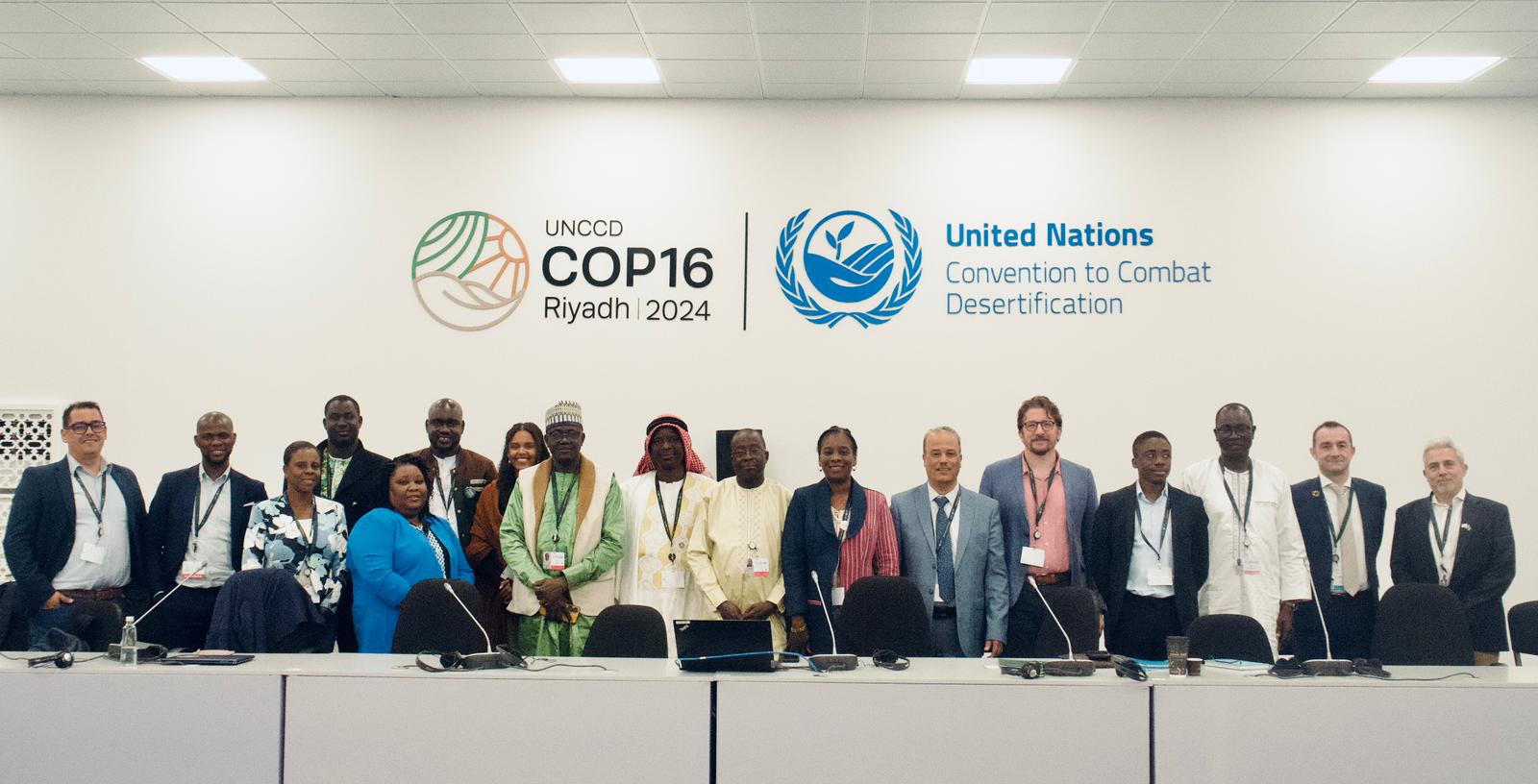
OSS Side Event at COP16: Strengthening Resilience in the Sahel through Multi-…