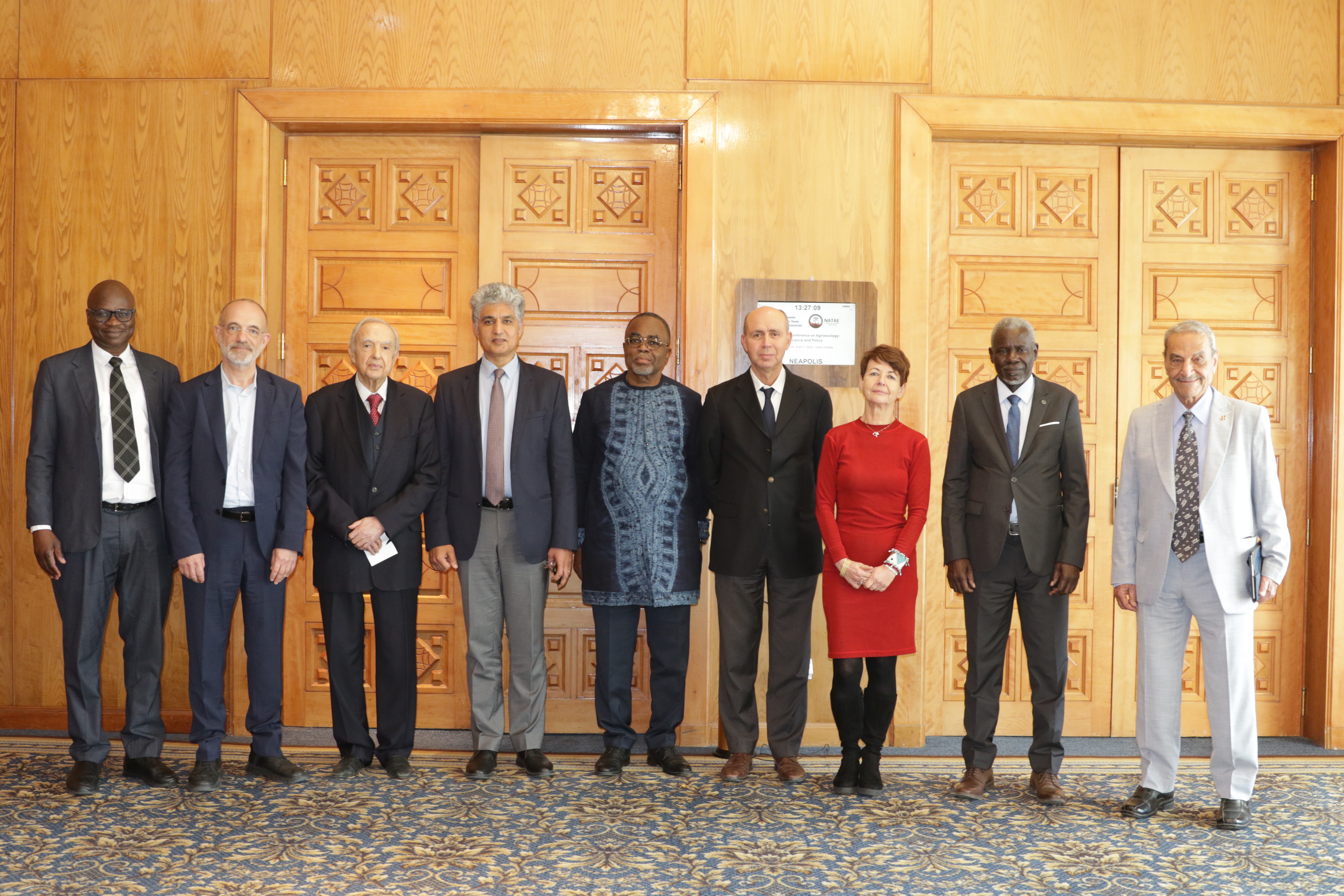
27th Session of the OSS Strategic Orientation Committee, Tunis, January 28, 2025
Held on January 28, 2025 in Tunis, the 27th session of the Strategic Orientation…
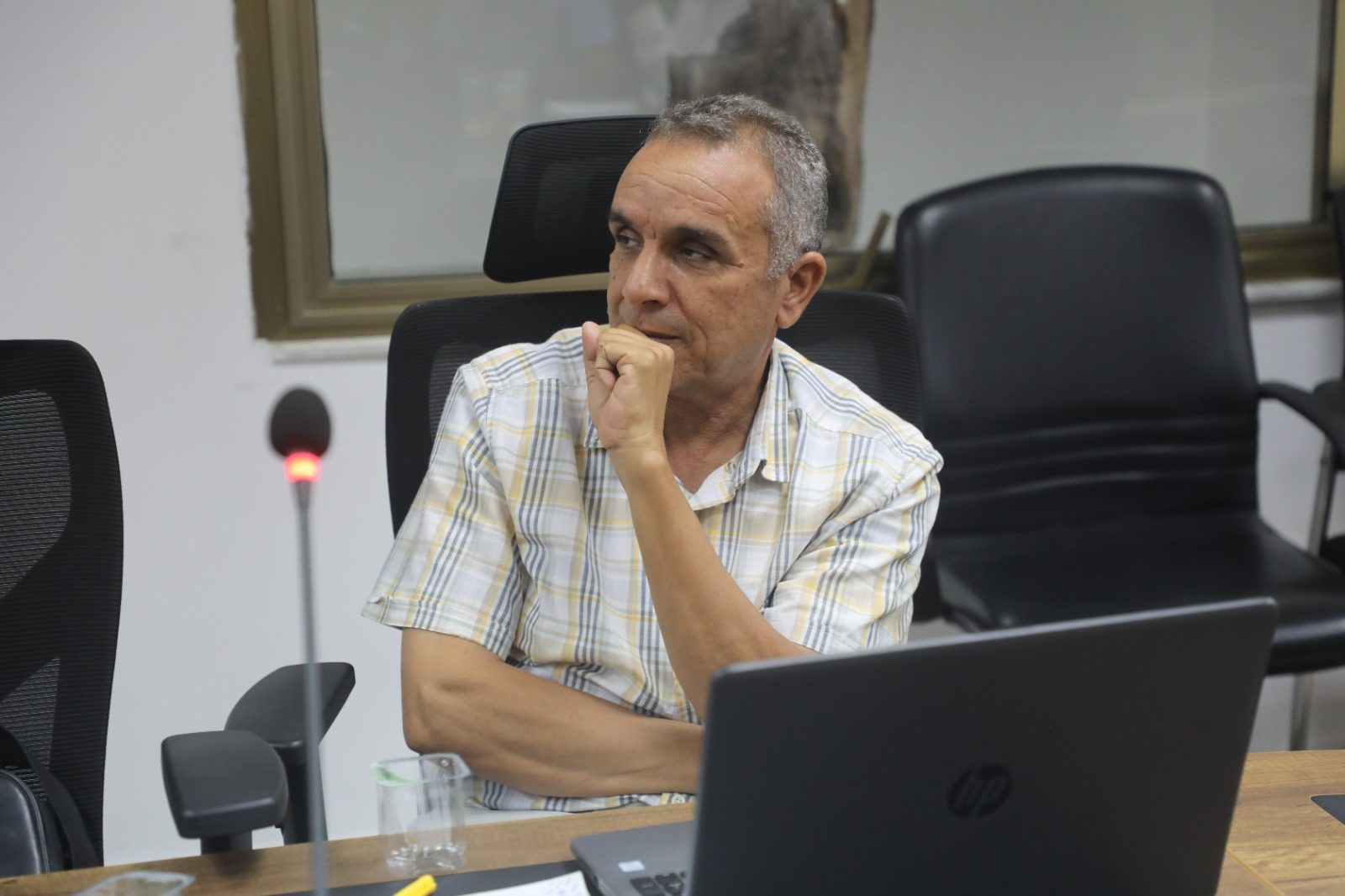
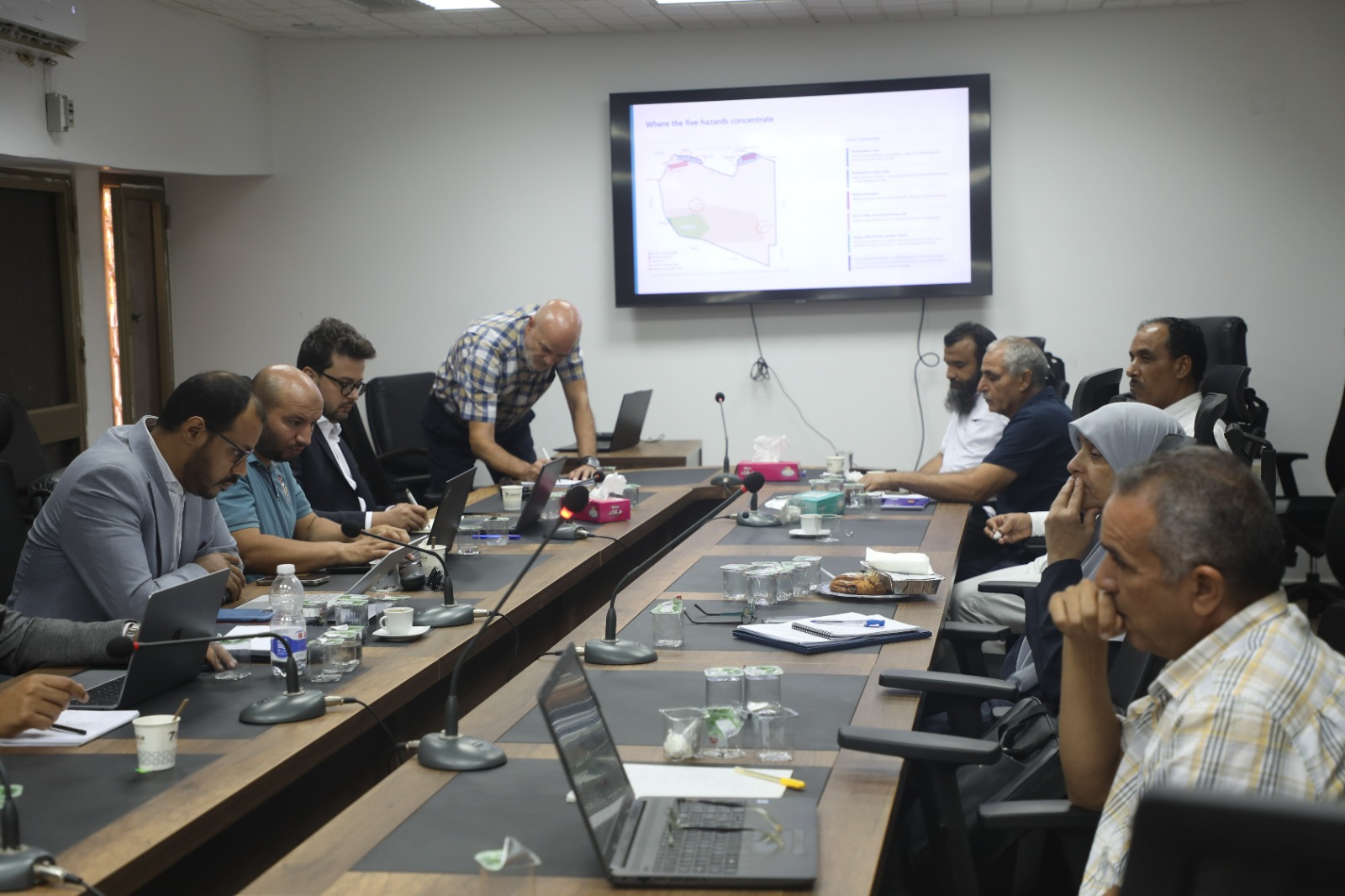
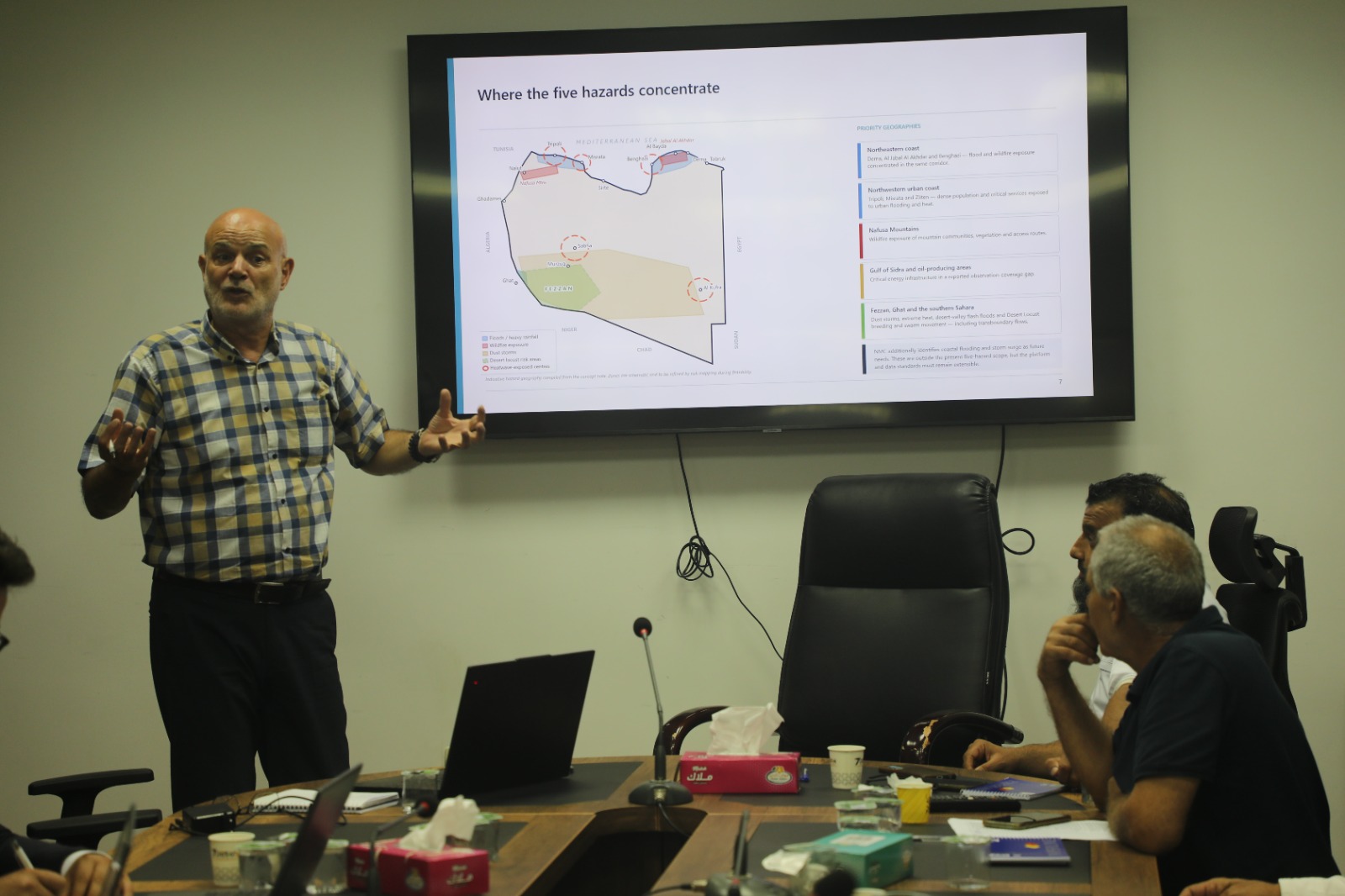
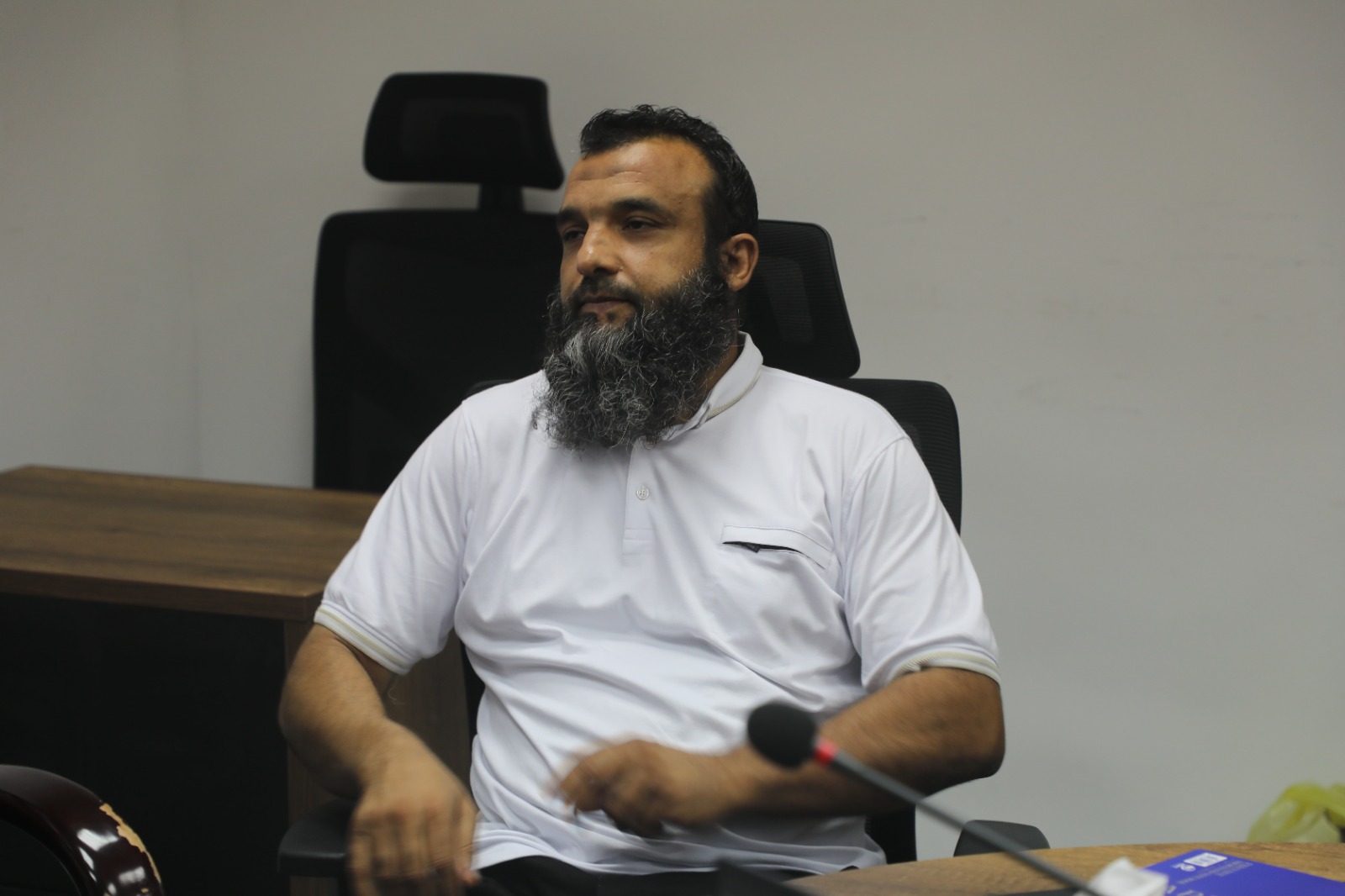
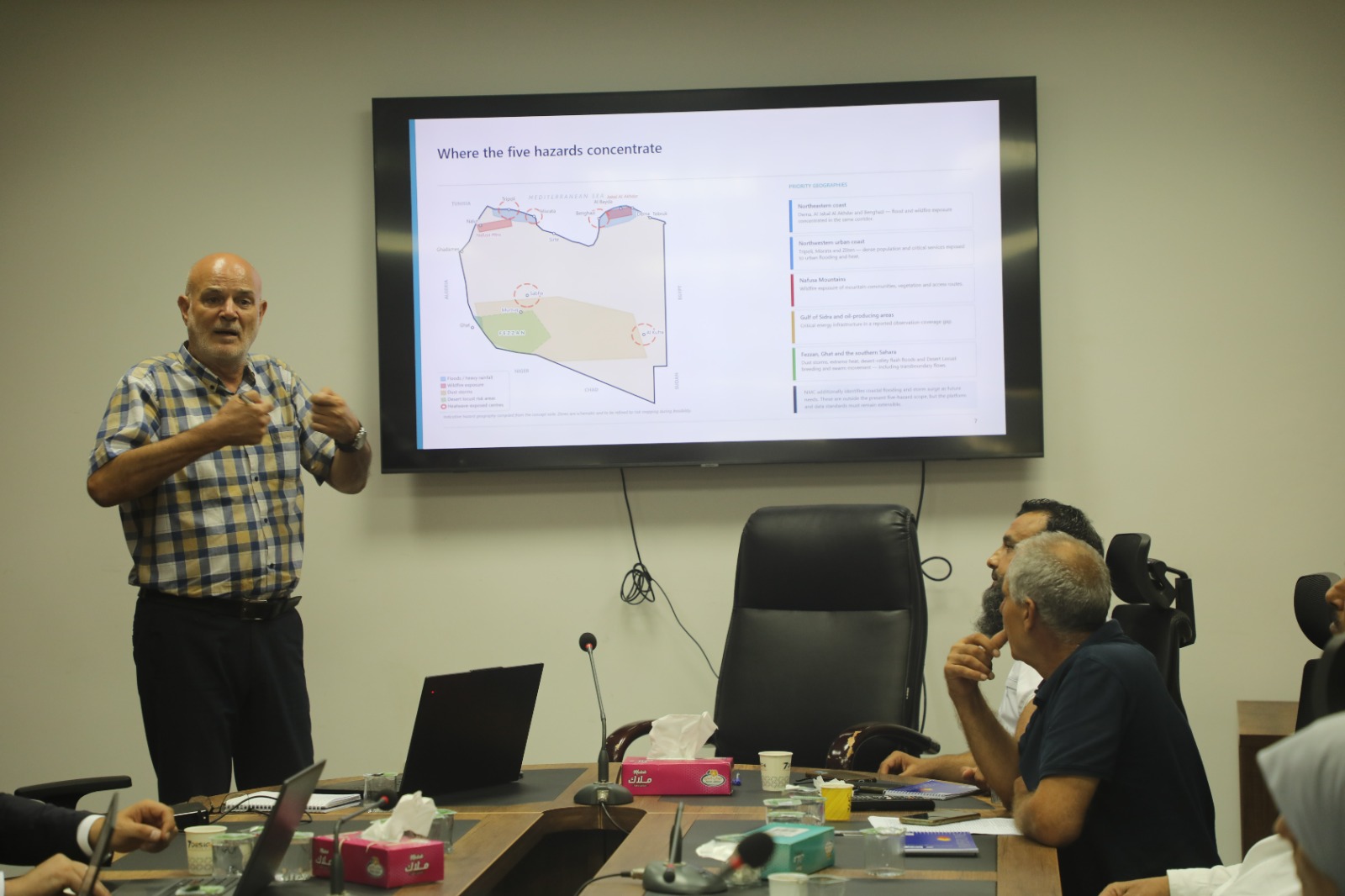
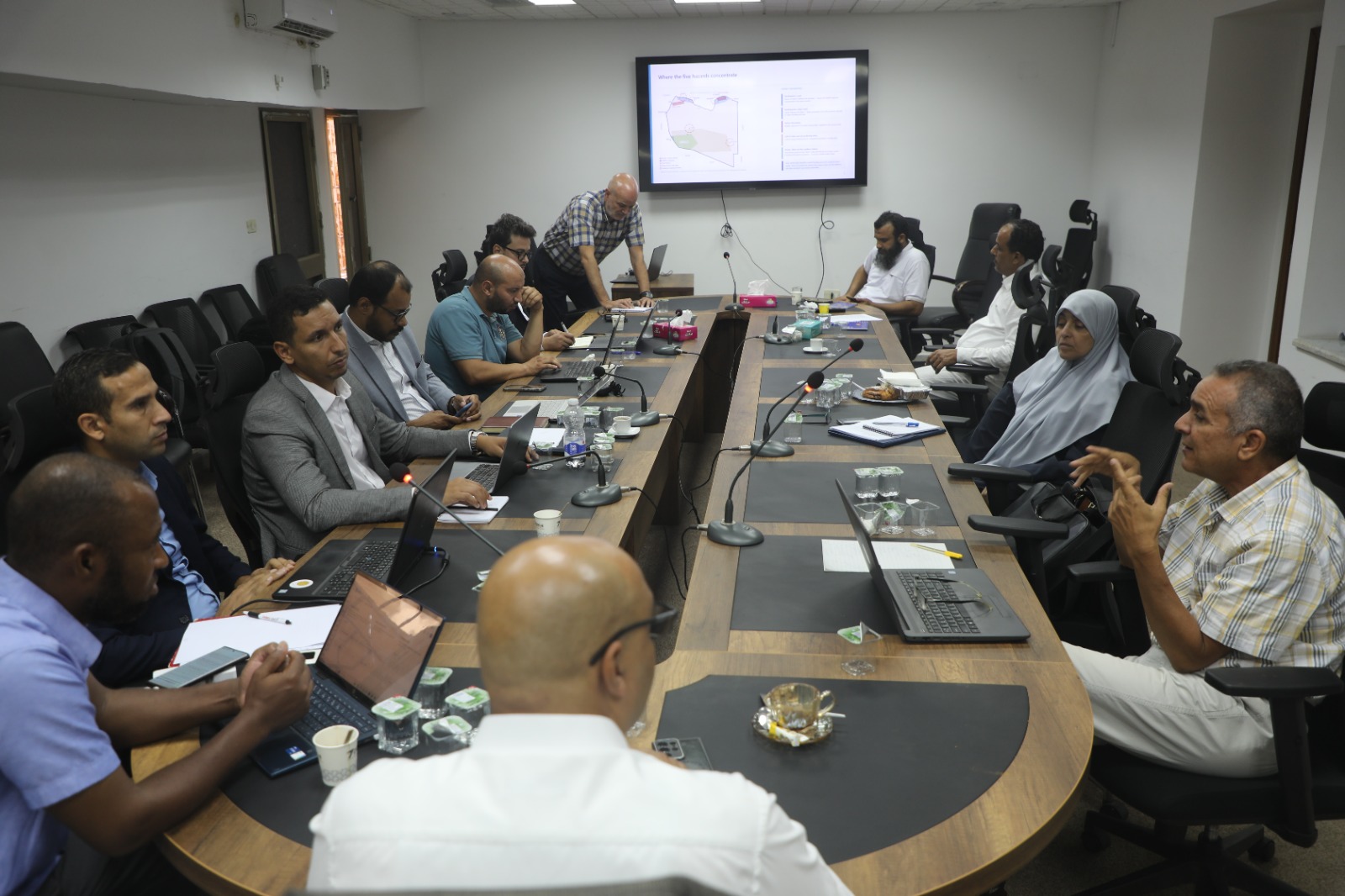
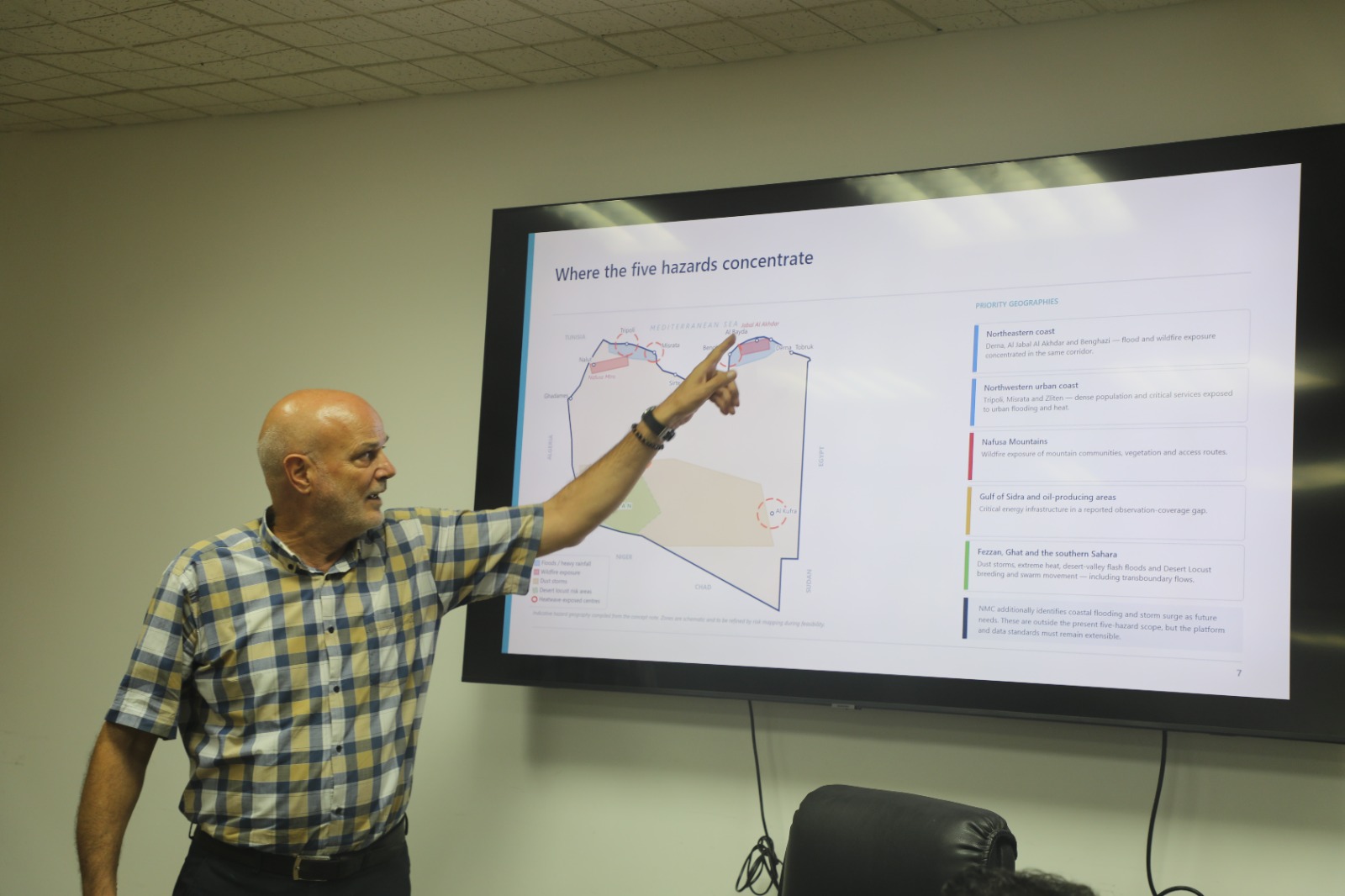

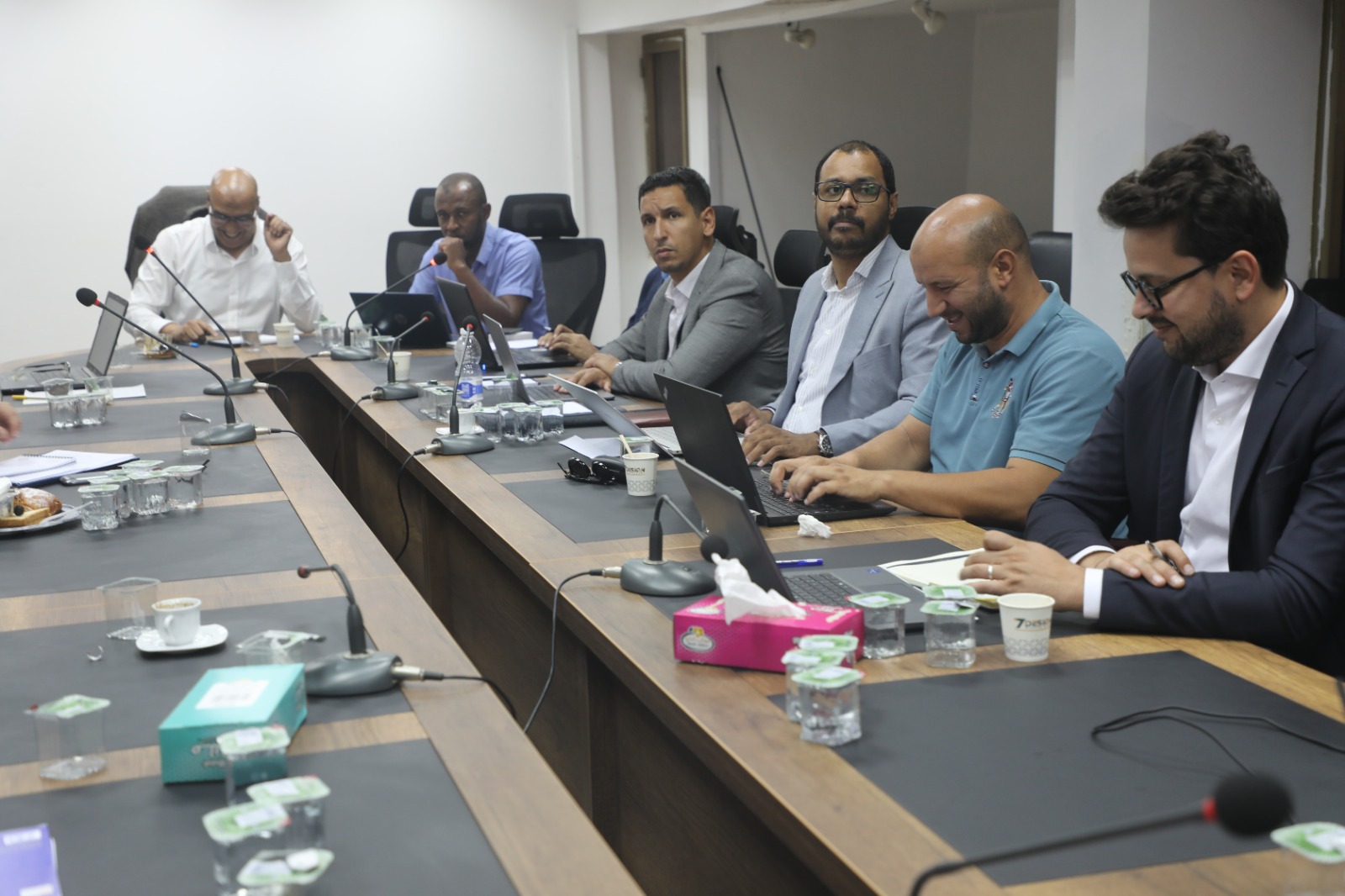

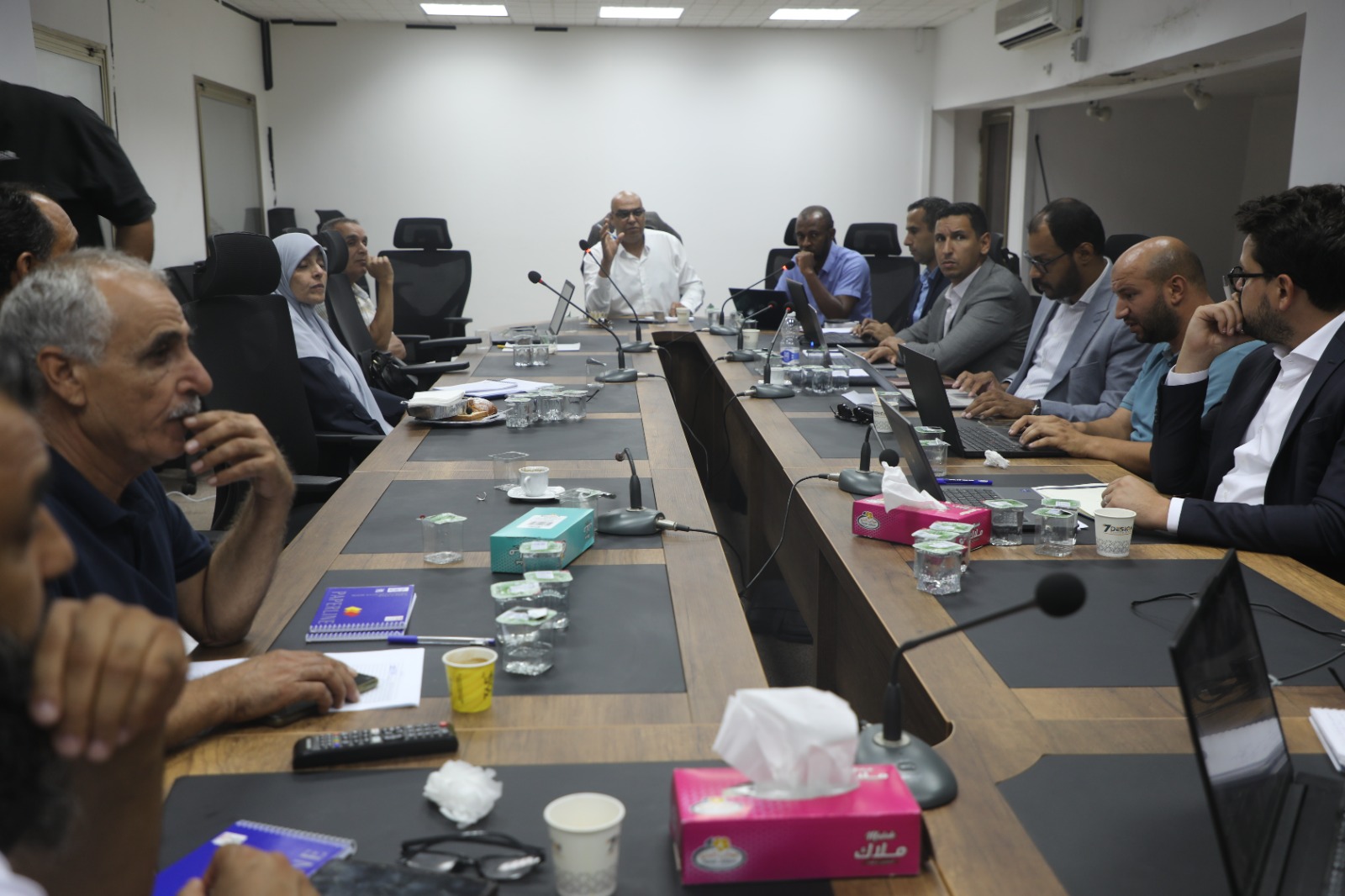

Tripoli from 13 to 15 September 2026
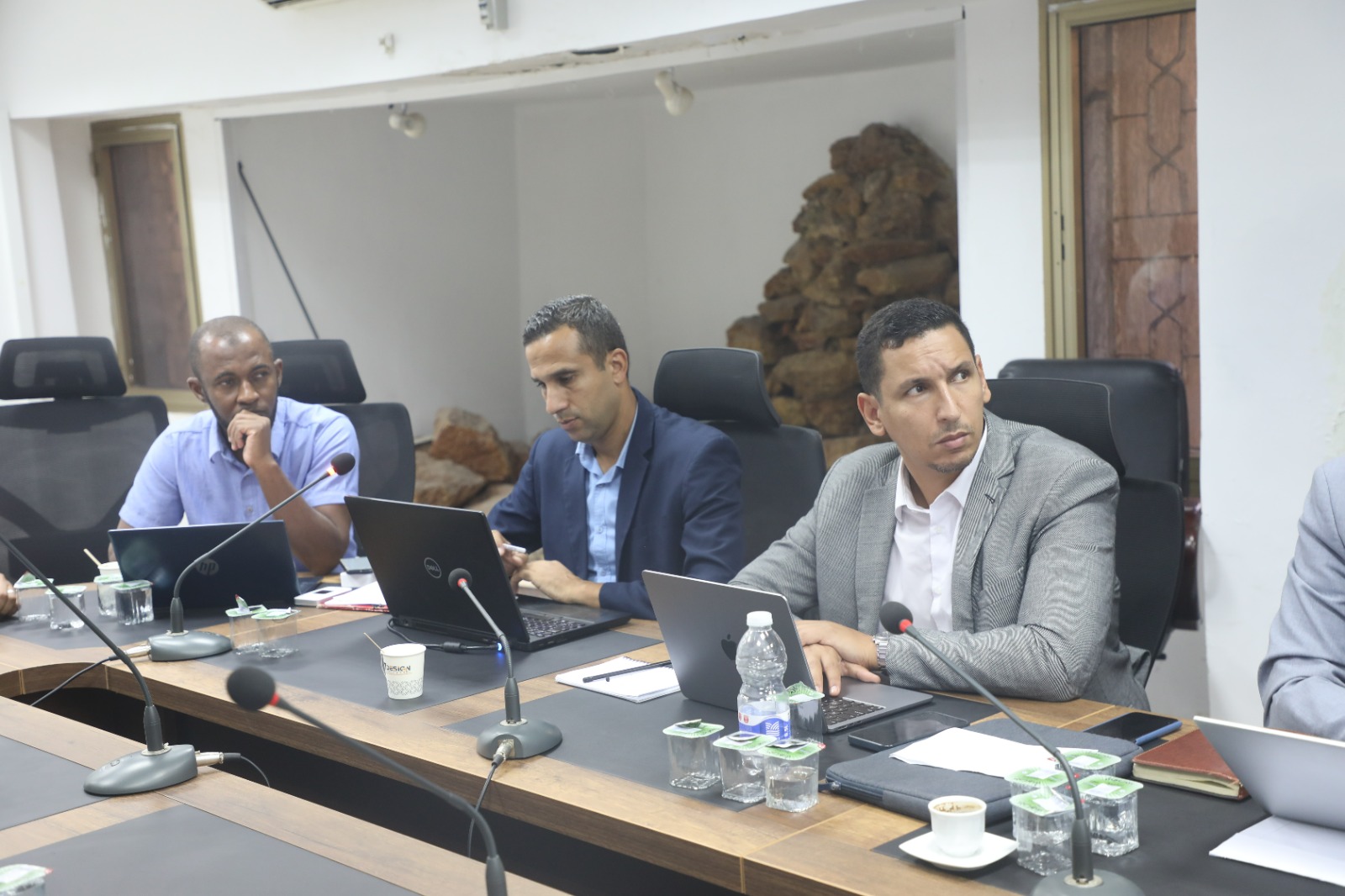
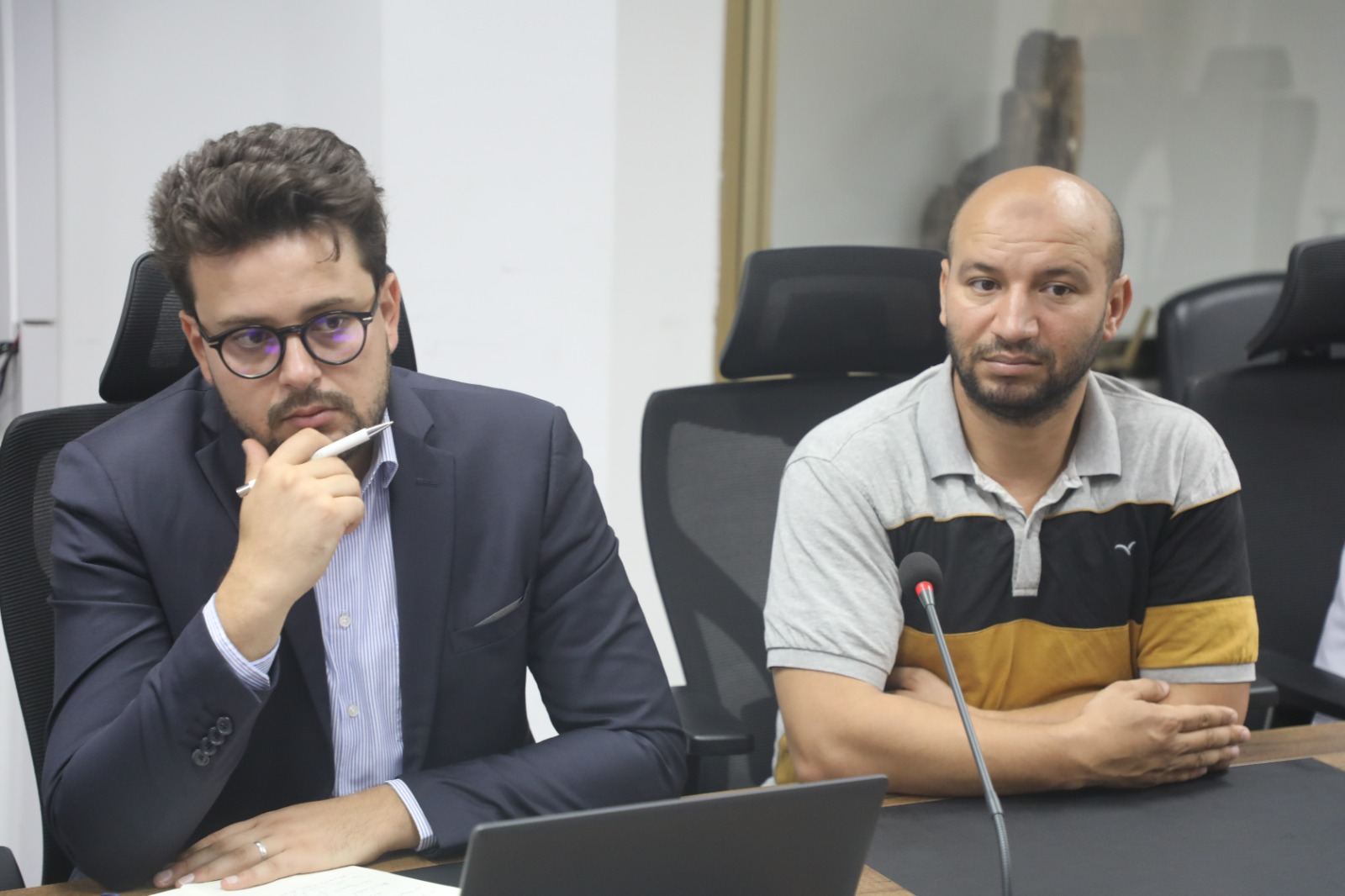
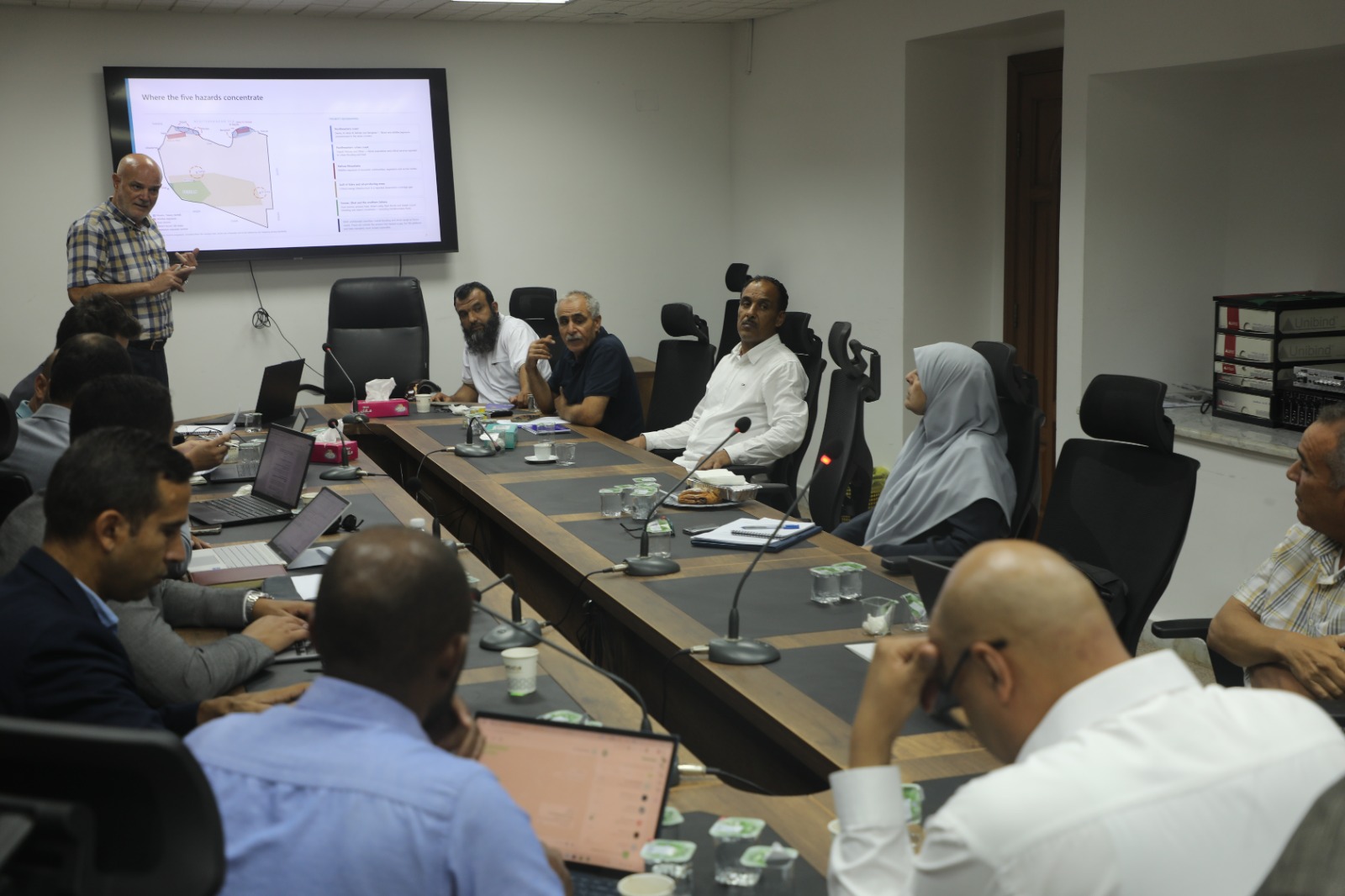
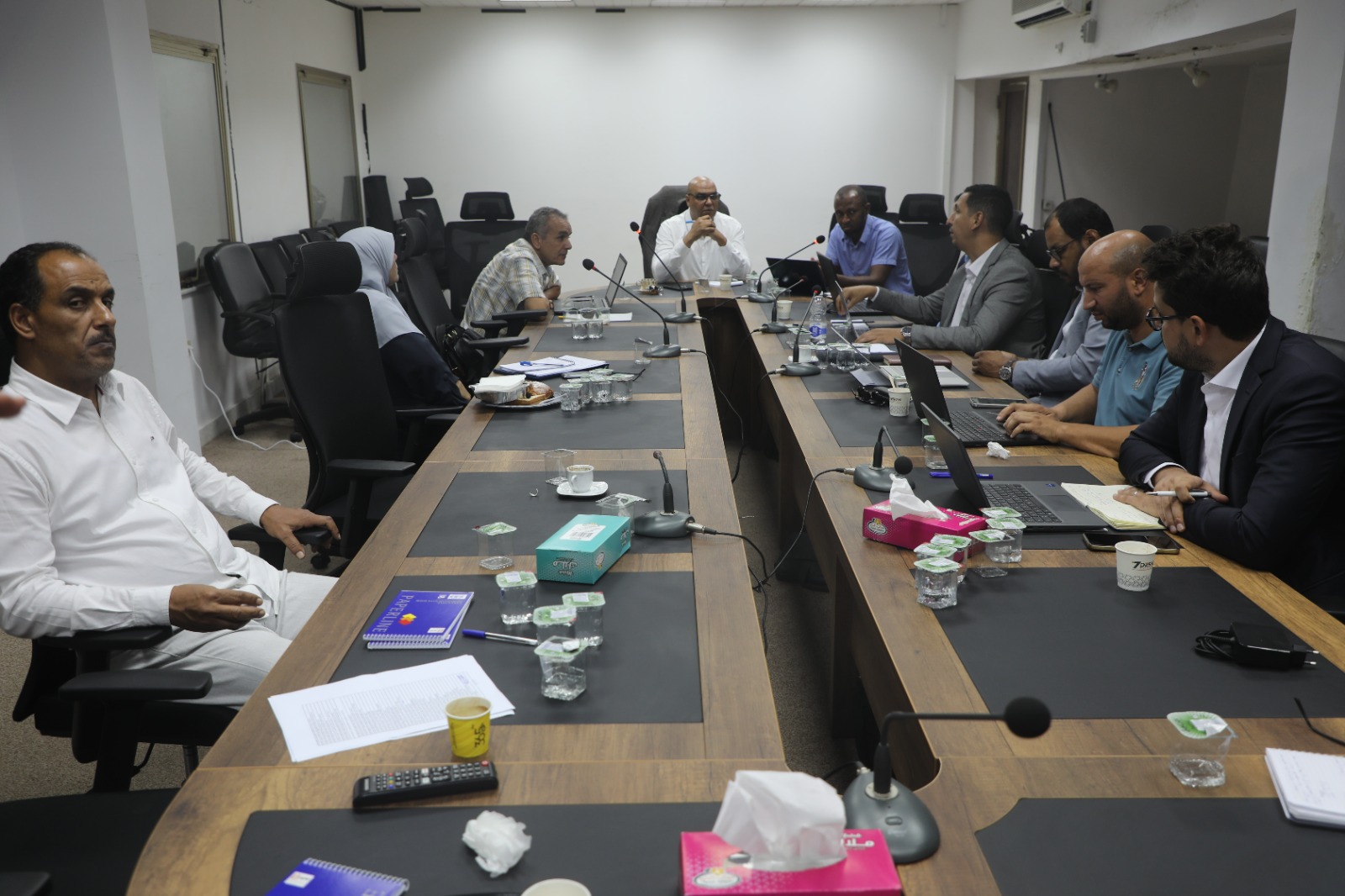
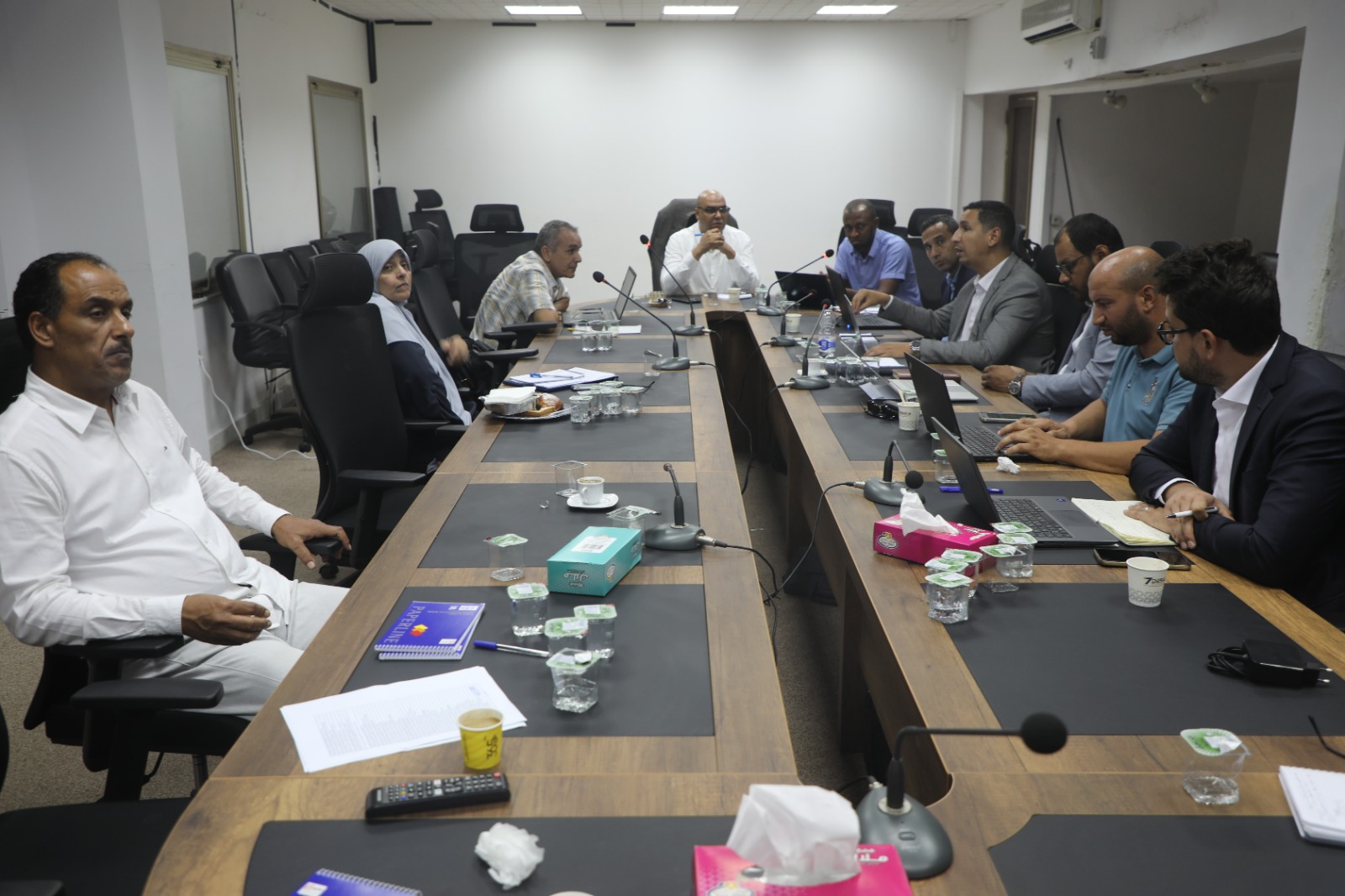
Drawing on its expertise in climate resilience, environmental monitoring and decision-support systems, the Sahara and Sahel Observatory (OSS) brought together key Libyan institutions in Tripoli from 13 to 15 September 2026 to advance discussions towards a coordinated national Early Warning System.
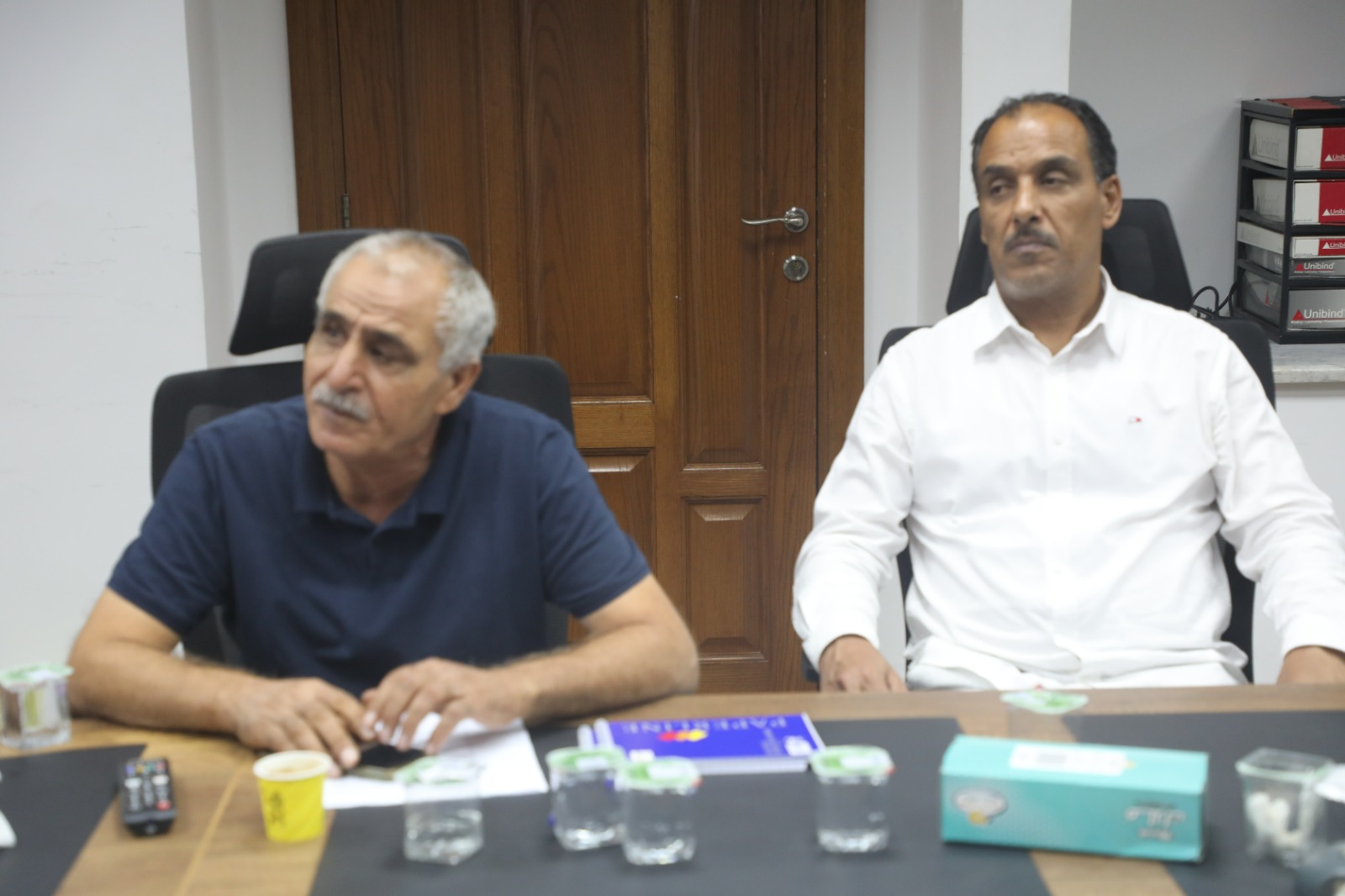
Implemented by OSS under the Green Climate Fund-supported READINESS Libya II project, the consultations brought together the National Center of Meteorology, the National Safety Authority, the Libyan Red Crescent, the Libyan Center for Remote Sensing and Space Science, the Roaya Foundation and UNICEF Libya.
OSS facilitated a coordinated dialogue among institutions with complementary mandates and expertise, creating a common platform to strengthen Libya’s capacity to anticipate climate-related hazards, enhance risk monitoring and communication, and support timely and informed action to protect communities, livelihoods and critical infrastructure.
Building an integrated approach to climate risk
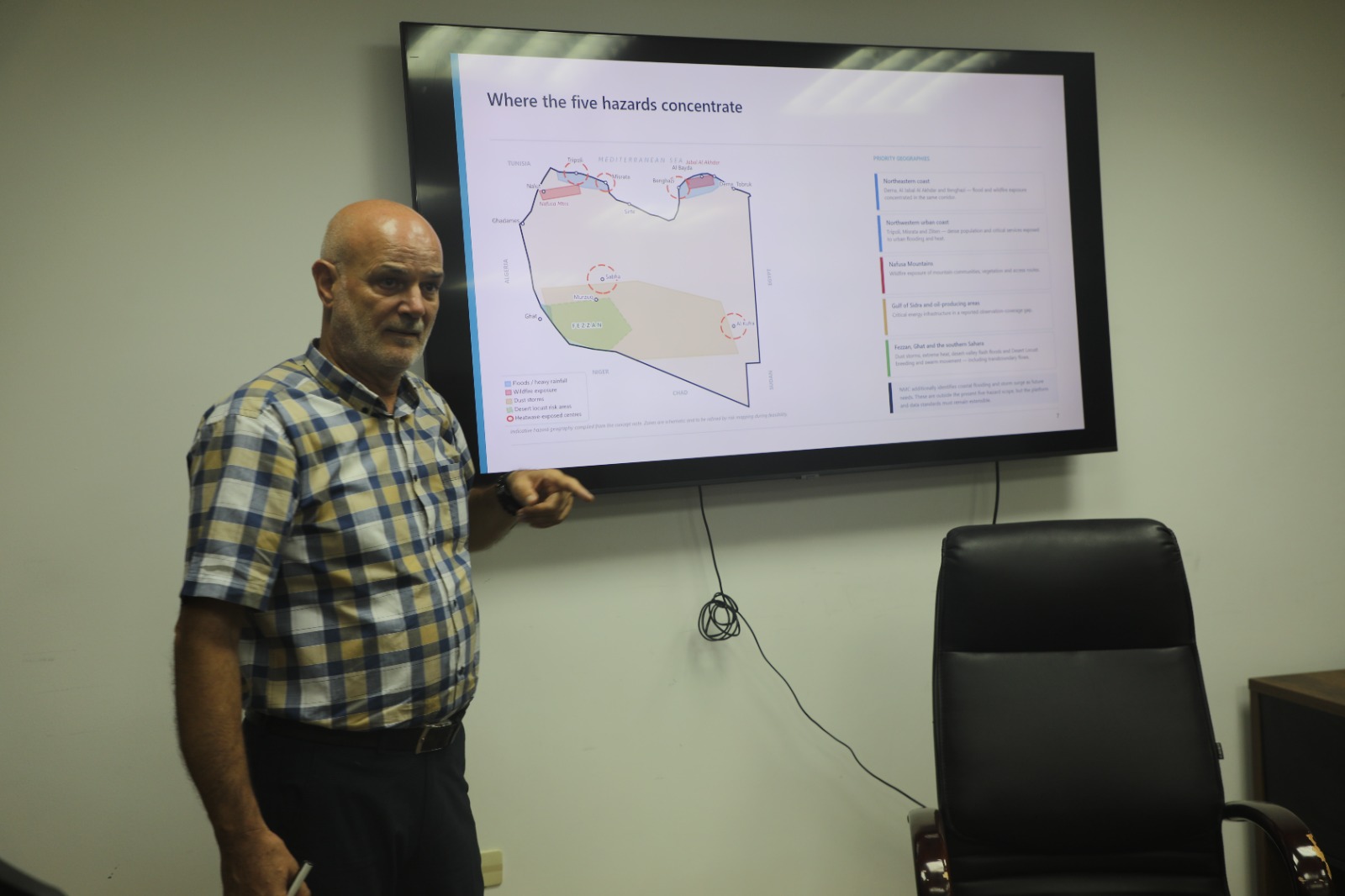
The consultations addressed a range of climate-related hazards affecting Libya, including floods, droughts, heatwaves, sandstorms, wildfires and landslides.
Discussions covered the different components required for an effective Early Warning System, from meteorological and environmental monitoring to risk assessment, communication, preparedness and response. Particular attention was given to strengthening observation capacities and exploring the contribution of satellite technologies to monitoring areas where ground-based information remains limited.
Lessons from Storm Daniel in 2023 also informed the discussions, highlighting the importance of reliable information, effective institutional coordination and timely communication in reducing the impacts of extreme events.
Connecting information, institutions and communities
A central issue was ensuring that warnings do not stop at the production of technical information, but reach exposed populations in a timely, understandable and actionable form.
Participants examined how national institutions, emergency services, technical organizations and community actors can contribute to a coherent warning chain, with clearly defined and complementary roles.
Existing initiatives on early warning and disaster preparedness in Libya were also considered, with a view to building on national capacities and ongoing efforts, strengthening coordination and avoiding the development of parallel mechanisms.
This approach reflects a fundamental principle of effective early warning: technology and forecasting are essential, but their impact ultimately depends on the ability of institutions to work together and translate risk information into action.
Supporting a nationally owned and coordinated system
Through these consultations, OSS is supporting a nationally led process aimed at bringing together scientific knowledge, technological capabilities, institutional mandates and community engagement within a more coordinated approach to early warning.
The exchanges provided an opportunity to identify existing capacities, areas requiring further strengthening and opportunities for greater complementarity among the institutions involved.
Under READINESS Libya II, this work contributes to broader efforts to strengthen Libya’s climate resilience and institutional preparedness. OSS will continue its cooperation with Libya’s National Designated Authority and national partners to support the next stages of the process.
The objective extends beyond the development of a technical system: it is to help establish a sustainable national framework capable of transforming climate and risk information into timely decisions and effective action for the protection of communities.
Held on January 28, 2025 in Tunis, the 27th session of the Strategic Orientation…
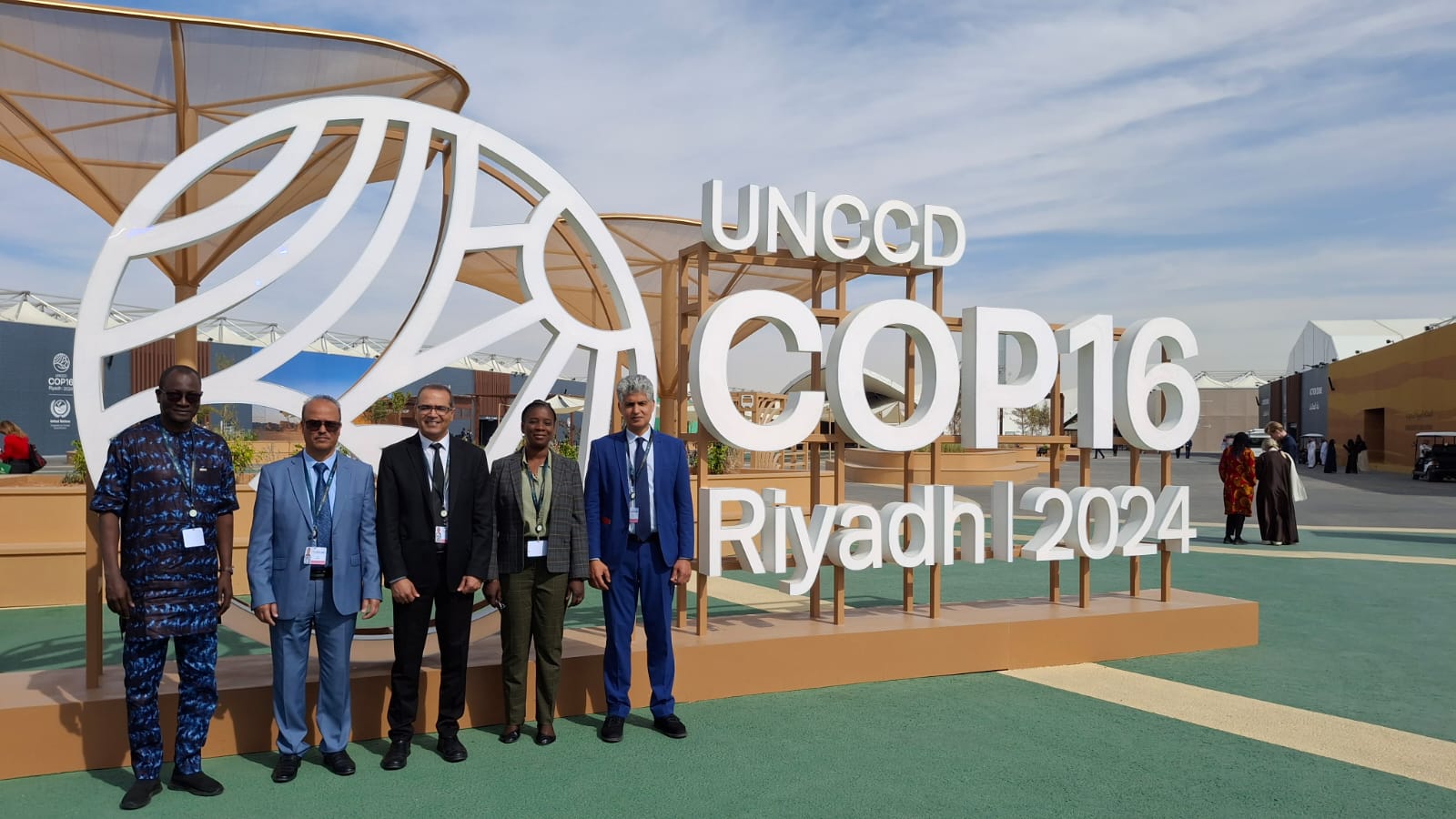
The participation of the Sahara and Sahel…
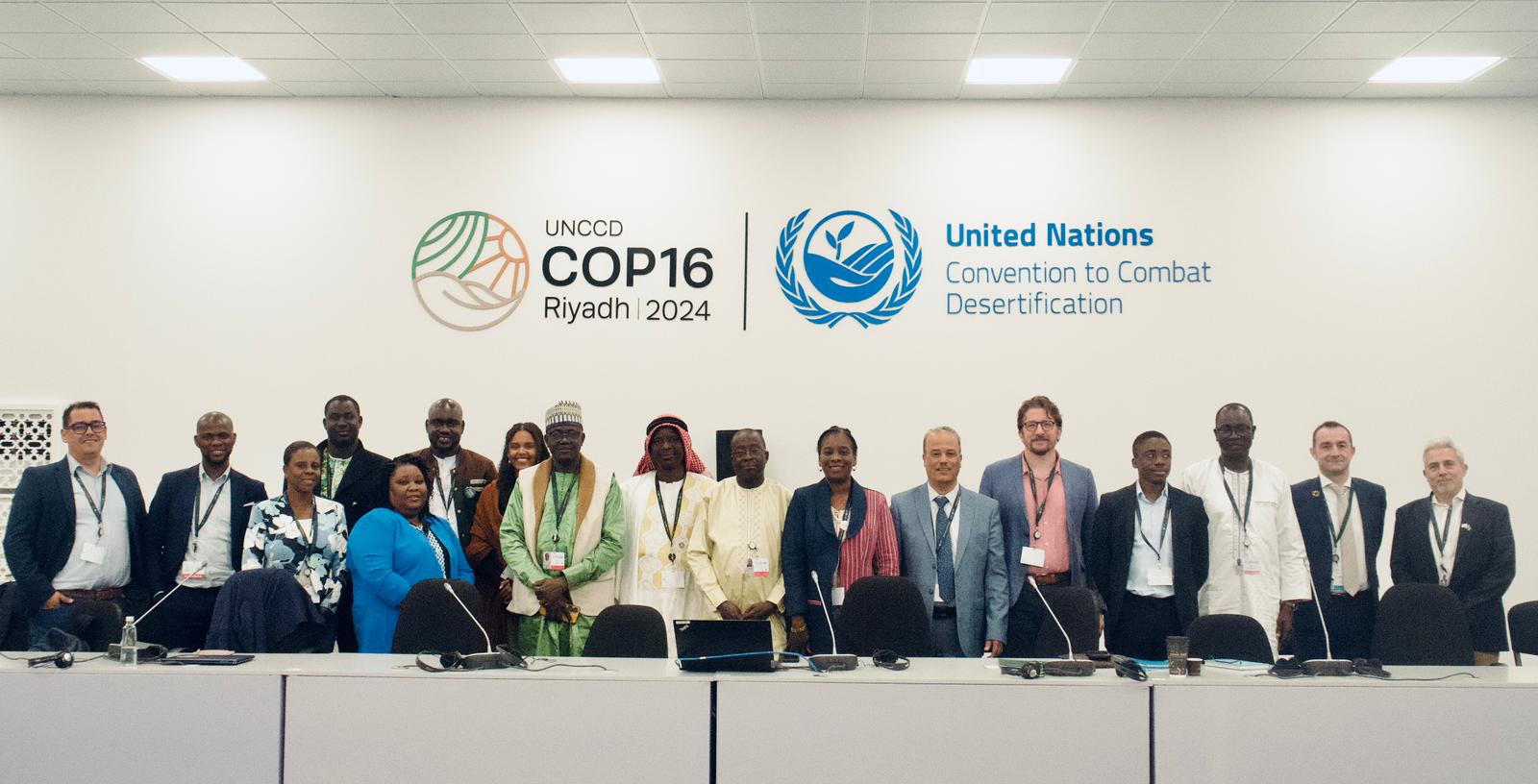
OSS Side Event at COP16: Strengthening Resilience in the Sahel through Multi-…