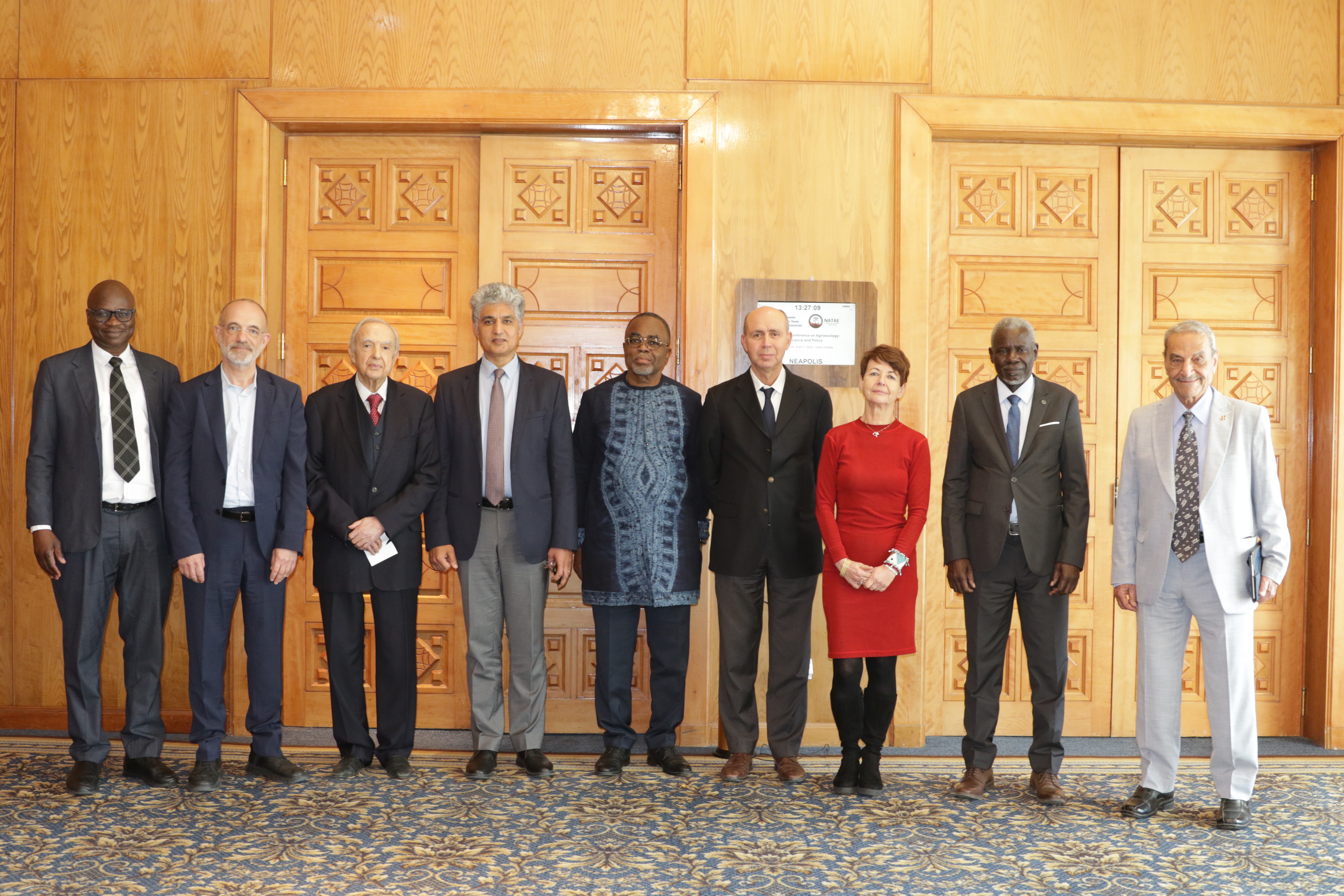
27th Session of the OSS Strategic Orientation Committee, Tunis, January 28, 2025
Held on January 28, 2025 in Tunis, the 27th session of the Strategic Orientation…
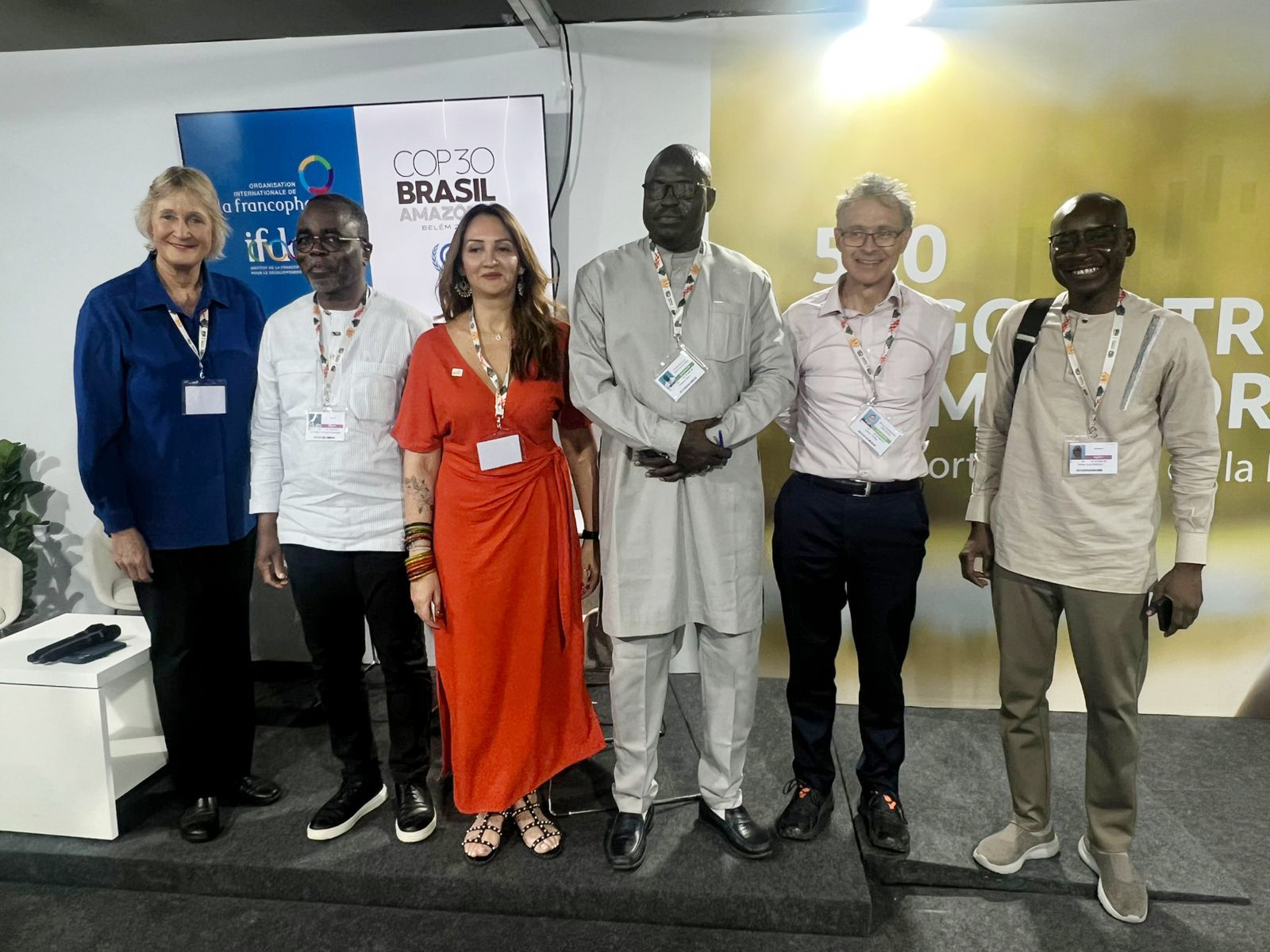




COP30 - Belém, November 15 2025
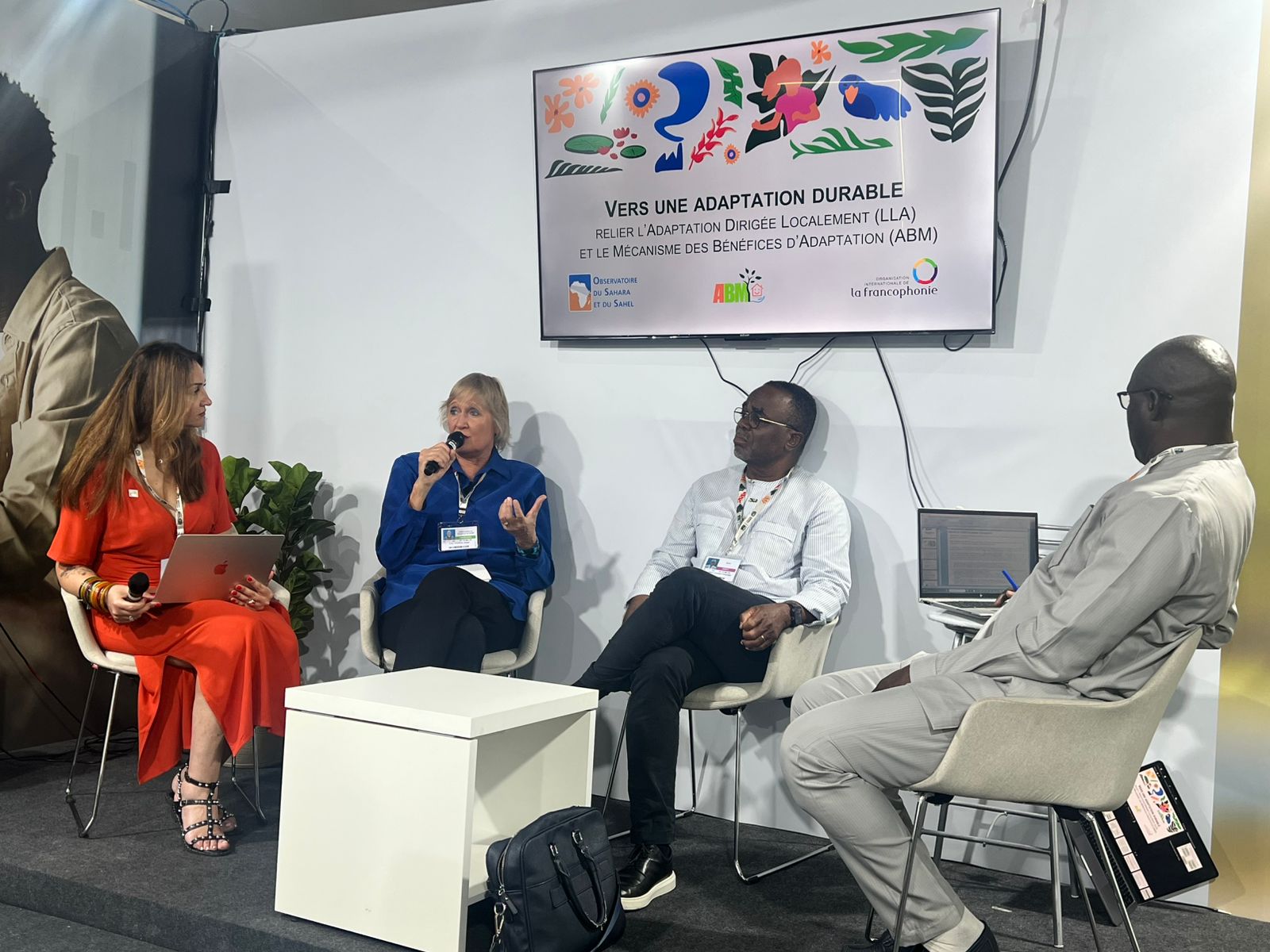
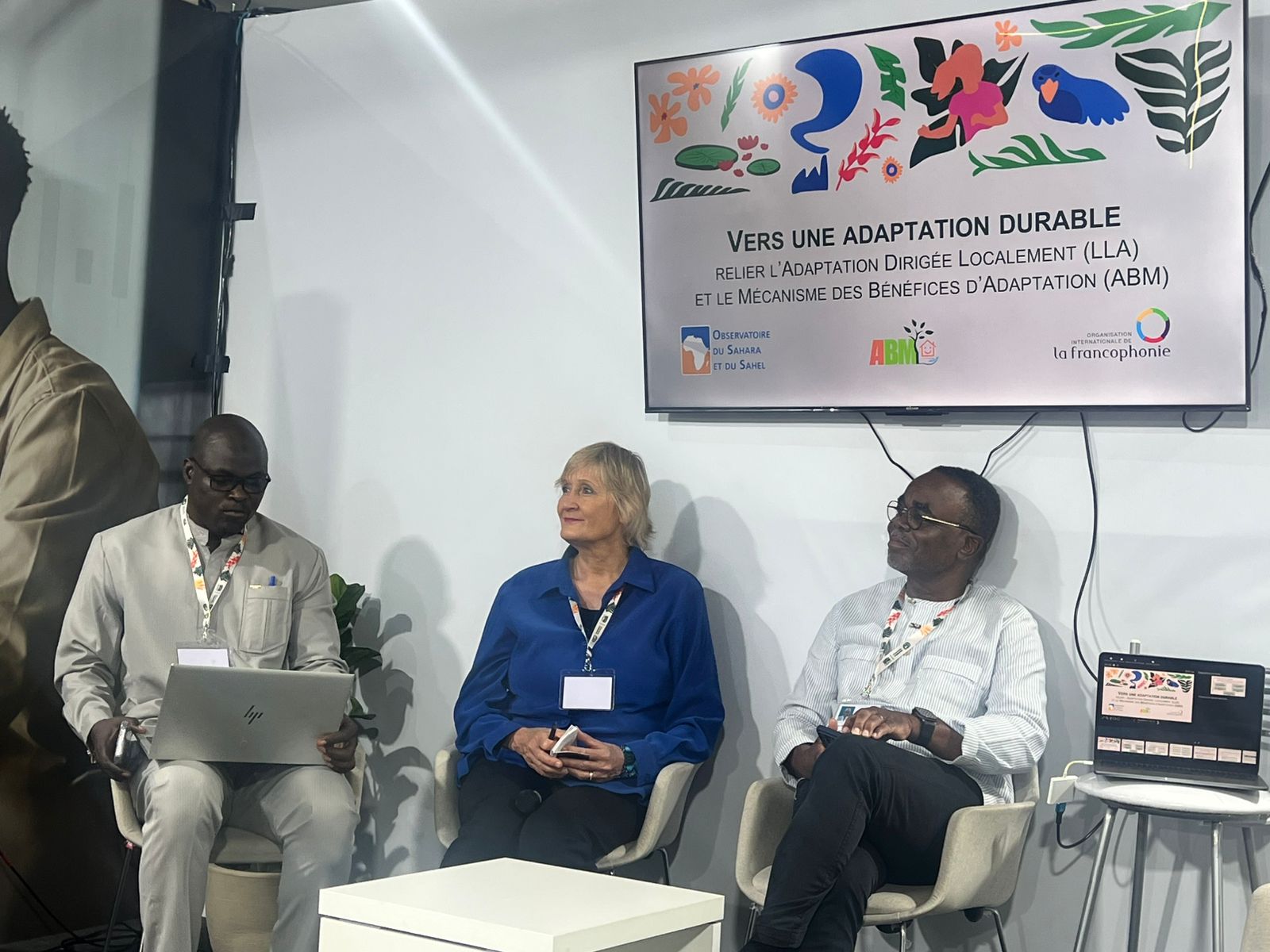
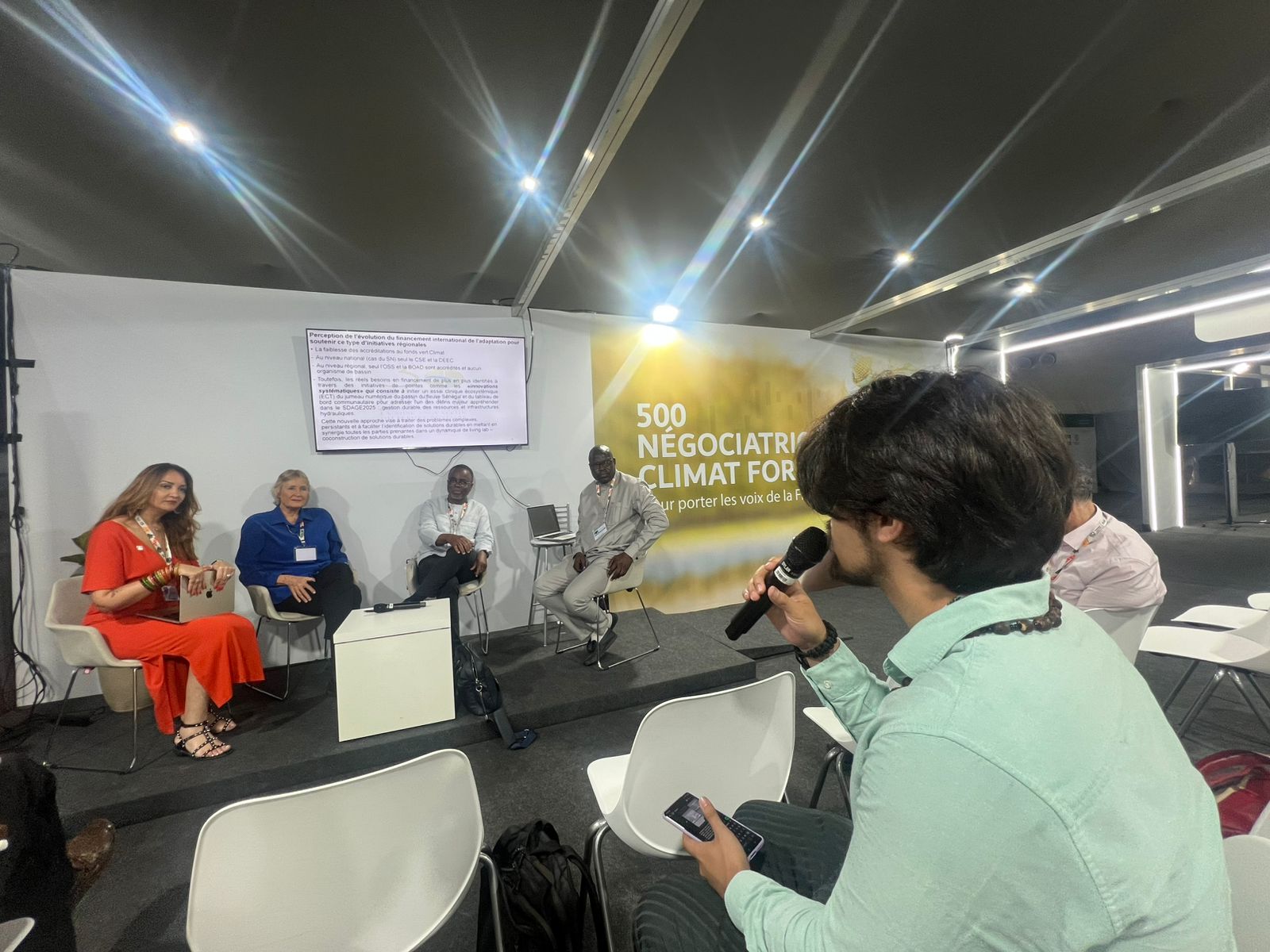
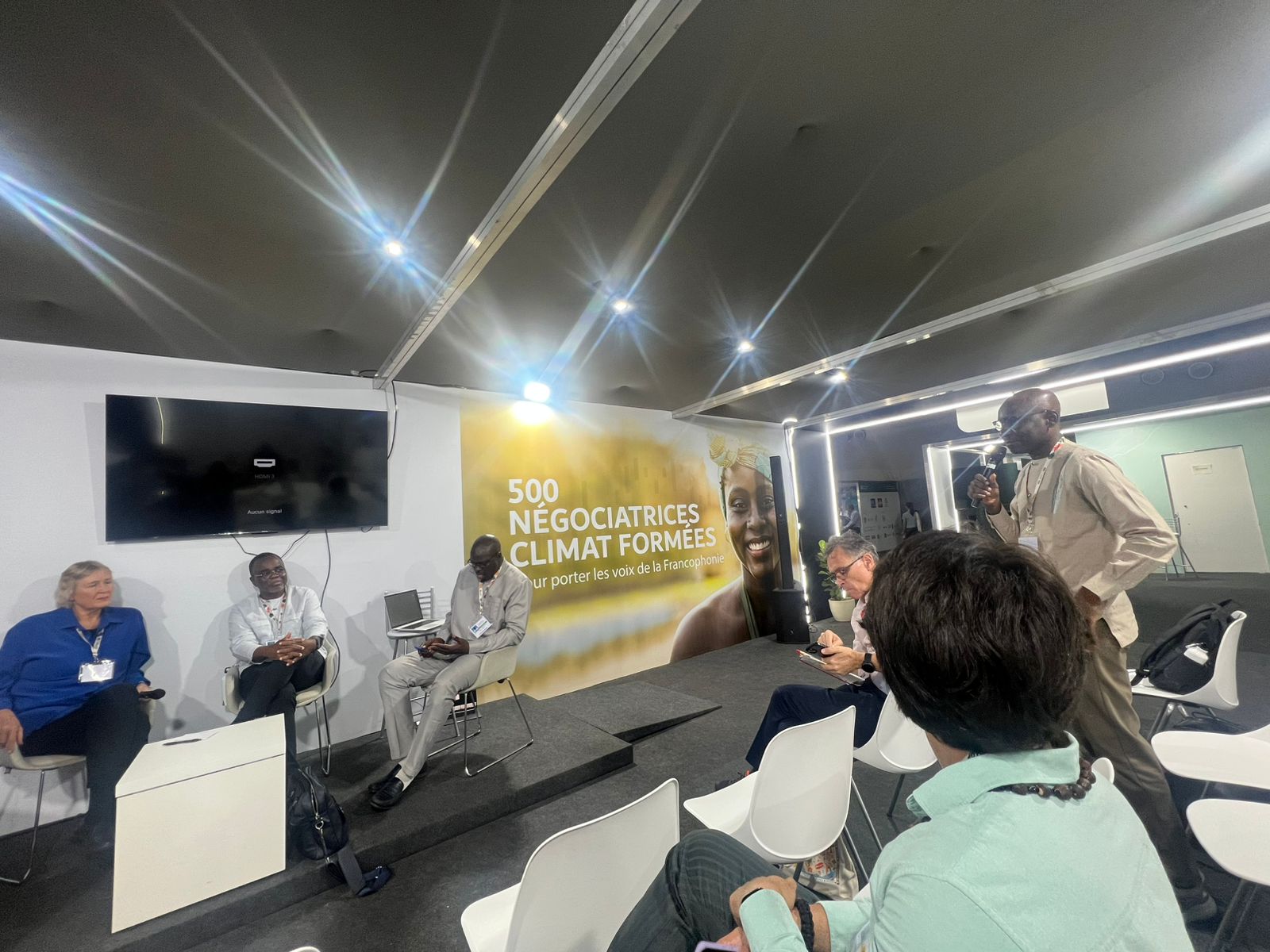
Faced with the intensification of climate crises, adaptation has become more necessary than ever and innovative solutions are needed to strengthen community resilience. It was in this context that a side event, organized during CoP30, highlighted two revolutionary approaches to financing adaptation: the Adaptation Benefits Mechanism (ABM) and the Locally Led Adaptation (LLA), which, together, open new perspectives for transforming responses to the effects of climate change.
Ms. Khaoula Jaoui, OSS Climate Department Director, opened the event by emphasizing the importance of mobilizing sustainable financing for adaptation. In a context of huge financial needs, she presented ABM and LLA as essential levers for overcoming this challenge, where the Adaptation Benefits Mechanism (ABM) is revolutionizing adaptation financing by valuing measurable results and transforming them into certified assets. According to Mr. Luc Gnacadja, former UNCCD Executive Secretary and co-chair of the ABM Executive Committee, this approach channels funding towards adaptation projects that, even though they do not generate immediate financial profits, have a lasting impact on community resilience. He also called upon the private sector to view adaptation, not as an expense, but as a profitable investment that benefits communities and the whole planet.
Professor Erika Styger from Cornell University put special focus on agricultural resilience as a driver of productivity and adaptation, she explained that resilient agricultural systems not only mitigate the effects of climate change but also increase crop productivity. She shared concrete results from the RICOWAS project, funded by the Adaptation Fund and implemented by the OSS in 13 West African countries. According to her, adaptation to climate change must also translate into practical solutions that increase crop profitability. She also outlined the challenges related to the sustainability of the initiatives in times of limited funding, here comes the ABM to ensure long-term initiatives by guaranteeing certified funding and extend their impact. Furthermore, she emphasized the importance of scientific research to validate certification protocols, guaranteeing measurable, robust, and verifiable results, thus strengthening the MBA effectiveness.
Locally led adaptation was addressed by Mr. Thierno Ndour, Environment and Sustainable Development Director, through concrete examples from the OMVS region. He demonstrated that involving local communities in decision-making, is an effective way to reduce vulnerability to climate shocks. He also proved that local practices adapted to the specific realities of the communities can produce positive and lasting results.
A fundamental point came to light after this event: in order to achieve successful climate change adaptation, it is imperative to rethink financial mechanisms. ABM and LLA offer concrete solutions by combining local governance and financial incentives, transforming adaptation outcomes into mobilizable resources. These approaches overcome the limitations of traditional financing and pave the way for new solutions to strengthen community resilience to global climate crises. The future of adaptation may lie in such a transformative synergy.
Held on January 28, 2025 in Tunis, the 27th session of the Strategic Orientation…
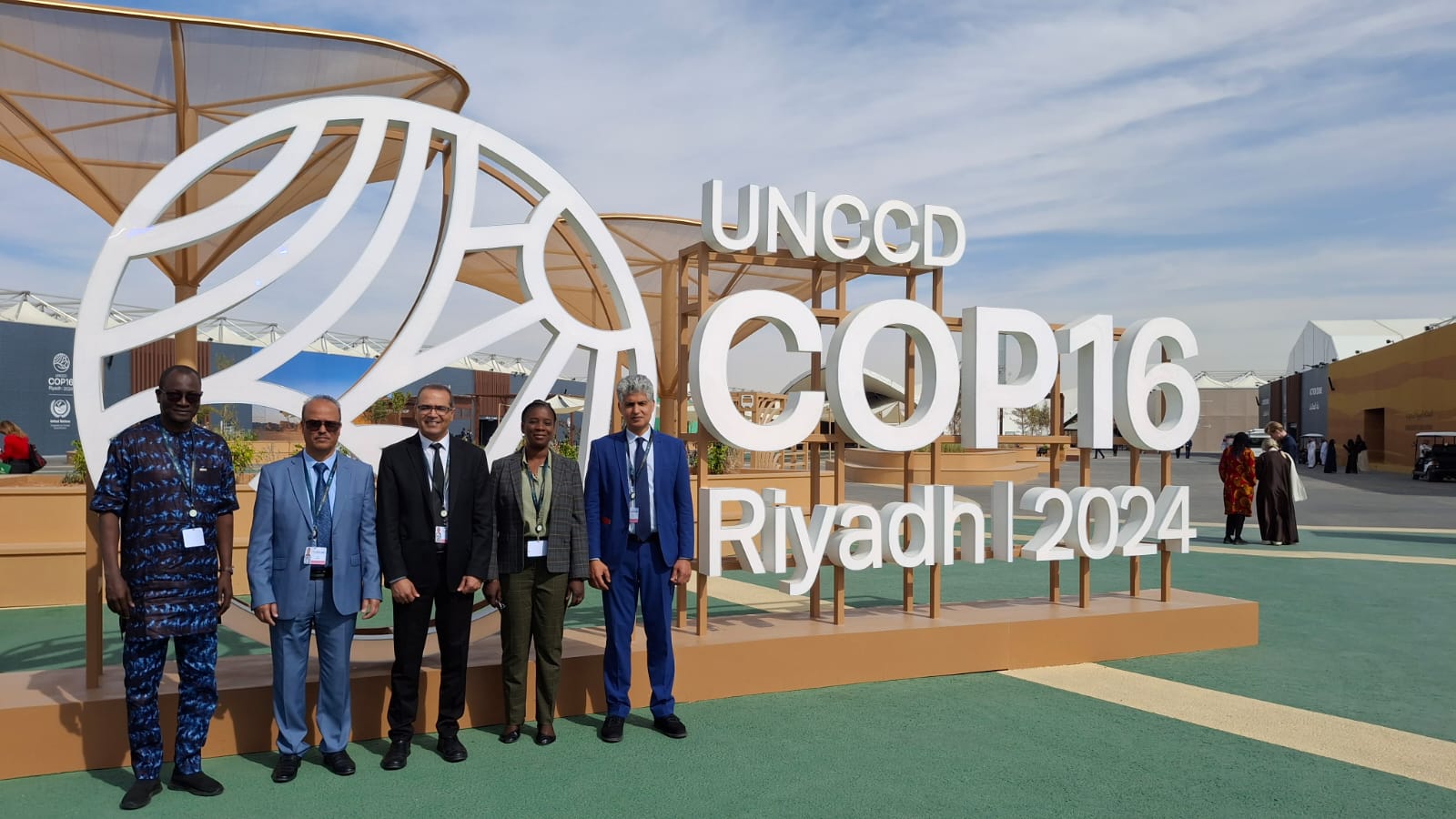
The participation of the Sahara and Sahel…
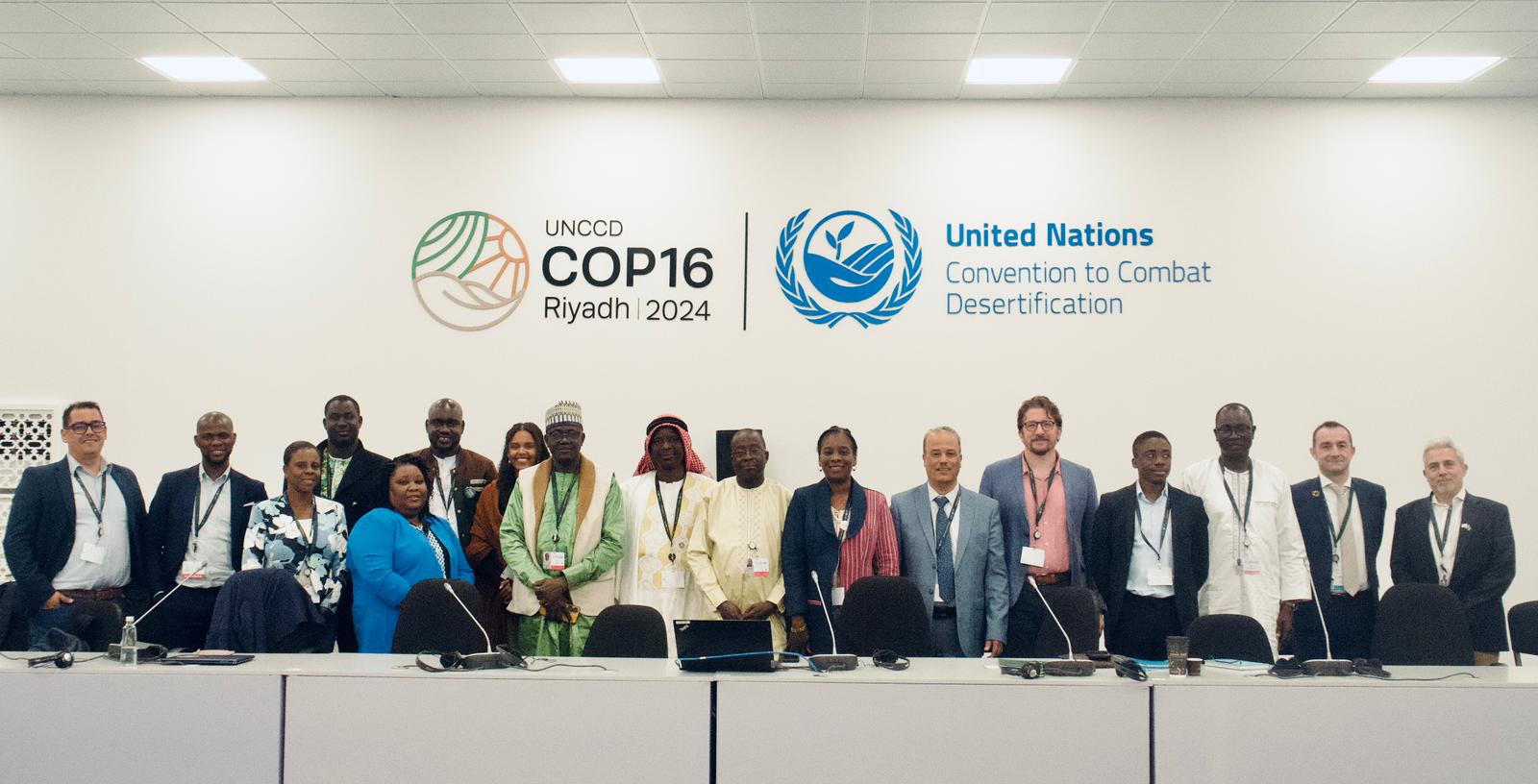
OSS Side Event at COP16: Strengthening Resilience in the Sahel through Multi-…