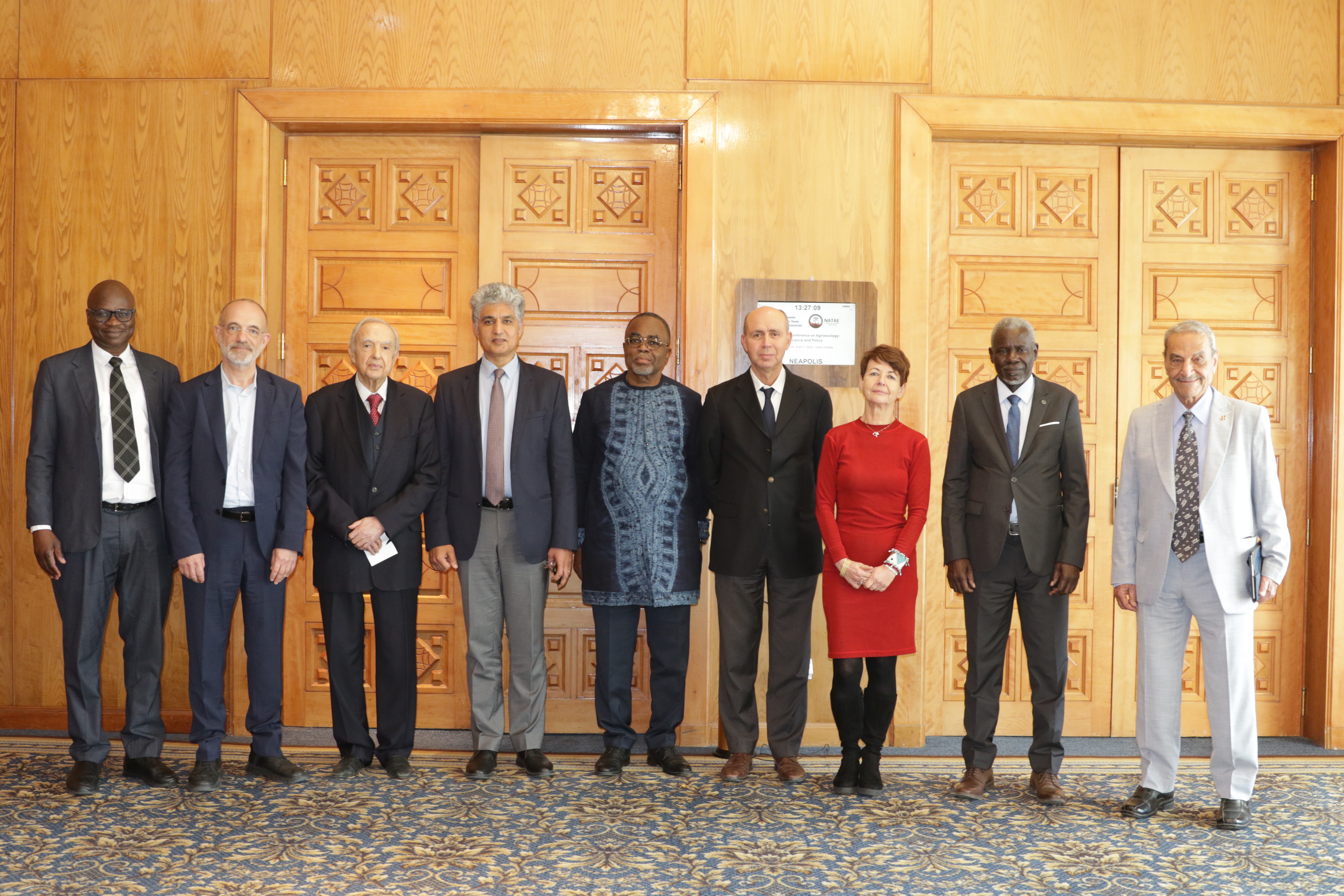
27th Session of the OSS Strategic Orientation Committee, Tunis, January 28, 2025
Held on January 28, 2025 in Tunis, the 27th session of the Strategic Orientation…
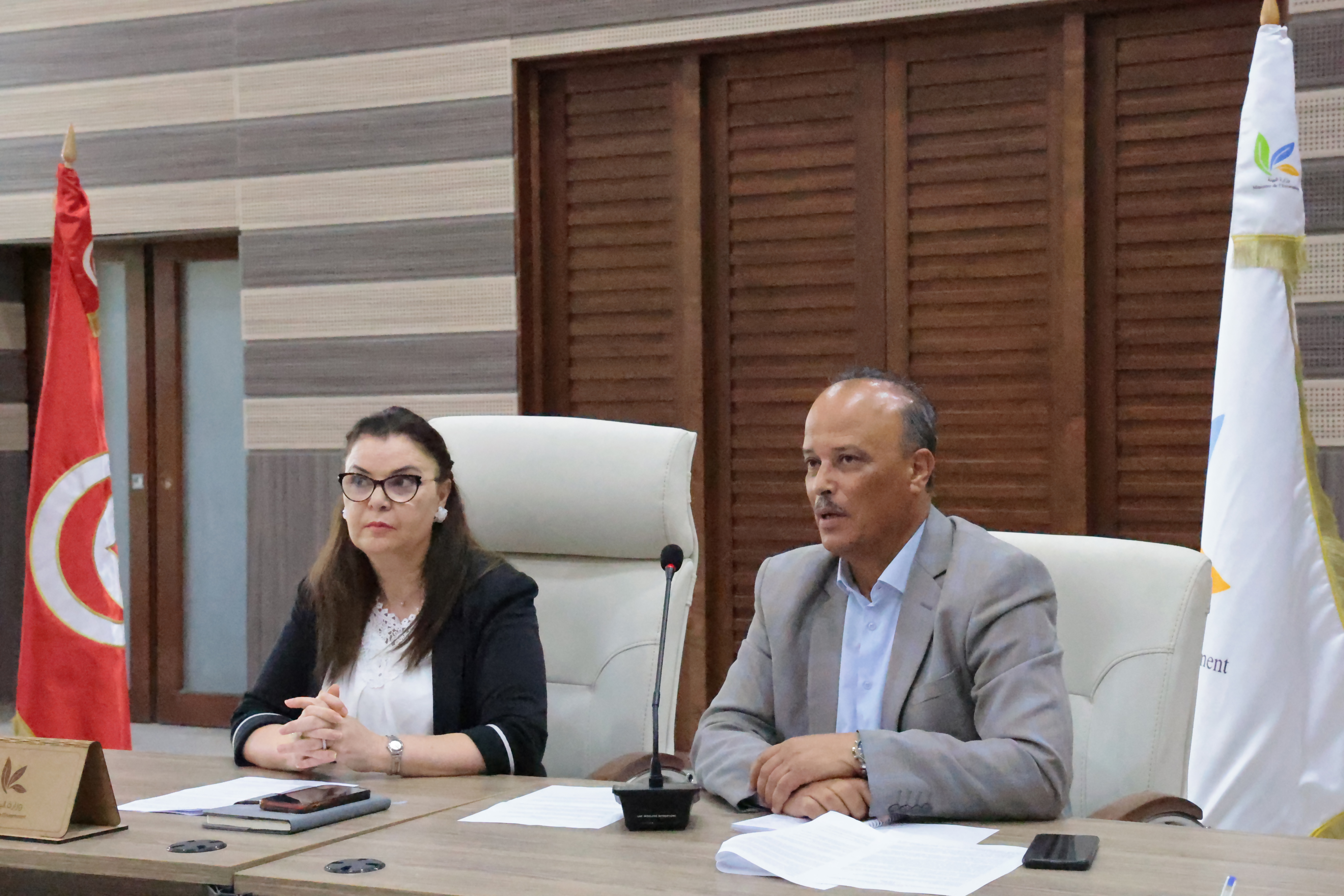
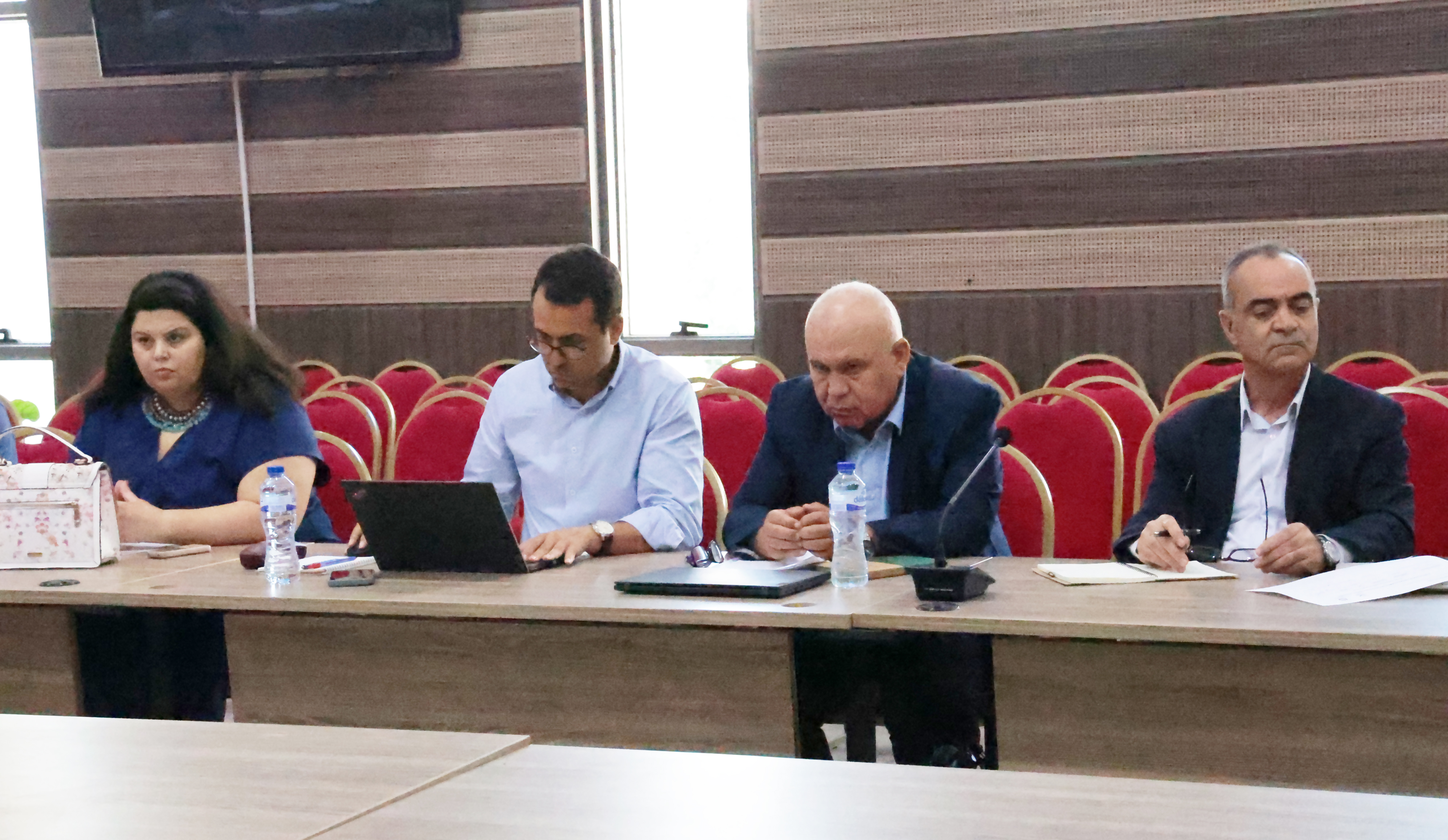
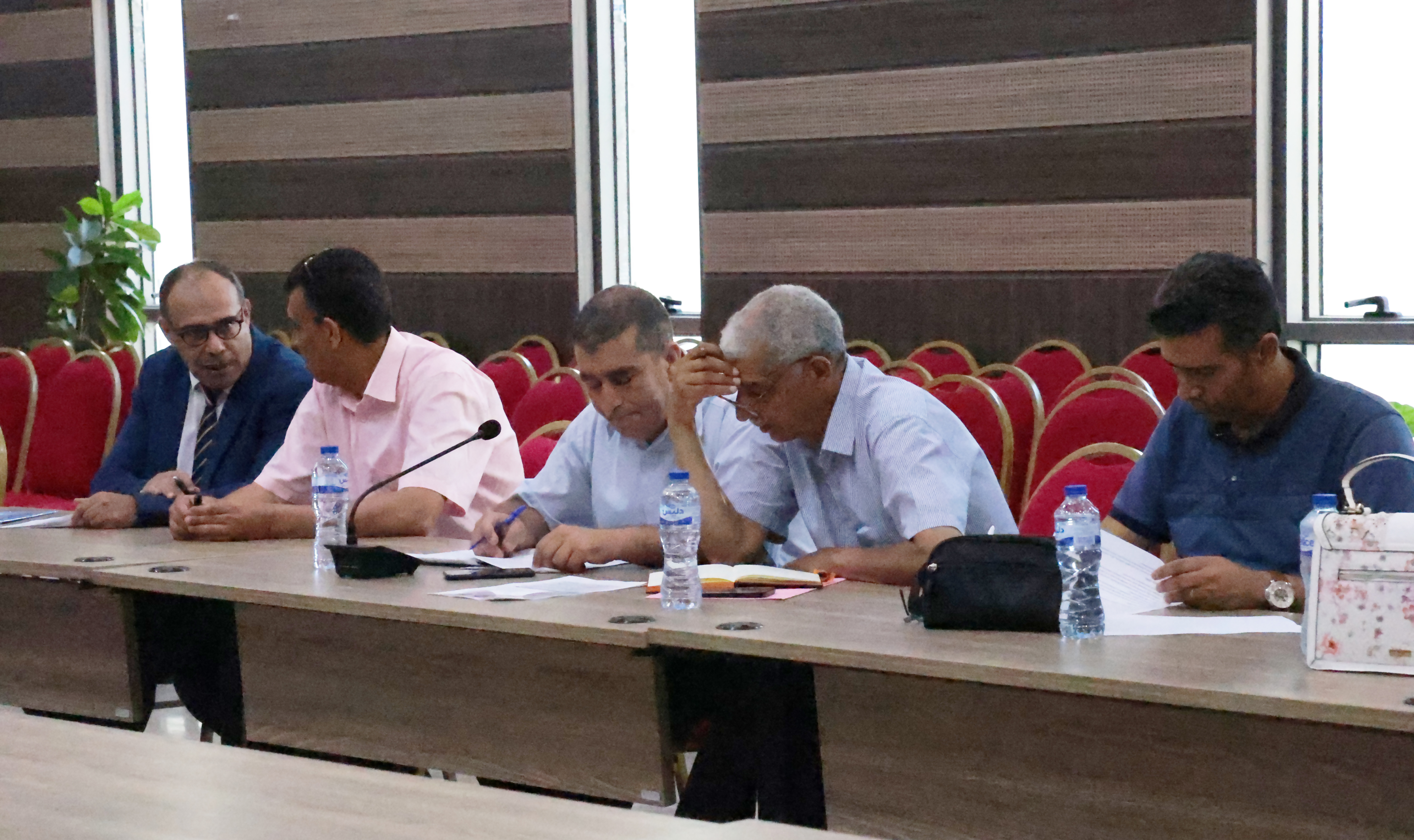
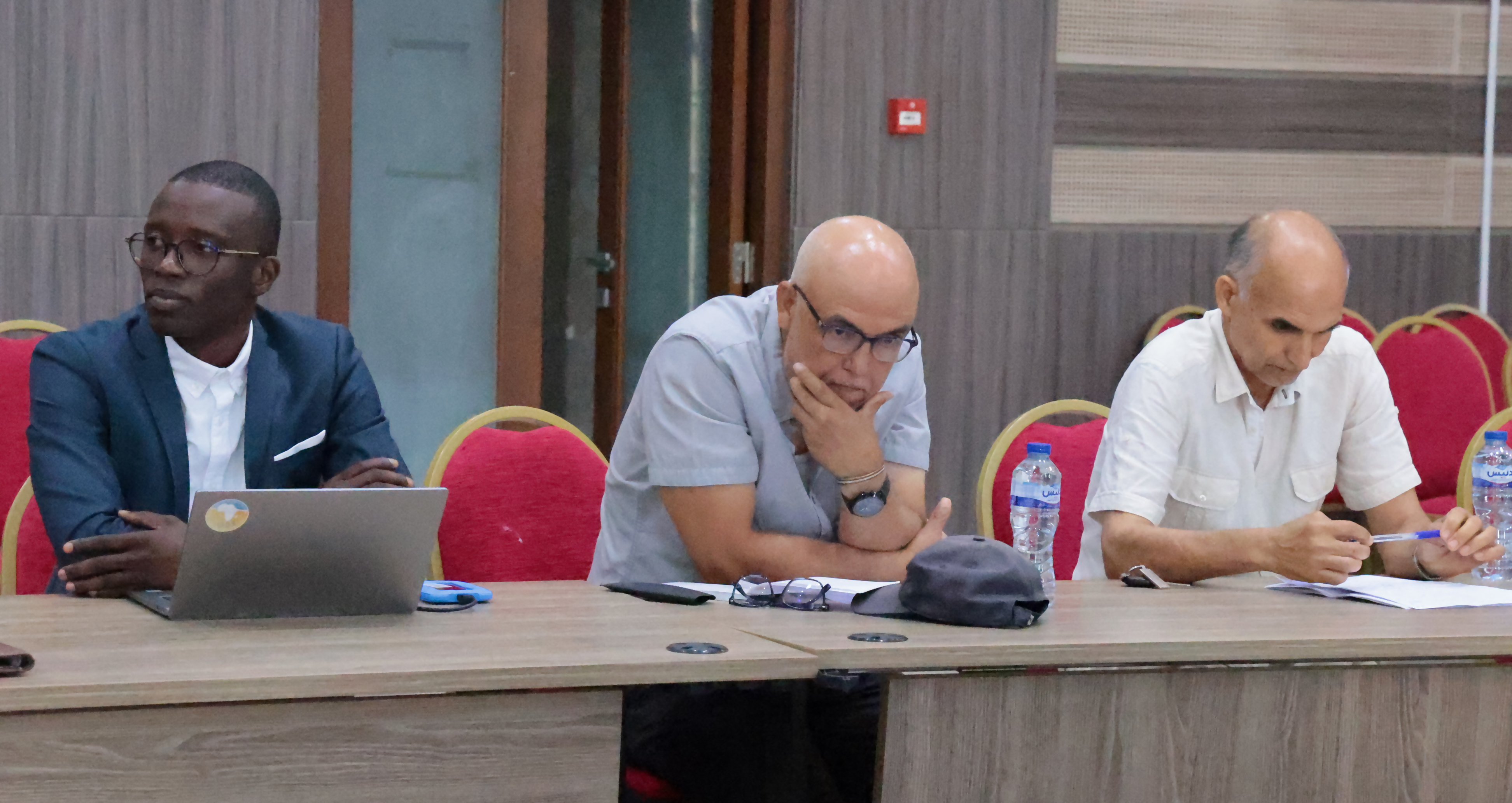
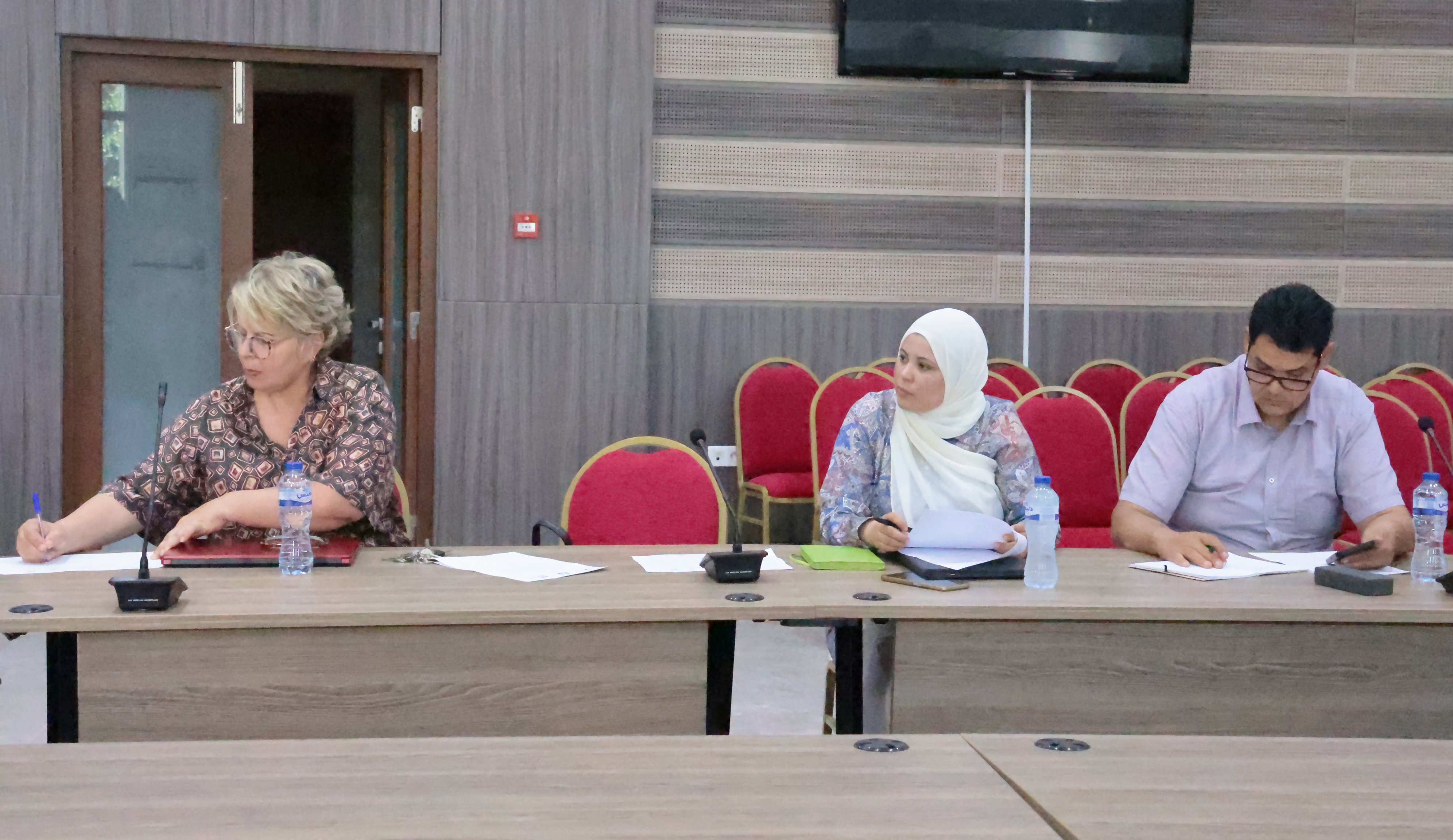
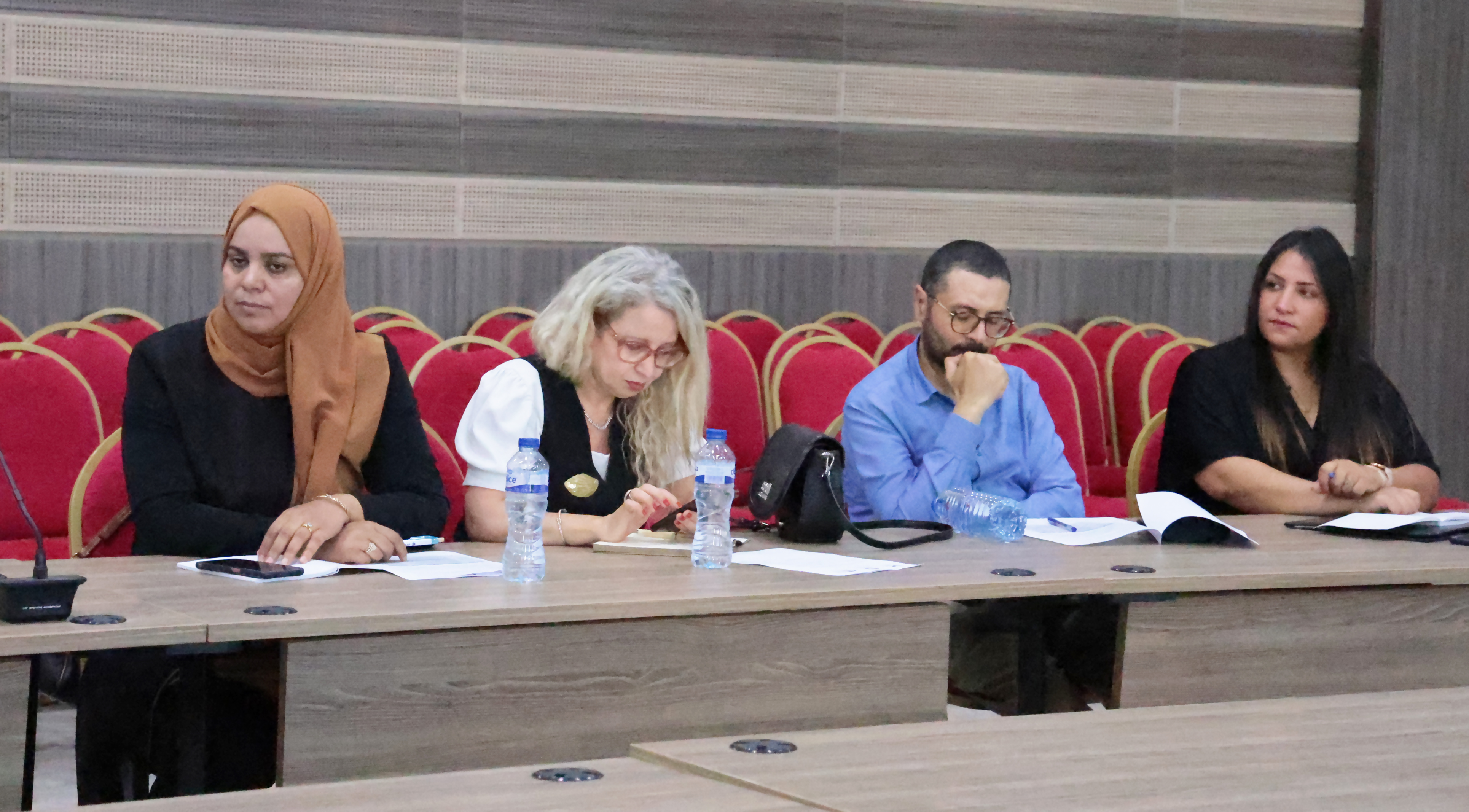
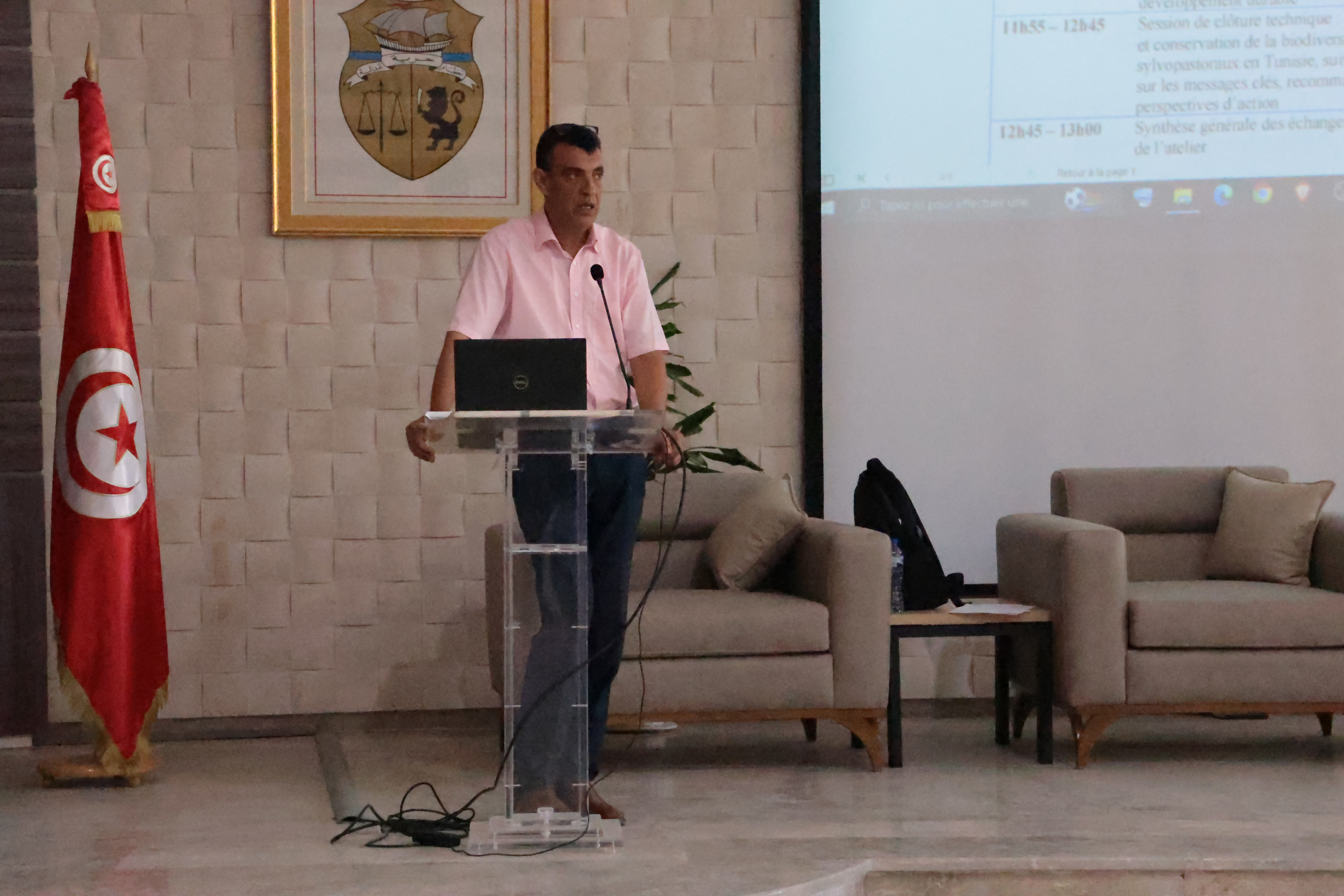
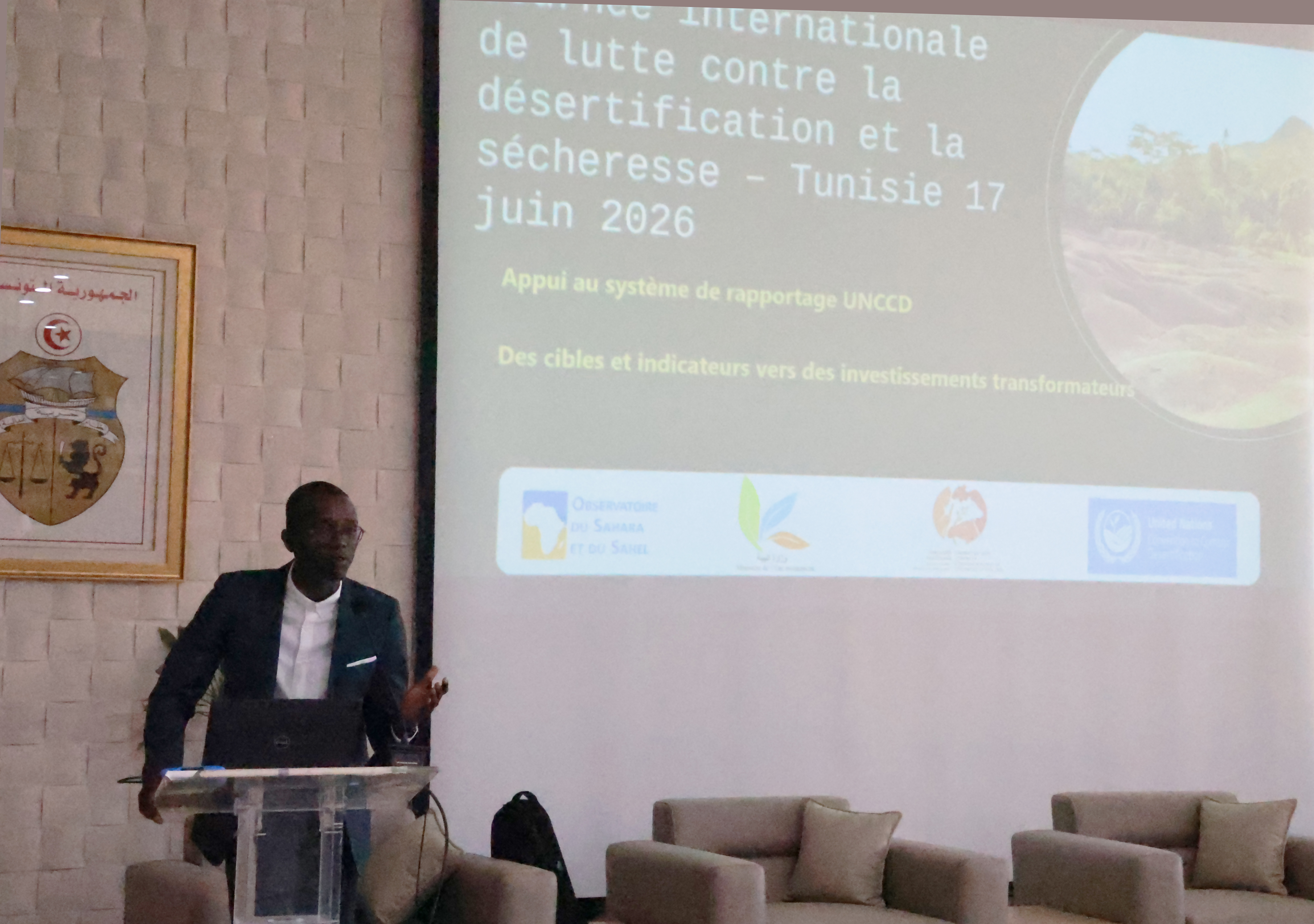
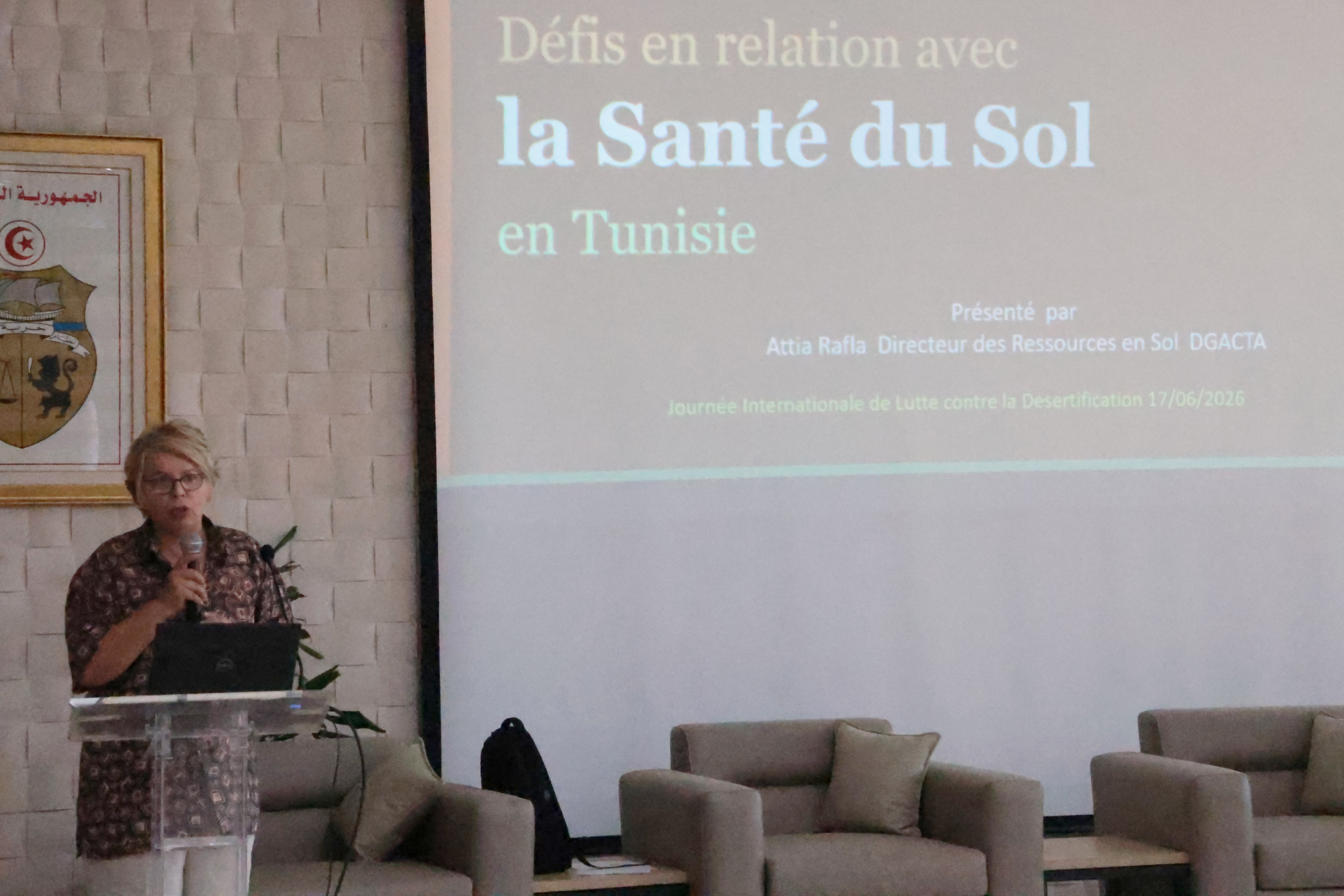
June 17, 2026, Tunis
In the face of accelerating land degradation and increasing climate pressures, ecosystem restoration has become a major challenge for strengthening territorial resilience, preserving biodiversity, and safeguarding livelihoods.
Against this backdrop, the Ministry of Environment and the Sahara and Sahel Observatory (OSS) organized a national workshop in Tunis on 17 June 2026 to mark World Day to Combat Desertification and Drought, celebrated this year under the theme “Pastoral Pathways: Recognize, Respect, Restore”.
The event brought together key institutional, scientific, technical, and development stakeholders to review Tunisia’s progress in implementing its commitments under the United Nations Convention to Combat Desertification (UNCCD), while identifying the priority actions needed to accelerate ecosystem restoration and enhance the resilience of territories.
In her opening remarks, Ms. Awatef Messai, Acting Director General of the Directorate General for Environment and Quality of Life (DGEQV), recalled that land degradation remains one of the most pressing environmental challenges of our time. She emphasized the importance of integrated approaches that reconcile the conservation of natural resources with socio-economic development and the improvement of people’s living conditions.
Speaking on behalf of the OSS, Mr. Nabil Hamada highlighted the relevance of this year’s theme, which underscores the essential role of pastoral rangelands in preserving ecosystems and sustaining community livelihoods. He also stressed the need to strengthen coordination among institutions, improve data availability, and ensure sustained investment in land restoration efforts. On this occasion, he reaffirmed the OSS’s commitment to supporting Tunisia in implementing its national priorities related to sustainable land management, biodiversity conservation, and climate change adaptation.
The discussions also provided an opportunity to review recent UNCCD orientations and explore ways to strengthen indicator monitoring, improve access to reliable data, and further develop national capacities. Participants shared several Tunisian experiences in sustainable land management, oasis valorization, socio-ecological restoration, and biodiversity conservation, helping to identify concrete avenues for consolidating achievements and scaling up ongoing efforts.
Beyond the exchange of experiences and expertise, the meeting reaffirmed a shared conviction: land restoration is not merely a response to ecosystem degradation. It is a powerful lever for preserving biodiversity, strengthening food security, and enhancing the resilience of territories in the face of climate change.
Restoring land is not only about repairing past degradation; it is about creating the conditions for a safer, more resilient, and more sustainable future for generations to come.
Held on January 28, 2025 in Tunis, the 27th session of the Strategic Orientation…
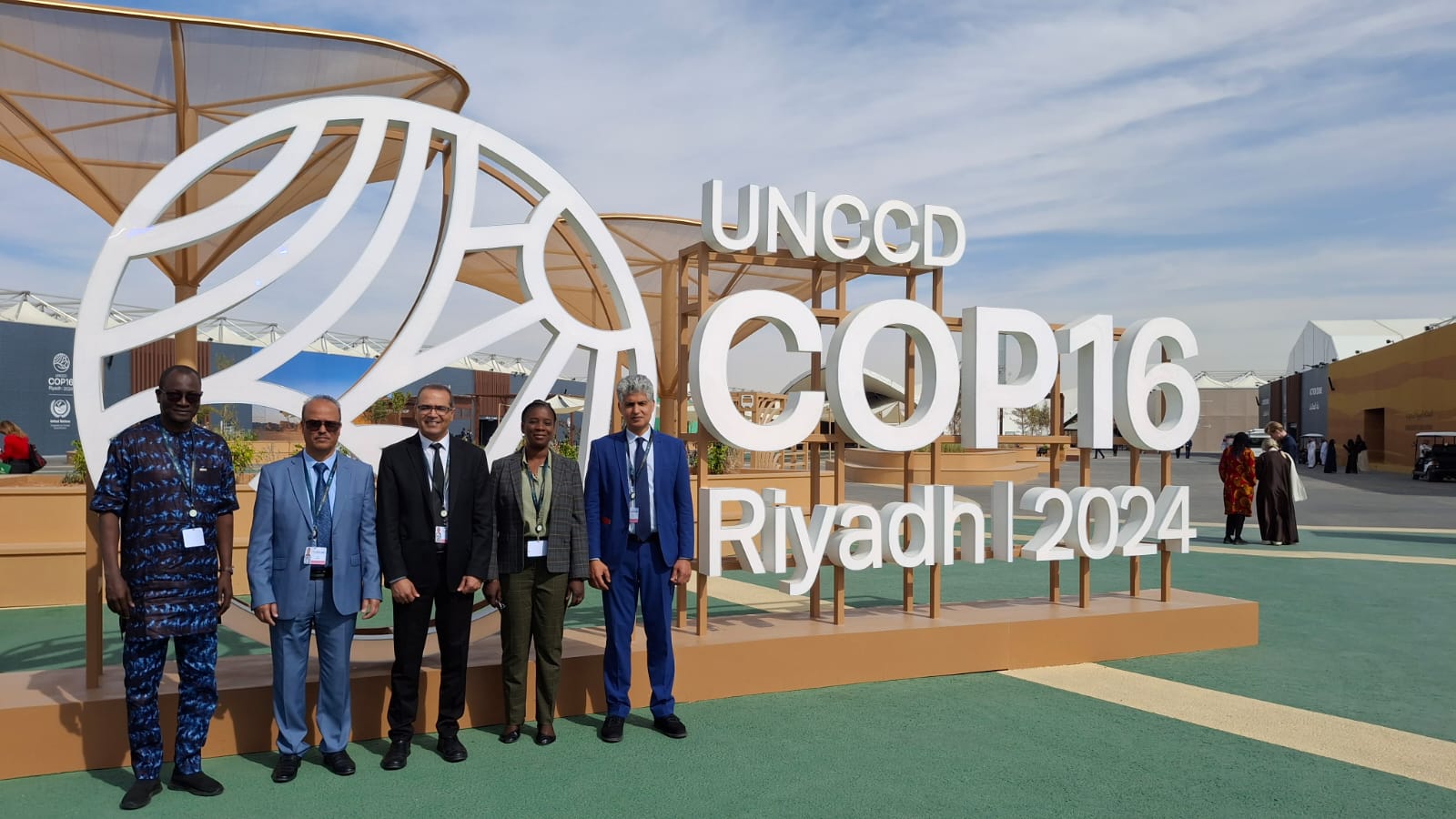
The participation of the Sahara and Sahel…
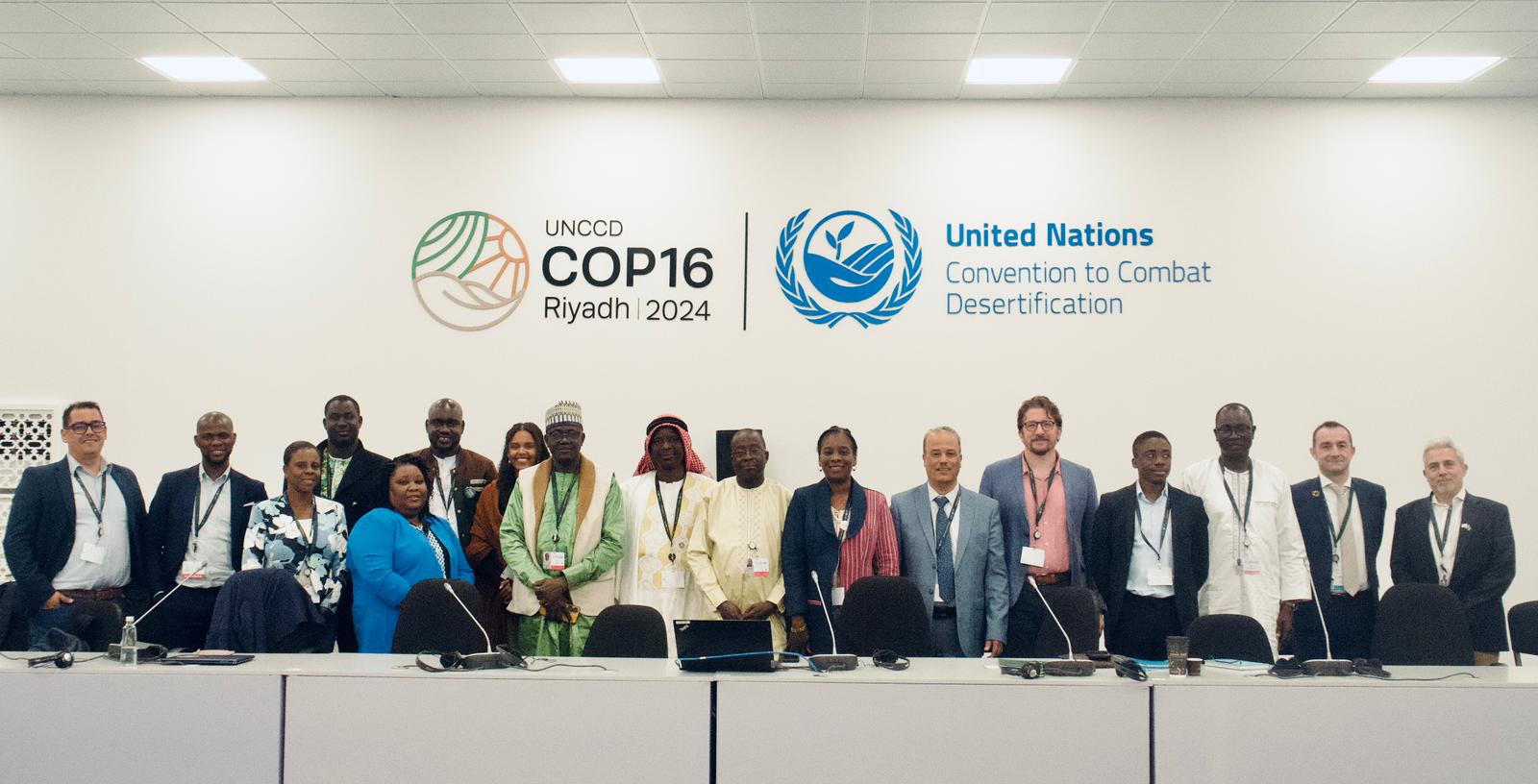
OSS Side Event at COP16: Strengthening Resilience in the Sahel through Multi-…