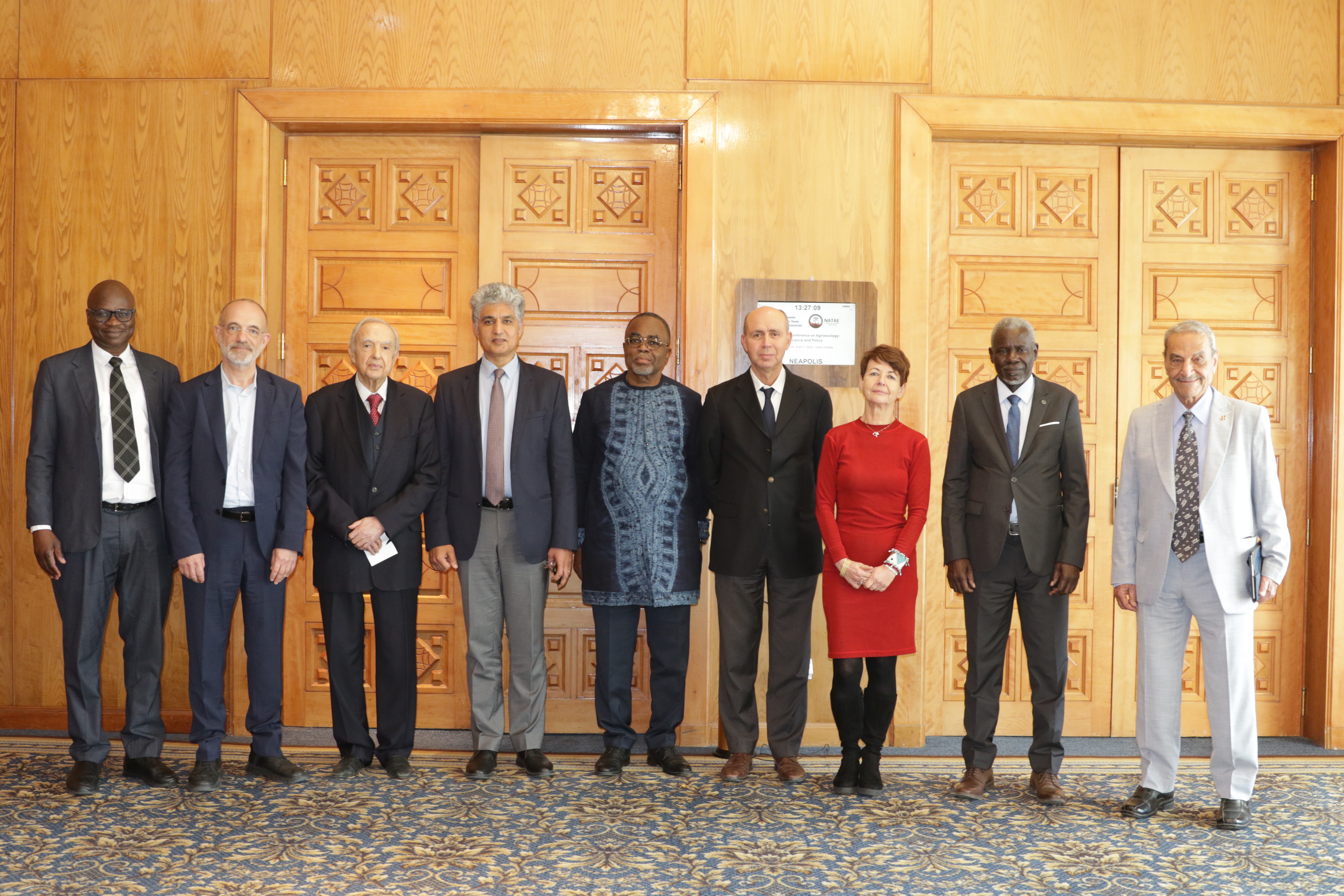
27th Session of the OSS Strategic Orientation Committee, Tunis, January 28, 2025
Held on January 28, 2025 in Tunis, the 27th session of the Strategic Orientation…
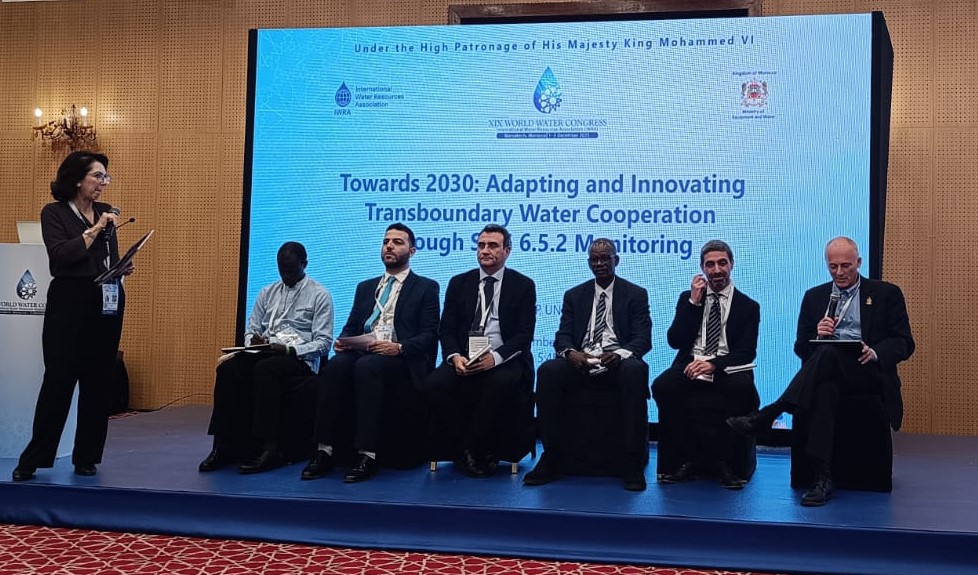
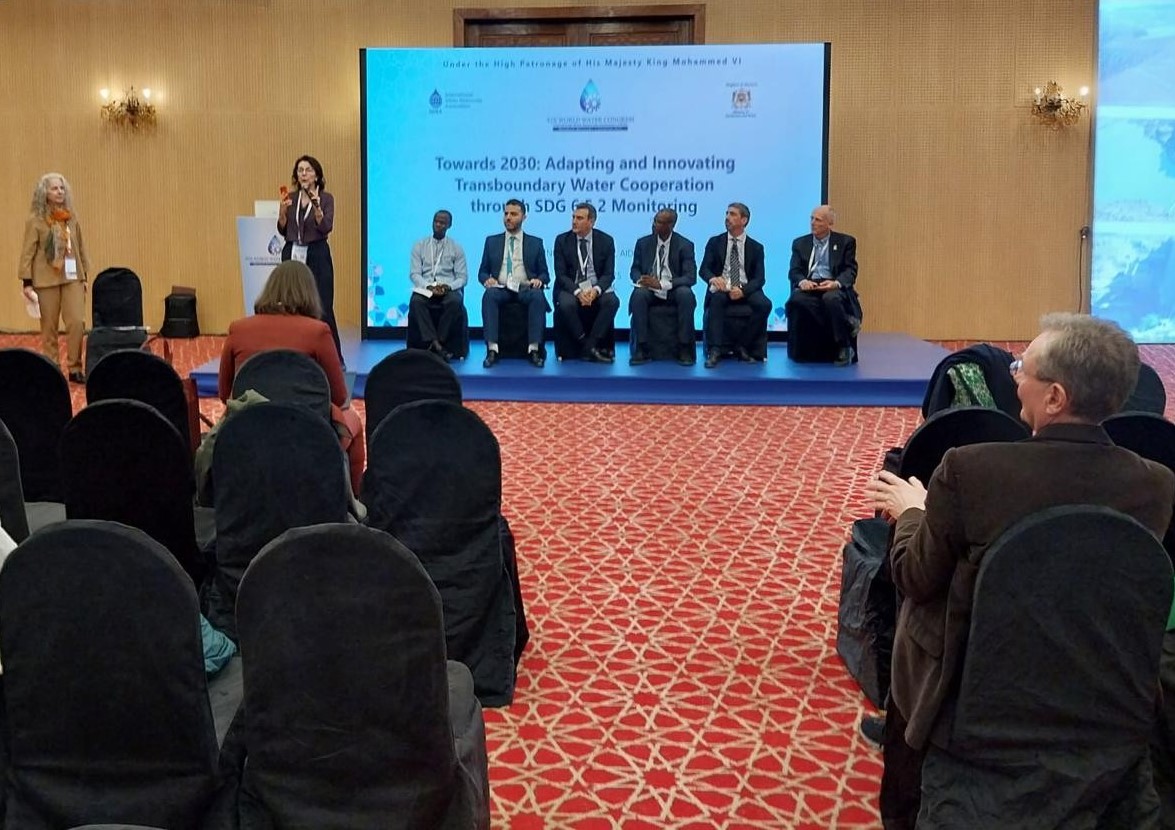
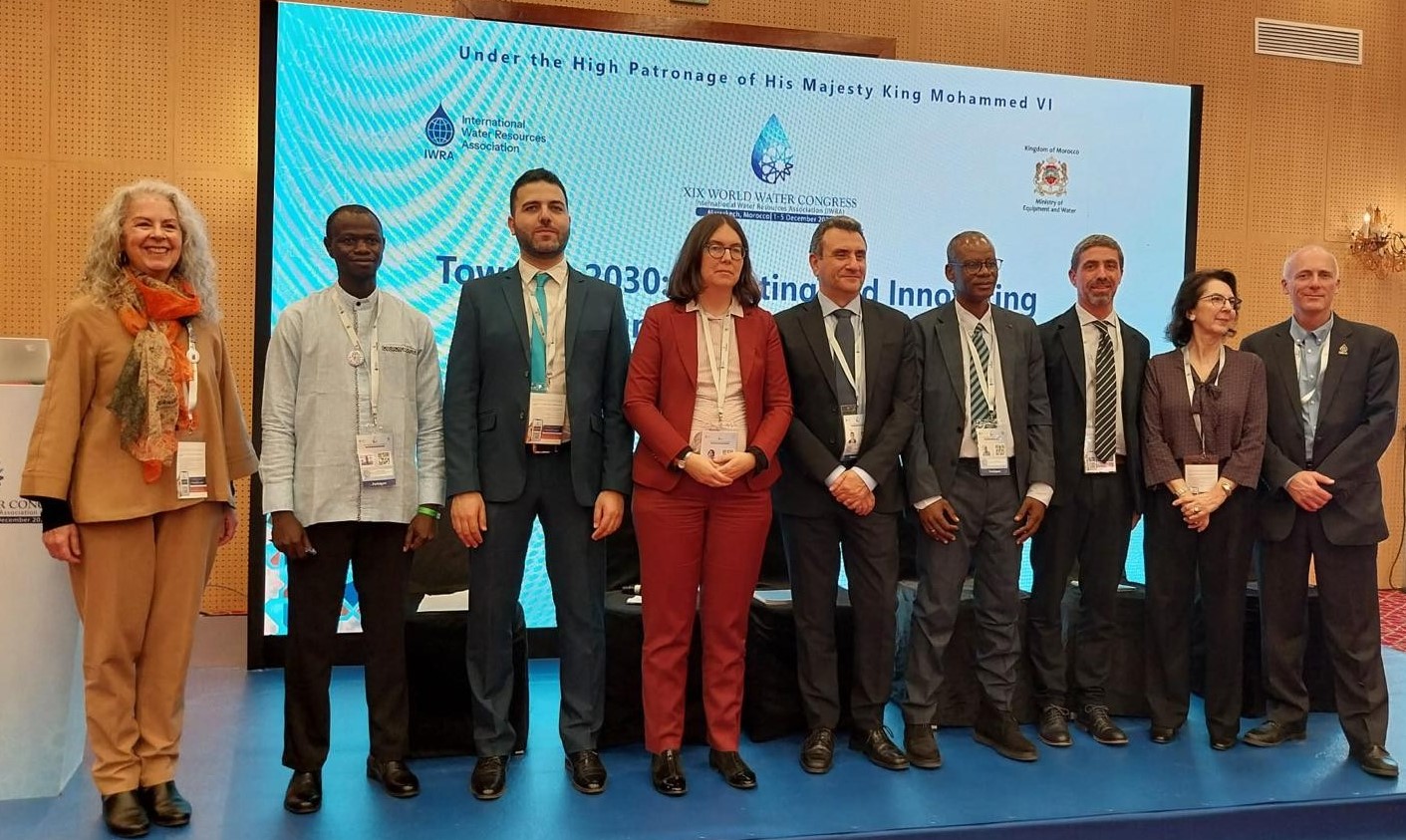
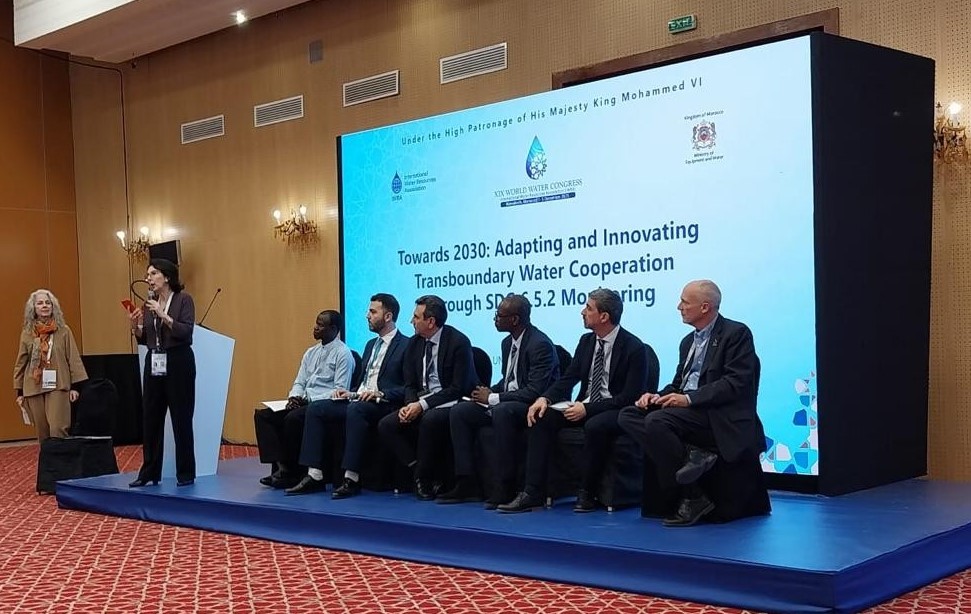
Marrakech, December 3, 2025
The Sahara and Sahel Observatory (OSS) took part in the High-Level Plenary of the 19th World Water Congress on “Water governance in a changing world: strengthening institutions and multilateral cooperation at all levels.”
Convened by the International Network of Basin Organizations (INBO), in partnership with UNESCO and the OECD, the session brought together regional organizations, multilateral institutions, policymakers and international experts to reflect on the transformations needed to address growing pressure on water resources and the escalating impacts of climate change.
Discussions highlighted the multidimensional challenges of water governance: rising demand, increasingly uncertain water availability and governance frameworks that remain insufficiently equipped to manage these pressures. Speakers emphasized the need for integrated approaches grounded in Integrated Water Resources Management (IWRM) and for stronger cooperation mechanisms to ensure sustainable and equitable management of shared basins.
Mr. Mohamedou Baba Sy, OSS representative and Water Department Director, stressed the importance of strengthening governance institutions to face increasing climate variability, and enhancing multilateral cooperation in transboundary basins - particularly shared aquifers - two strategic issues for the African continent. He underscored that lasting cooperation relies on robust institutional frameworks, regular data exchange, shared information systems, collaboration between regional organizations and a mutual trust.
Mr. Baba Sy showcased the achievements of the NB-ITTAS and SMAS projects, funded by the GEF through UNEP, demonstrating that when countries co-produce knowledge and co-manage their natural resources, cooperation becomes stronger, more sustainable and more replicable.
The OSS participation reaffirmed its growing role in supporting institutional water governance reforms, advancing transboundary cooperation, contributing to the implementation of the SDGs - particularly SDG 6.5.2 - and assisting African countries as they confront climate change challenges.
Held on January 28, 2025 in Tunis, the 27th session of the Strategic Orientation…
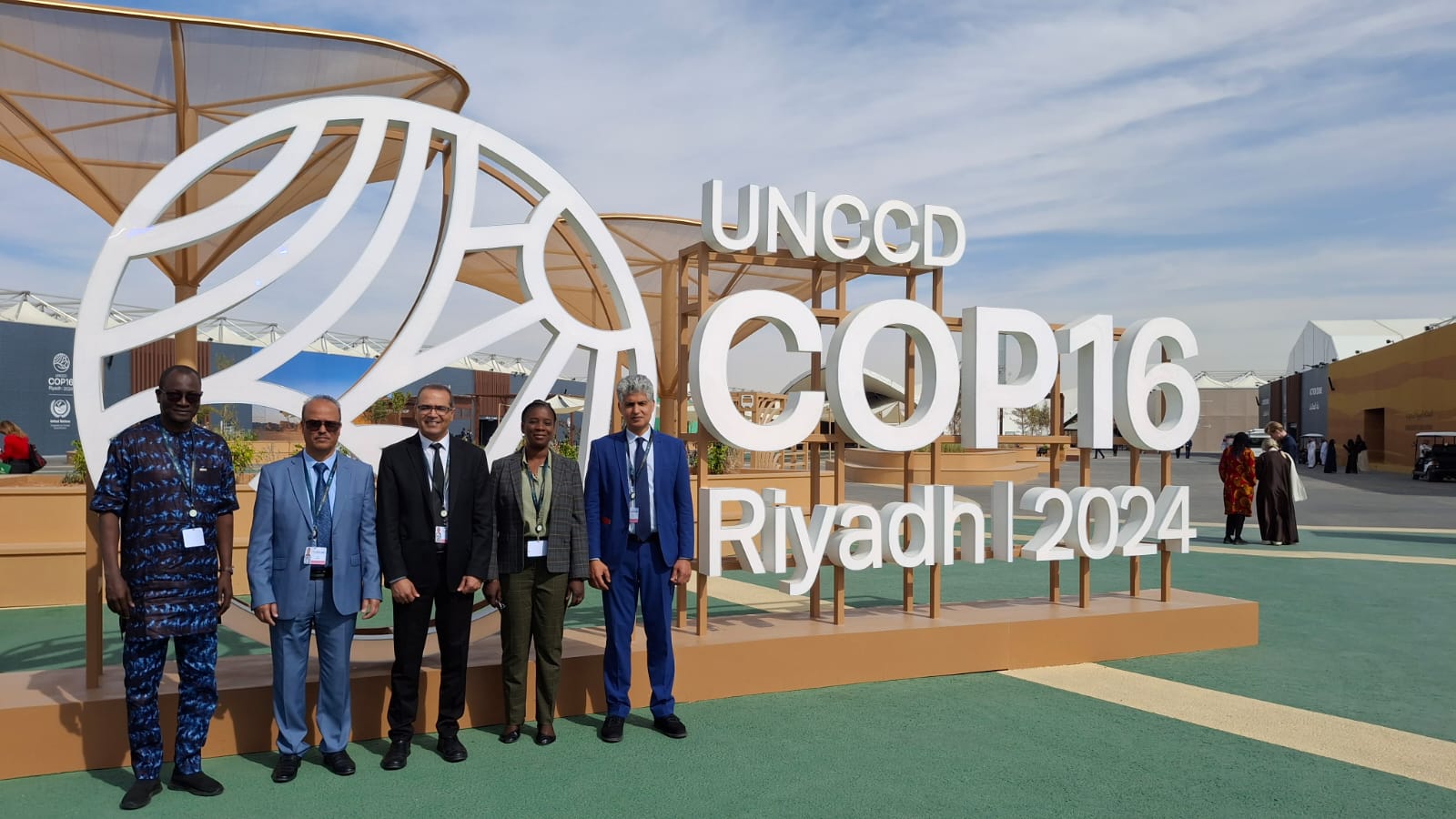
The participation of the Sahara and Sahel…
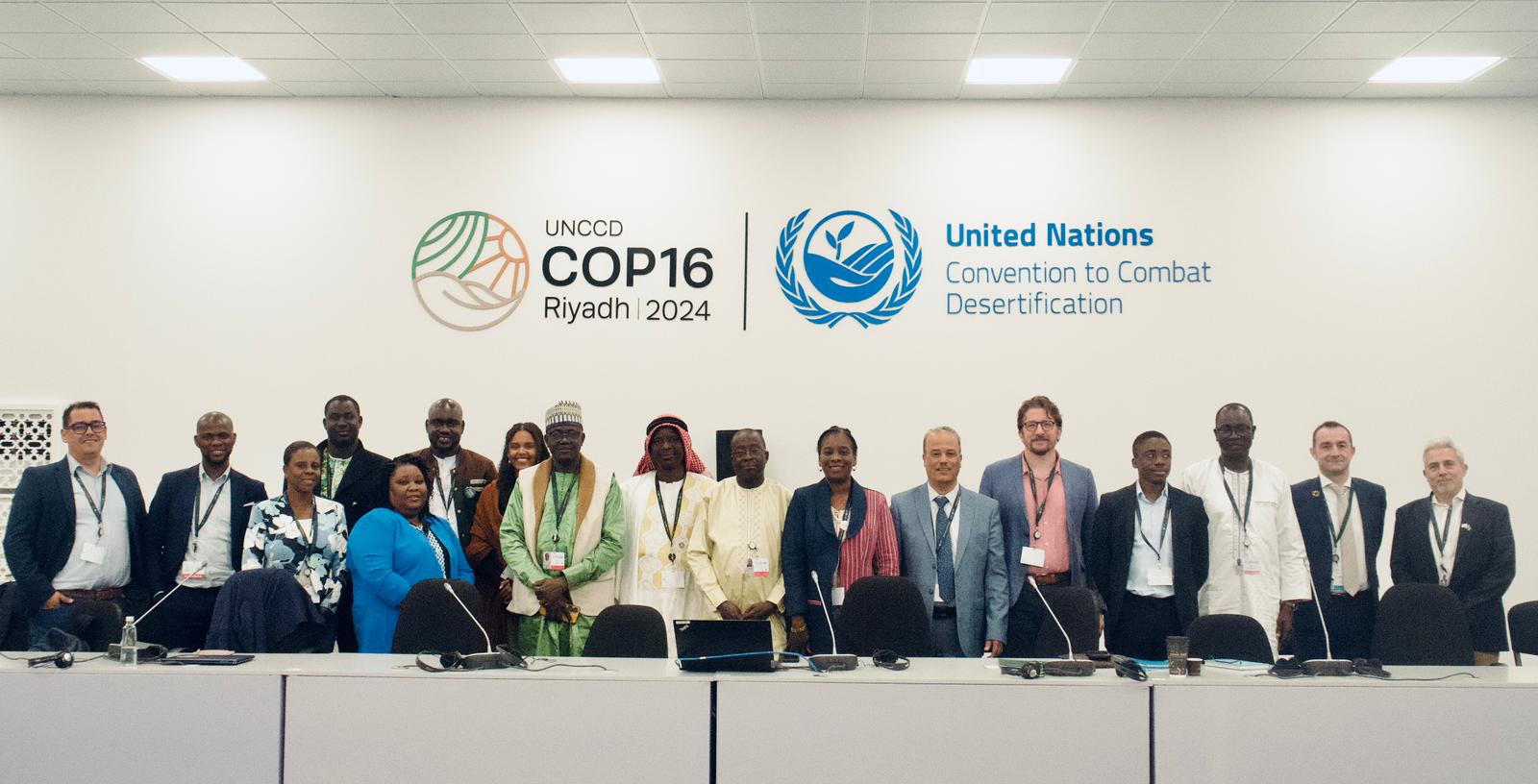
OSS Side Event at COP16: Strengthening Resilience in the Sahel through Multi-…