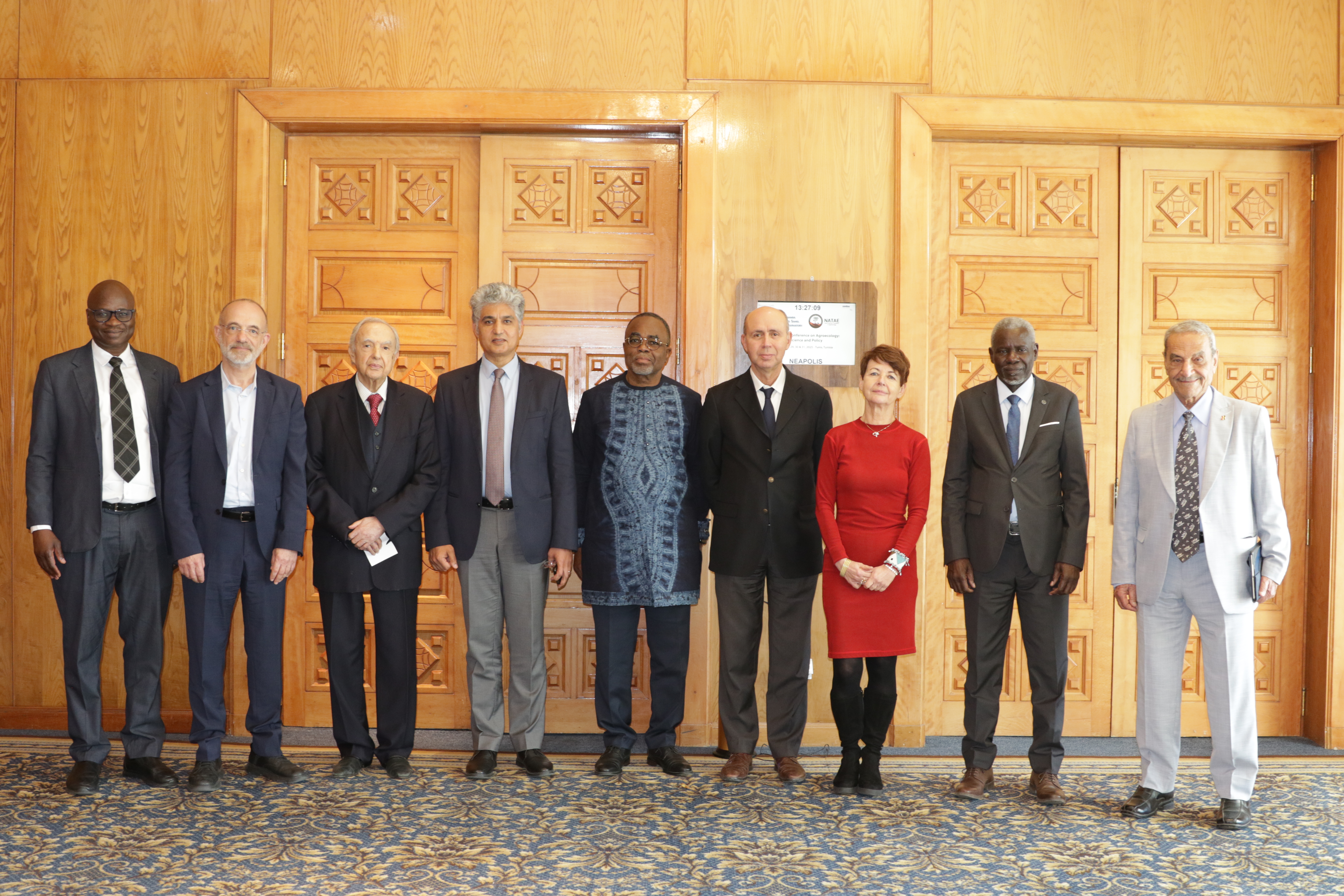
27th Session of the OSS Strategic Orientation Committee, Tunis, January 28, 2025
Held on January 28, 2025 in Tunis, the 27th session of the Strategic Orientation…
Antalya, Türkiye | 16 November 2026
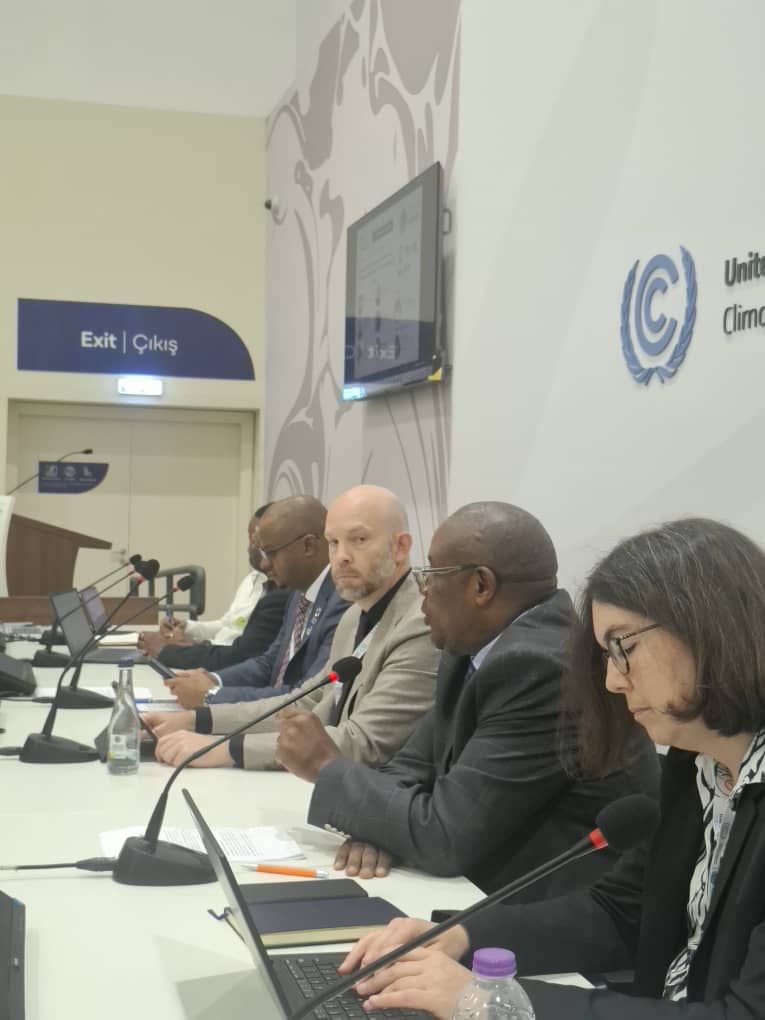
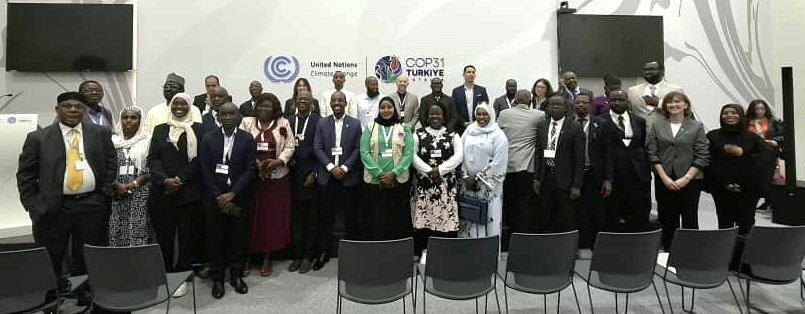
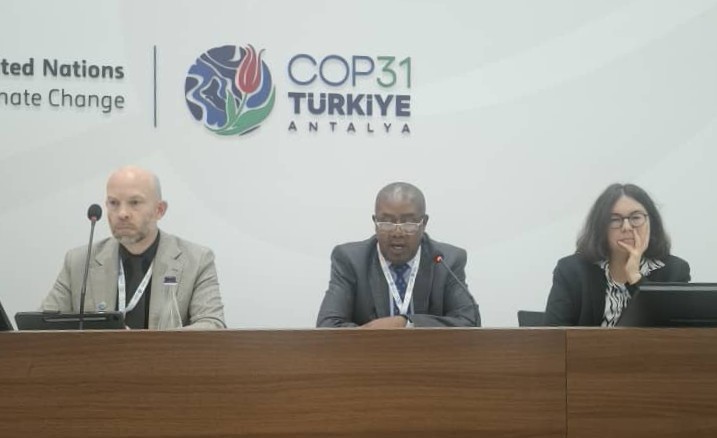
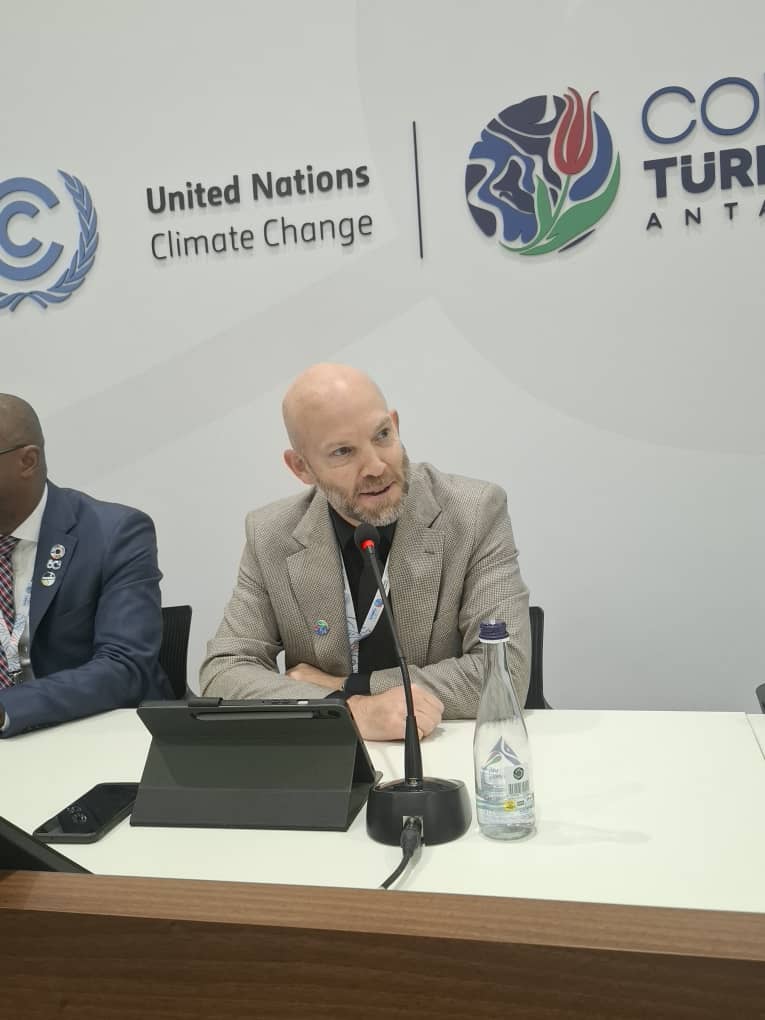
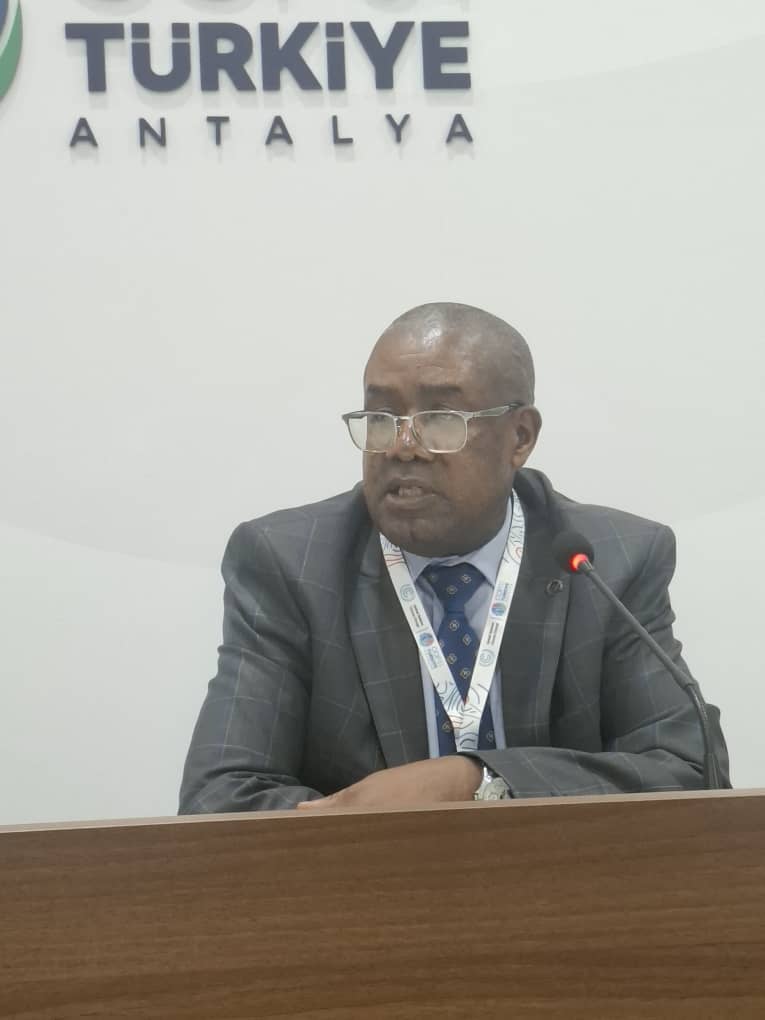
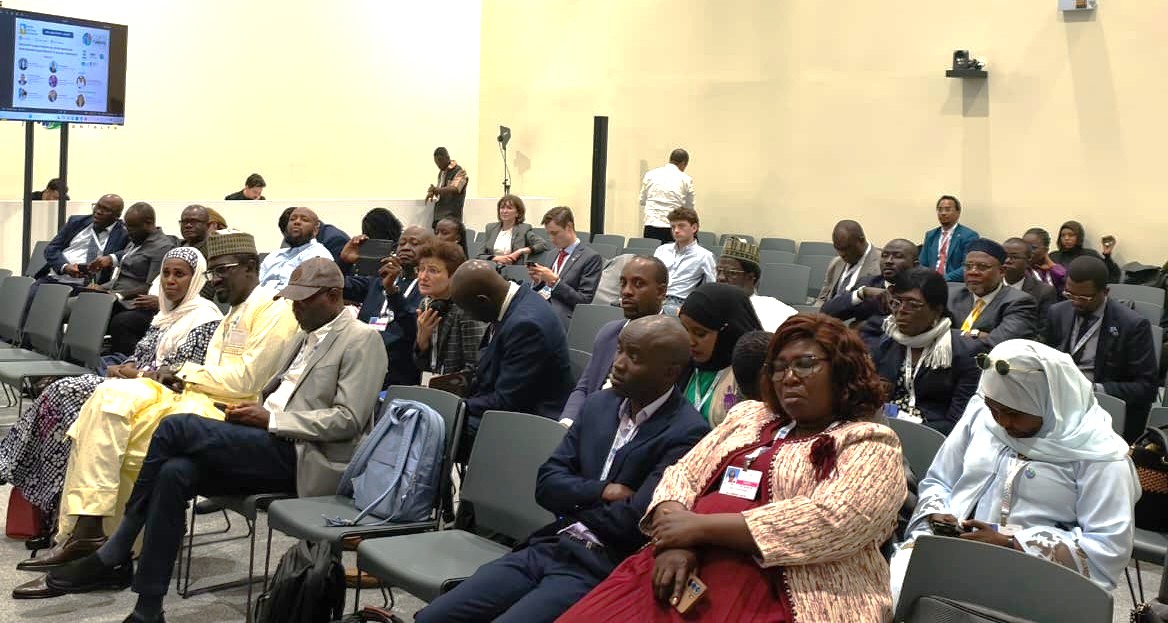
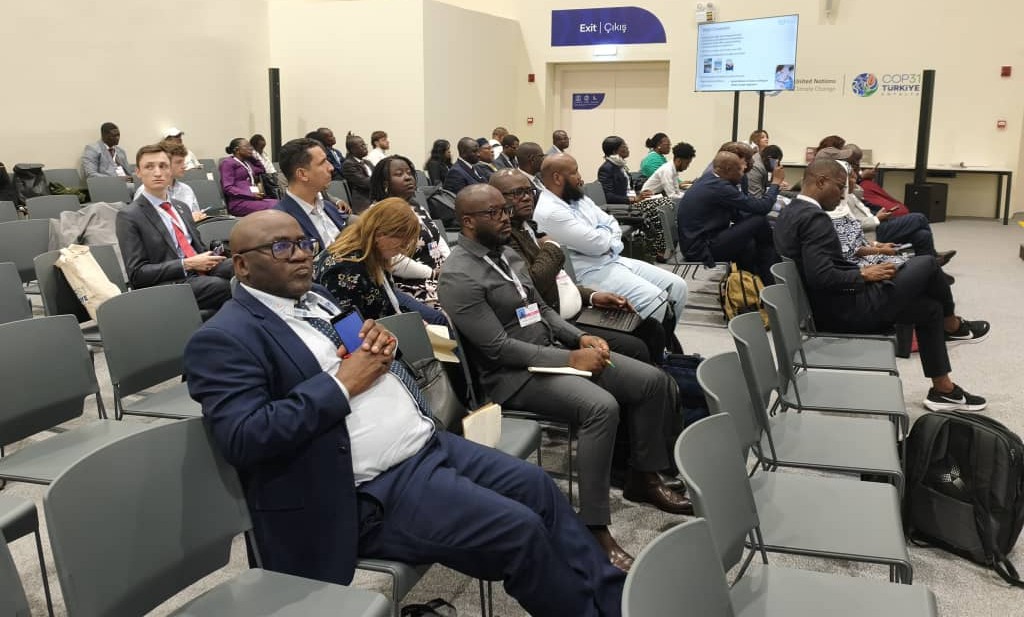
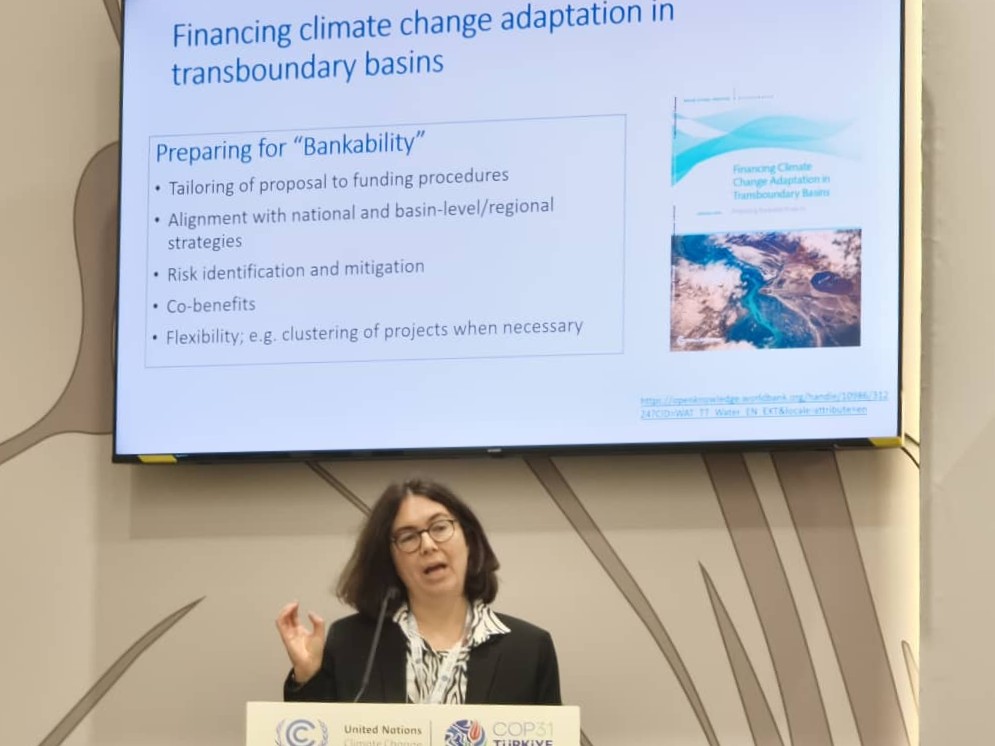
On 16 November 2026 in Antalya, during COP31, the Sahara and Sahel Observatory (OSS), in partnership with the International Network of Basin Organizations (INBO) and the World Water Council (WWC), brought together diplomats, climate finance experts and water resource management specialists. This high-level meeting highlighted the close links between water and climate, as well as the urgent need to mobilize funding tailored to the needs of African countries. Discussions focused on how to turn adaptation priorities into bankable projects and sustainable investments, particularly in transboundary basins.
Water: A Priority for Climate Finance in Africa
In Africa, the impacts of climate change are largely felt through water. Increasing droughts and floods, changing rainfall patterns and growing pressure on water resources are placing populations, ecosystems and economies under strain. In this context, sustainable water management is a major priority for climate adaptation and territorial resilience.
Against these challenges, financing needs continue to grow, while the resources mobilized remain insufficient. This is compounded by the difficulty of preparing projects that meet the requirements of international climate finance mechanisms. Accessing these funds requires strong technical and institutional capacities, as well as a sound understanding of funding procedures and the requirements for demonstrating climate benefits.
These issues were at the heart of the side event entitled “Unlocking Climate Finance for Water Adaptation: From Bankable Basin Projects to Scalable Investments.” The discussion focused in particular on the conditions needed to turn water management priorities into well-structured projects capable of attracting funding and being scaled up.
A High-Level Dialogue Bringing Together Complementary Expertise
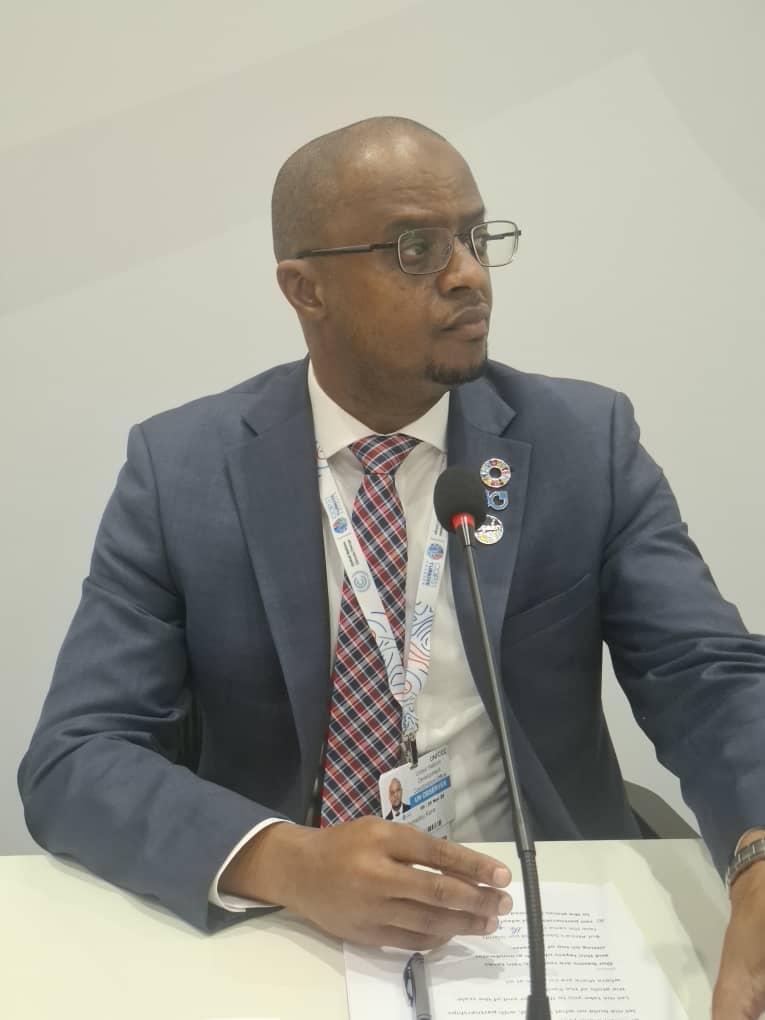
The quality and diversity of the speakers gave the meeting a diplomatic, technical and financial dimension. The panel brought together Dr. Bradley Hiller, from the Islamic Development Bank; Ms. Sonja Koeppel, Secretary of the Water Convention; Mr. Mamadou Kane, United Nations Resident Coordinator in Micronesia; and Dr. Callist Tindimugaya, from Uganda's Ministry of Water and Environment.
The participation of Mr. Léonard Butoyi, Assistant to the Minister of Environment, Agriculture and Livestock of Burundi, as well as the Director of the Great Green Wall in Chad, also provided a national perspective on adaptation challenges and the financing needs of African countries.
In her keynote address, Dr. Khaoula Jaoui, Director of the OSS Climate Department, shed light on climate finance mobilization and the importance of developing adaptation projects that address African priorities.
By bringing together these complementary profiles, the OSS, INBO and the World Water Council fostered dialogue between water management institutions, cooperation stakeholders and financial partners, around a shared objective: facilitating the transition from adaptation priorities to tangible investments.
Aligning Projects with Climate Finance Requirements
Access to climate finance depends not only on the availability of funding. It also relies on institutions' ability to design robust projects, demonstrate their contribution to climate adaptation and meet the eligibility criteria of international financial mechanisms.
In the water sector, this requires better integration of climate risks into planning, reliable knowledge of available resources and needs, and stronger capacities in project development, management and monitoring.
Understanding climate fund procedures, assessing expected benefits and establishing appropriate governance arrangements are all essential to improving access to financing. It is also important to move beyond isolated initiatives towards larger-scale investment programmes capable of addressing the long-term needs of local communities and territories.
This transition requires technical and institutional support for African countries, enabling them to prepare and implement projects that meet donors' requirements while safeguarding their national and regional priorities.
Transboundary Cooperation: A Driver of Sustainable Investment
Across Africa, many river basins and aquifer systems are shared by several countries. Their management requires close cooperation, particularly as climate change impacts transcend national borders and affect interconnected territories.
Basin organizations play a key role in this process. They facilitate dialogue between States, knowledge sharing and the identification of common priorities. They are also instrumental in developing coherent regional programmes capable of attracting funding and generating benefits across several countries.
However, transboundary projects face specific financing and implementation challenges. They require shared governance mechanisms, a clear allocation of responsibilities and effective coordination among the institutions involved. Their preparation must also take into account the requirements of financial partners and the specific circumstances of each territory.
In this regard, strengthening the capacities of basin organizations and improving coordination between national adaptation strategies and regional water management plans are essential conditions for developing large-scale, long-term investments.
OSS: A Key Convening Actor for African Solutions
By organizing this meeting with INBO and the World Water Council, the OSS reaffirmed its leading role in mobilizing expertise and bringing together technical, institutional and financial stakeholders around Africa's climate priorities.
Drawing on its experience in the concerted management of shared natural resources and its accreditation status with the Green Climate Fund and the Adaptation Fund, the Observatory is strategically positioned at the intersection of scientific expertise, regional cooperation and climate finance.
The OSS supports African countries in identifying their needs, preparing projects and strengthening their capacity to access climate finance. Its work aims to align national and regional priorities with the opportunities offered by international financial mechanisms, while promoting approaches tailored to local realities.
This approach places African expertise and solutions at its core. It recognizes the capacity of countries across the continent to design, lead and implement their own responses to climate challenges, drawing on their institutions, knowledge and cooperation experience.
Through this initiative, the OSS and its partners reaffirm their commitment to climate adaptation based on cooperation, capacity building and the mobilization of sustainable finance. By connecting African expertise with international financial mechanisms, the Observatory is helping make coordinated water management a strategic driver of resilience and sustainable development across the continent.
Held on January 28, 2025 in Tunis, the 27th session of the Strategic Orientation…
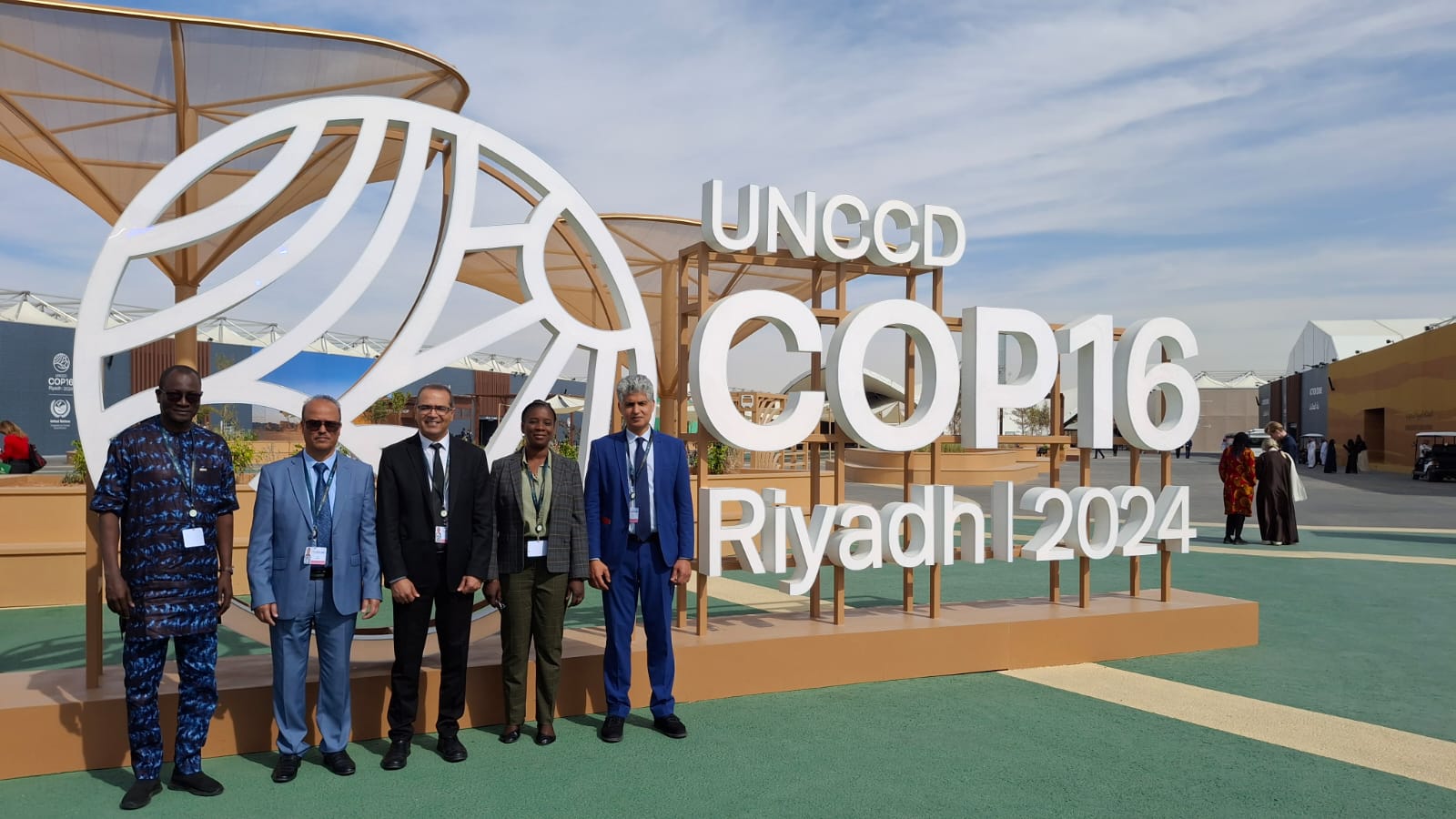
The participation of the Sahara and Sahel…
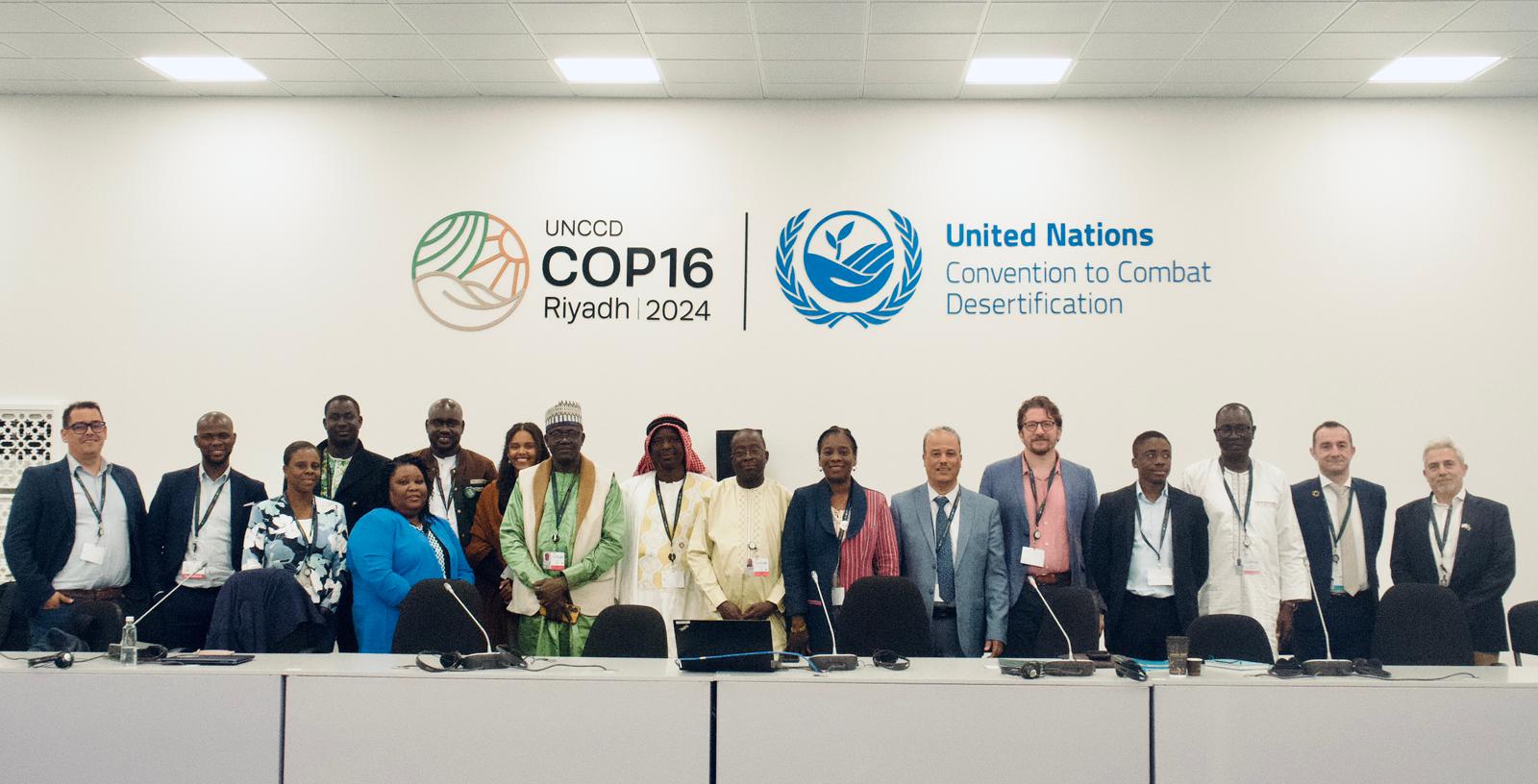
OSS Side Event at COP16: Strengthening Resilience in the Sahel through Multi-…