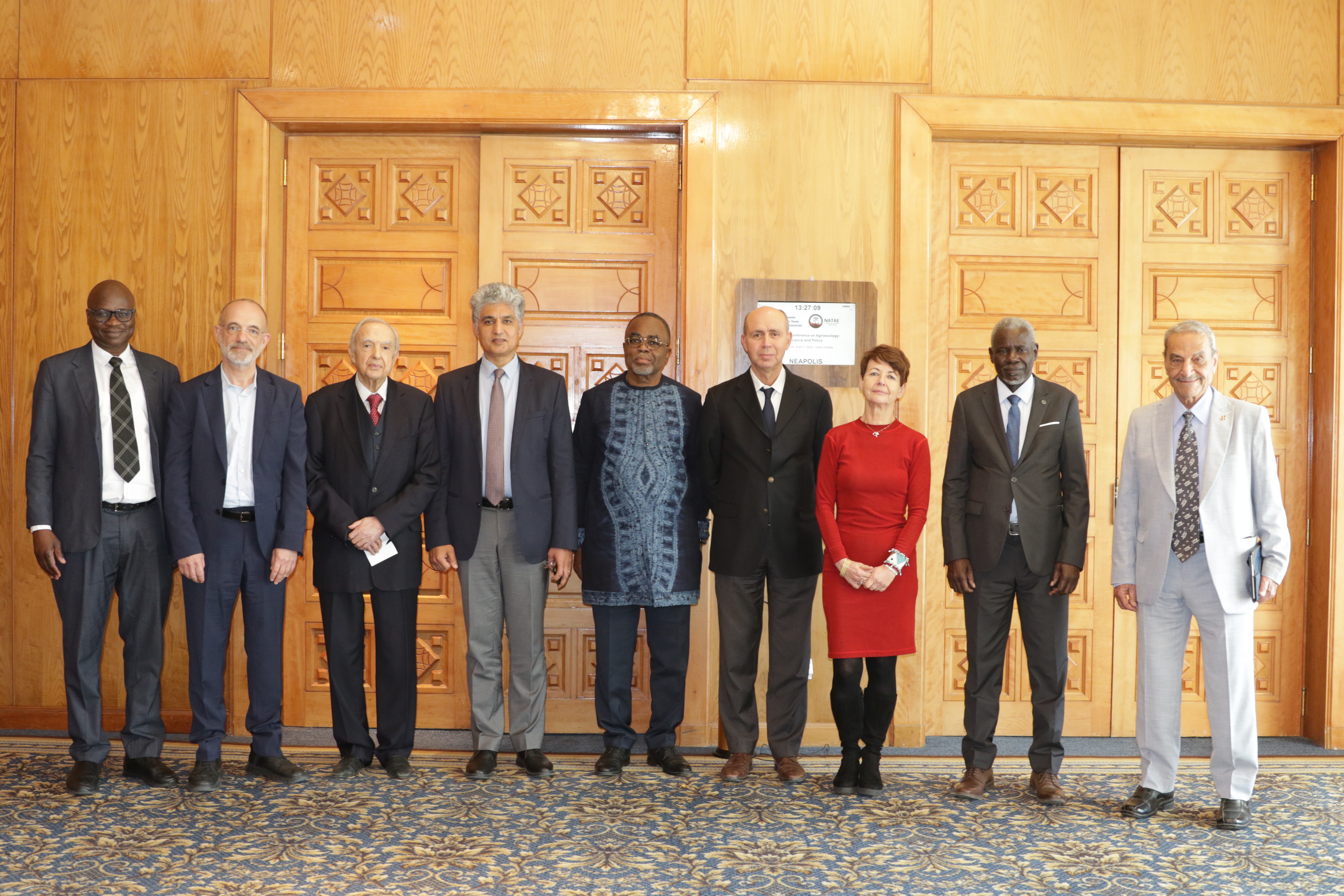
27th Session of the OSS Strategic Orientation Committee, Tunis, January 28, 2025
Held on January 28, 2025 in Tunis, the 27th session of the Strategic Orientation…
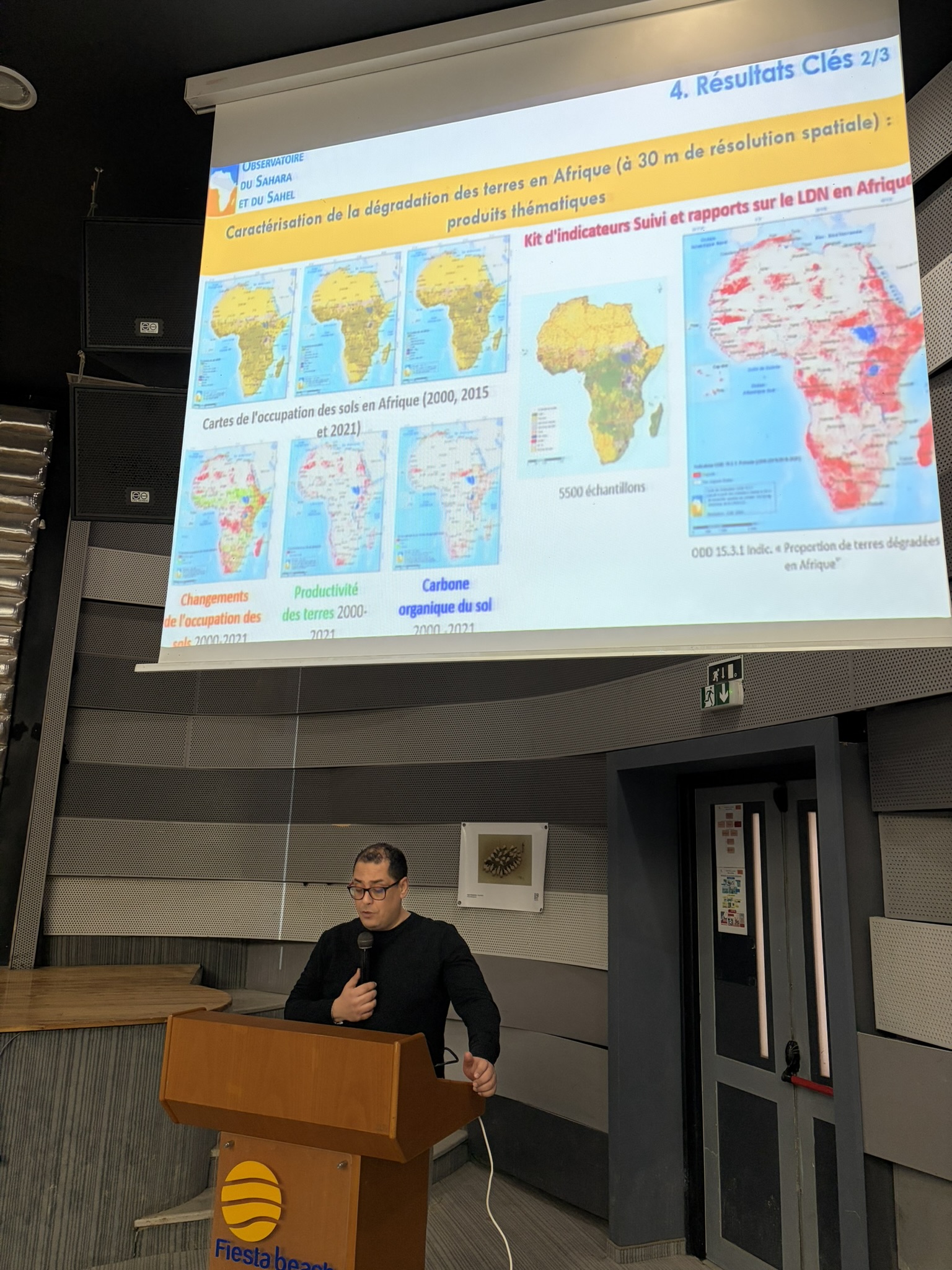
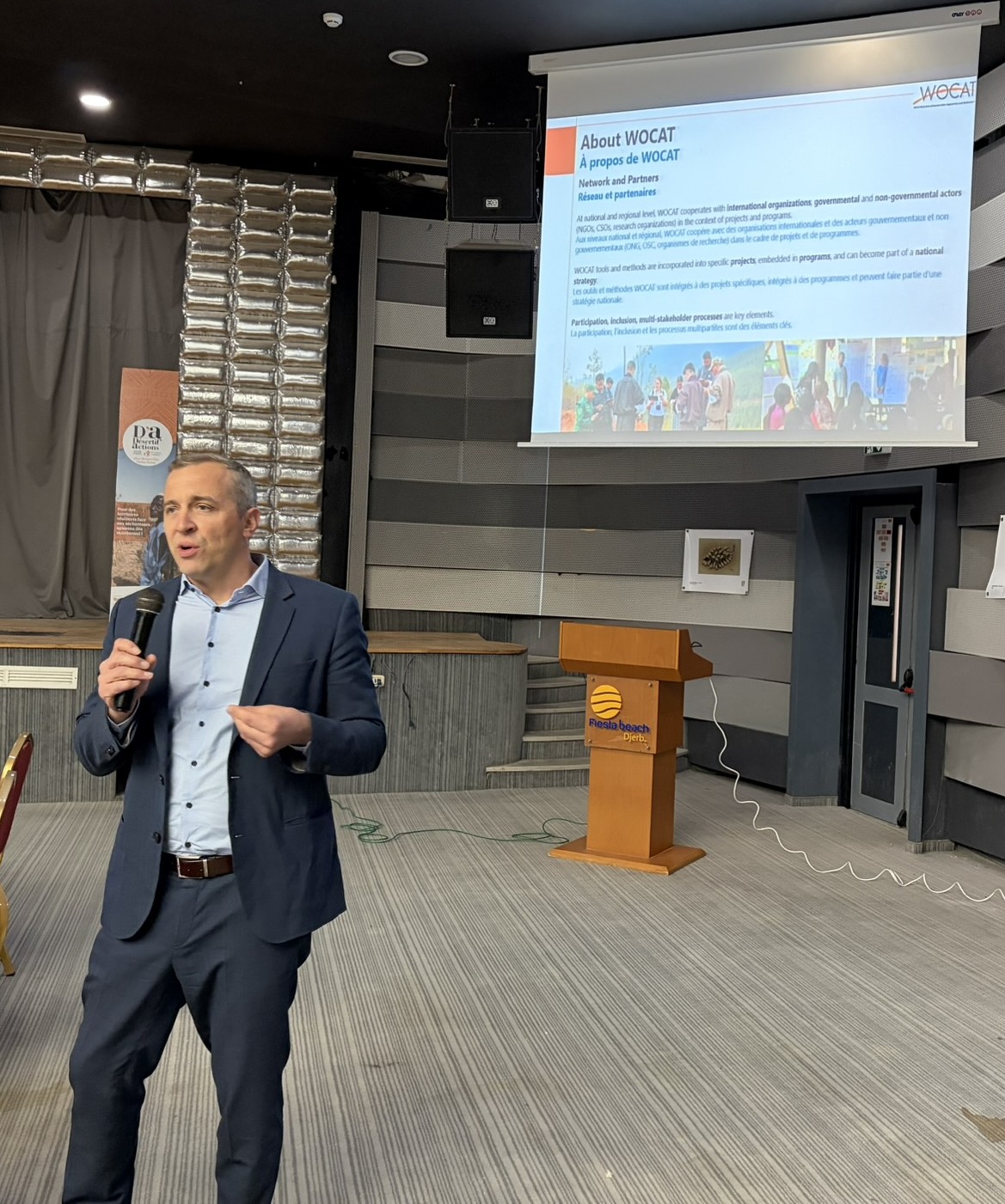
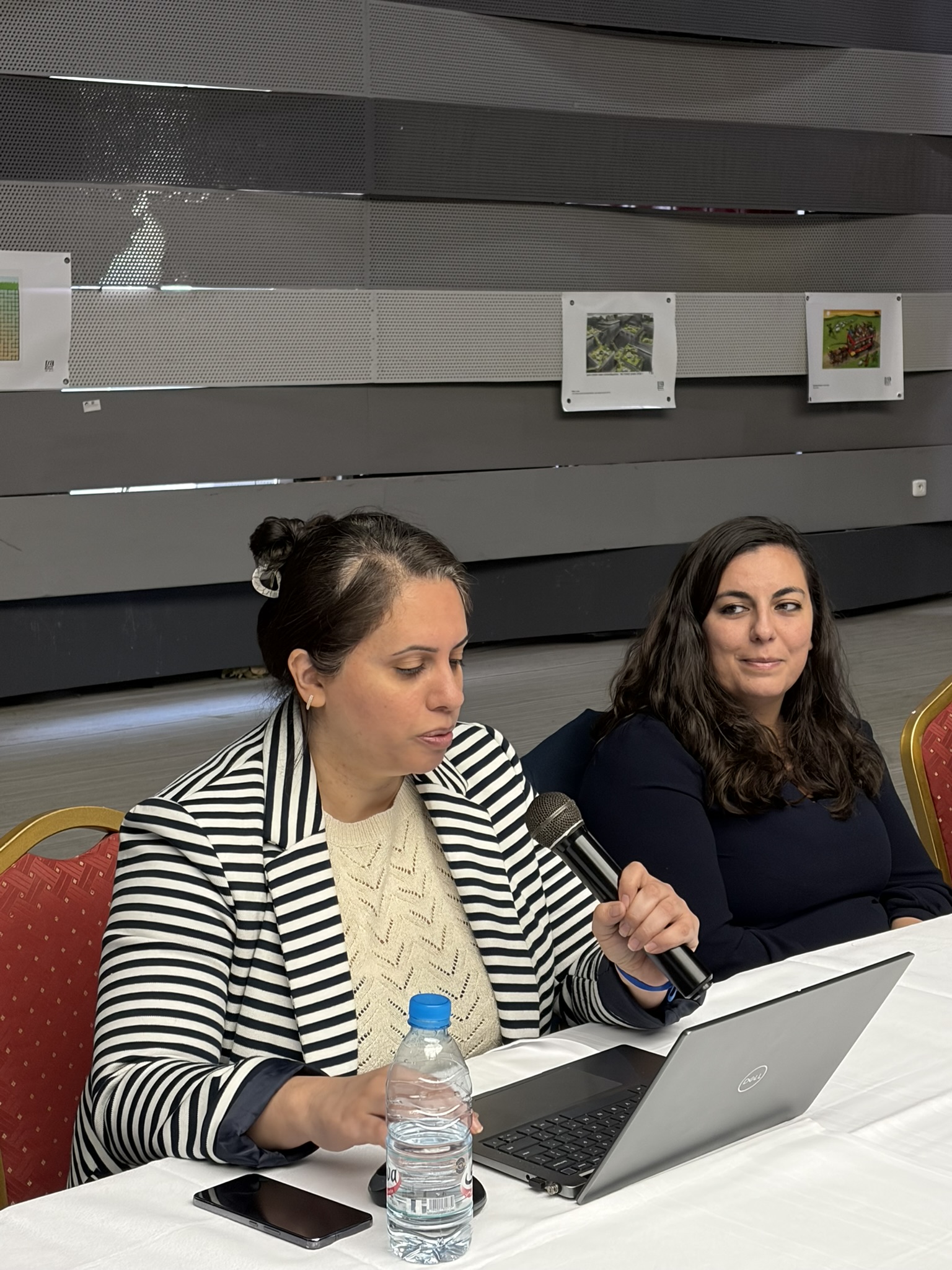
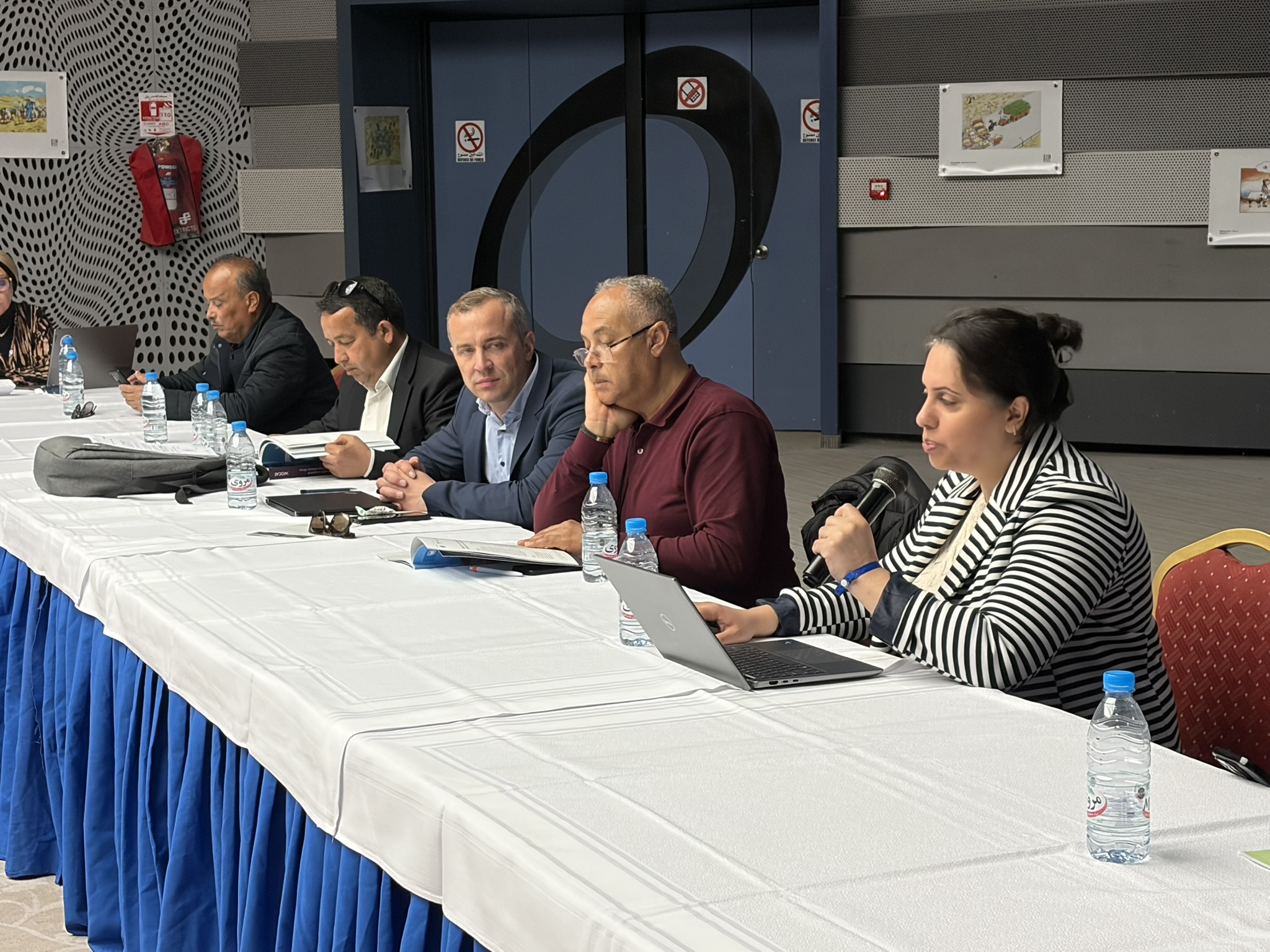
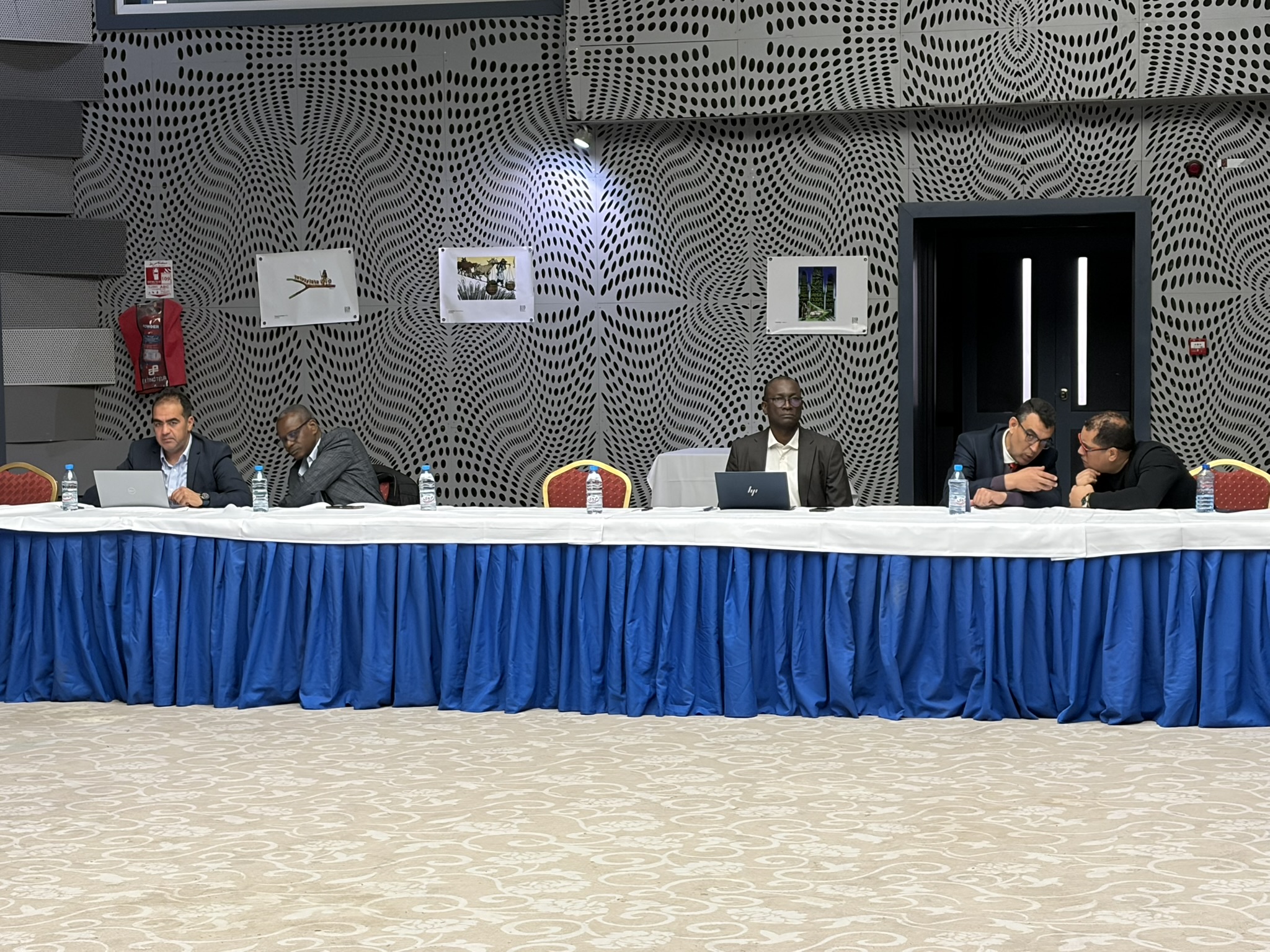
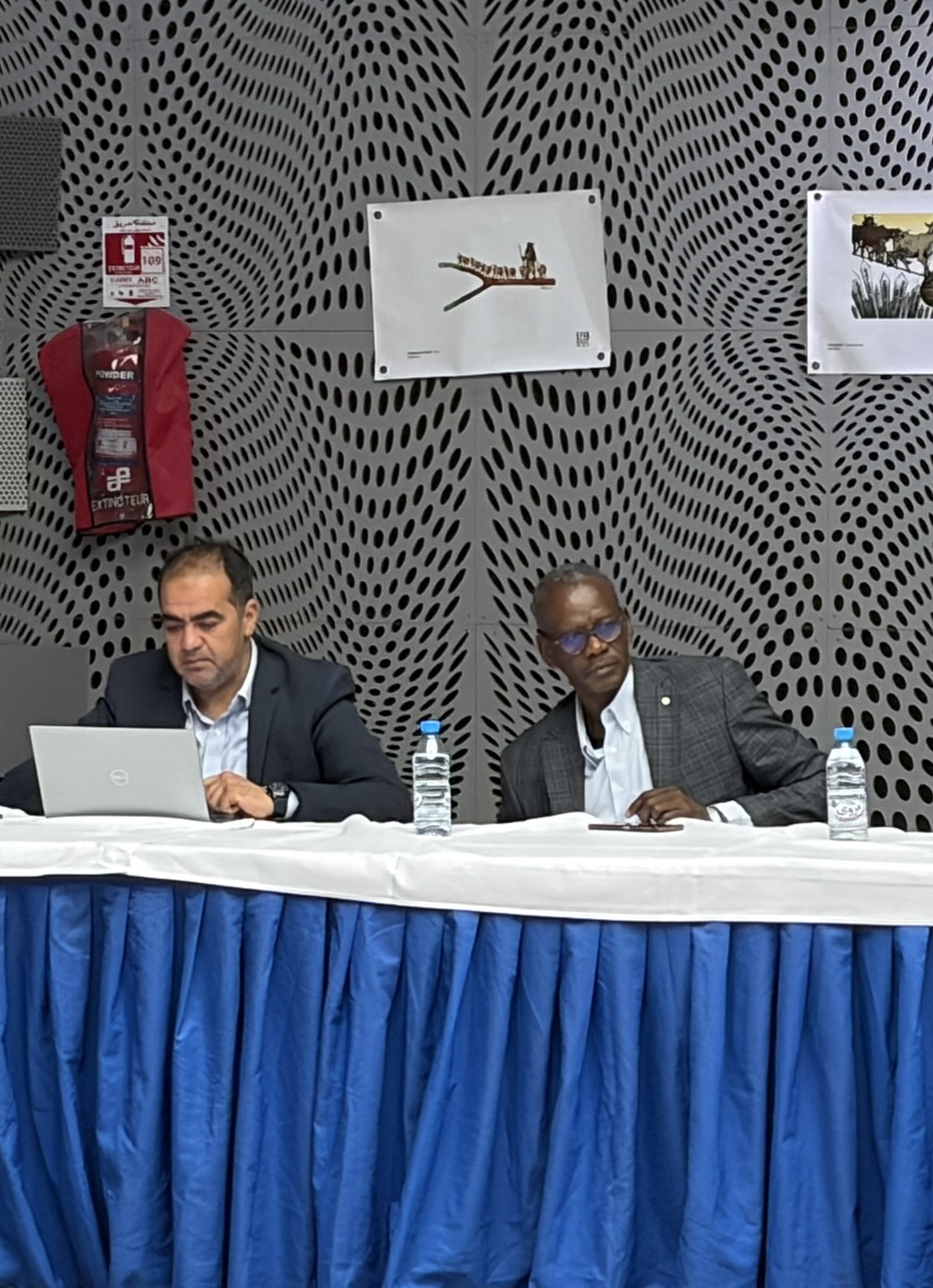
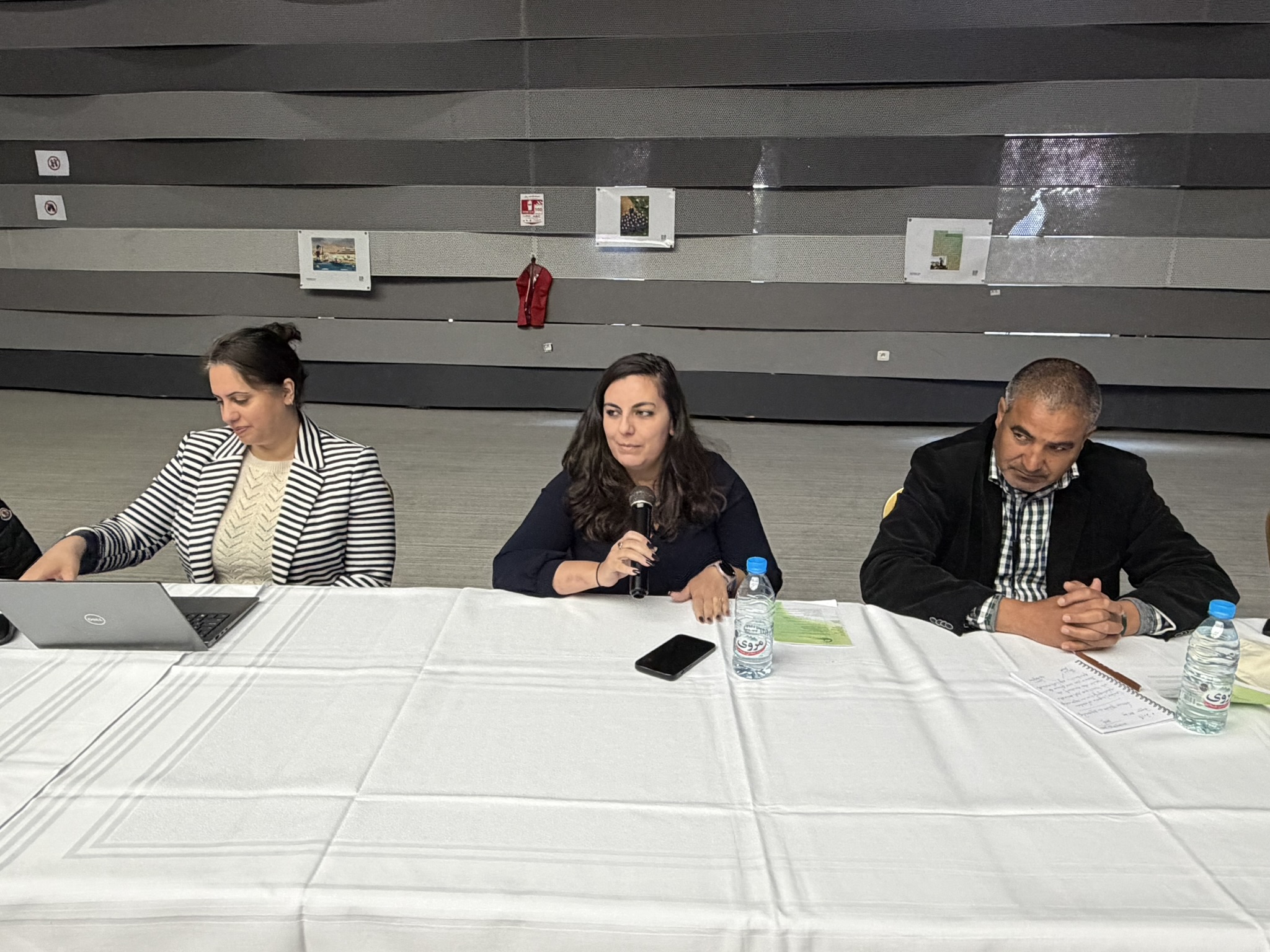
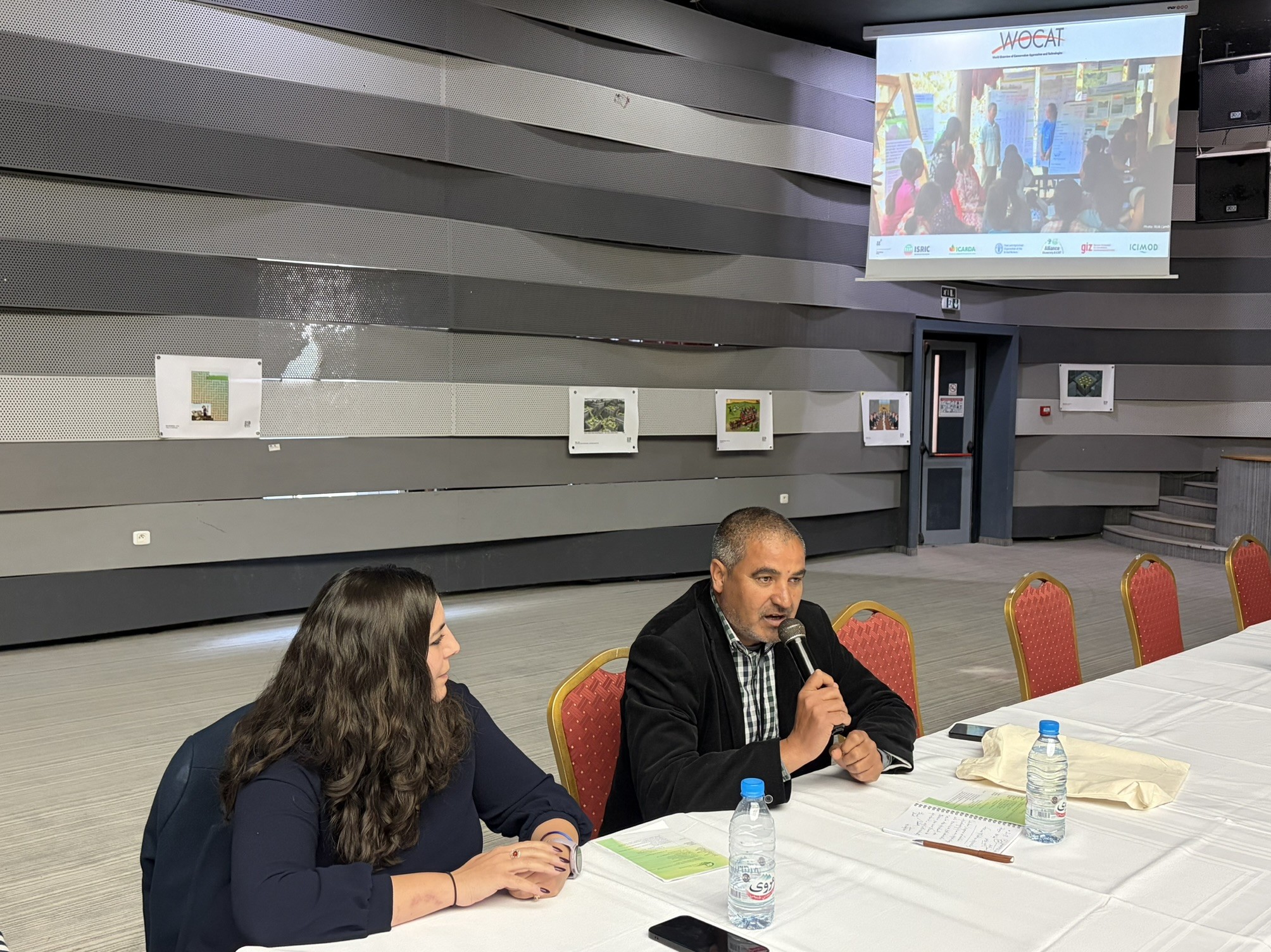
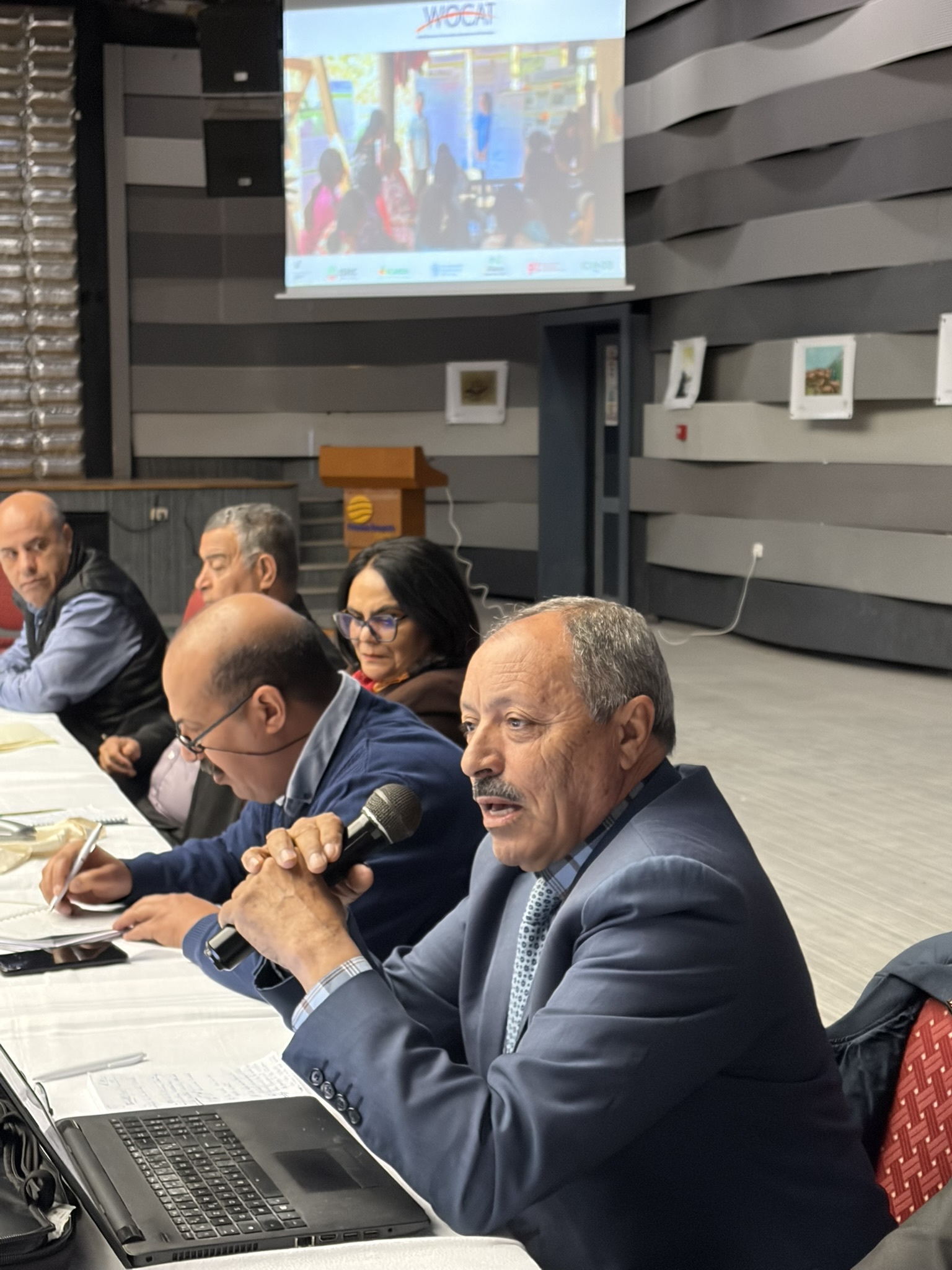
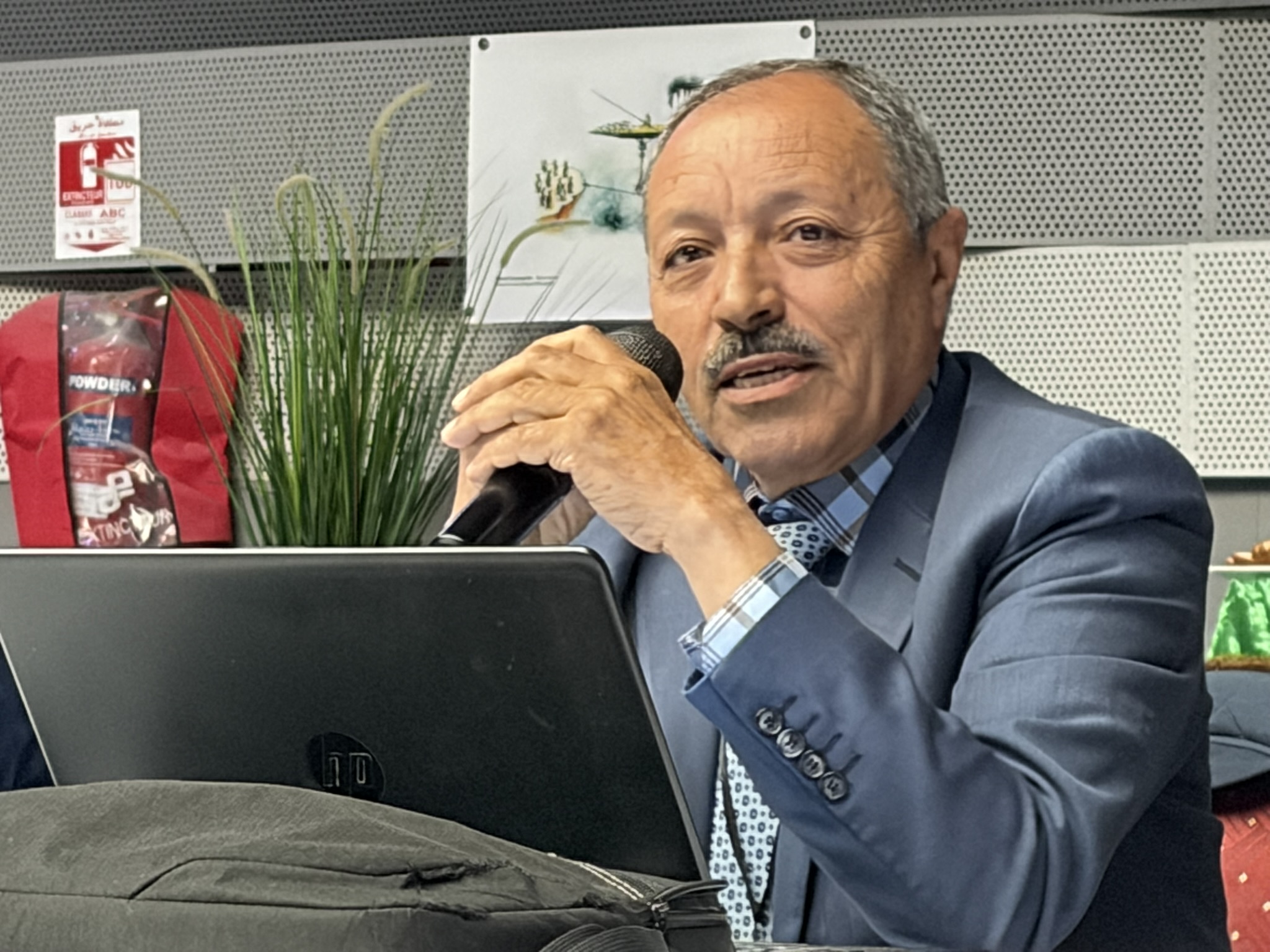
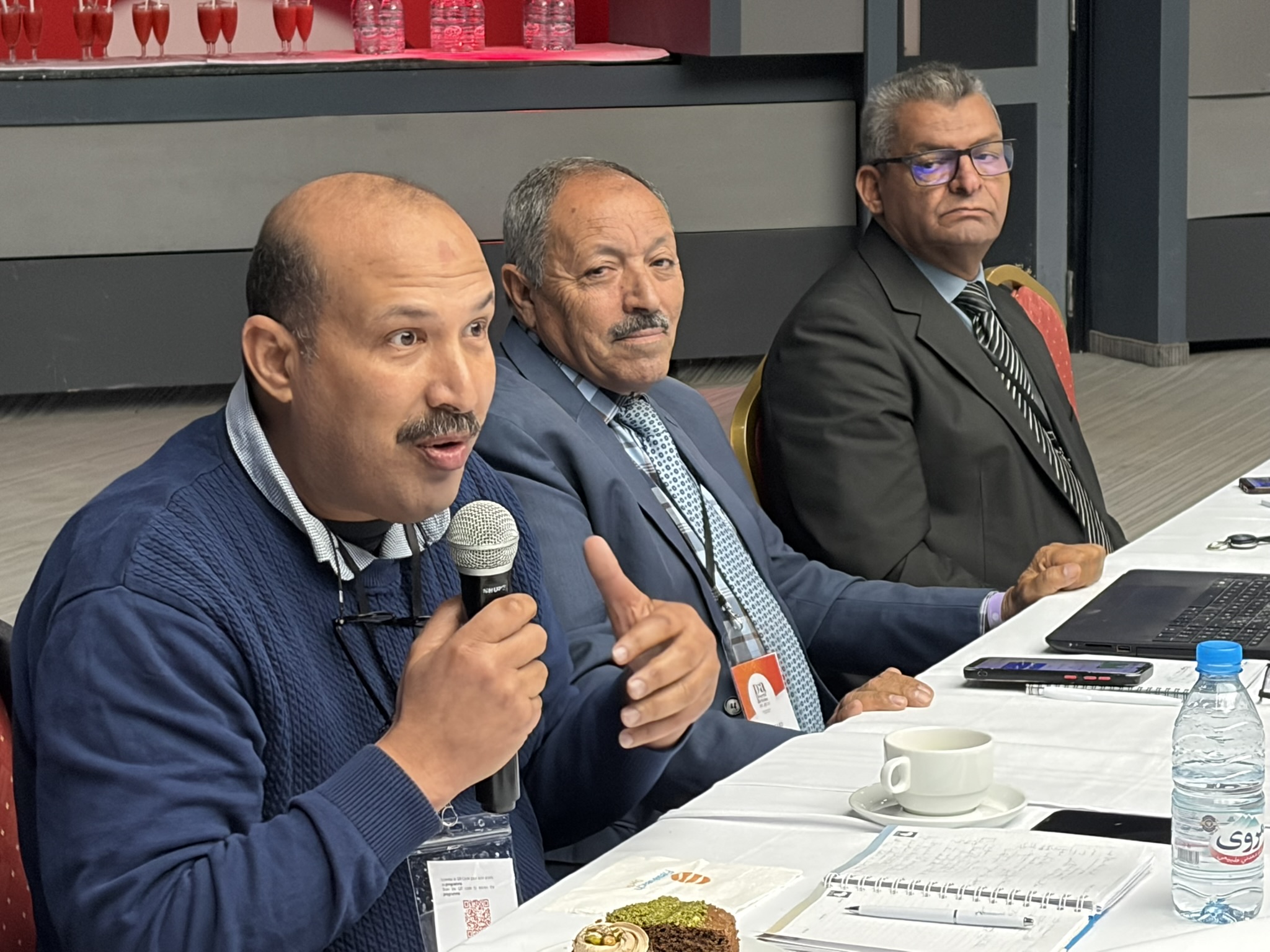
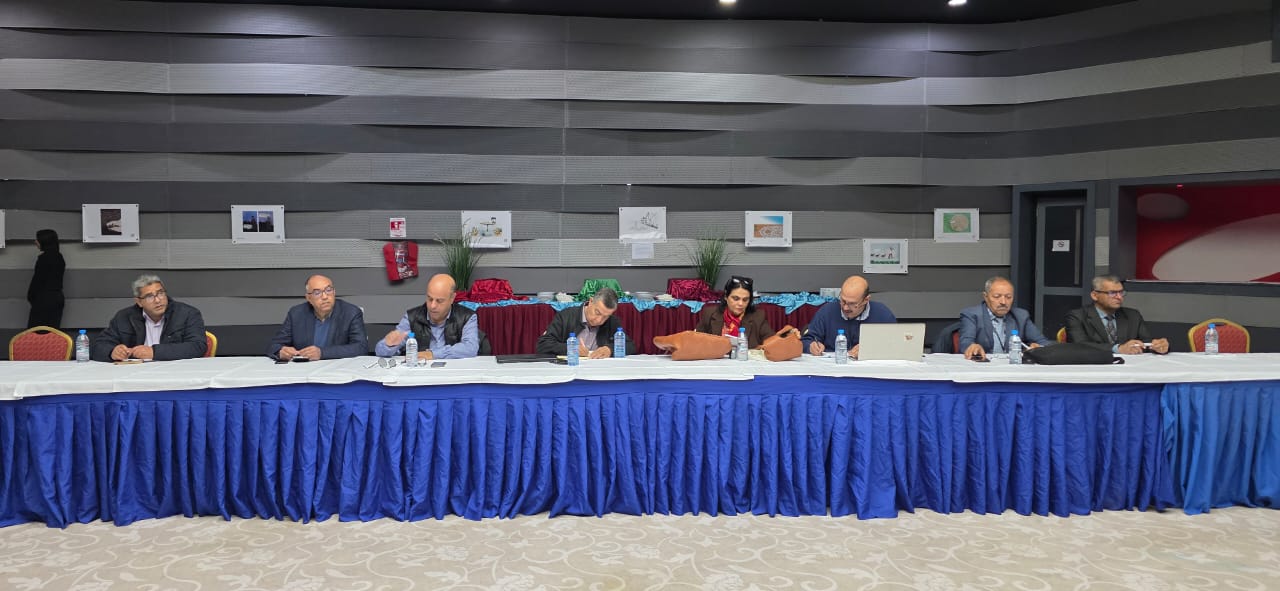
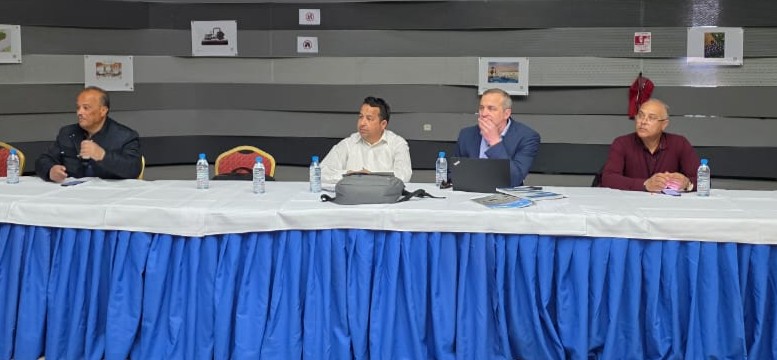
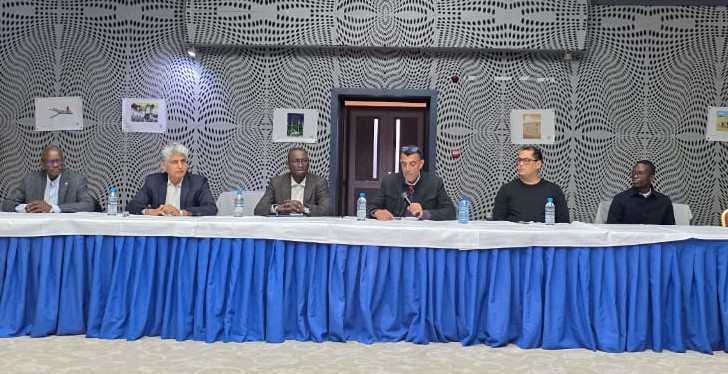
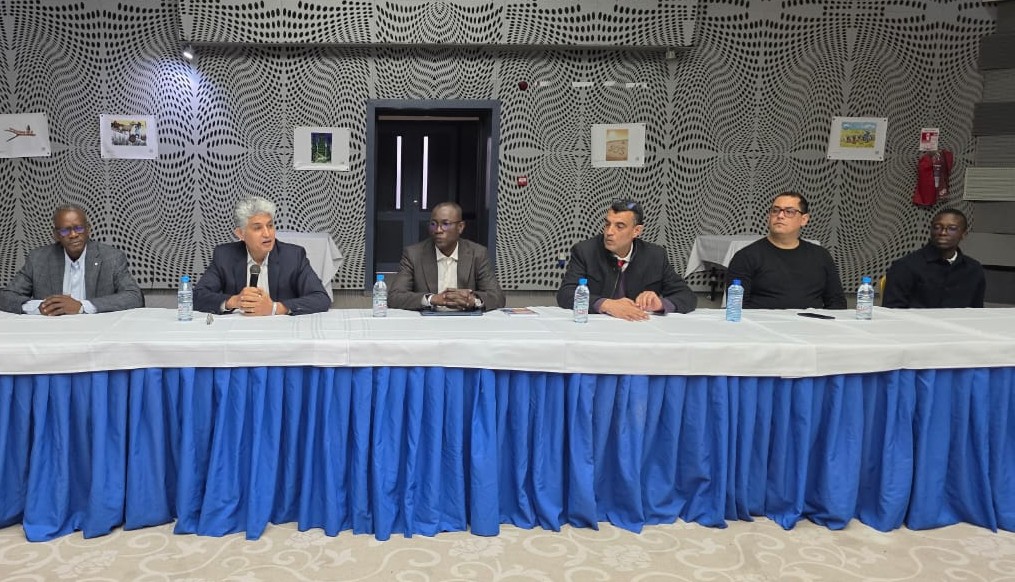
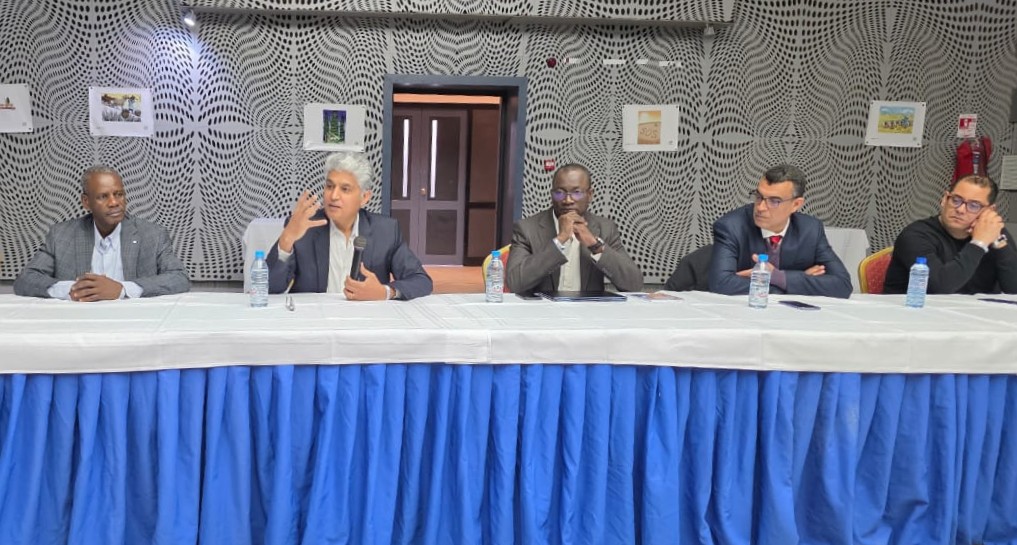
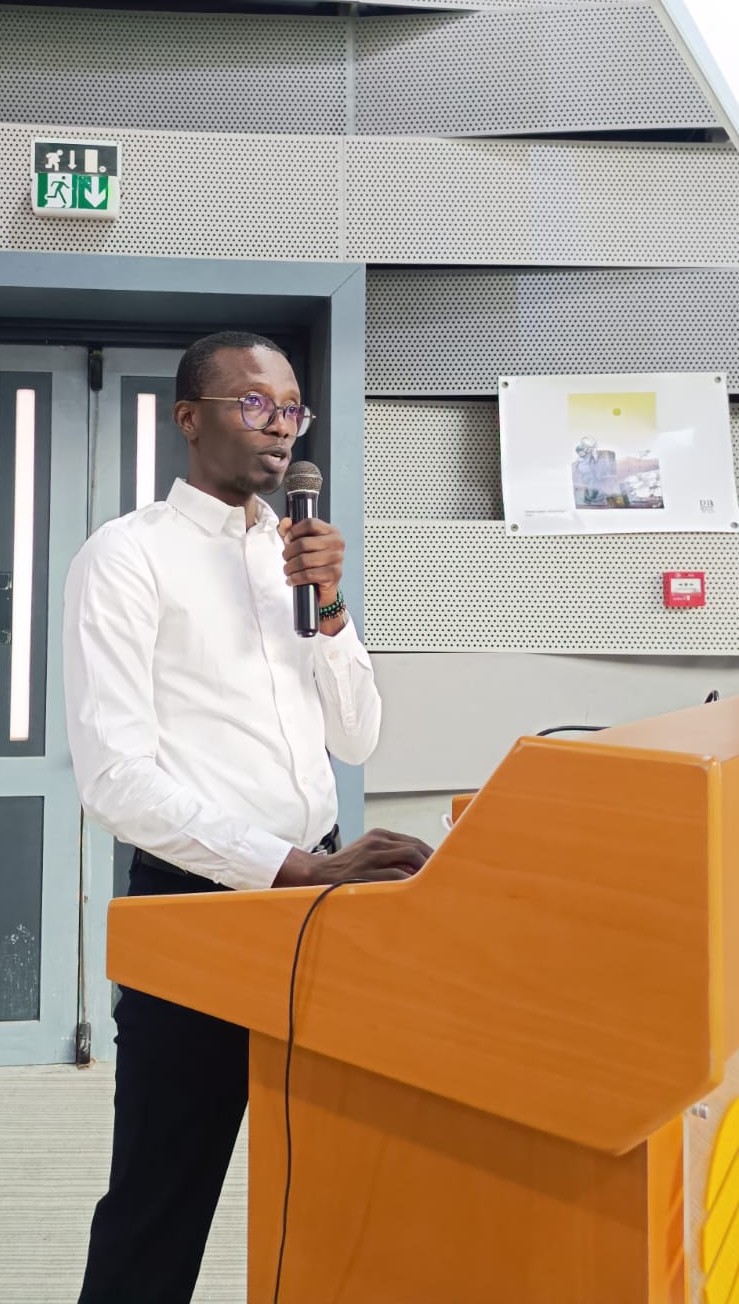
Land Degradation Neutrality and strengthened reporting as a strategic lever for sustainable land management were at the core of the awareness session dedicated to civil society organizations, held on March 28, 2026 in Djerba, on the sidelines of the Desertif’Actions 2026 International Summit. This meeting highlighted the need to produce reliable, structured, and decision-oriented data, based on an integrated approach linking Earth observation, technical expertise, and local knowledge.
Carried out under the Umbrella project, implemented in Tunisia by the Sahara and Sahel Observatory in collaboration with the Tunisian Ministry of Environment, with support from the United Nations Environment Programme and funding from the Global Environment Facility, this session is part of a broader effort to strengthen national monitoring capacities and improve the quality of reporting within the framework of the United Nations Convention to Combat Desertification.
Discussions helped reposition reporting as a decision-support tool serving public policies and planning, moving beyond its strictly normative dimension. They also underscored the importance of broader stakeholder mobilization, particularly civil society organizations, whose role in data collection, understanding territorial dynamics, and raising awareness remains essential yet still insufficiently structured.
Interventions by Mr. Nabil Ben Khatra, Executive Secretary of the Sahara and Sahel Observatory, and Mr. Hamda Aloui, National Focal Point of the UNCCD in Tunisia, emphasized the need for a participatory and inclusive approach based on measurable indicators and verifiable data, marking a shift toward an evidence-based analytical framework.
Technical contributions from Mr. Youssouf Amadou, Project Manager at OSS, and Mr. Mustapha Mimouni, Director of the GIS and IT Department at OSS, clarified the requirements of the PRAIS system and highlighted the structuring role of the MISLAND TN+ platform in data collection, analysis, and validation, while stressing the need to complement satellite-based approaches with field observations to reduce interpretation biases.
The intervention of Mr. Tatenda Lemann, Senior Research Scientist within the WOCAT network, brought an international perspective by emphasizing the importance of knowledge capitalization and the sharing of best practices to improve reporting quality and connect local experiences to global frameworks.
In the same vein, Ms. Habiba Khiari, representative of the UNCCD, recalled the central role of civil society organizations in producing territorial data and advocated for a more systematic structuring of their contribution to the reporting process.
Experience-sharing by Ms. Sarra Toumi, engaged in civil society, and Mr. Saad Seddik, former Tunisian Minister of Agriculture, highlighted the potential of local actors to propose solutions adapted to ecological and socio-economic realities, while pointing out challenges related to coordination, trust, and the integration of civil society organizations into planning processes.
This session marks an important step in strengthening the national monitoring framework for Land Degradation Neutrality. It paves the way for more coherent, inclusive, and action-oriented reporting, aligned with national priorities and international commitments on sustainable land management.
Held on January 28, 2025 in Tunis, the 27th session of the Strategic Orientation…
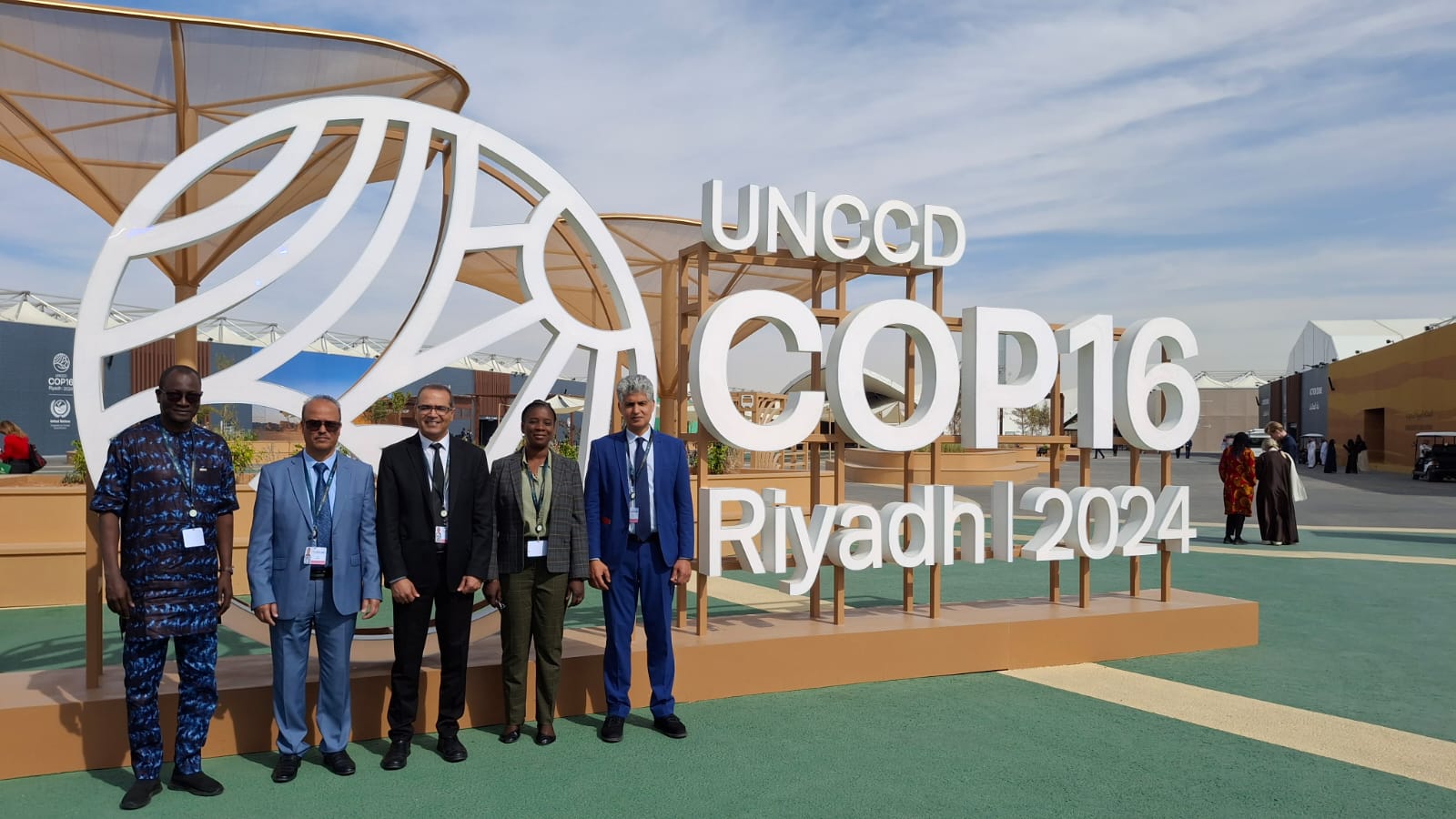
The participation of the Sahara and Sahel…
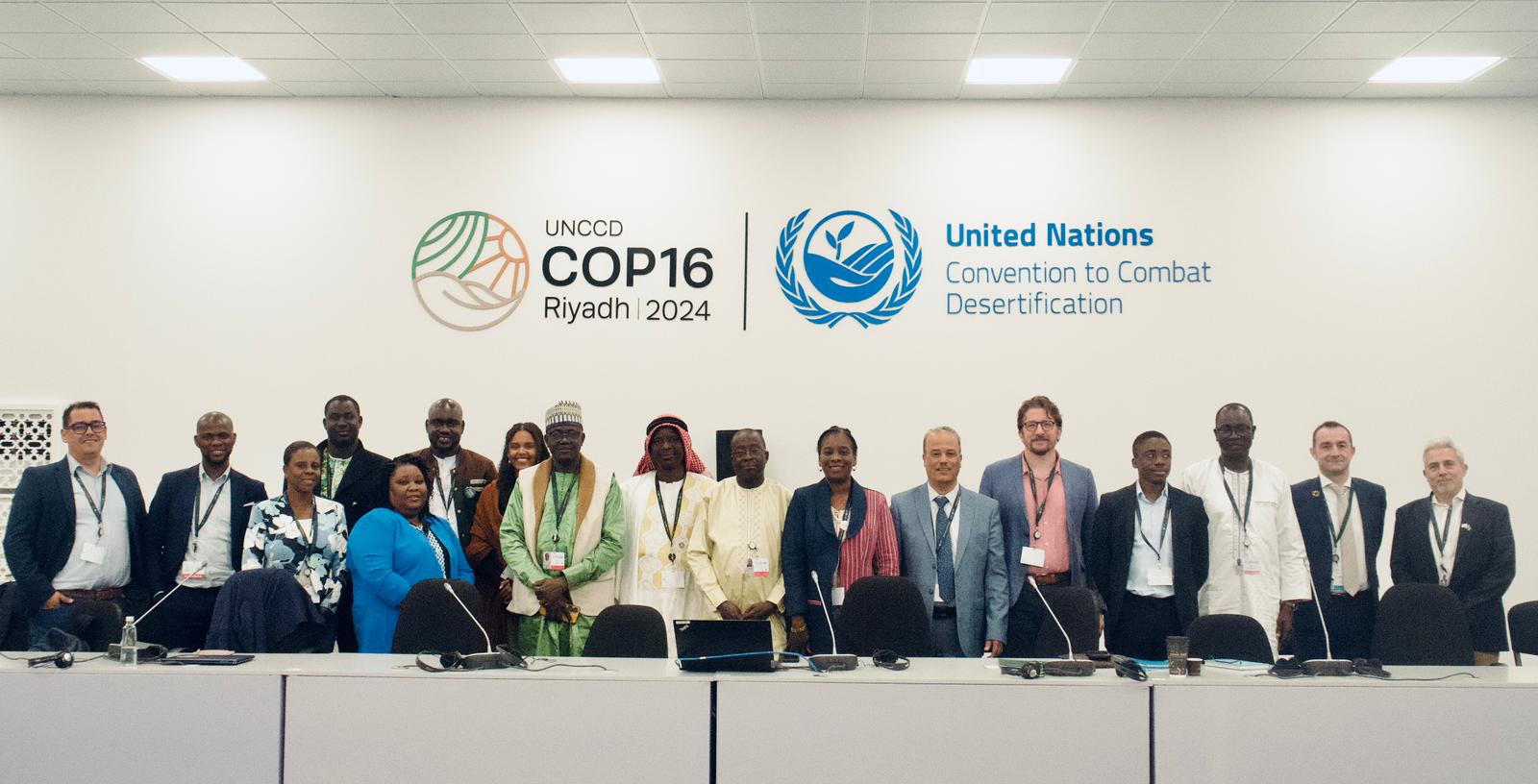
OSS Side Event at COP16: Strengthening Resilience in the Sahel through Multi-…