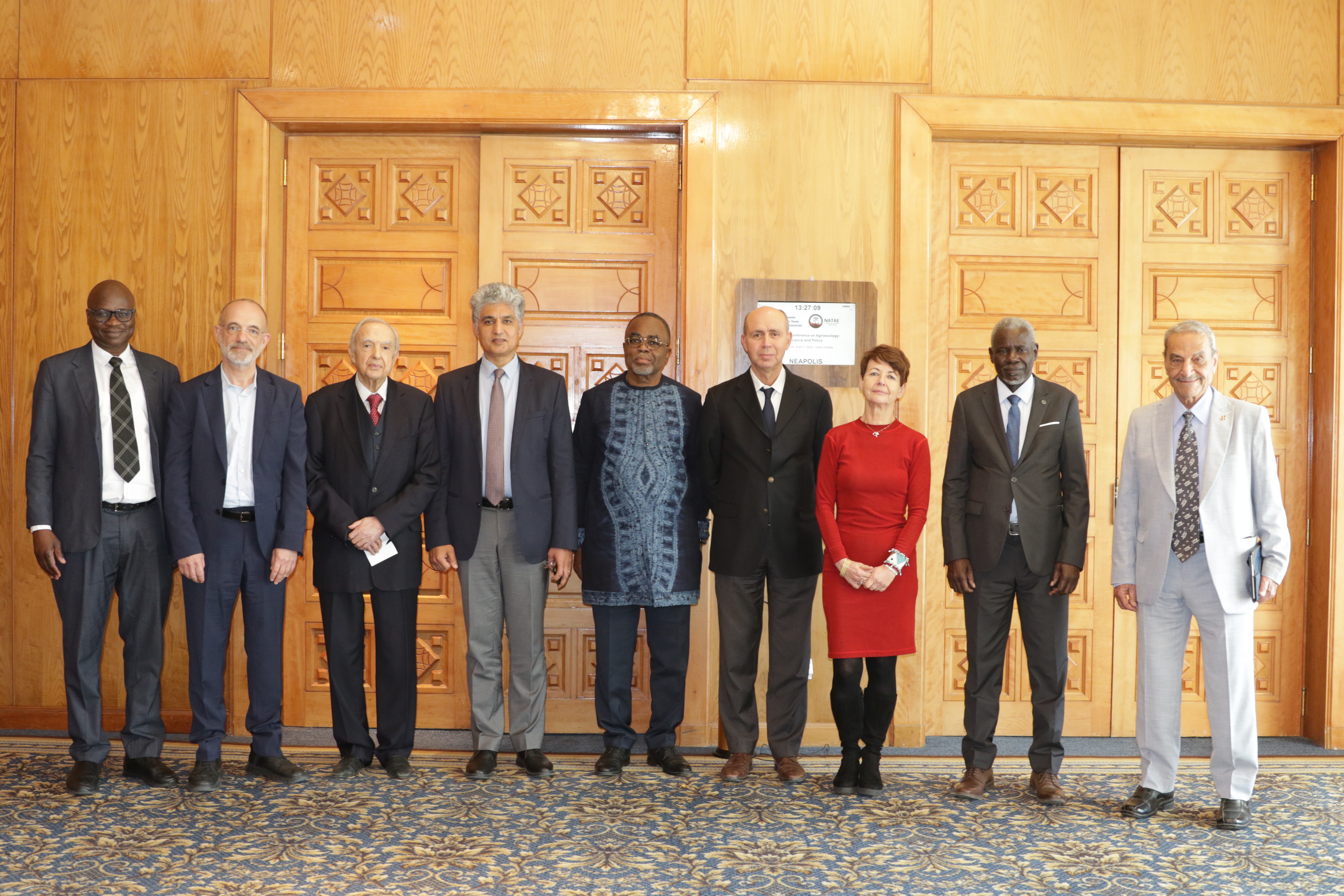
27th Session of the OSS Strategic Orientation Committee, Tunis, January 28, 2025
Held on January 28, 2025 in Tunis, the 27th session of the Strategic Orientation…

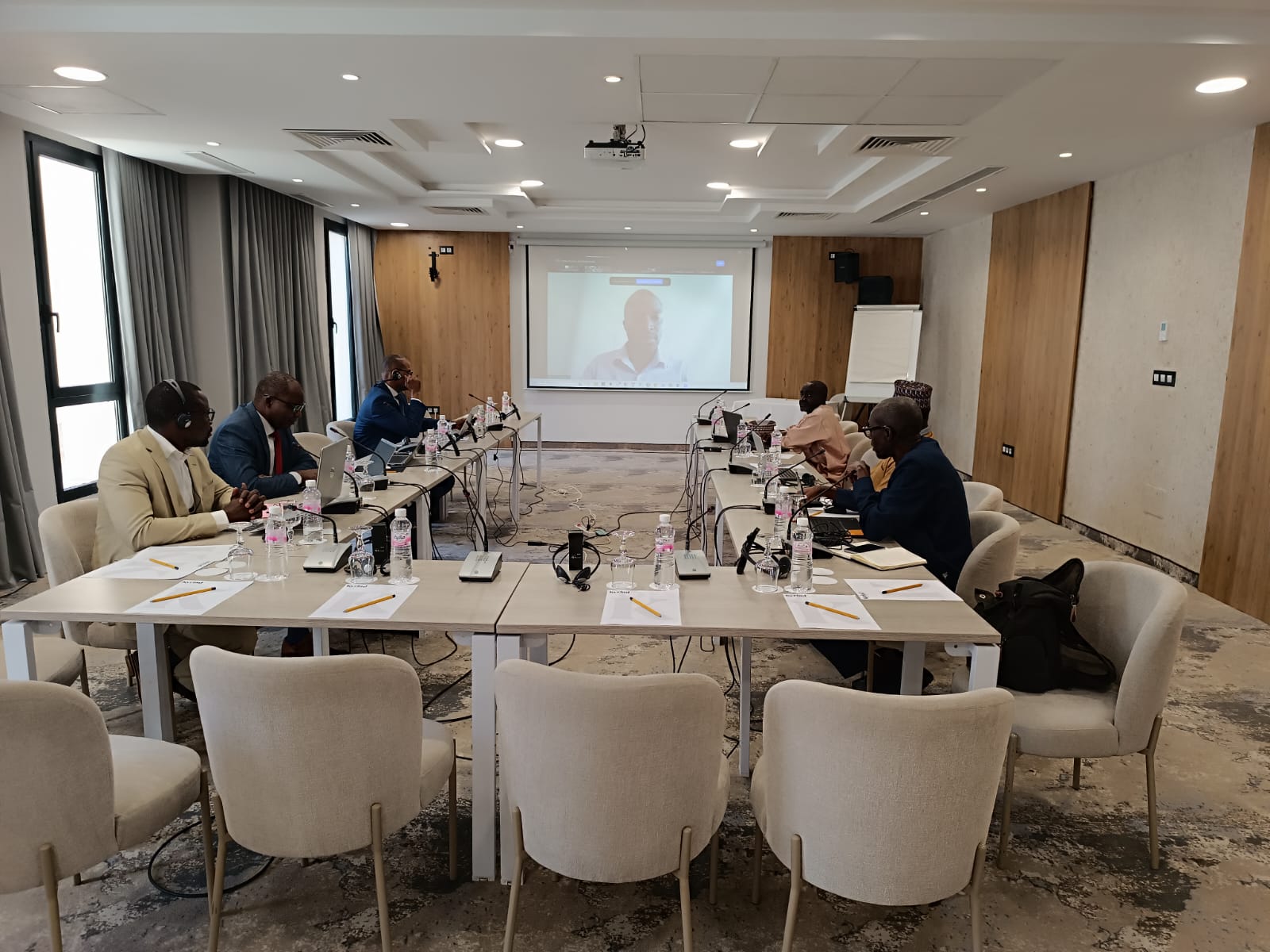
Tunis, December 1, 2025
Growing climate variability, increasing pressure on water resources, and rapidly rising water demands in the Sahel are making integrated water resources management a critical strategic priority. Combining surface and groundwater in a complementary manner is essential to optimizing water availability, reducing population vulnerability, and enhancing the resilience of shared hydrological systems.
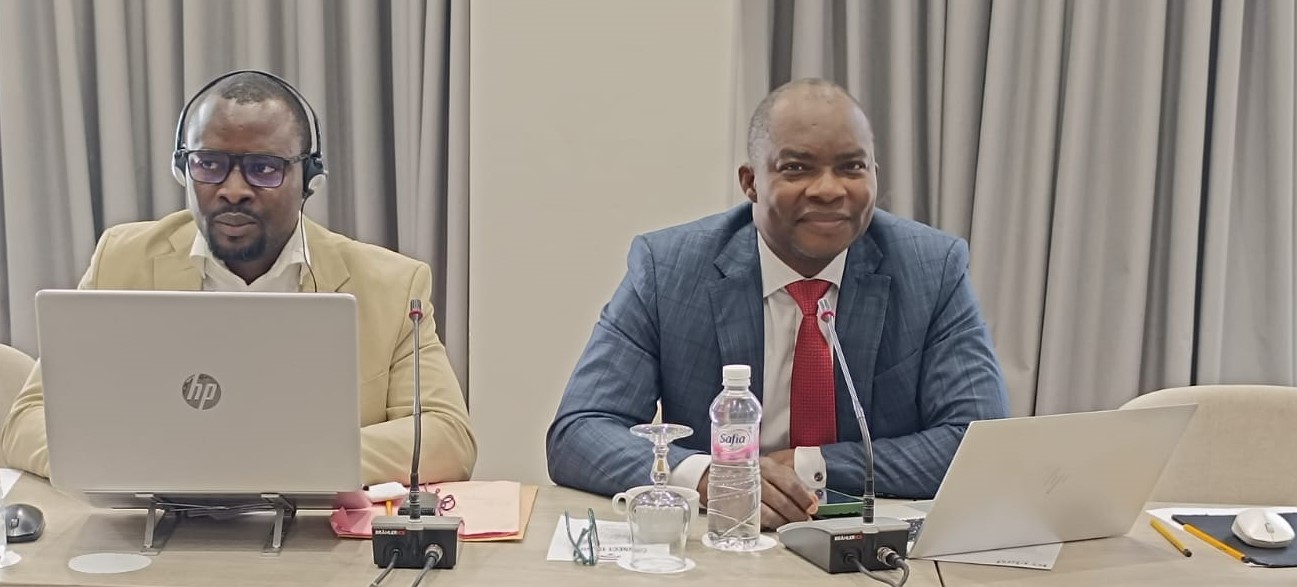
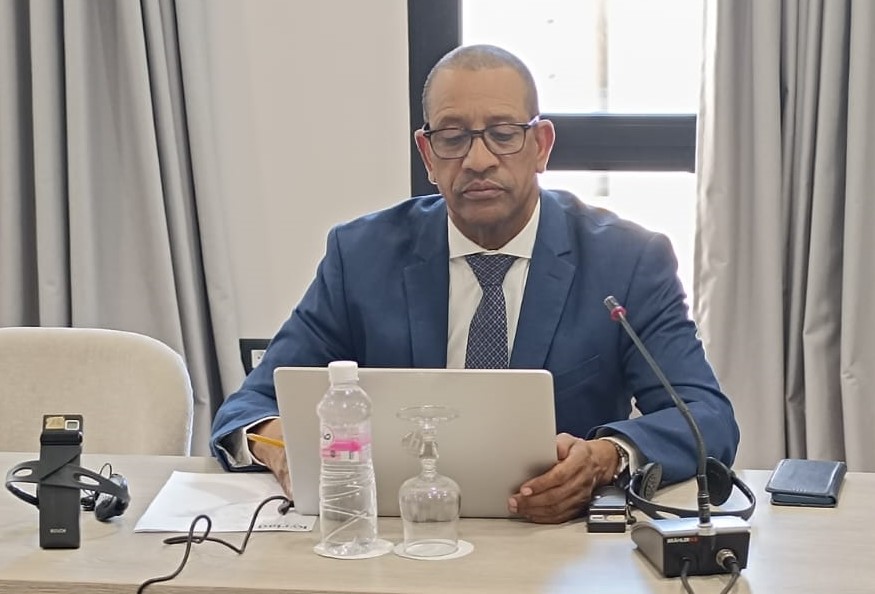
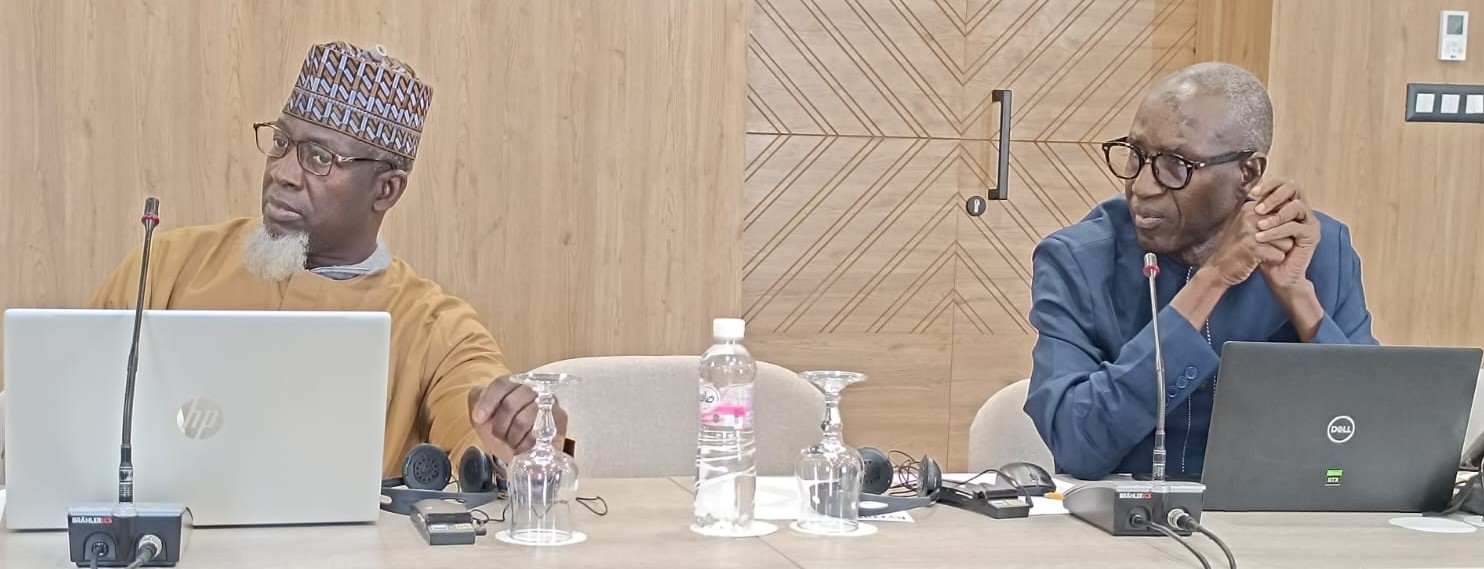
Against this backdrop and as part of the NB-ITTAS project, the Sahara and Sahel Observatory (OSS) is holding a regional training-of-trainers workshop, which brings together research professors from partner universities and national experts from the involved countries, with training delivered by Cap-Net, an internationally recognized institution in water-sector capacity development.
Throughout five intensive days, participants explore key dimensions of joint water resources management, the functioning and dynamics of aquifer systems; methods for collecting, integrating, and managing water data; tools for planning and implementing integrated water governance at national and transboundary scales; cooperation mechanisms between countries sharing the same resources; and the implications of climate change for decision-making and policy choices.
Grounded in concrete case studies from the ITTAS region, the workshop creates a shared understanding of the challenges and opportunities inherent in managing surface and groundwater as a single, interconnected system. The involvement of university faculty ensures long-lasting impact, as the knowledge gained will be incorporated into academic programs and transferred to students - the next generation of water managers.
By bringing academic and institutional actors together around a common objective, the workshop contributes to building a regional network of trainers capable of supporting countries in more coherent, collaborative, and climate-resilient management of their shared water resources.
Held on January 28, 2025 in Tunis, the 27th session of the Strategic Orientation…
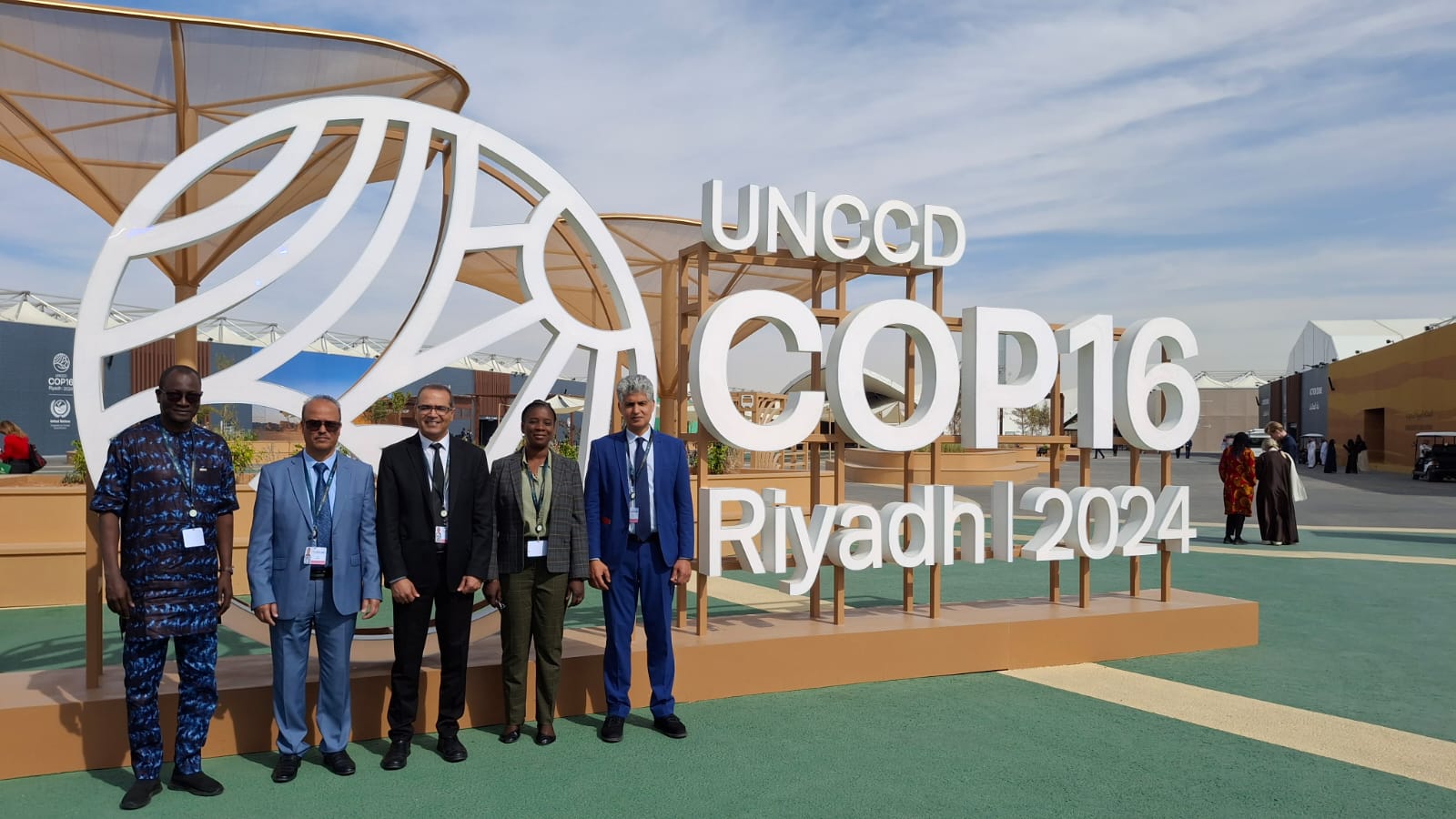
The participation of the Sahara and Sahel…
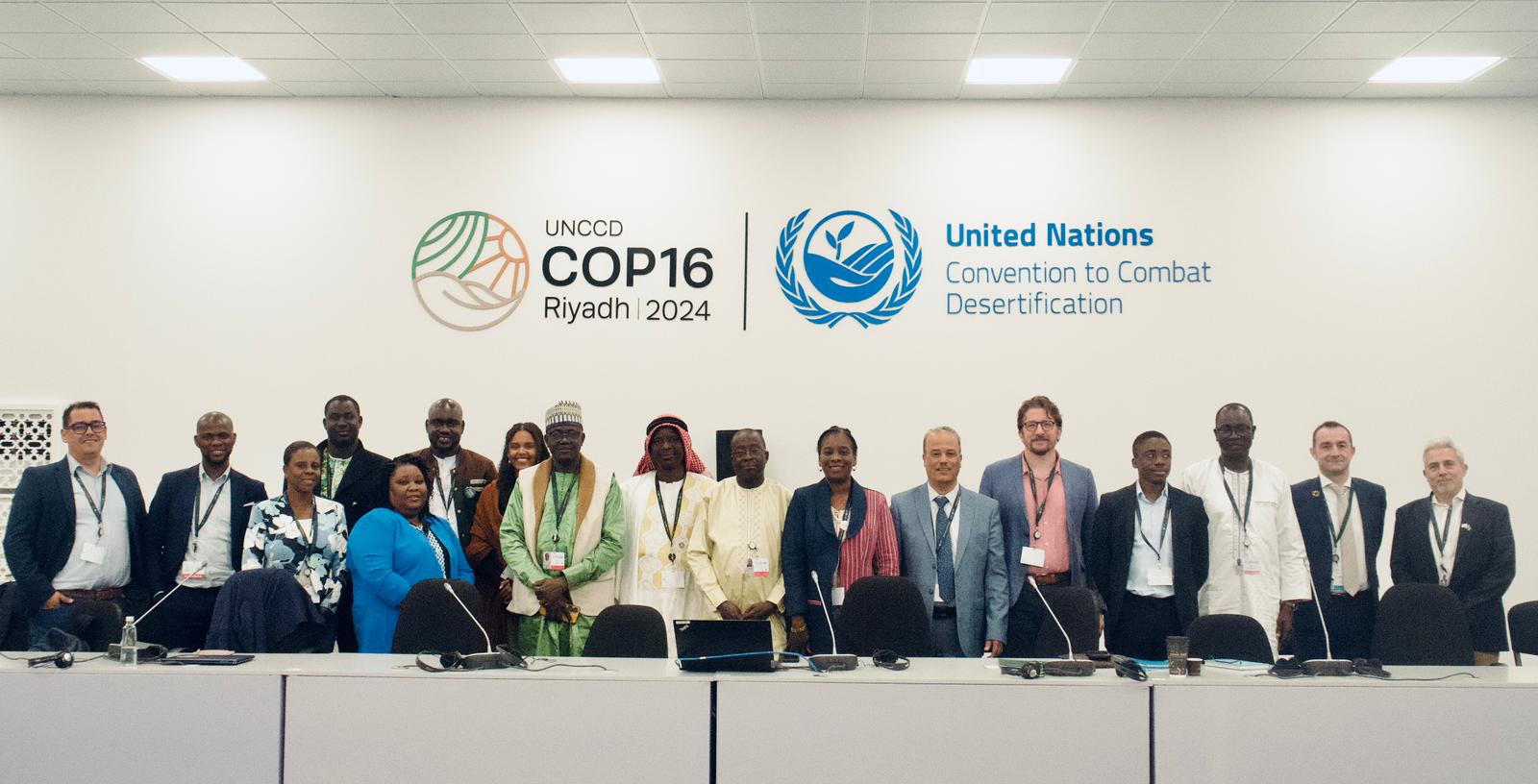
OSS Side Event at COP16: Strengthening Resilience in the Sahel through Multi-…