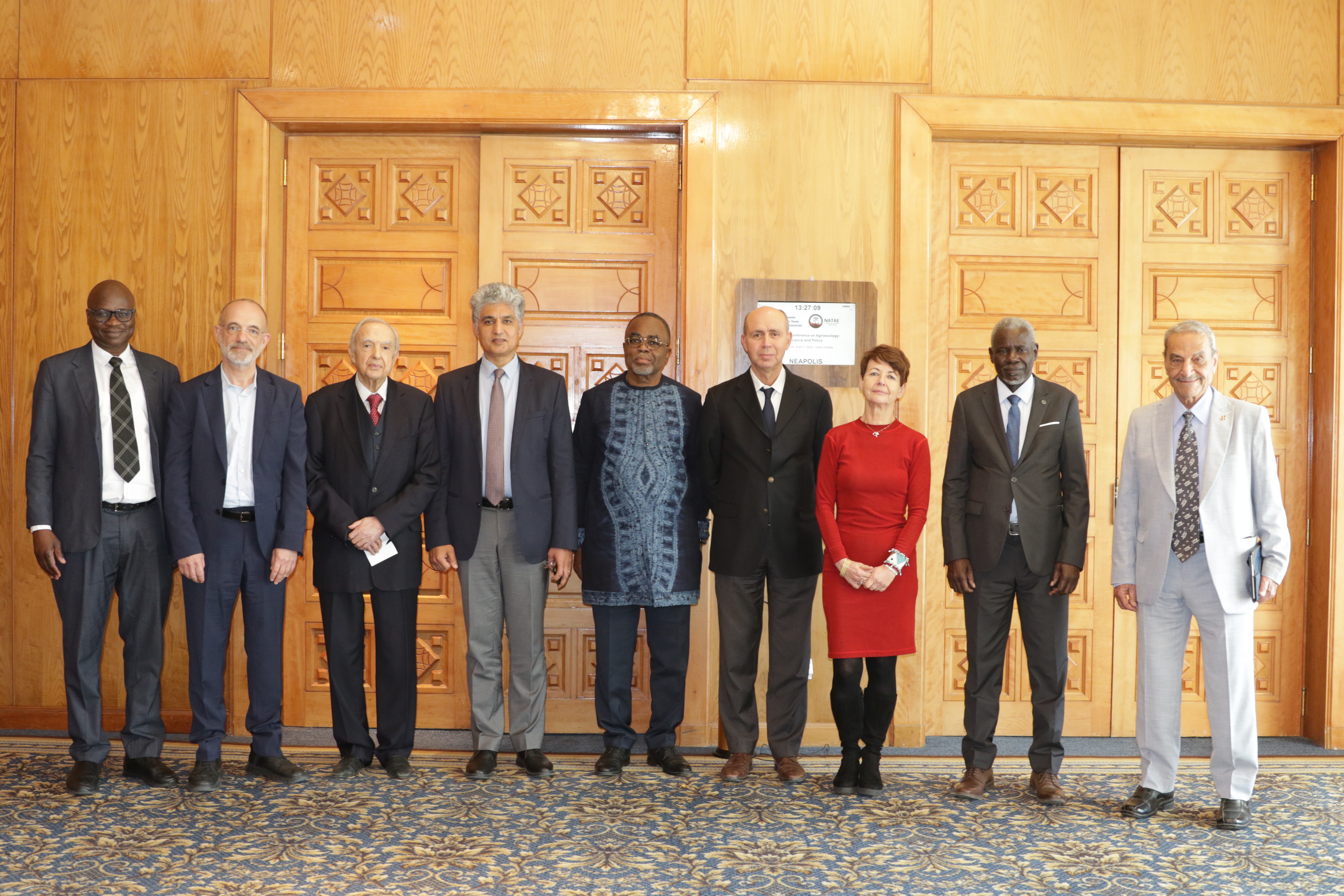
27th Session of the OSS Strategic Orientation Committee, Tunis, January 28, 2025
Held on January 28, 2025 in Tunis, the 27th session of the Strategic Orientation…
June 17, 2026
Today, we celebrate World Day to Combat Desertification and Drought, observed this year under the theme: “Rangelands: Recognize. Respect. Restore.”

This theme reminds us that rangelands are far more than grazing areas. They are living landscapes that sustain livelihoods, production systems, cultures and intergenerational knowledge. They are places where communities have learned, over generations, to cope with water scarcity, fragile soils, uncertain seasons and the constant need to preserve the resources on which life depends.
For millennia, pastoral communities have developed knowledge and practices specifically adapted to fragile and challenging environments. They have learned how to cope with climate variability and safeguard the ecosystems that support their livelihoods. Today, as climate change intensifies and pressure on natural resources continues to grow, it is our collective responsibility to give these territories and their custodians the recognition and attention they deserve.
Recognizing rangelands means acknowledging their contribution to food security, local economies, biodiversity conservation and the maintenance of ecological balance. Respecting them means valuing the women and men who manage and protect them every day. Restoring them means investing in the future, strengthening the resilience of territories and creating the conditions for sustainable, inclusive and equitable development.
For Africa, this challenge is of critical importance. Across many arid and semi-arid regions, rangelands constitute the primary natural capital of local communities. Their degradation weakens ecosystems and threatens the social, economic and territorial balances upon which millions of people depend.
This reality also reminds us of the inseparable link between land and water. Healthy rangelands protect soils, enhance water infiltration, reduce erosion and strengthen watershed resilience. Conversely, land degradation increases vulnerability to drought and reduces the capacity of territories to withstand climate shocks.
This is why the Sahara and Sahel Observatory (OSS) continues to promote knowledge generation, environmental monitoring and support for policies aimed at the sustainable management of land and water resources. Sound decision-making requires reliable data, stronger cooperation and a shared vision for the future.
In its capacity as President of the African Network of Basin Organizations (ANBO), OSS advocates for an integrated approach whereby sustainable water management and land restoration are addressed together. The challenges we face do not stop at borders. Our responses must therefore be integrated, cooperative and forward-looking.
It is in this spirit that, alongside the United Nations Convention to Combat Desertification (UNCCD) and the Centre for International Cooperation in Agronomic Research for Development (CARI), OSS co-organized the sixth edition of the Desertif’actions Summit in Djerba last March. The event brought together more than 350 participants from over fifty countries, including researchers, civil society representatives, institutions and decision-makers. The discussions led to concrete messages and recommendations aimed at guiding public policies and international negotiations. OSS will carry these messages and recommendations to COP17 of the United Nations Convention to Combat Desertification, to be held in Mongolia, ensuring that a structured and committed African voice, grounded in field experience, is heard and reflected in the global dialogue.
On the occasion of this World Day, the Sahara and Sahel Observatory renews its commitment to promoting living, resilient and productive territories. It reaffirms its determination to recognize the value of rangelands, support the communities that depend on them and contribute to the restoration of a natural heritage that is as precious as it is irreplaceable. For preserving rangelands means preserving an essential part of our shared future.
Held on January 28, 2025 in Tunis, the 27th session of the Strategic Orientation…
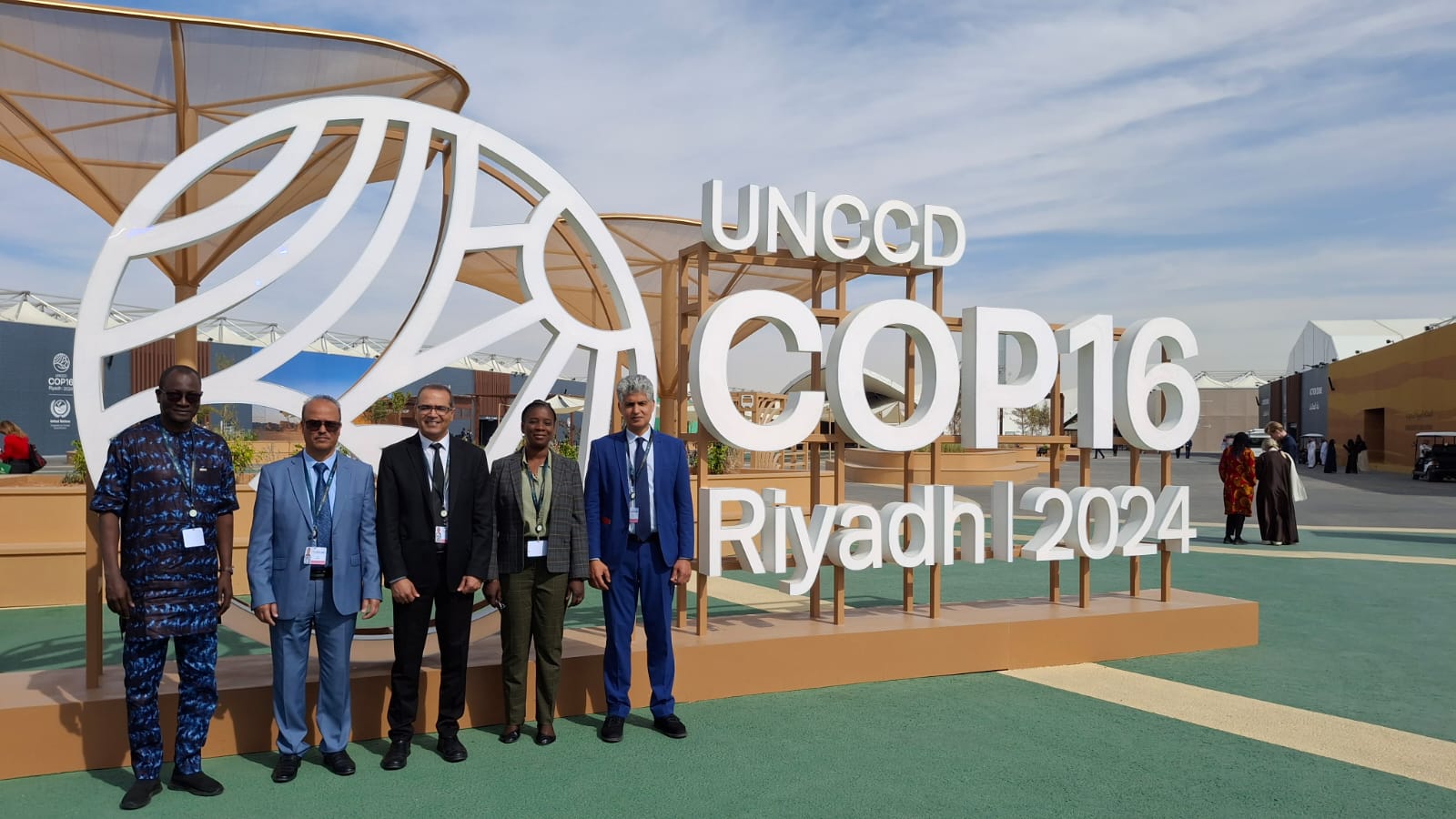
The participation of the Sahara and Sahel…
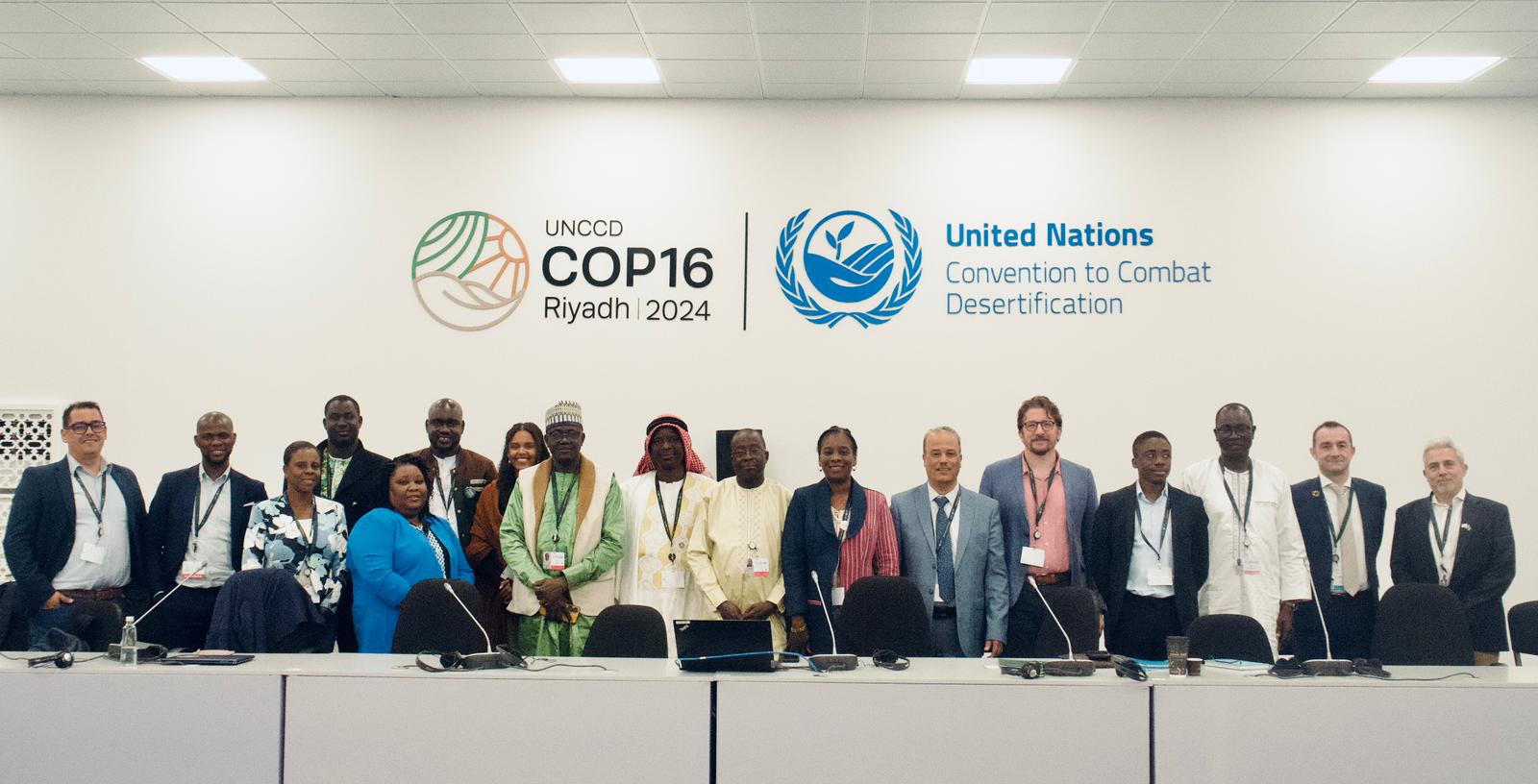
OSS Side Event at COP16: Strengthening Resilience in the Sahel through Multi-…