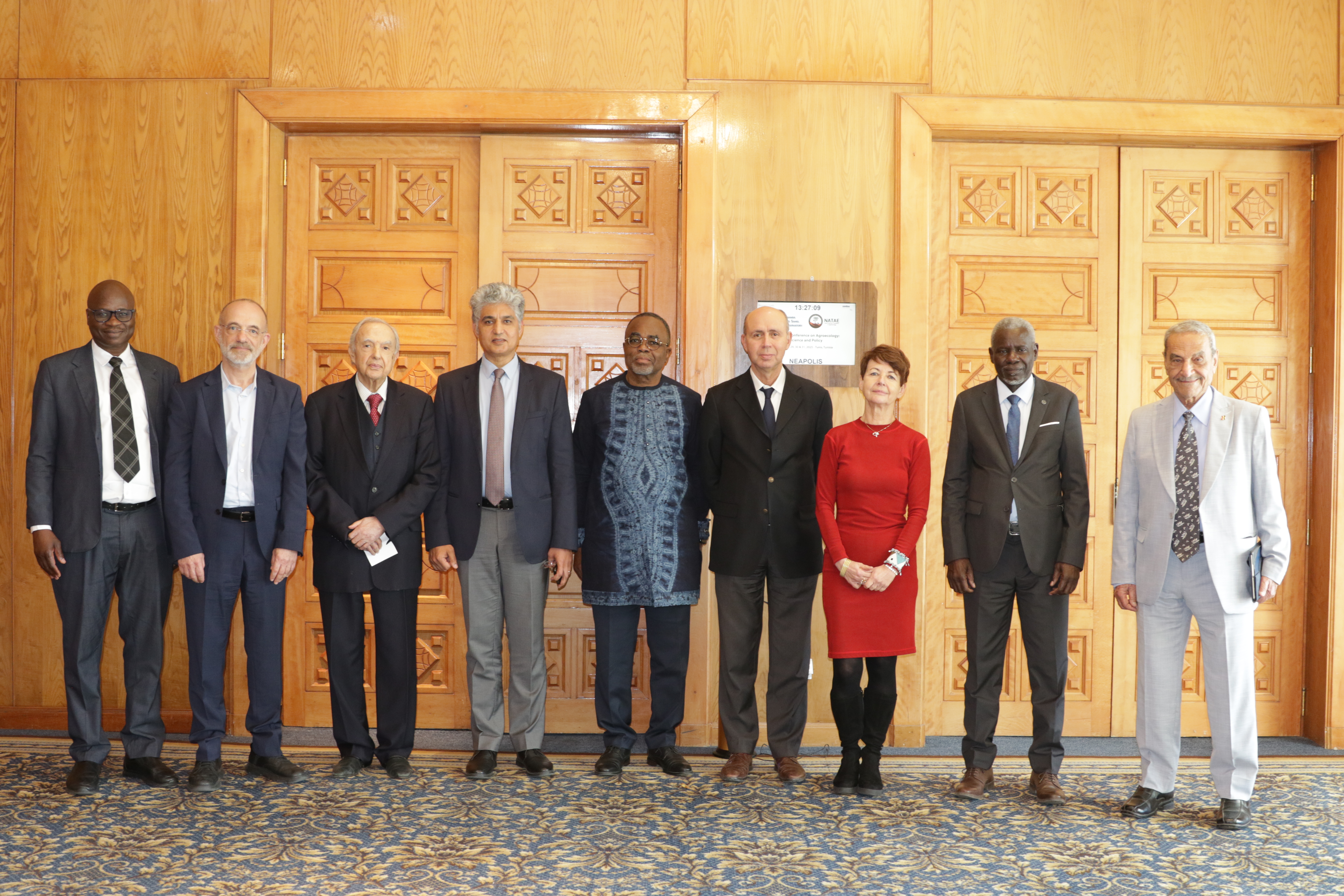
27th Session of the OSS Strategic Orientation Committee, Tunis, January 28, 2025
Held on January 28, 2025 in Tunis, the 27th session of the Strategic Orientation…
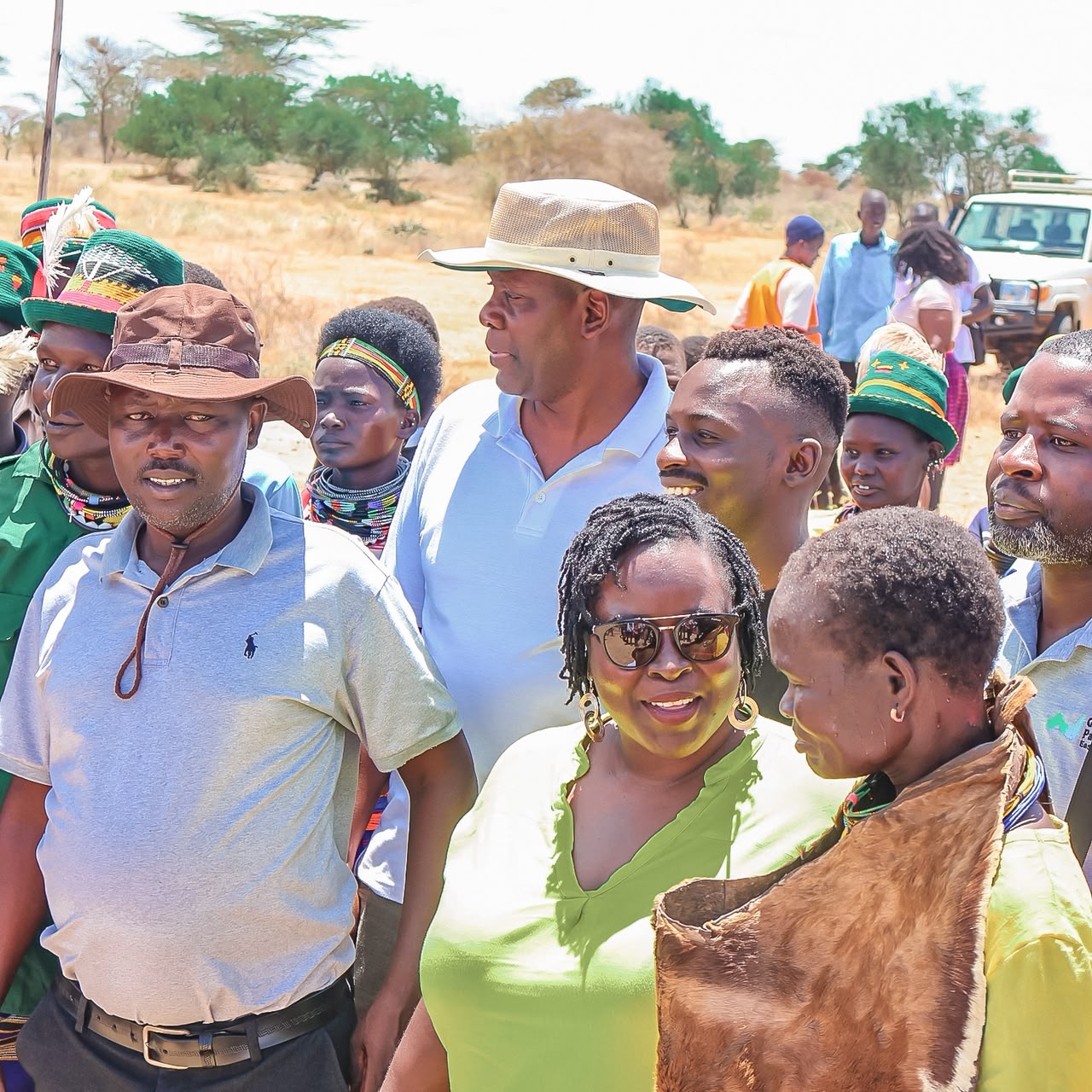
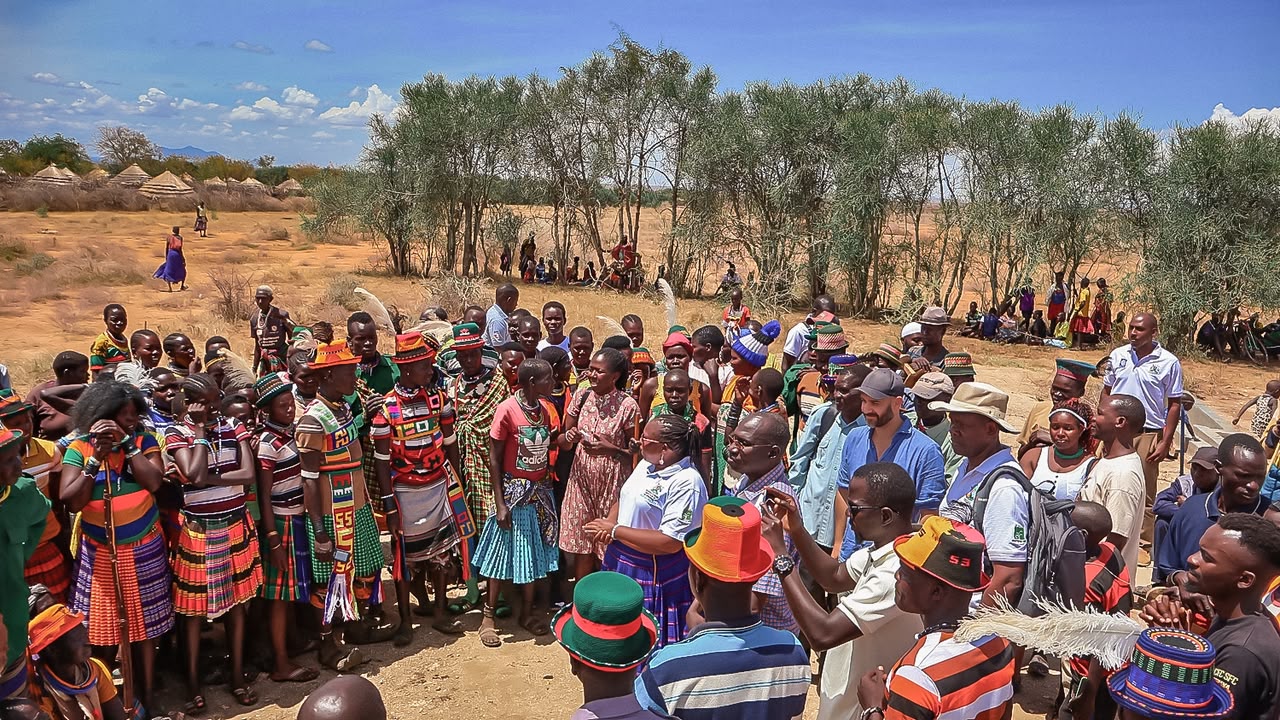
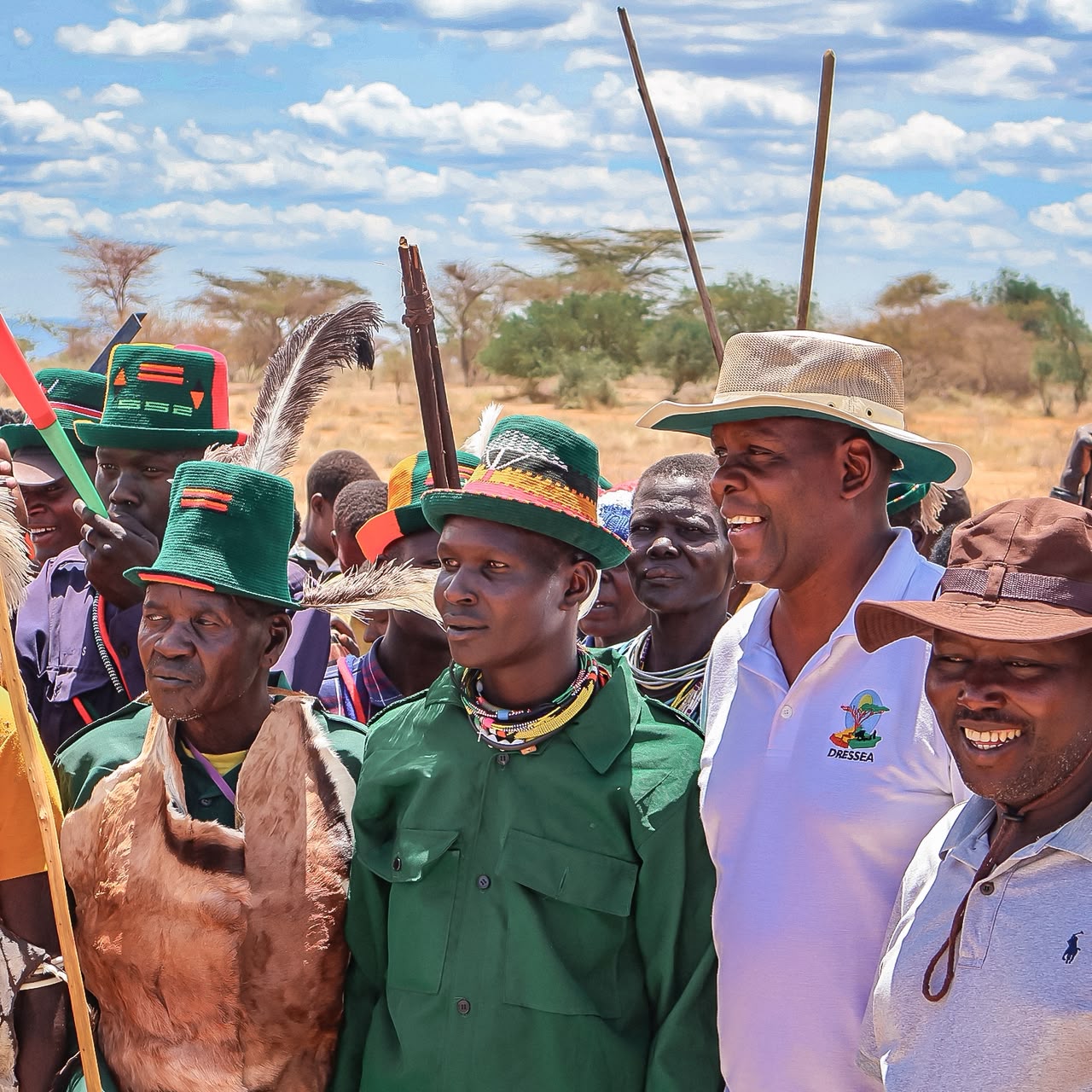
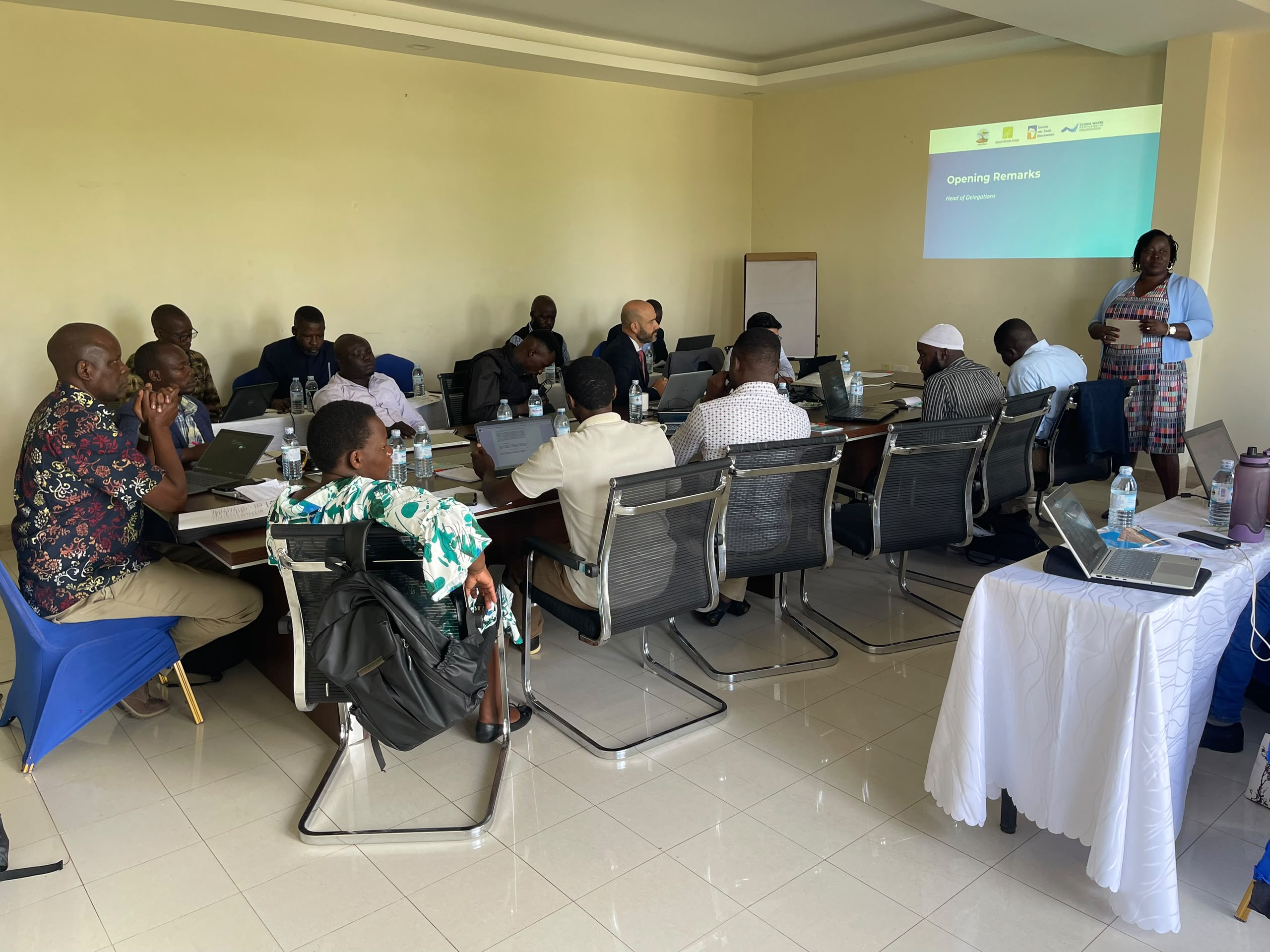
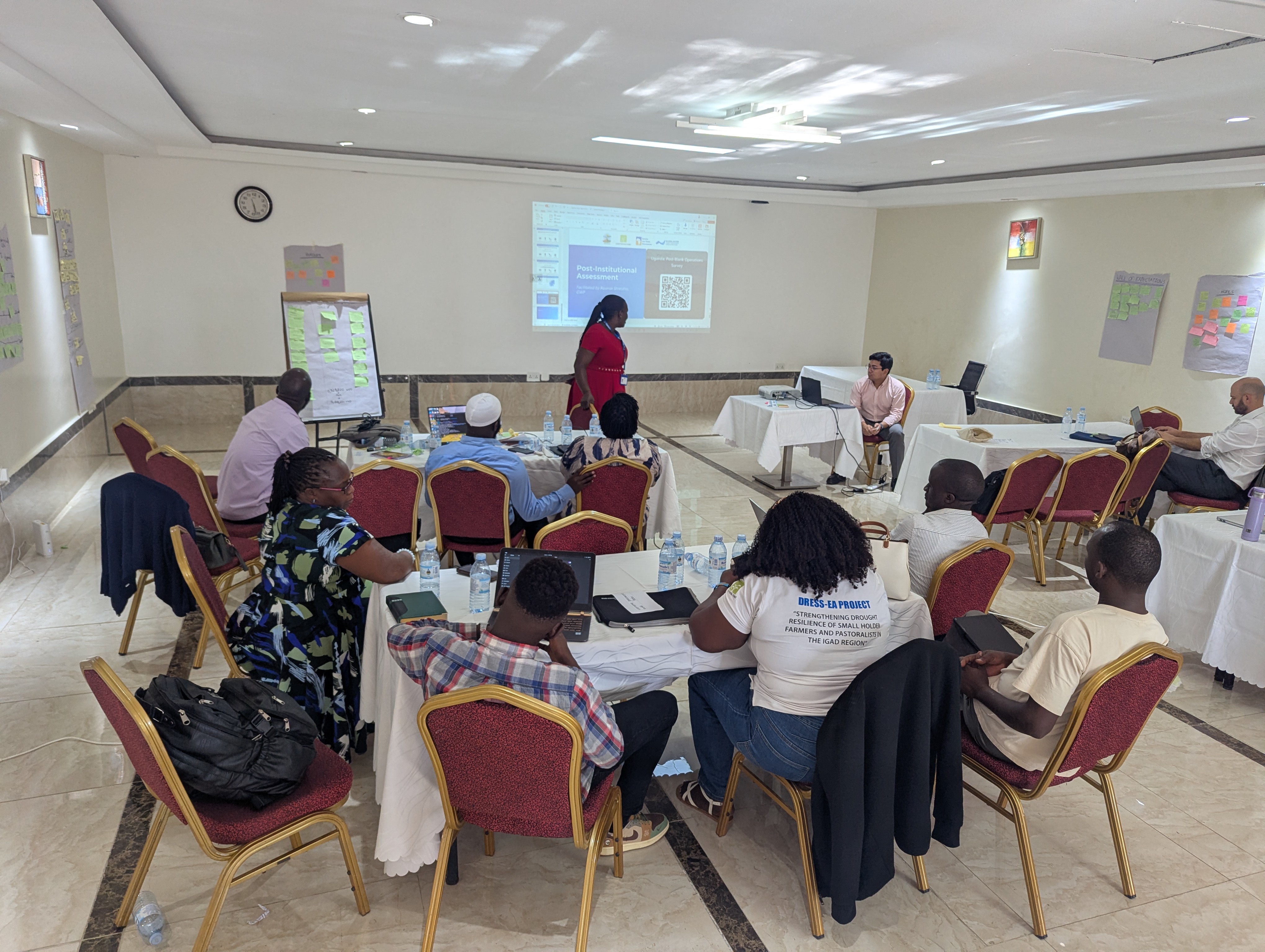
Moroto, Uganda | 12–15 October 2026
The Sahara and Sahel Observatory (OSS), in collaboration with the Global Water Partnership (GWP) and national and regional partners, supported the organization of the final DRESSEA Blank Operations exercise in Moroto, Uganda, from 12 to 15 October 2026. Bringing together national institutions, district authorities, technical experts and local stakeholders, the exercise marked an important milestone in strengthening drought early warning systems and translating climate information into timely, coordinated and effective action.
Implemented under the DRESSEA project, this final exercise concluded a series of regional simulations conducted across Djibouti, Kenya, Sudan and Uganda, aimed at enhancing institutional preparedness, strengthening operational coordination and ensuring that early warning information reaches vulnerable communities in an accessible and actionable manner.
Strengthening institutional partnerships and regional cooperation
Ahead of the exercise, the OSS and GWP delegation, comprising Mr. Robert Onyango (OSS), Mr. Valentin Aich, Mr. Theobald Bizimuharo and Mr. Raunak Shrestha (GWP), held strategic consultations with key Ugandan and regional institutions.
At the Nile Basin Initiative (NBI) Secretariat, the delegation met with Executive Secretary Dr. Eng. Nestor Niyonzima to discuss opportunities for strengthening institutional cooperation, knowledge exchange and coordinated approaches to water resources management and climate resilience.
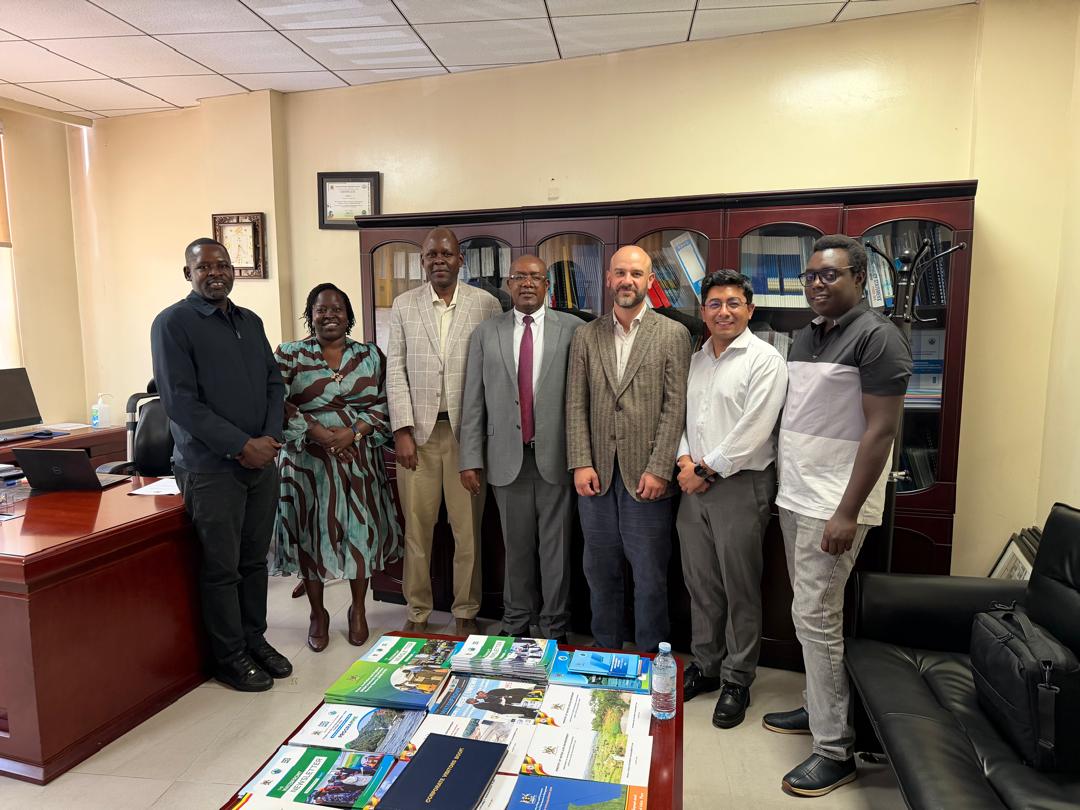
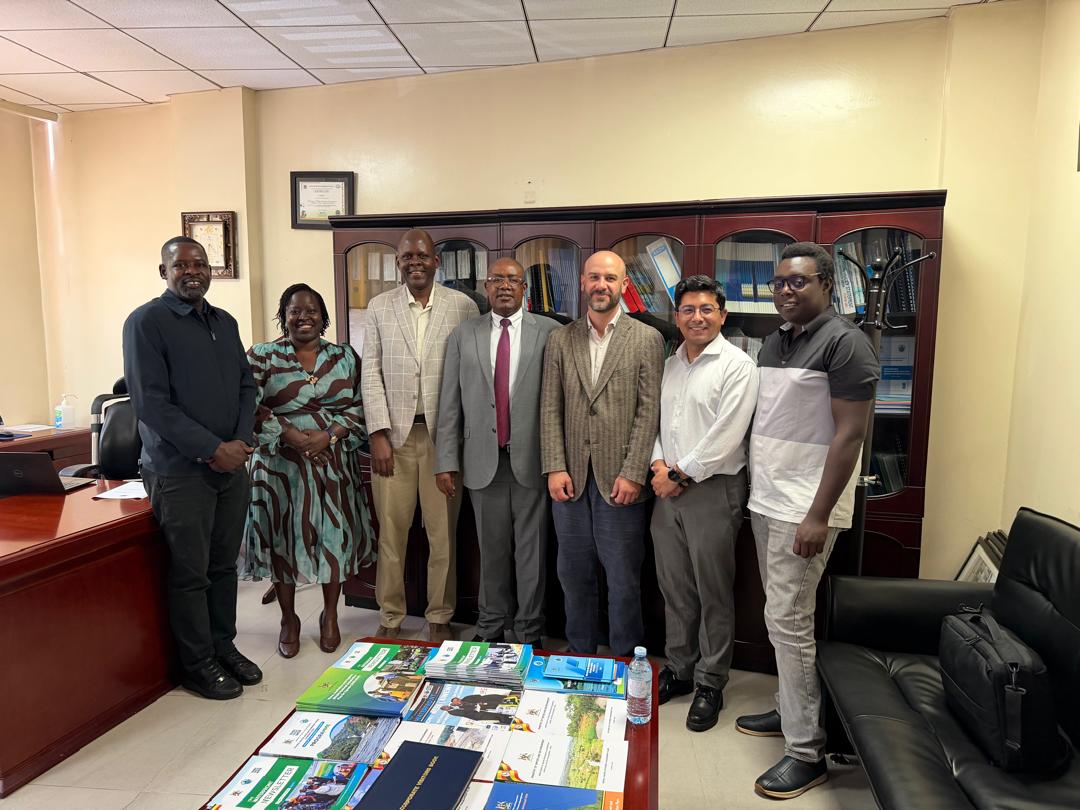
The delegation also met with Mr. Callist Tindimugaya, Commissioner for Water Resources Planning and Regulation, and Eng. Annette Nantongo, Uganda's DRESSEA National Coordinator, at the Ministry of Water and Environment in Kampala.
During these discussions, Mr. Tindimugaya acknowledged the contribution of the DRESSEA project to strengthening drought resilience, particularly among vulnerable pastoralist communities in Karamoja. He emphasized the importance of practical exercises in identifying operational gaps, improving institutional coordination and translating early warning policies into effective preparedness measures.
From climate information to early action: testing the entire warning chain
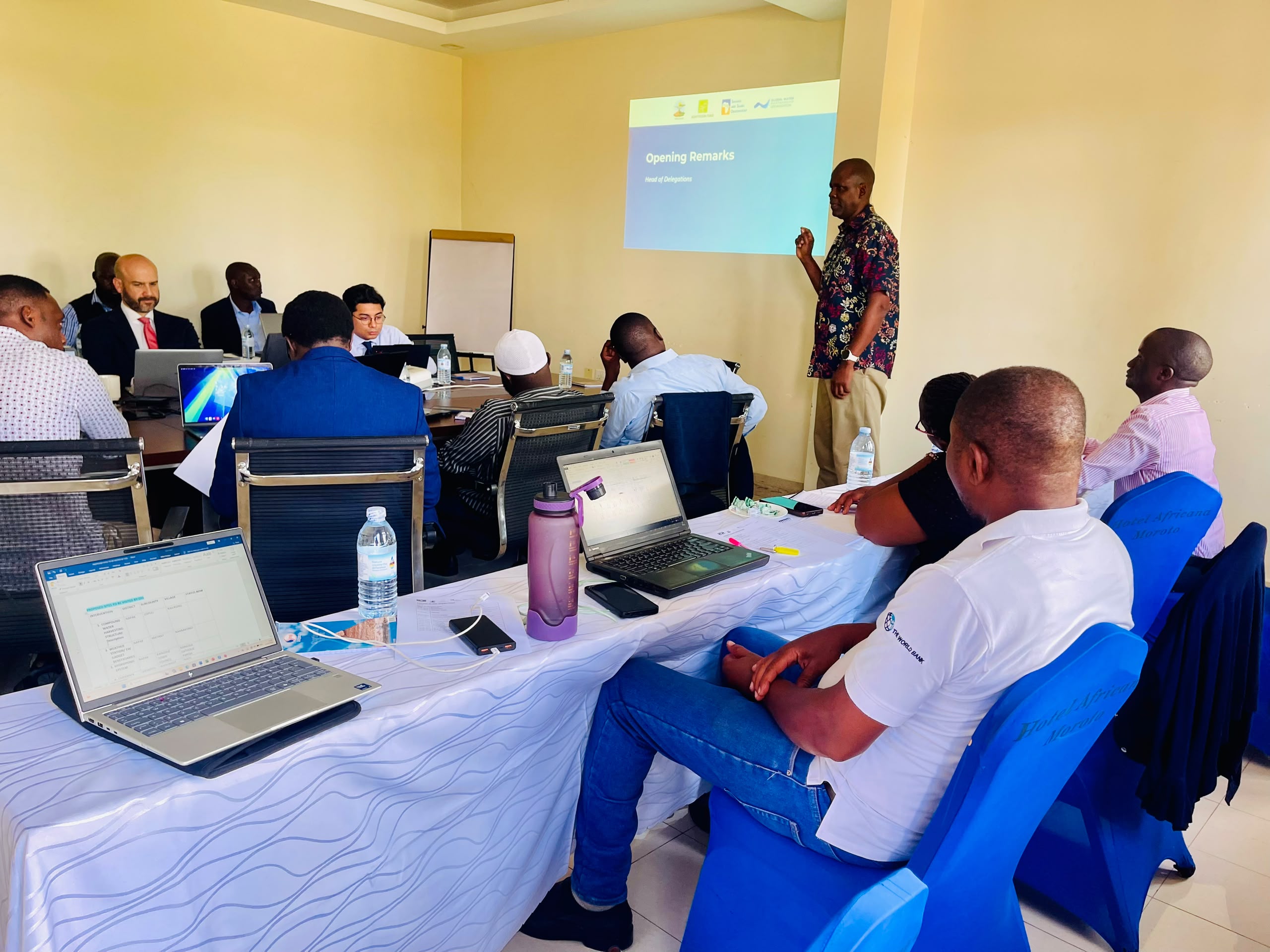
Officially opened by Eng. Annette Nantongo, the four-day exercise provided an opportunity to assess the operational effectiveness of drought early warning systems, from regional climate monitoring and national decision-making to the dissemination of actionable information at district and community levels.
Unlike conventional capacity-building workshops, the Blank Operations methodology relies on scenario-based simulations that replicate real drought conditions and institutional decision-making processes. This approach enables participating institutions to test their responsibilities, coordination mechanisms and response capacities under realistic operational constraints.
Technical sessions facilitated by the IGAD Climate Prediction and Applications Centre (ICPAC), in collaboration with national meteorological and hydrological services, focused on the interpretation and application of drought monitoring information generated through the East Africa Drought Watch (EADW), alongside complementary tools such as HUSIKA and the Africa Drought Impact Tracker (ADIT).
Participants worked on preparing drought advisories, developing national information bulletins, strengthening communication channels and activating drought management action plans. Particular attention was given to ensuring that early warning messages are understandable, timely and relevant to the decisions faced by pastoralists, agro-pastoralists, smallholder farmers and local authorities.
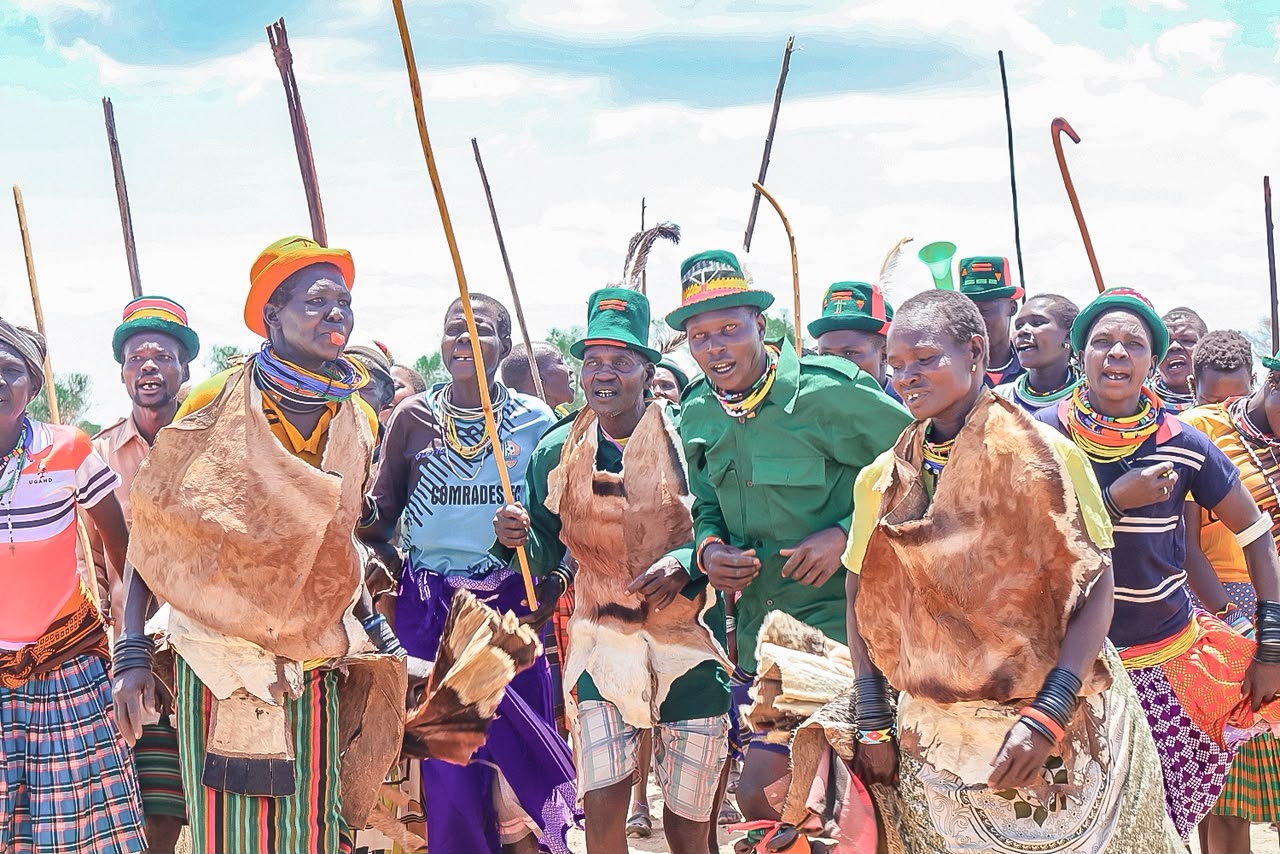
A field visit to communities in Karamoja provided an additional opportunity to examine last-mile communication challenges and better understand how early warning information is received, interpreted and used at the local level.
OSS: advancing operational solutions for drought resilience
Representing the Sahara and Sahel Observatory, Mr. Robert Onyango highlighted the transition achieved by DRESSEA from conceptual approaches and technical frameworks towards practical, community-oriented solutions.
He emphasized that the project's added value lies in its ability to transform climate information into operational tools and coordinated institutional action, with tangible benefits for populations most exposed to drought and climate variability.
Mr. Onyango also underscored the innovative nature of the Blank Operations approach, which provides a structured framework for testing the entire early warning and decision-making chain, identifying institutional weaknesses and strengthening cooperation among participating countries.
For the OSS, these exercises reflect its broader commitment to improving climate resilience through scientific cooperation, regional knowledge sharing, institutional capacity development and the operational use of environmental information.
The initiative also reinforces the importance of regional early warning platforms as essential instruments for anticipatory action, enabling countries to move beyond risk monitoring towards more effective drought preparedness and response.
Consolidating regional achievements and ensuring sustainability
The Moroto exercise marked the completion of the DRESSEA regional Blank Operations cycle, following earlier exercises in Djibouti and a joint Kenya–Sudan operation hosted in Kitui County, Kenya.
Across the four participating countries, the exercises provided a practical framework for assessing the effectiveness of drought early warning mechanisms, clarifying institutional responsibilities and identifying priority improvements in information dissemination, coordination and response planning.
The lessons learned and operational findings will contribute to the development of country-specific Drought Early Warning System Operational Reference Guides, supporting the institutionalization of tested procedures and the long-term sustainability of project achievements.
Through DRESSEA, the OSS and its partners reaffirm their commitment to strengthening regional cooperation and building effective, people-centred early warning systems that connect scientific knowledge, institutional preparedness and community resilience.
By placing operational readiness and local needs at the heart of drought risk management, the project contributes to advancing a more proactive, coordinated and sustainable approach to climate resilience in Eastern Africa.
Held on January 28, 2025 in Tunis, the 27th session of the Strategic Orientation…
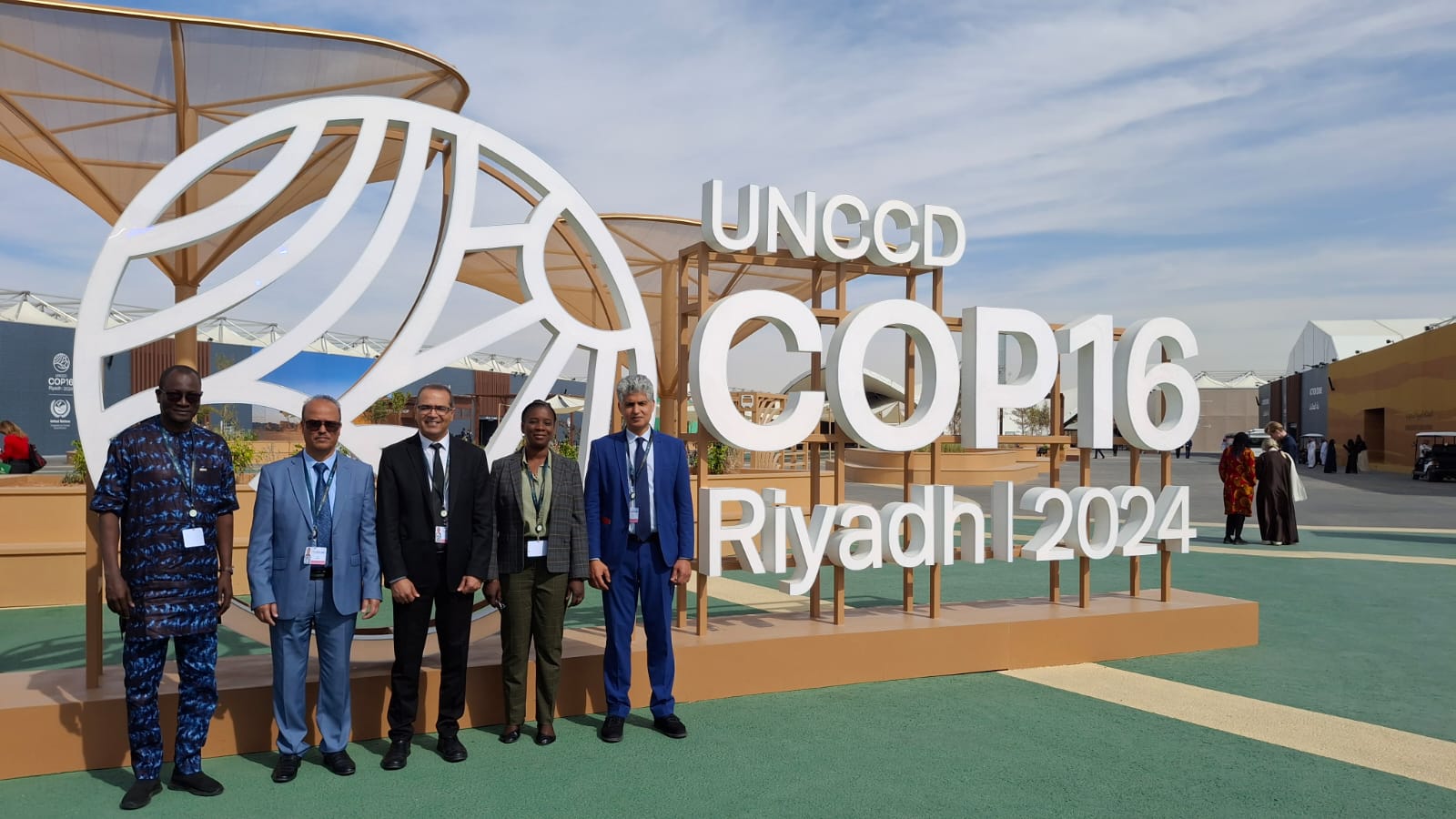
The participation of the Sahara and Sahel…
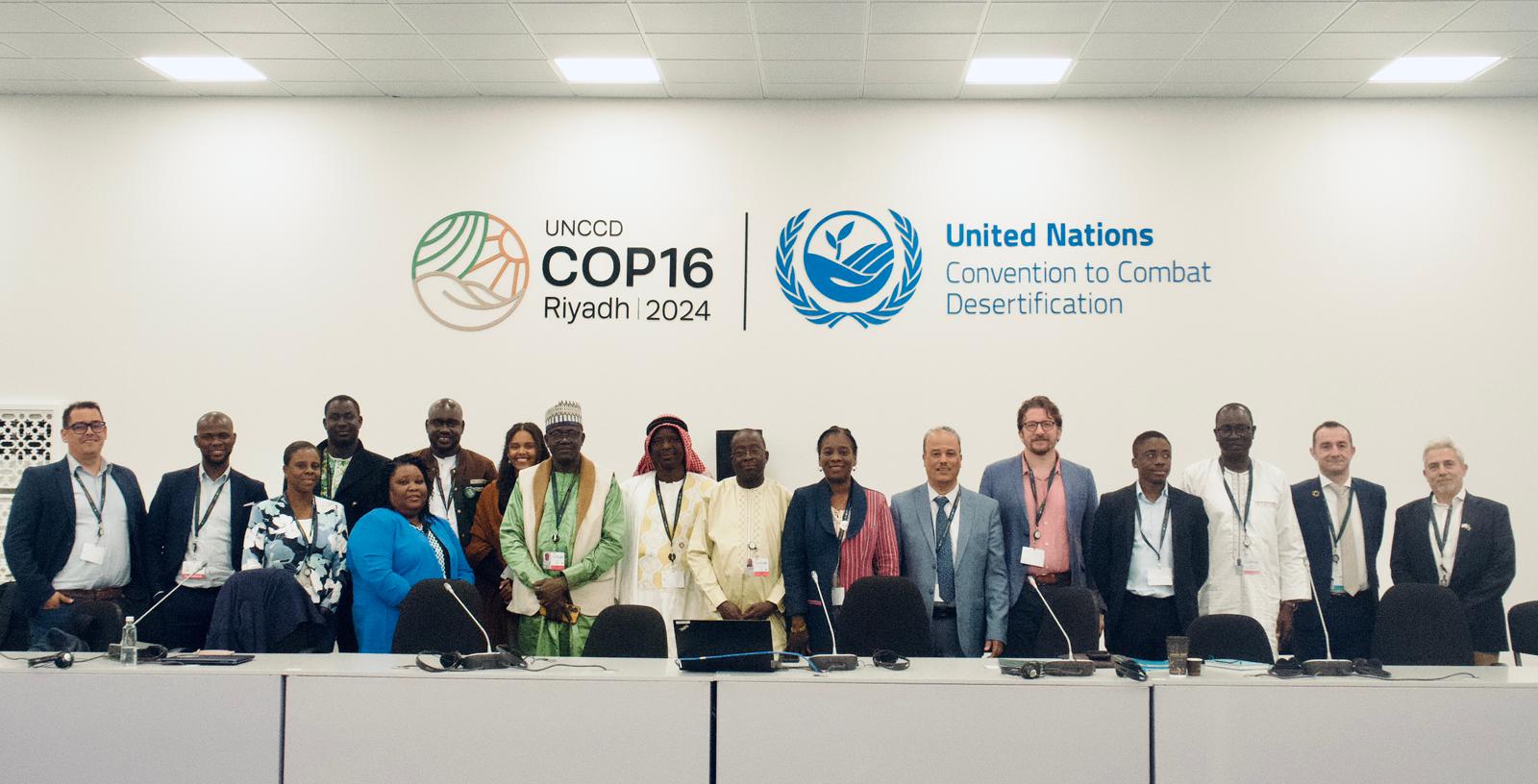
OSS Side Event at COP16: Strengthening Resilience in the Sahel through Multi-…