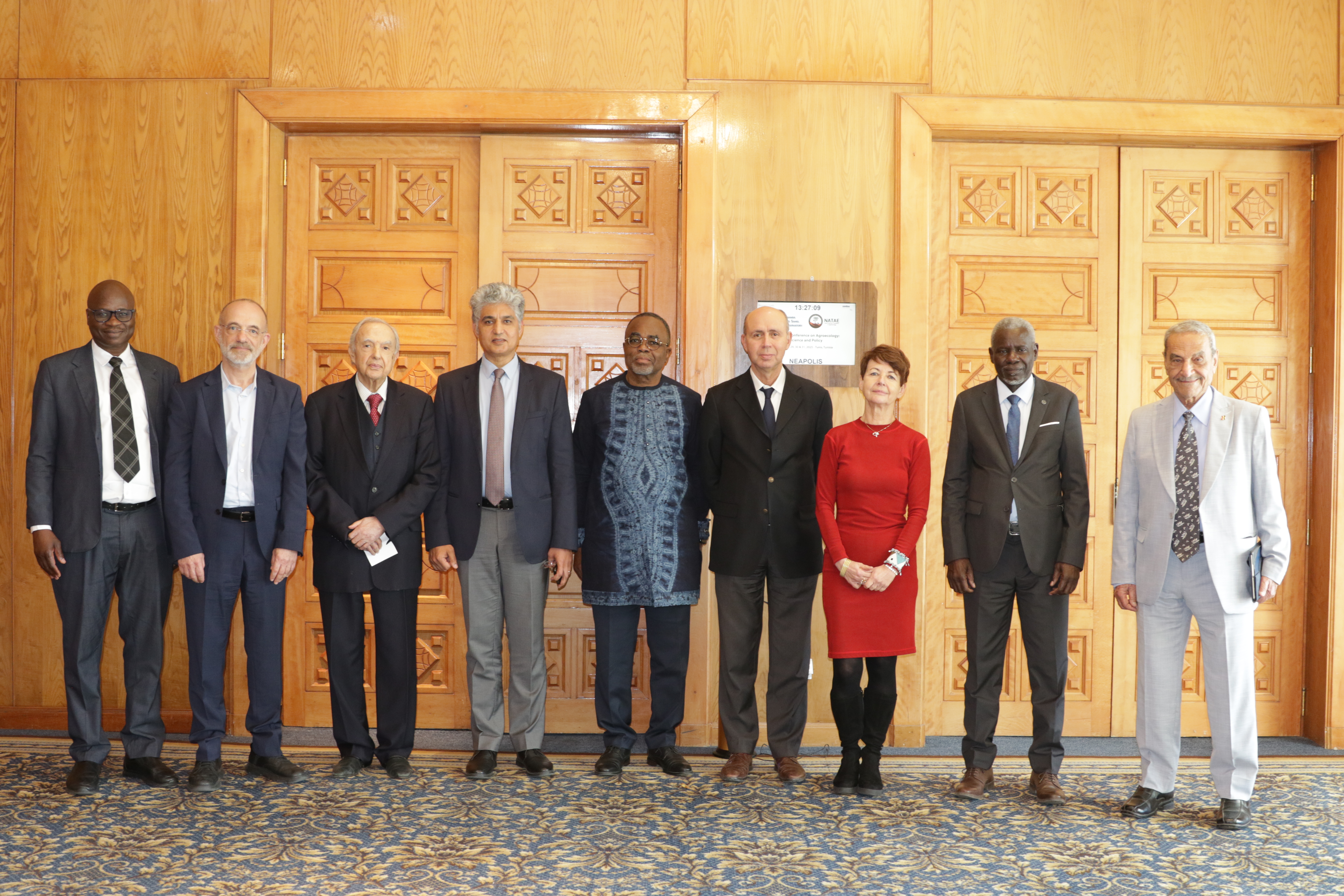
27th Session of the OSS Strategic Orientation Committee, Tunis, January 28, 2025
Held on January 28, 2025 in Tunis, the 27th session of the Strategic Orientation…
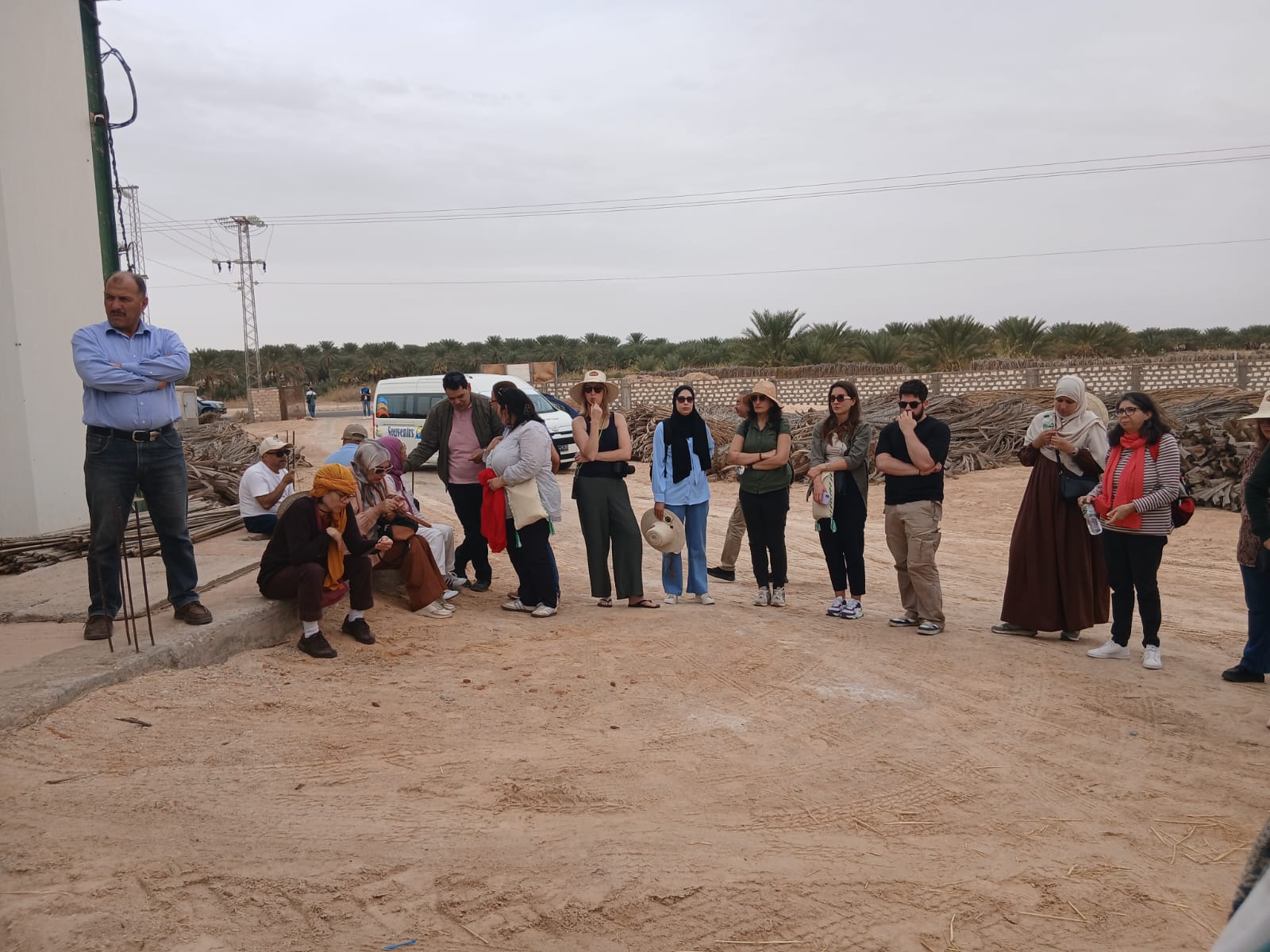
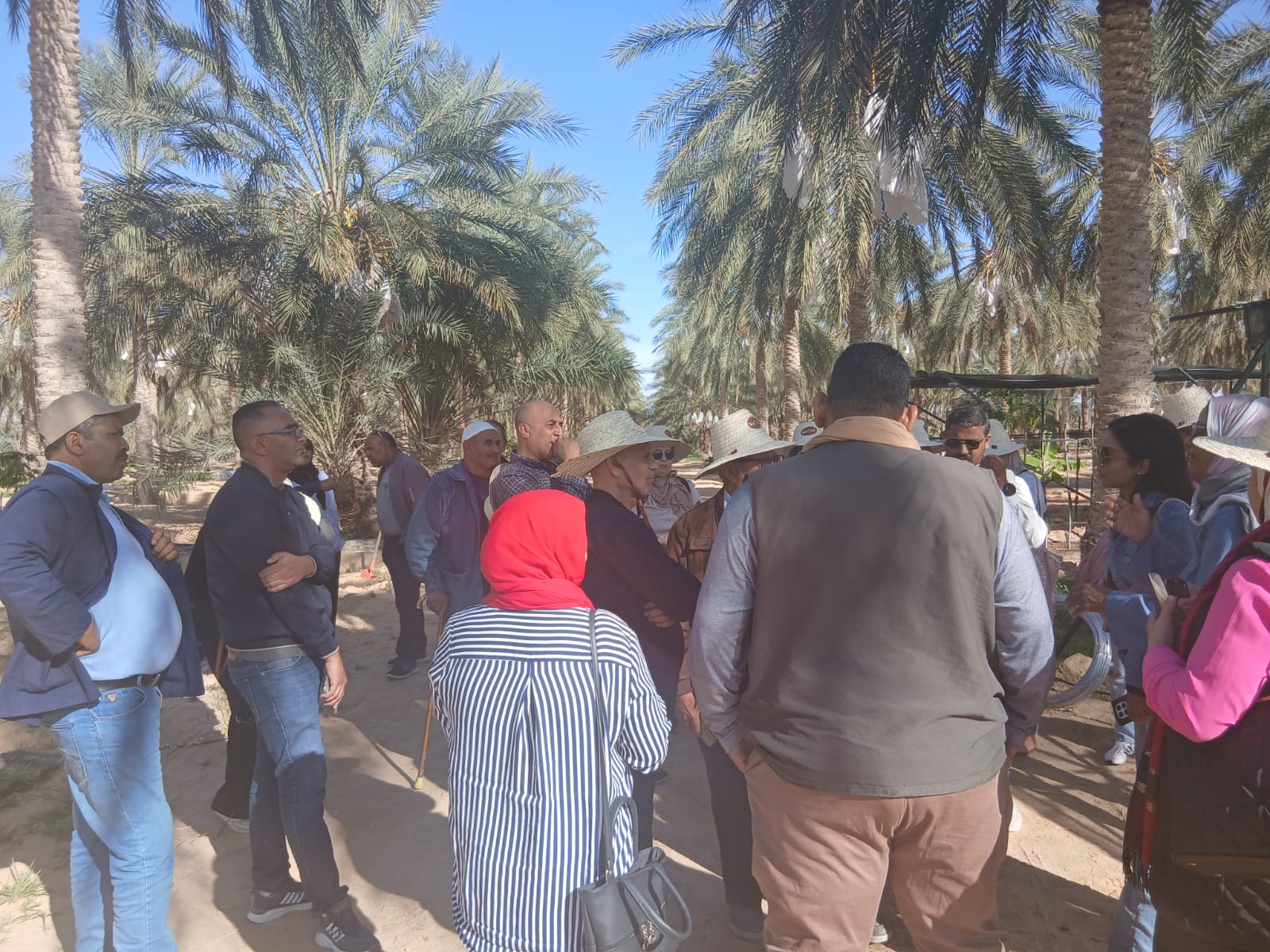
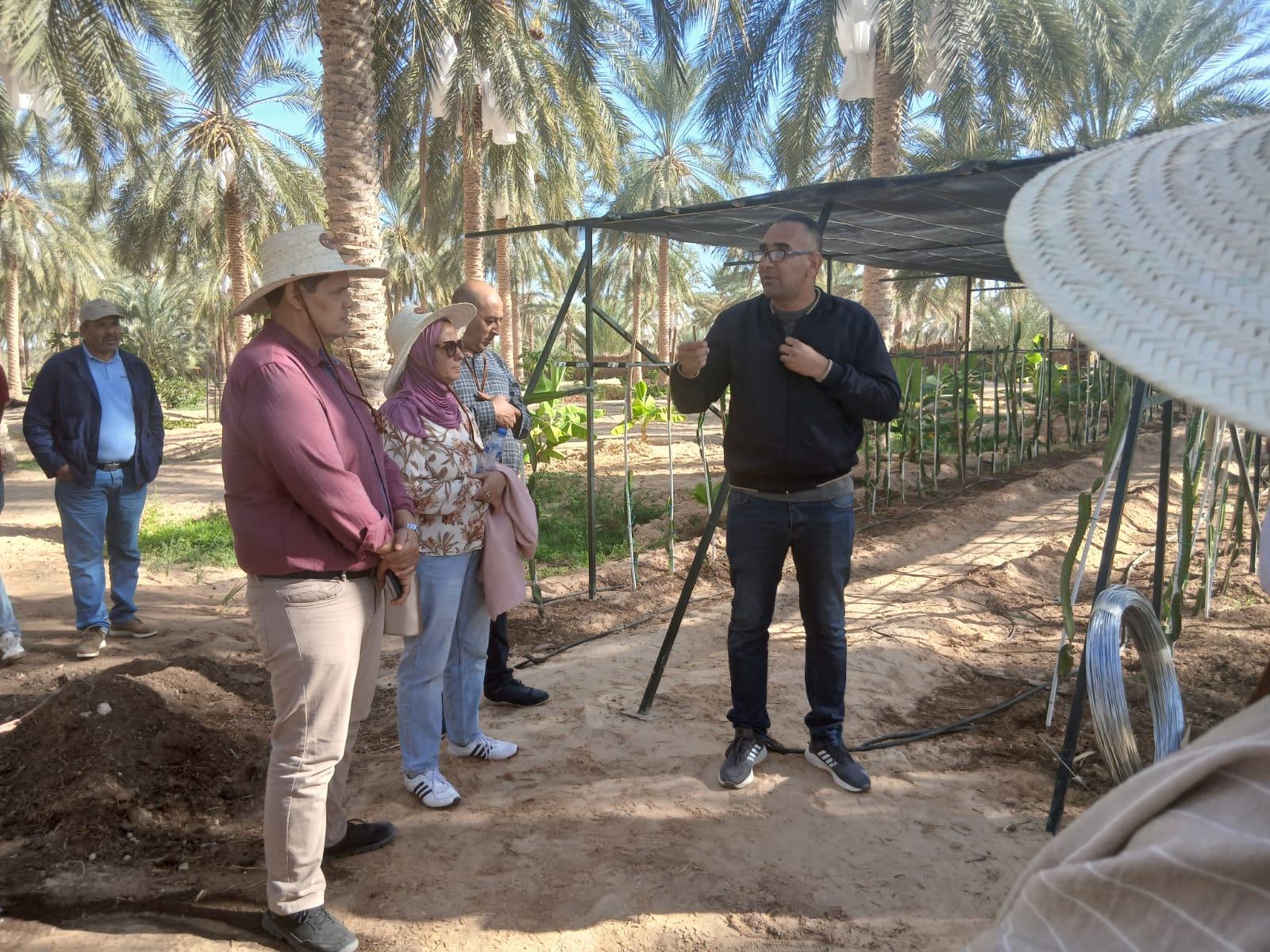
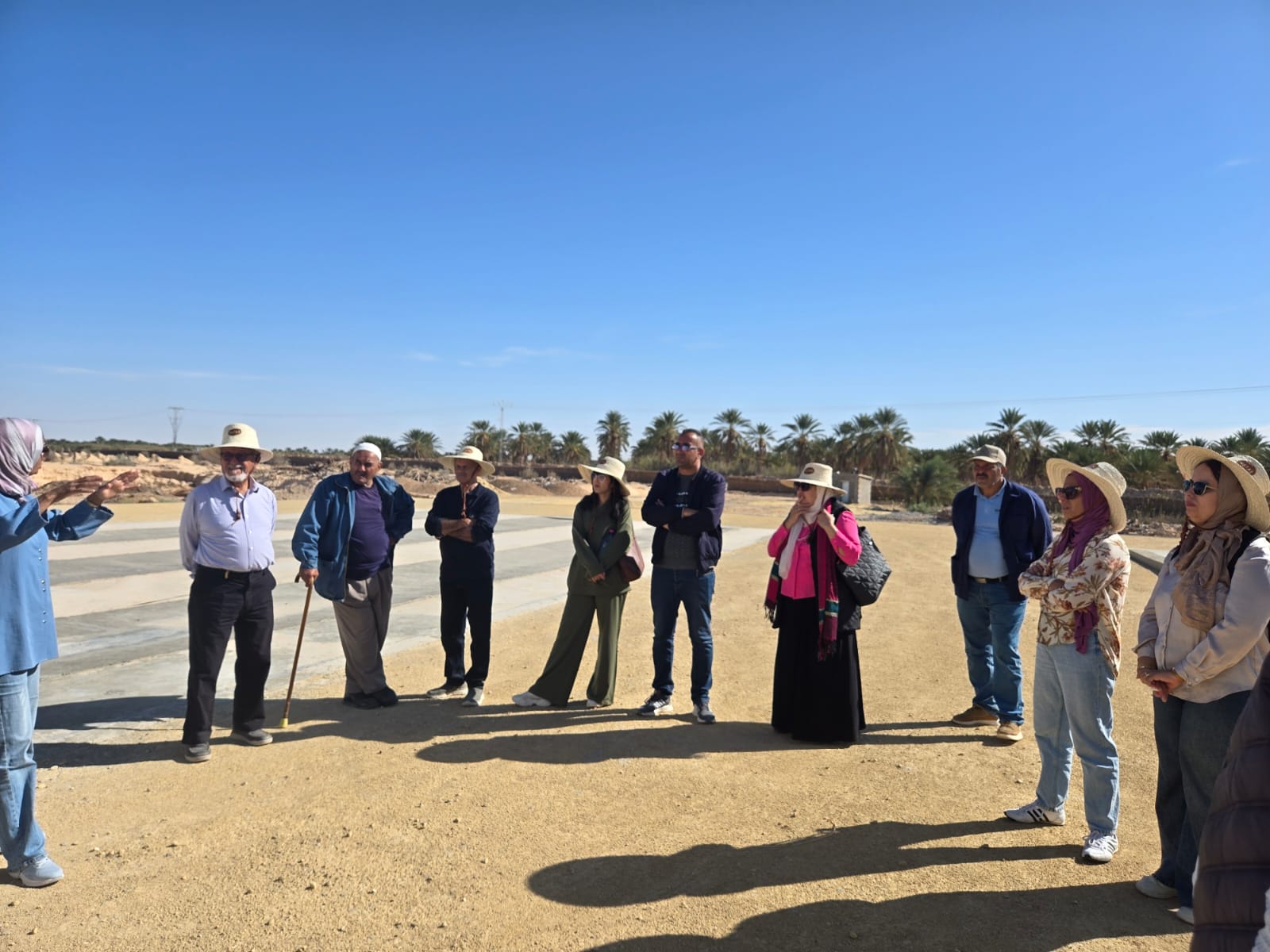
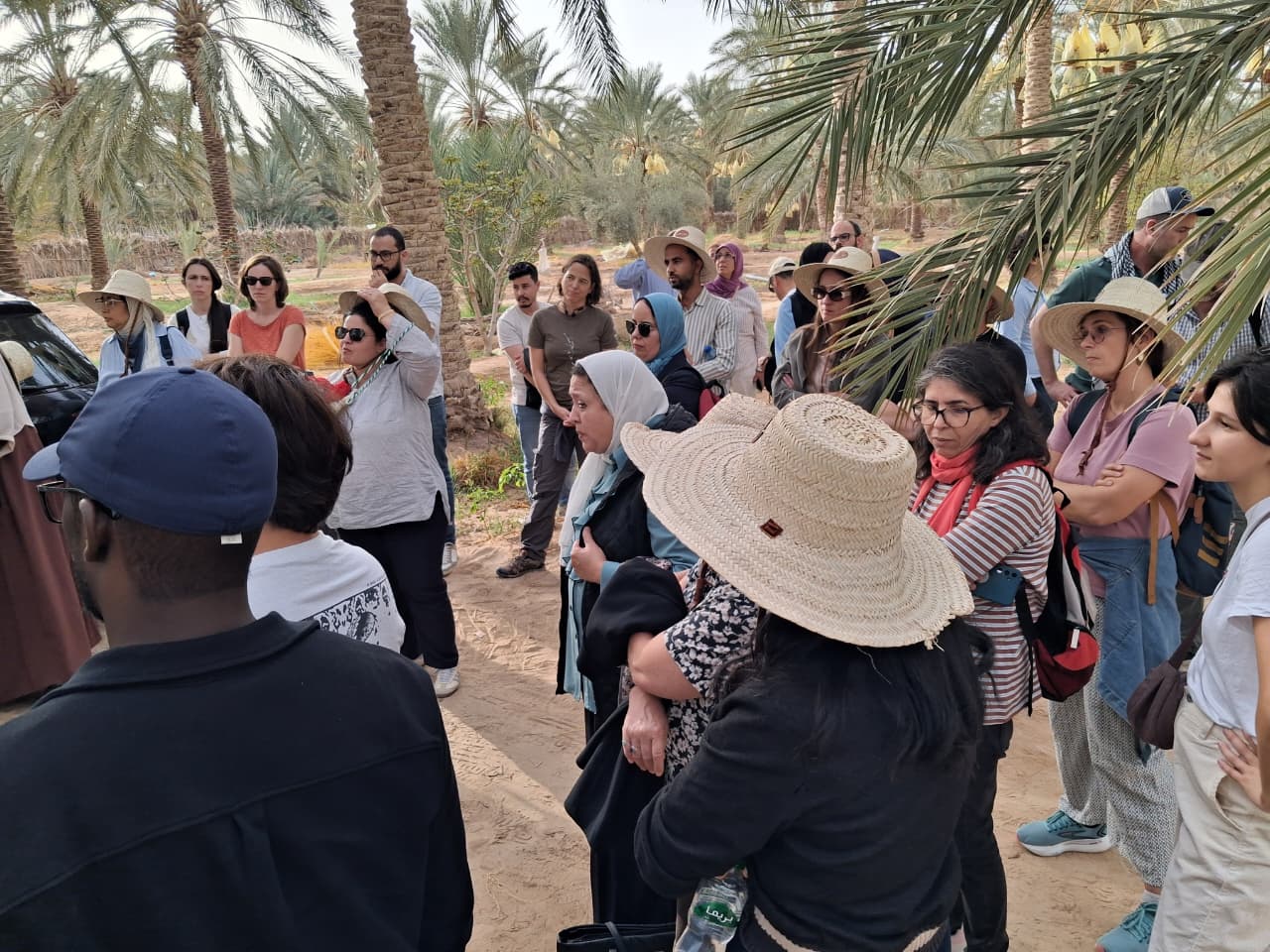
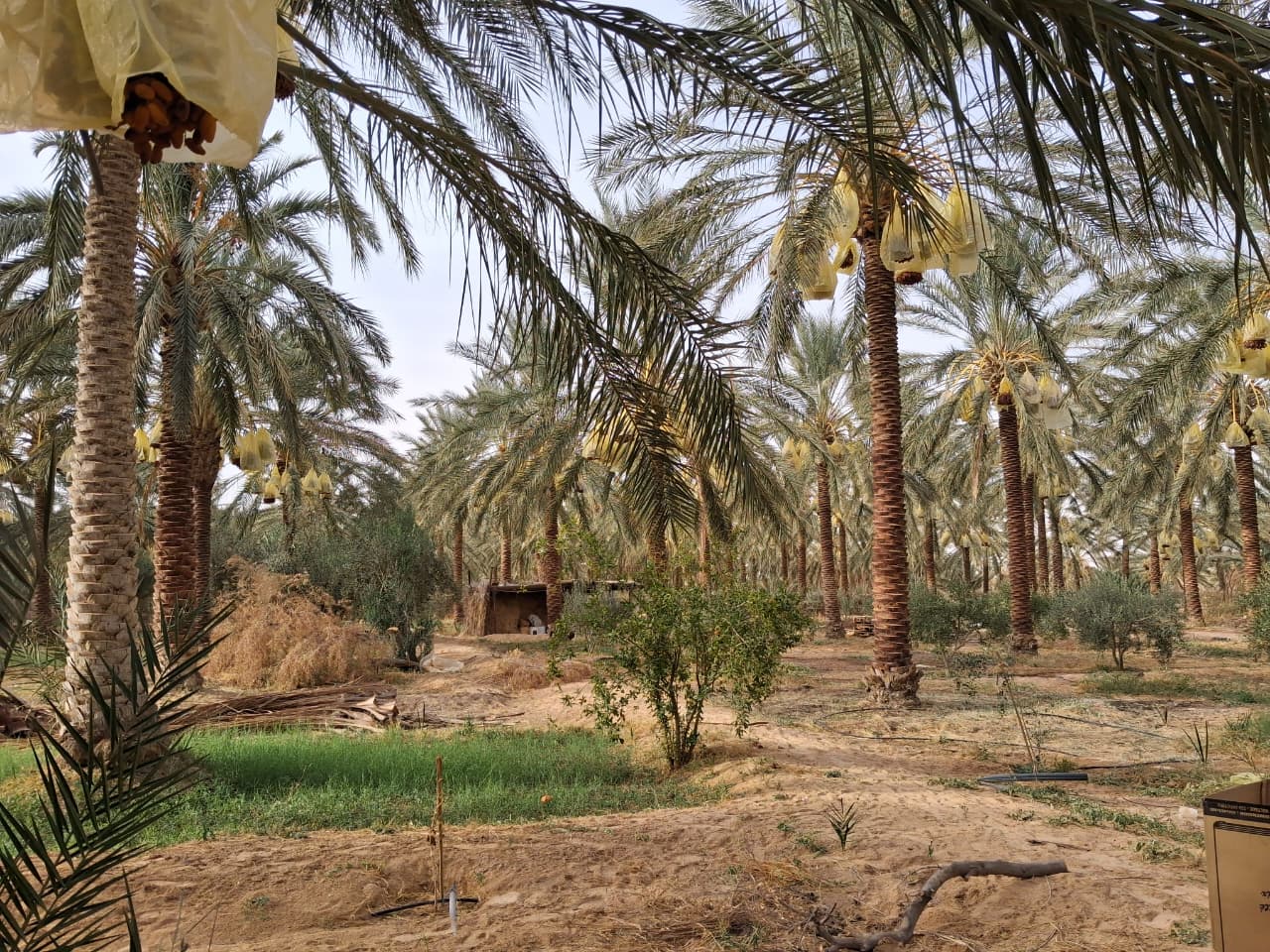
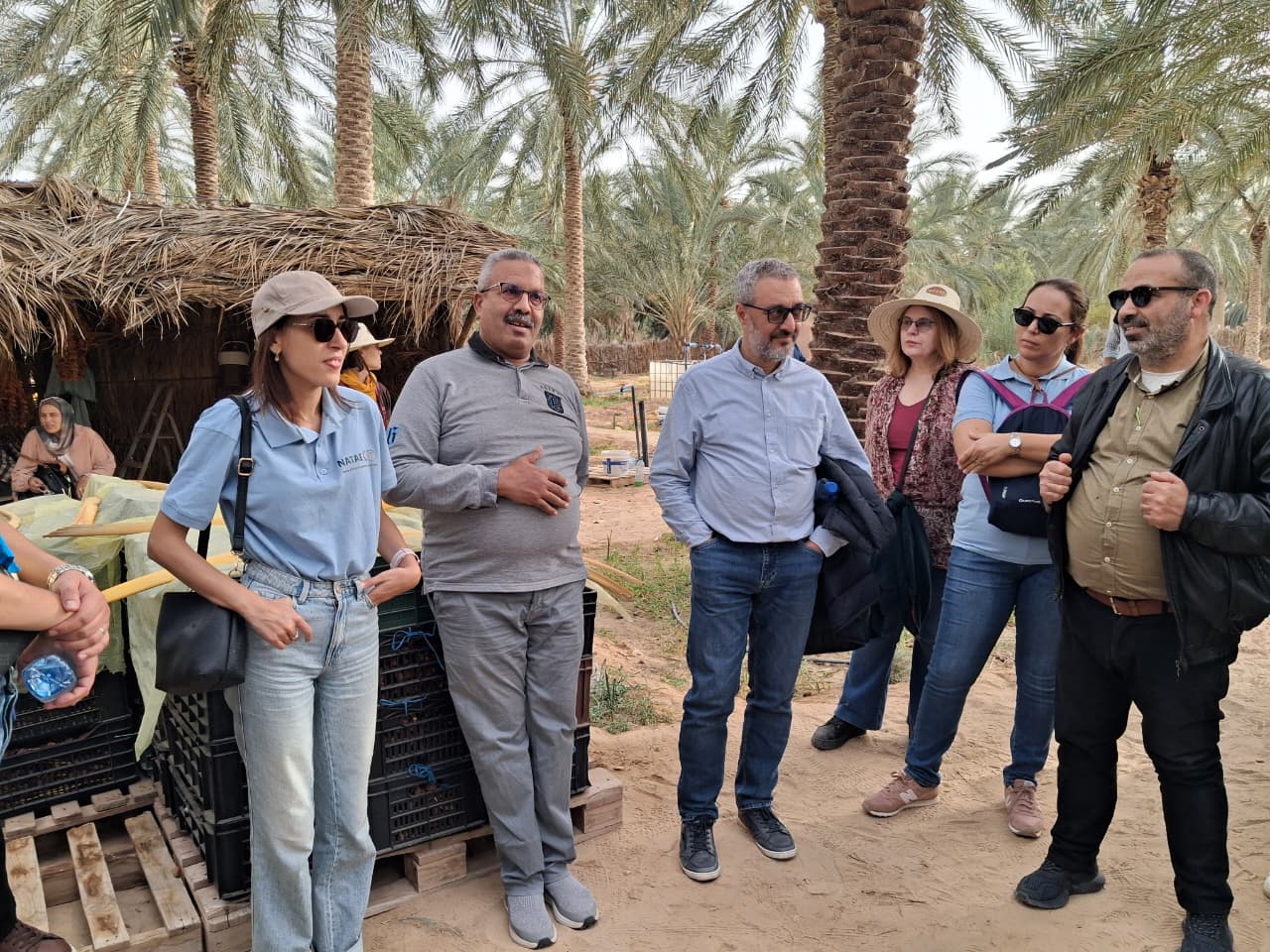
Kébili, Douz. From 10 to 13 November 2026
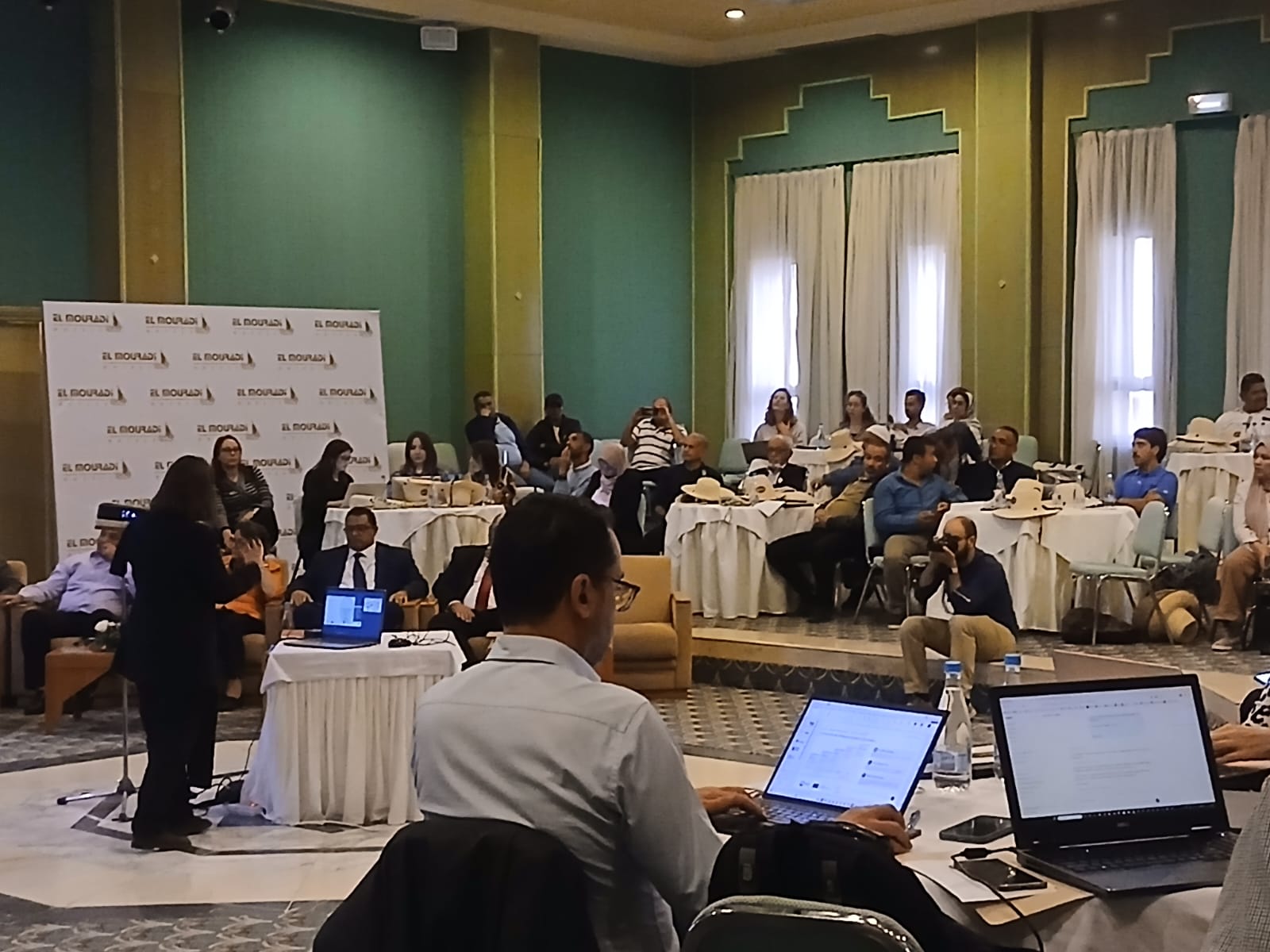
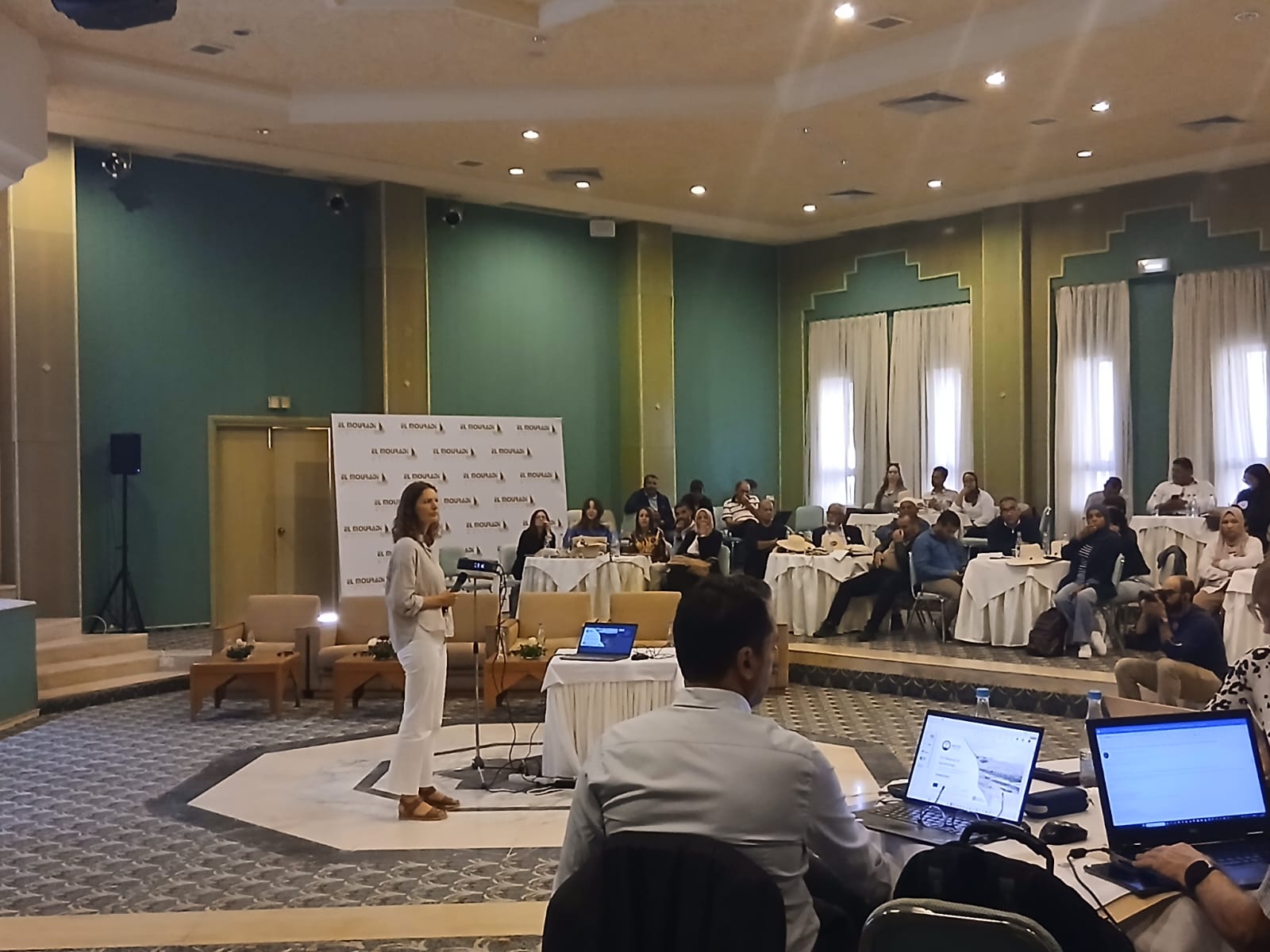
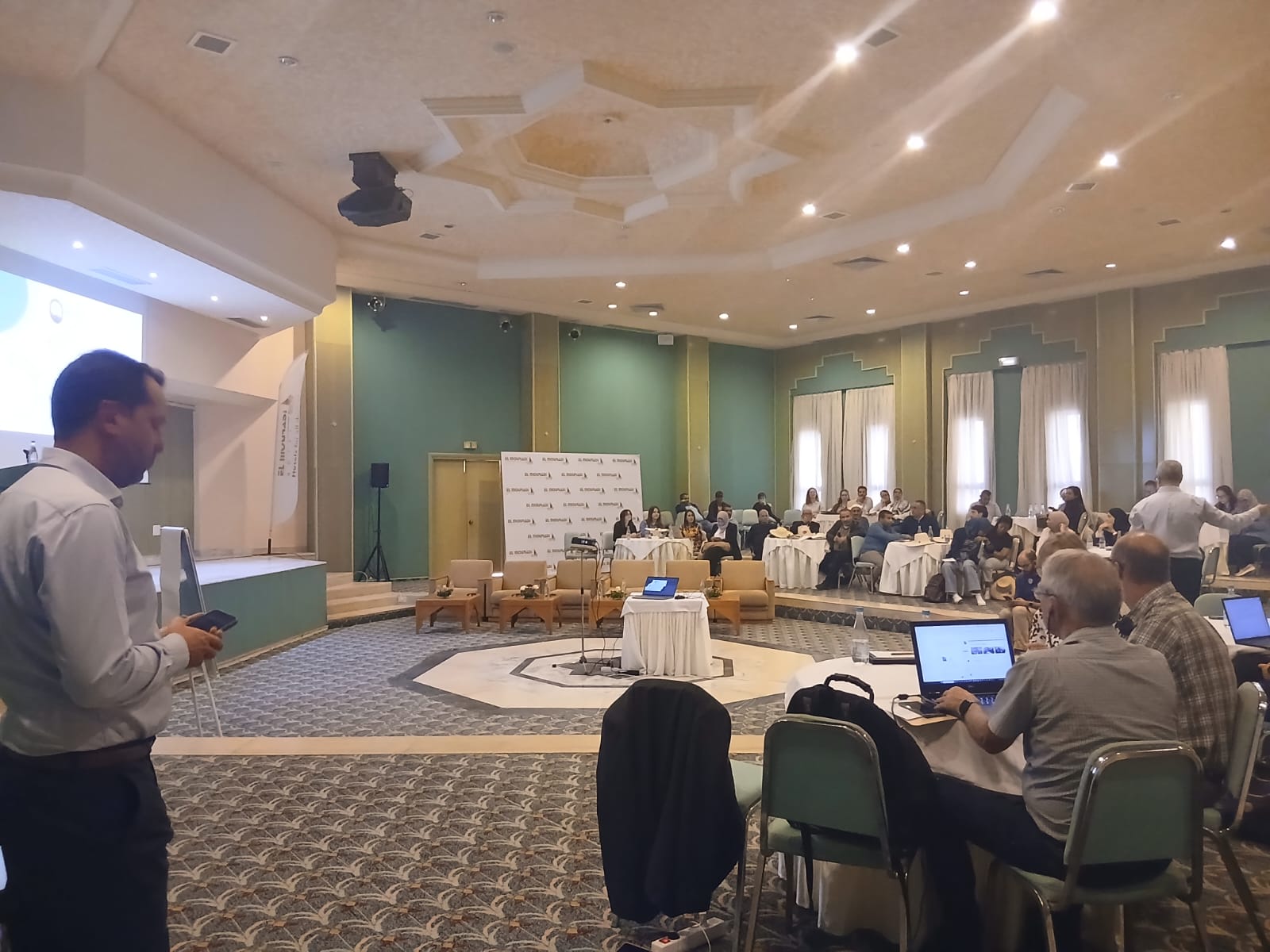
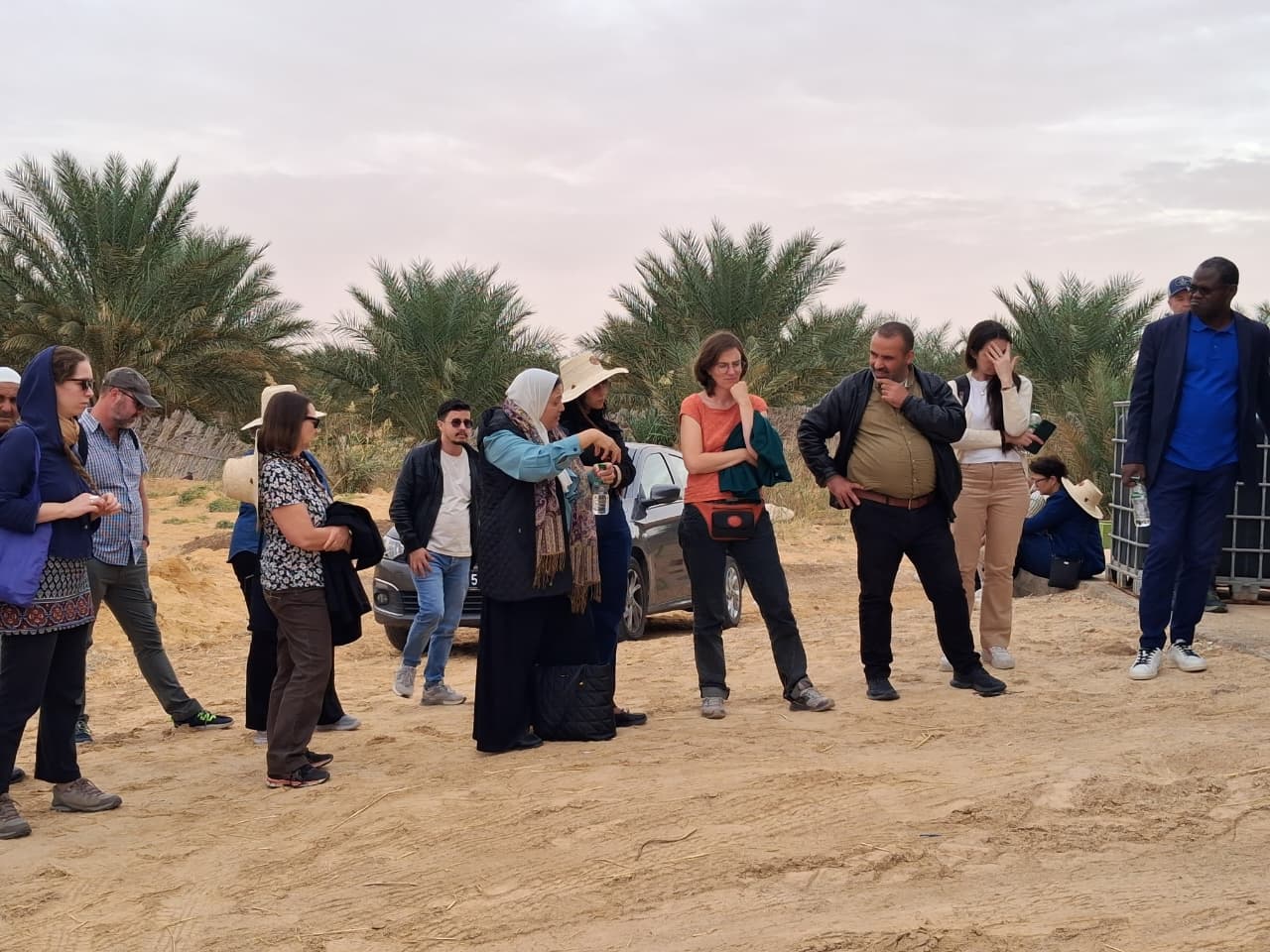
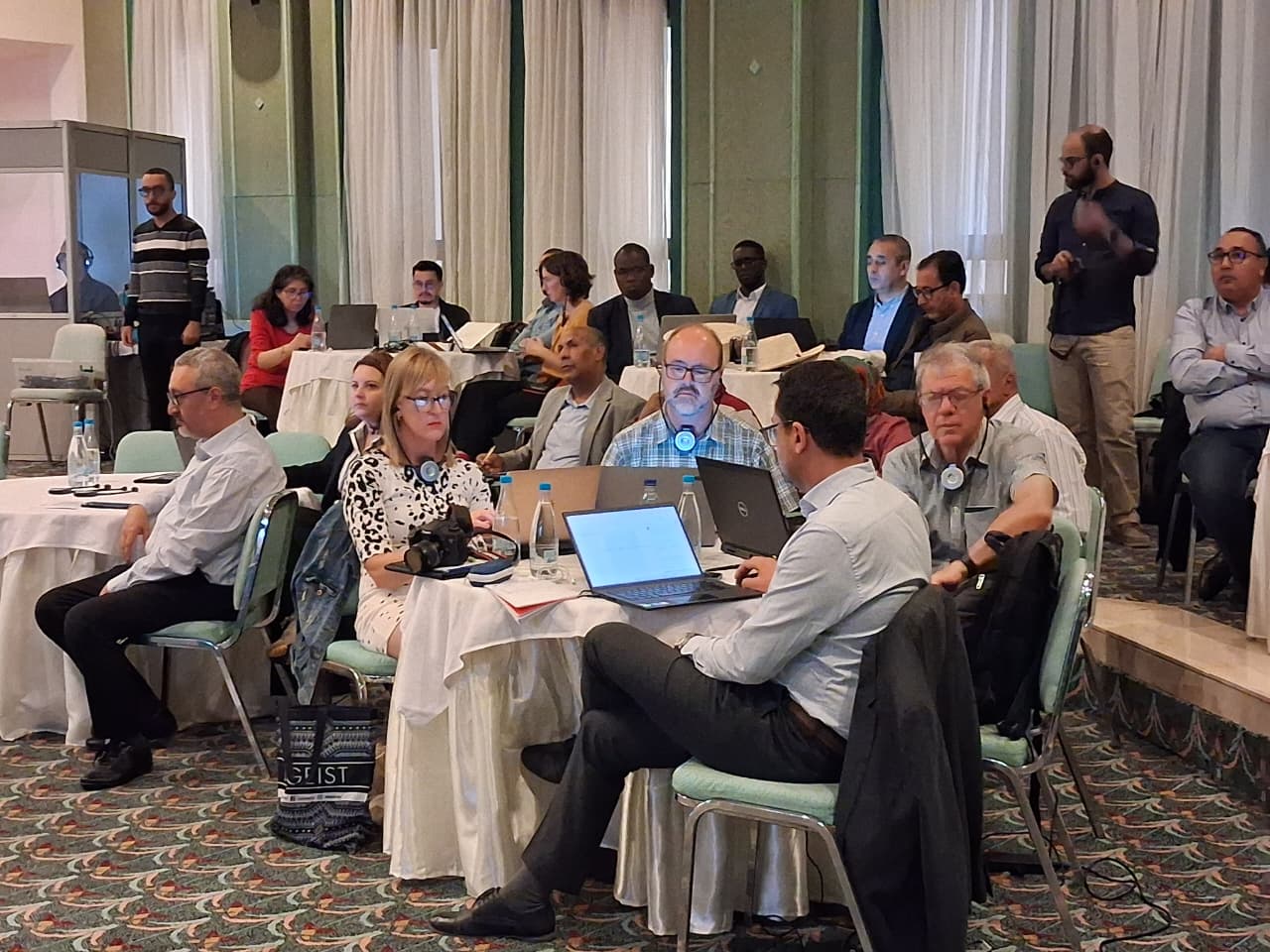
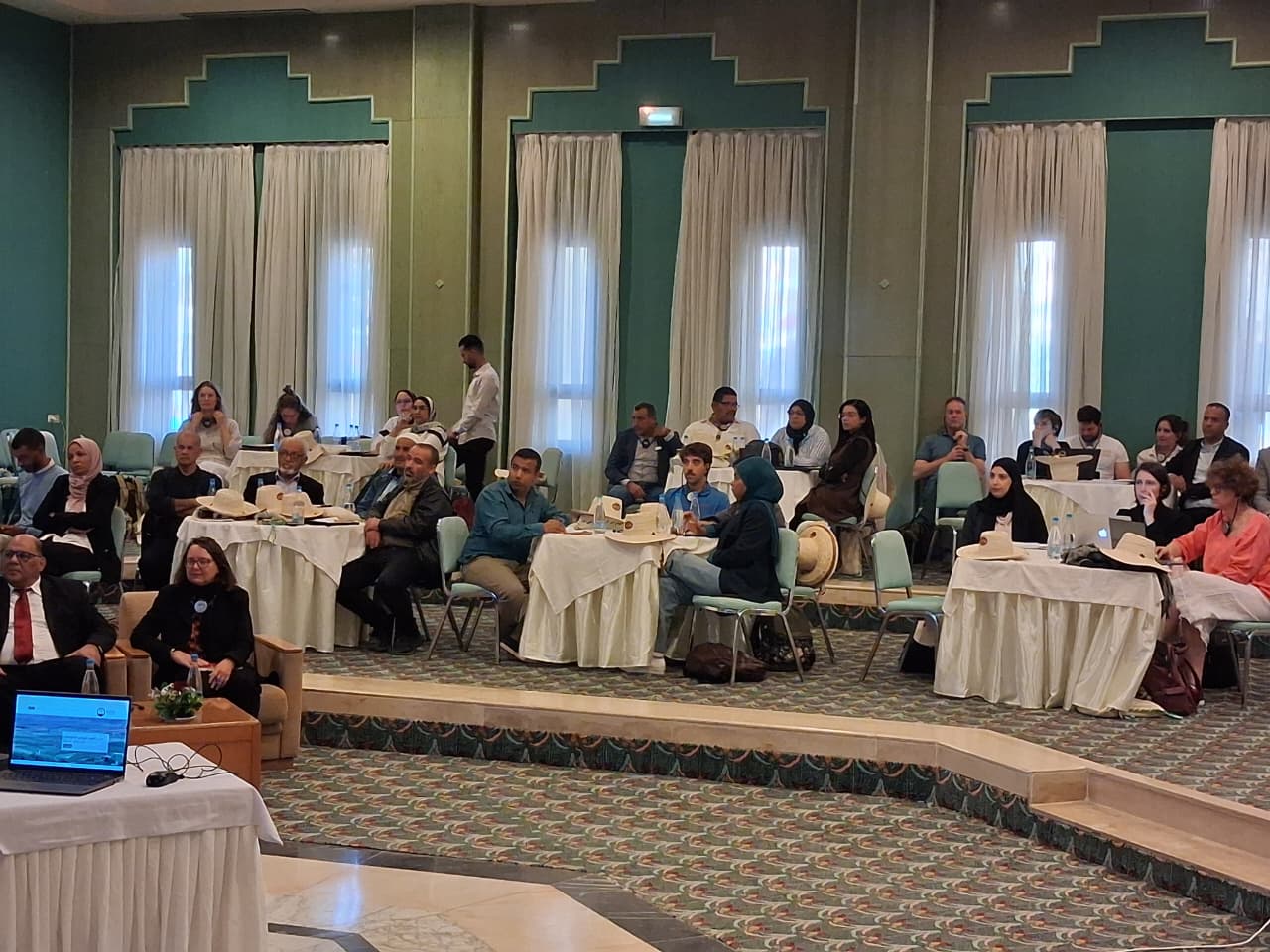
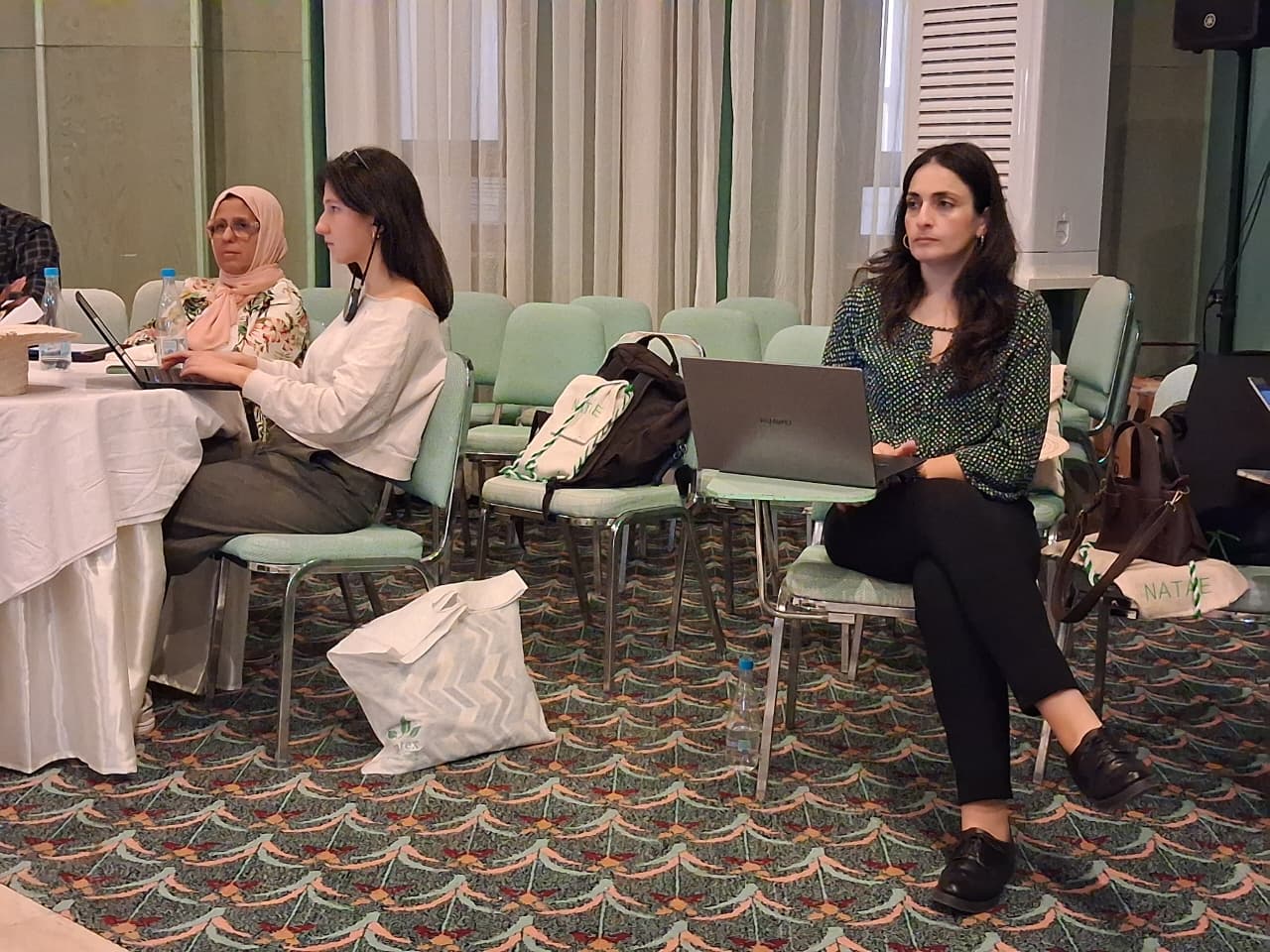
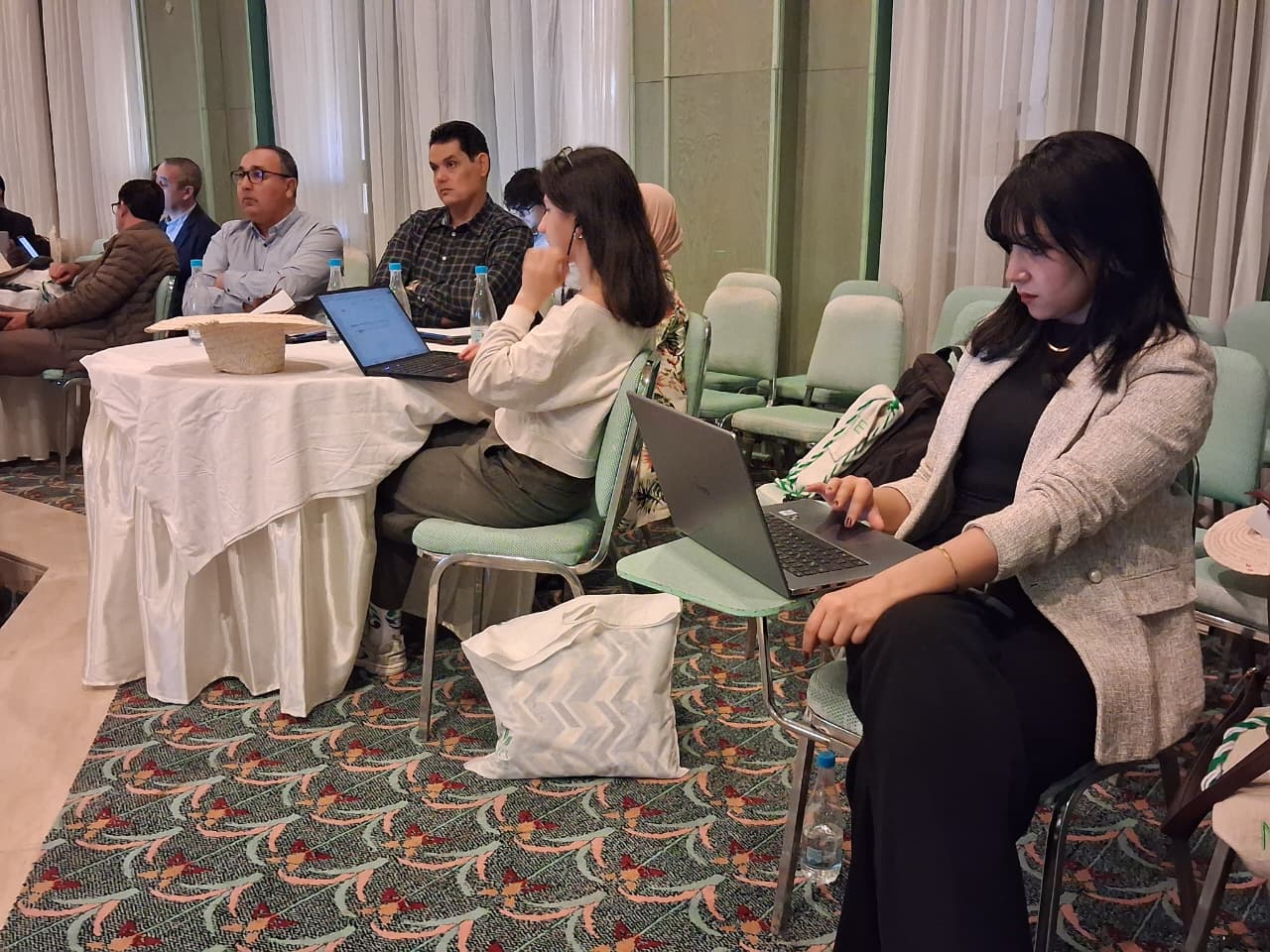
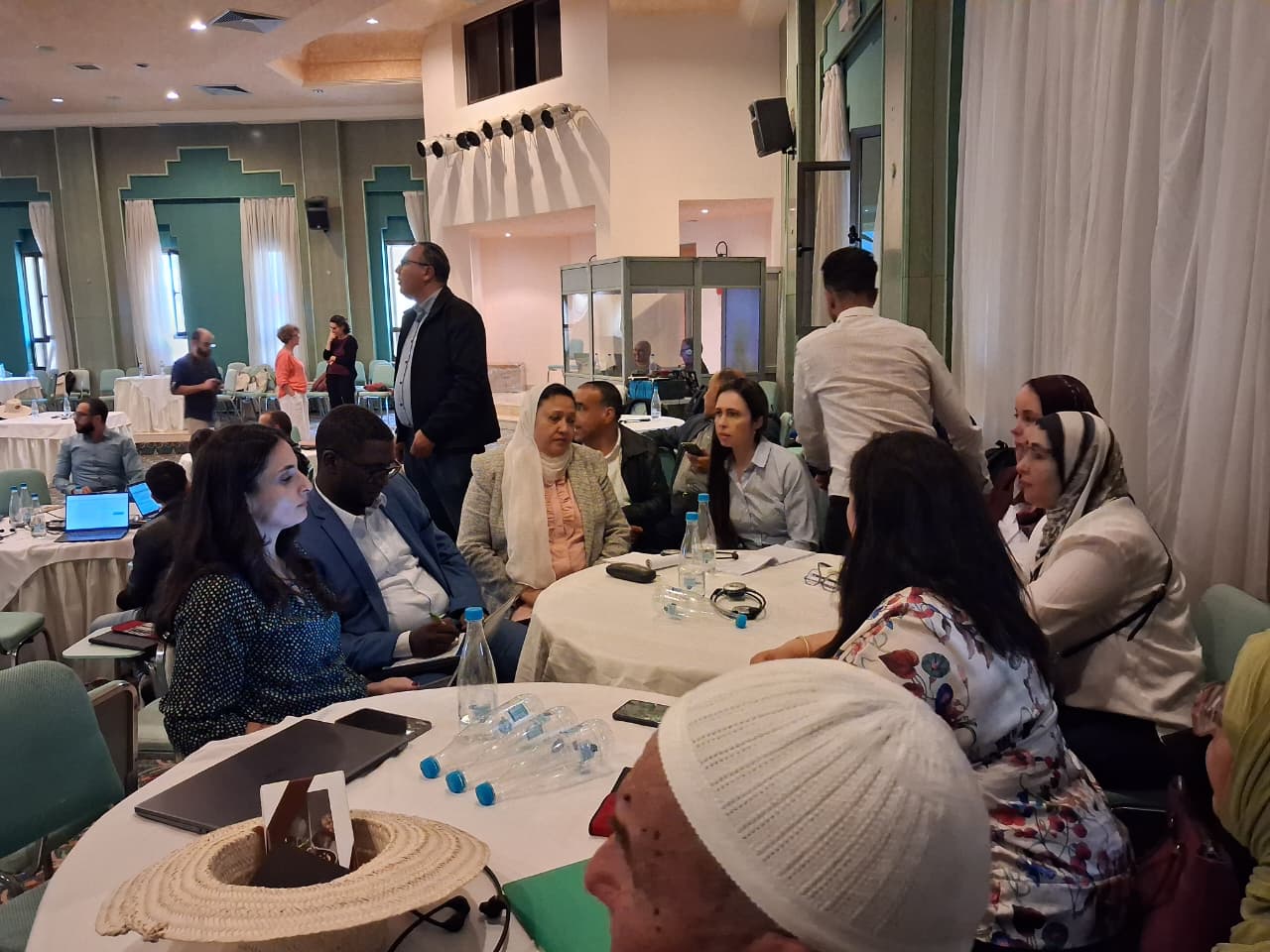
The agroecological transition goes beyond adopting new agricultural practices. It also depends on the ability of local territories to engage stakeholders, share knowledge and develop solutions tailored to local realities. This is the approach underpinning the NATAE project, whose partners gathered in Douz, in the Kébili Governorate, from 10 to 13 November 2026, for the project's closing workshop and final consortium meeting.
As a project partner, the Sahara and Sahel Observatory (OSS) took part in this meeting, which focused on consolidating results, sharing experiences and exploring ways to ensure the sustainability of the initiatives launched over the past four years.
Funded by the European Union under the Horizon Europe programme, NATAE (Fostering Agroecology Transition in North Africa through Multi-Actor Evaluation and Networking) supports the agroecological transition in North Africa by bringing together researchers, farmers, institutions and local stakeholders. Its approach is built in particular around Living Labs, collaborative spaces for dialogue and experimentation where solutions are jointly developed and assessed with the communities concerned.
Throughout the project, these approaches have helped bring scientific knowledge into dialogue with farming practices and the specific challenges faced by local territories. The discussions in Douz provided an opportunity to reflect on the lessons learned from this collective experience, present the resources developed, including practical factsheets and training booklets, and share the results achieved through the replication labs.
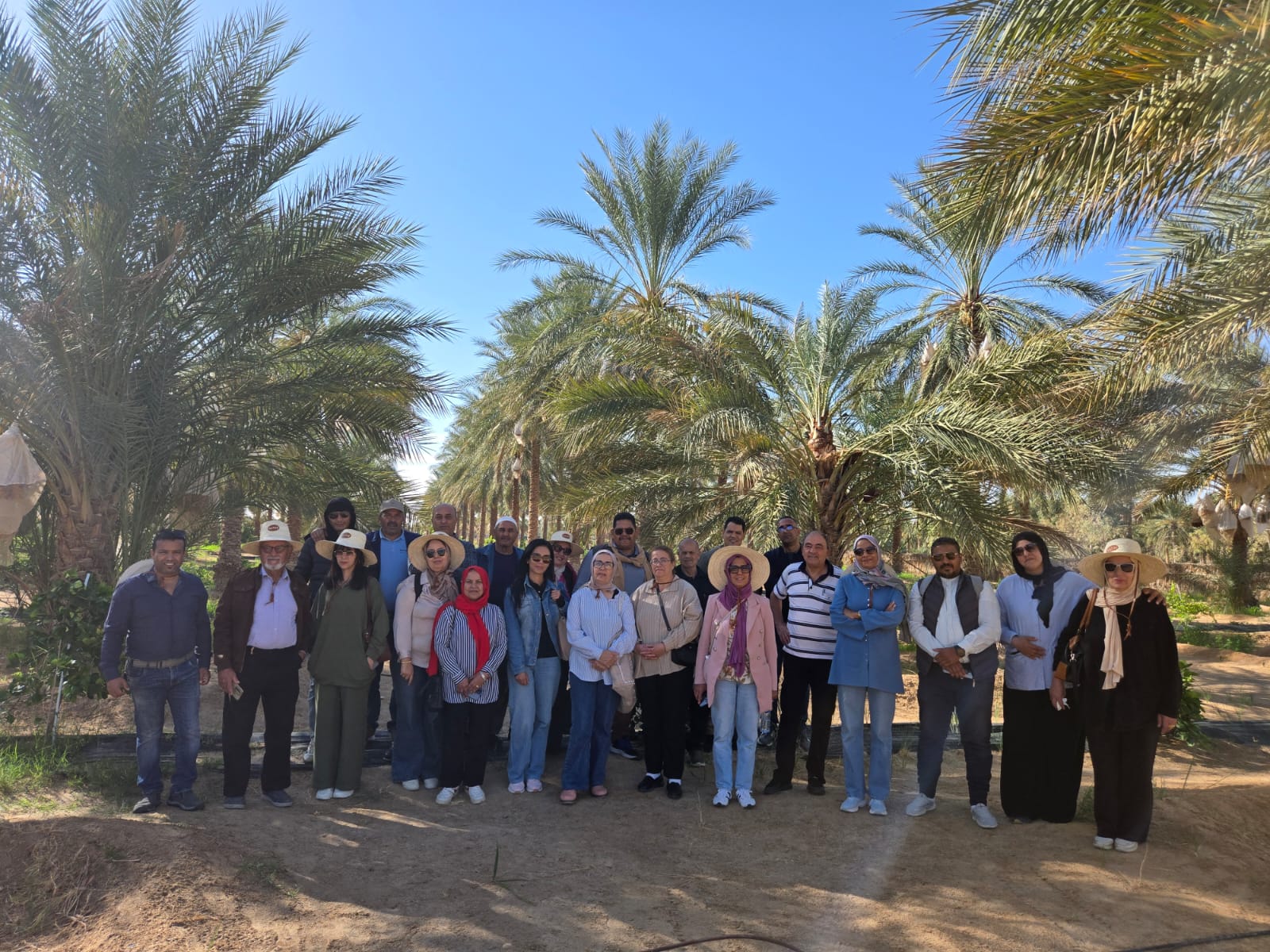
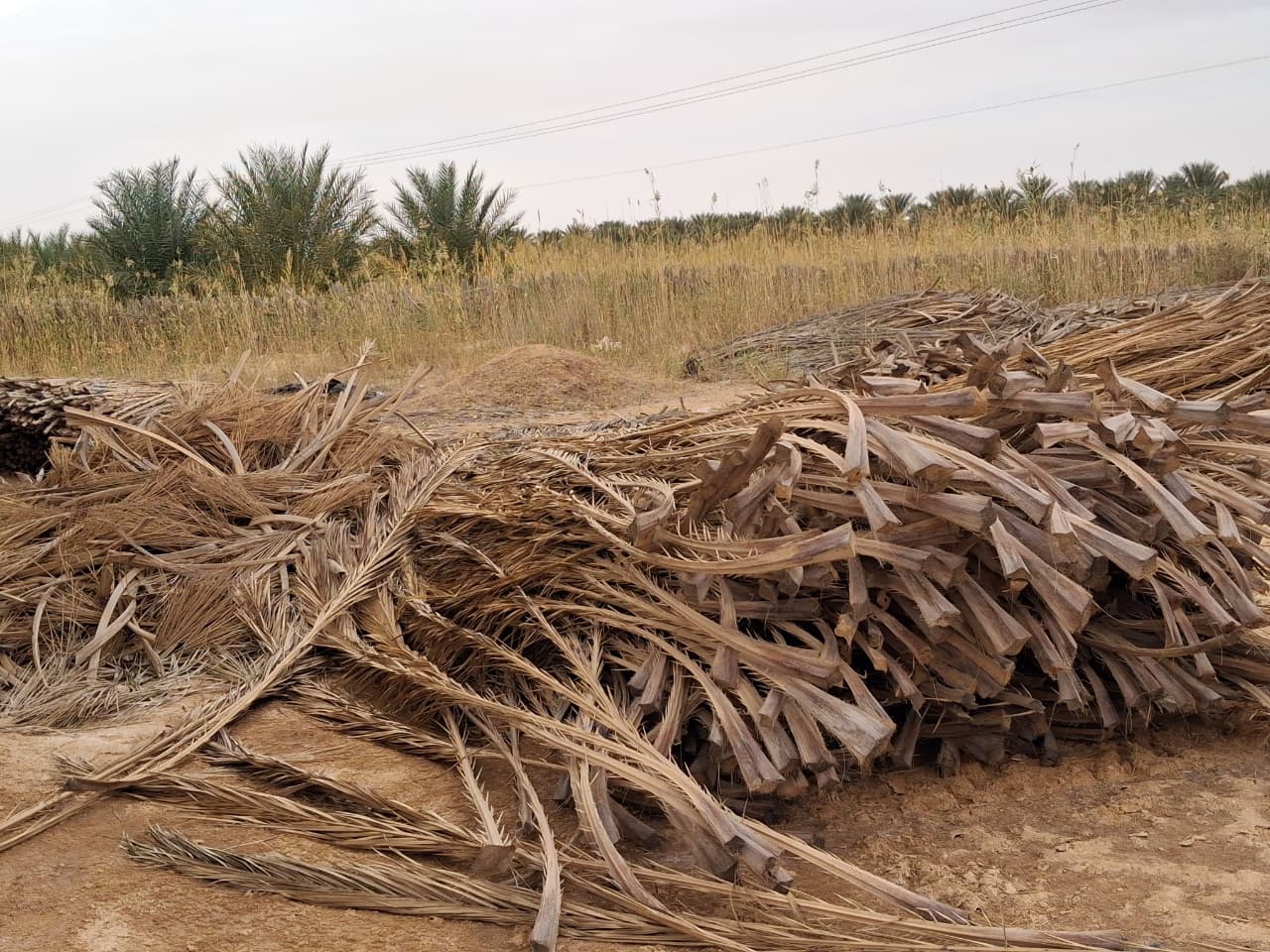
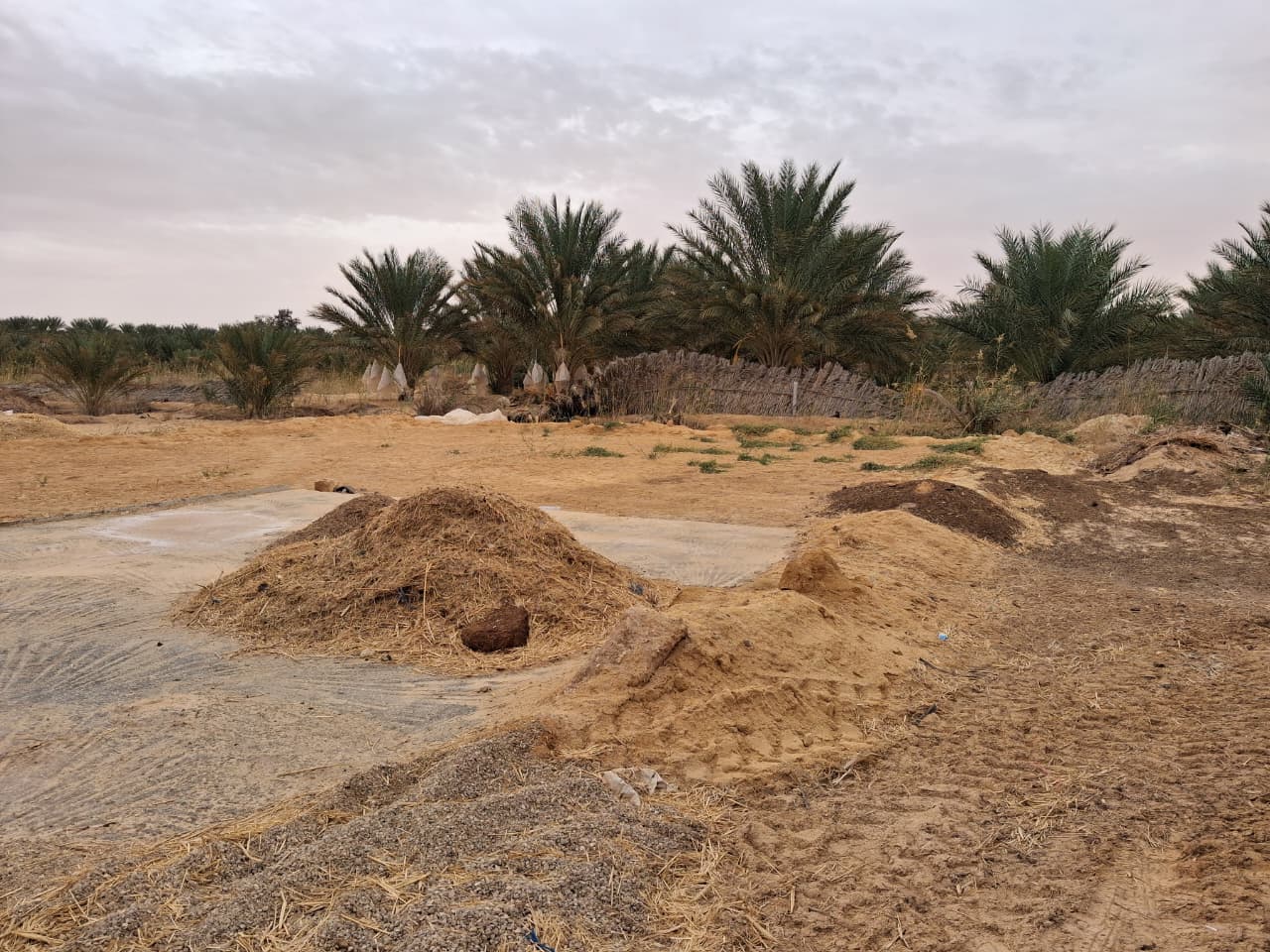
The visit to the Agricultural Development Group (GDA) site in the Barghouthia oasis, in Kébili, also highlighted the crucial role of sustainable water management in the future of oasis-based agricultural systems. Water rotation schedules, irrigation network maintenance, well management and support for farmers in adopting water-efficient techniques are all examples of how local stakeholders contribute to conserving resources and strengthening the resilience of farming operations.
Beyond reviewing the project's achievements, one of the main challenges of this closing phase is to ensure that the approaches tested continue to deliver results beyond the end of project funding. The long-term sustainability of Living Labs, the fair sharing of benefits and the transferability of experiences to other territories therefore featured prominently in the discussions.
The finalisation of the NATAE methodological guide and the promotion of the NATAE Atlas platform are also part of this effort to make the knowledge and tools developed accessible and available for further use.
For the OSS, this experience is closely aligned with its mandate in the fields of sustainable natural resource management, combating land degradation and climate change adaptation. It further highlights the value of bringing together scientific expertise, decision-support tools and local knowledge to support transitions that are adapted to the specific contexts of each territory.
The conclusion of NATAE therefore marks the end of a cycle of collaboration, but also the beginning of a new phase focused on showcasing, disseminating and building on the project's results. The challenge now is to keep these experiences alive and enable other territories to draw inspiration from them.
Held on January 28, 2025 in Tunis, the 27th session of the Strategic Orientation…
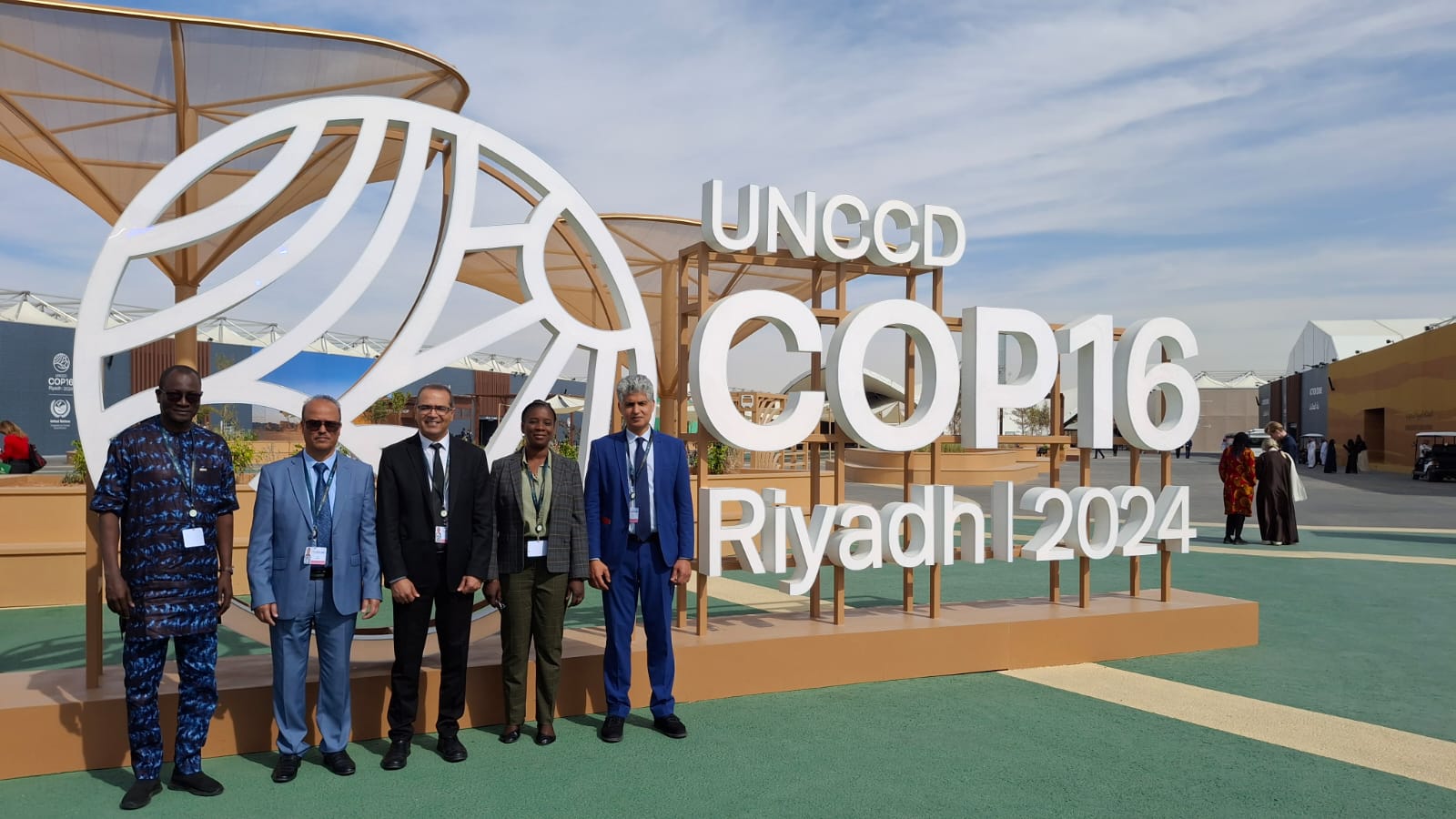
The participation of the Sahara and Sahel…
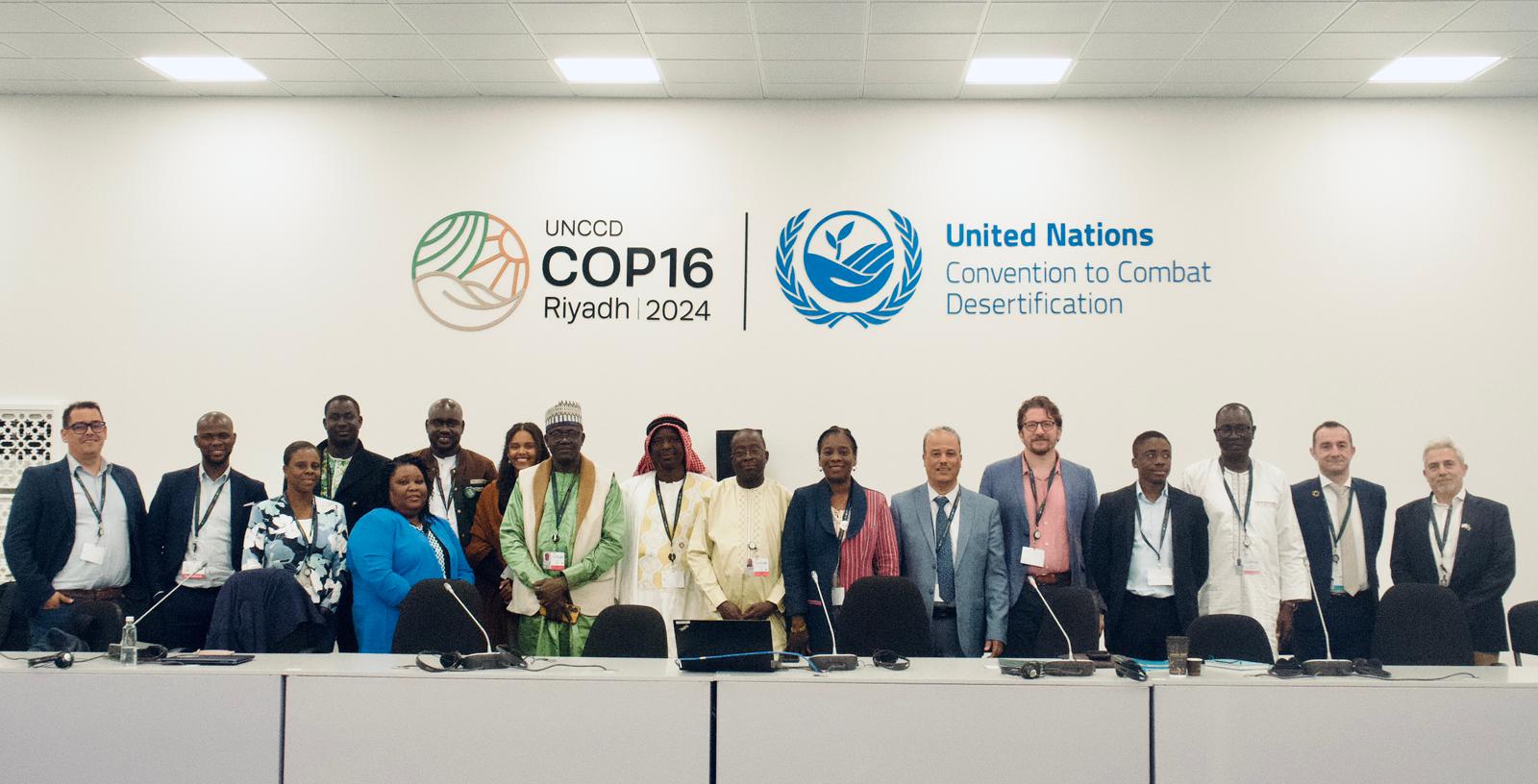
OSS Side Event at COP16: Strengthening Resilience in the Sahel through Multi-…