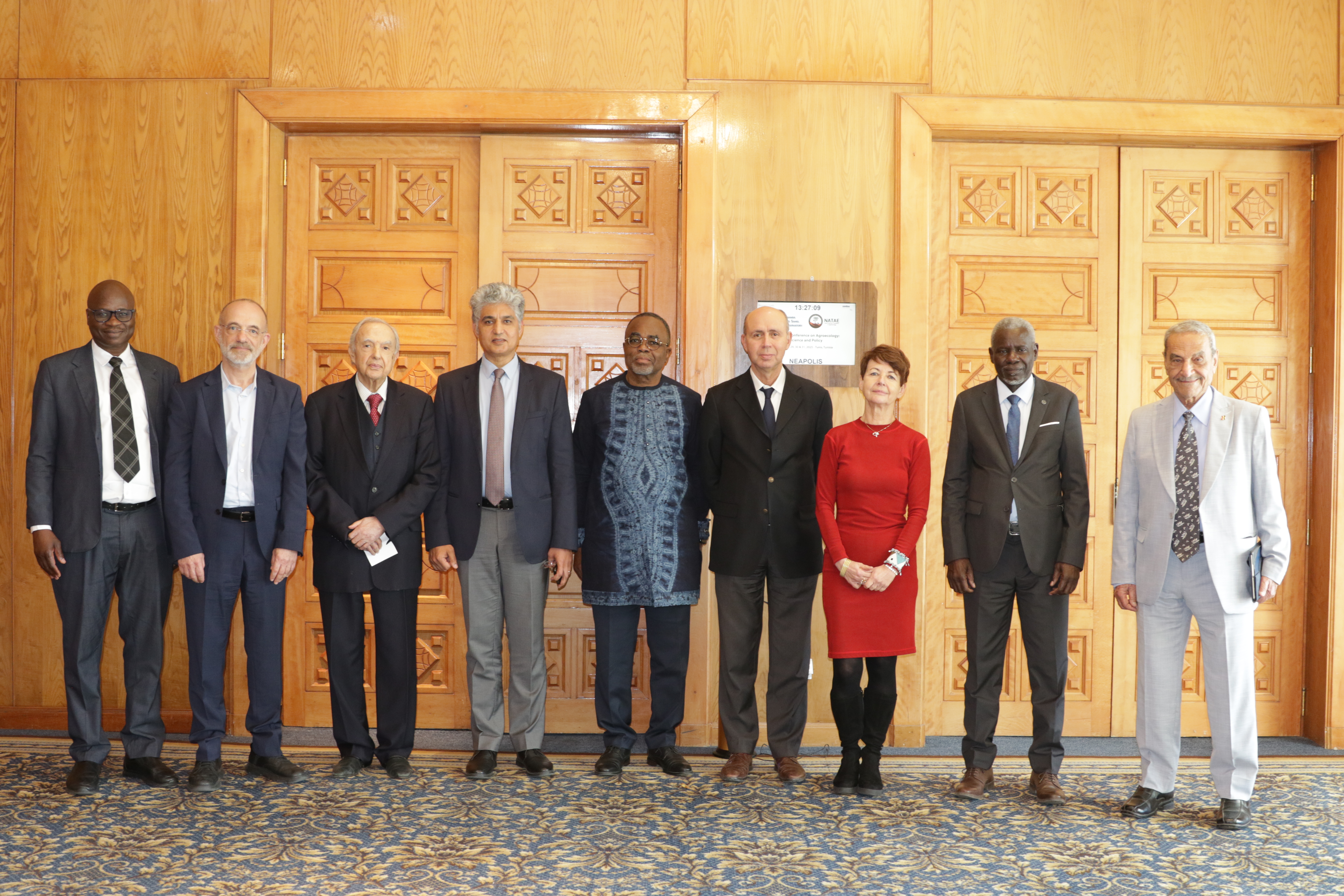
27th Session of the OSS Strategic Orientation Committee, Tunis, January 28, 2025
Held on January 28, 2025 in Tunis, the 27th session of the Strategic Orientation…
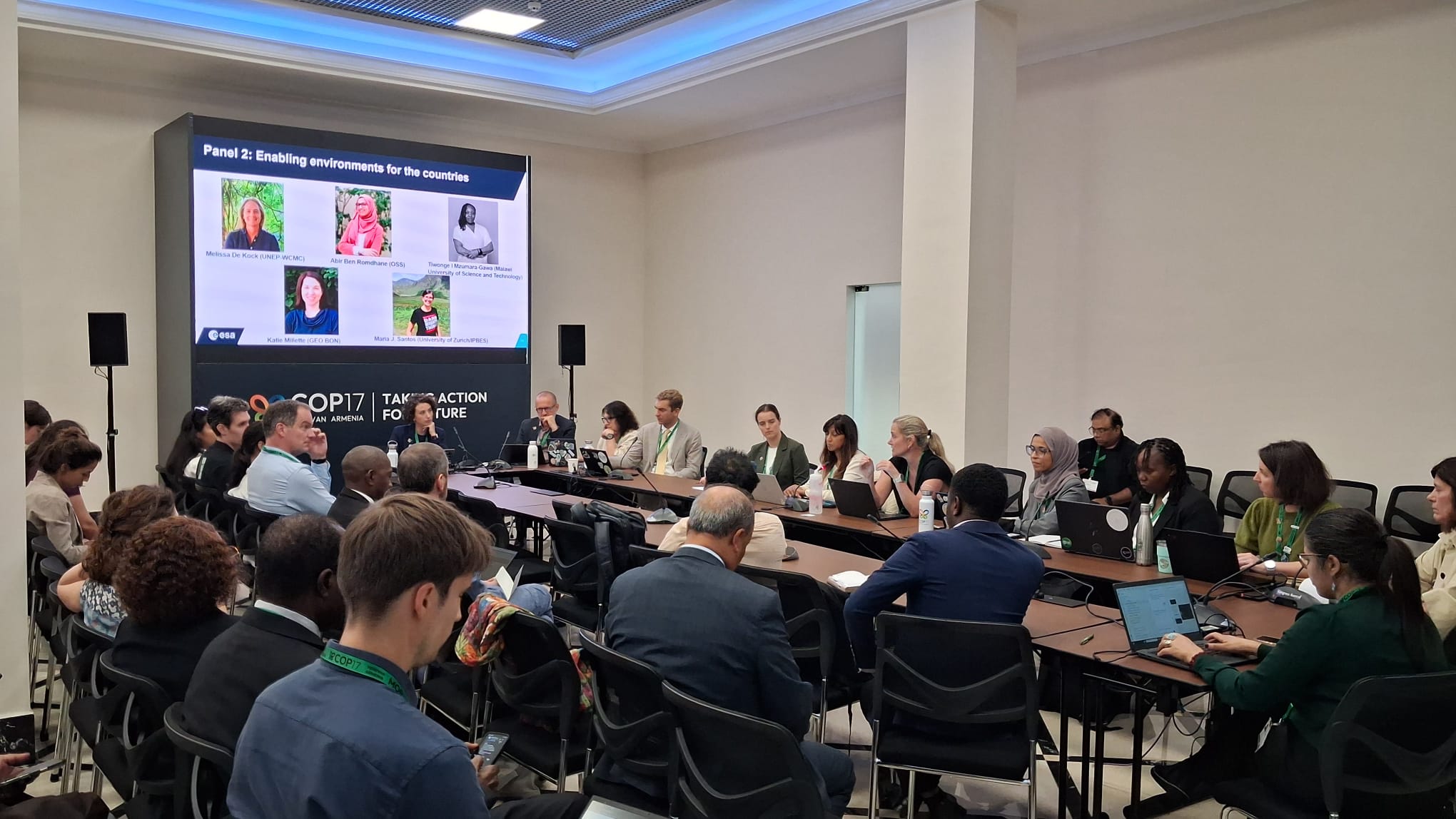
Yerevan, Armenia. 21 October 2026
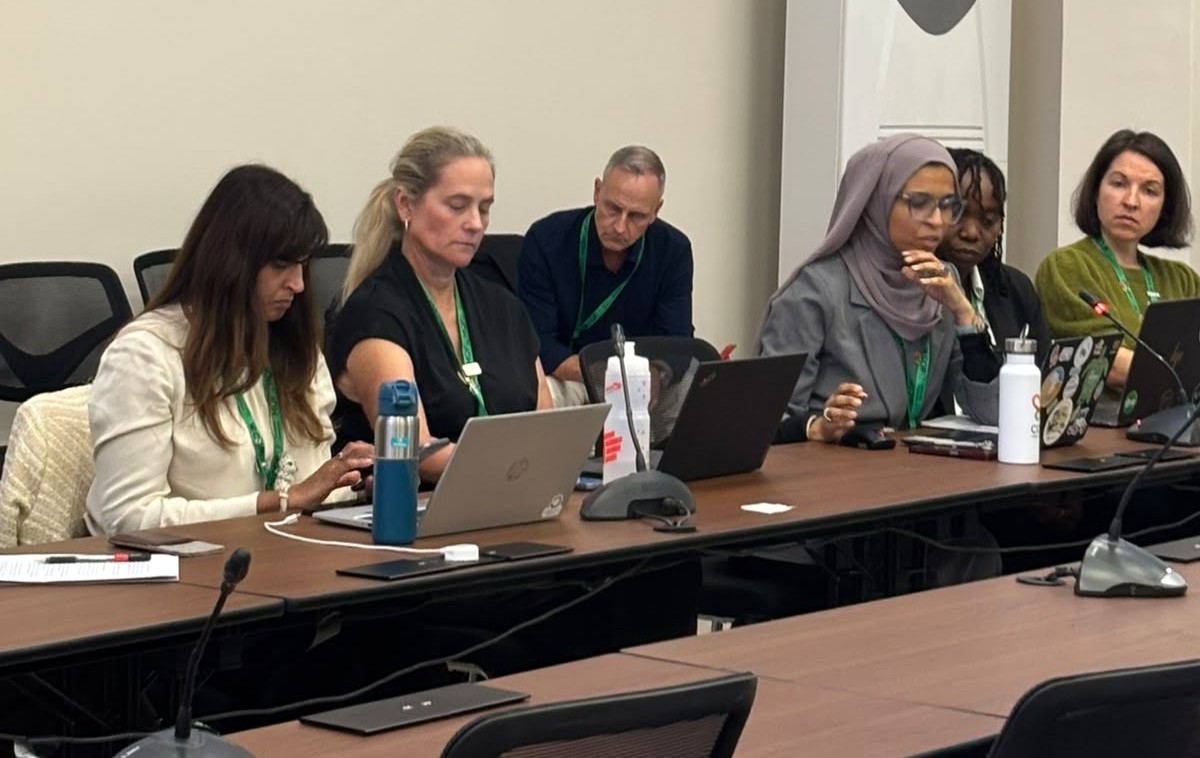
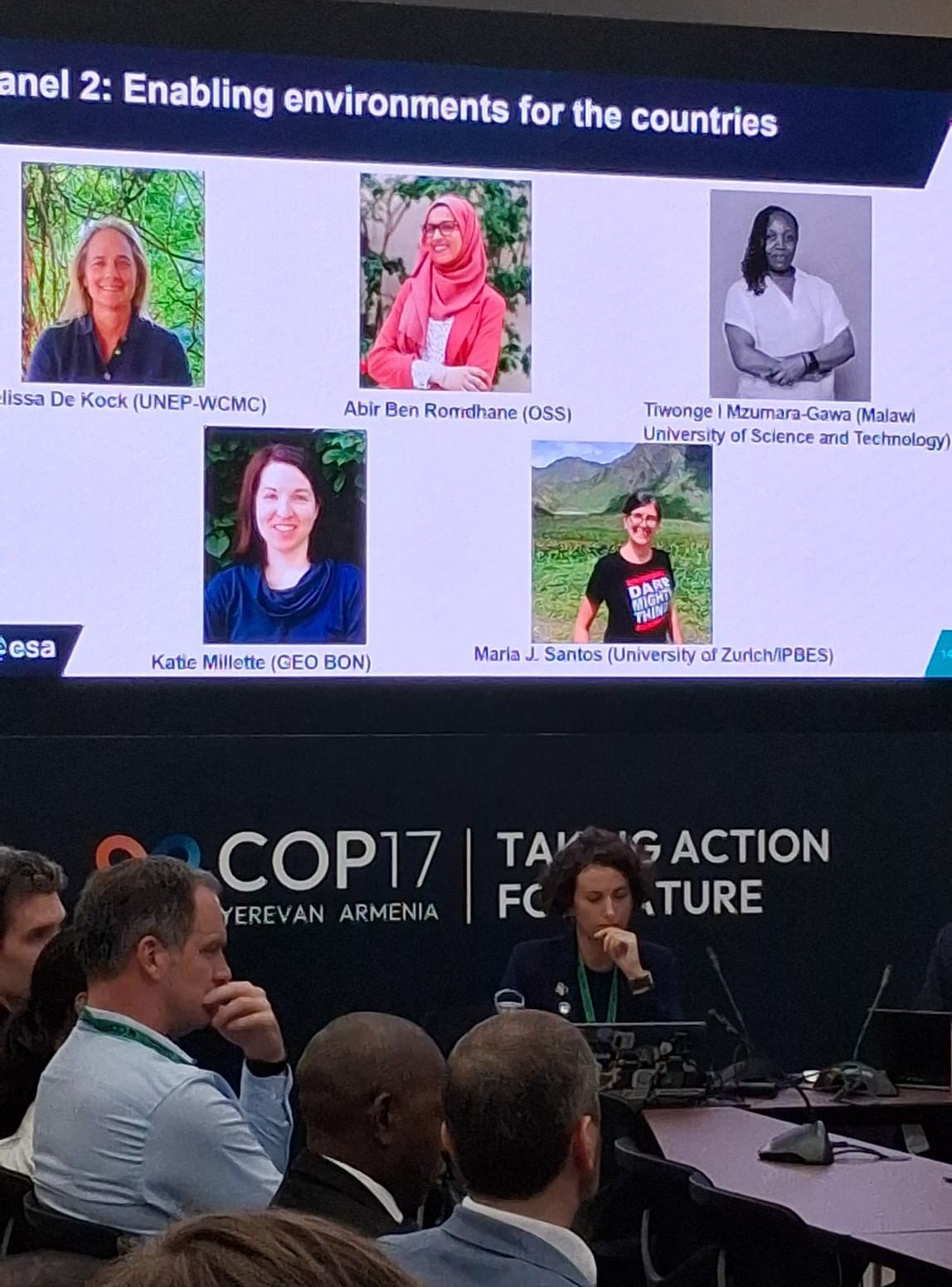
How can satellite data and digital platforms be better used to monitor countries’ commitments to biodiversity? This question guided discussions at the event “Scaling up KM-GBF monitoring: Earth Observation and digital platforms as enablers for NBSAP development, monitoring and reporting”, held on 21 October during the 17th Conference of the Parties to the Convention on Biological Diversity (CBD COP17).
Co-organized by the European Space Agency (ESA), UNEP-WCMC, GEO BON, UNDP, the European Commission, SANBI, the Sahara and Sahel Observatory (OSS), the University of Zurich and IPBES, the event brought together experts and institutional representatives to discuss the integration of Earth observation technologies into the implementation of National Biodiversity Strategies and Action Plans (NBSAPs) and the preparation of national reports.
Discussions focused on methods for using these data to calculate indicators under the Kunming-Montreal Global Biodiversity Framework (KMGBF), as well as the conditions required for national institutions to make effective use of them. Key topics included platform interoperability, methodological harmonization and the scientific validation of indicators, with a shared objective: to facilitate the monitoring of commitments without adding to reporting burdens.
Participants also highlighted the challenges countries face in integrating these solutions into their national systems. Beyond access to data and tools, their effective use requires appropriate technical skills, cooperation among relevant institutions and methods aligned with national monitoring needs.
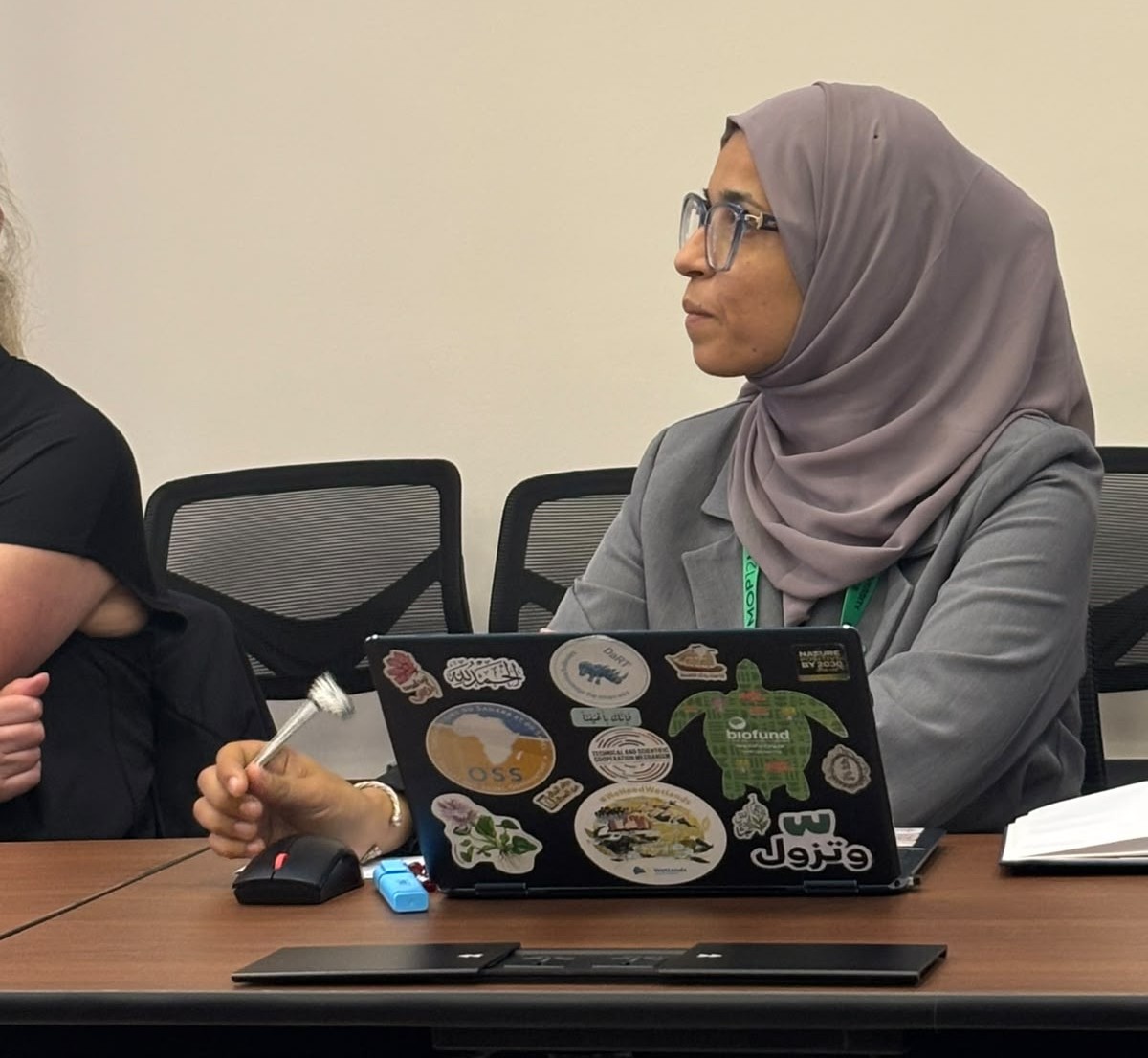
Speaking during the panel dedicated to the practical application of these technologies, Ms. Abir BEN ROMDHANE, Head of the Biodiversity and Ecosystems Division at OSS, highlighted the role of regional cooperation and capacity-building in bringing available solutions closer to countries’ needs. OSS experience, particularly through its environmental data platforms and regional programmes, contributes to this effort by facilitating access to information and supporting its use by national stakeholders.
As the Convention on Biological Diversity’s Technical and Scientific Cooperation Support Centre (TSCC) for eight countries in North Africa and the Sahel, OSS supports national institutions in implementing the KMGBF. This work includes mobilizing expertise, sharing tools and strengthening the capacities needed to monitor national commitments.
The challenge now is to ensure that advances in Earth observation translate into reliable data that countries can use and directly apply in their biodiversity-related decisions and reporting.
Held on January 28, 2025 in Tunis, the 27th session of the Strategic Orientation…
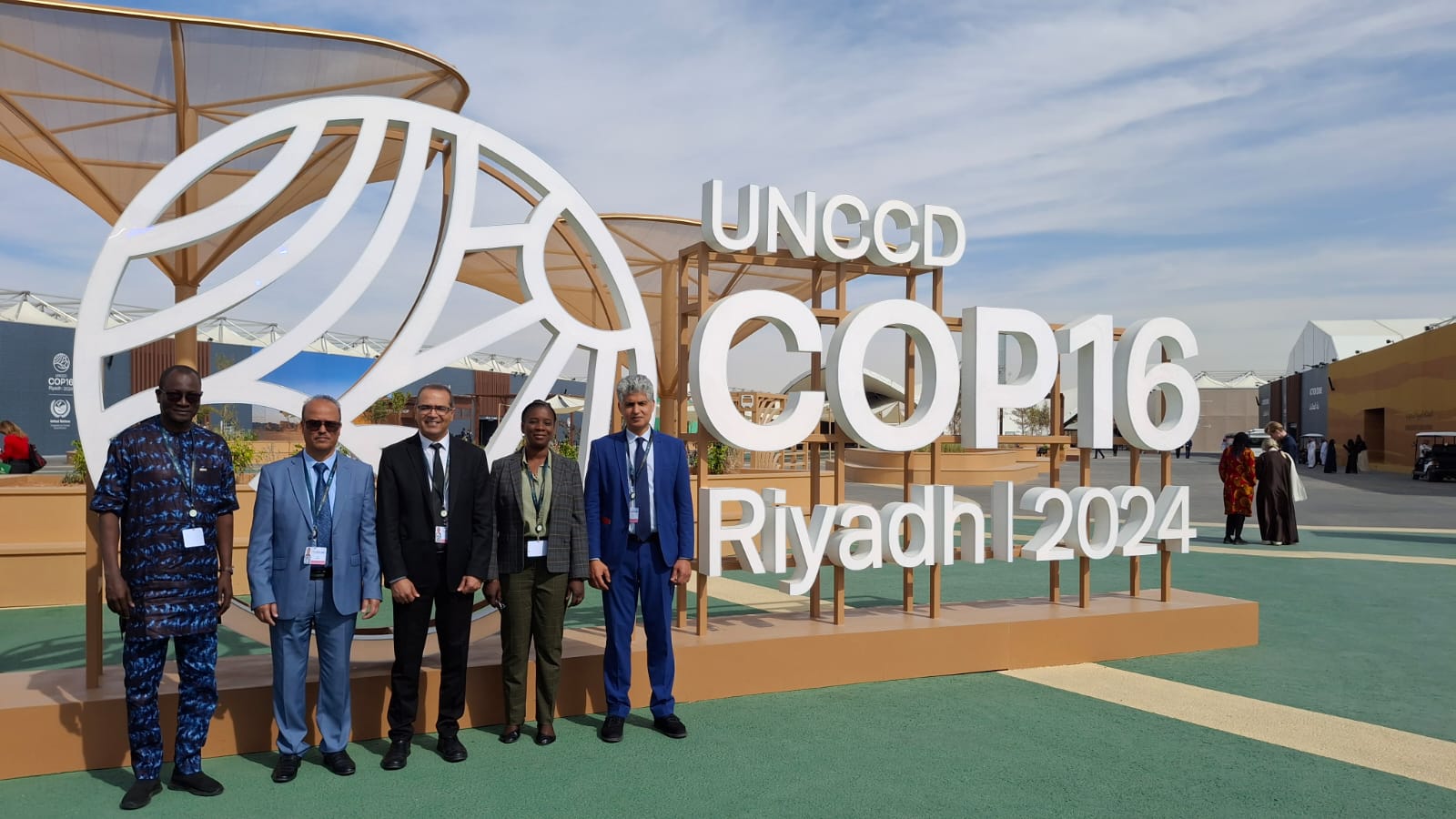
The participation of the Sahara and Sahel…
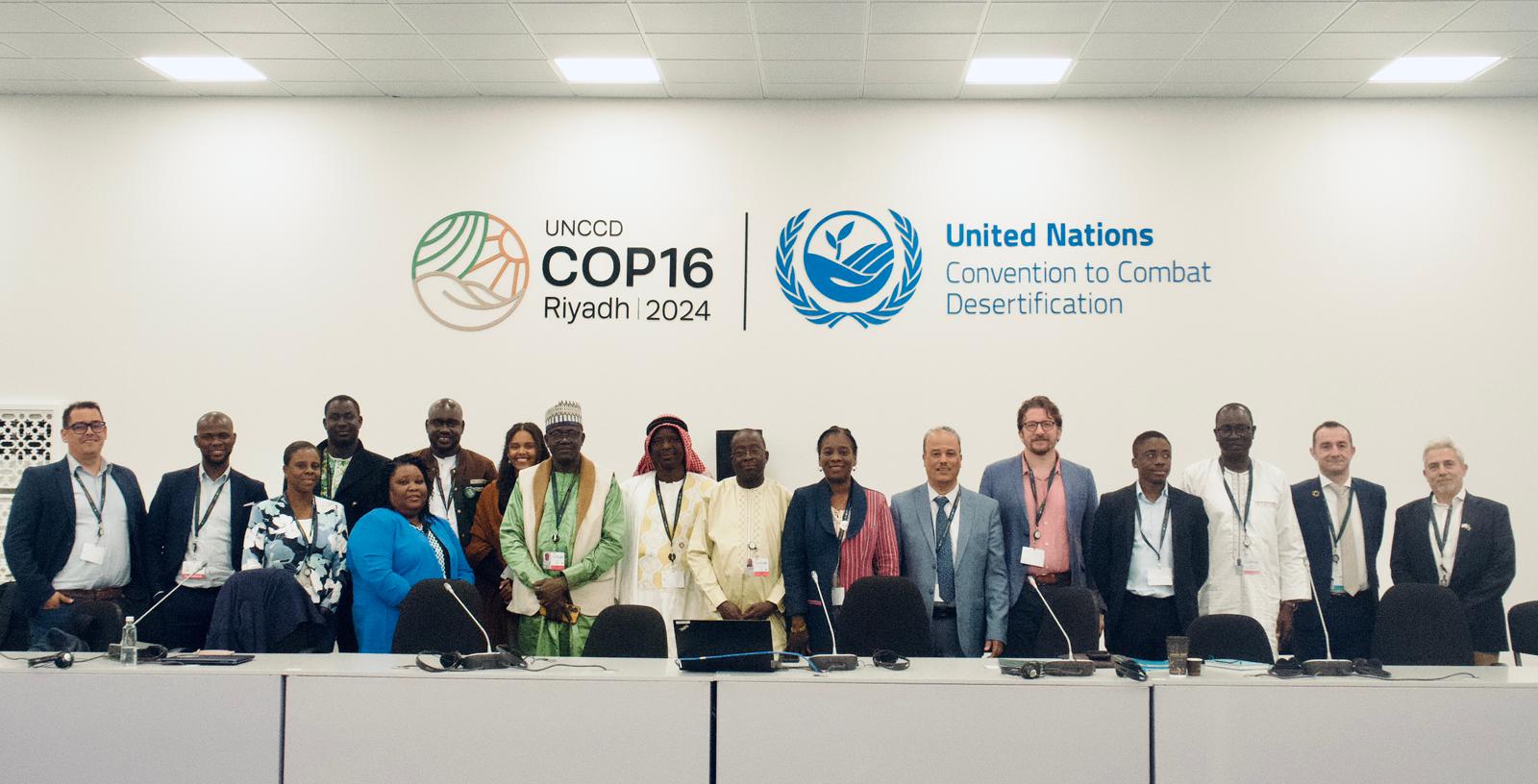
OSS Side Event at COP16: Strengthening Resilience in the Sahel through Multi-…