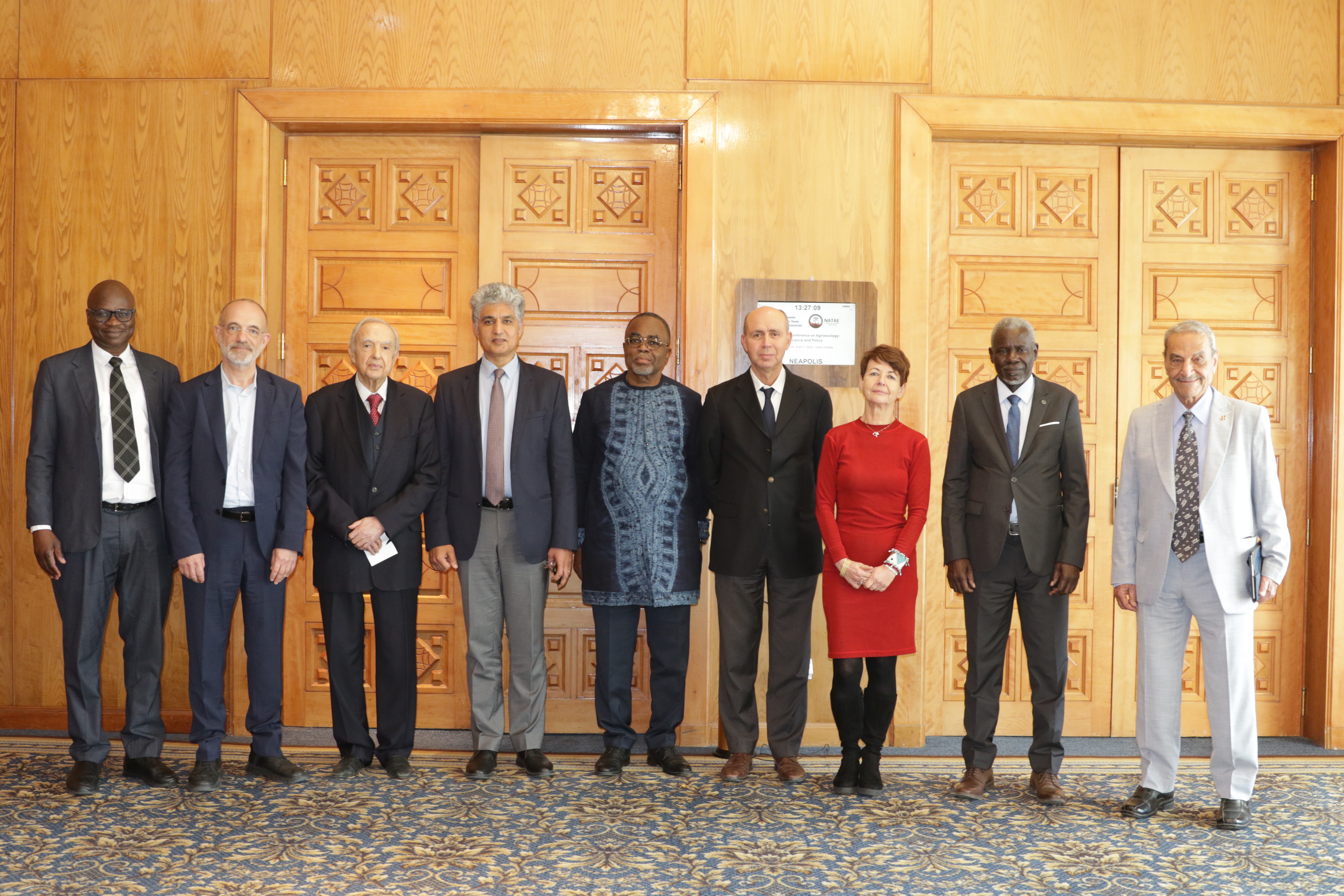
27th Session of the OSS Strategic Orientation Committee, Tunis, January 28, 2025
Held on January 28, 2025 in Tunis, the 27th session of the Strategic Orientation…
Closed
2 years (2020 - 2022)
150 000 €
Decision makers
Technical staff from sector or cross-cutting Ministries
Socio-professional Organizations
NGOs
Private sector
Defined by an arid and semi-arid climate, North Africa is already experiencing the impacts of climate change through growing water stress, declining agricultural yields, and the increasing frequency of extreme events. According to the MedeCC report, the region is warming 20% faster than the global average, with projections indicating a rise of +2.2°C as early as 2040 and up to +3.8°C by the end of the century.
In this context, building resilience and ensuring sustainable water management have become urgent priorities. The French Development Agency (AFD) has placed the preservation of water resources and the development of unconventional solutions at the heart of its strategy—essential measures to ease mounting tensions between limited resources and expanding needs.
Treated wastewater reuse, desalination, demineralization, and the sustainable use of transboundary fossil water emerge as promising options, even though their deployment requires careful consideration of operating conditions, best practices, and potential impacts, particularly environmental risks.
With this vision in mind, the “Water Stress and Climate Change in North Africa” initiative is launched by AFD and the Sahara and Sahel Observatory (OSS). Implemented under the Facility for Public Policy and Citizen Dialogue, this 18-month initiative seeks to inform decision-makers, promote the exchange of best practices across the region, and assess the potential contribution of unconventional water resources by 2050.
Held on January 28, 2025 in Tunis, the 27th session of the Strategic Orientation…
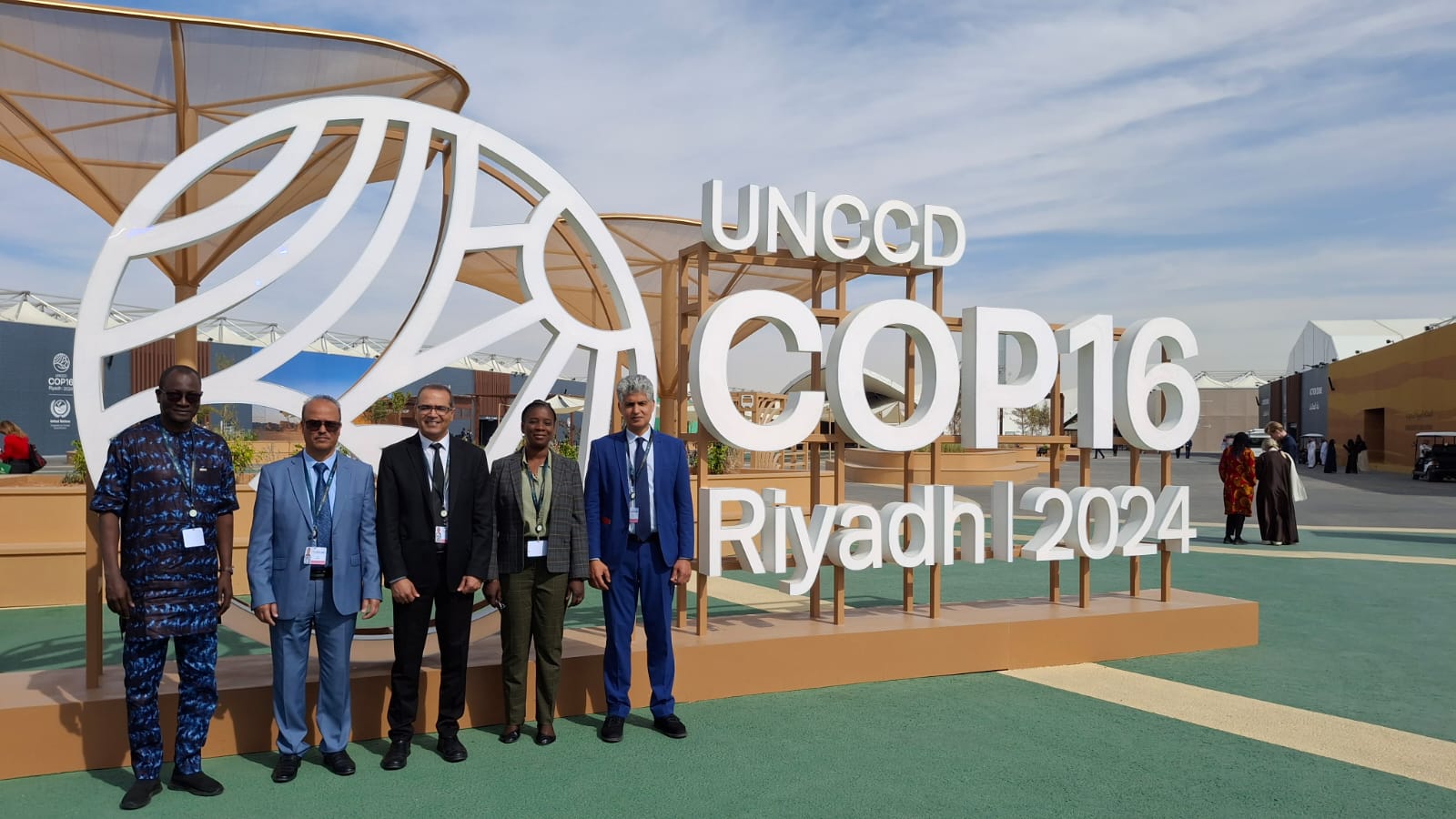
The participation of the Sahara and Sahel…
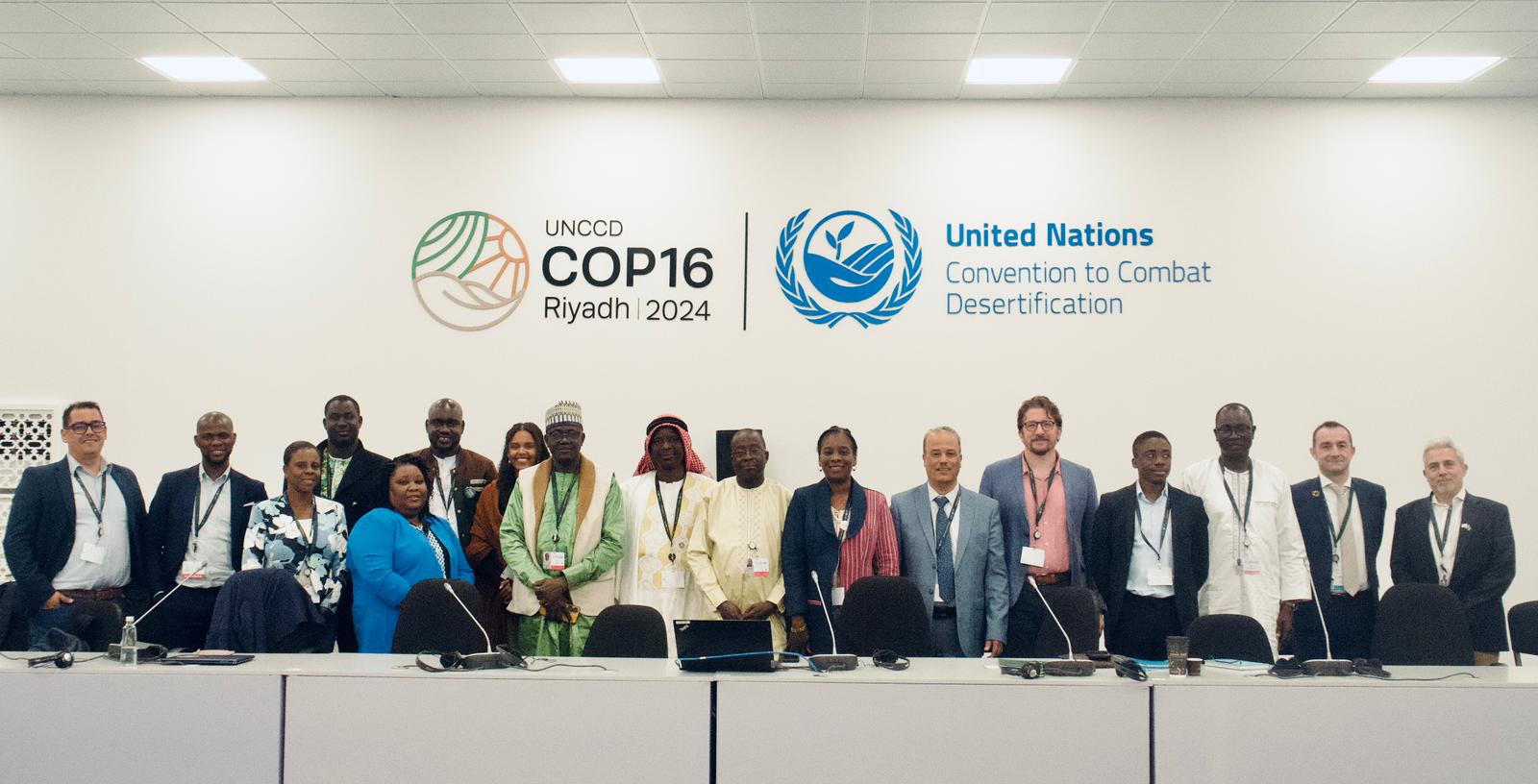
OSS Side Event at COP16: Strengthening Resilience in the Sahel through Multi-…