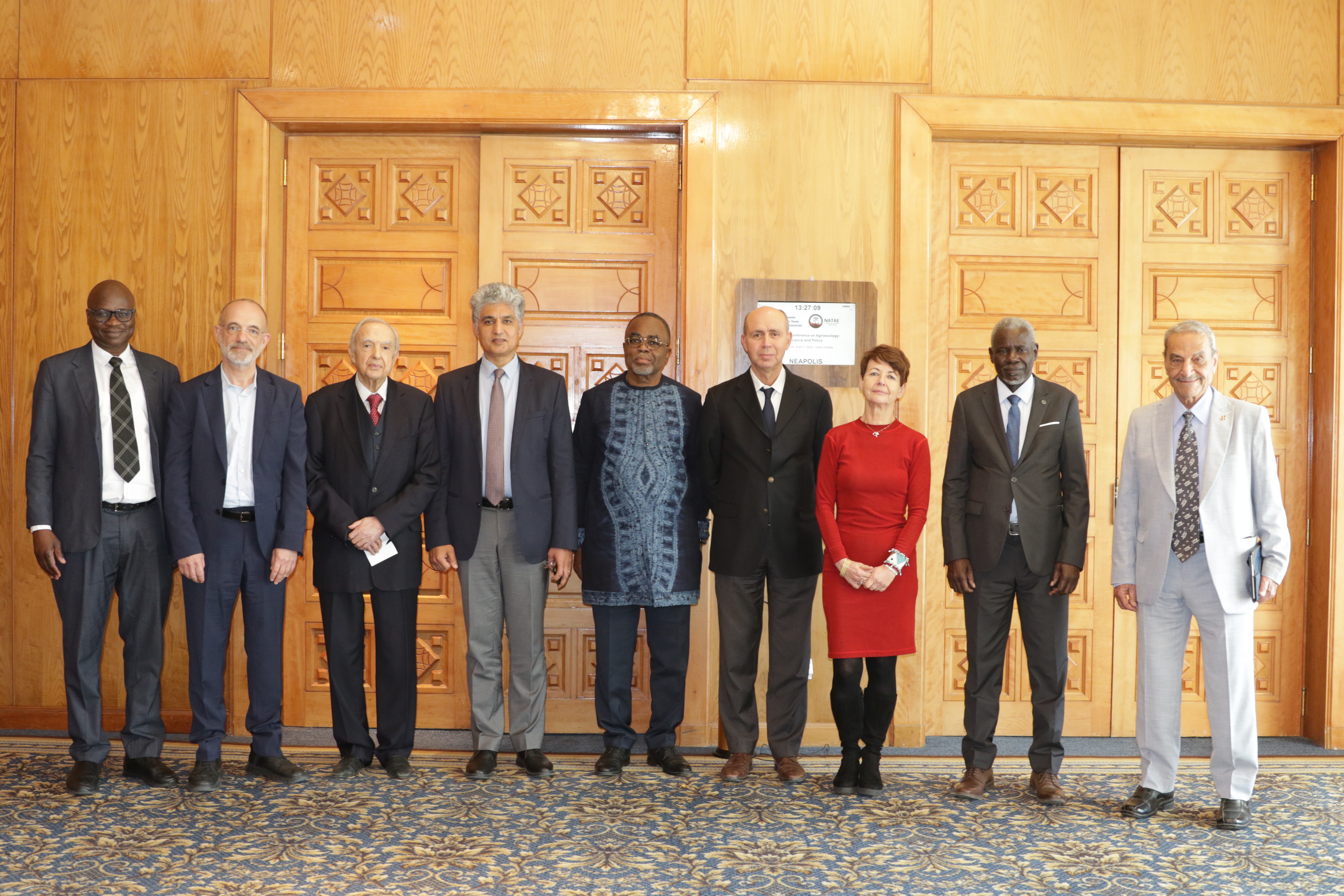
27th Session of the OSS Strategic Orientation Committee, Tunis, January 28, 2025
Held on January 28, 2025 in Tunis, the 27th session of the Strategic Orientation…
Tunis, May 22, 2026
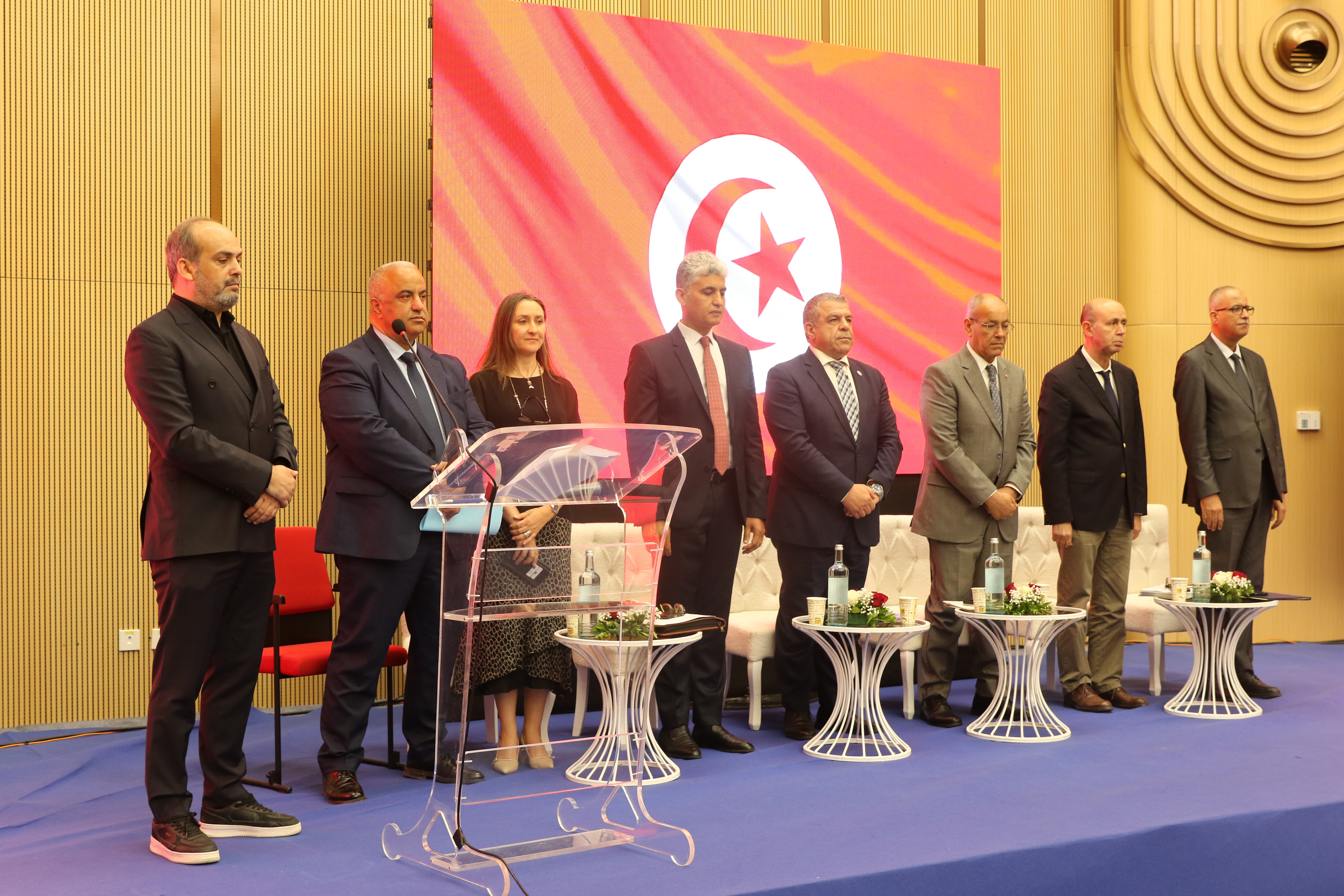
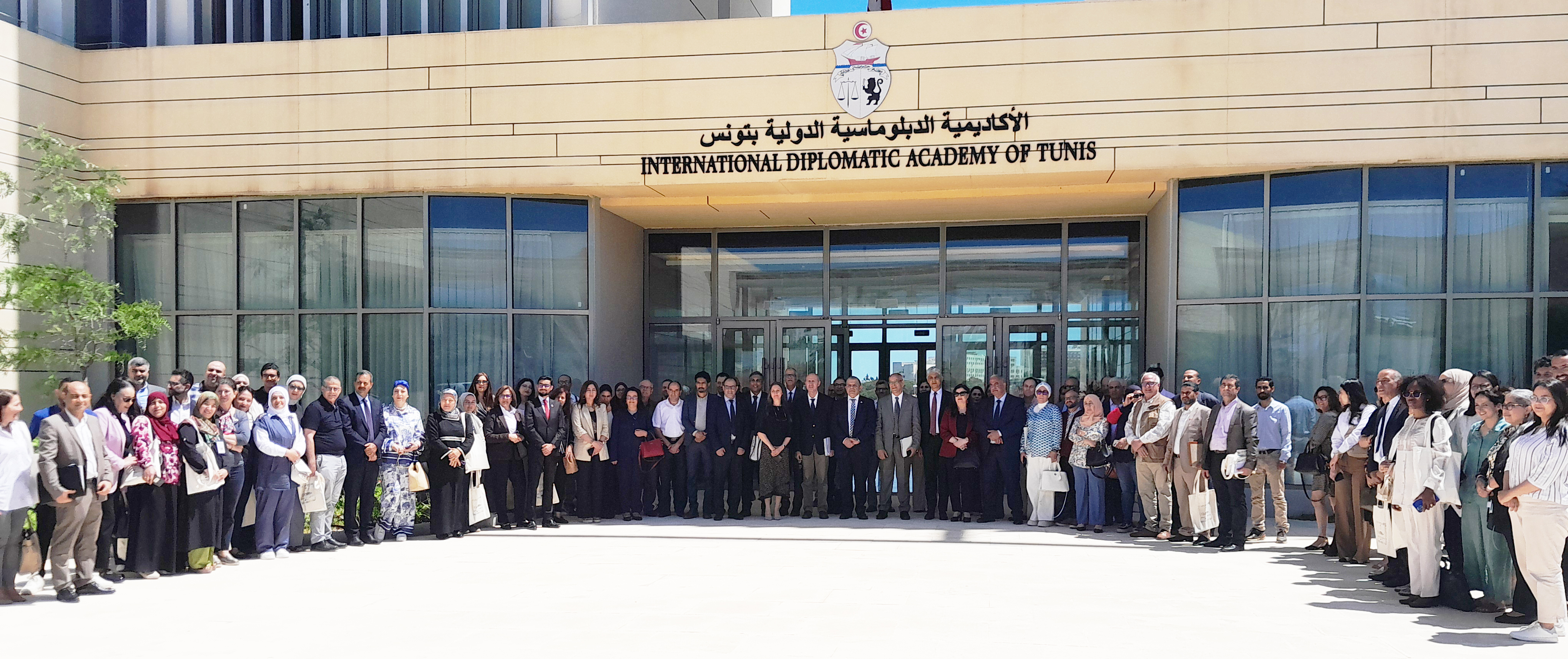
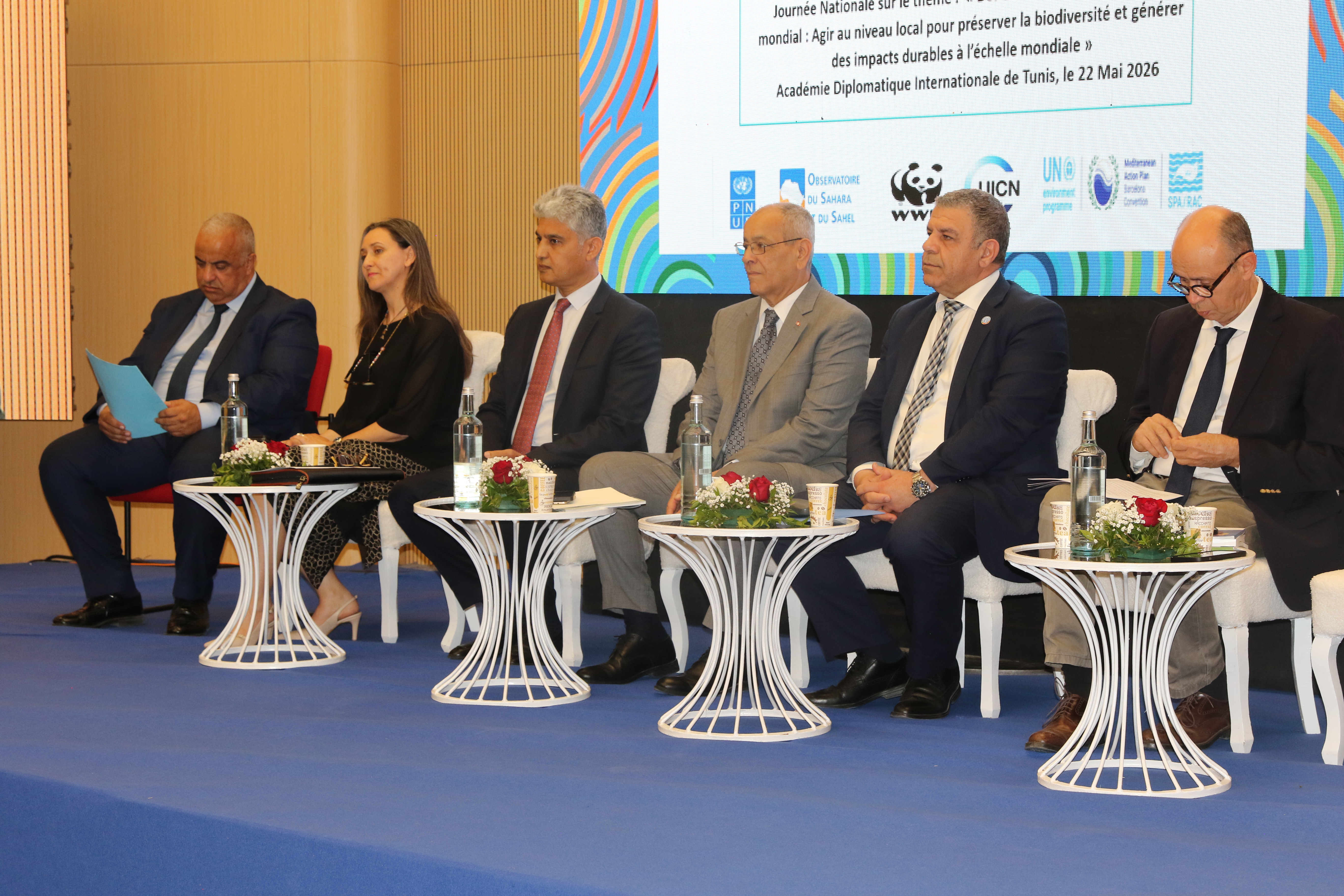
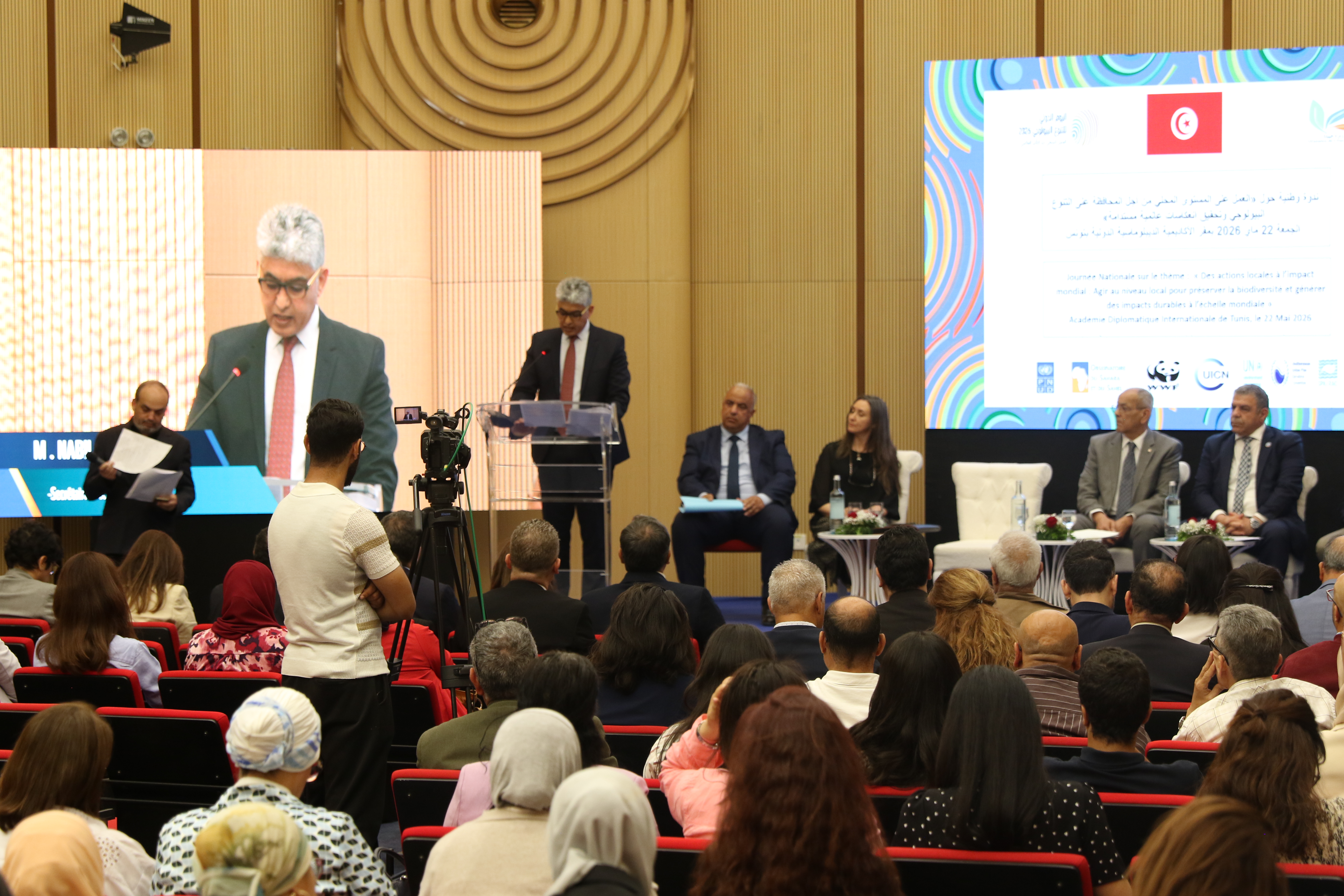
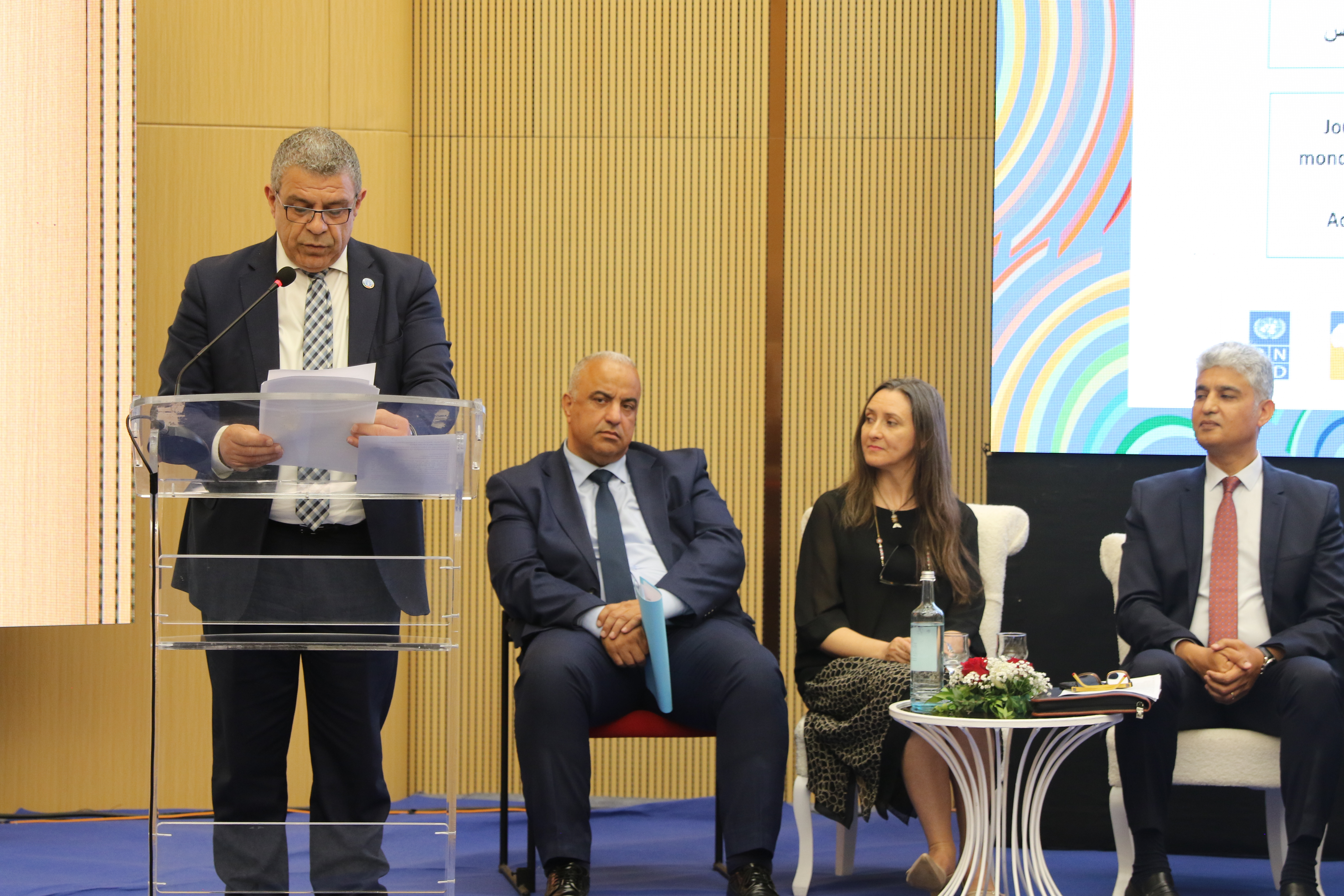
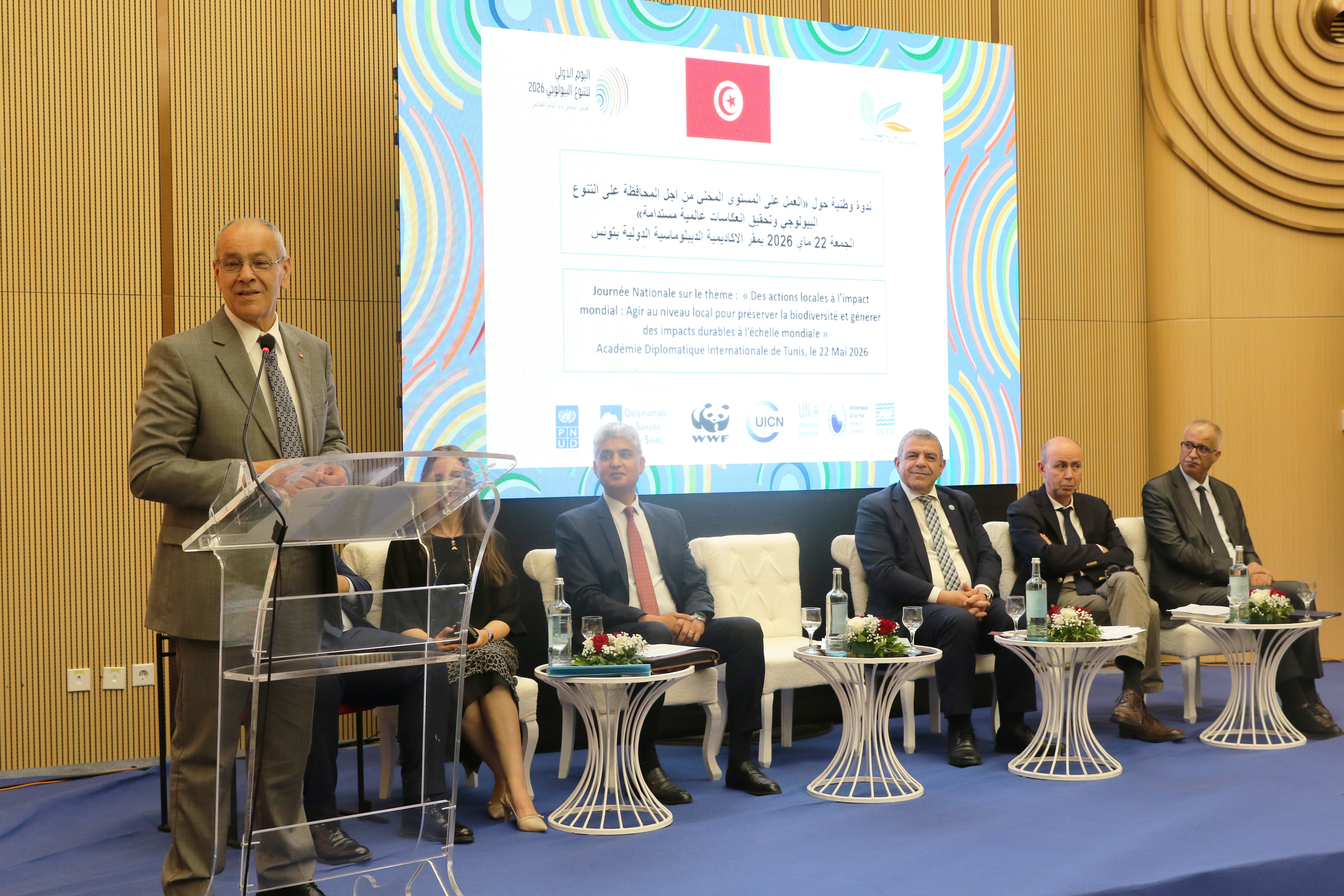
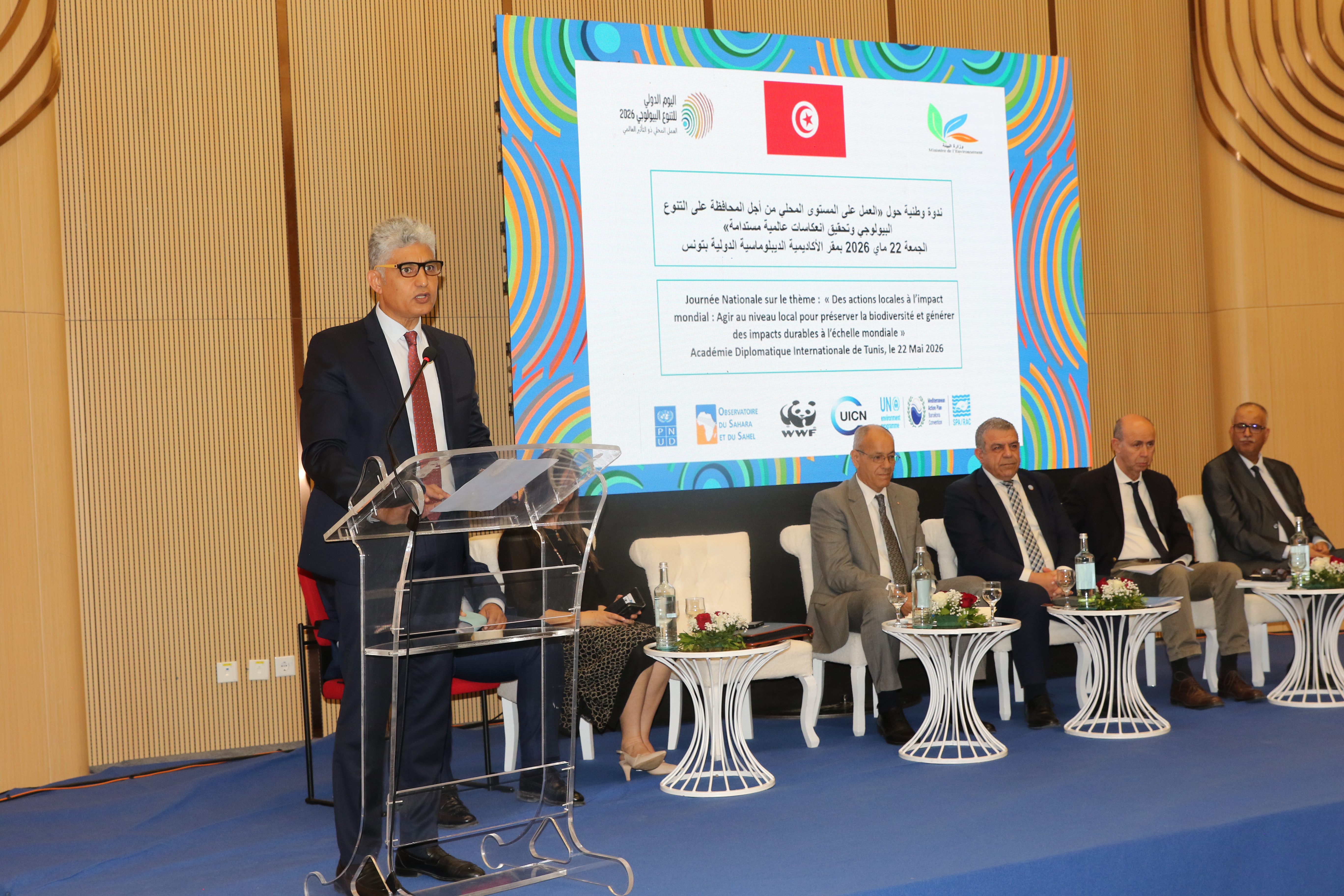
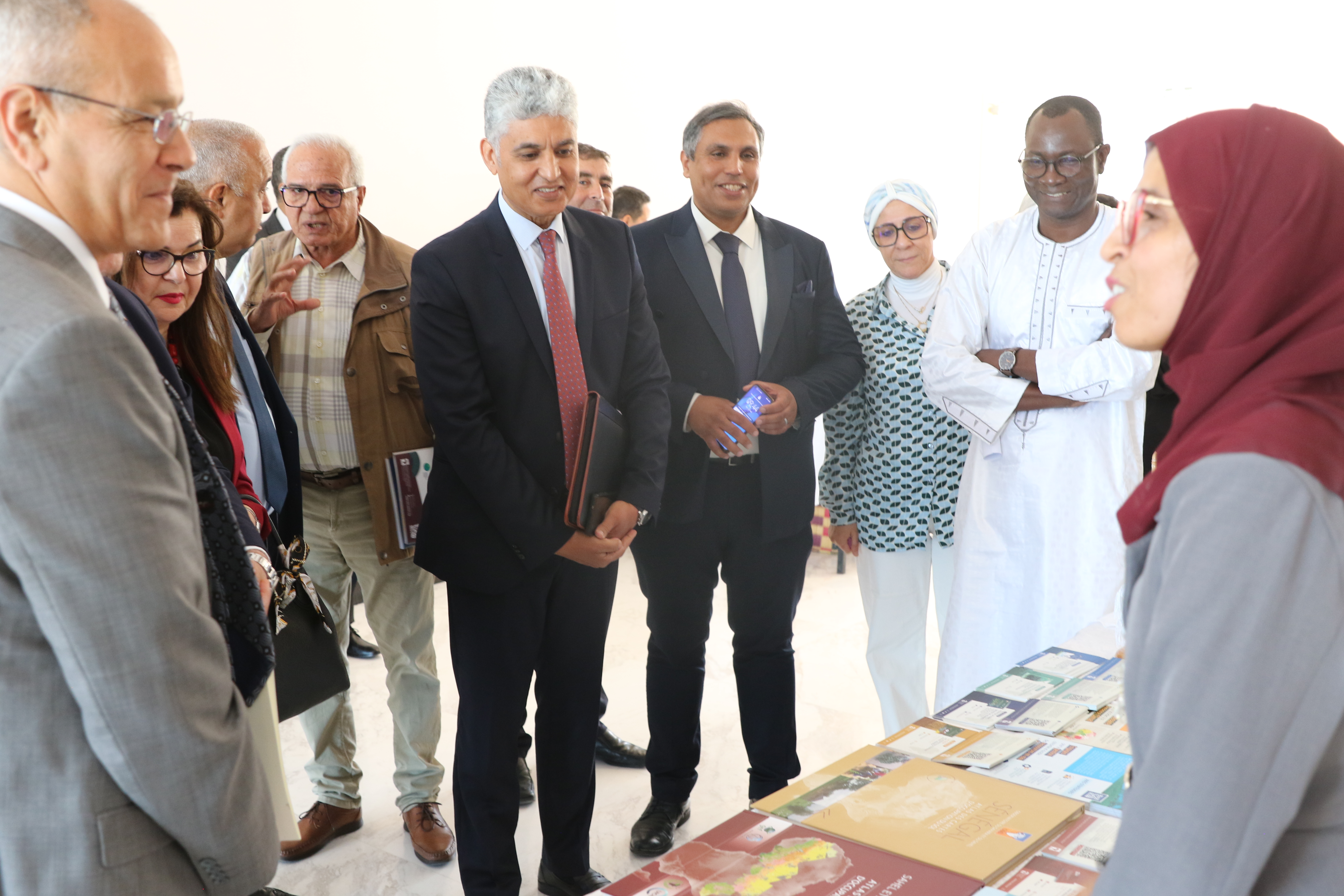
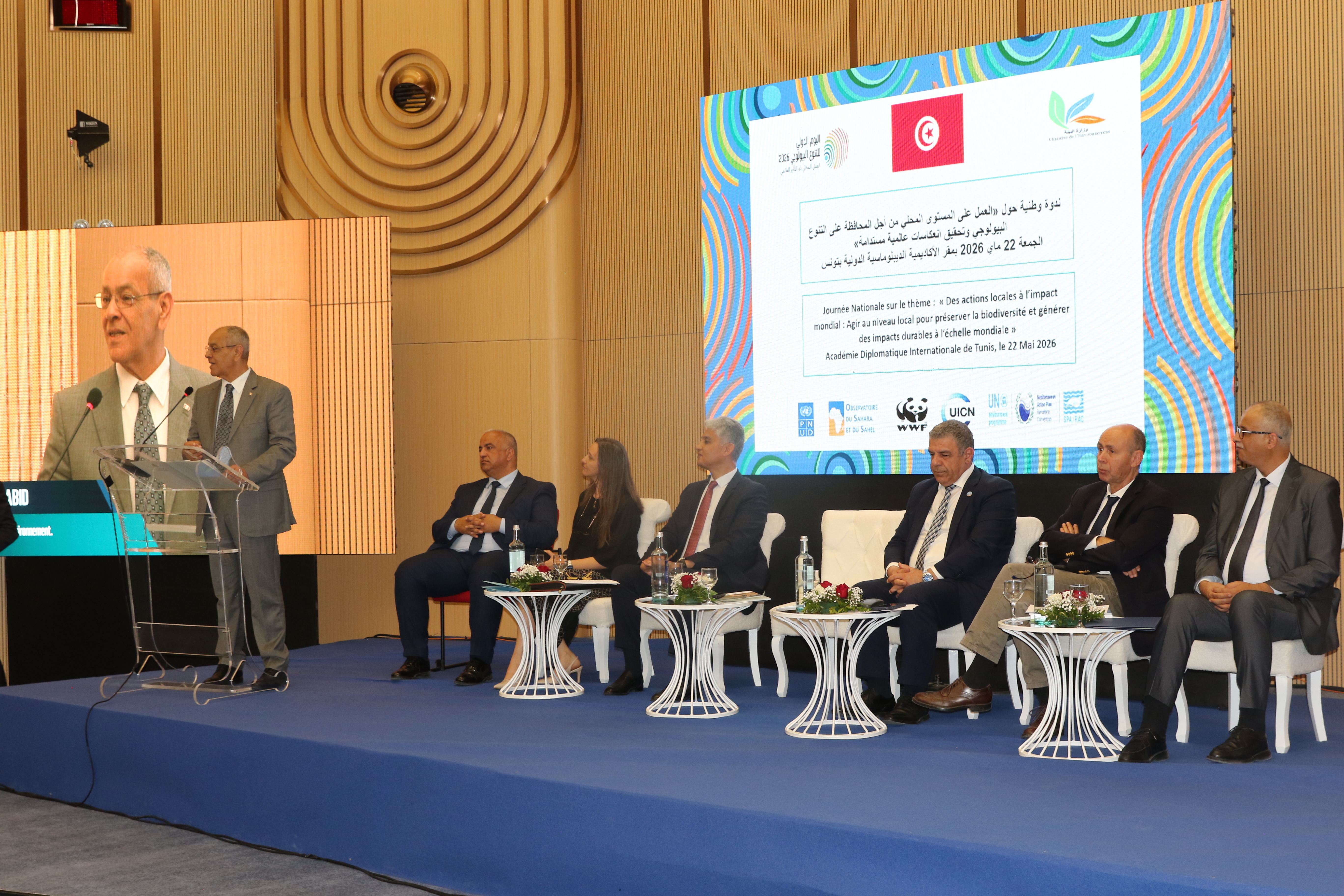
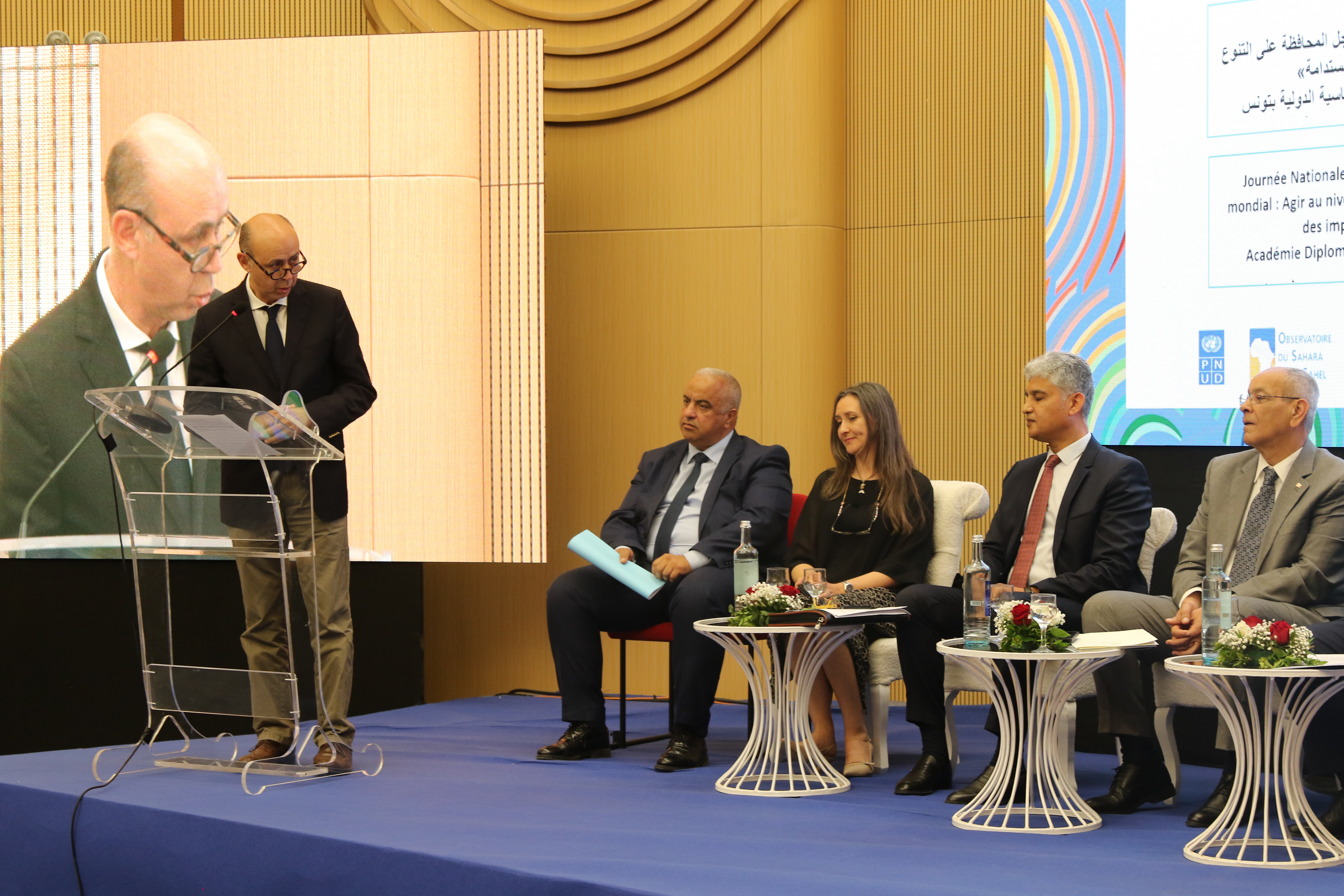
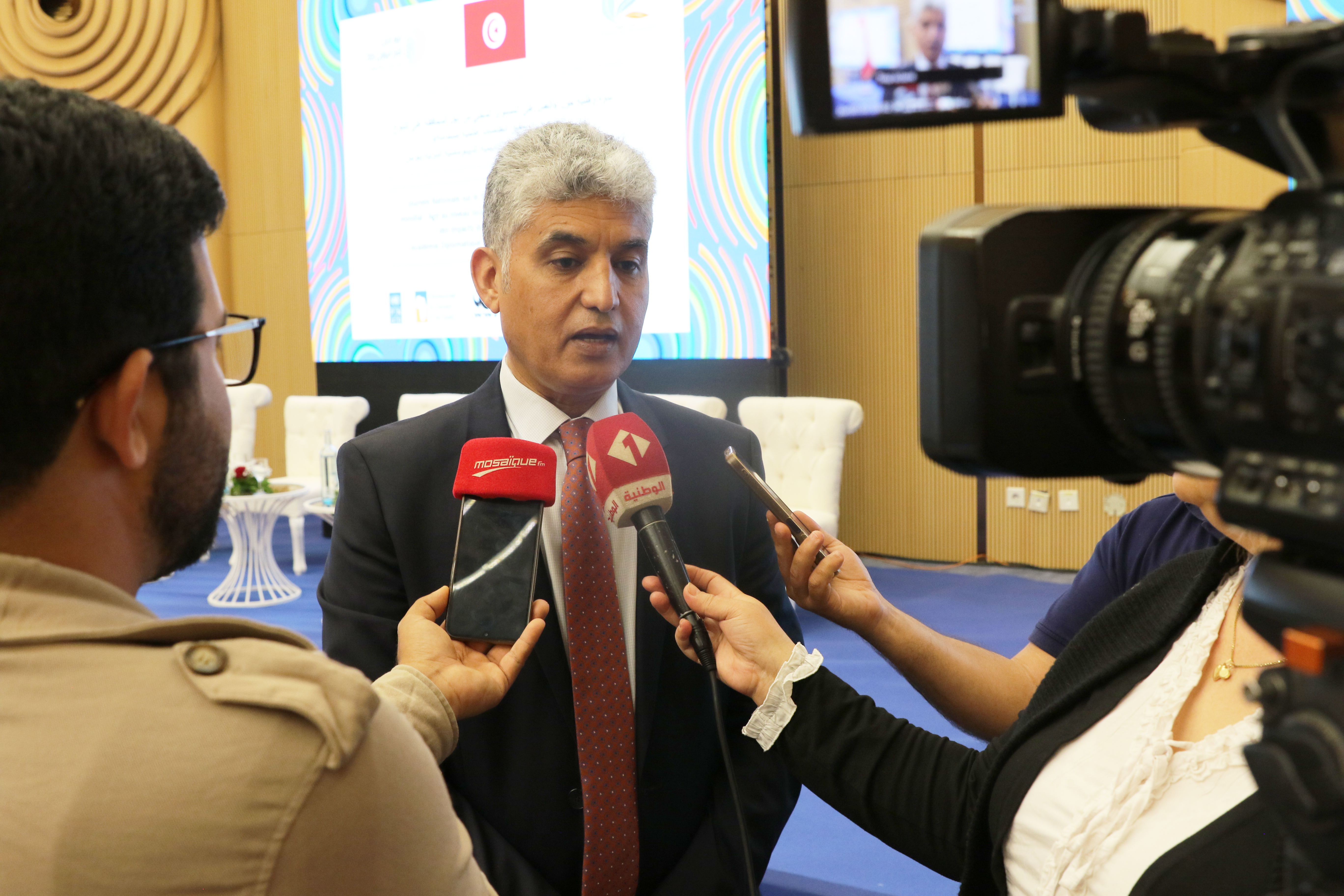
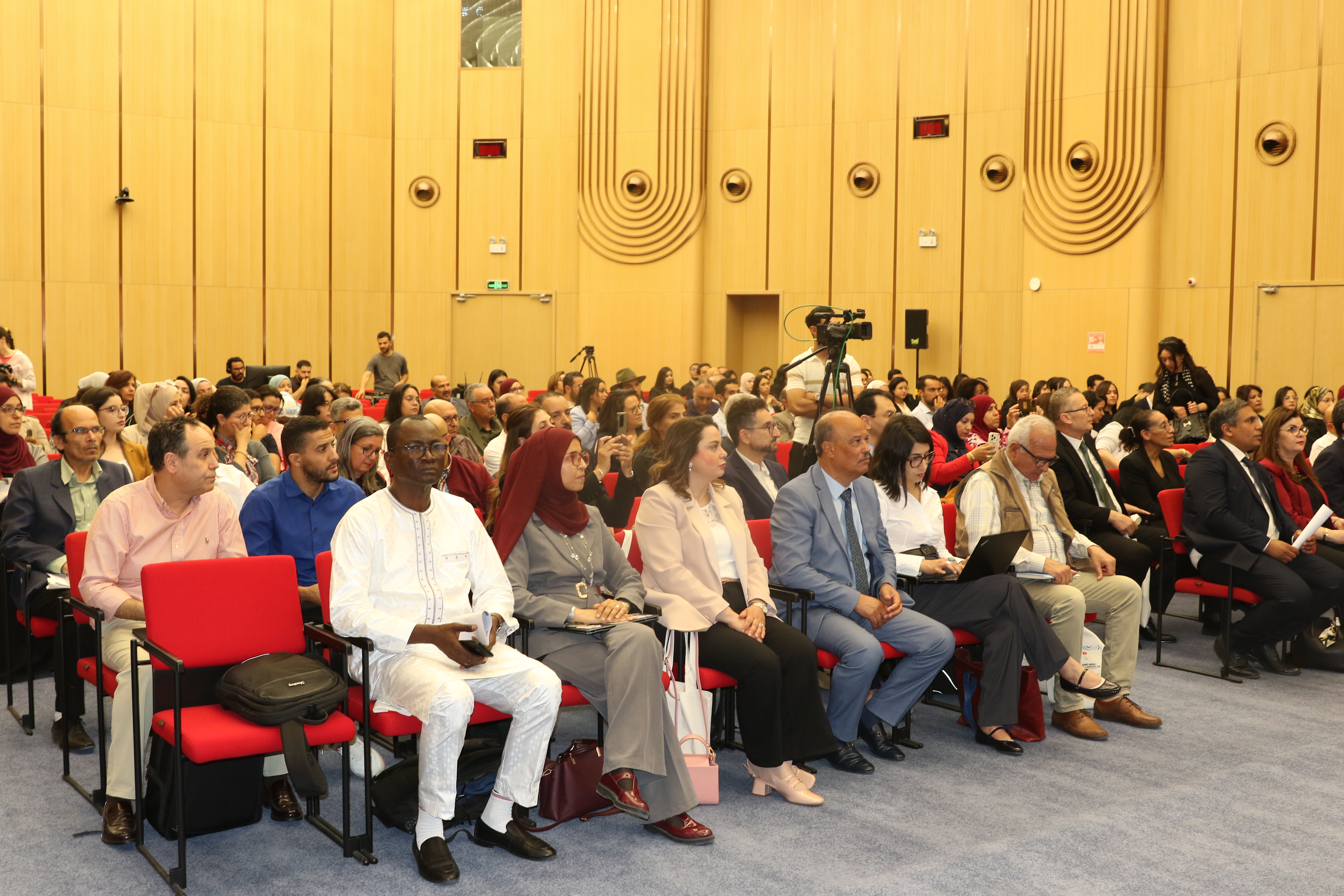
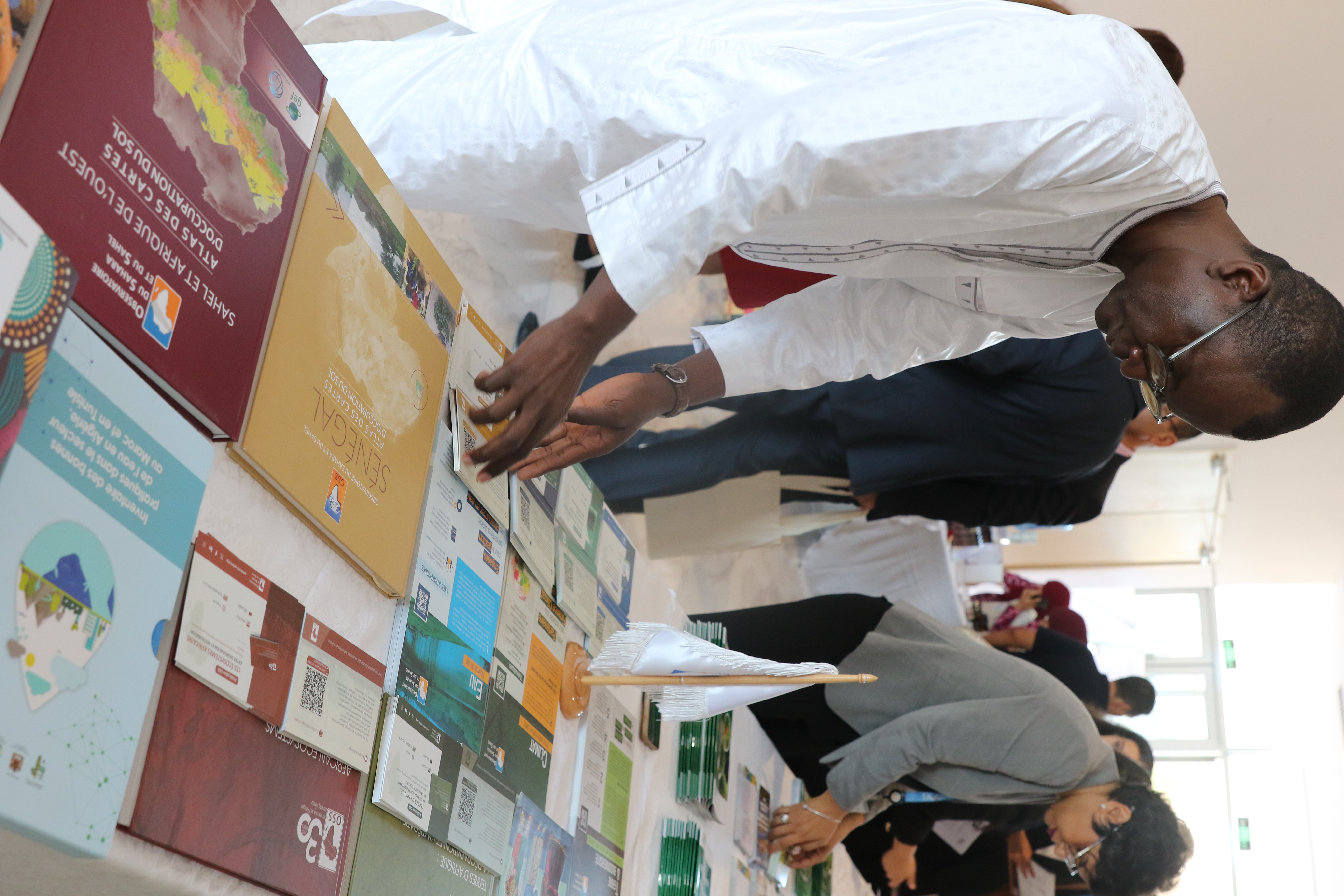
On the occasion of the International Day for Biological Diversity, celebrated on May 22, 2026 under the theme “From Local Action to Global Impact,” the Tunisian Ministry of Environment organized an information day at the Tunis Diplomatic Academy in partnership with the Sahara and Sahel Observatory (OSS), WWF North Africa, the United Nations Development Programme (UNDP), FAO, the Regional Activity Centre for Specially Protected Areas (SPA/RAC), as well as several technical and institutional partners. The event brought together representatives of national institutions, international Organizations, researchers, civil society, media, and youth to discuss biodiversity conservation challenges and the promotion of local initiatives.
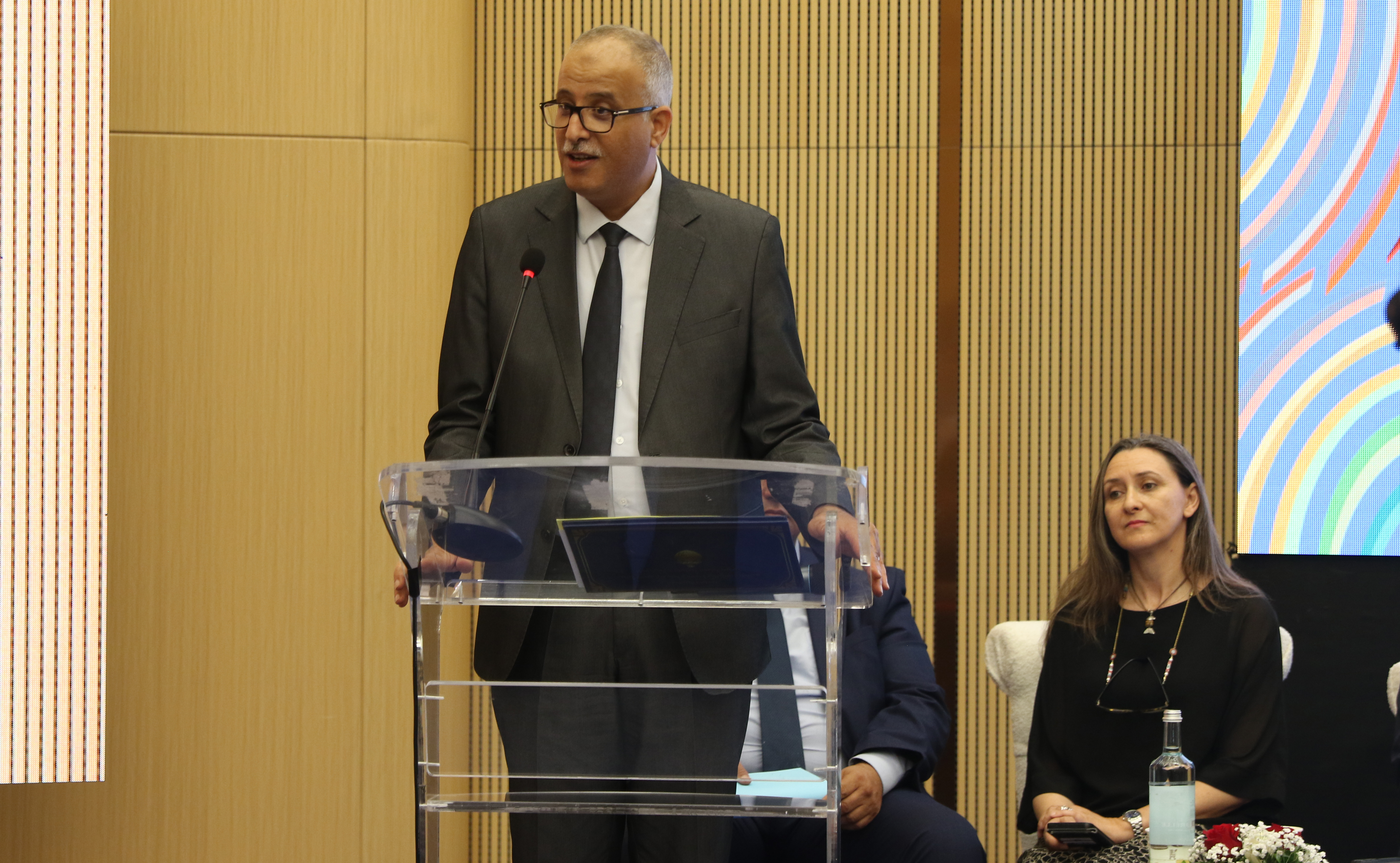
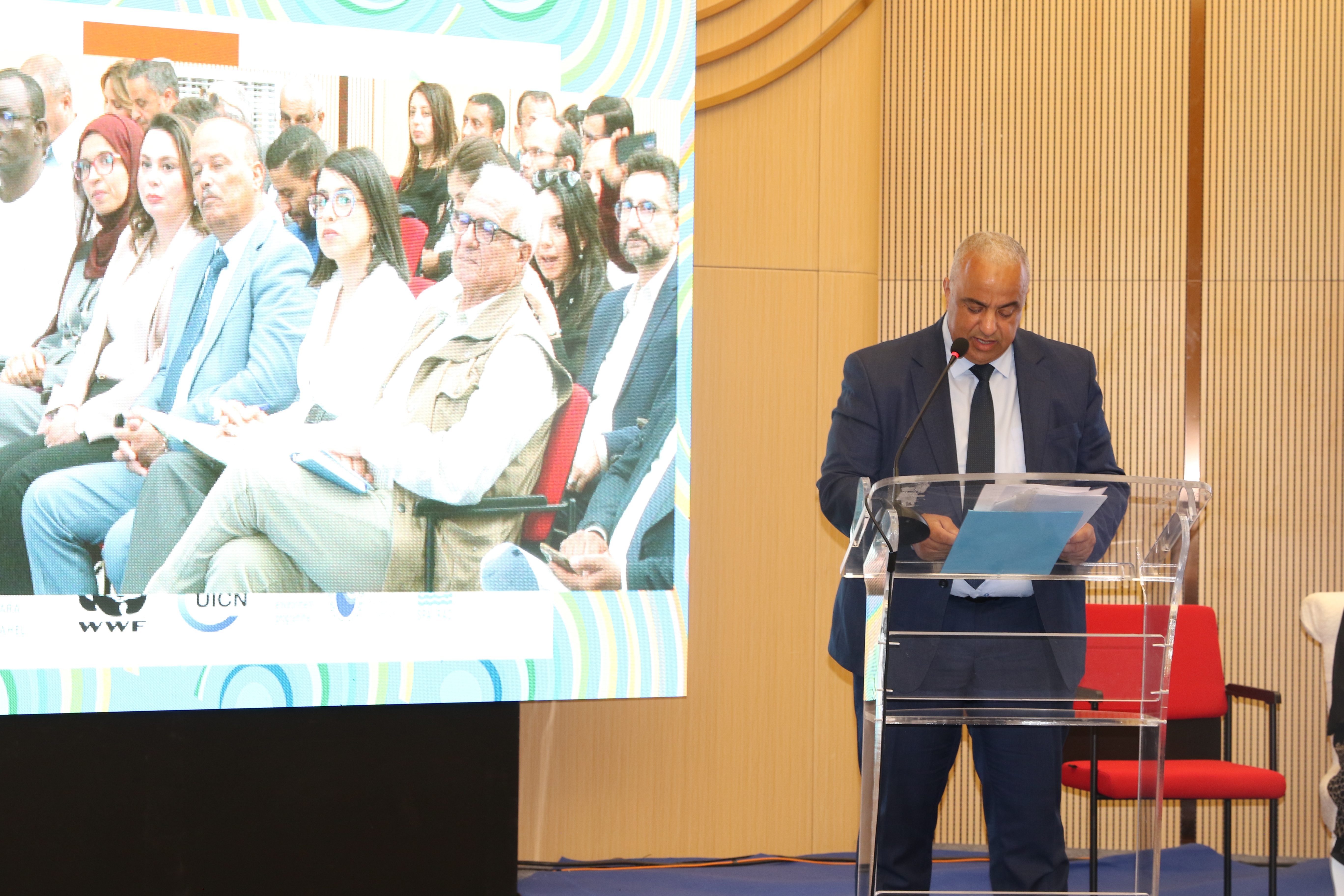
In his opening remarks, Tunisia’s Minister of Environment, Mr. Habib Abid, highlighted the abundance of Tunisia’s natural heritage and the importance of strengthening local action to preserve ecosystems. He emphasized ongoing efforts in the country’s desert areas and protected zones, including programs aimed at reintroducing several species into their natural habitats, while also underlining the key role played by local communities, associations, and school environmental clubs in raising awareness and protecting biodiversity.
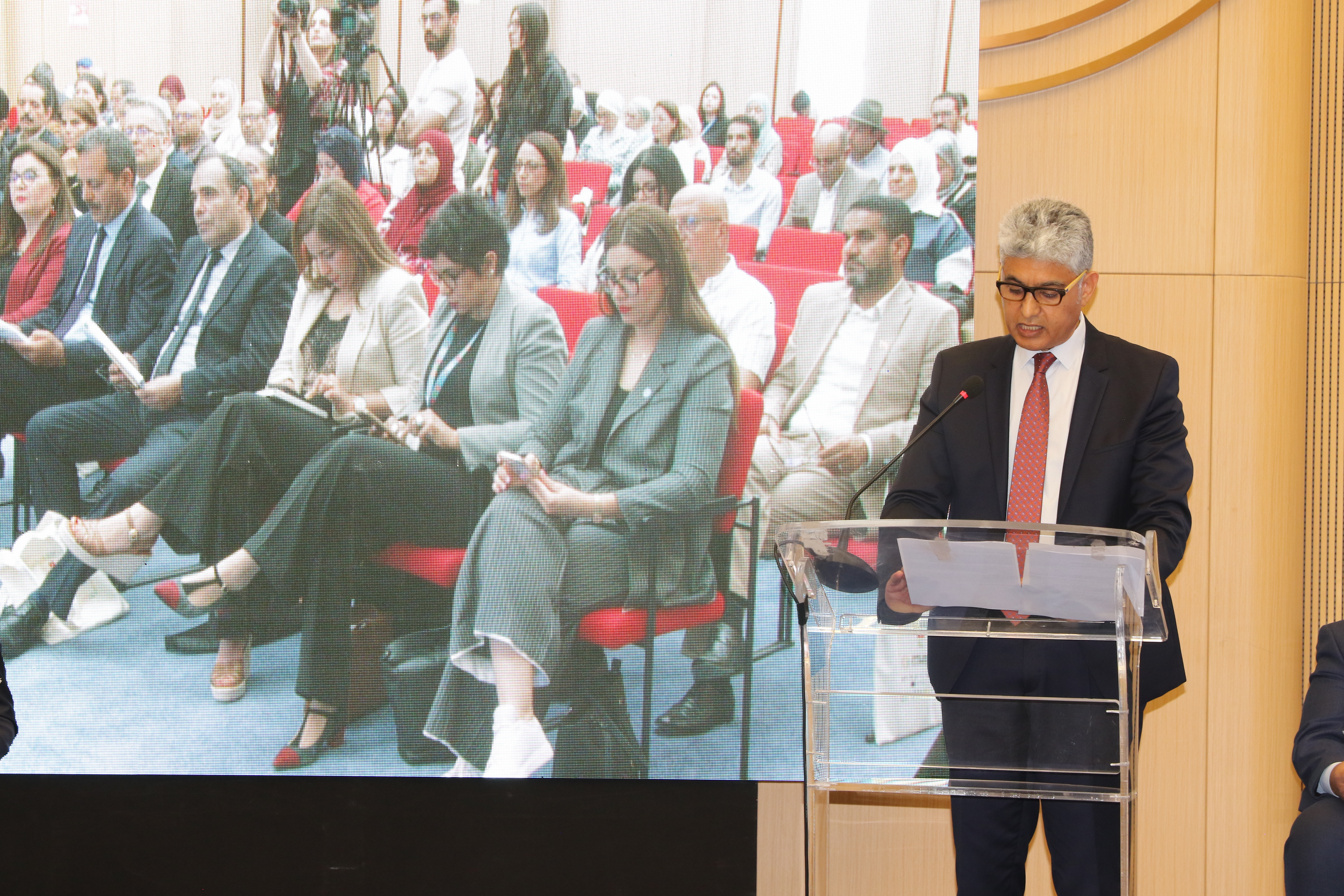
The OSS Executive Secretary, Mr. Nabil Ben Khatra, pointed out that sustainable solutions to environmental challenges emerge first and foremost from local territories and communities. He recalled that the institution has, for more than thirty years, been working to transform local initiatives into structured and scalable actions with broader impact, while emphasizing the need of faster implementation of the Kunming-Montreal Global Biodiversity Framework by 2030. He also highlighted the role of the Technical and Scientific Cooperation Support Centre (TSCC), hosted by the OSS, in supporting African countries in strengthening capacities and integrating biodiversity objectives into public policies.
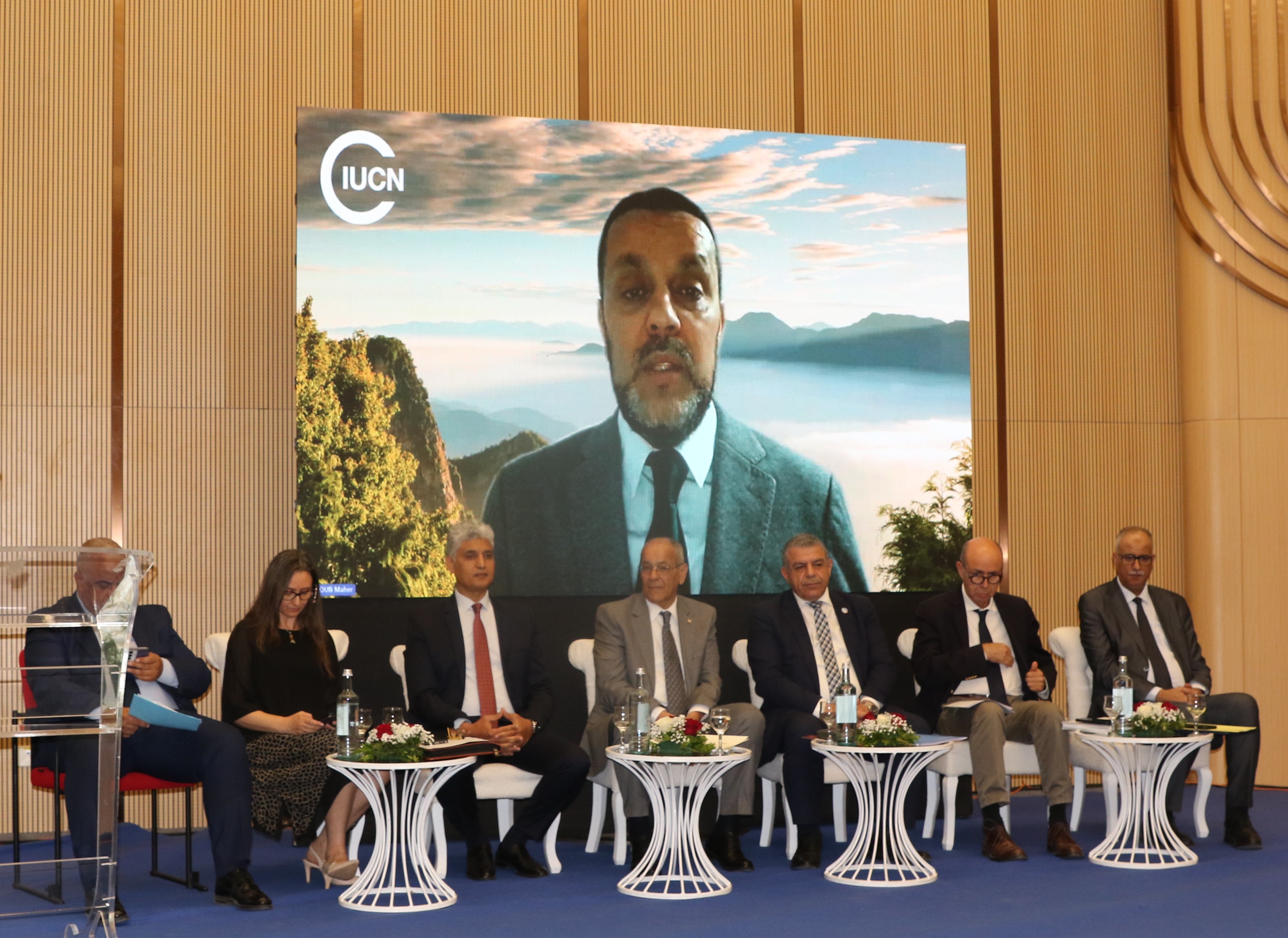
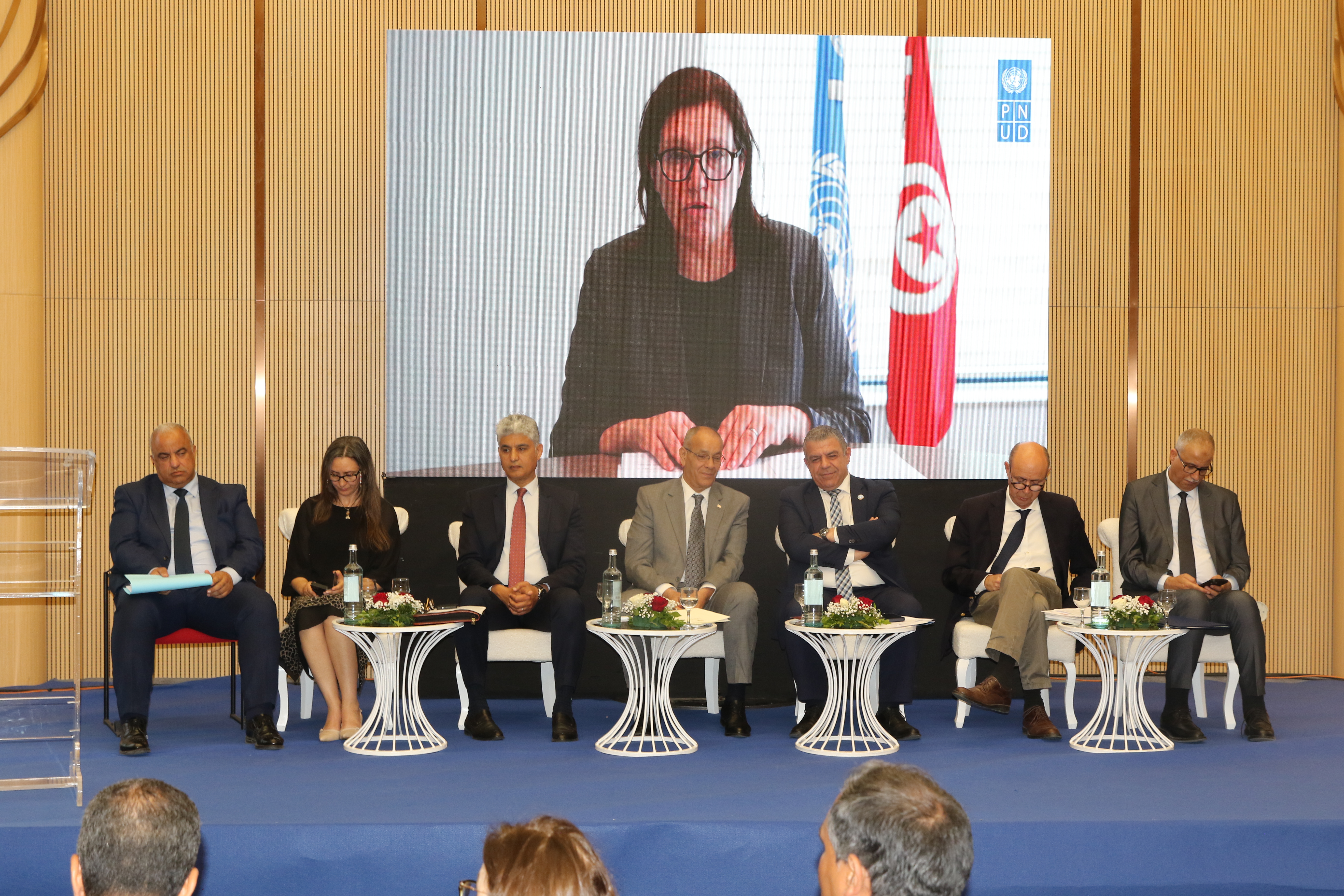
Partners attending the opening session, including those participating online, all emphasized the need to strengthen synergies among institutions, international Organizations, and local stakeholders. WWF North Africa Conservation Director, Ms. Saba Gellouz, called for collective mobilization to preserve Mediterranean ecosystems in the face of growing climate and environmental pressures. FAO Subregional Coordinator for North Africa, Mr. Nabil Assaf, underscored the close links between biodiversity, food security, and the resilience of rural territories. UNDP Resident Representative in Tunisia, Ms. Céline Moyroud, highlighted the importance of supporting inclusive local initiatives capable of generating lasting impacts. For his part, SPA/RAC Director, Mr. Mahmoud Elyes Hamza, stressed the need to strengthen regional cooperation for the protection of Mediterranean marine and coastal ecosystems. Mr. Maher Mahjoub, Director of the IUCN Centre for Mediterranean Cooperation, reiterated the importance of safeguarding Mediterranean biodiversity and promoting coordinated approaches to address shared environmental challenges.
National reports prepared in 2026 in the areas of biodiversity, biosafety, and access to genetic resources were also presented, highlighting the achievements of several cooperation projects implemented in Tunisia, as well as future prospects for meeting the requirements of the Convention on Biological Diversity (CBD). Participants underscored the importance of a coordinated approach bringing together public institutions, technical partners, researchers, civil society, and local communities to address challenges related to ecosystem degradation, climate change, and the sustainable management of natural resources.
Held on January 28, 2025 in Tunis, the 27th session of the Strategic Orientation…
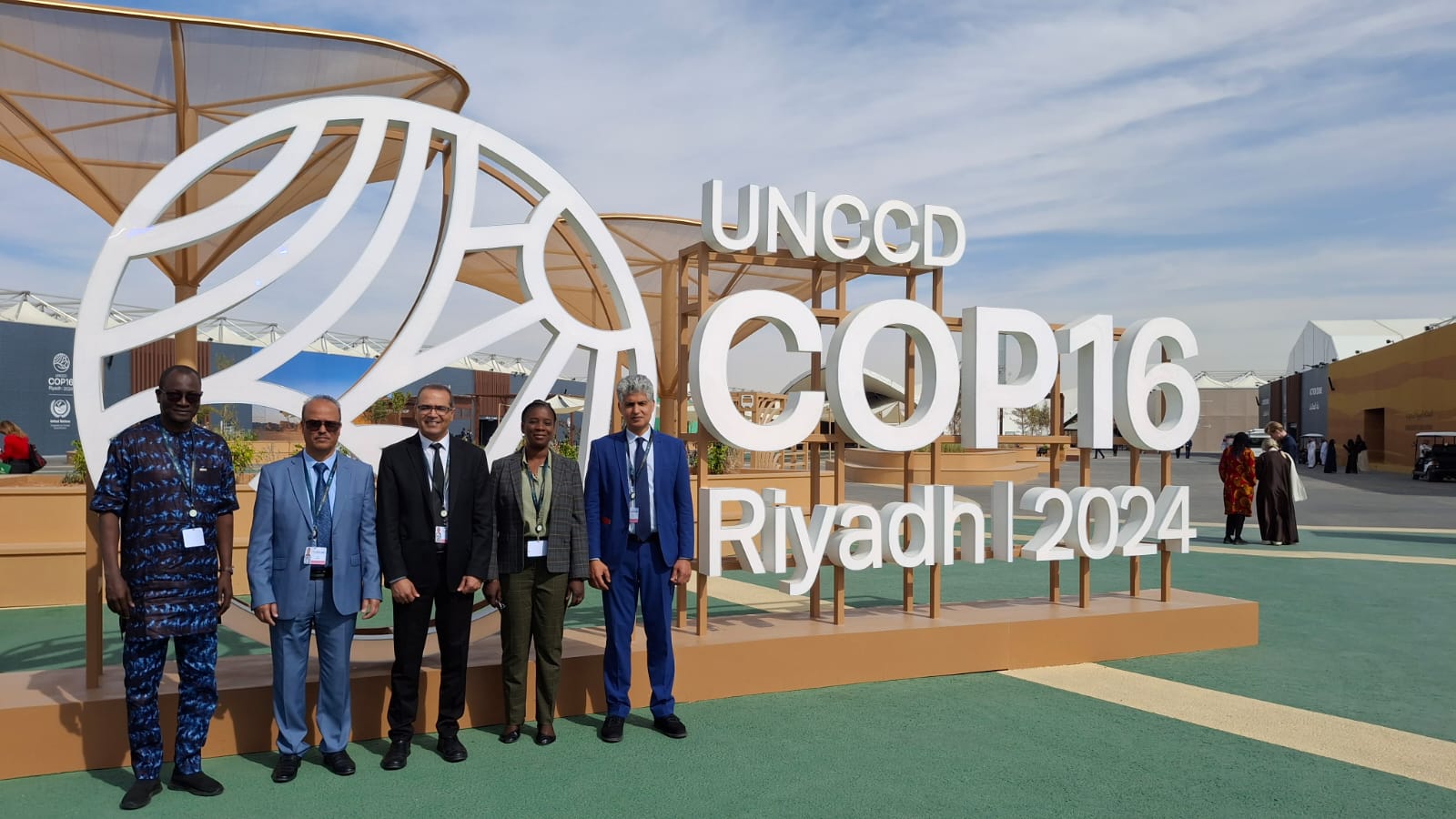
The participation of the Sahara and Sahel…
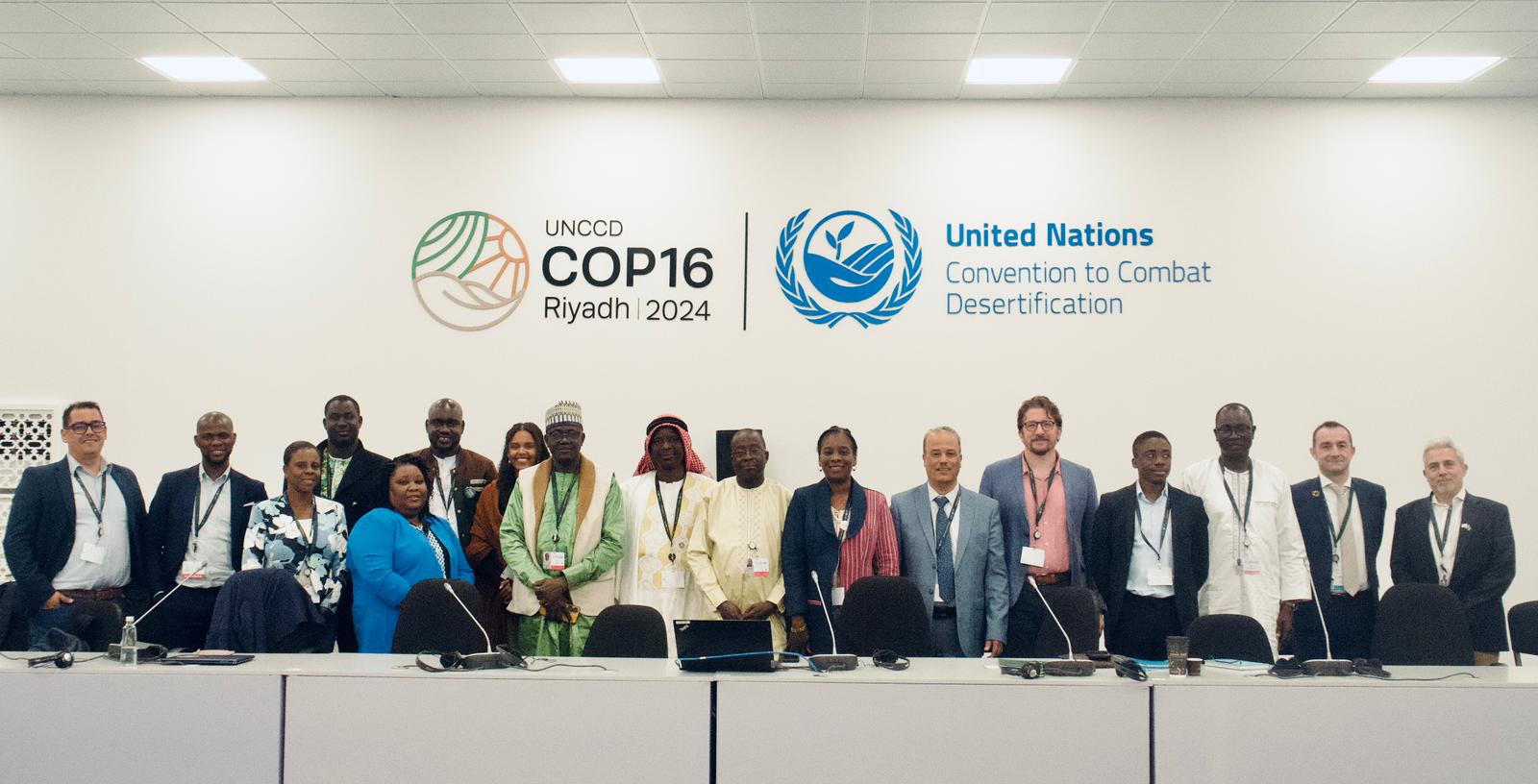
OSS Side Event at COP16: Strengthening Resilience in the Sahel through Multi-…