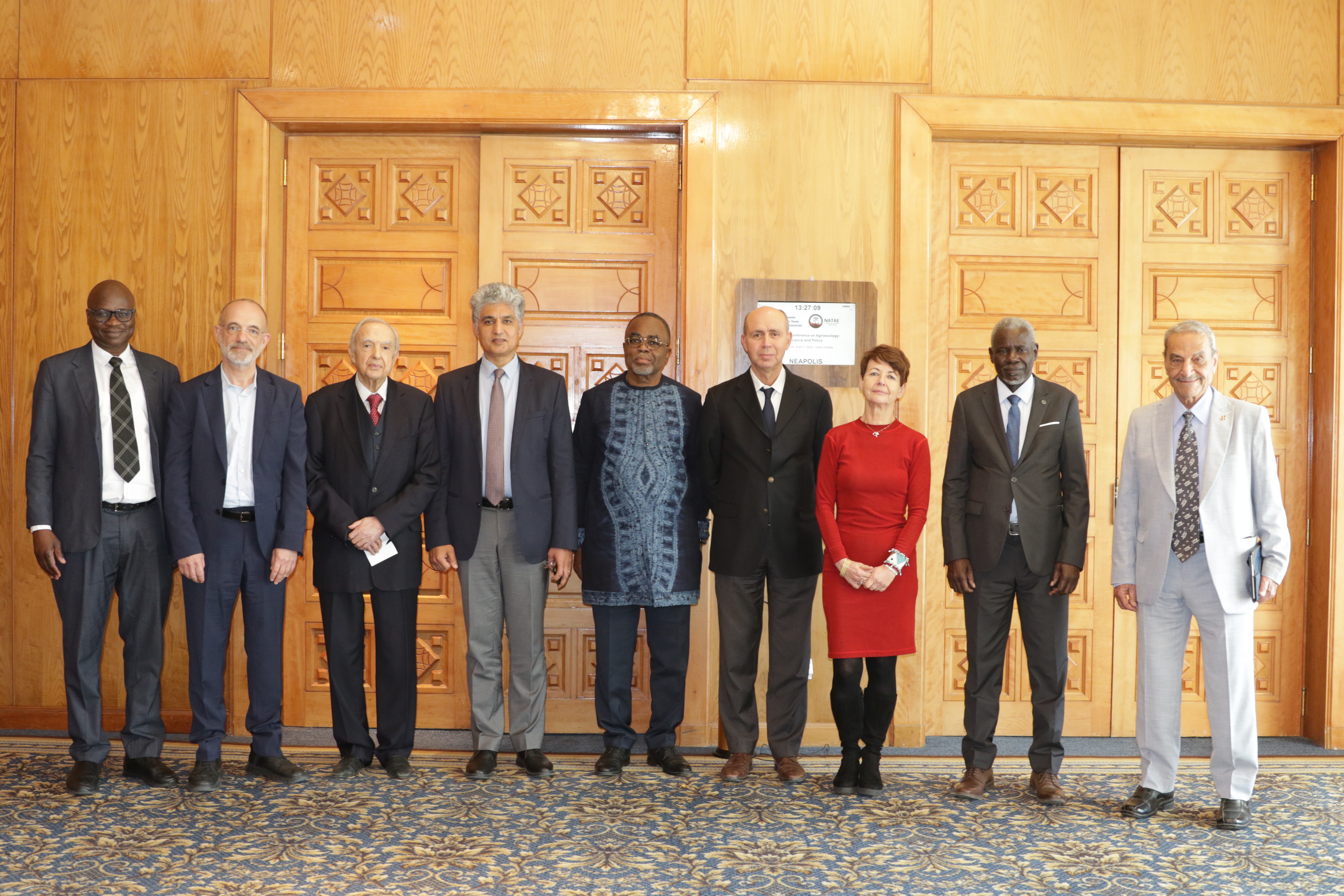
27th Session of the OSS Strategic Orientation Committee, Tunis, January 28, 2025
Held on January 28, 2025 in Tunis, the 27th session of the Strategic Orientation…
Tripoli, April 5, 2026
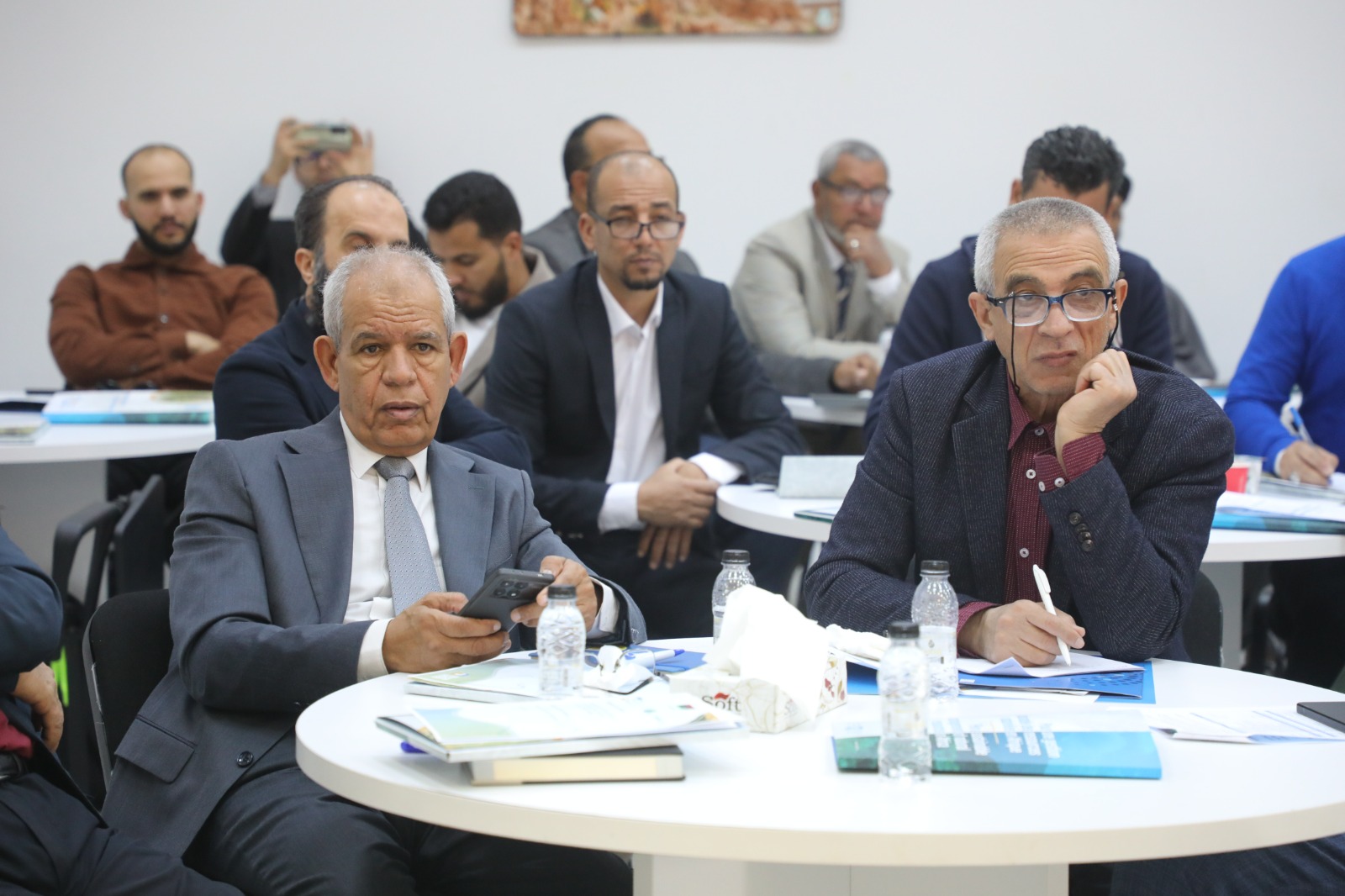
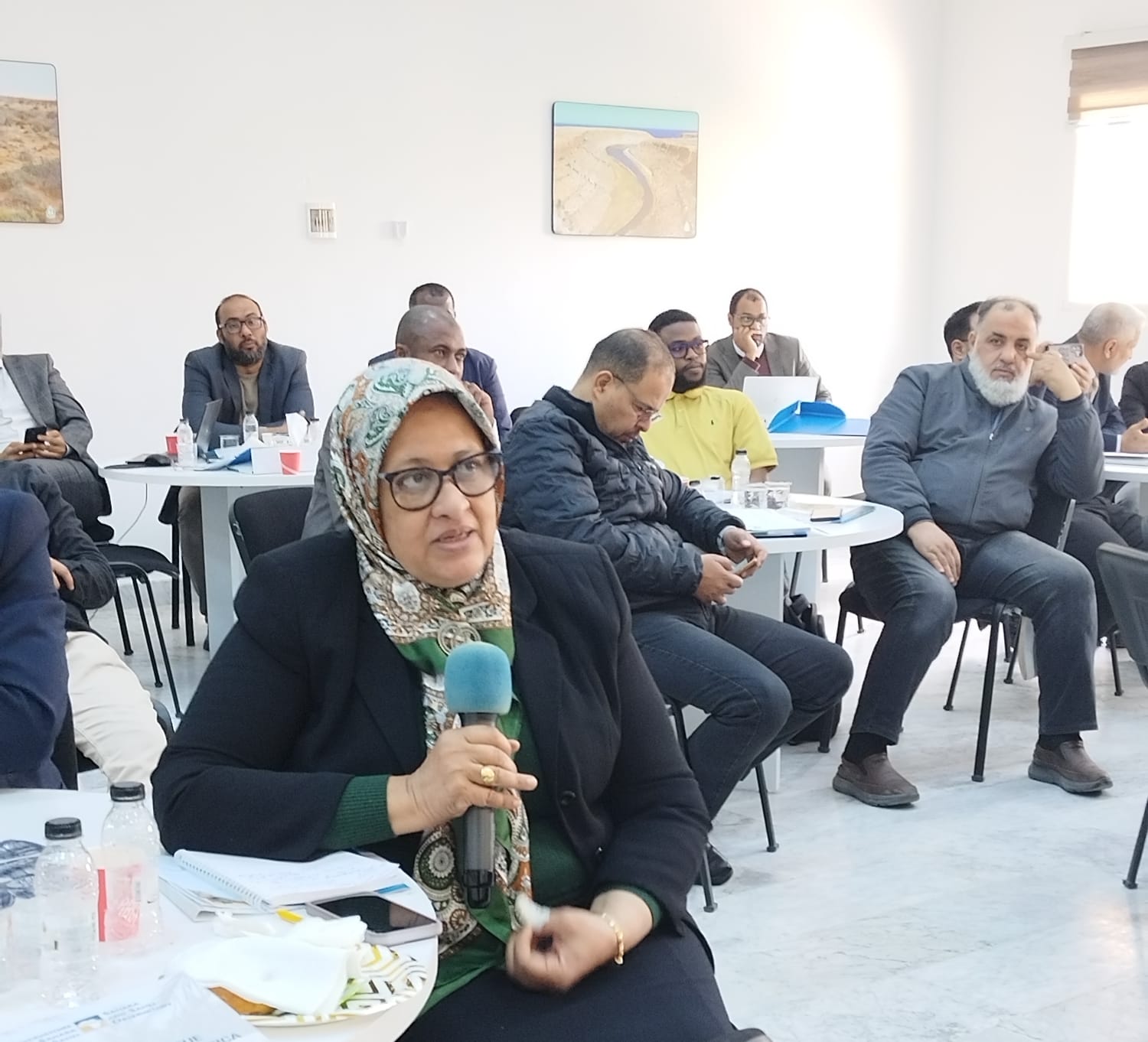
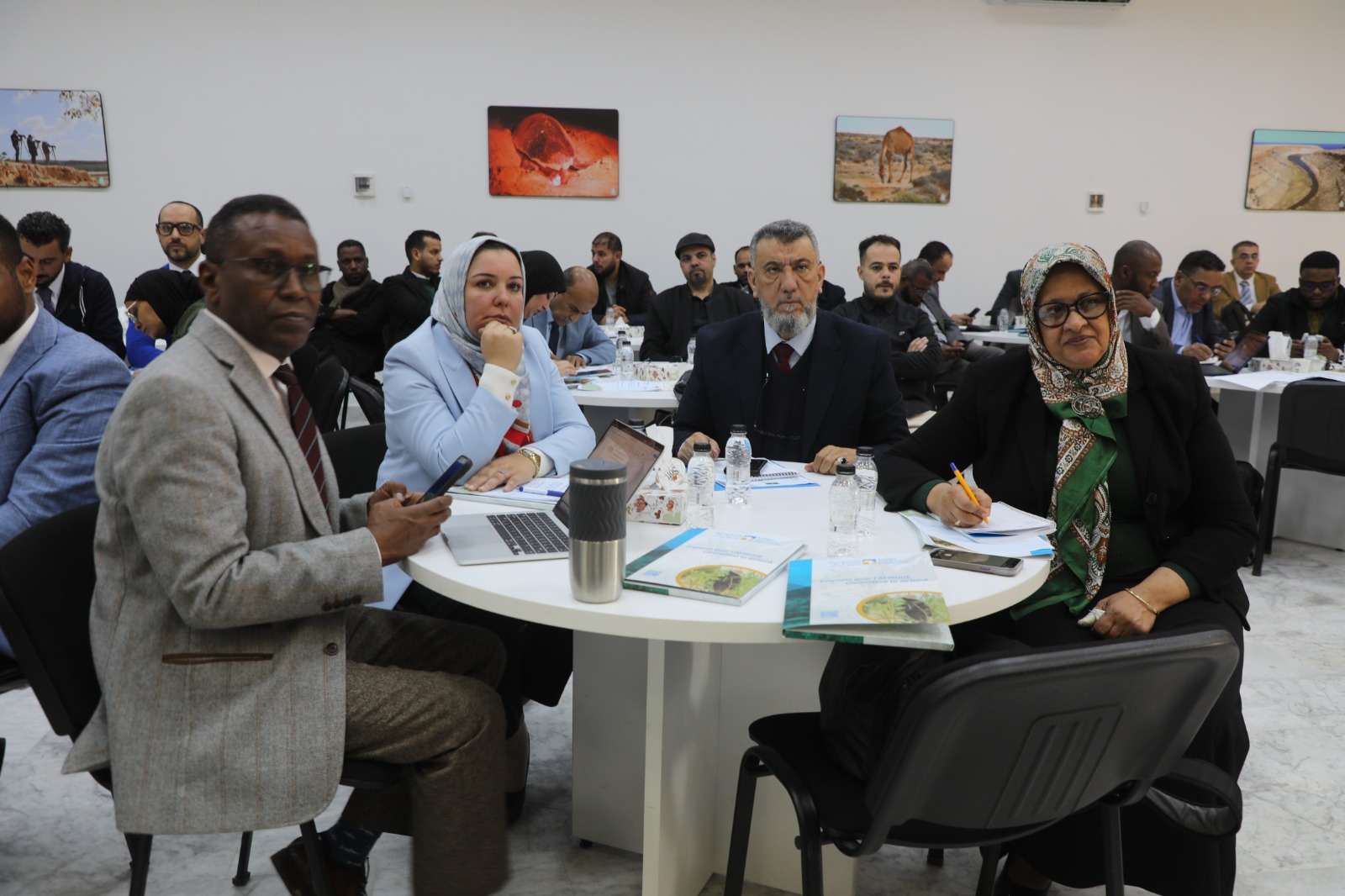
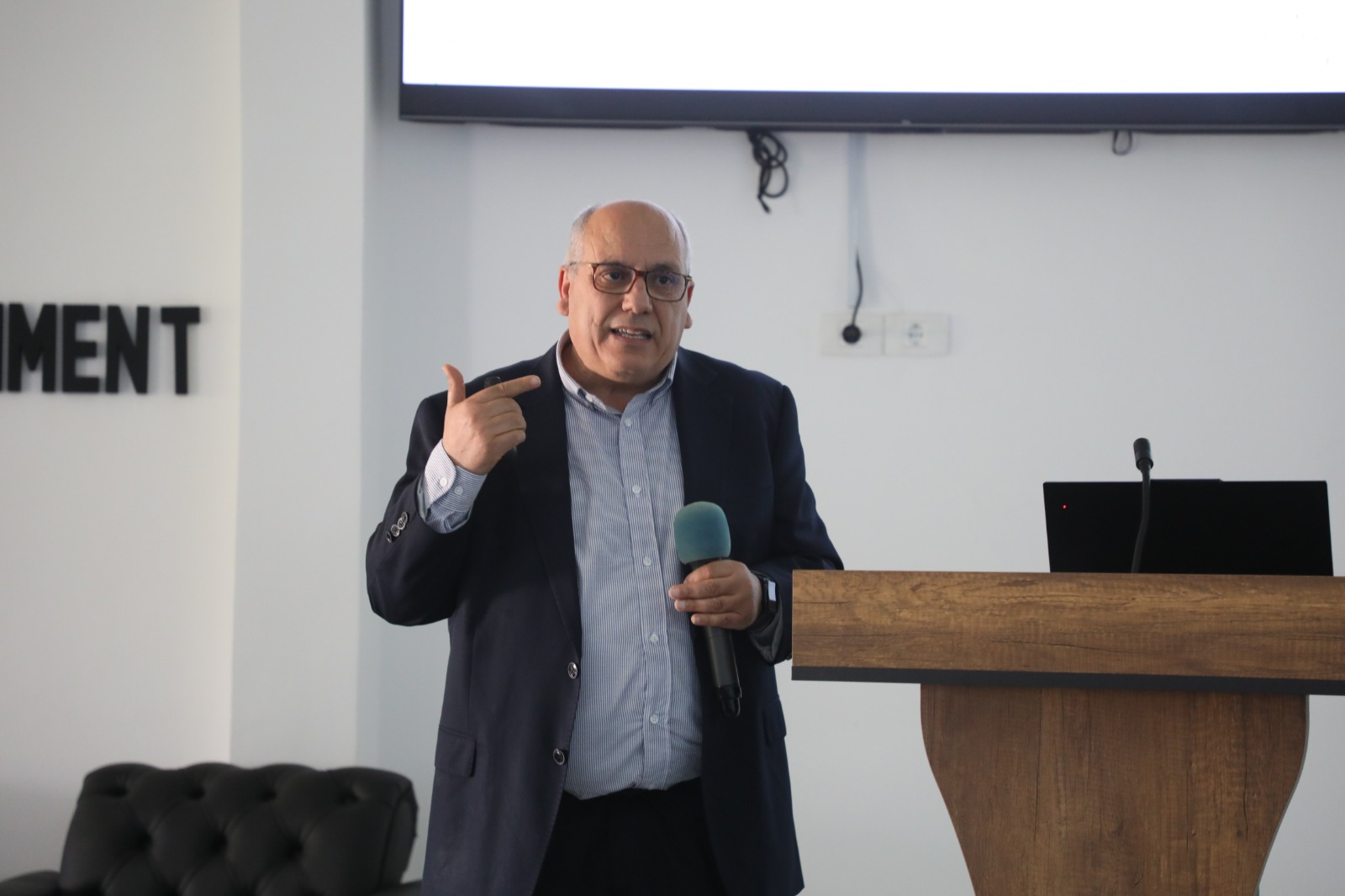
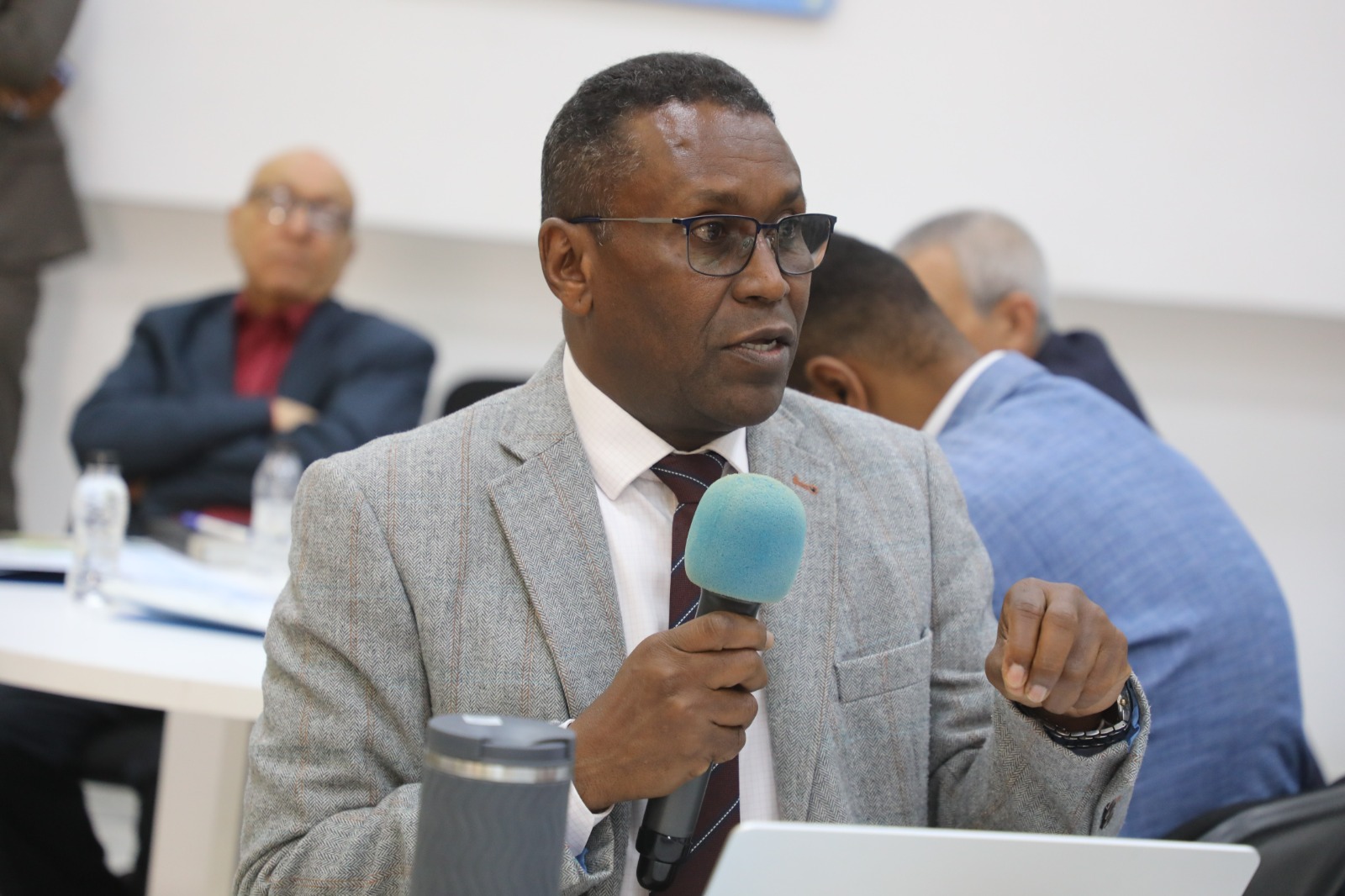
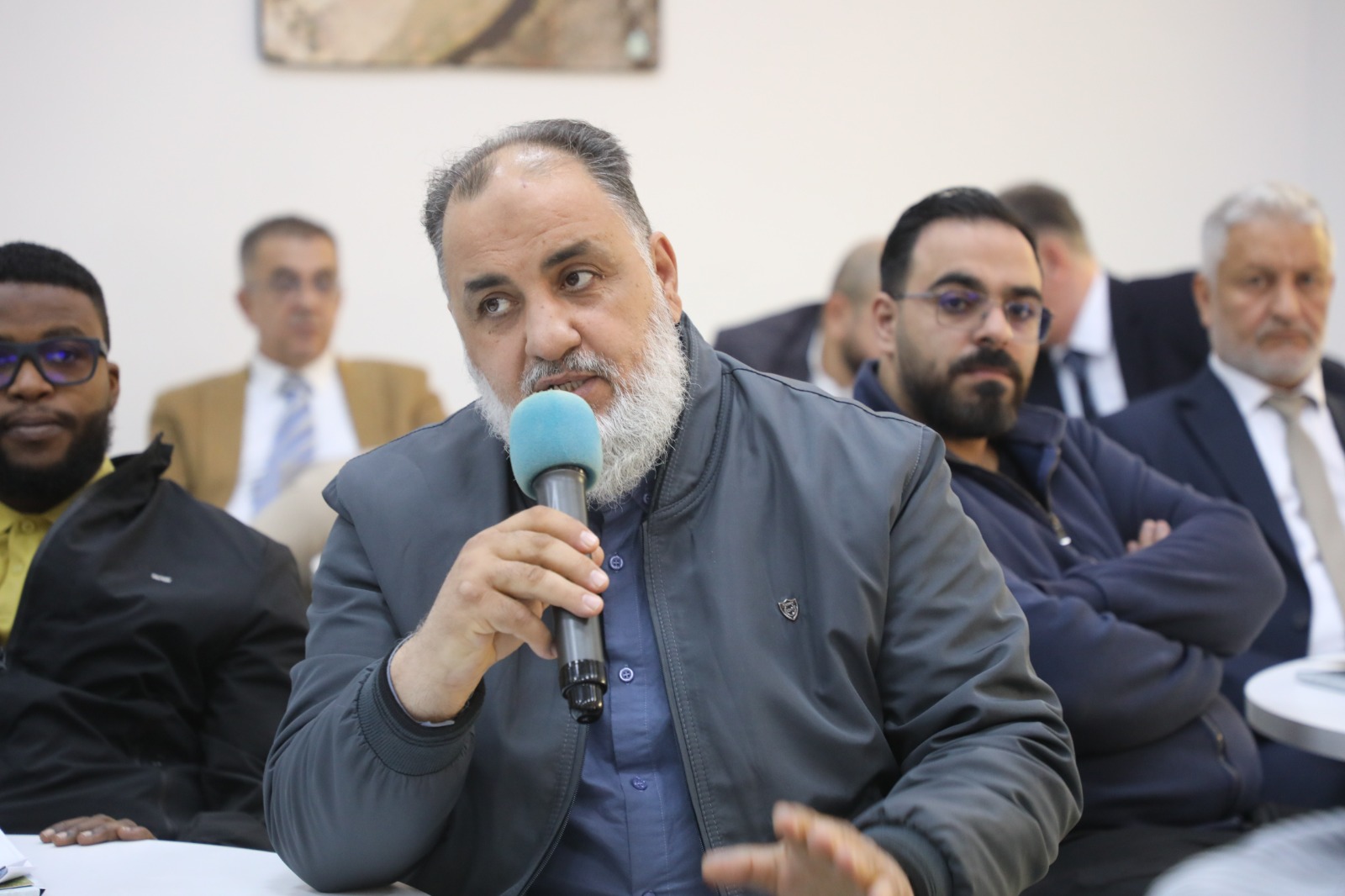
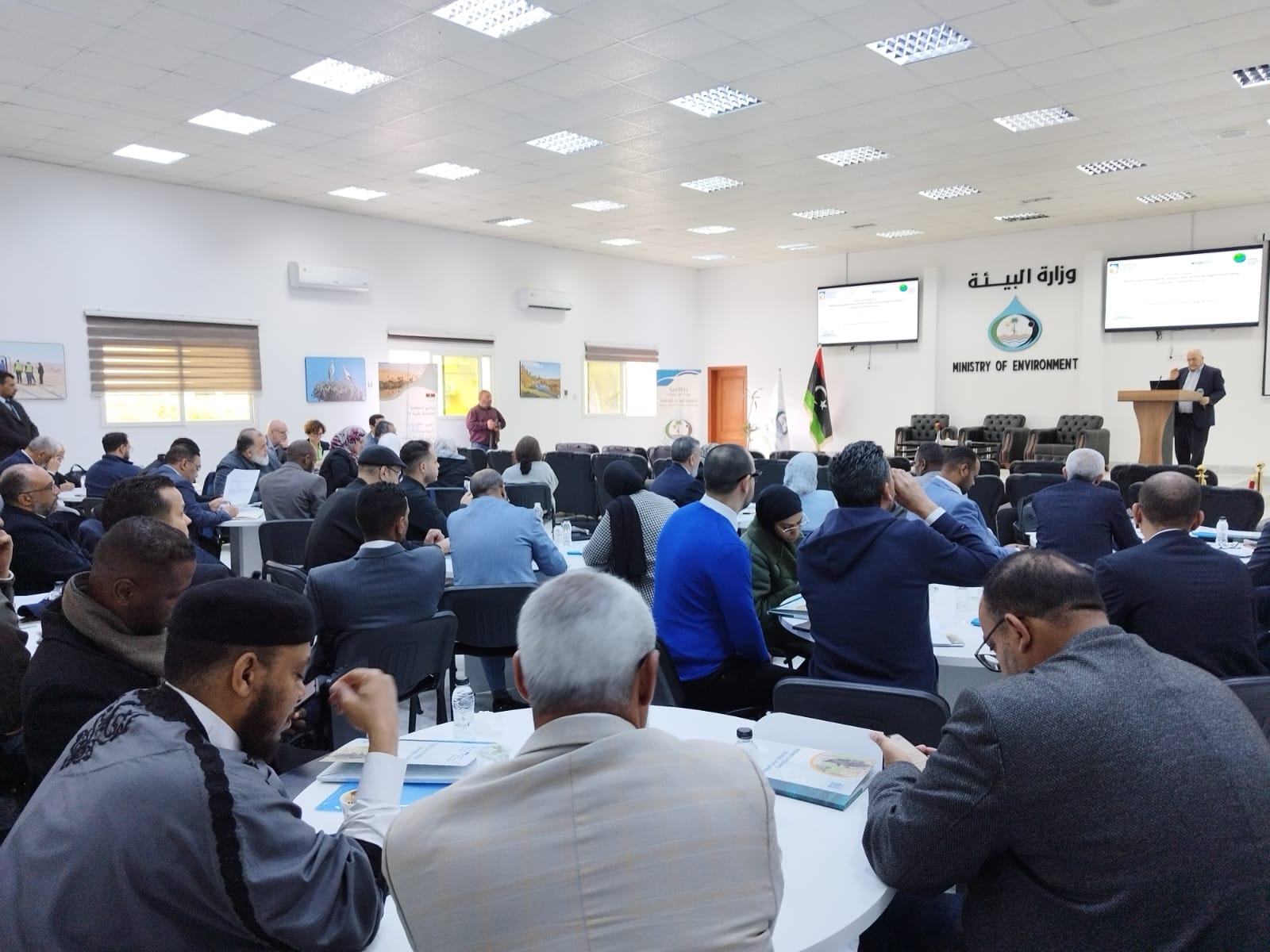
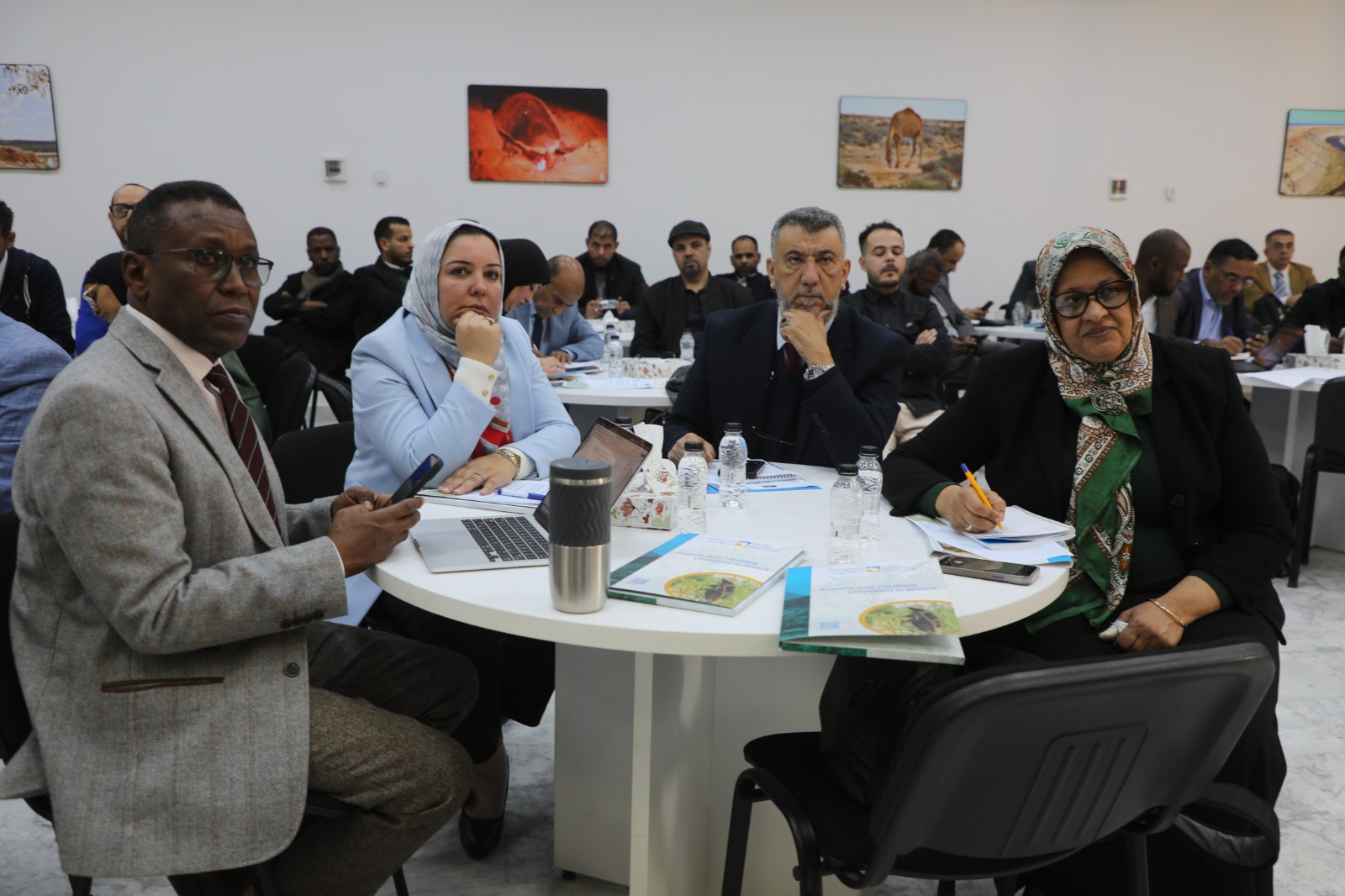
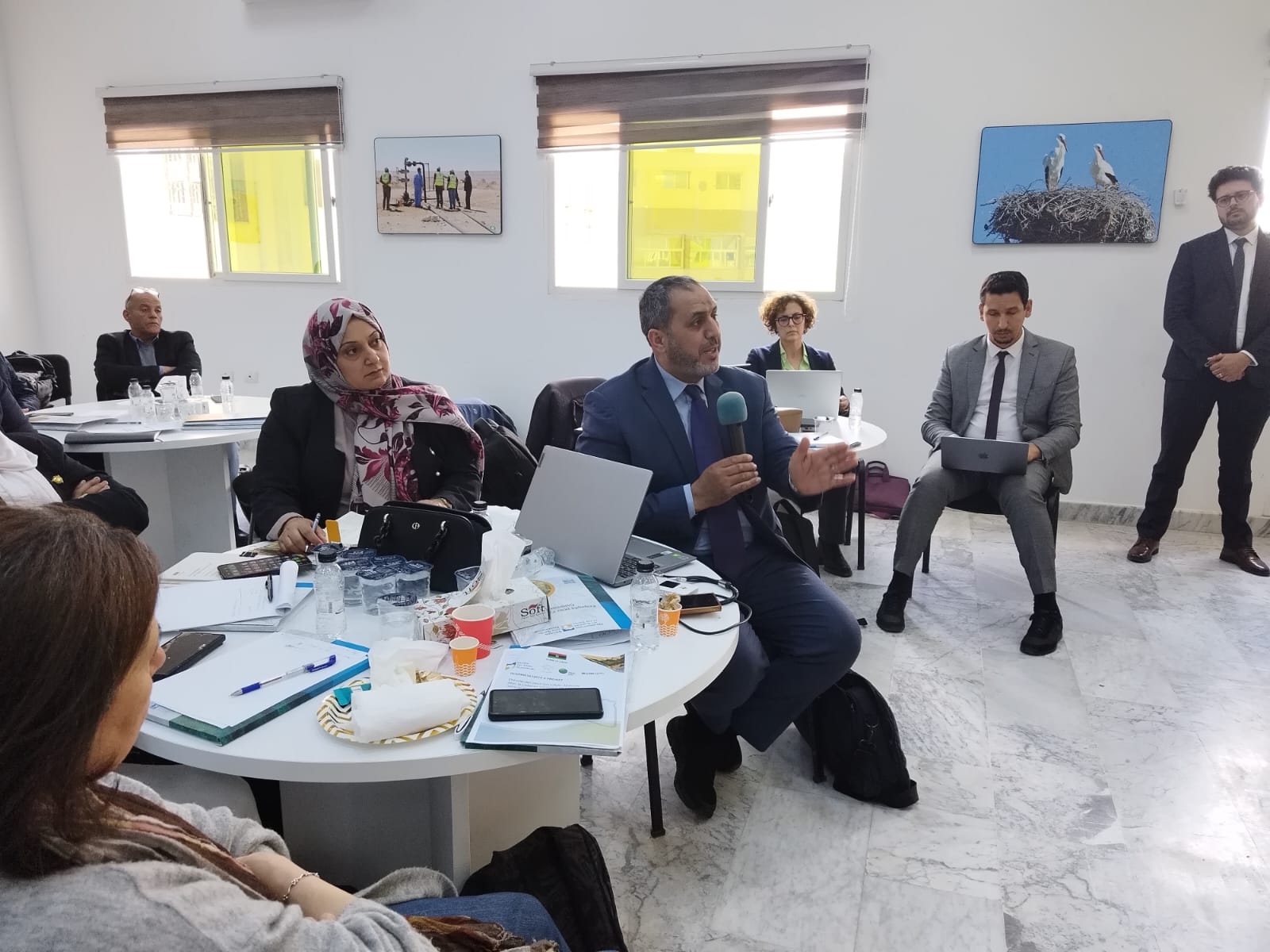
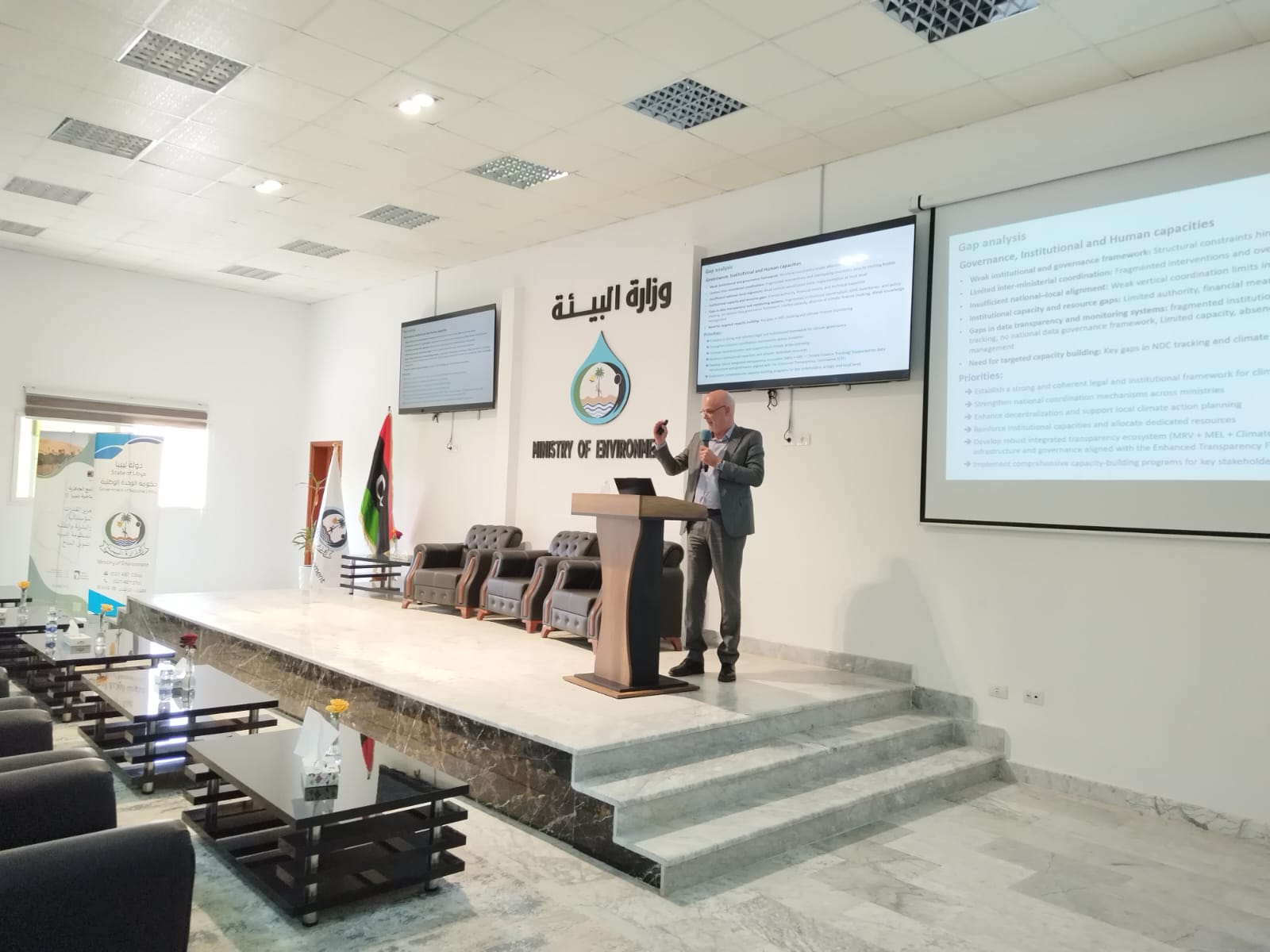
In a significant step toward building a more resilient, coherent, and coordinated climate finance architecture, Libya has reached a major milestone with the presentation and validation of its first-ever strategic and costed climate finance roadmap during a national workshop.
This landmark event convened key national stakeholders within a structured and operational framework, including the National Designated Authority (NDA), the National Committee on Climate Change (NCCC), relevant sectoral ministries, and institutions engaged in climate governance. Leading development partners active in Libya were also there, reflecting a strong and shared commitment to enhancing national coordination.
The outcome of the workshop is both concrete and strategic: a validated, budgeted, and nationally owned roadmap that now serves as the central reference framework for all climate finance actors in Libya. The roadmap outlines 52 concrete measures, structured around three main components: cross-cutting actions, mitigation-specific measures, and adaptation-specific measures. These interventions are planned for implementation over the period 2026–2030. The total estimated budget required for the roadmap stands at USD 5.6 million. In parallel, the broader financing needs for climate action under Libya’s Nationally Determined Contribution (NDC) are estimated at USD 29.5 billion for mitigation and between USD 1.9 and 2.4 billion for adaptation over the period 2026–2035.
The workshop aimed to foster a shared understanding of national climate priorities, ensure a common level of information among stakeholders, and identify synergies across ongoing and planned initiatives. In a context characterized by multiple interventions, the risk of fragmentation remains considerable. The roadmap has therefore been designed as a unified reference framework, aligning efforts around a shared vision supported by a sequenced and costed action plan.
For the first time, national actors and technical partners have converged around a common vision of climate priorities, a clear sequencing of actions, and well-defined roles and responsibilities for each stakeholder. This alignment constitutes a critical foundation for strengthening coordination, optimizing resource mobilization, and ensuring the effective and sustainable implementation of climate action in Libya.
Through structured dialogue and facilitated exchanges, participants reviewed identified gaps, validated priorities, defined timelines, and discussed budget allocations. This participatory approach ensured that the final document reflects a genuine national consensus rather than the perspective of a single institution.
Discussions also addressed the operationalization of the roadmap, with particular emphasis on ensuring complementarity among climate initiatives. The objective is to avoid duplication, enhance coherence, and effectively channel available resources toward clearly defined national priorities.
Organized by the Sahara and Sahel Observatory (OSS) in close collaboration with Libya’s National Designated Authority (NDA), the workshop was held at the Ministry of Environment as part of the Readiness Libya II project and aims to strengthen the institutional, human, and technical capacities of Libya’s climate finance system, thereby laying the foundation for more integrated, transparent, and effective climate governance.
Held on January 28, 2025 in Tunis, the 27th session of the Strategic Orientation…
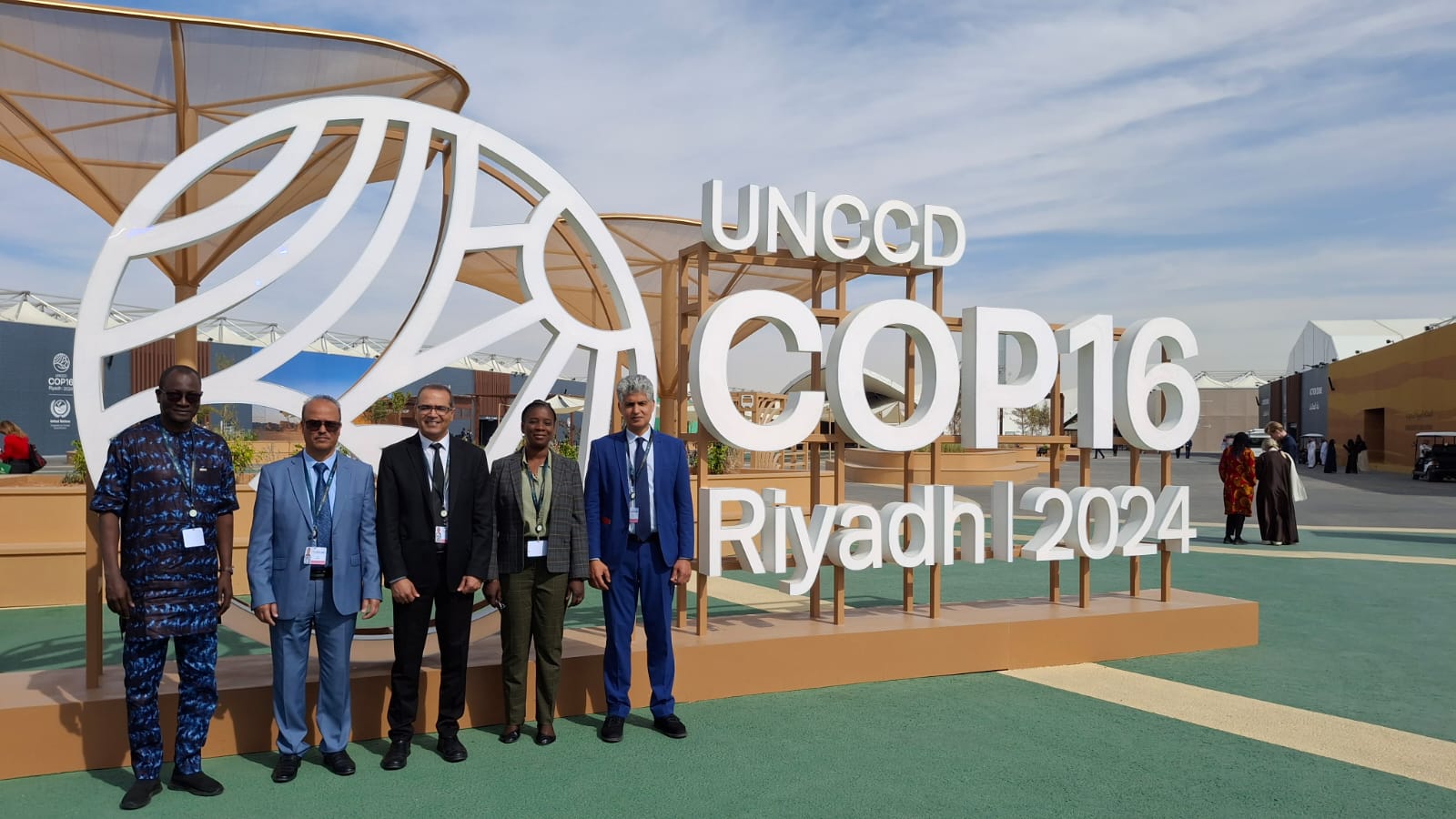
The participation of the Sahara and Sahel…
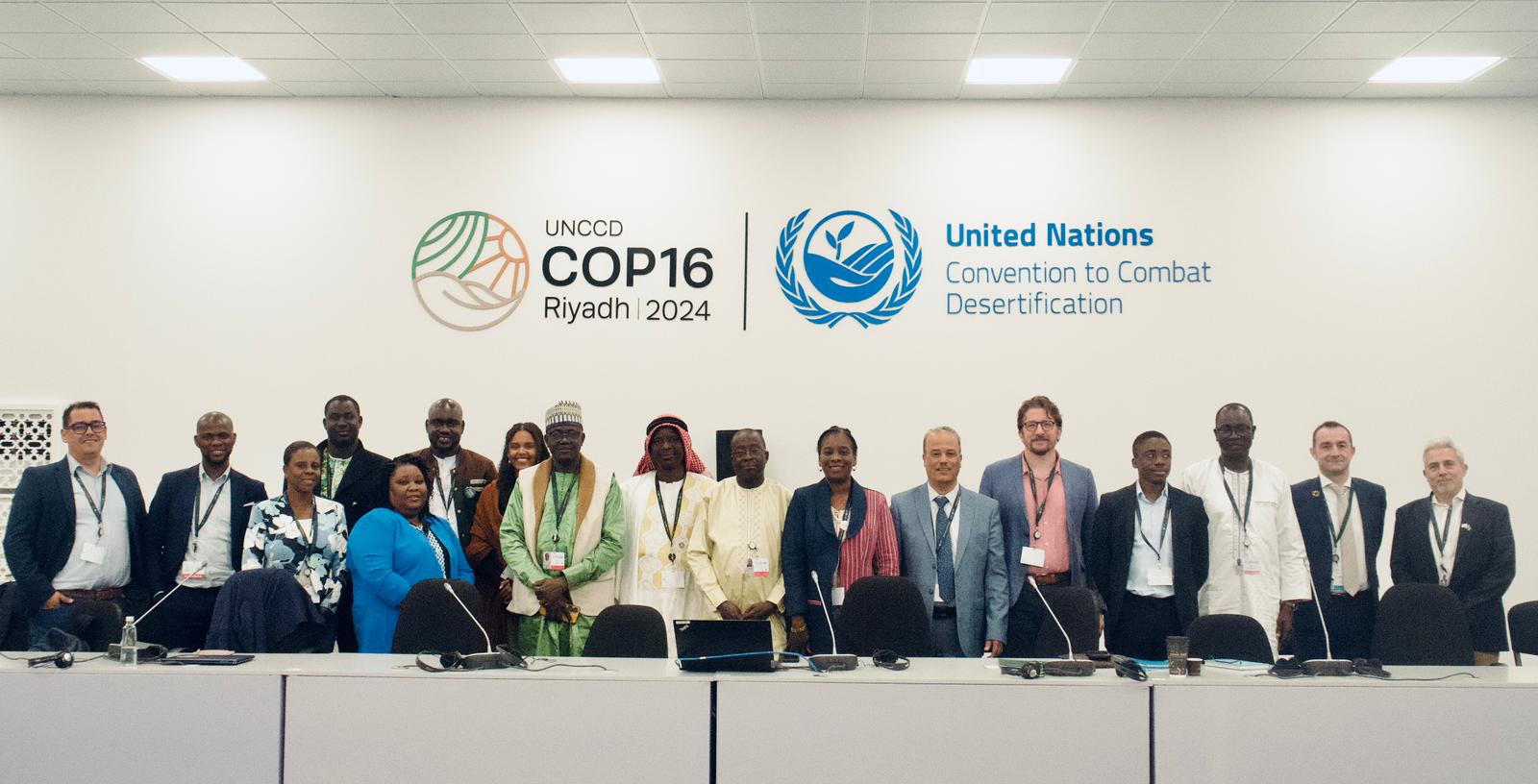
OSS Side Event at COP16: Strengthening Resilience in the Sahel through Multi-…