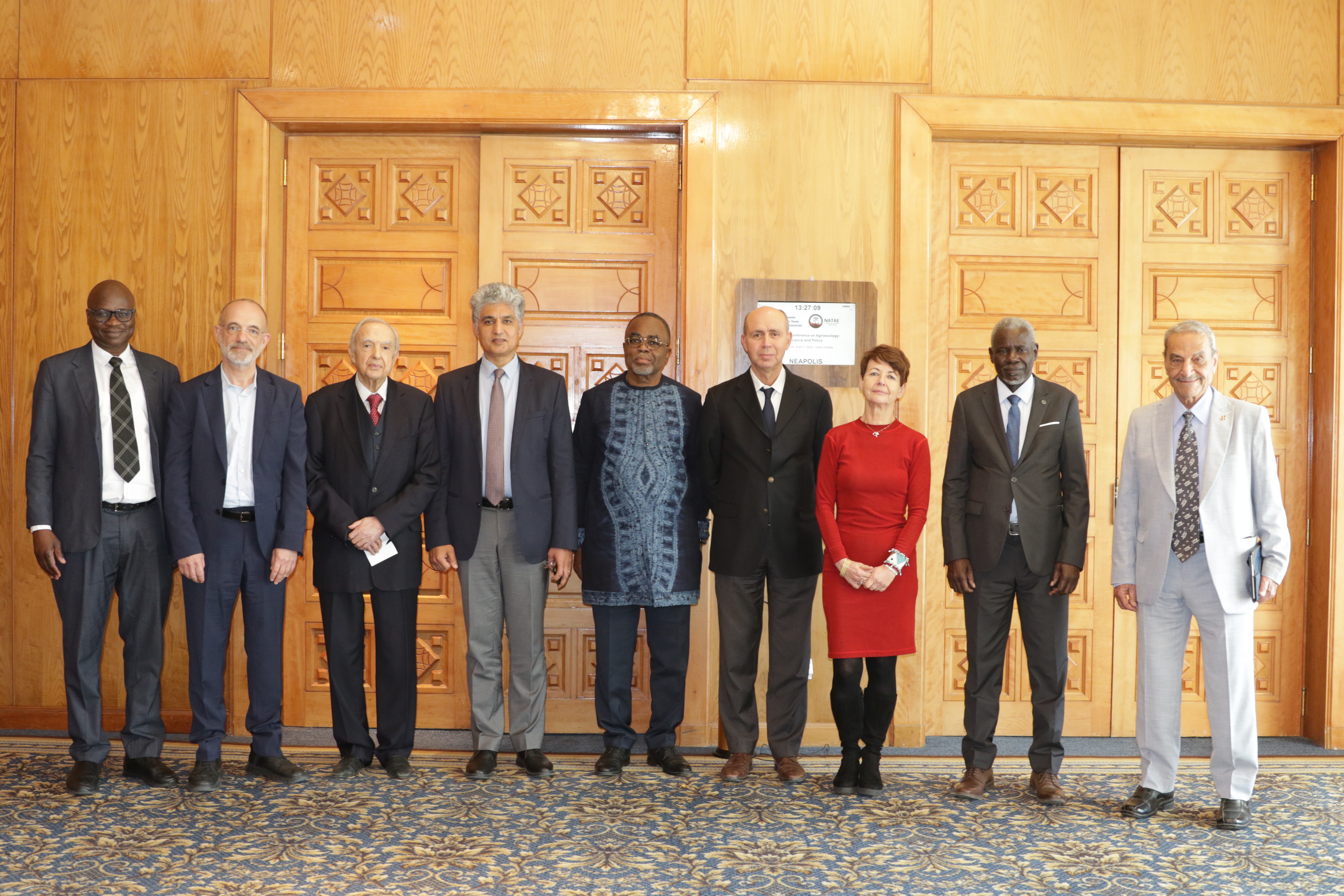
27th Session of the OSS Strategic Orientation Committee, Tunis, January 28, 2025
Held on January 28, 2025 in Tunis, the 27th session of the Strategic Orientation…
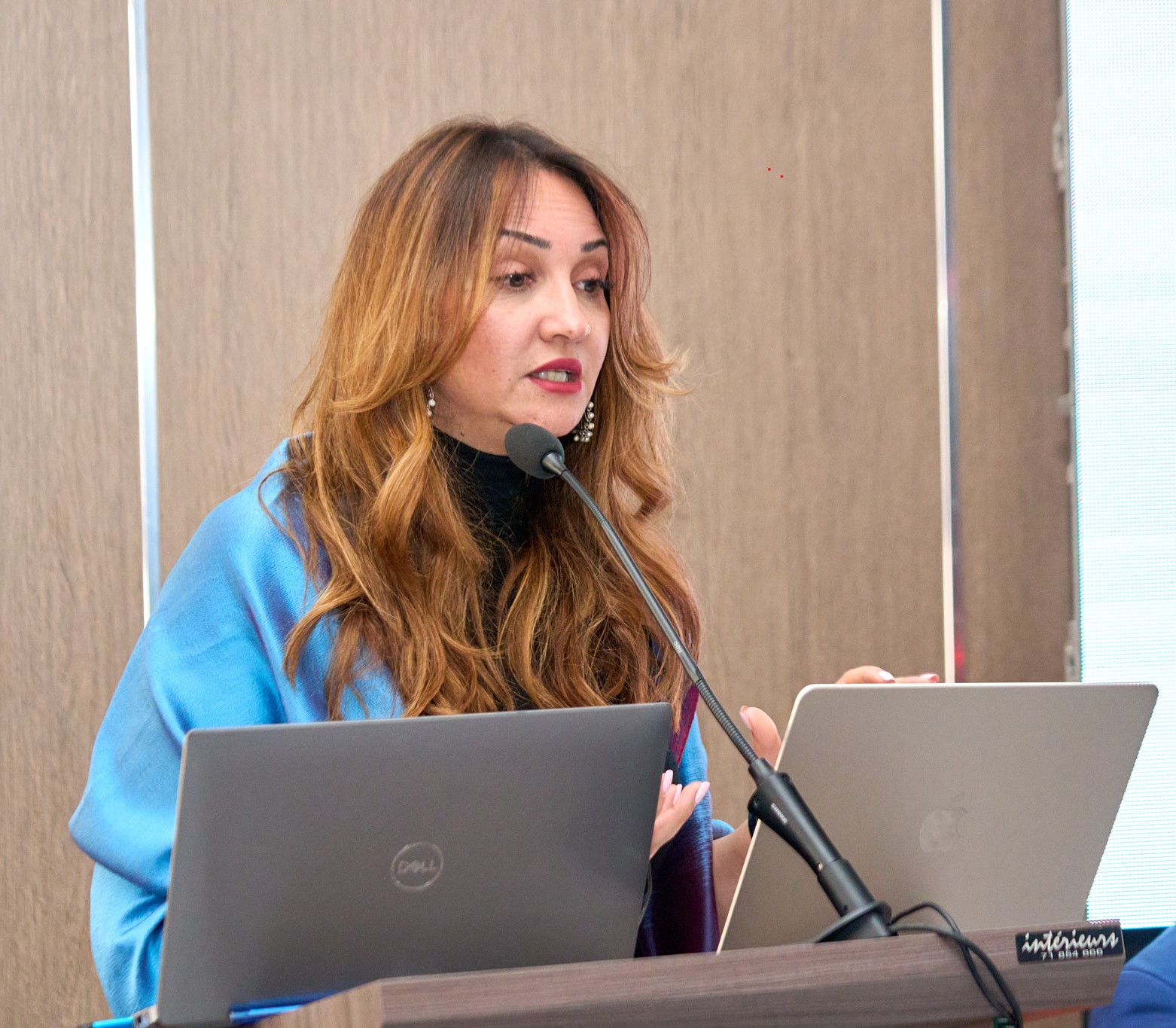
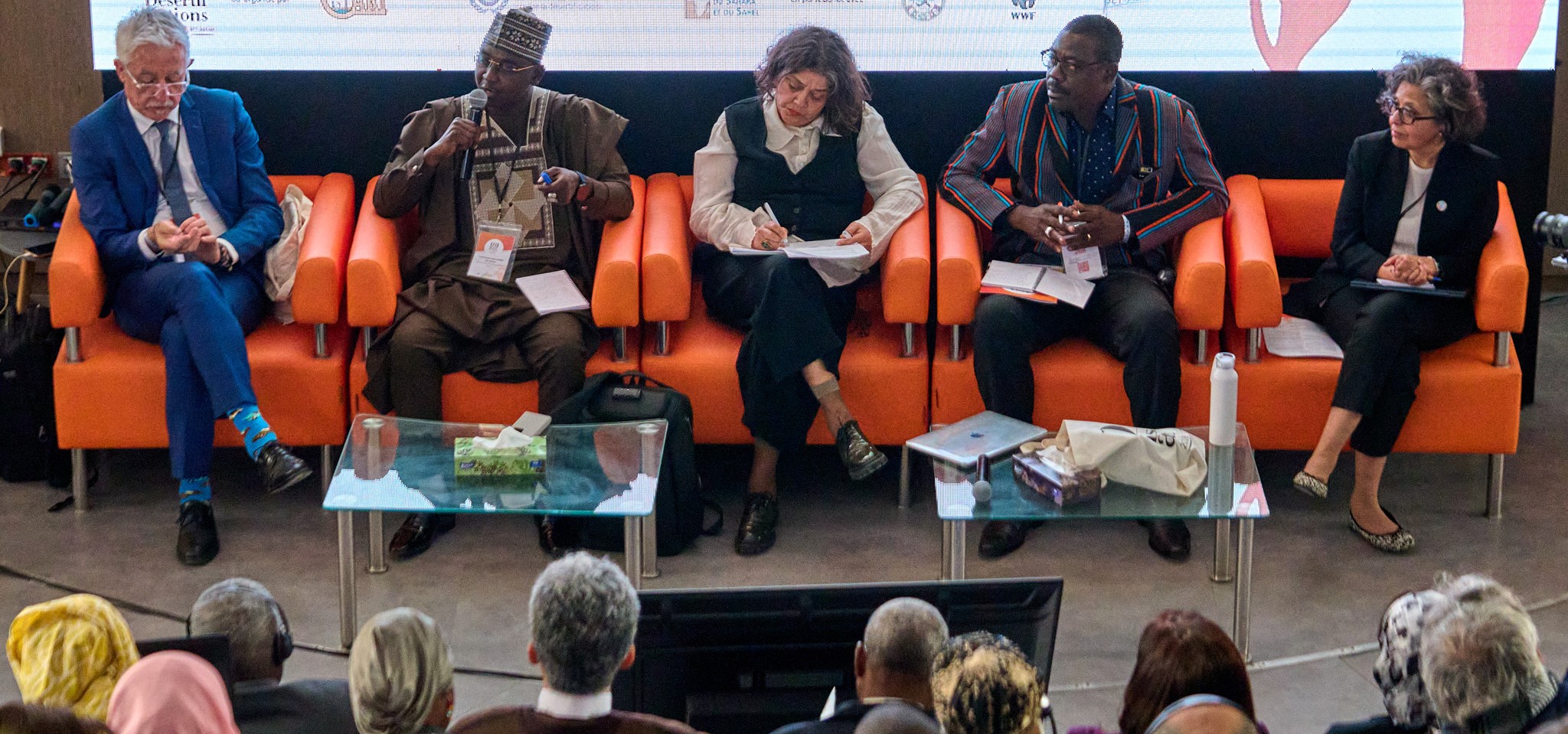
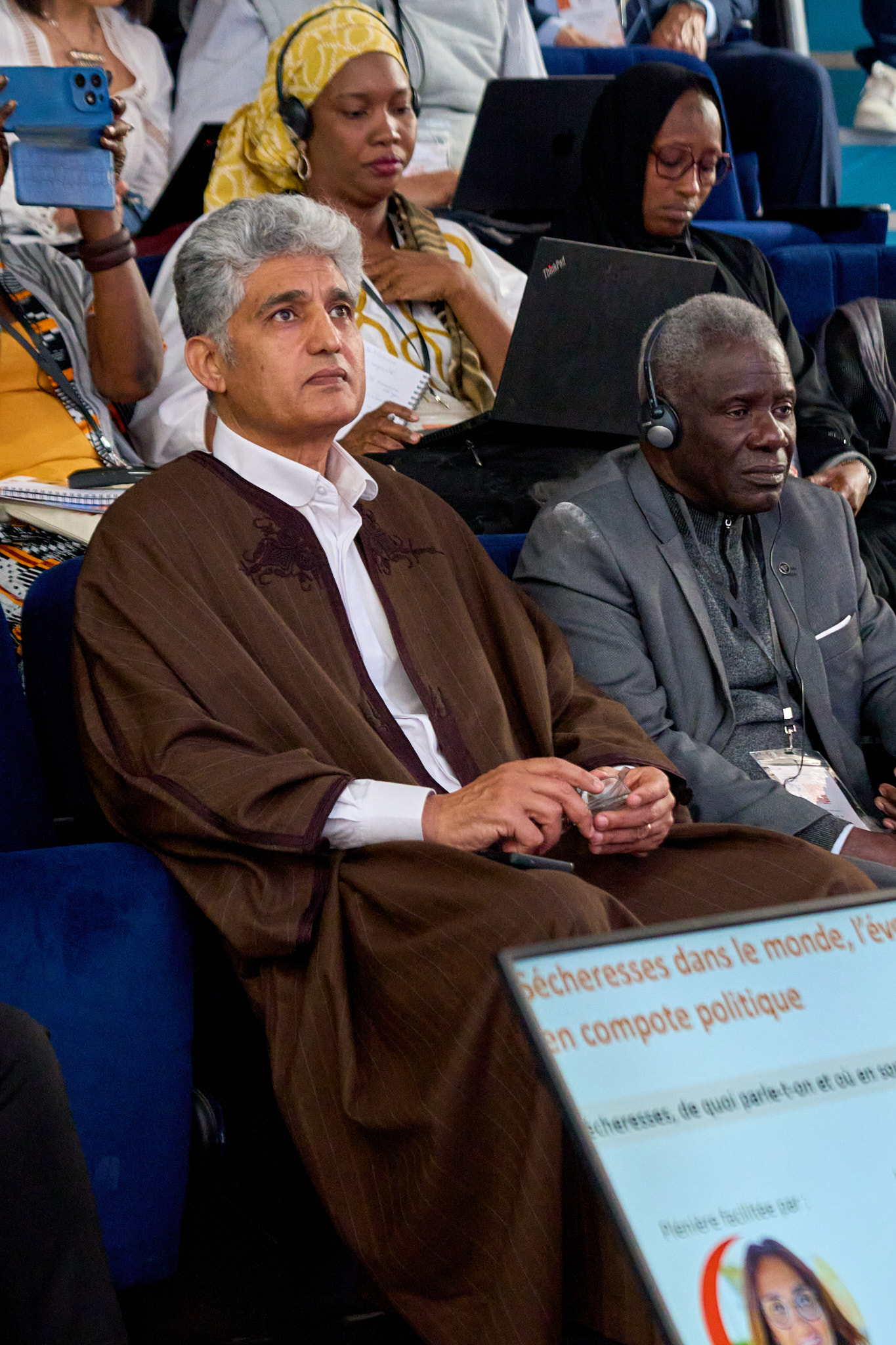
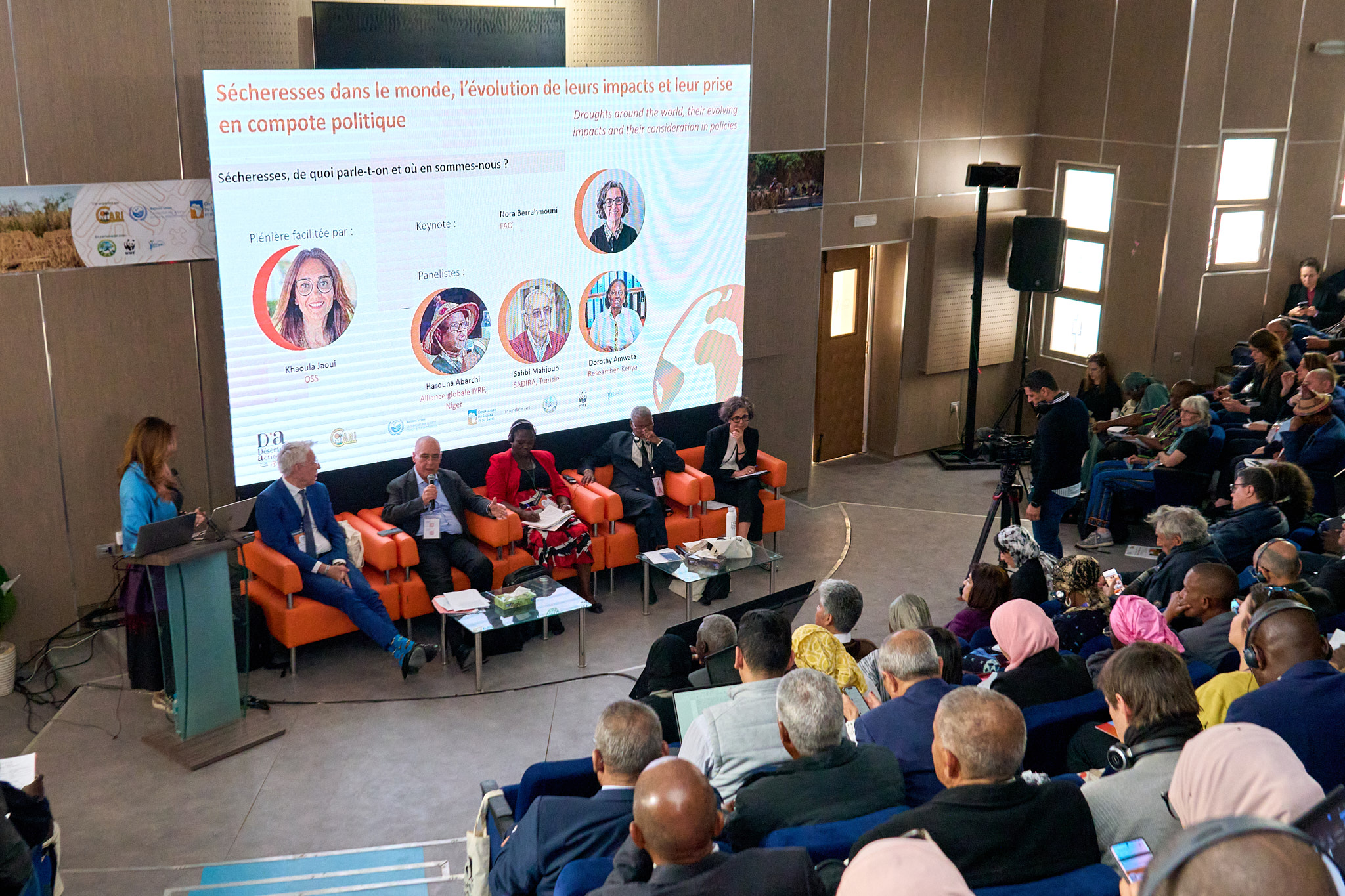
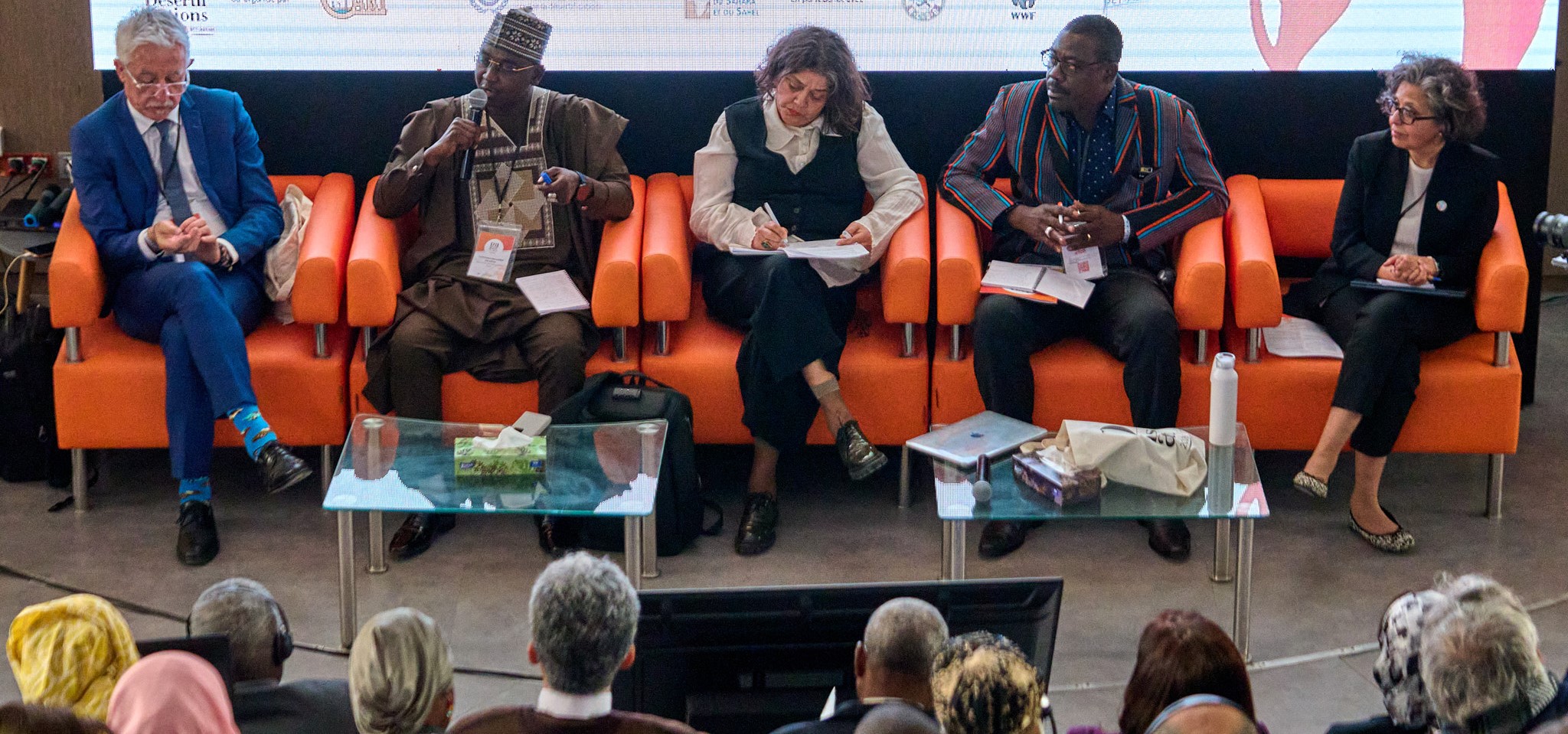

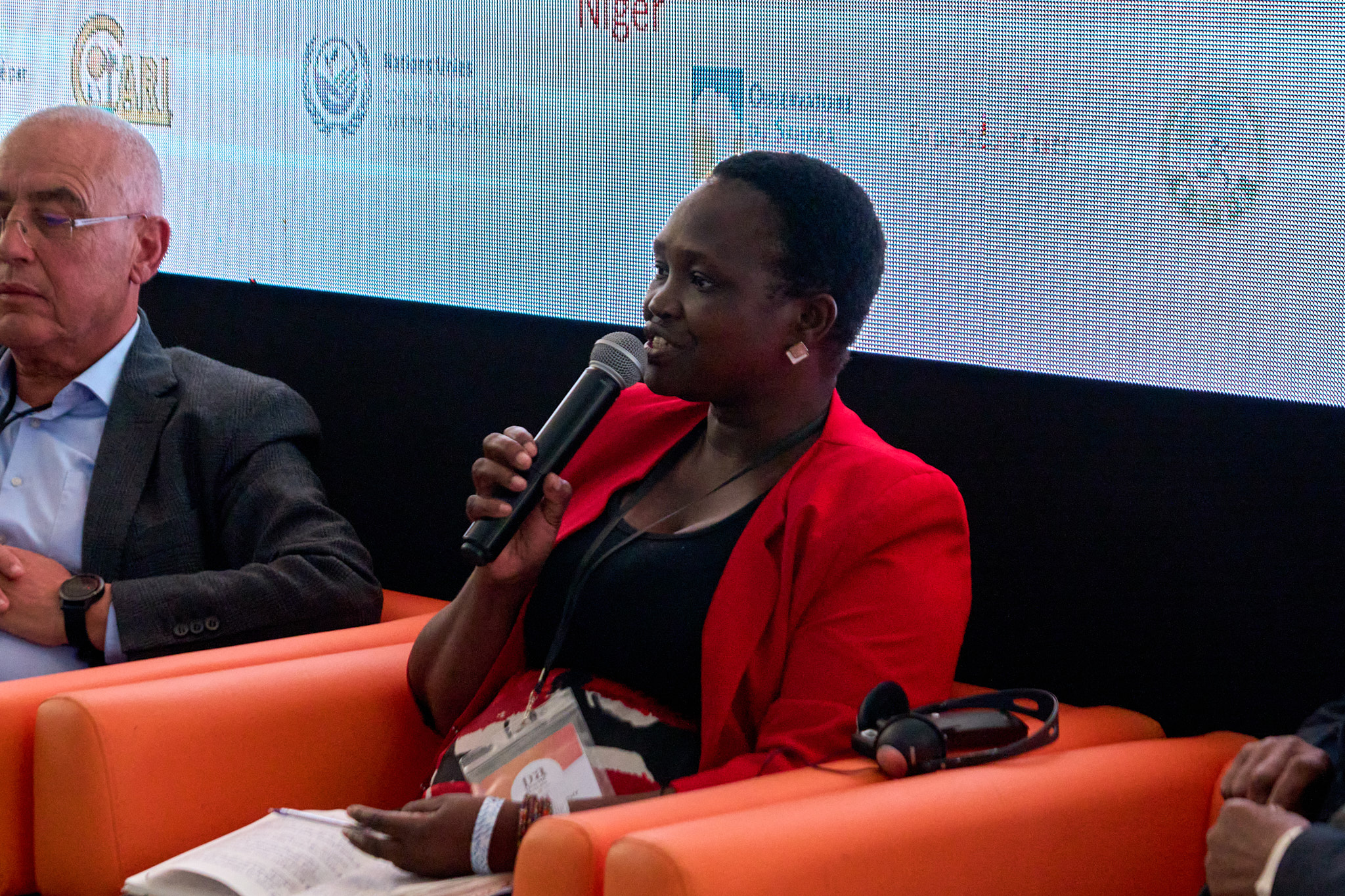
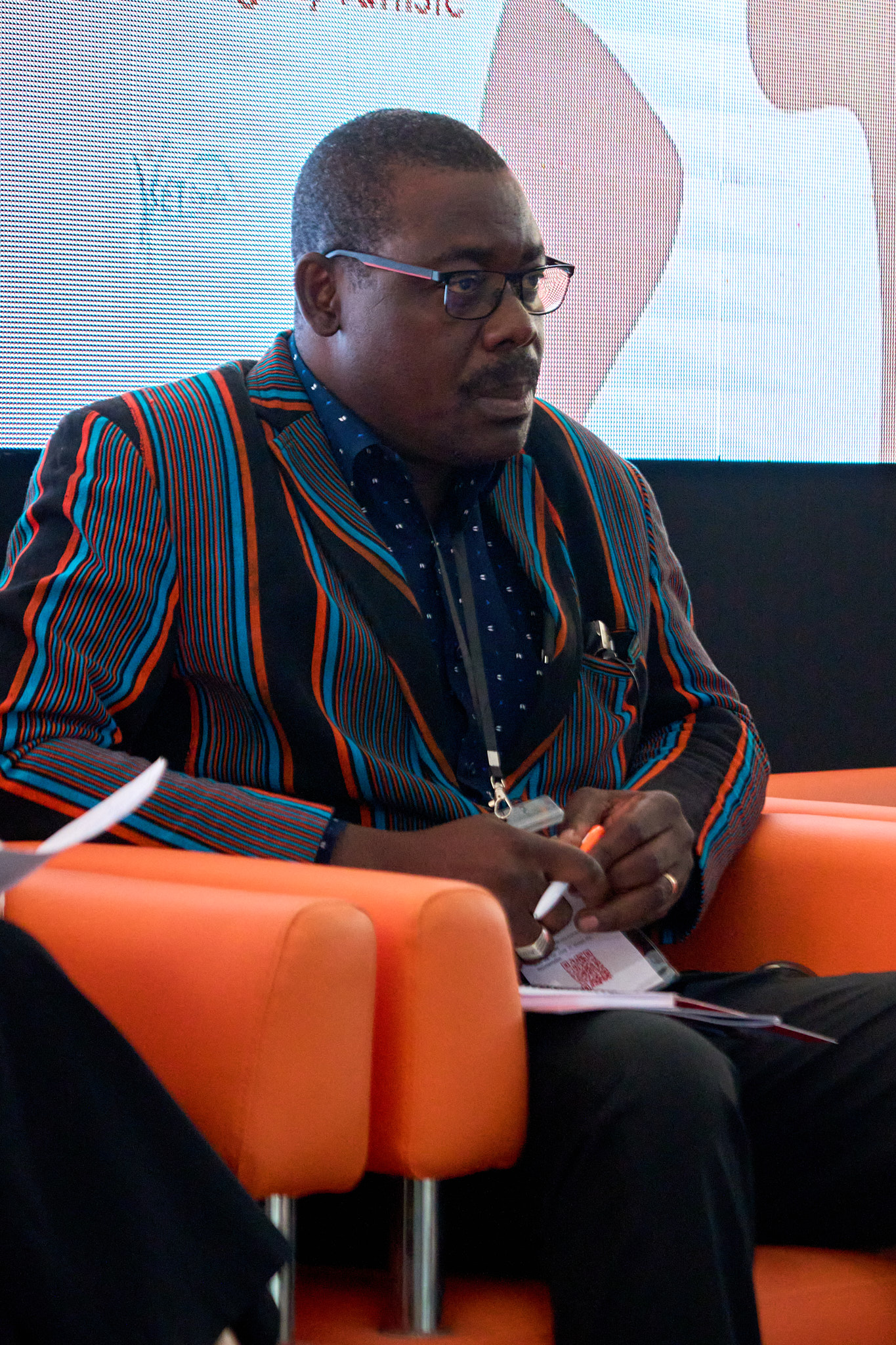
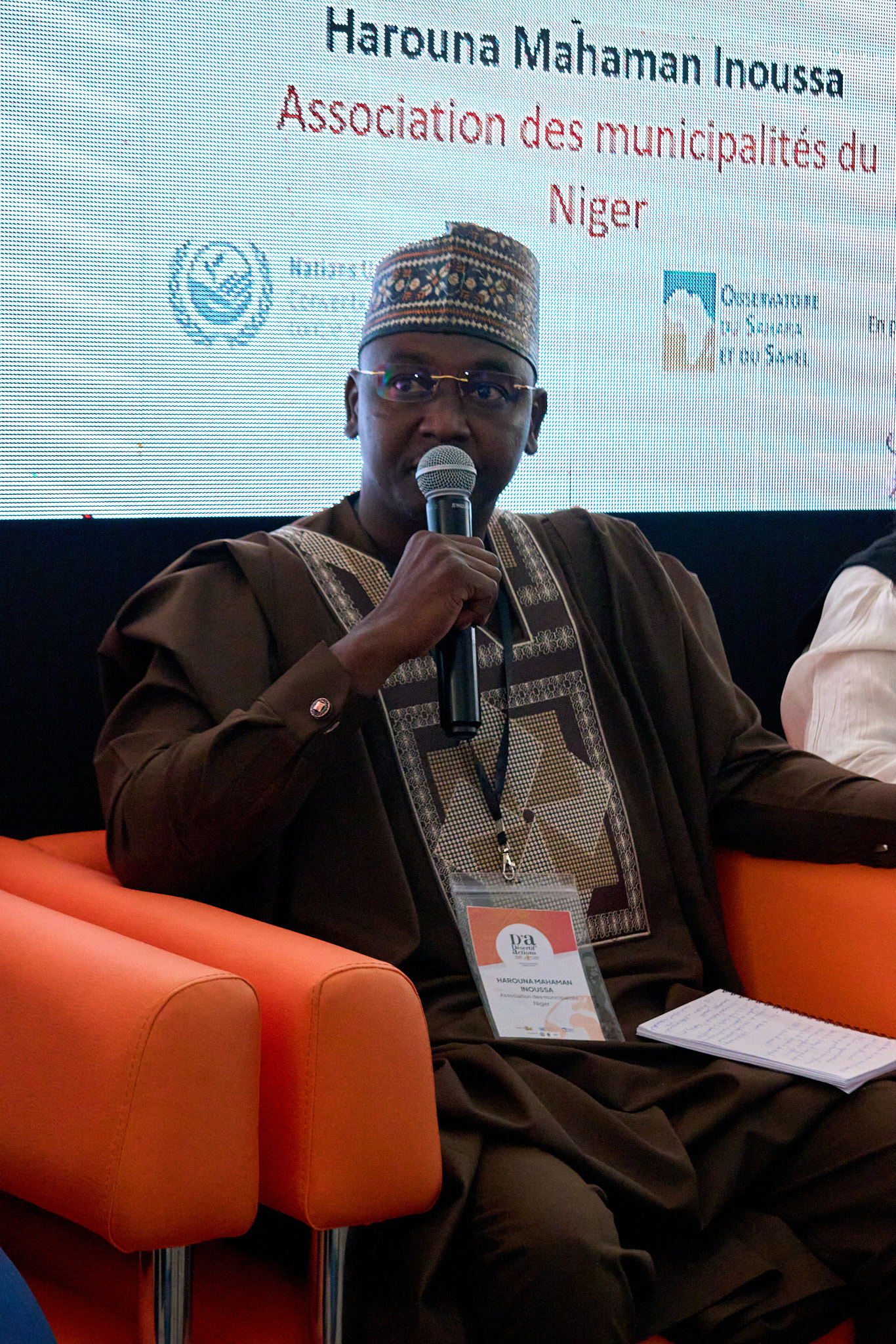
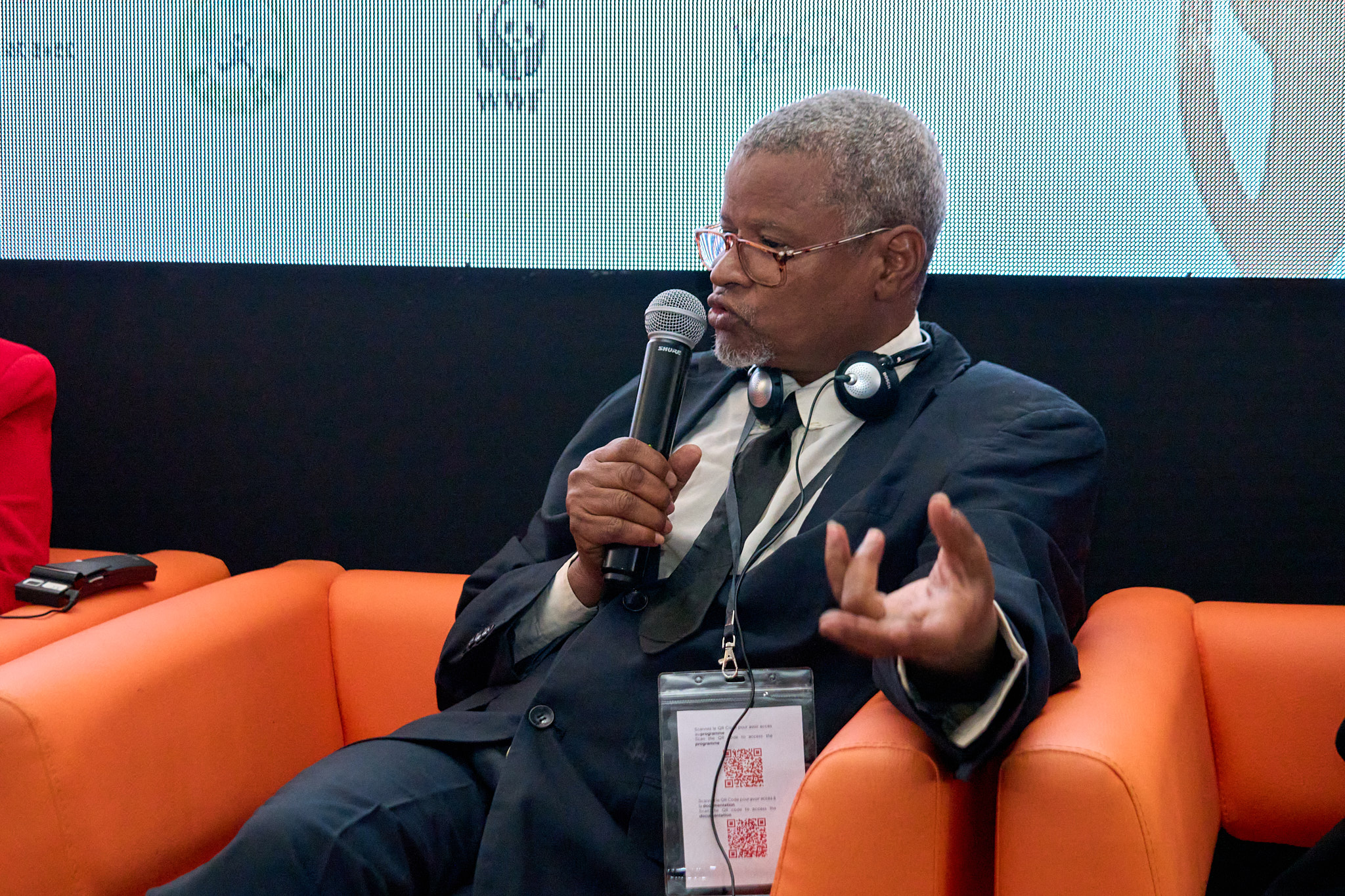
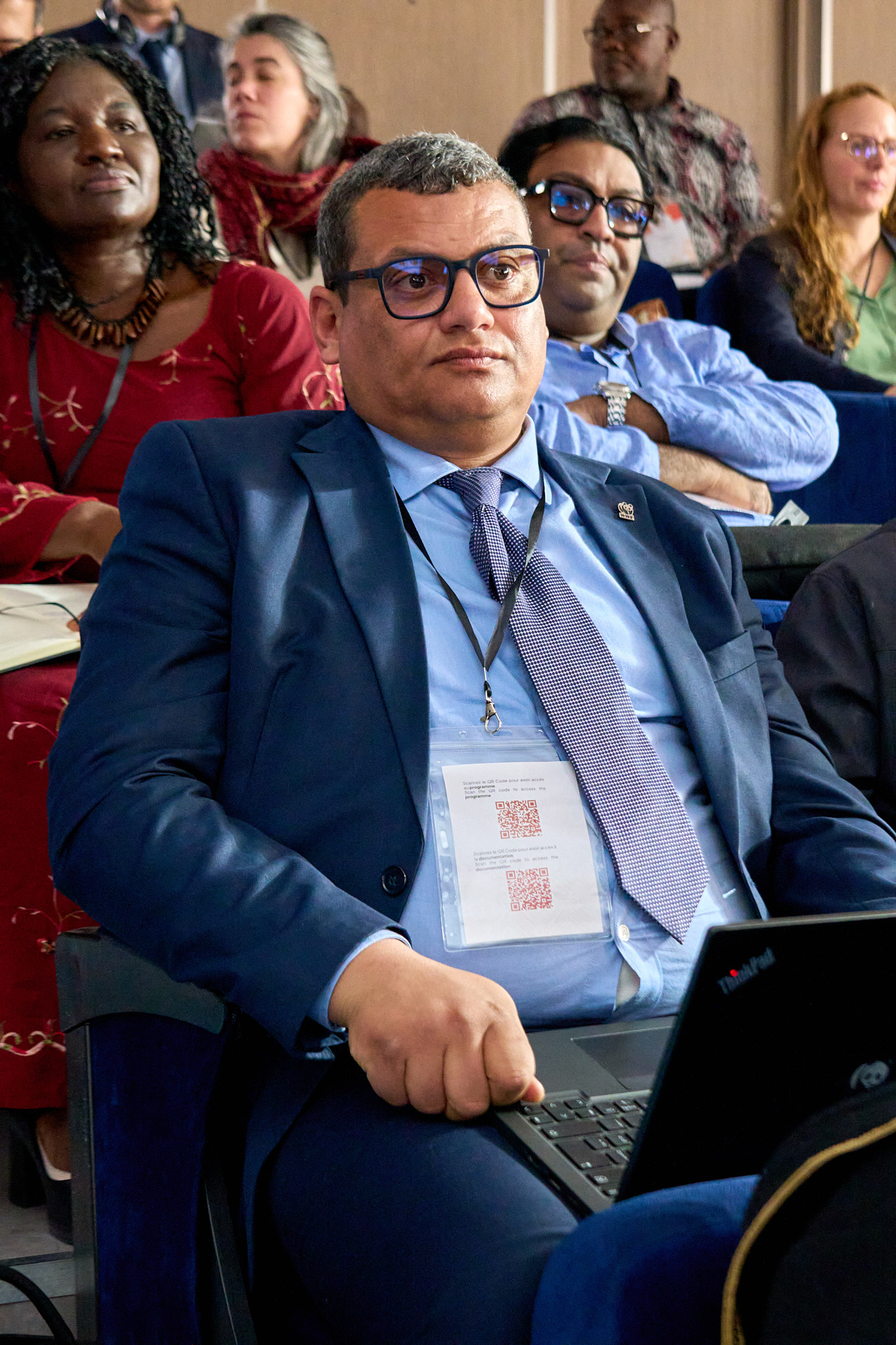

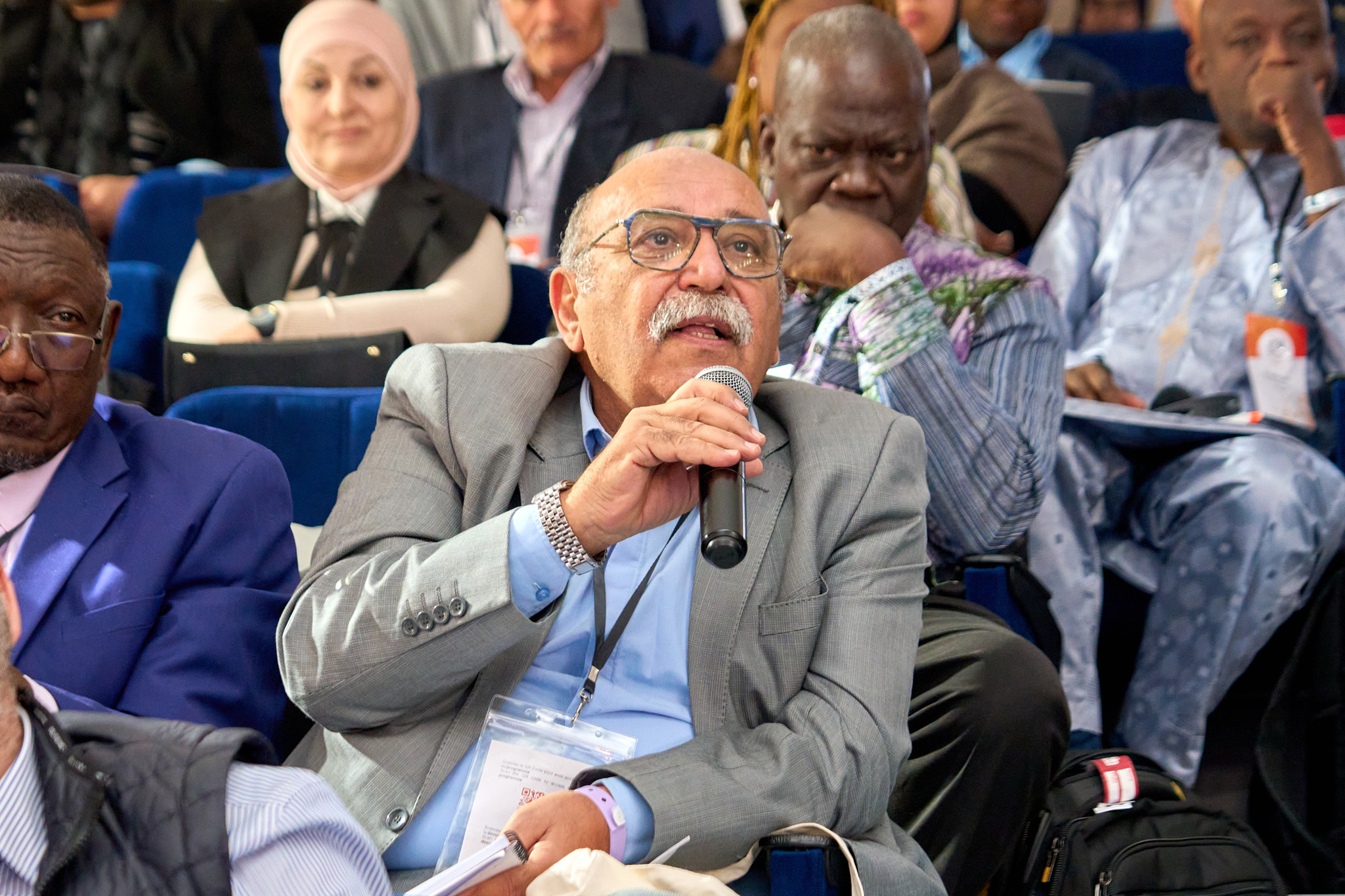
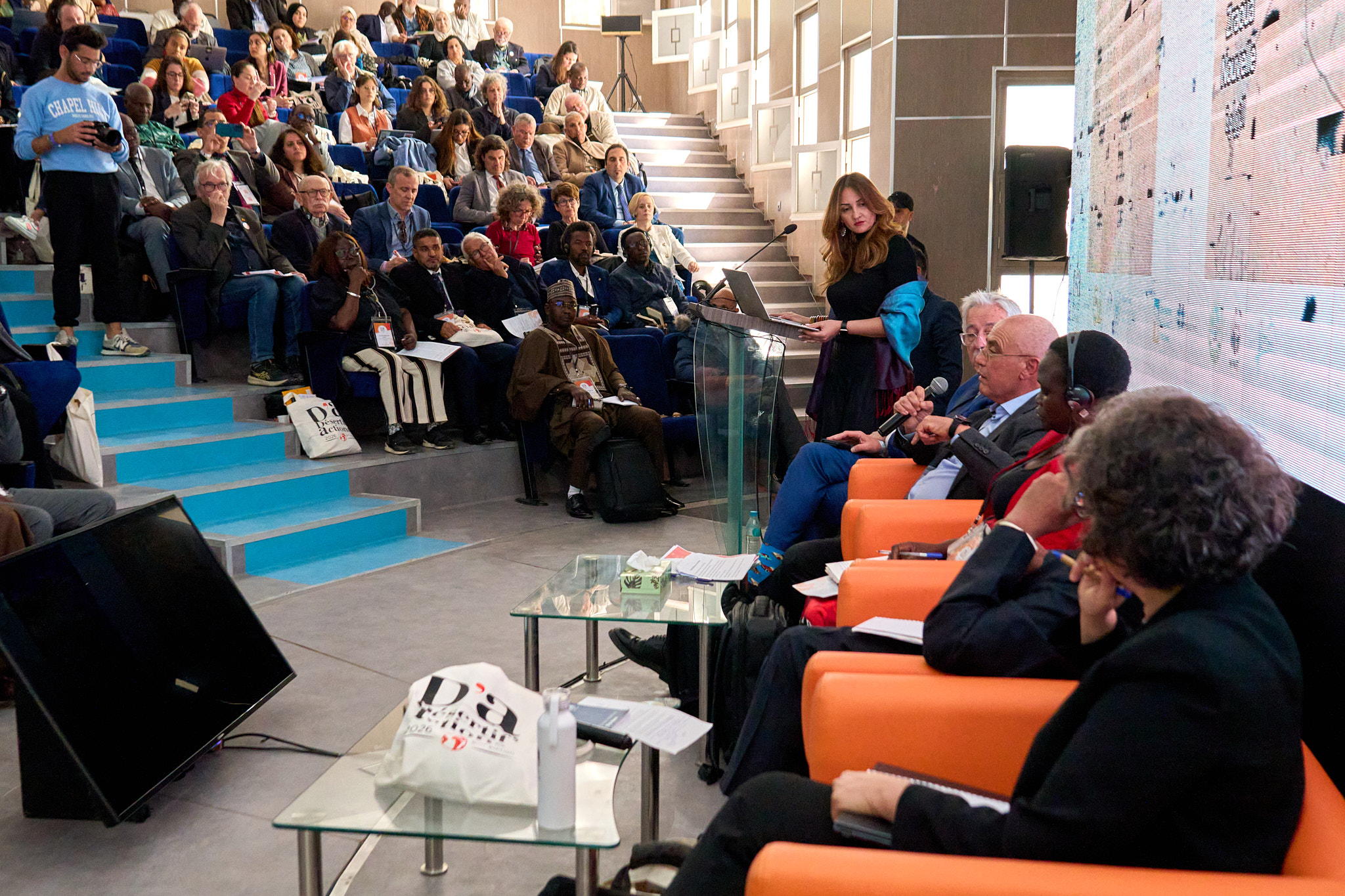
As lands across the globe are increasingly impacted by an ever more erratic climate, the Désertif’actions Summit in Djerba dedicated in-depth reflection to one of the most insidious threats of our time. The opening session, moderated by Ms. Khaoula Jaoui, OSS Climate Department Director, went beyond merely stating the urgency to outline a new doctrine for action.
The first key takeaway from this meeting lies in the end of a long-standing myth: that drought affects only arid regions. Drawing on IPCC and FAO projections, Ms. Nora Ben Berrahmouni, highlighted the universality of this phenomenon, which affected a record 98% of the world’s land in 2023. This reality now requires us to view drought as a meteorological, agricultural, and hydrological crisis - whose ripple effects hit agriculture particularly hard, accounting for 80% of global economic losses.
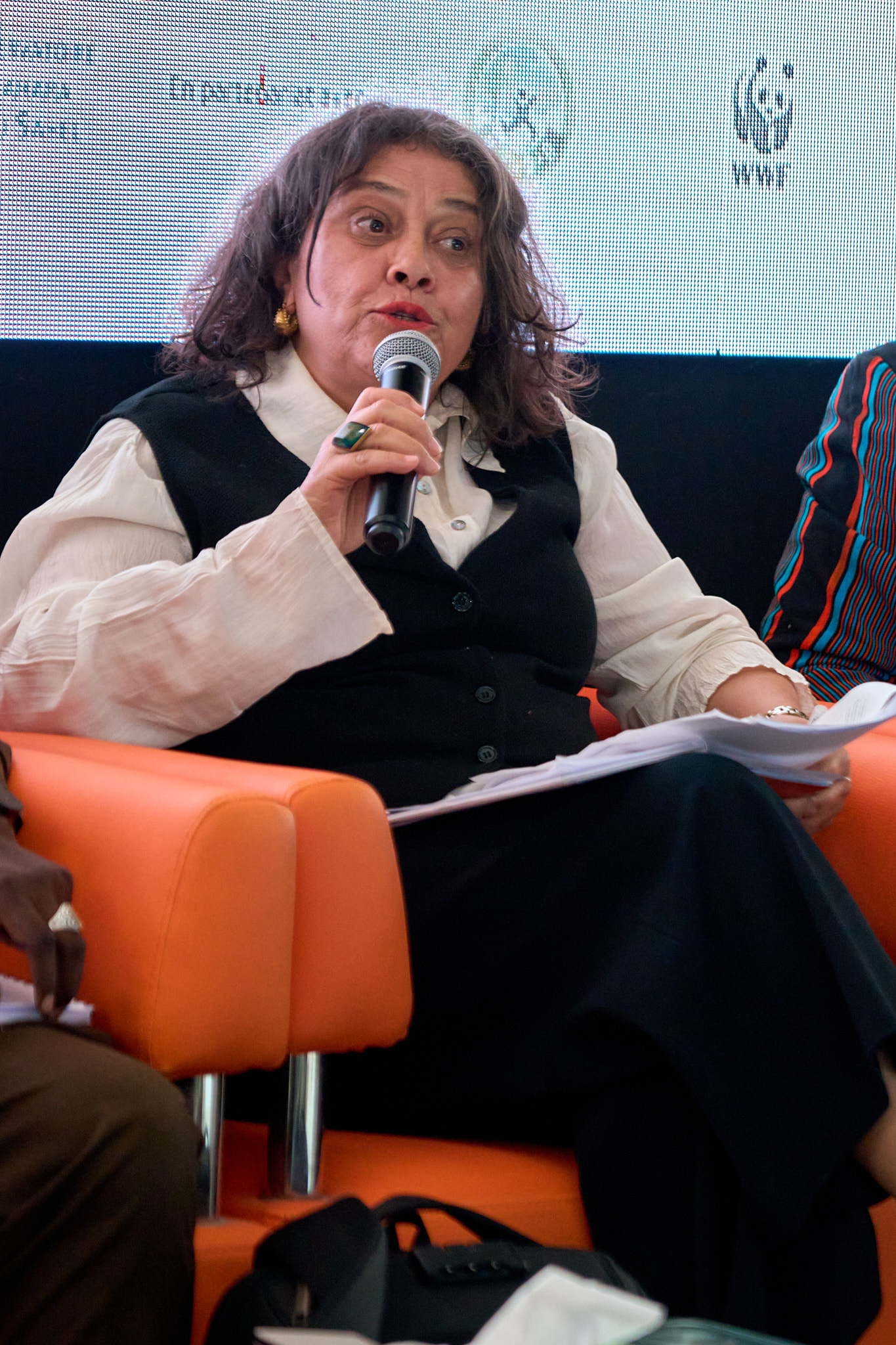
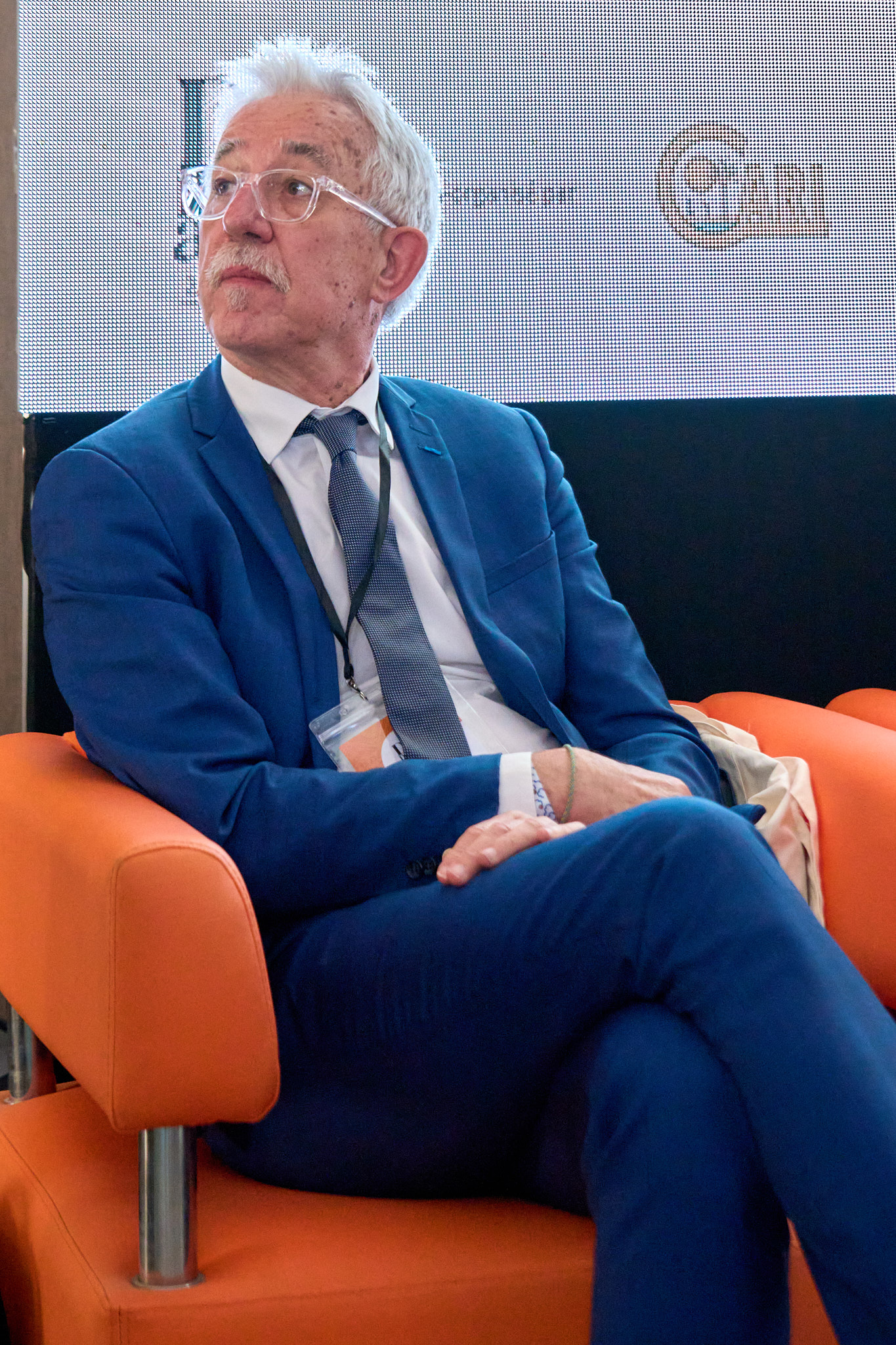
In response to this diagnosis, a collective intelligence rooted in field experience emerged from the discussions. Whether through pastoral mobility in Niger, defended by Mr. Harouna Abarchi, as a scientifically grounded preservation strategy, or through water-efficiency achievements in Tunisia, led by Mr. Mohamed Sahbi Mahjoub, the message is clear: solutions do exist, and techniques such as deficit irrigation already enable water savings of up to 40%. This resilience is further supported by research, notably highlighted by Prof. Dorothy A. Amwata, who identified digital technologies and AI as vital tools for anticipation. Yet, as emphasized by Mr. Jean-Luc Chotte, Mr. Barnabé Kaboré, and Mr. Harouna Mahaman Inoussa, we face a “governance paradox”: abundant scientific knowledge but fragmented political action, often dependent on short-term funding. Finally, sociologist Ms. Awatef Mabrouk, underscored the inclusion of women - custodians of these lands- without whom any adaptation effort remains incomplete.
From this convergence of expertise, major strategic outcomes emerged to reshape public action:
• The shift to “proactive action”: The most decisive outcome is the imperative to move from reactive crisis management to an anticipation mindset. Since hazards are inherently out of control, the priority must be to reduce system vulnerabilities before crises occur.
• Validation of field-based solutions through evidence: Local practices (pastoralism, water-efficient agricultural innovations) are not stopgap measures but true adaptation strategies. Their success demonstrates that adaptation must be co-developed with local stakeholders to be effective and sustainable. Resilience is already in motion, and local solutions often outperform top-down approaches.
• The alliance between natural capital and digital innovation: A key result lies in the synergy between traditional knowledge and cutting-edge technologies. AI and satellite monitoring are essential pillars for transforming passive observation into operational early warning systems.
• Inclusion as a condition for sustainability: Resilience will never last without placing women at the center of decision-making processes. At the same time, it is crucial to move beyond a “project-based logic” toward building autonomous and long-term financing mechanisms.
In closing the session, Ms. Jaoui emphasized that CoP17 in Mongolia must become the stage for binding commitments. The time for isolated experiments must give way to a global standard of proactive management. Because while drought is a risk, resilience is a choice we can no longer afford to postpone.
Held on January 28, 2025 in Tunis, the 27th session of the Strategic Orientation…
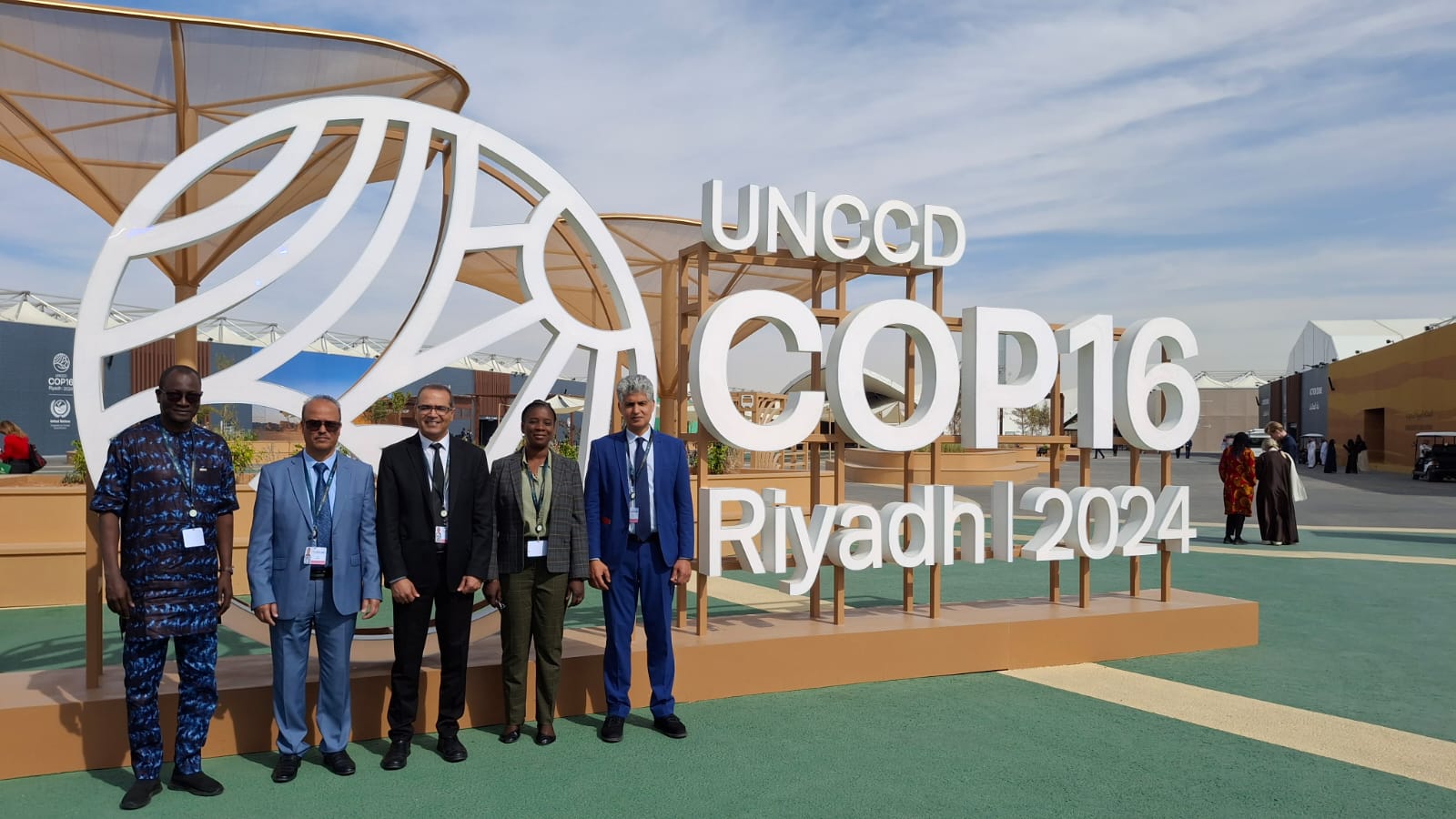
The participation of the Sahara and Sahel…
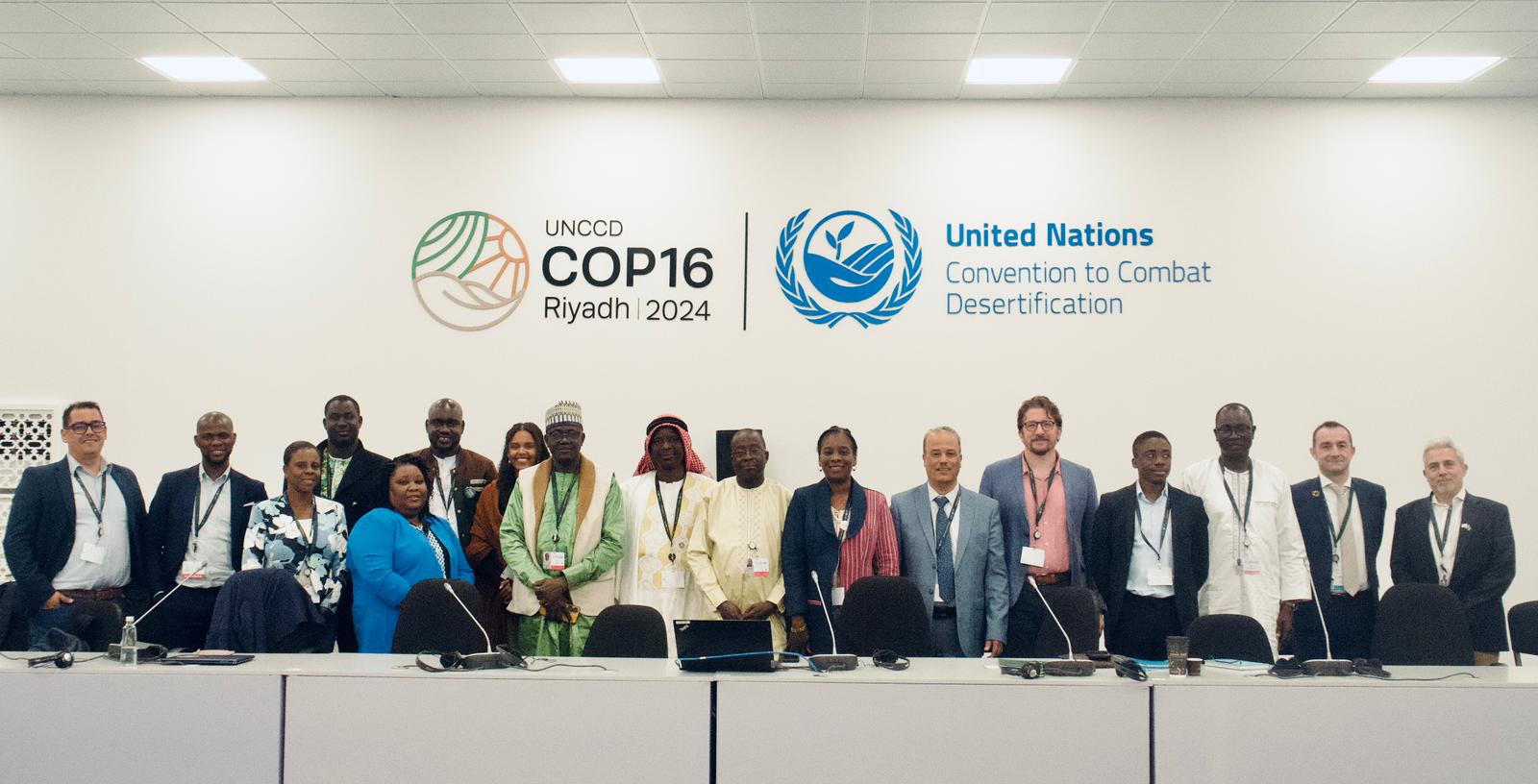
OSS Side Event at COP16: Strengthening Resilience in the Sahel through Multi-…