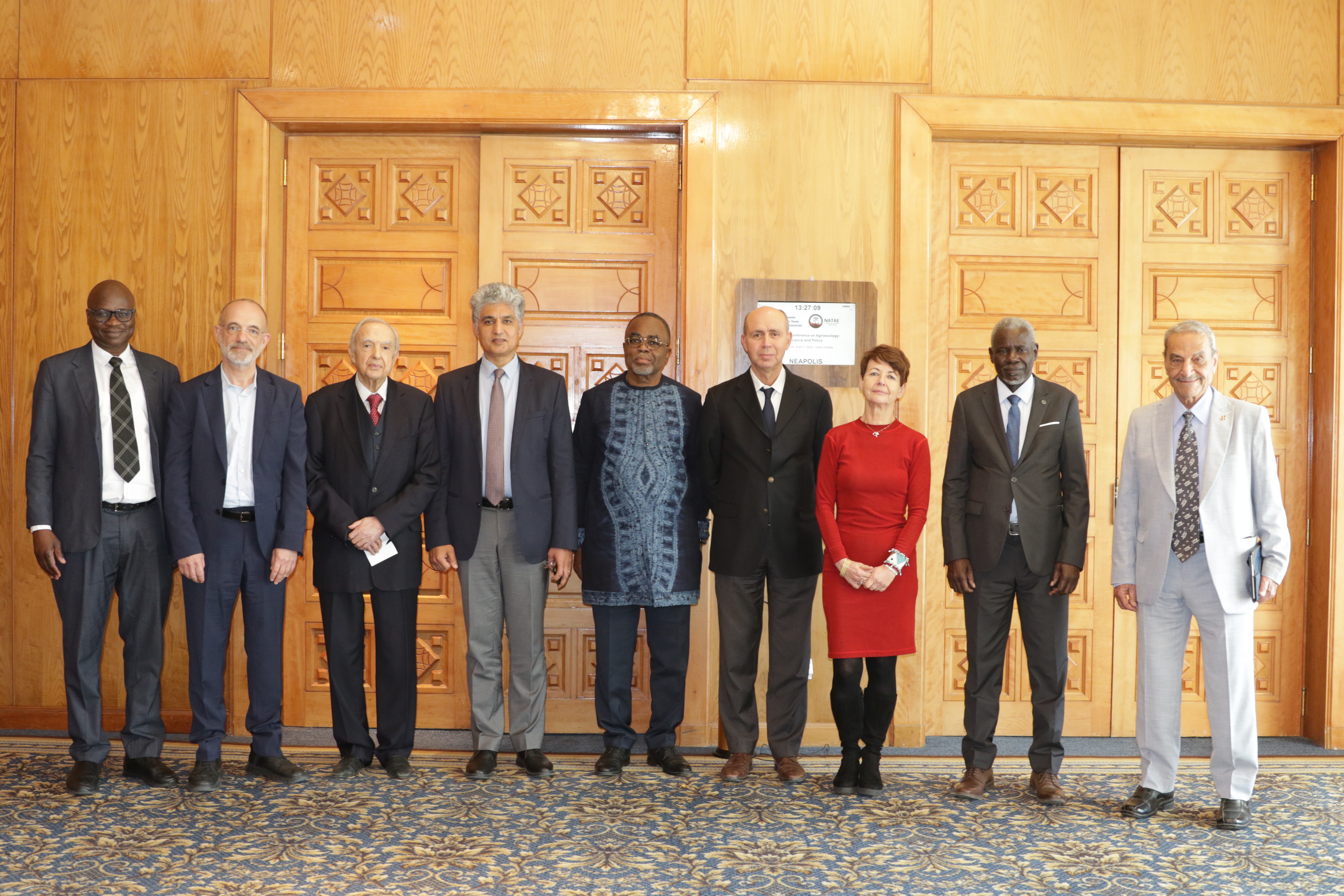
27th Session of the OSS Strategic Orientation Committee, Tunis, January 28, 2025
Held on January 28, 2025 in Tunis, the 27th session of the Strategic Orientation…
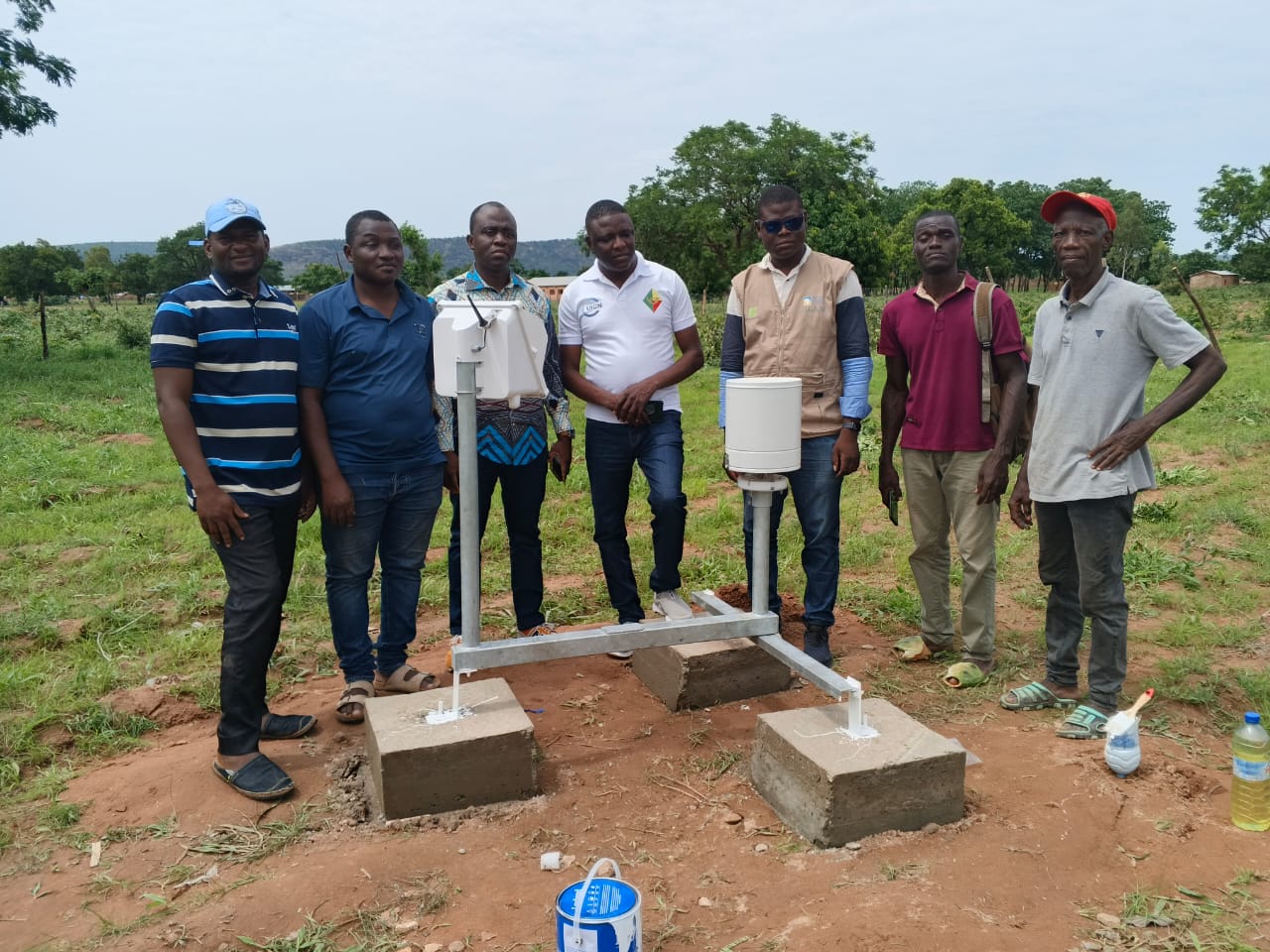
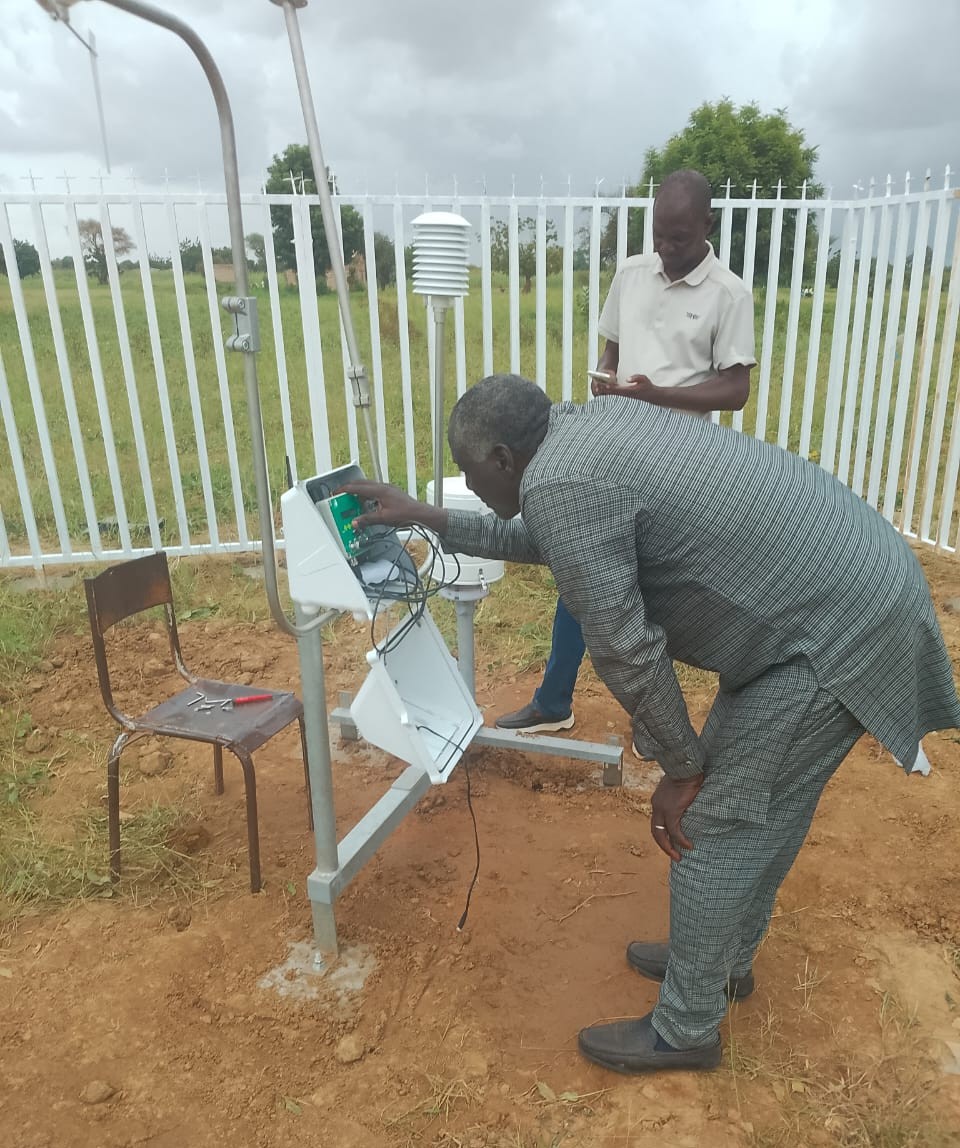
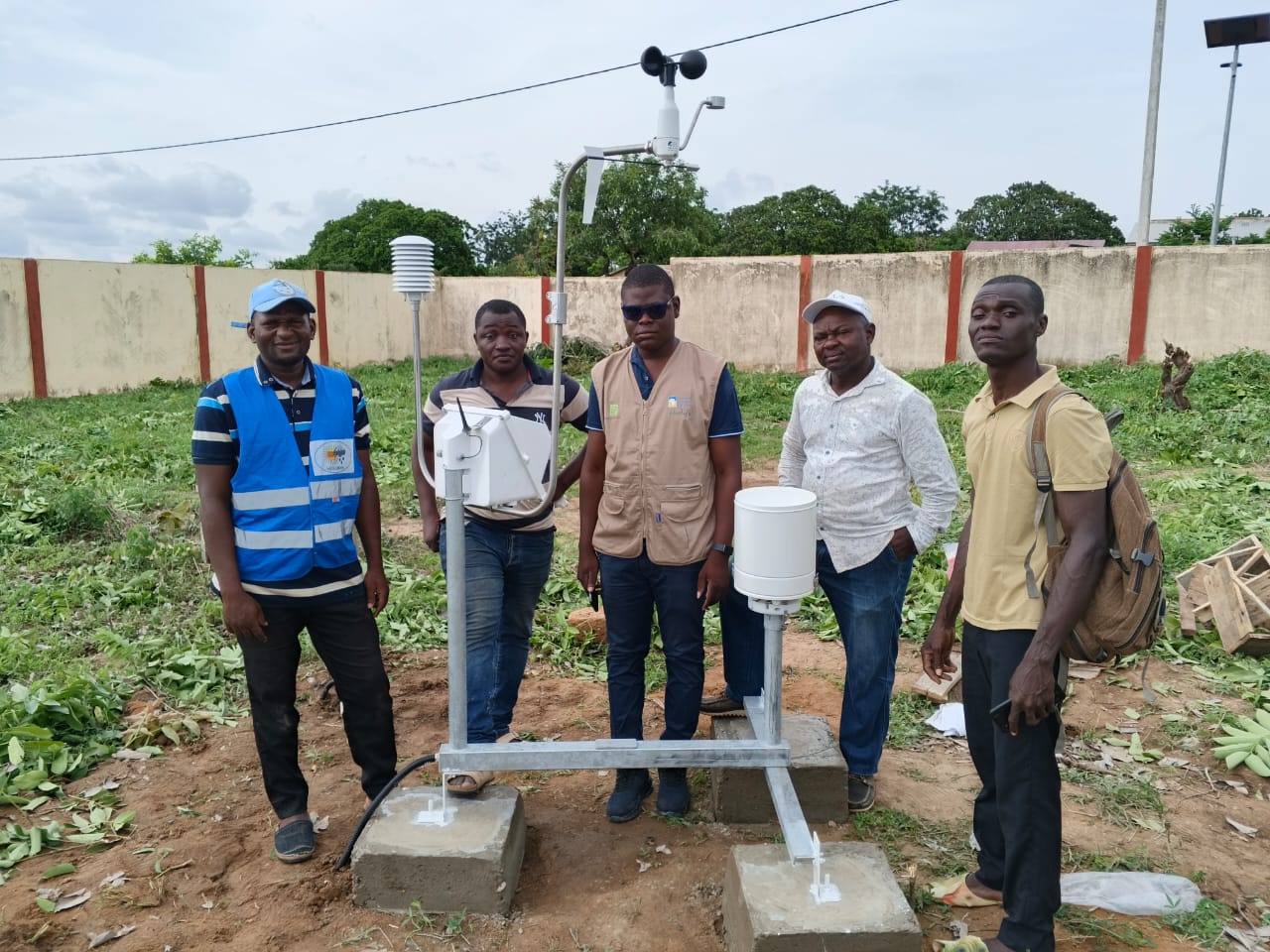
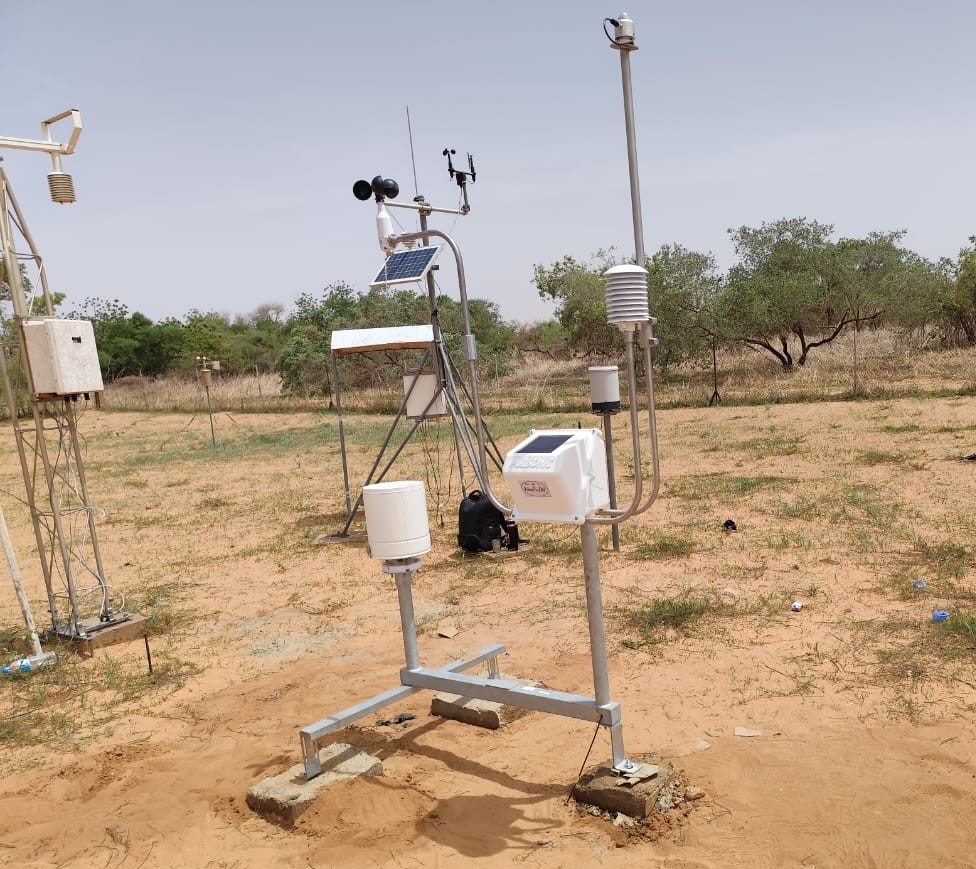
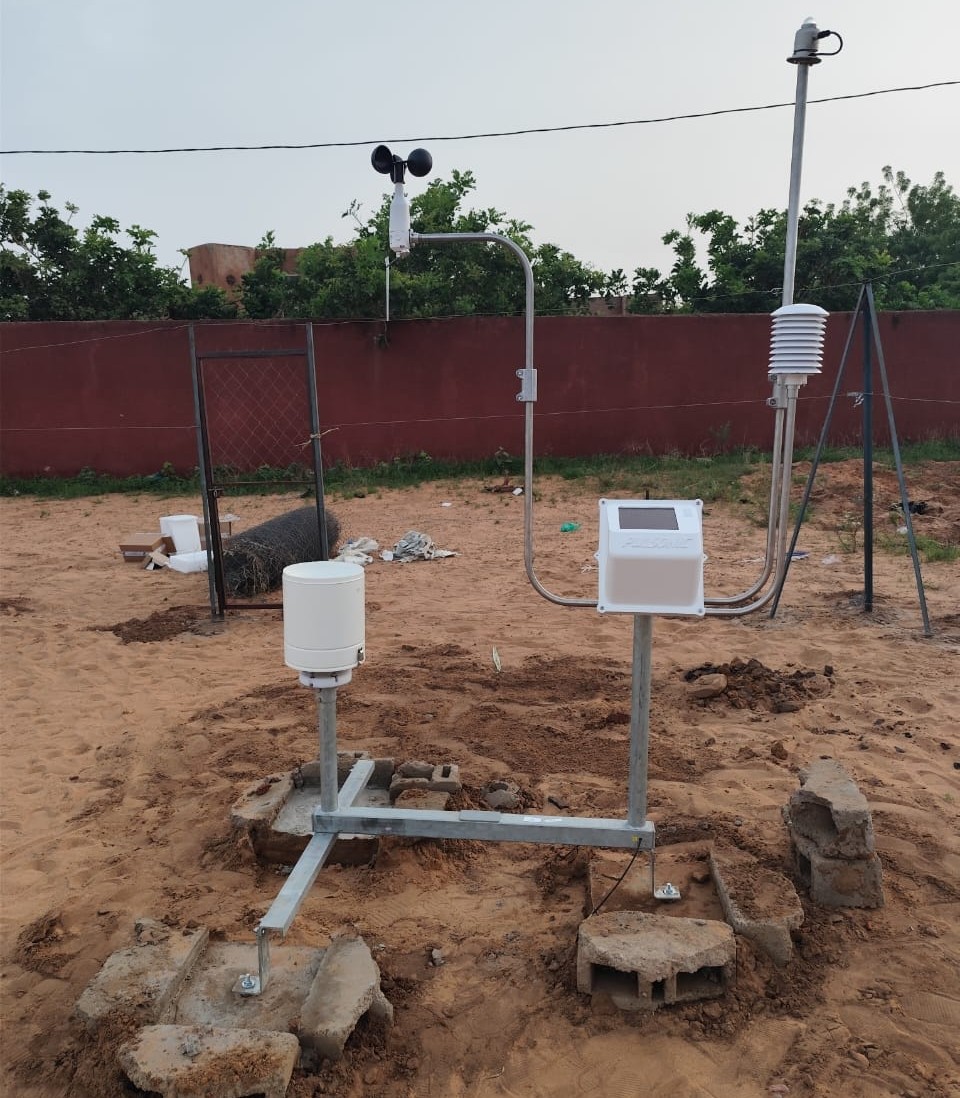
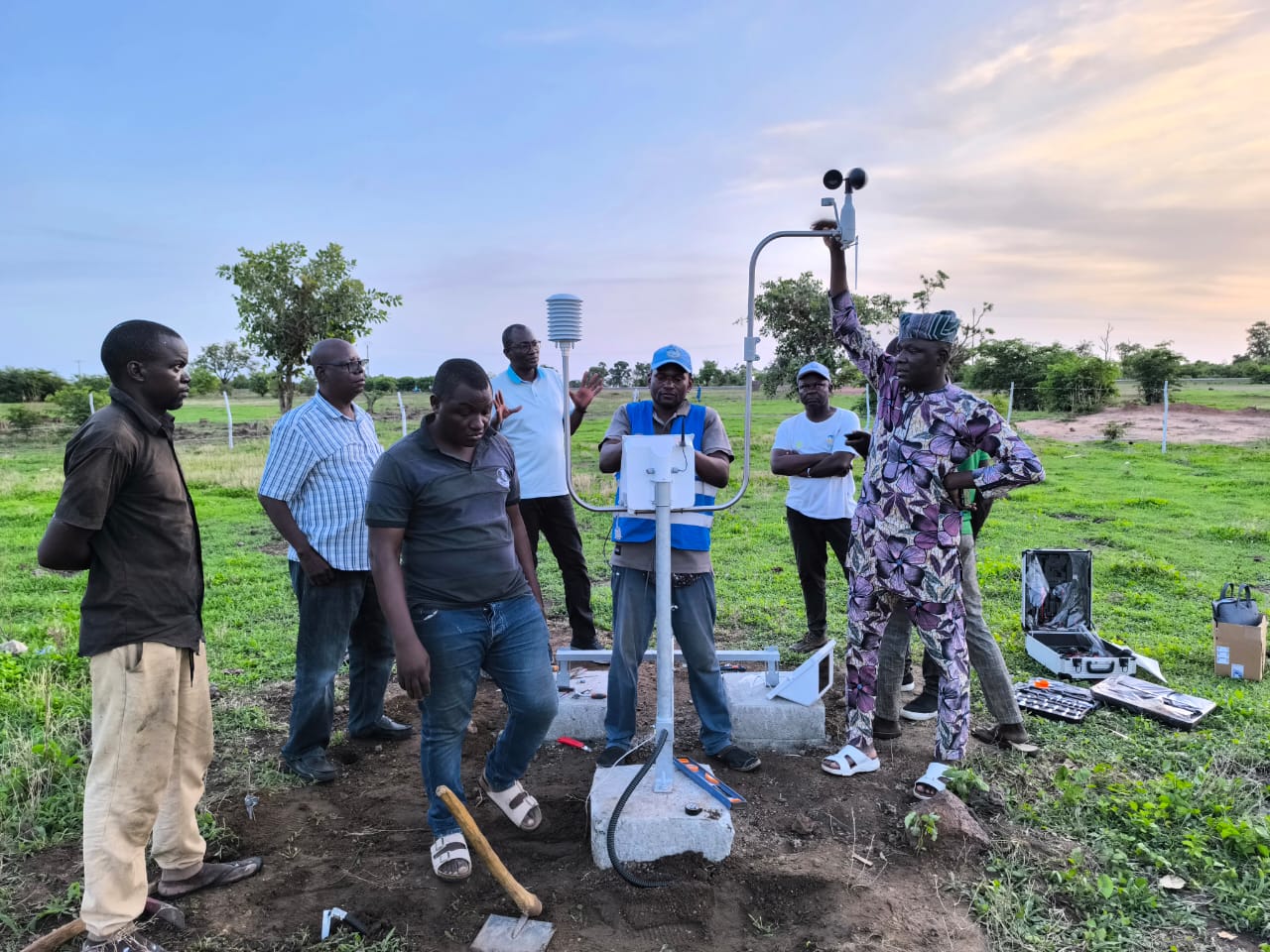
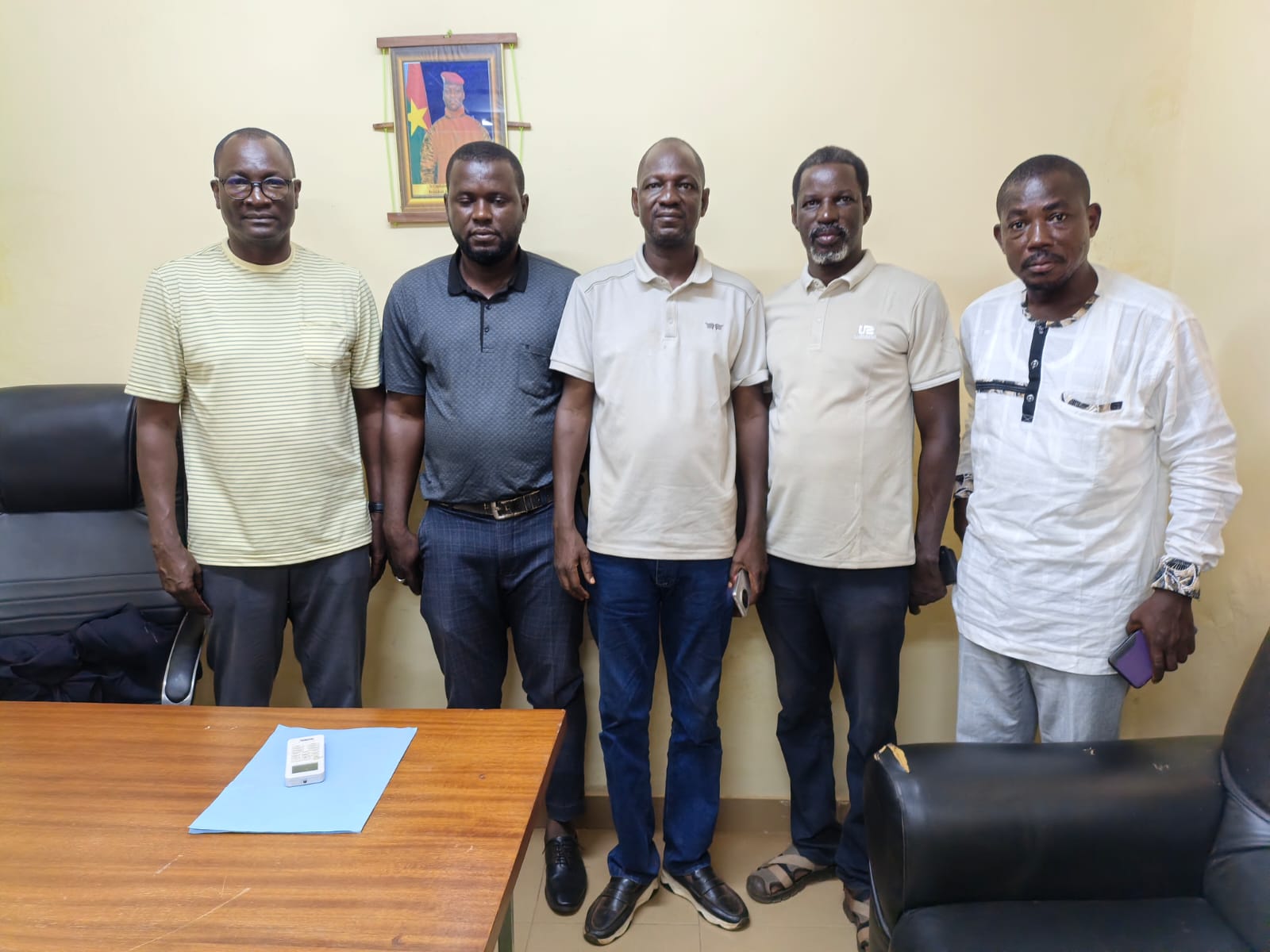
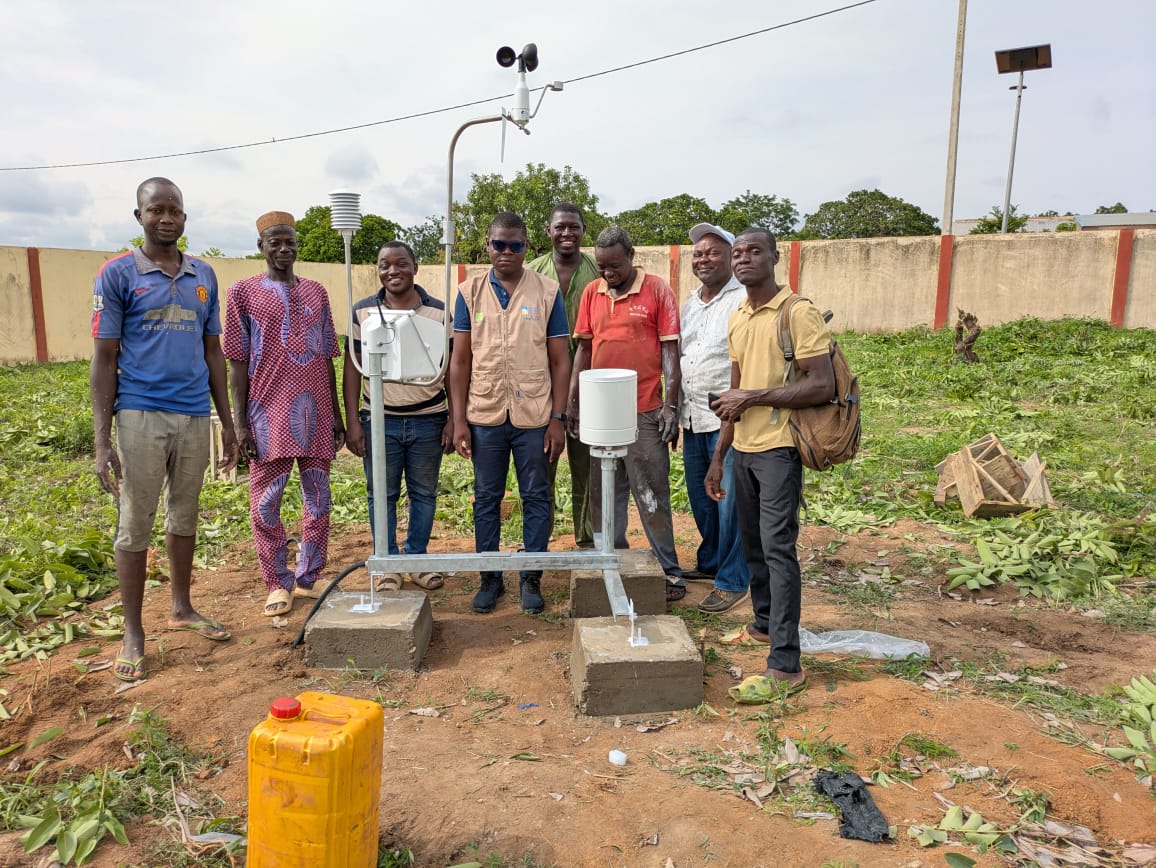
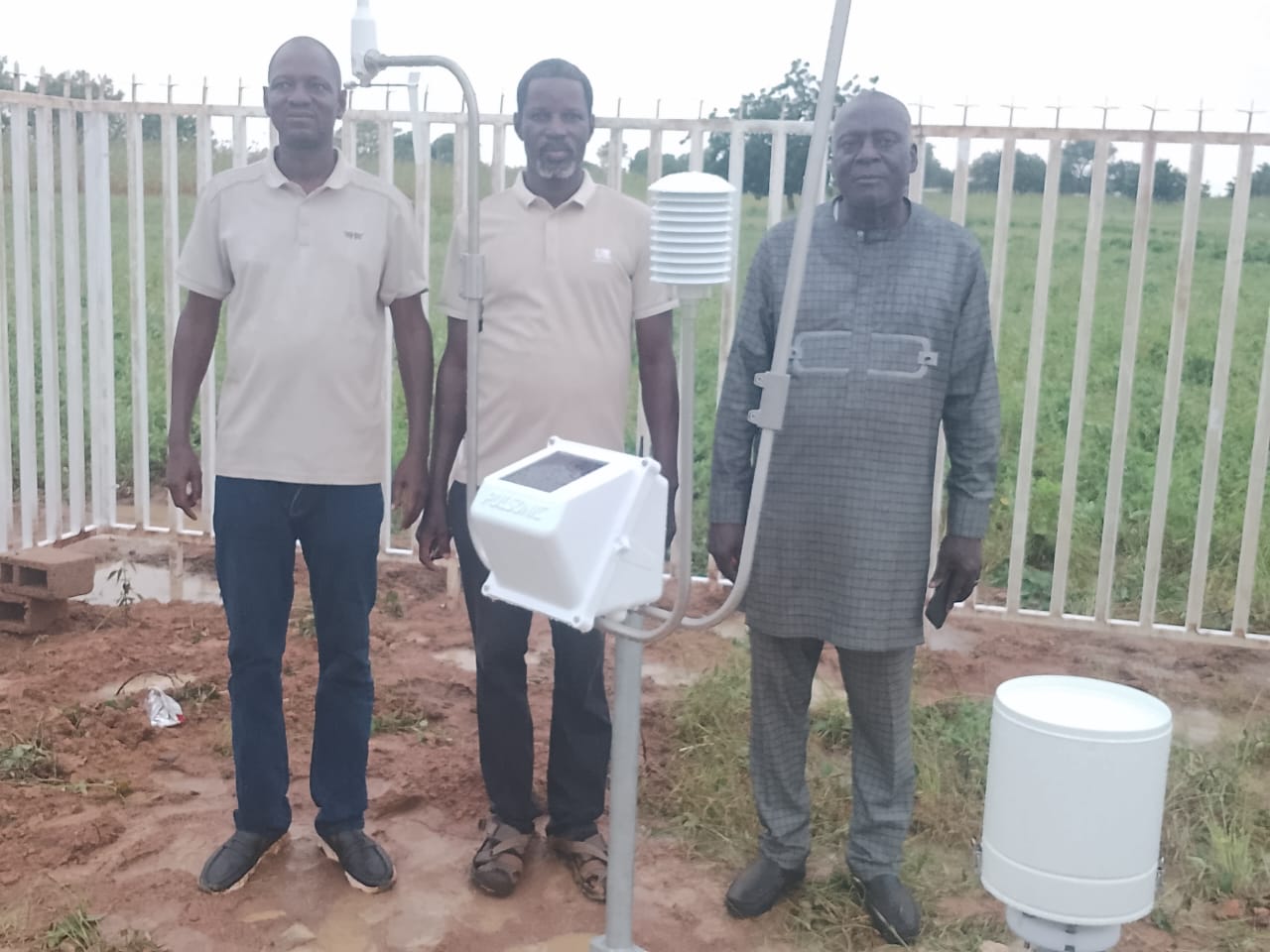
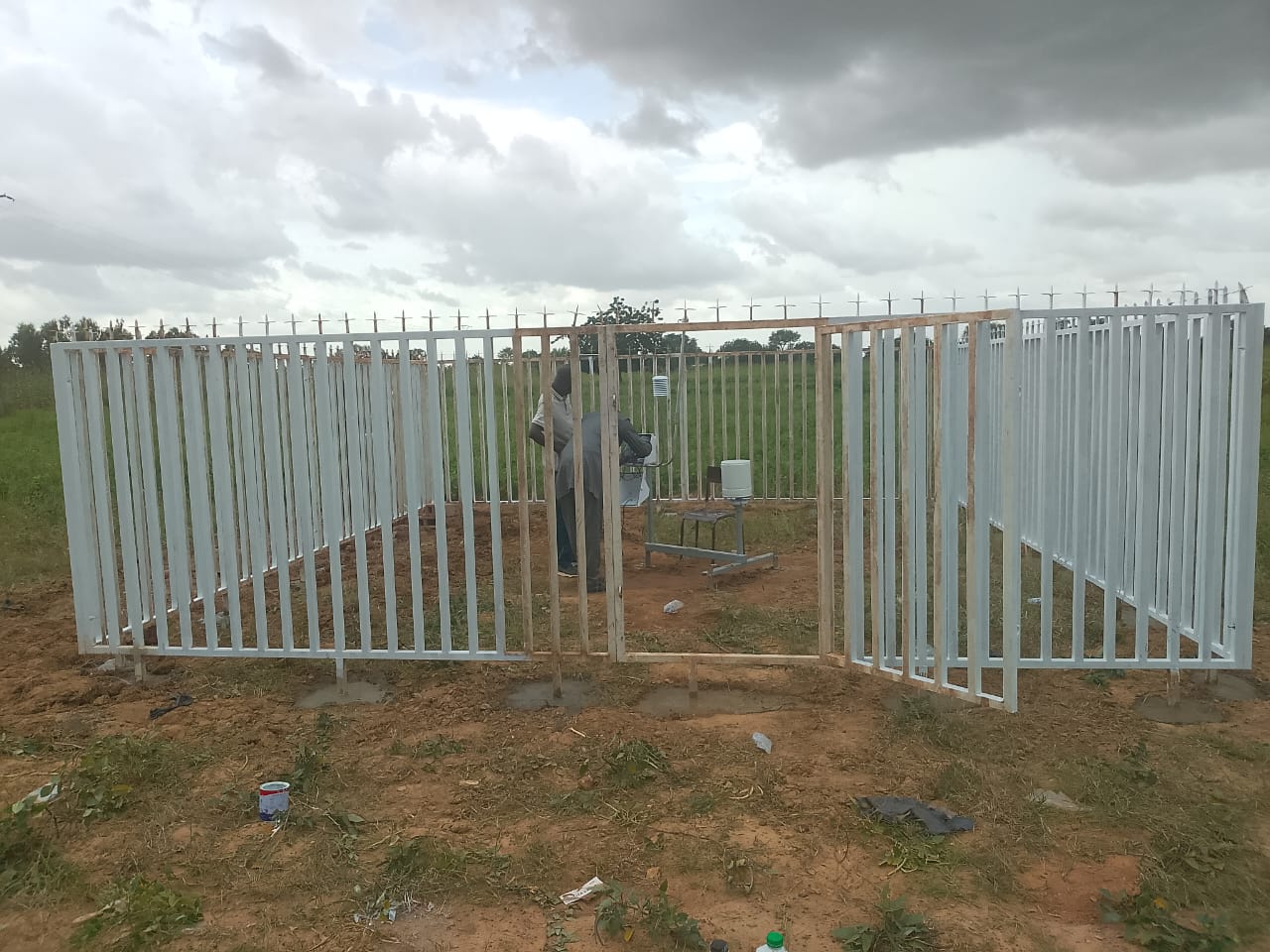
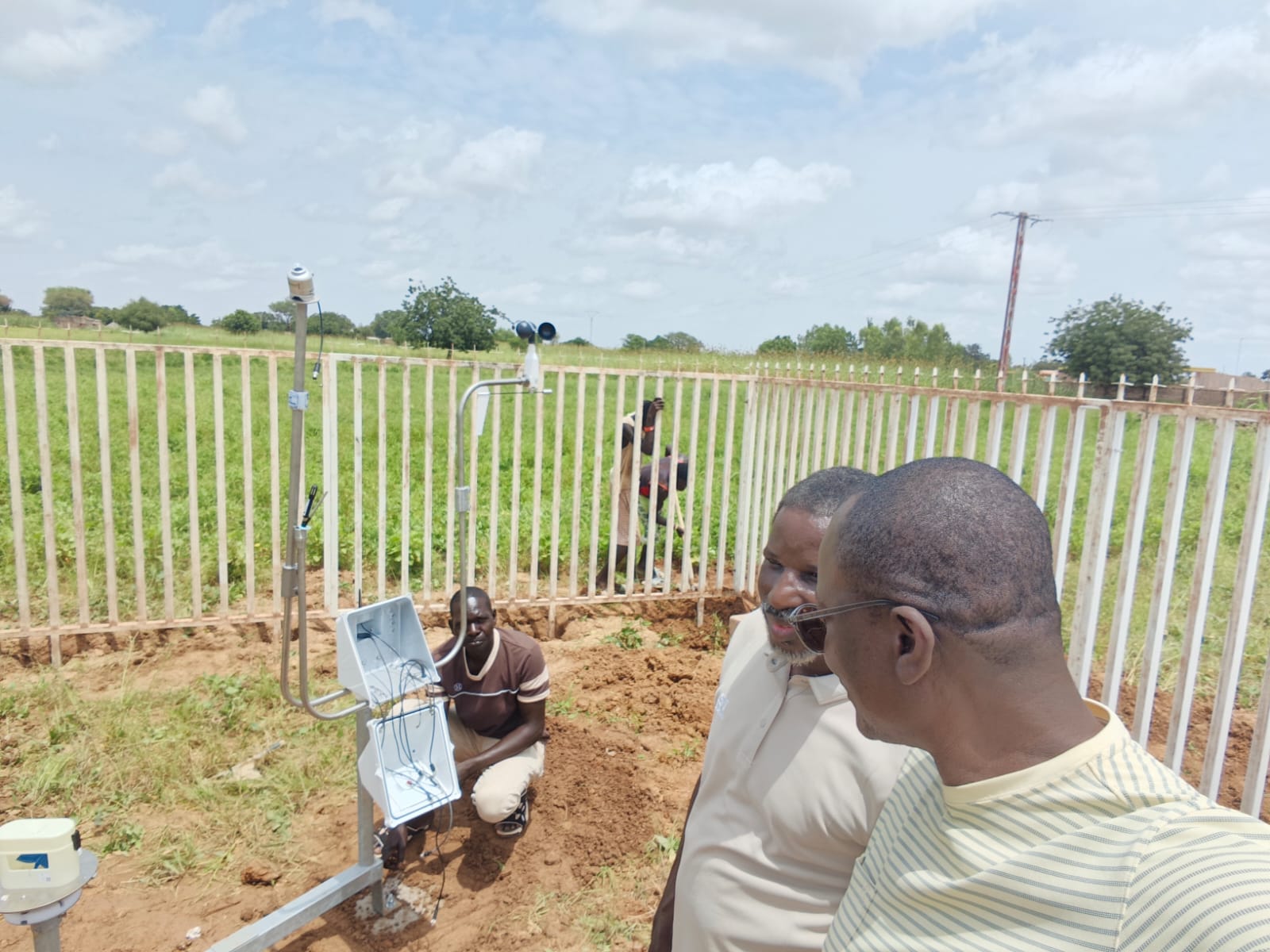
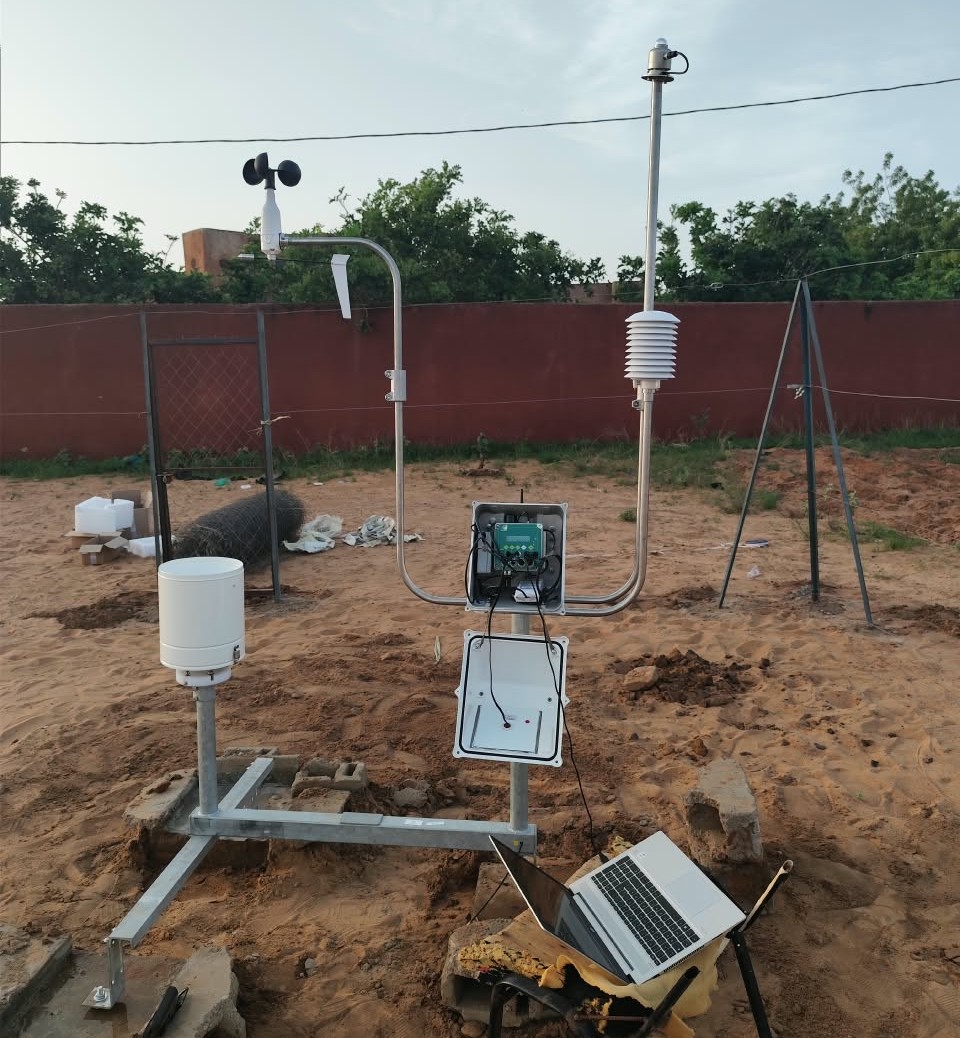
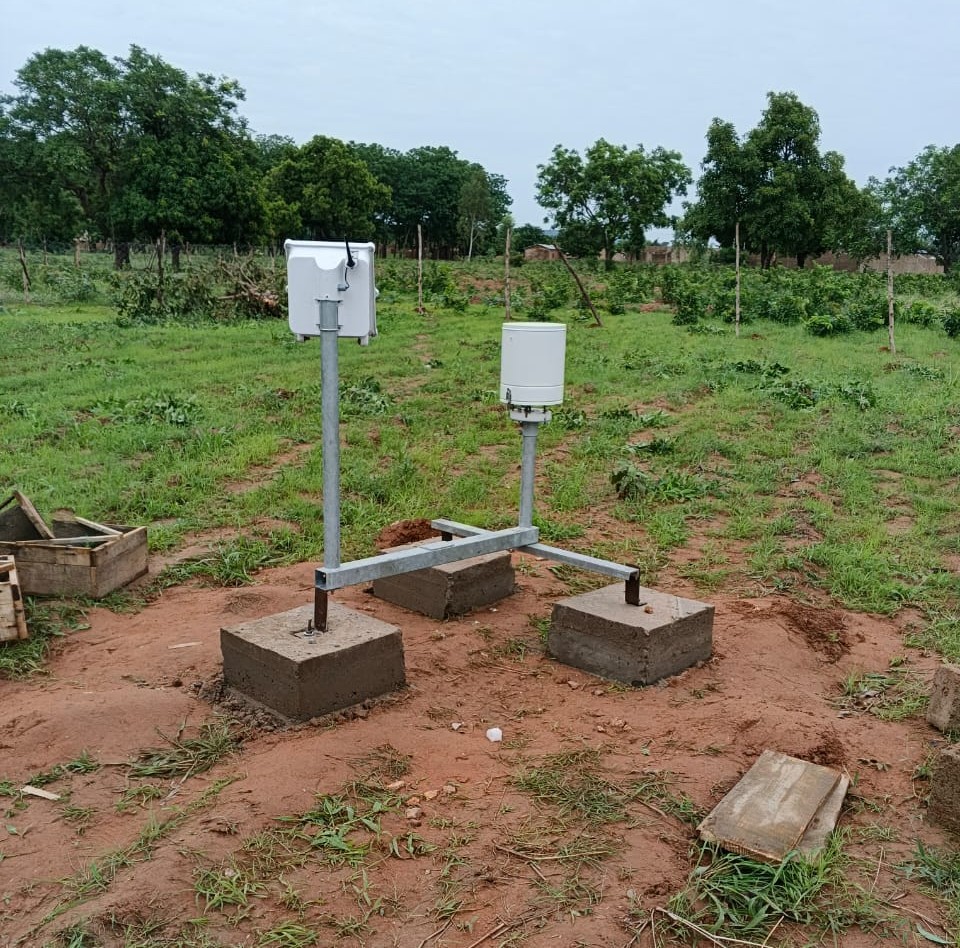
Following interventions carried out in Benin and Niger in June 2026, the AdaptWAP project reached a new milestone in Burkina Faso between late September and early October, with the upgrading of hydrometeorological observation equipment. Coordinated by the Sahara and Sahel Observatory (OSS), with funding from the Adaptation Fund, this regional initiative contributes to improving climate risk monitoring and strengthening national early warning capacities. This investment is essential to better anticipate floods, droughts and wildfires, while enhancing the resilience of communities and ecosystems across the W-Arly-Pendjari (WAP) Complex.
Strengthening the Observation Network Across the WAP Complex
A transboundary natural area shared by Benin, Burkina Faso and Niger, the W-Arly-Pendjari Complex is home to remarkable biodiversity and provides essential resources for surrounding communities. Faced with the impacts of climate change and increasing human pressures, the area requires effective monitoring and early warning mechanisms to address the risks threatening its populations, economic activities and ecosystems.
To respond to these challenges, OSS is supporting the consolidation of the Multi-Hazard Early Warning System (MHEWS) through the AdaptWAP project, officially launched in Cotonou in May 2024. The effectiveness of this system depends, in particular, on the availability of reliable meteorological and hydrological data to better monitor changing climatic conditions and anticipate extreme events.
In this context, several operations were carried out in 2026 to strengthen national observation networks. In Benin, four automatic weather stations and two hydrometric stations were installed in strategic locations. In Niger, new meteorological and rainfall monitoring equipment was deployed to enhance national precipitation monitoring capacities. These efforts continued in Burkina Faso, where hydrometric and meteorological equipment was installed at several sites, particularly in the areas of Manga, Koudougou, Ziniaré and Tenkodogo.
These interventions go beyond equipment installation. They also include configuration, calibration, technical validation tests and measures to ensure the protection of the installations. Awareness-raising activities were also conducted among local communities to encourage the preservation of the equipment.
By expanding the coverage of observation networks across the three countries, these operations contribute to improving the availability of information essential to the functioning of the MHEWS and laying the foundations for more integrated climate risk monitoring throughout the WAP Complex.
Regional Cooperation to Improve MHEWS Performance
Beyond technical achievements, this initiative highlights the importance of regional cooperation in preventing transboundary climate risks.
Under the coordination of OSS, the interventions are implemented in close collaboration with the AGRHYMET Regional Centre, national meteorological and hydrological services, protected area management authorities and national project management units.
This coordinated approach addresses country-specific needs while promoting the coherence of the regional system. In particular, it facilitates the integration of new equipment into national observation networks and the MHEWS data collection and processing mechanisms.
It also contributes to strengthening the capacities of partner institutions responsible for monitoring the installations, ensuring data quality and using the information in forecasting and early warning processes.
The added value of OSS lies in its ability to bring together national interventions around a shared regional objective: ensuring access to more reliable and better-shared hydrometeorological information to support timely and coordinated decision-making.
Sustaining Achievements to Strengthen Climate Resilience
Strengthening observation networks represents an important step forward. However, its long-term impact will depend on the capacity of national institutions to ensure the sustainable operation of the equipment and the effective use of the data generated.
As the AdaptWAP project approaches completion, the priority is therefore to consolidate achievements, strengthen maintenance mechanisms and ensure that the information collected is effectively integrated into national and regional risk prevention systems.
Improved knowledge of rainfall patterns, water levels and weather conditions should help enhance the detection of extreme events, inform decisions by relevant authorities and support measures to protect populations and ecosystems. By combining observation technologies, capacity building and institutional cooperation, AdaptWAP is helping establish the conditions for a more effective and sustainable early warning system.
Beyond the equipment deployed, this new milestone strengthens the foundations of regional capacity to anticipate climate risks. Through this approach, OSS reaffirms its commitment to transforming scientific data and knowledge into operational decision-support tools, contributing to the resilience of territories and communities across the W-Arly-Pendjari Complex.
Held on January 28, 2025 in Tunis, the 27th session of the Strategic Orientation…

The participation of the Sahara and Sahel…
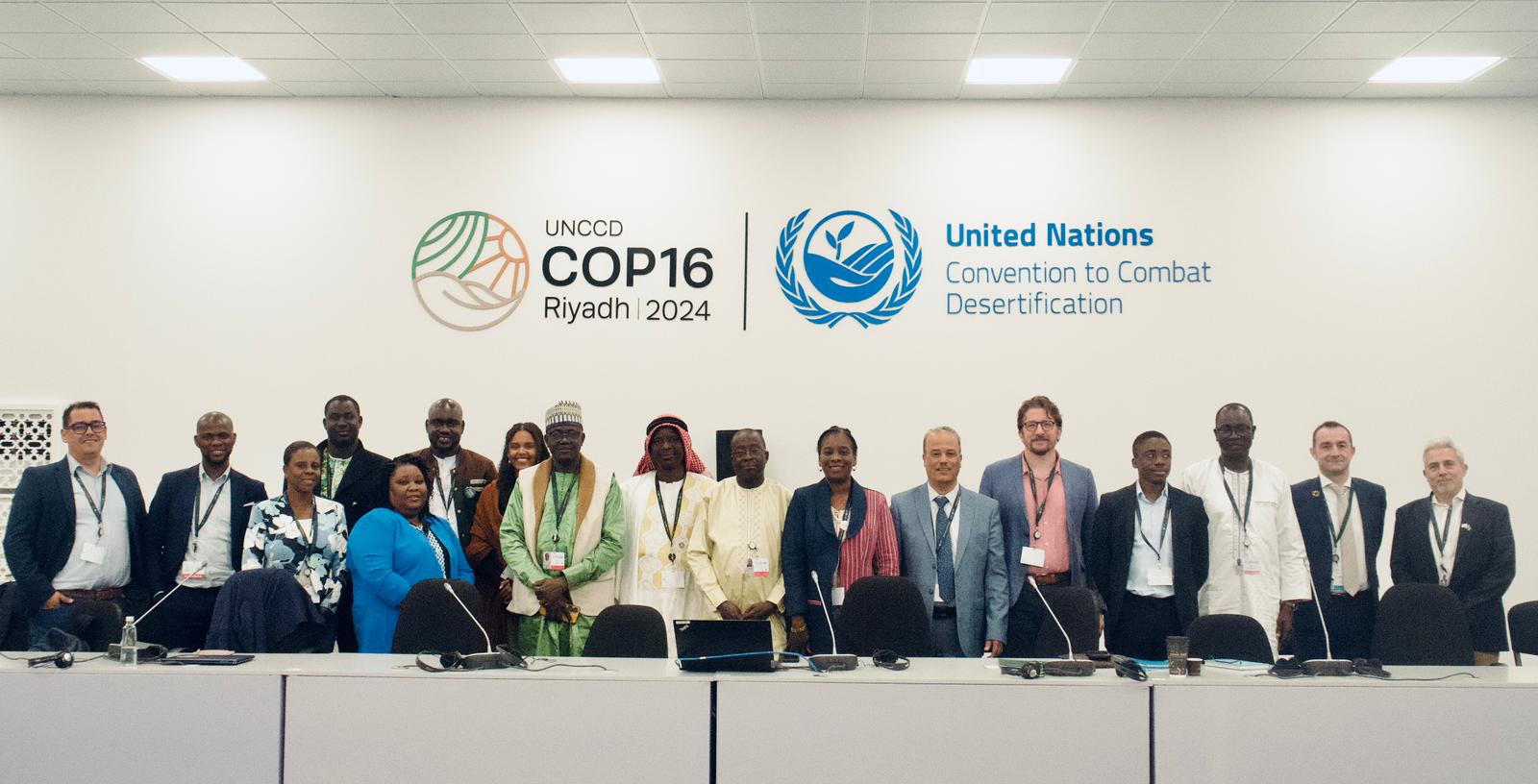
OSS Side Event at COP16: Strengthening Resilience in the Sahel through Multi-…