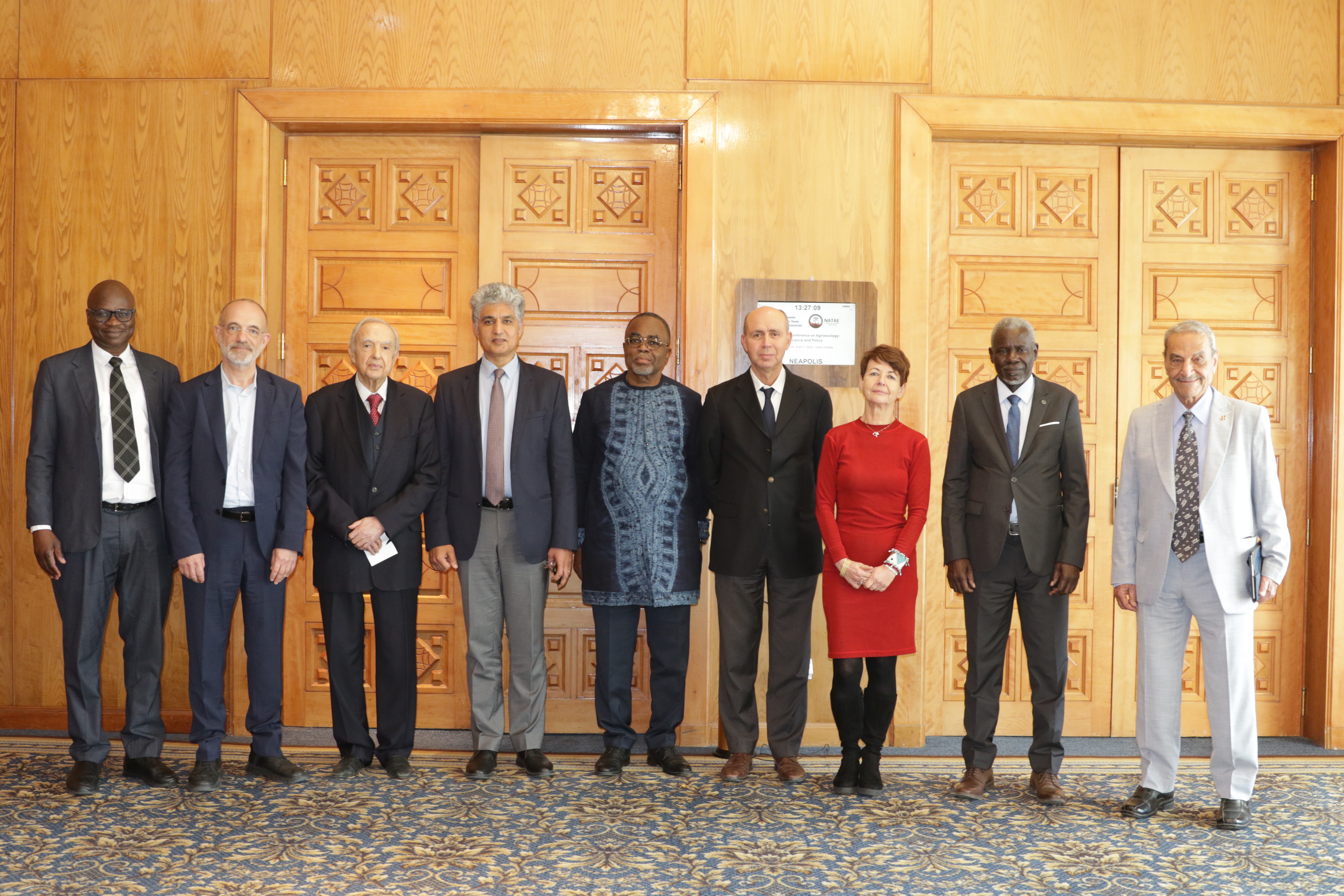
27th Session of the OSS Strategic Orientation Committee, Tunis, January 28, 2025
Held on January 28, 2025 in Tunis, the 27th session of the Strategic Orientation…
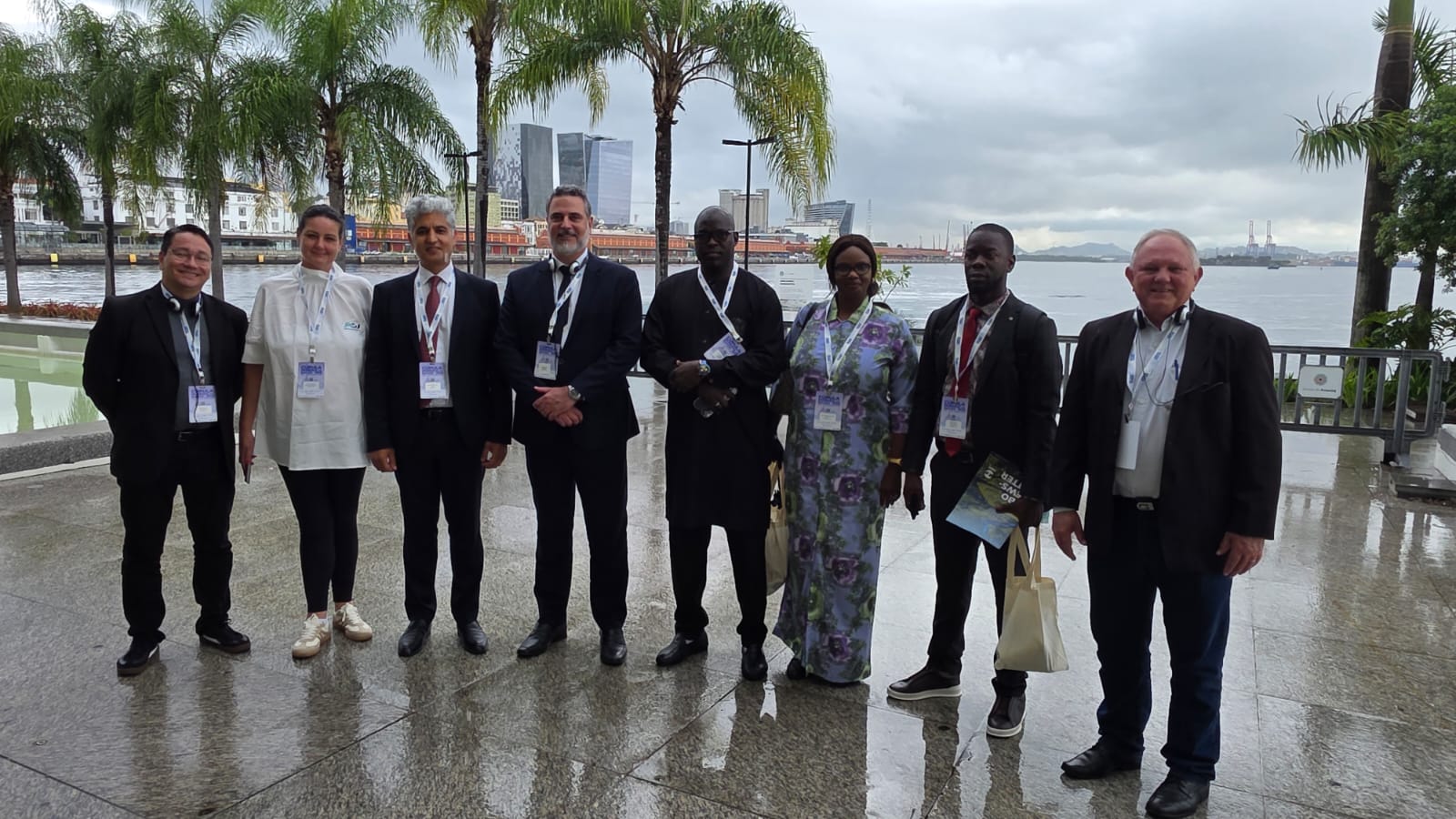
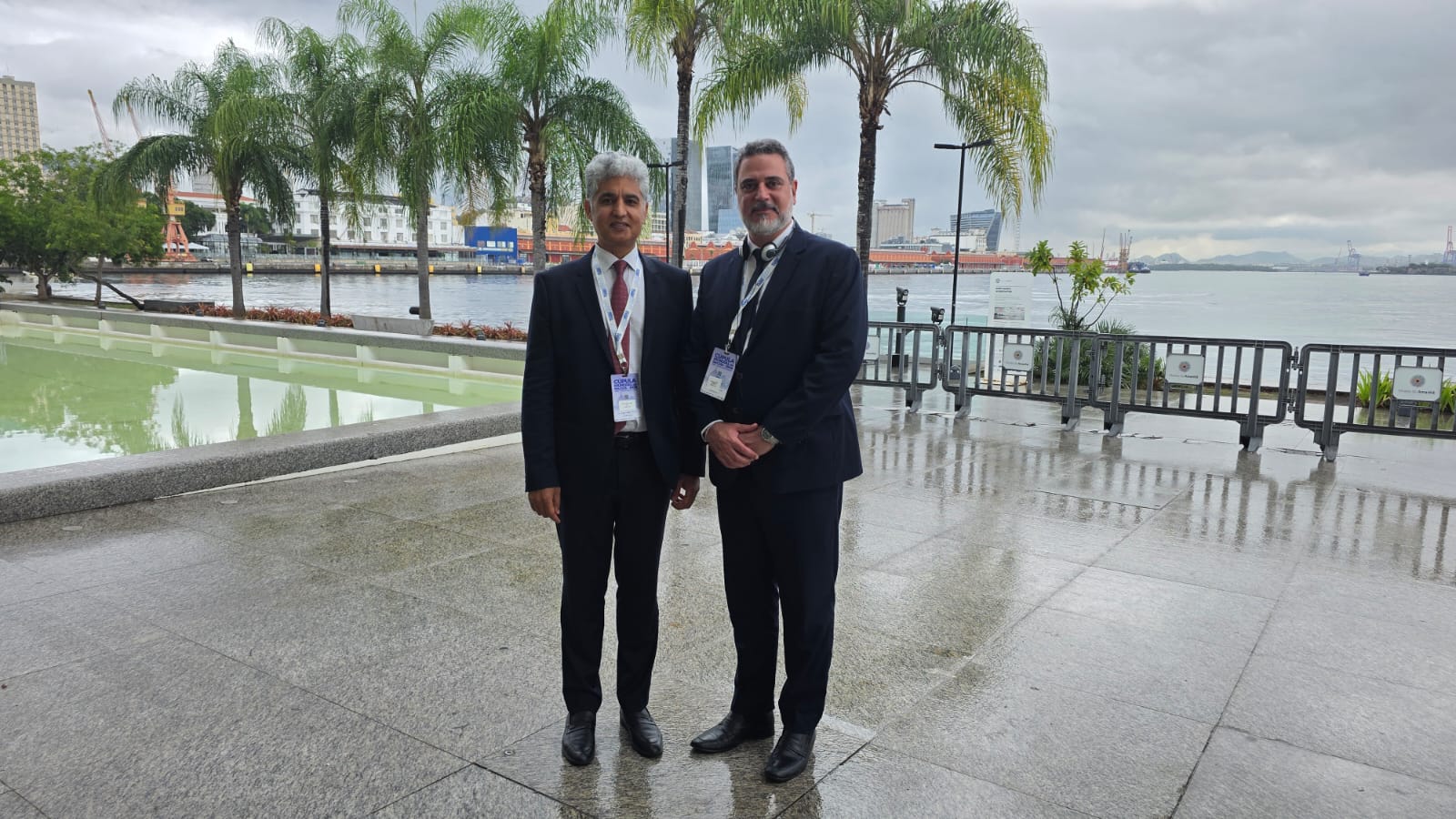
Rio de Janeiro, Brazil | 16–19 June 2026
The Sahara and Sahel Observatory participated in the World Basin Summit 2026, held in Rio de Janeiro from 16 to 19 June and organized by the International Network of Basin Organizations (INBO) and the Environment and Sustainability Secretariat of the State of Rio de Janeiro (SEAS).
Held under the theme “Cooperative Basin Governance for Water Security”, the Summit brought together nearly 500 representatives of basin organizations, public institutions, international organizations, the scientific community, and technical and financial partners.
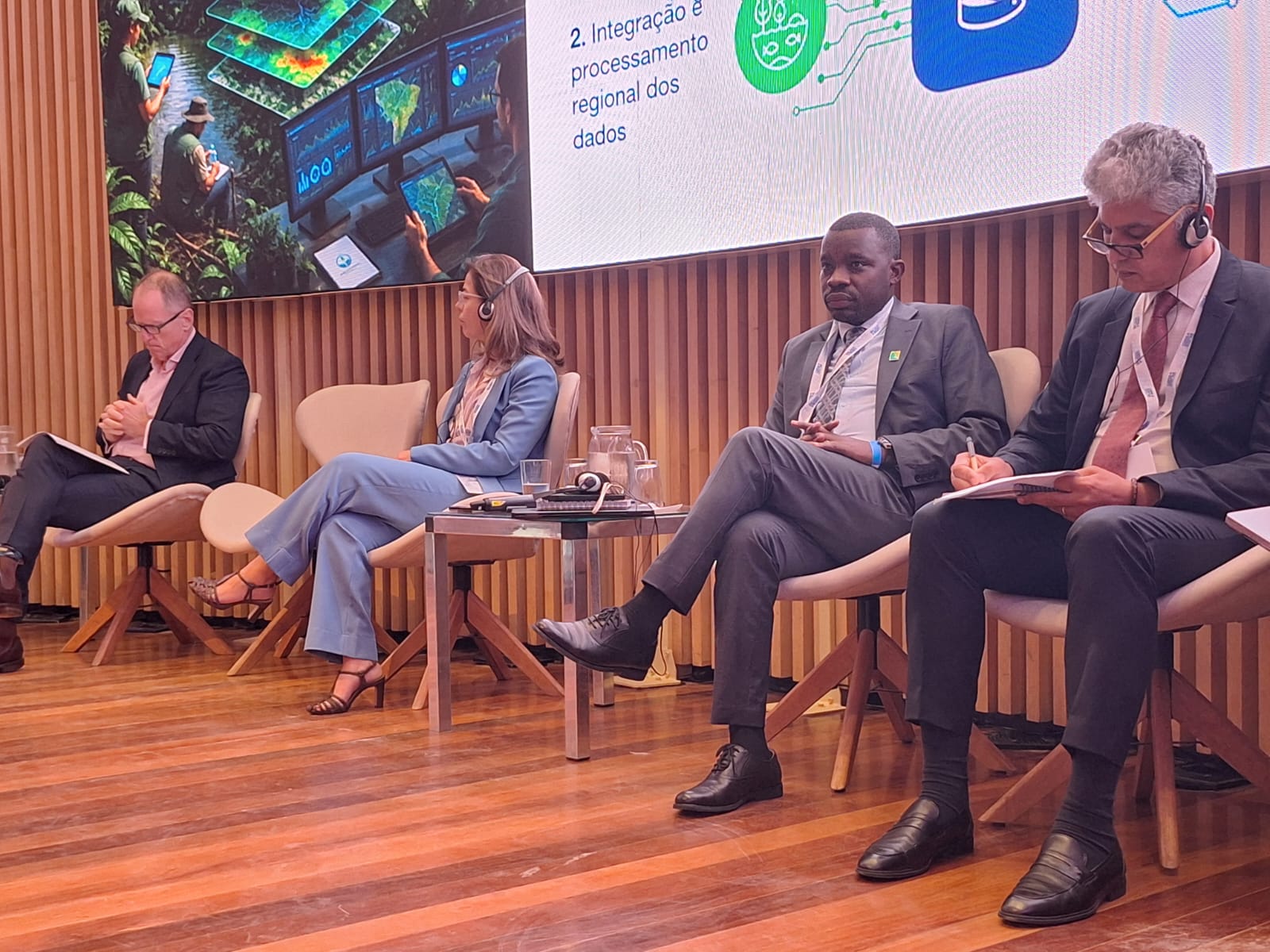
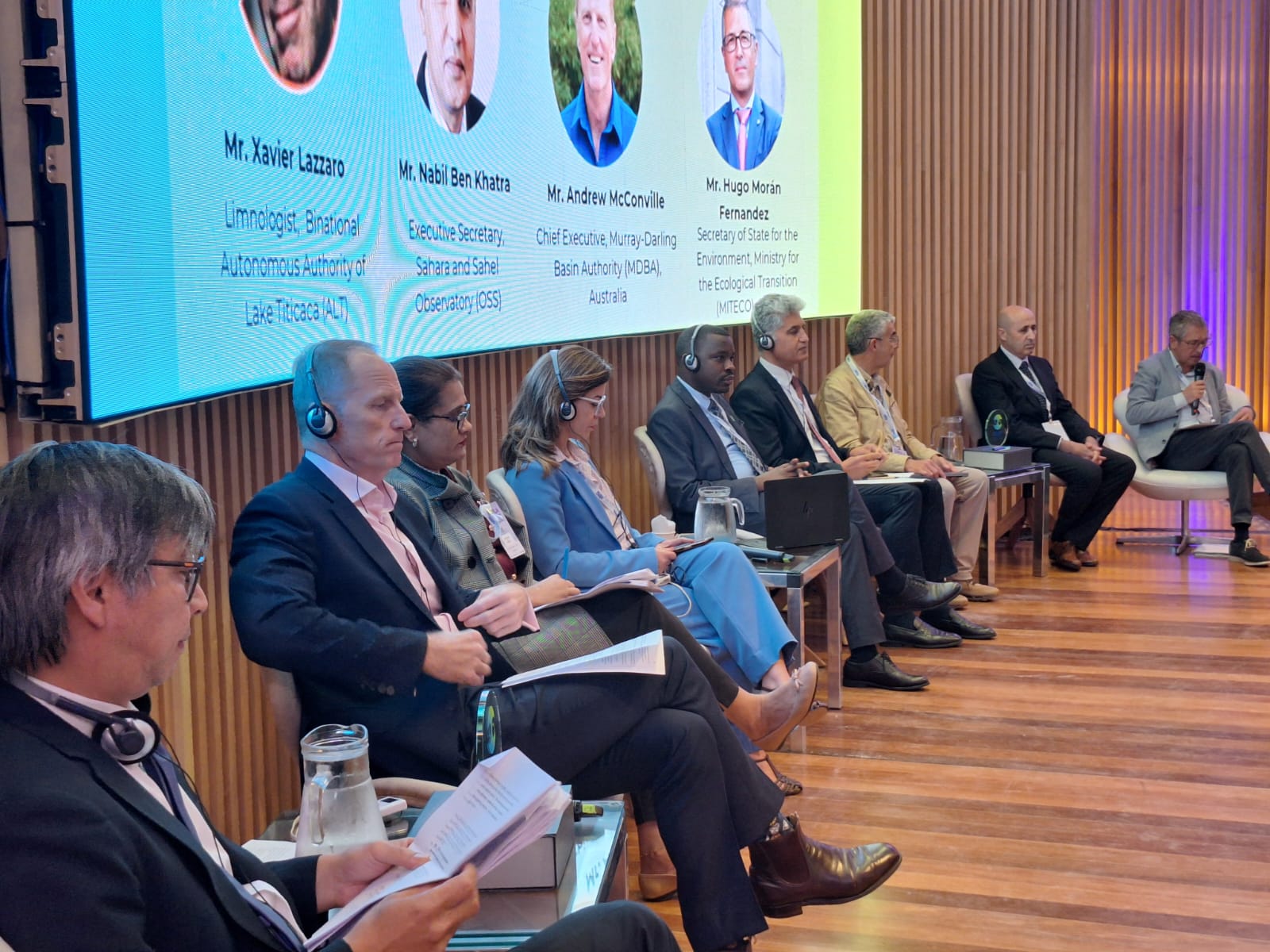
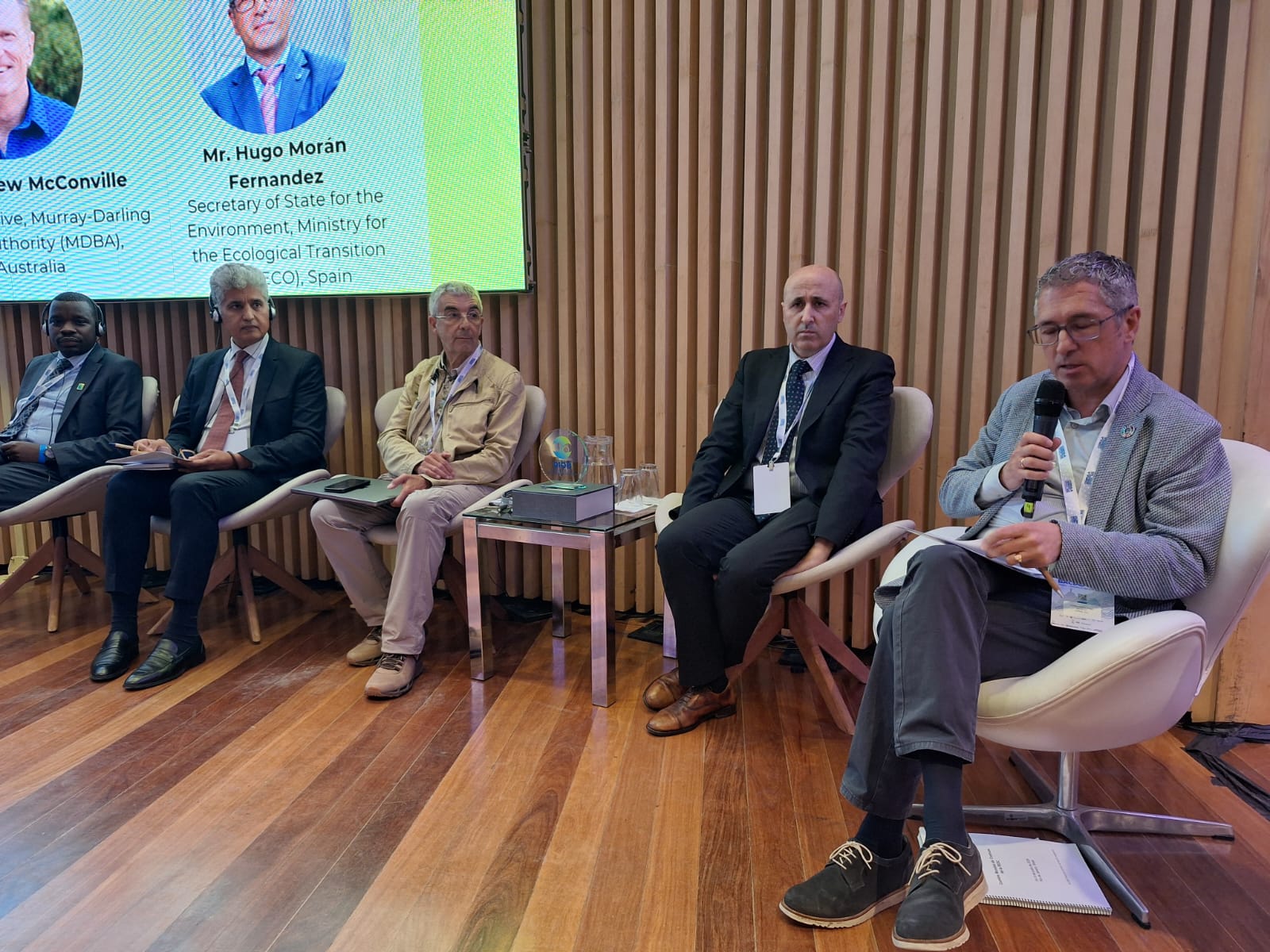
Mr. Nabil Ben Khatra, Executive Secretary of OSS and President of the African Network of Basin Organizations (ANBO), took part in the session entitled “From Data to Action: Modernizing Water Resources Monitoring for Resilient Basin Management.”
Discussions focused on the role of monitoring systems in improving water resources management, particularly in a context marked by the increasing impacts of climate change. Participants highlighted the importance of reliable, accessible, and shared data to support planning, risk anticipation, early warning systems, and informed decision-making.
In transboundary basins, information sharing remains a key challenge. It helps build trust among countries, foster dialogue between institutions, and promote coordinated responses to growing pressures on water resources.
Earth observation technologies, early warning systems, and information platforms are now recognized as essential tools for supporting this process. Their effectiveness, however, depends on strong institutions, sustainable financing mechanisms, and enhanced technical capacities.
On this occasion, Mr. Ben Khatra presented OSS’s experience in supporting the management of transboundary aquifers, particularly through the Senegalo-Mauritanian Aquifer System Project, funded by the Global Environment Facility (GEF) and implemented through the United Nations Environment Programme (UNEP). He also highlighted the Organization’s work in drought monitoring and the development of regional environmental information systems across Africa.
These experiences demonstrate the critical role of knowledge and environmental information in climate change adaptation, regional cooperation, and the sustainable management of natural resources.
OSS also contributed to the presentation of the Peer-to-Peer (P2P) Project, the first programme under the Twin Basin Initiative, led by INBO with the support of ANBO and funded by the European Union. The session showcased the project's progress and its transition into a more operational phase based on practical exchanges between basin organizations from different regions of the world.
Through its participation, OSS reaffirmed its commitment to water governance based on knowledge, dialogue, and cooperation among basin organizations. It also reflects the Organization’s determination to support African institutions in the sustainable and resilient management of water resources, in line with the mandate of ANBO, which it currently chairs.
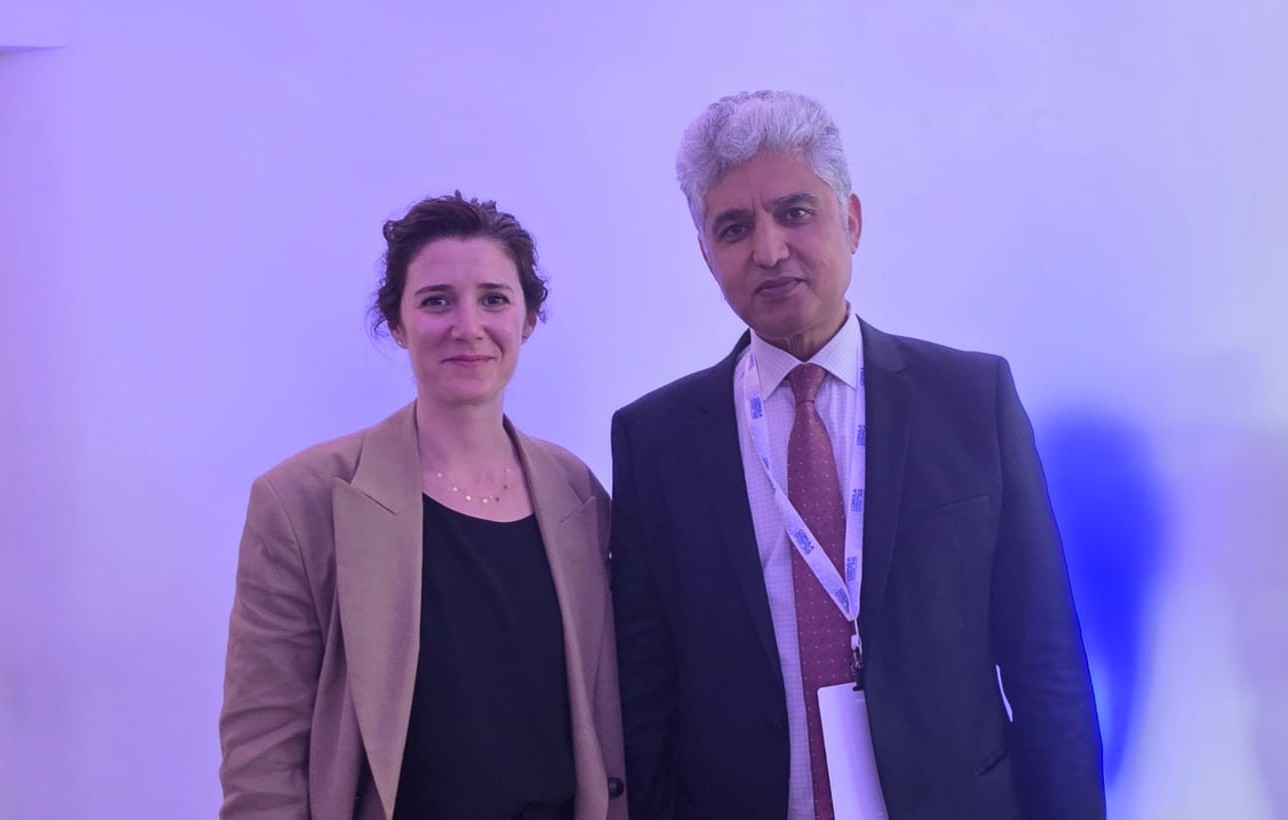
On the sidelines of the Summit, Mr. Nabil Ben Khatra met with Mr. Rodrigo Hajjar, Vice-President of the Brazilian Network of Basin Organizations (REBOB) and Ms. Lucia de Strasser, Environmental Affairs Officer, United Nations Economic Commission for Europe (UNECE) Water Convention Secretariat, to discuss prospects for collaboration between the two networks. Additional meetings provided opportunities to strengthen dialogue with partners and explore new avenues for cooperation, particularly within the framework of the European Union-supported Peer-to-Peer programme.
Held on January 28, 2025 in Tunis, the 27th session of the Strategic Orientation…
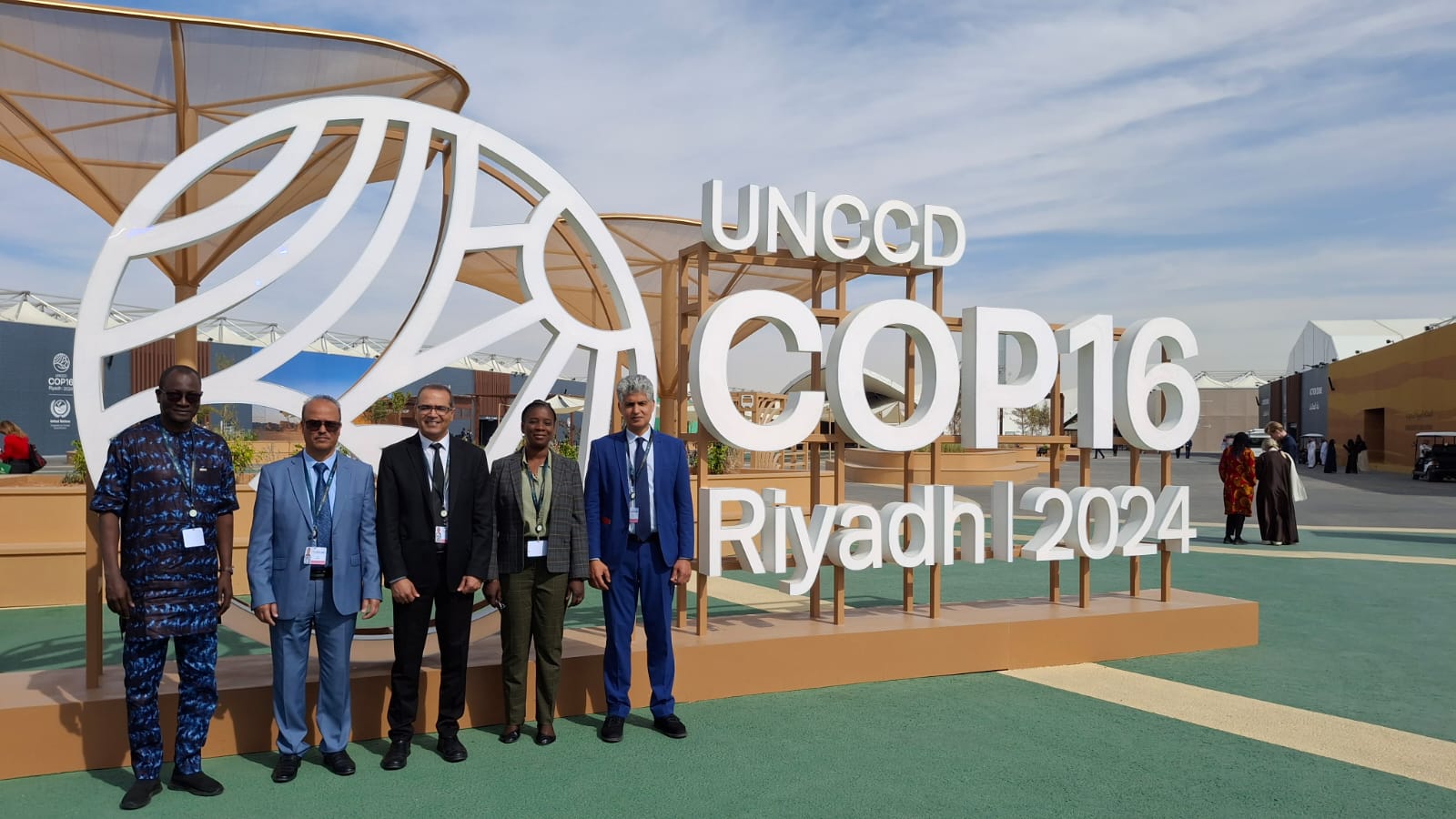
The participation of the Sahara and Sahel…
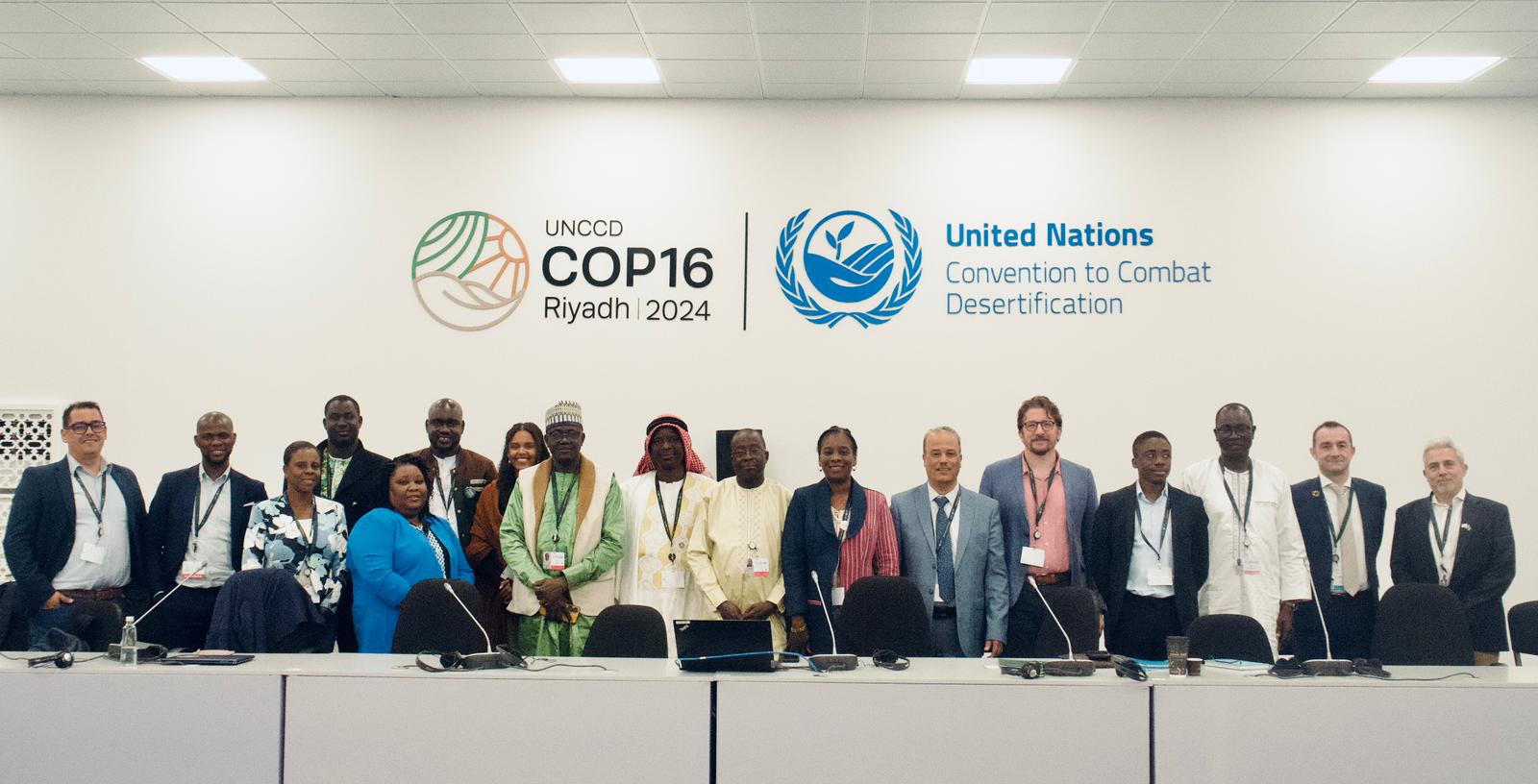
OSS Side Event at COP16: Strengthening Resilience in the Sahel through Multi-…