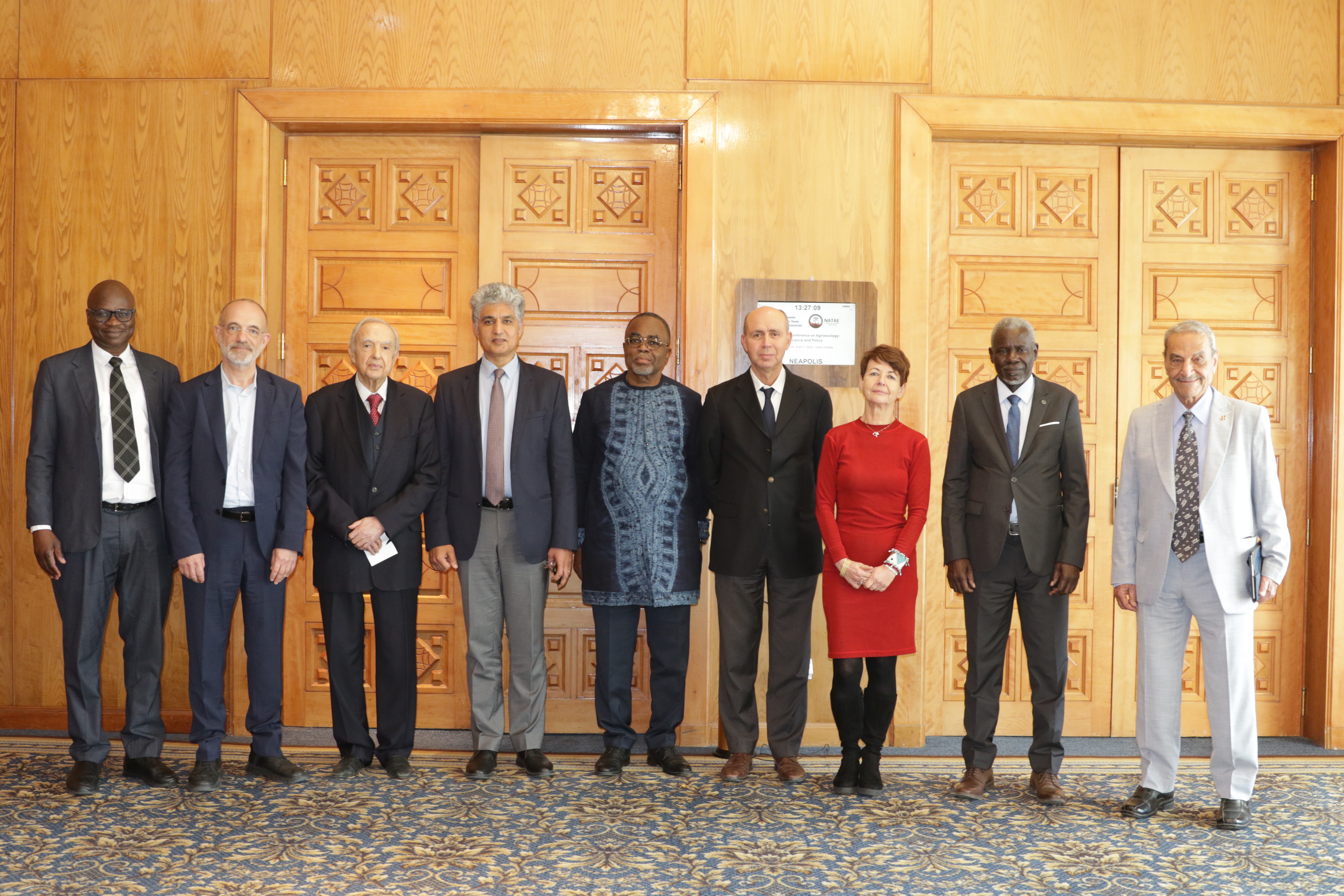
27th Session of the OSS Strategic Orientation Committee, Tunis, January 28, 2025
Held on January 28, 2025 in Tunis, the 27th session of the Strategic Orientation…
Tunisia, April 28-29, 2026
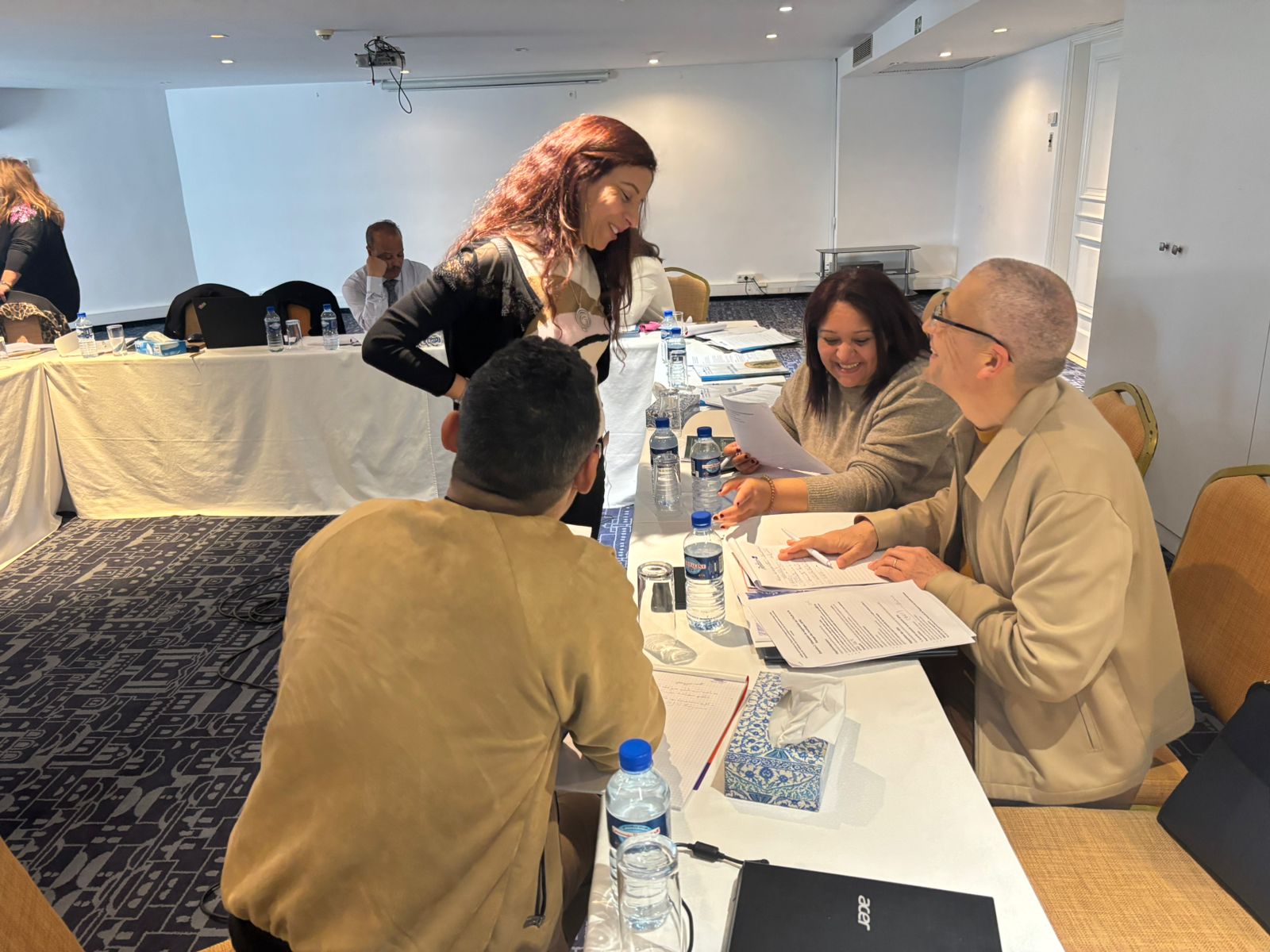
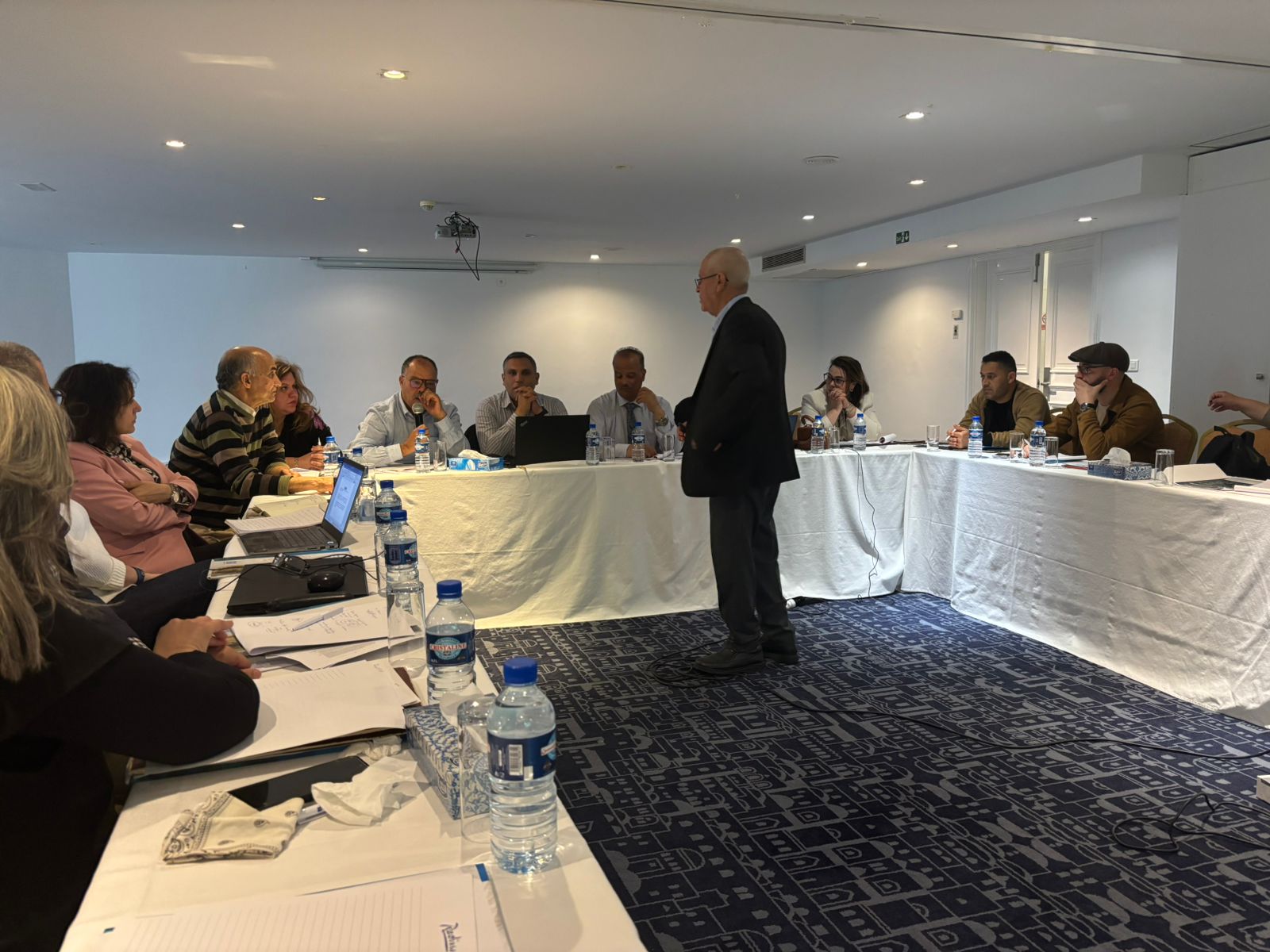
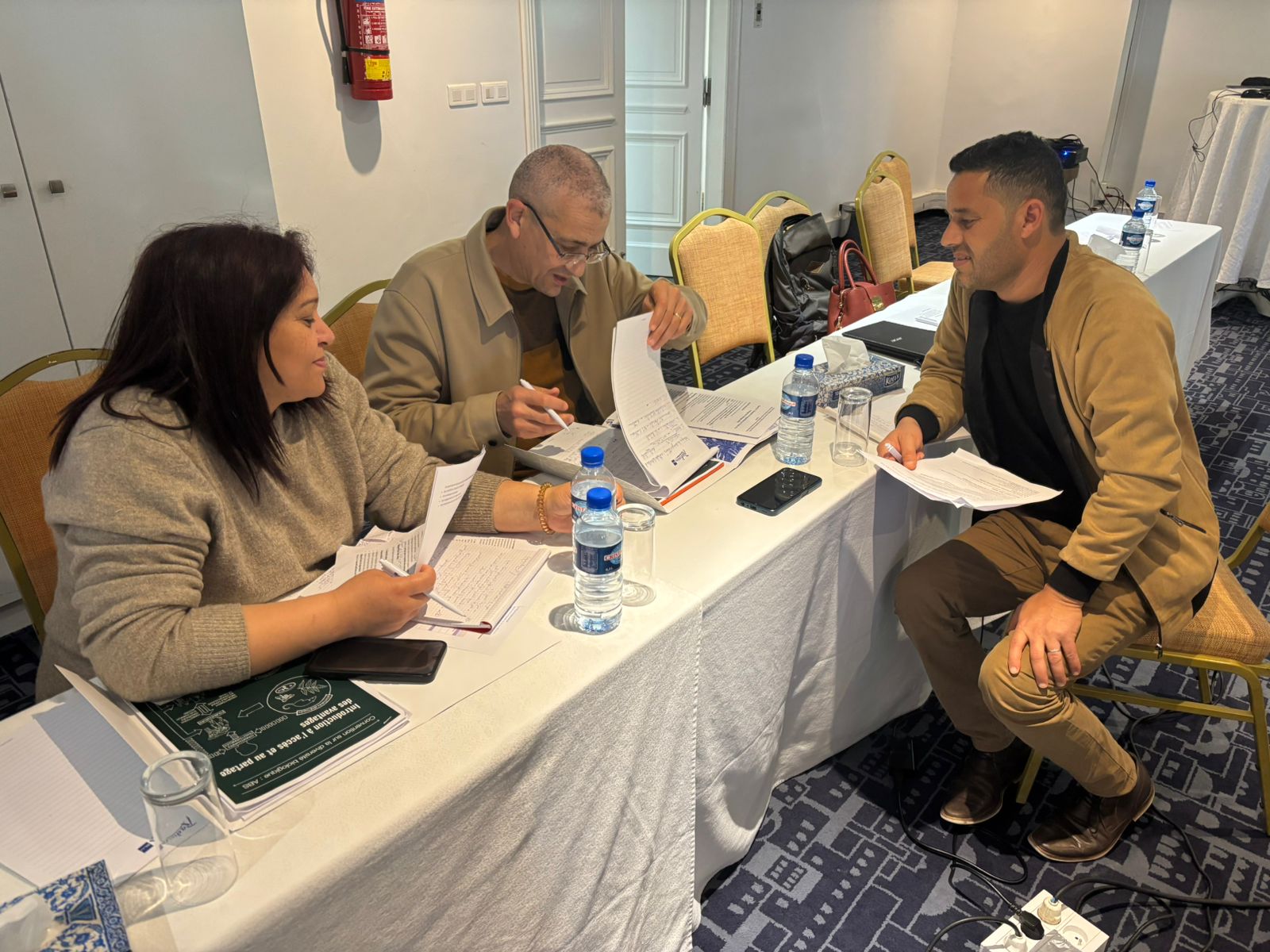
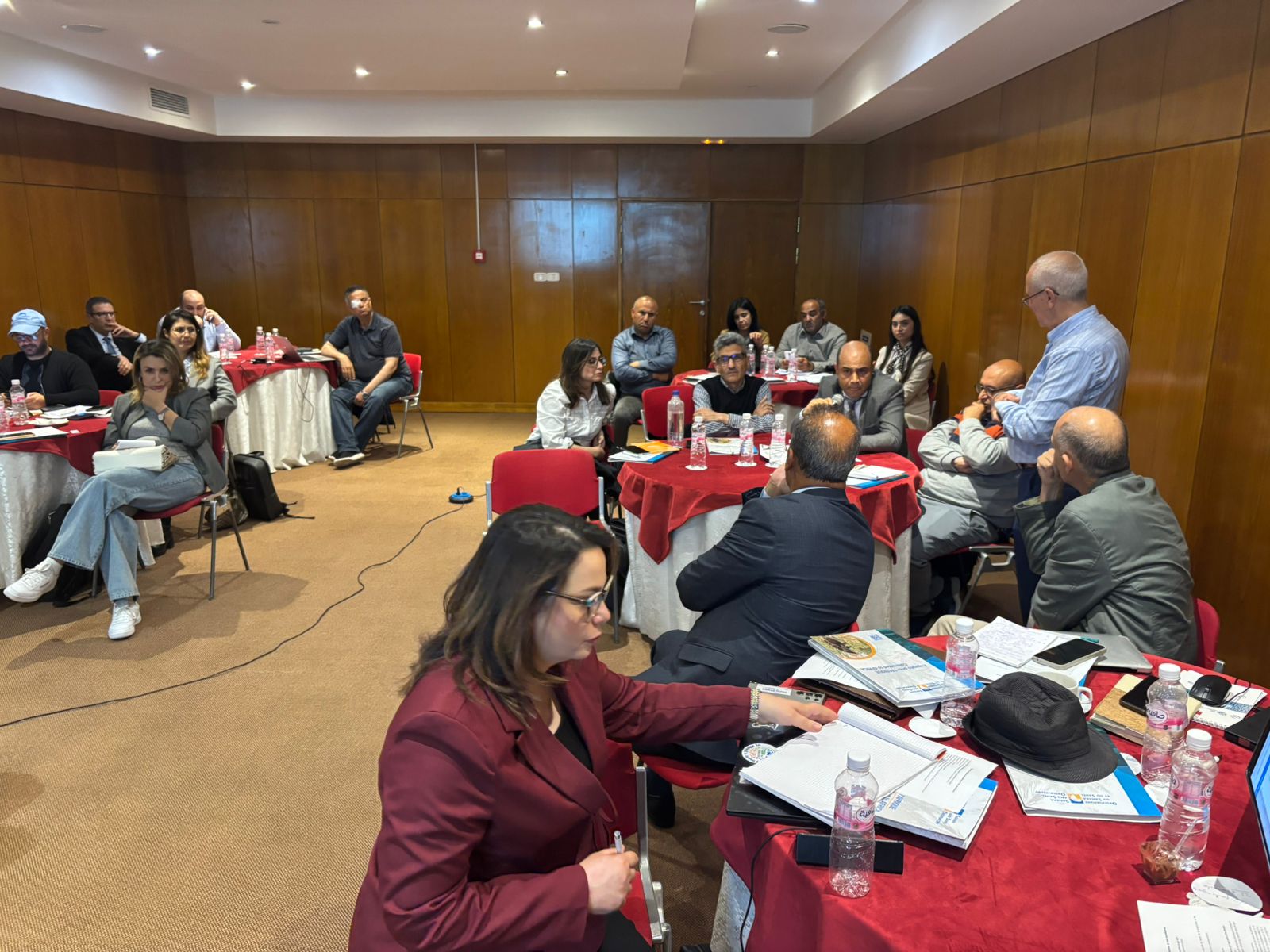
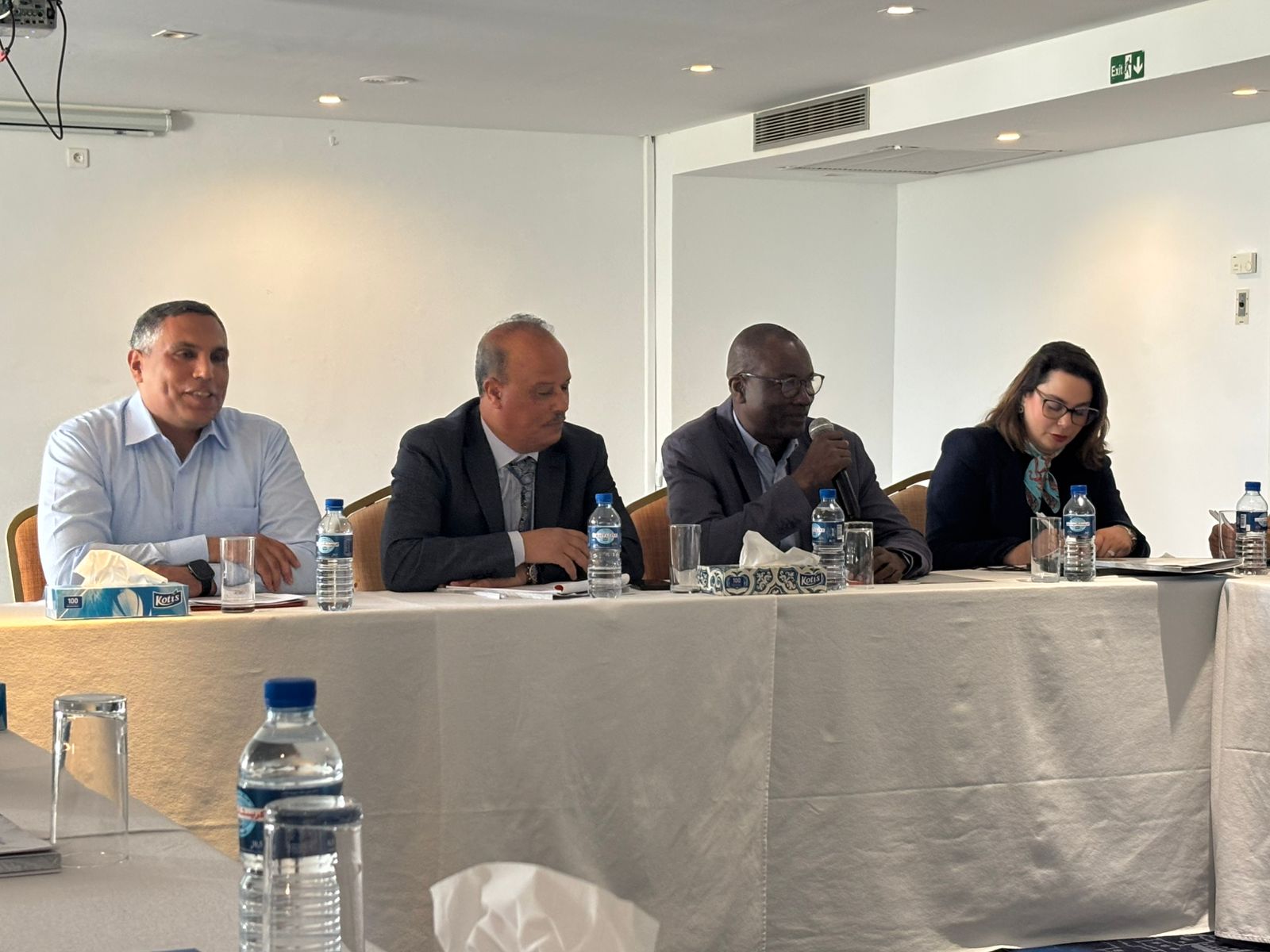
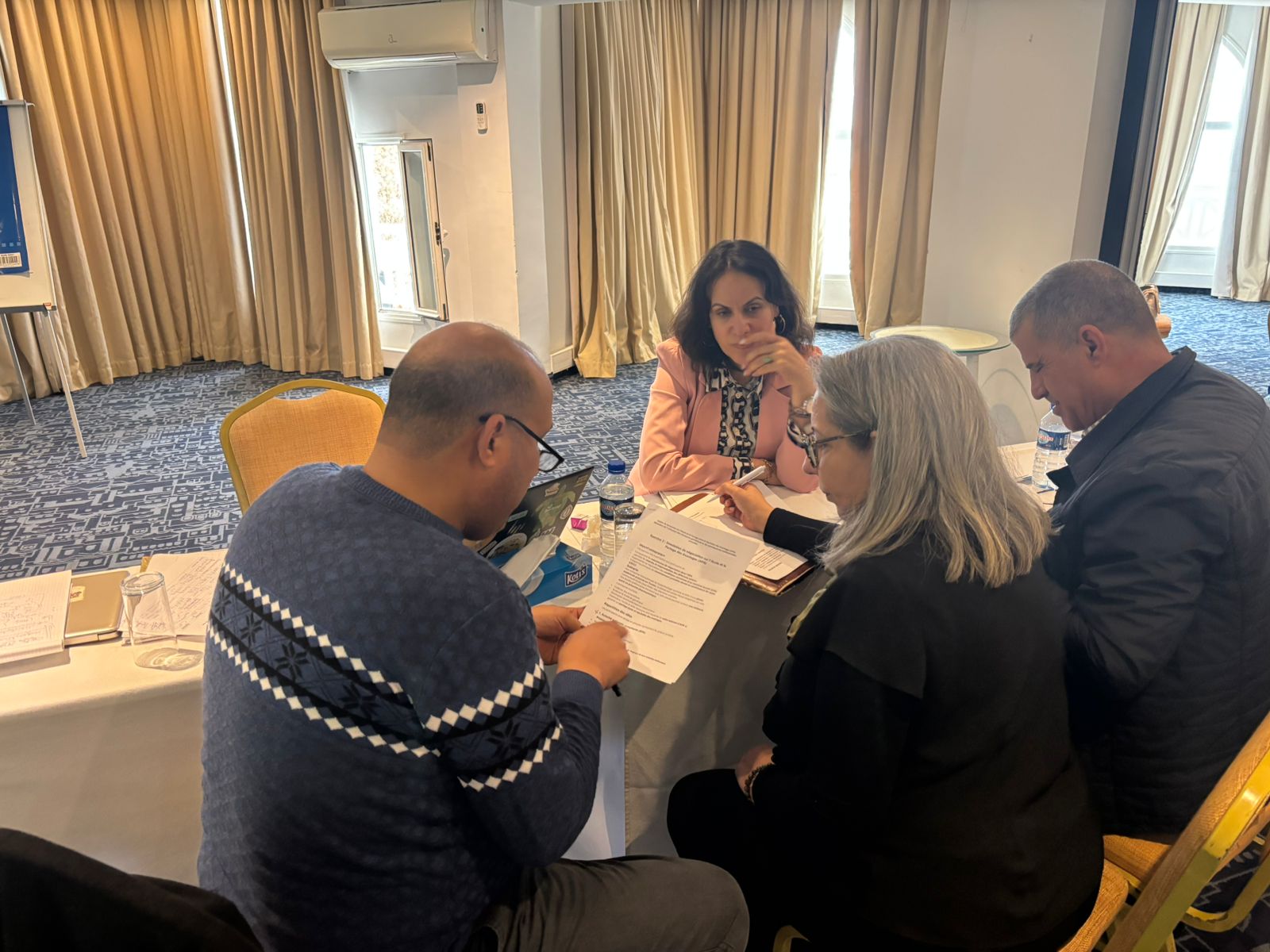
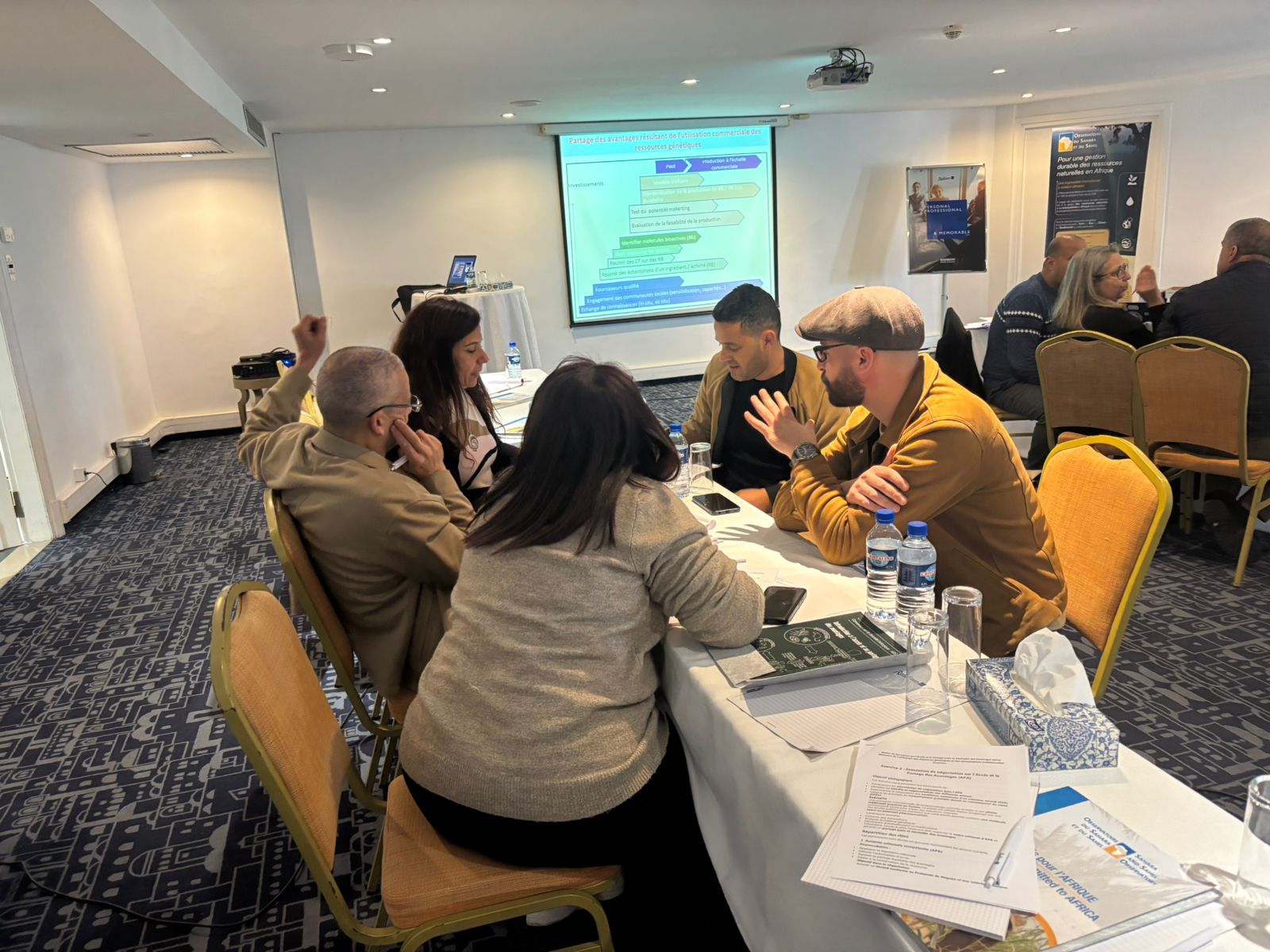
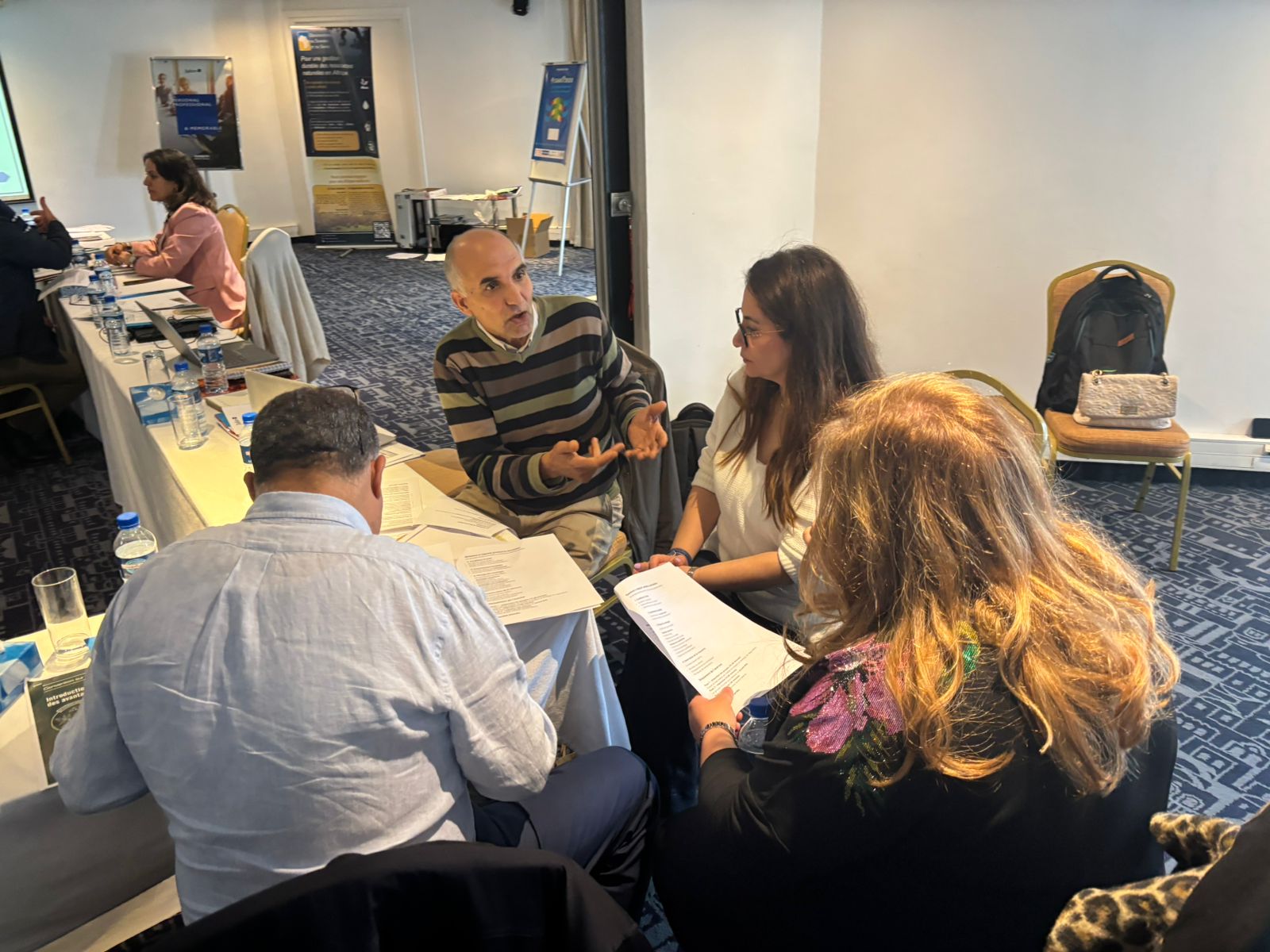
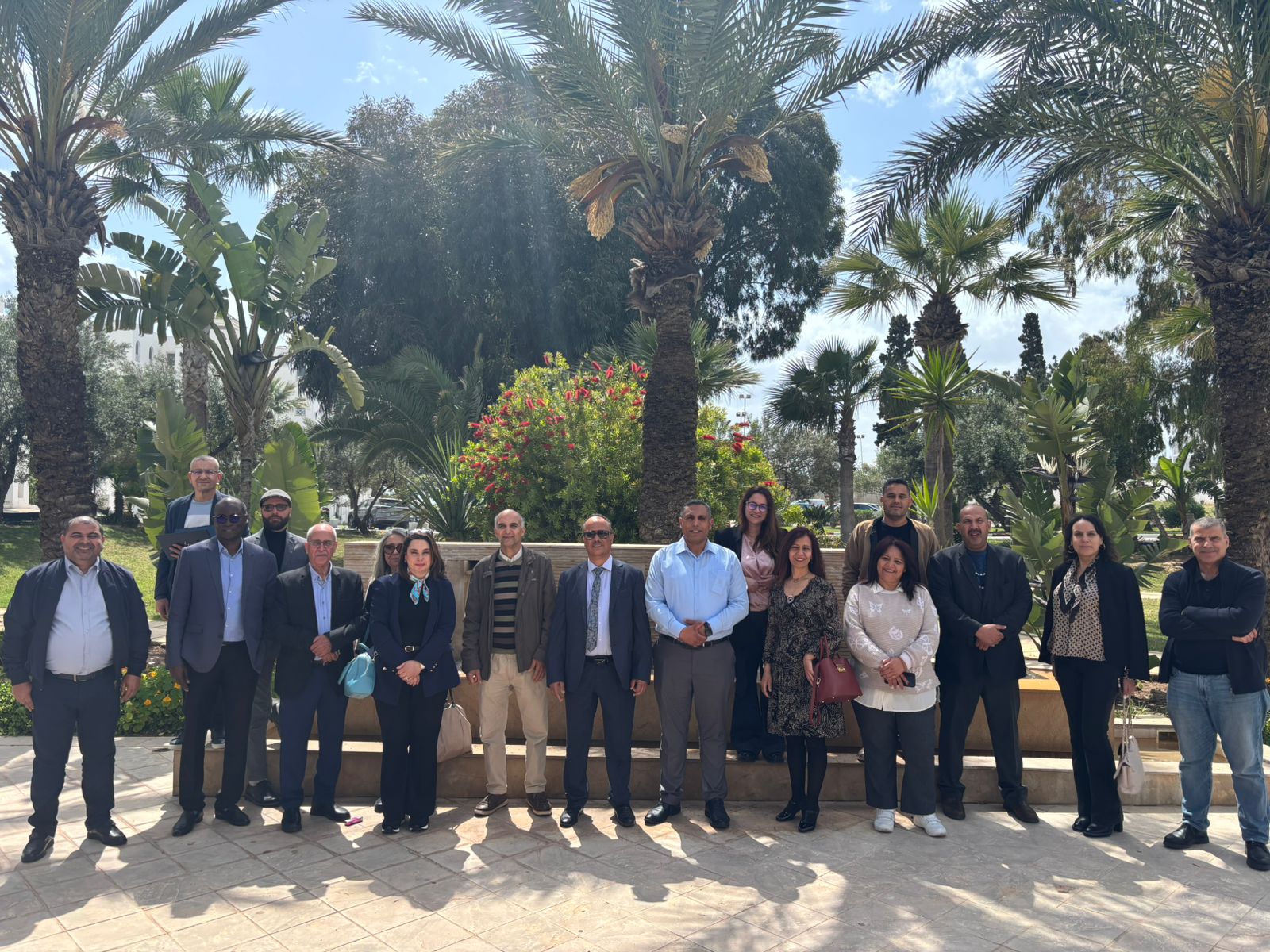
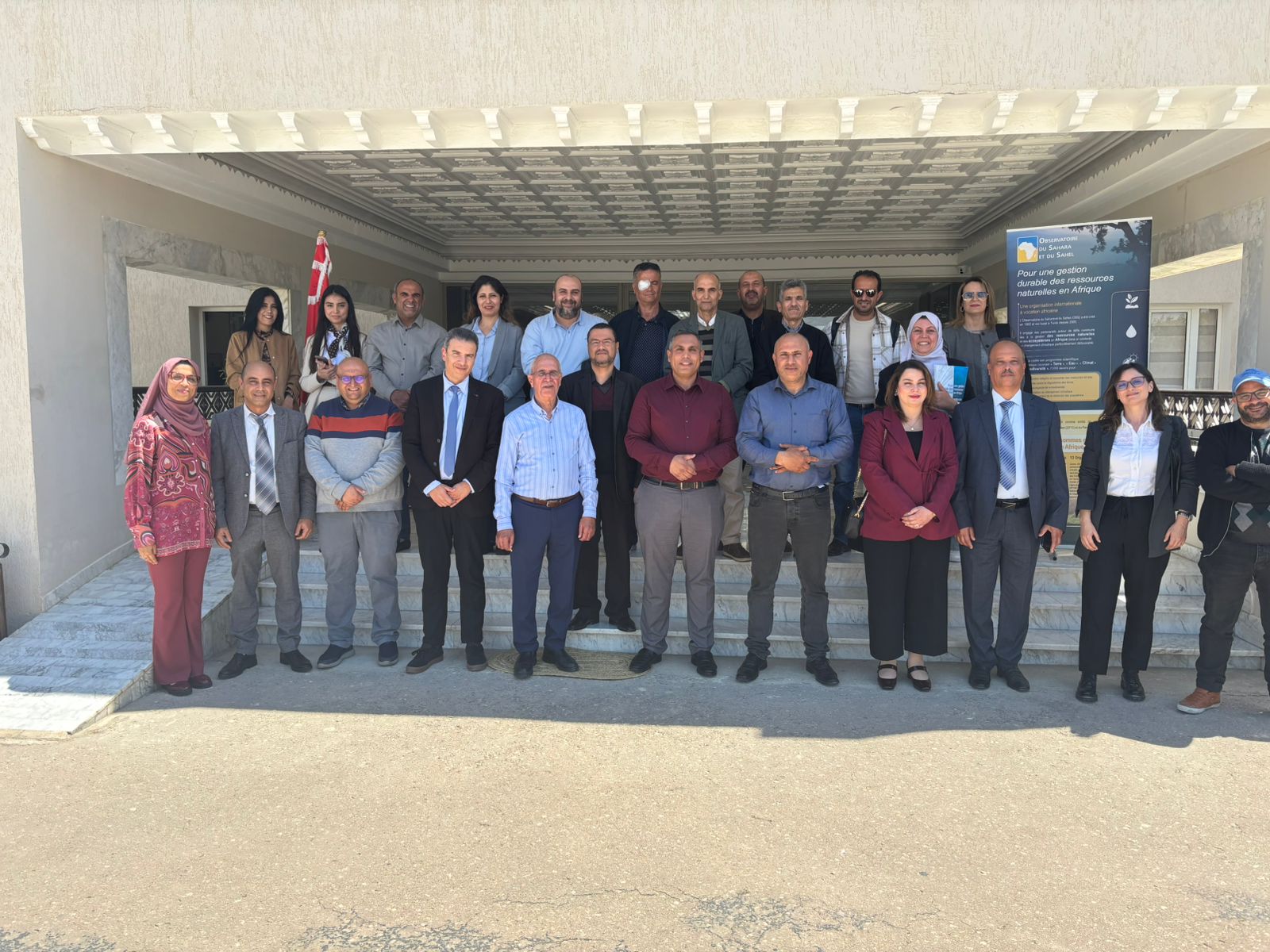
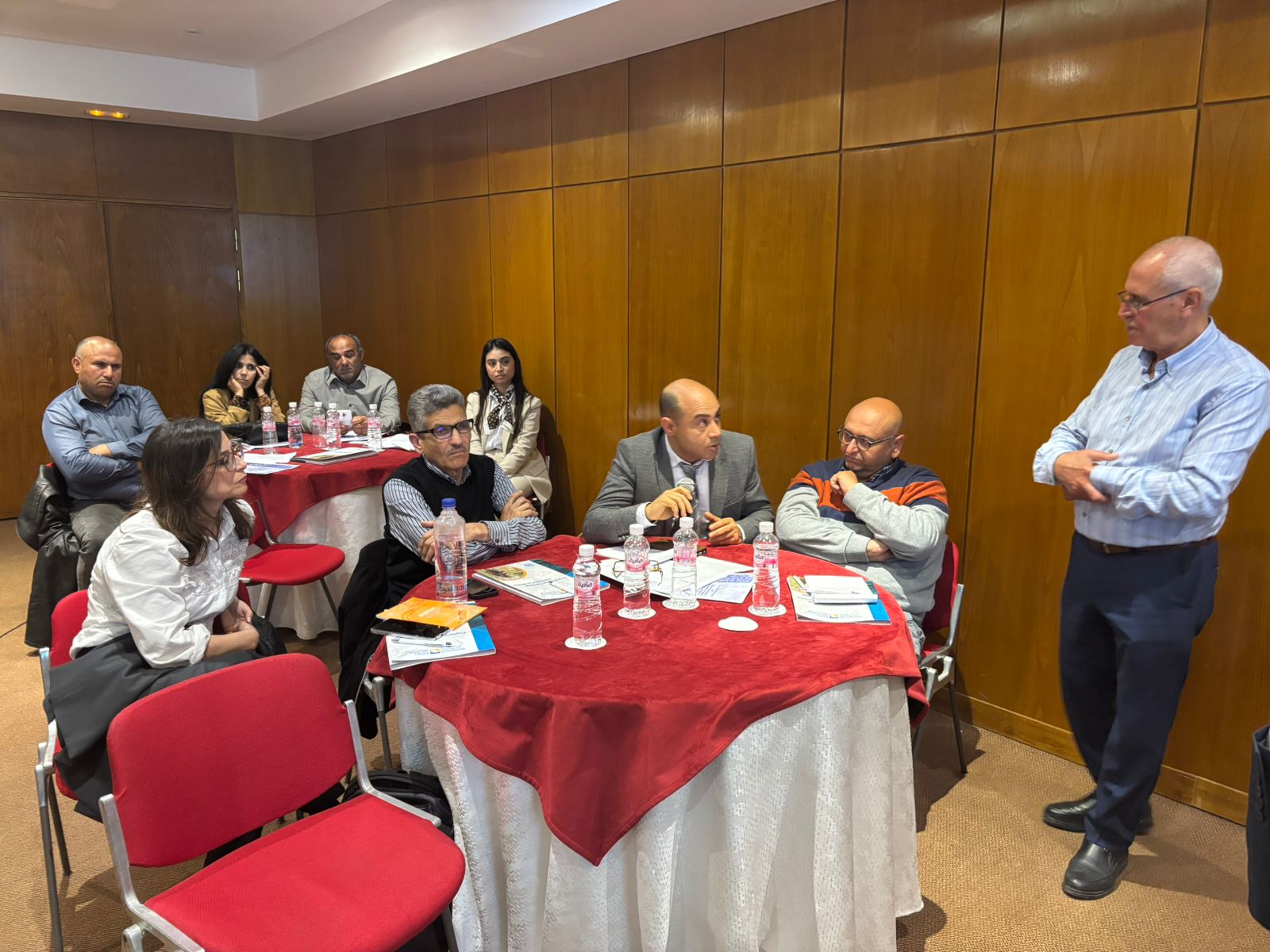
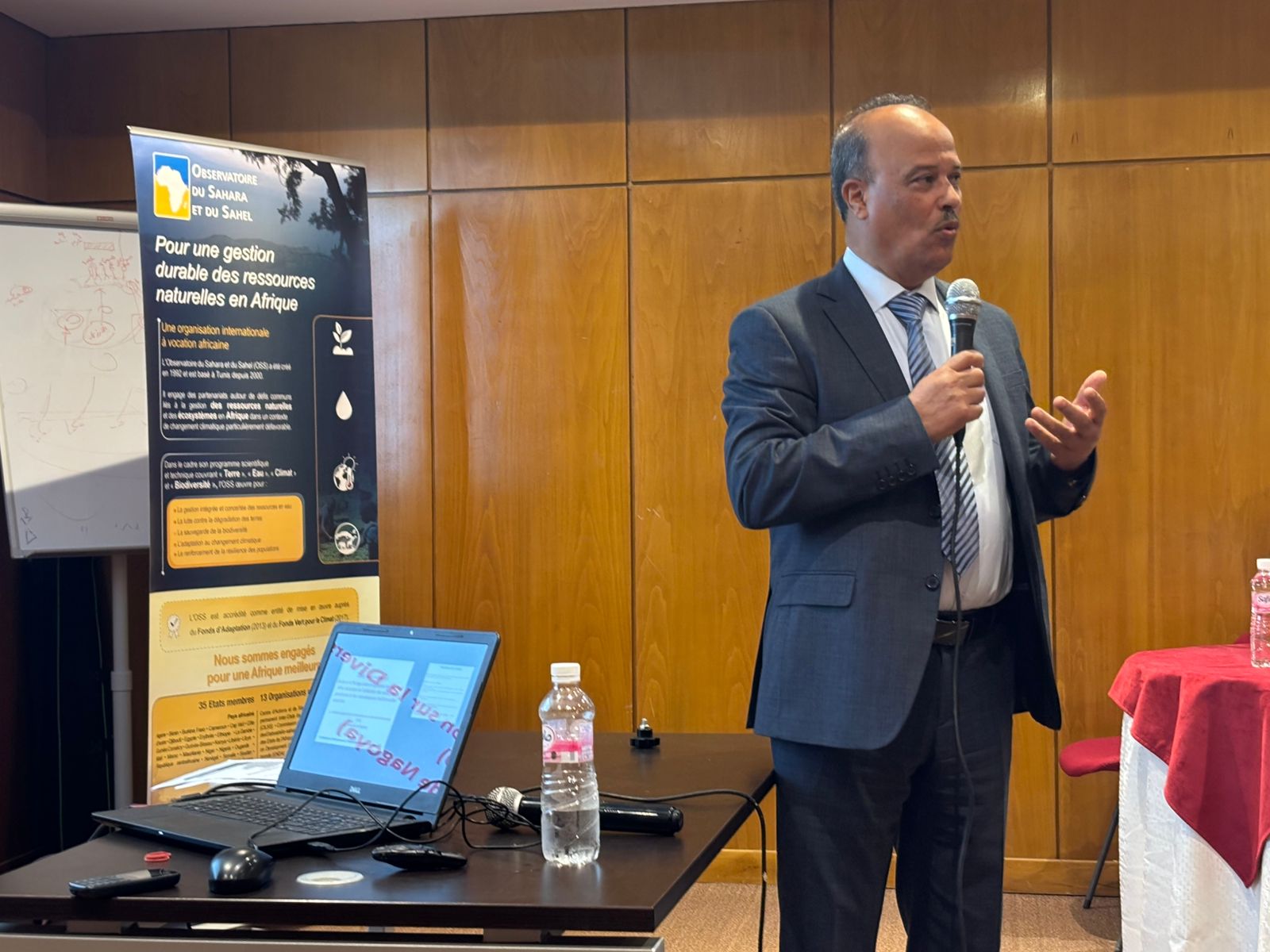
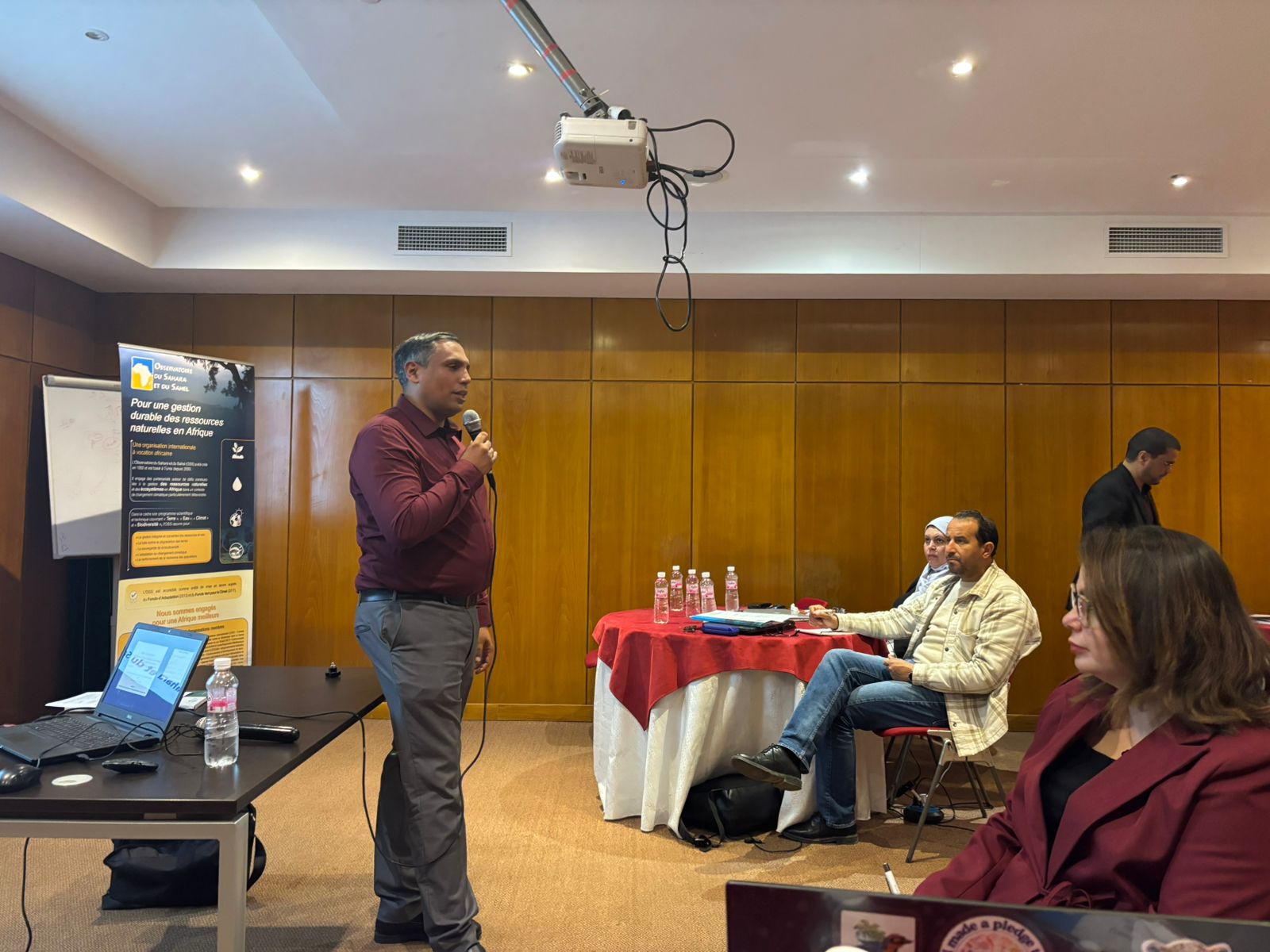
Fully aware of the growing importance of biodiversity conservation and the equitable valorization of genetic resources, and as part of its continued efforts to implement the Nagoya Protocol, Tunisia hosted two regional workshops in Hammamet and Kairouan, held from April 13–14 and April 20–21, 2026, respectively.
These workshops, organized by the Ministry of Environment, represented by the Directorate General of Environment and Quality of Life (DGEQV), with the support of the Sahara and Sahel Observatory (OSS) and the United Nations Environment Program (UNEP), are part of Tunisia’s commitments as a Party to the Nagoya Protocol, ratified in 2021 - particularly regarding the preparation of national reports.
Beyond their technical content, these meetings reflect a clear ambition: to better protect national genetic resources while ensuring access to and the fair and equitable sharing of benefits arising from their use. They brought together a wide range of stakeholders, including public institutions, academia, private sector and civil society representatives, around a shared objective: building more effective and inclusive national governance for Access and Benefit-Sharing (ABS).
The workshops highlighted several key issues, mainly the need to strengthen capacities and upgrade all stakeholders involved in ABS, as well as the challenges related to translating and effectively implementing the provisions of the Nagoya Protocol in Tunisia.
Several recommendations were formulated to strengthen coordination among relevant institutions and structures; identify and address legal and institutional gaps related to ABS implementation; mobilize national stakeholders around a shared vision aimed at promoting and enhancing national genetic heritage; ensure transparency and equity between providers and users of genetic resources while encouraging scientific research and investment in this field; and sustain and expand capacity-building efforts, particularly through the development of regional ABS-related initiatives.
Building on this momentum, a third regional workshop dedicated to the Southern region will be held on April 28–29 in Sfax to consolidate and formalize the discussions and their outcomes.
These meetings represent an important step in strengthening national capacities and consolidating Tunisia’s efforts to establish a roadmap for the operational implementation of ABS. They also illustrate the OSS ongoing commitment to supporting countries in implementing multilateral environmental agreements and promoting sustainable biodiversity governance.
Held on January 28, 2025 in Tunis, the 27th session of the Strategic Orientation…
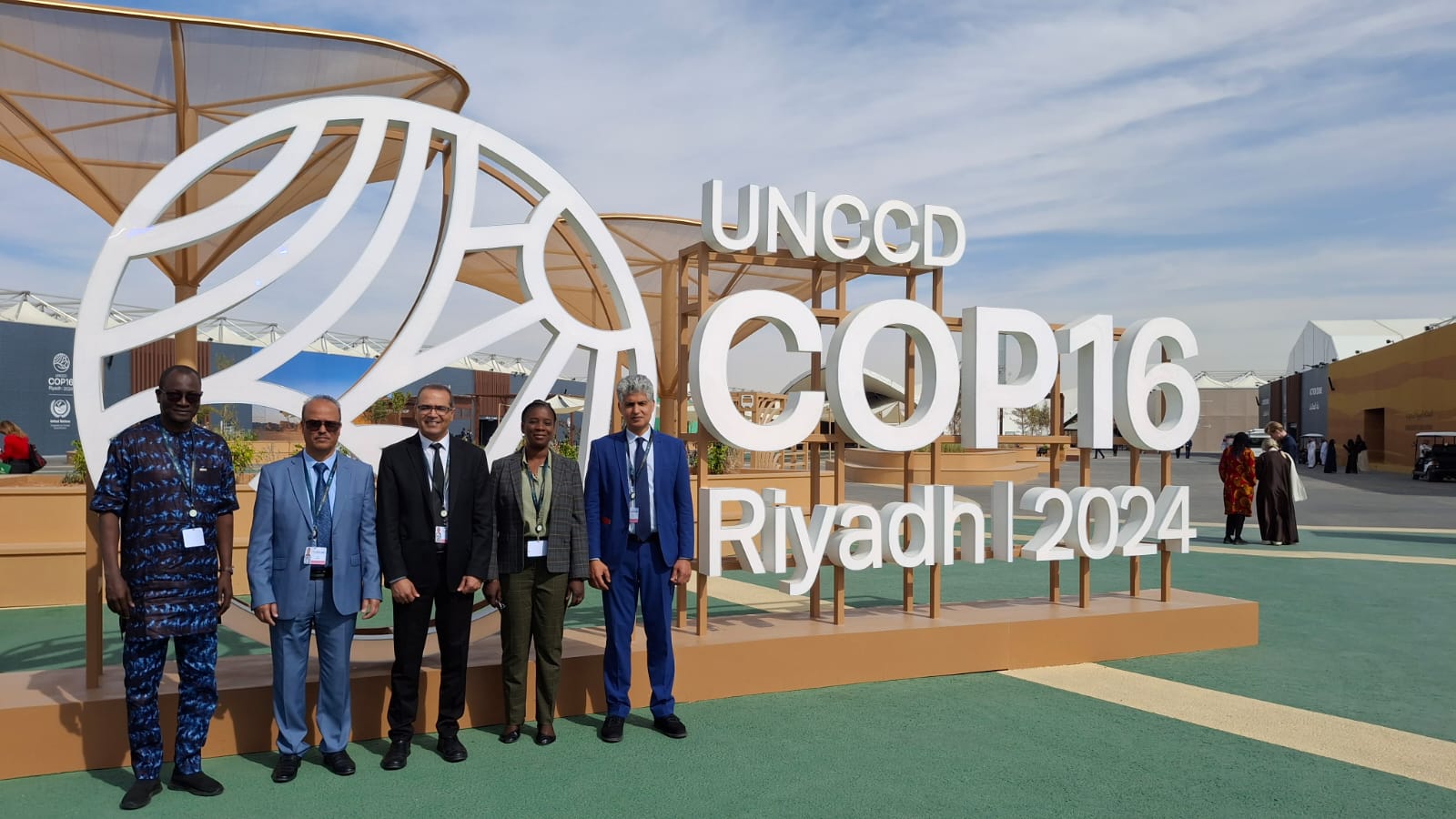
The participation of the Sahara and Sahel…
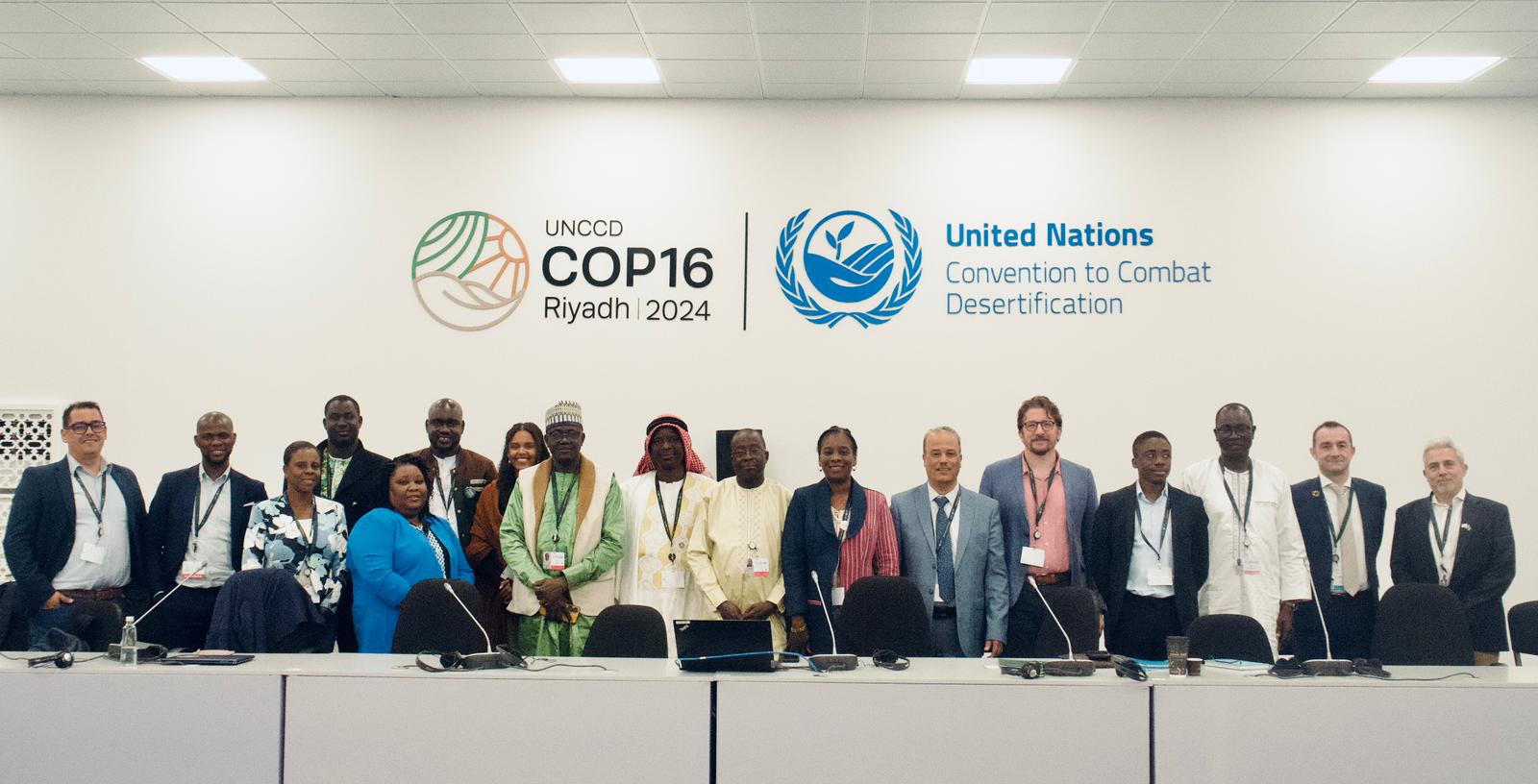
OSS Side Event at COP16: Strengthening Resilience in the Sahel through Multi-…