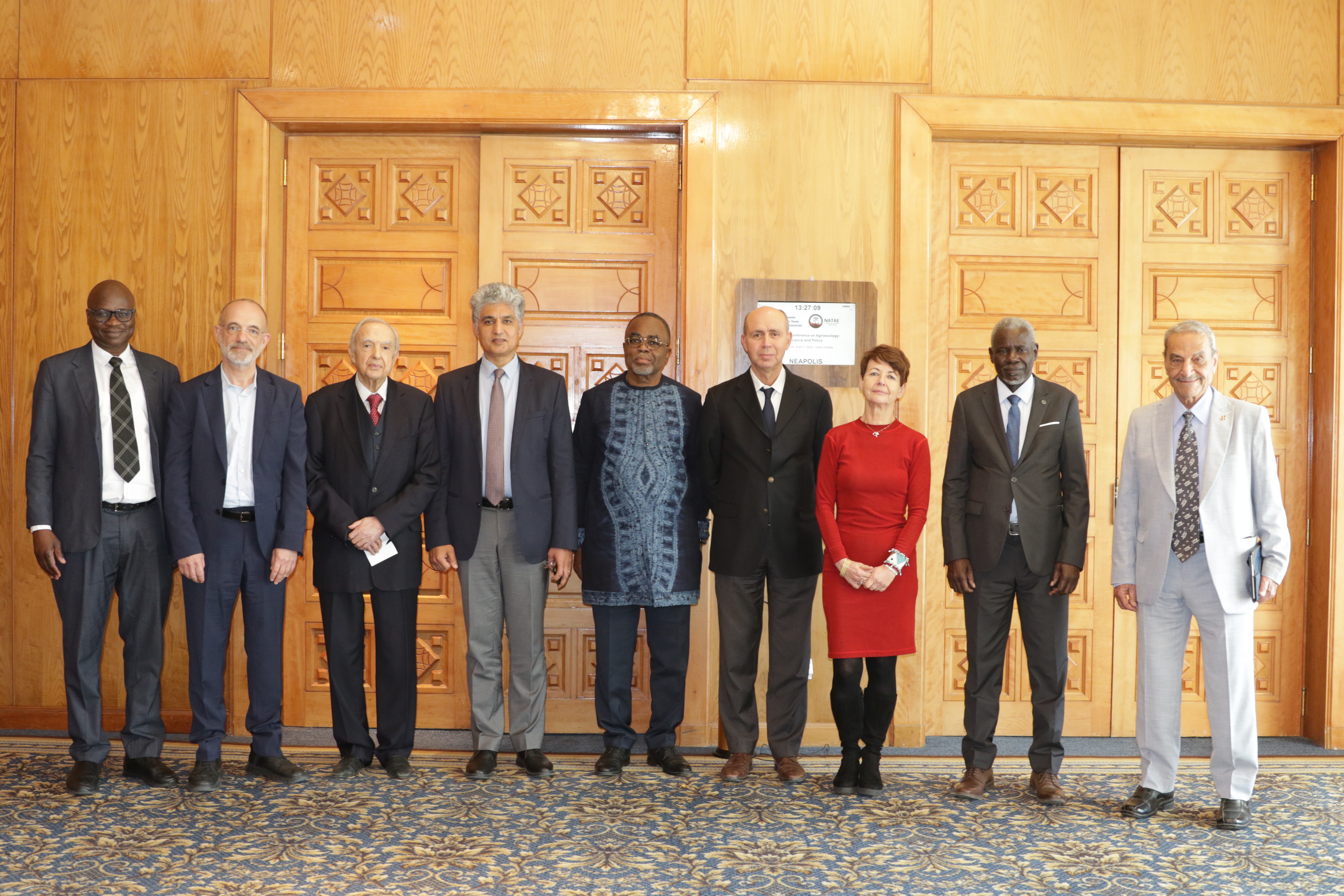
27th Session of the OSS Strategic Orientation Committee, Tunis, January 28, 2025
Held on January 28, 2025 in Tunis, the 27th session of the Strategic Orientation…
Tunis, April 8, 2026
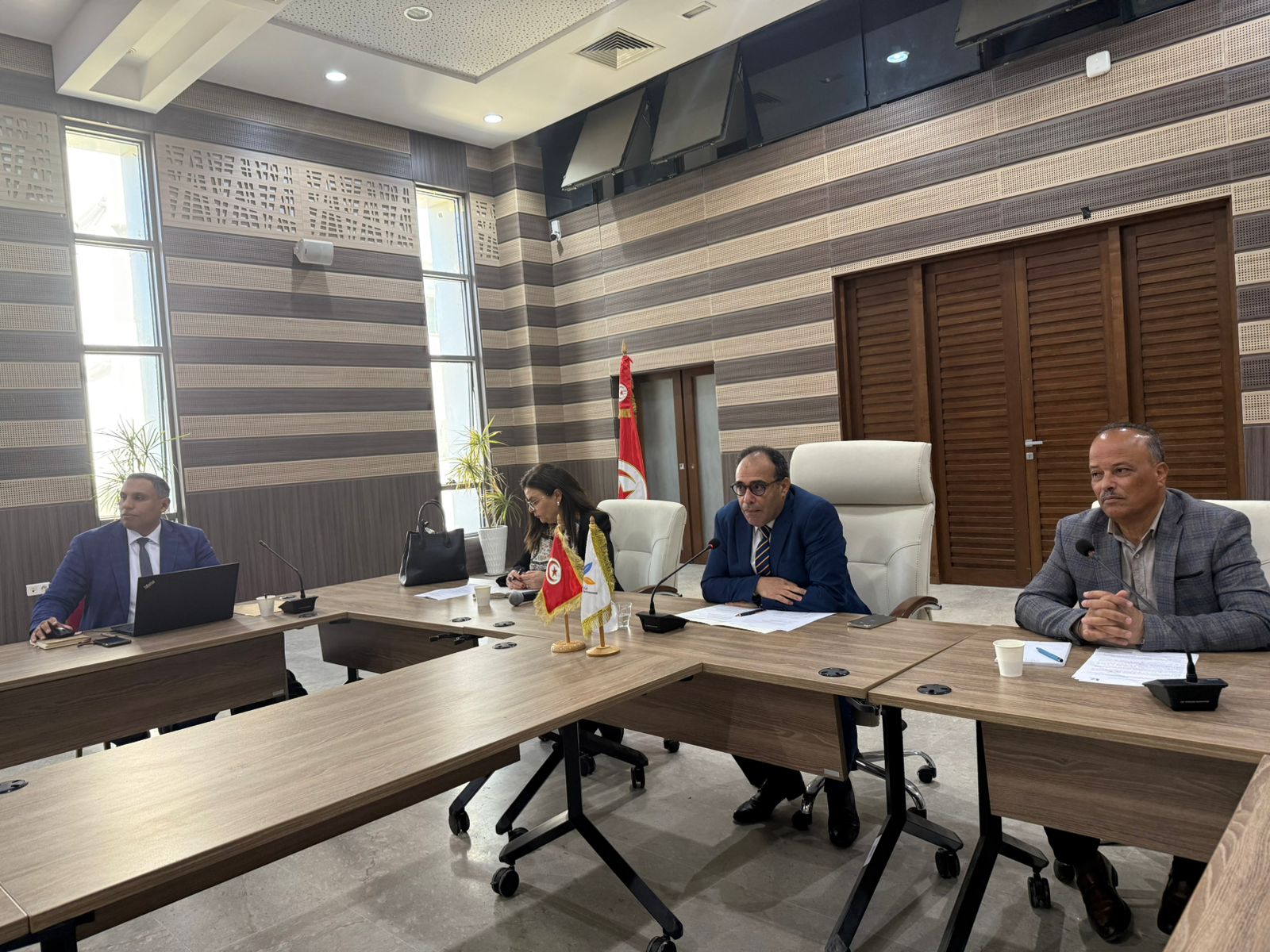
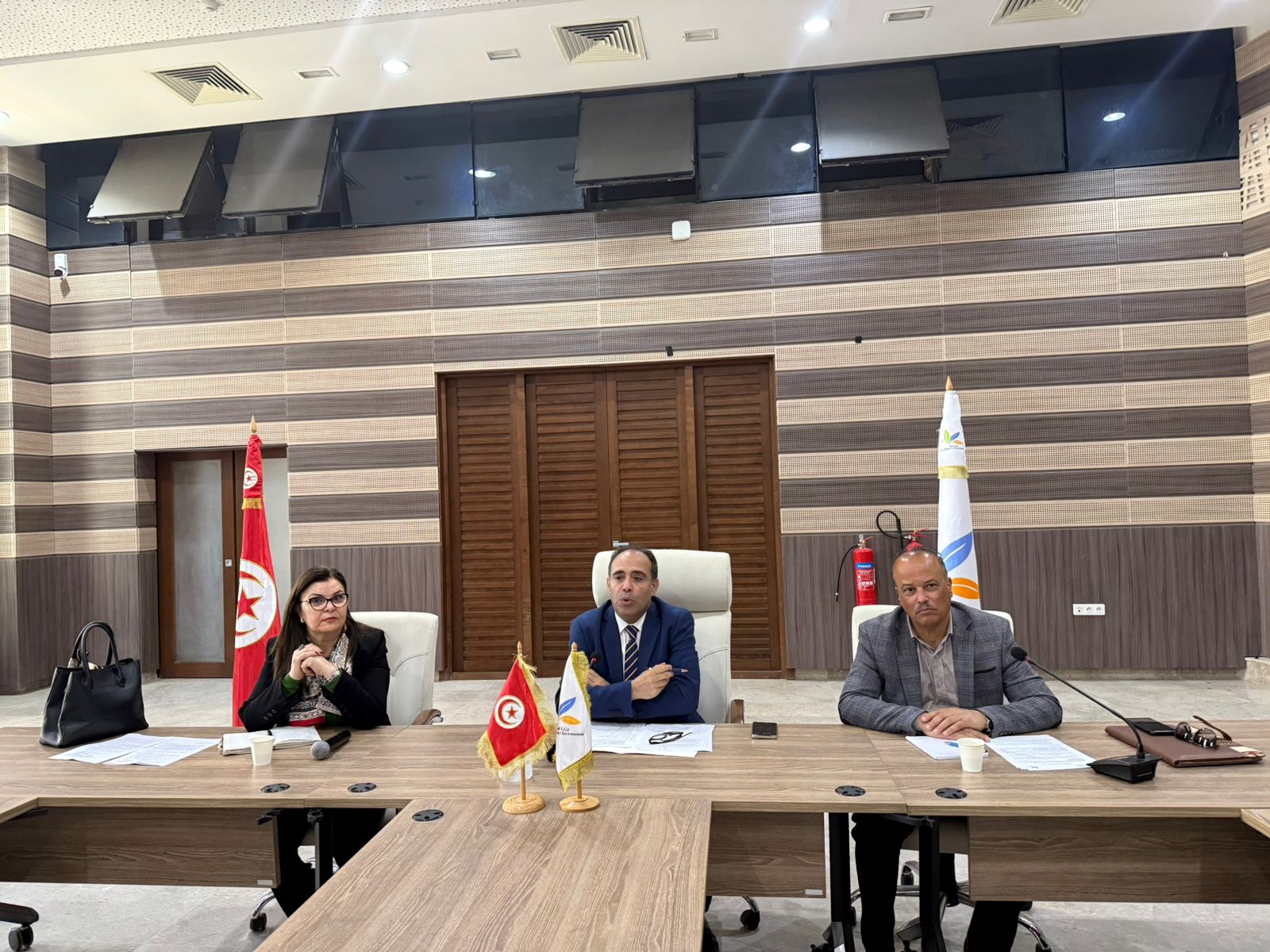
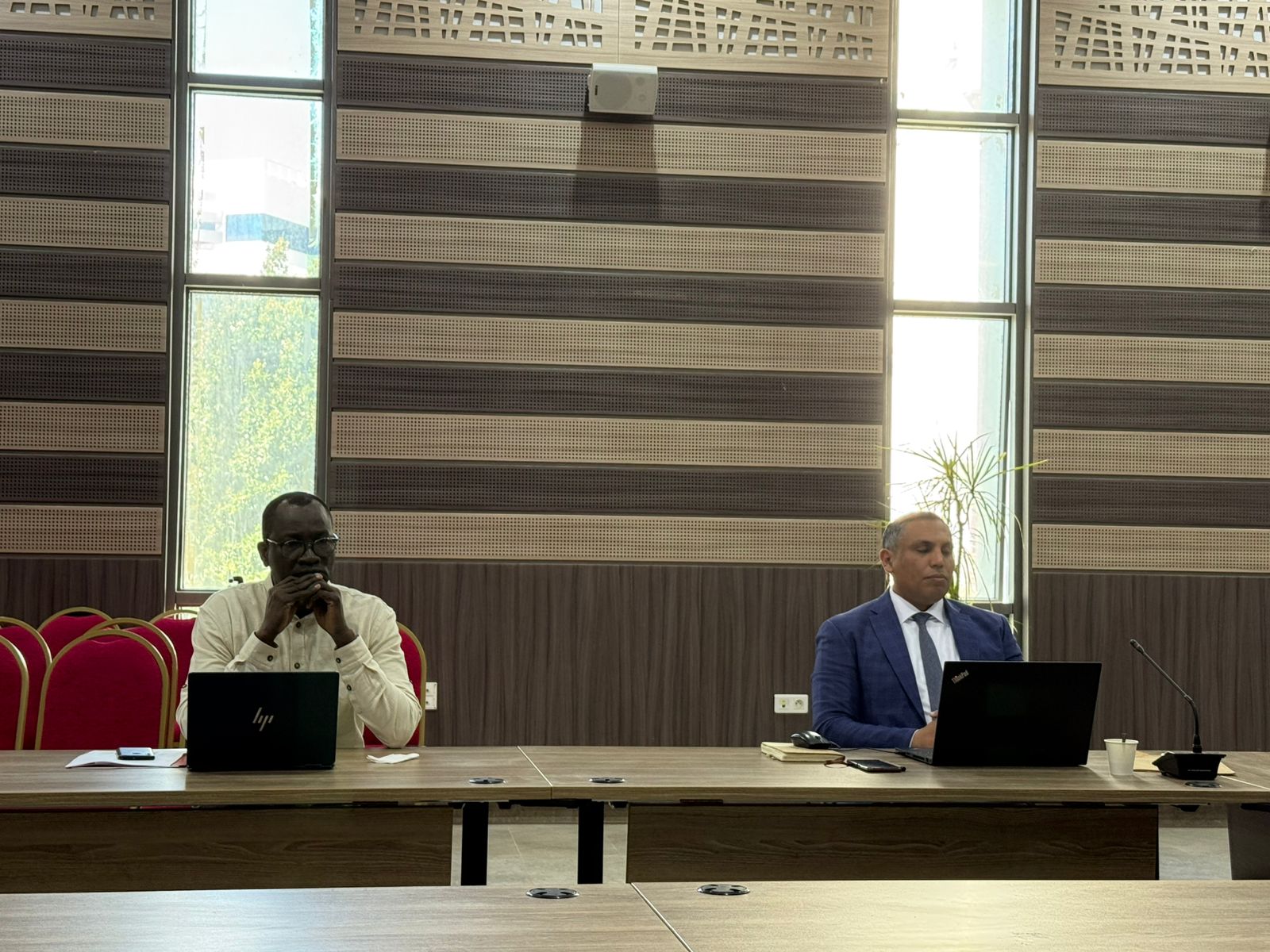
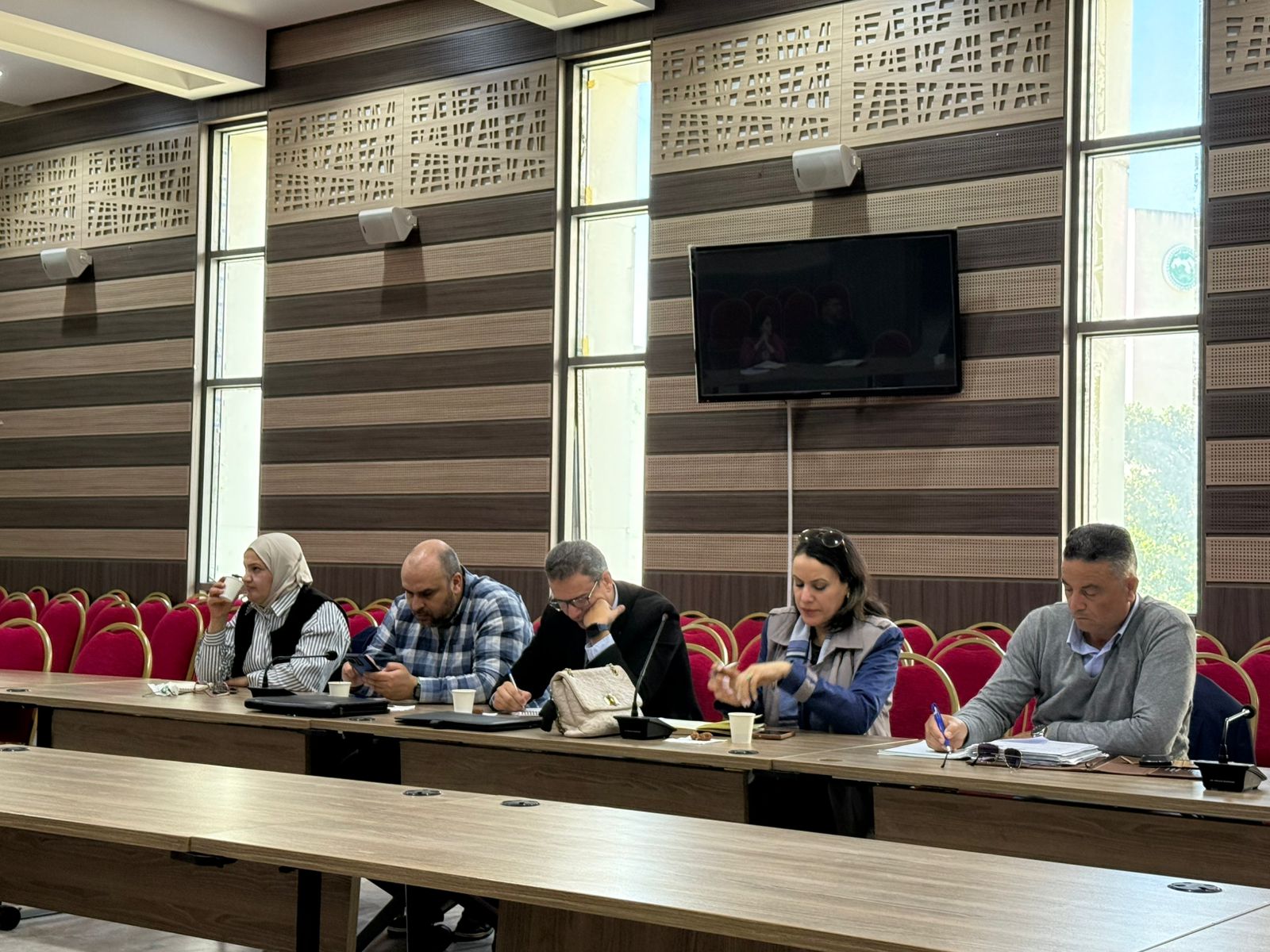
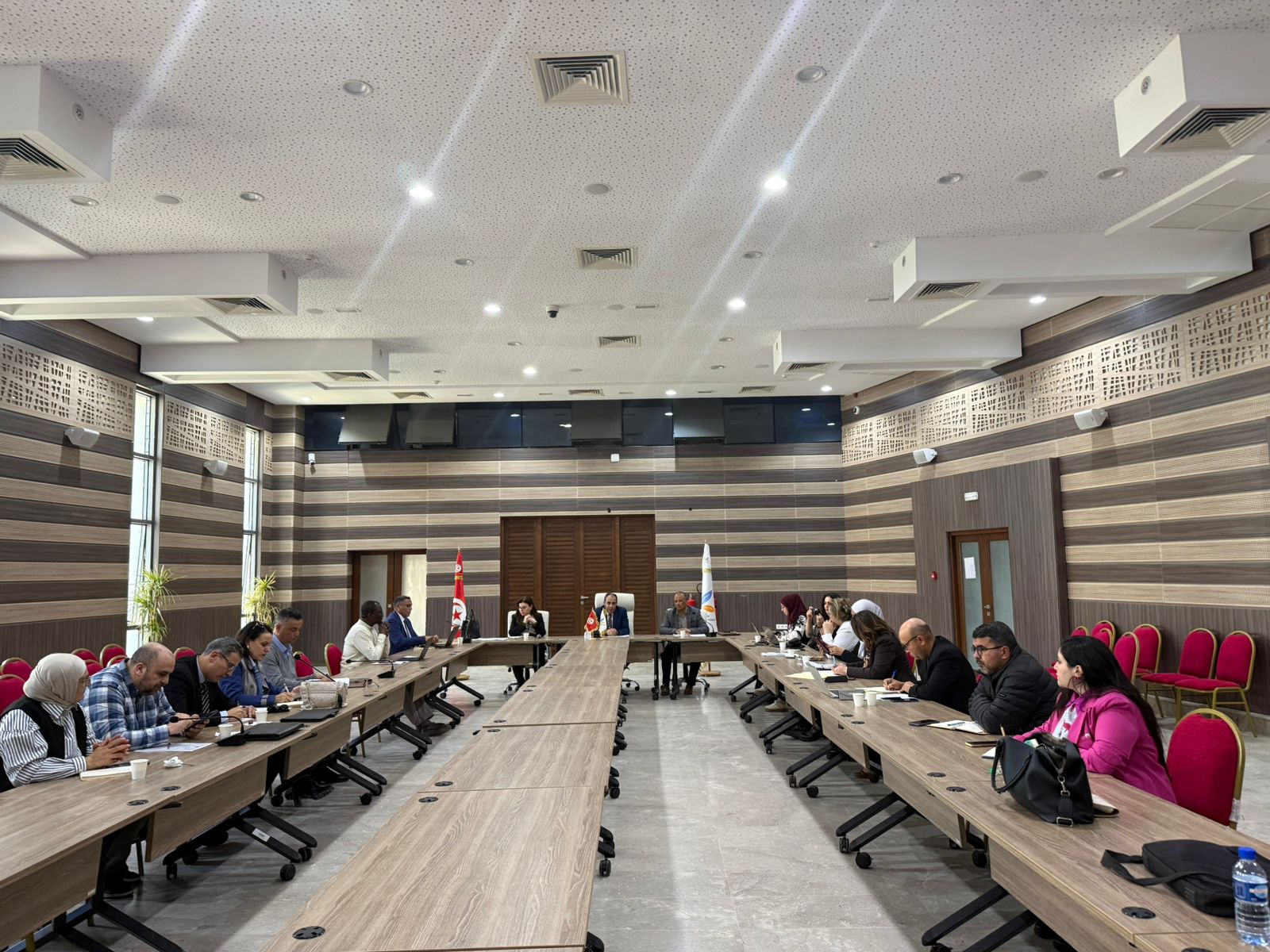
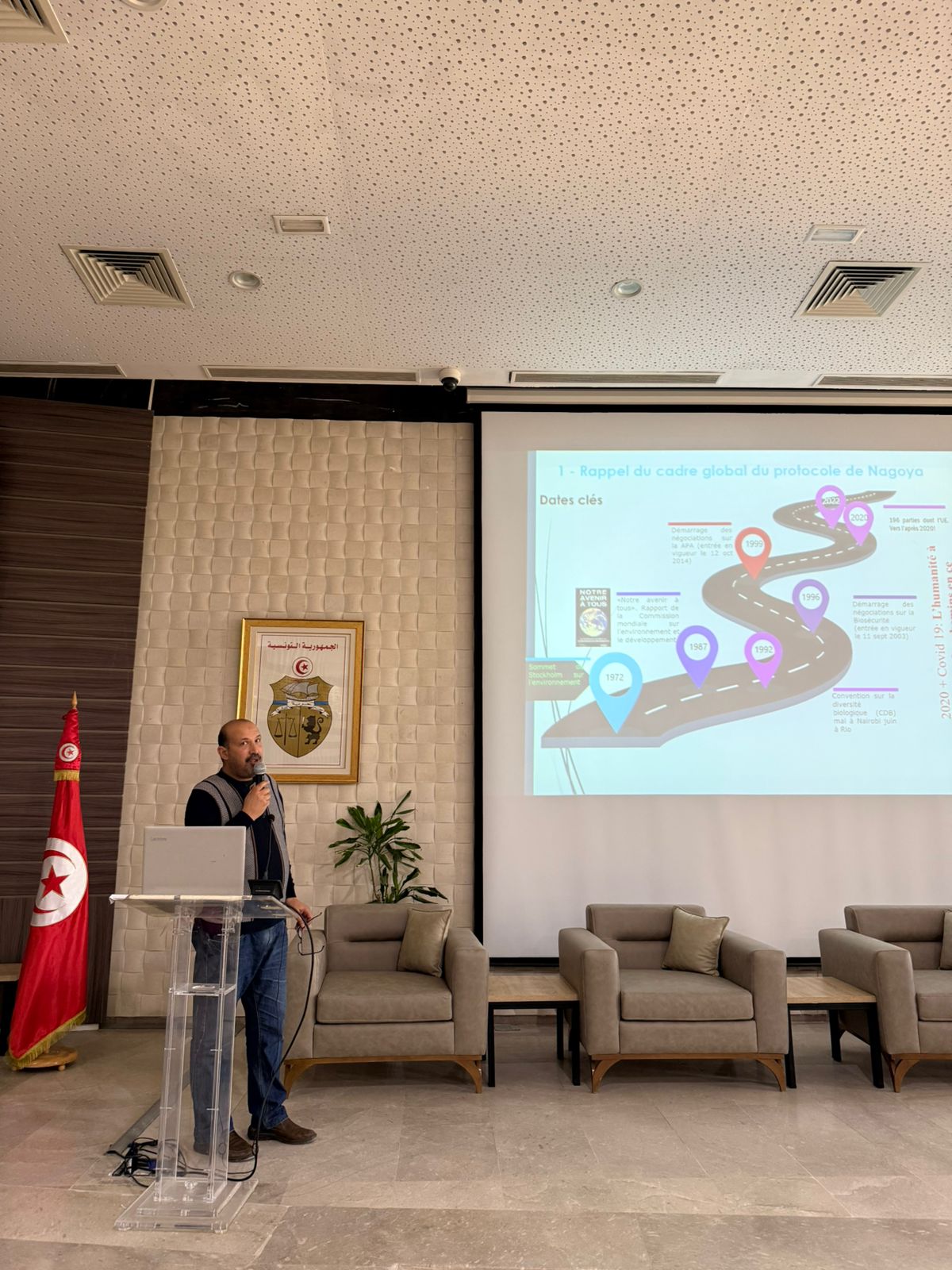
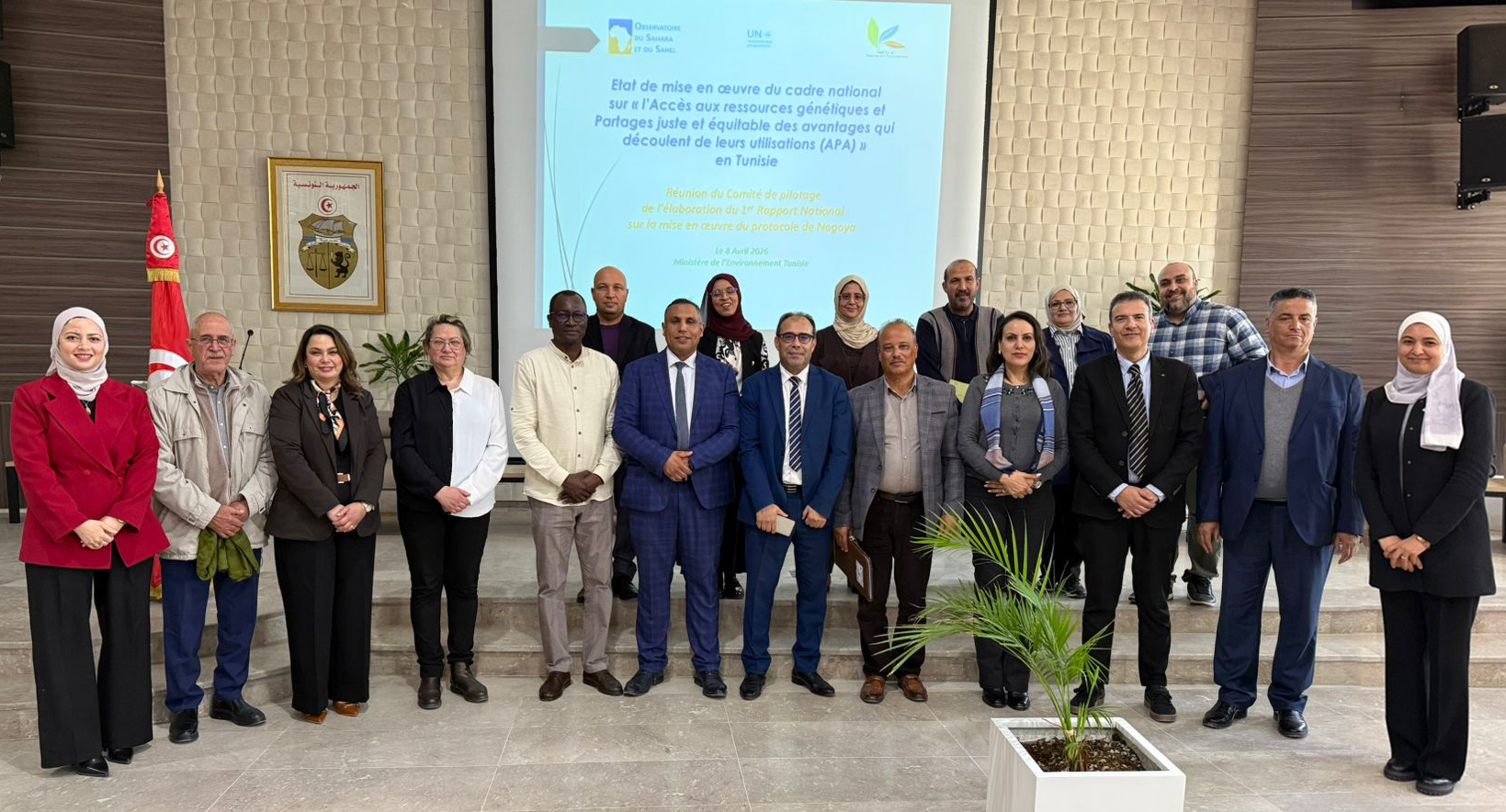
Held at the Ministry of the Environment, the first steering committee meeting dedicated to the preparation of Tunisia’s first national report on the implementation of the Nagoya Protocol marks the launch of a structured process focused on monitoring the country’s commitments in the field of biodiversity, with particular emphasis on access to genetic resources and the fair and equitable sharing of benefits arising from their use.
Organized by the Directorate General for Environment and Quality of Life, in its capacity as the national focal structure for the Nagoya Protocol on Access and Benefit-Sharing (ABS), in collaboration with the Sahara and Sahel Observatory, a regional center of excellence for the implementation of the Convention on Biological Diversity, this initiative is part of the commitments under the Convention.
In this context, the implementation of the Protocol engages Tunisia in a periodic reporting process aligned with the Kunming-Montreal Global Biodiversity Framework, thereby strengthening the integration of issues related to access and benefit-sharing into national policies for the sustainable management of biodiversity.
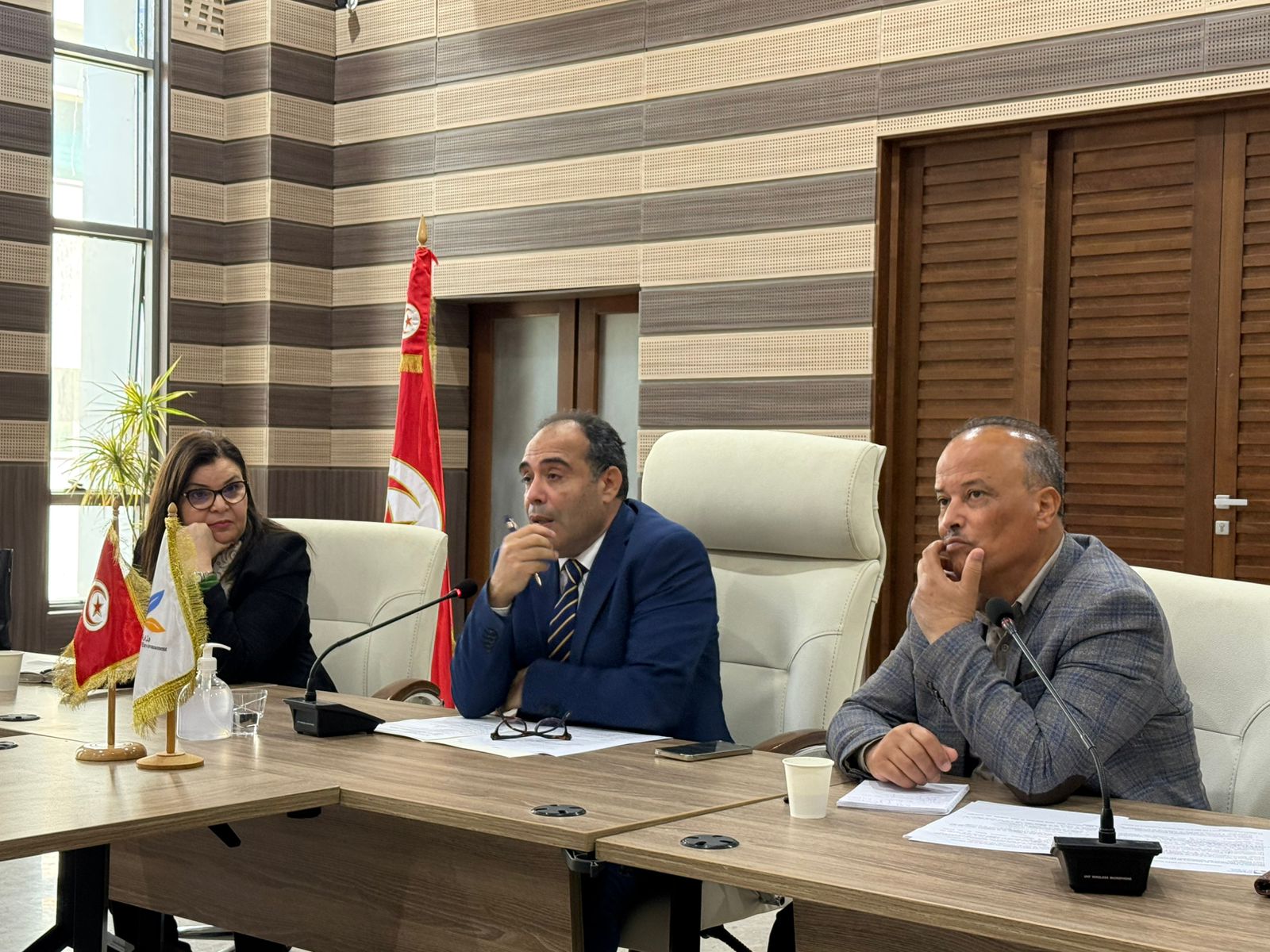
The opening session featured remarks by Mr. Chokri Mezghani, Director General of the Unit for Monitoring the Activities of External Services and Oversight of Public Enterprises and Establishments, representing Mr. Habib Abid, Minister of the Environment of Tunisia, Ms. Awatef Messai, Acting Director General of the Directorate General for Environment and Quality of Life, and Mr. Nabil Hamada, Director at the Sahara and Sahel Observatory. The speakers highlighted the strategic importance of this process in strengthening the national biodiversity governance framework, emphasizing in particular the need for a structured system for monitoring and reporting on access and benefit-sharing mechanisms. The role of the Sahara and Sahel Observatory as a regional reference center was also underscored through its technical support and guidance in the preparation of this first national report.
The establishment of the steering committee responds to the need to ensure strategic guidance and rigorous monitoring of the process, with the support of the Sahara and Sahel Observatory, in collaboration with the Directorate General for Environment and Quality of Life and with the support of the Global Environment Facility and the United Nations Environment Programme, through a participatory approach involving all relevant stakeholders.
This first meeting laid the organizational, methodological, and operational foundations necessary to carry out the process. It provided a platform for exchange aimed at harmonizing understanding of the Protocol’s requirements, particularly those related to access to genetic resources and benefit-sharing, while clarifying the roles and responsibilities of the various stakeholders. Discussions also addressed the definition of a working methodology, the identification of data collection and analysis tools, and the development of a structured timeline incorporating key milestones.
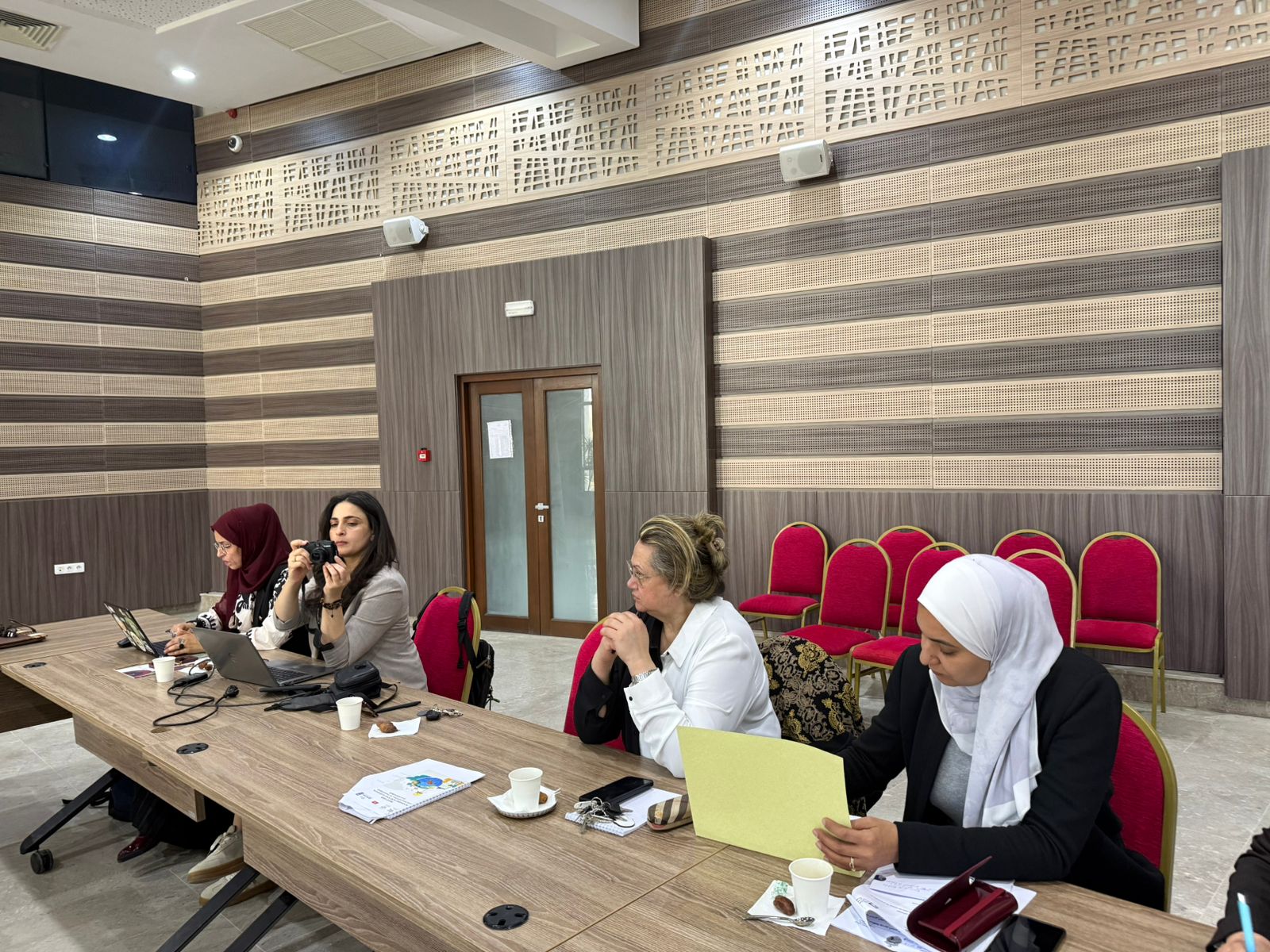
The meeting brought together representatives from key ministerial departments and relevant institutions, mainly entities under the ministries of Environment, Agriculture, Scientific Research, Industry, and Finance, as well as technical and research bodies such as the National Gene Bank. This mobilization reflects the cross-cutting nature of biodiversity-related issues, particularly those linked to access and benefit-sharing.
Beyond its institutional framework, the meeting initiated a dynamic of consultation and coordination among the different stakeholders, in order to ensure the quality, coherence, and relevance of the expected report. It therefore constitutes a key step in structuring a reporting process that complies with international requirements, while taking into account national specificities and strengthening stakeholders’ capacities in implementing the Nagoya Protocol in Tunisia.
In line with this participatory approach, regional workshops will be organized in the North, Center, and South during April 2026, to ensure broader involvement of relevant structures and institutions at the regional level.
The main findings of this report are also expected to be presented during the celebration of the International Day for Biological Diversity on May 22, 2026.
The preparation of this first national report represents an important step in assessing progress made in the implementation of the Protocol at the national level, identifying emerging challenges, and outlining future perspectives.
Held on January 28, 2025 in Tunis, the 27th session of the Strategic Orientation…
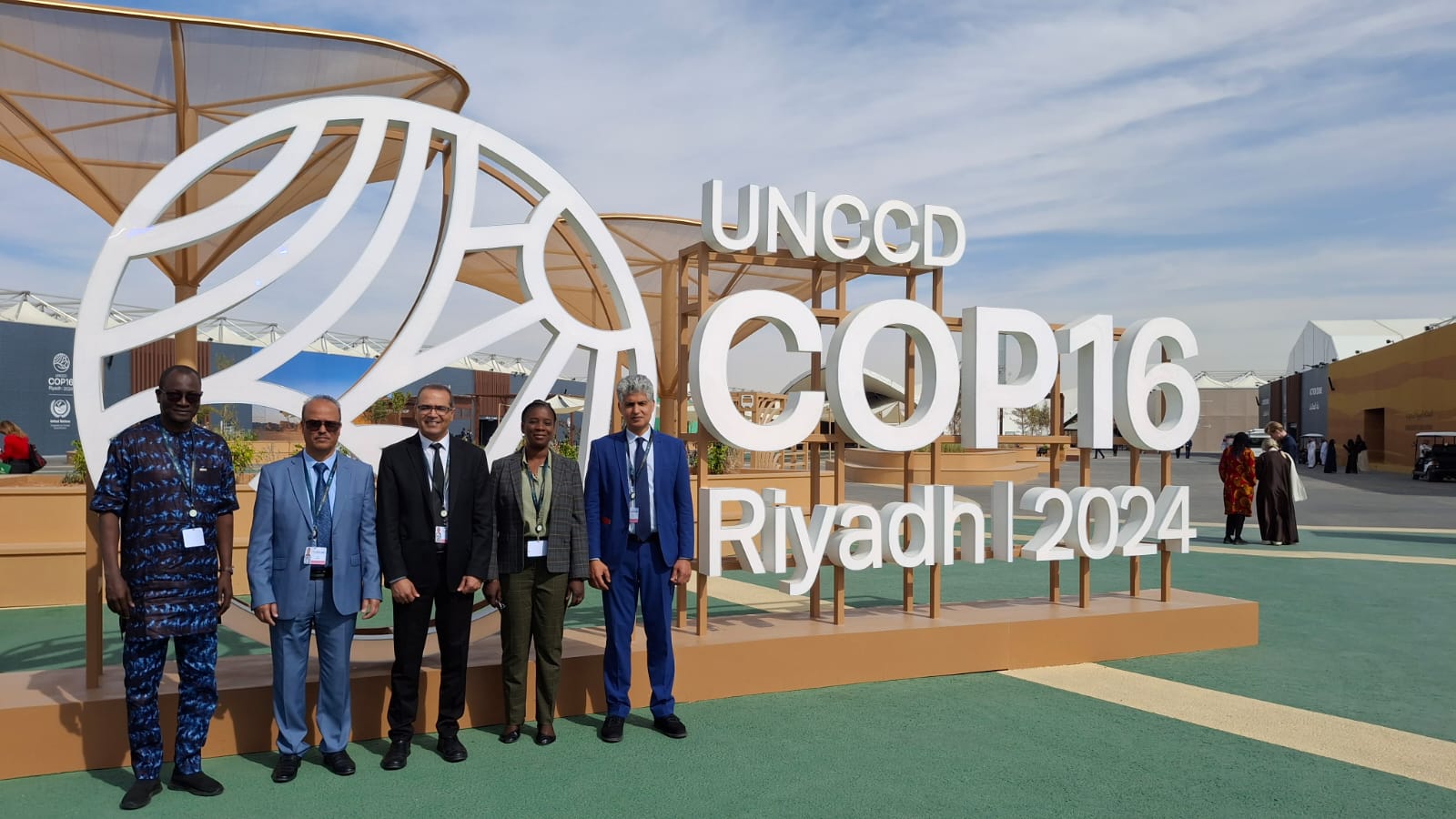
The participation of the Sahara and Sahel…
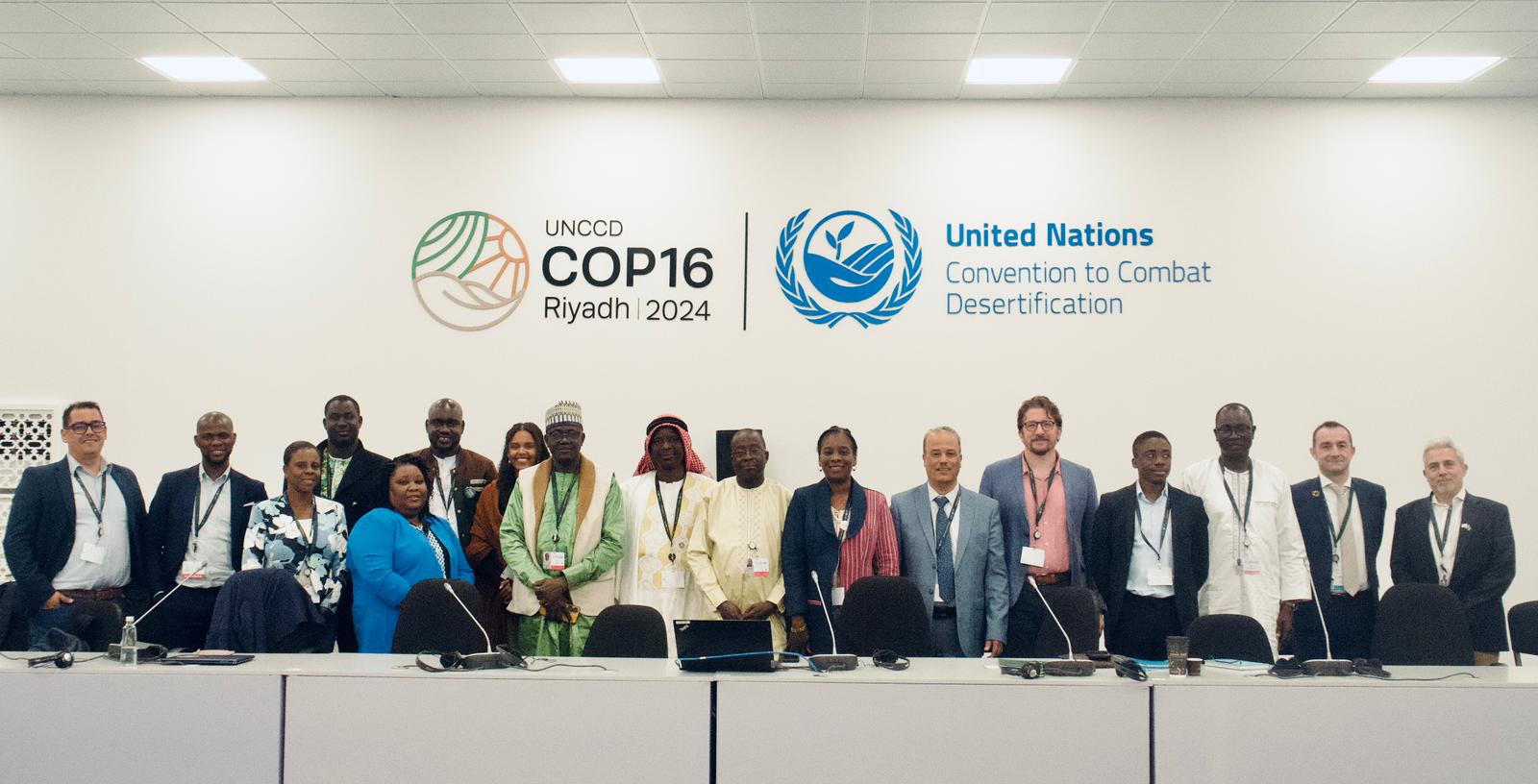
OSS Side Event at COP16: Strengthening Resilience in the Sahel through Multi-…